
 The Stranger
Quotes from the Book
I see many people die because they judge that life is not worth living. I see others paradoxically getting killed for the ideas or illusions that give them a reason for living (what is called a reason for living is also an excellent reason for dying). I therefore conclude that the meaning of life is the most urgent of questions.
297
We get into the habit of living before acquiring the habit of thinking.
229
It happens that the stage sets collapse. Rising, streetcar, four hours in the office or the factory, meal, streetcar, four hours of work, meal, sleep, and Monday Tuesday Wednesday Thursday Friday and Saturday according to the same rhythm – this path is easily followed most of the time. But one day the “why” arises and everything begins in that weariness tinged with amazement.
117
This heart within me I can feel, and I judge that it exists. This world I can touch, and I likewise judge that it exists. There ends all my knowledge, and the rest is construction. (...) Forever I shall be a stranger to myself.
67
There is so much sttuborn hope in a human heart.
60
And here are trees and I know their gnarled surface, water and I feel its taste. These scents of grass and stars at night, certain evenings when the heart relaxes-how shall I negate this world whose power and strength I feel? Yet all the knowledge on earth will give me nothing to assure me that this world is mine. You describe it to me and you teach me to classify it. You enumerate its laws and in my thirst for knowledge I admit that they are true. You take apart its mechanism and my hope increases. At the final stage you teach me that this wondrous and multicolored universe can be reduced to the atom and that the atom itself can be reduced to the electron. All this is good and I wait for you to continue. But you tell me of an invisible planetary system in which electrons gravitate around a nucleus. You explain this world to me with an image. I realize then that you have been reduced to poetry: I shall never know.
59
I’m filled with a desire for clarity and meaning within a world and condition that offers neither.
46
As in all religions, man is freed of the weight of his own life.
45
Il n'y a qu'un problème philosophique vraiment sérieux: c'est le suicide. Juger que la vie vaut ou ne vaut pas la peine d'être vécue, c'est répondre à la question fondamentale de la philosophie.
44
If it were sufficient to love, things would be too easy. The more one loves the stronger the absurd grows.
35
Living, naturally, is never easy. You continue making the gestures commanded by existence for many reasons, the first of which is habit. Dying voluntarily implies that you have recognized, even instinctively, the ridiculous character of that habit, the absence of any profound reason for living, the insane character of that daily agitation and the uselessness of suffering.
34
there are truths but no truth
33
Although “The Myth of Sisyphus” poses mortal problems, it sums itself up for me as a lucid invitation to live and to create, in the very midst of the desert.
27
They deify what crushes them and find reason to hope in what impoverishes them.
27
A world that can be explained even with bad reasons is a familiar world. But, on the other hand, in a universe suddenly divested of illusions and lights, man feels an alien, a stranger. His exile is without remedy since he is deprived of the memory of a lost home or the hope of a promised land.
23
Likewise the mind that aims to understand reality can consider itself satisfied only by reducing it to terms of thought.
23
I come at last to death and to the attitude we have toward it. On this point everything has been said and it is only proper to avoid pathos. Yet one will never be sufficiently surprised that everyone lives as if no one "knew." This is because in reality there is no experience of death. Properly speaking, nothing has been experienced but what has been lived and made conscious. Here, it is barely possible to speak of the experience of others' deaths. It is a substitute, an illusion, and it never quite convinces us. That melancholy convention cannot be persuasive.
21
To will is to stir up paradoxes
19
I want everything to be explained to me or nothing. And the reason is impotent when it hears this cry from the heart. The mind aroused by this insistence seeks and finds nothing but contradictions and nonsense.
19
For the absurd man it is not a matter of explaining and solving, but of experiencing and describing. Everything begins with lucid indifference.
17
What, in fact, is the absurd man? He who, without negating it, does nothing for the eternal. Not that nostalgia is foreign to him. But he prefers his courage and his reasoning. The first teaches him to live without appeal and to get along with what he has; the second informs him of his limits. Assured of his temporally limited freedom, of his revolt devoid of future, and of his mortal consciousness, he lives out his adventure within the span of his lifetime. That is his field, that is his action, which he shields from any judgement but his own.
17
You continue making the gestures commanded by existence for many reasons, the first of which is habit.
17
All those who are struggling for freedom today are ultimately fighting for beauty.
15
For three years,’ says Kirilov, ‘I sought the attribute of my divinity and I have found it. The attribute of my divinity is independence.’ Now can be seen the meaning of Kirilov’s premiss: ‘If God does not exist, I am god.’ To become god is merely to be free on this earth, not to serve an immortal being.
15
Nostalgia is stronger here than knowledge...[Reason] is an instrument of thought and not thought itself. Above all, a man's thought is his nostalgia.
13
Did you know?
- The work was first published in French in 1942 under the title "Le Mythe de Sisyphe."
- The widely read English translation was made by Justin O'Brien and published by Hamish Hamilton in 1955.
- It opens by declaring that there is only one truly serious philosophical problem, and that is suicide.
- The book is structured in four parts—covering absurd reasoning, the absurd man, and absurd creation—culminating in the title essay on Sisyphus.
- Camus appended an essay on the writer Franz Kafka to the work.
- Camus is widely associated with existentialism but explicitly distinguished his absurdism from it.
About Albert Camus
Albert Camus (1913–1960) was a French-Algerian writer and philosopher associated with absurdism, and the author of novels including "The Stranger" and "The Plague." He was awarded the Nobel Prize in Literature in 1957.
More about the author →More by Albert Camus
All books by Albert Camus →
About the book
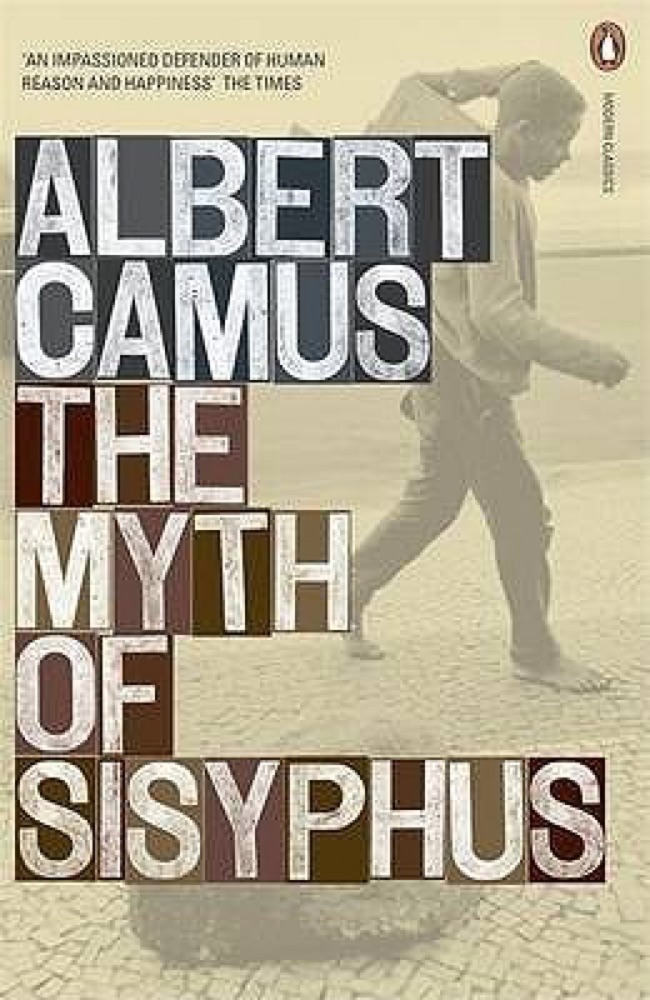
"The Myth of Sisyphus" (originally "Le Mythe de Sisyphe") is a philosophical essay by Albert Camus, first published in French by Gallimard in 1942. Beginning from the premise that the only truly serious philosophical question is whether life is worth living, Camus examines what he calls "the absurd"—the conflict between the human craving for meaning and a silent, indifferent universe—and asks whether that realization should lead to suicide.
Camus argues that neither physical suicide nor "philosophical suicide" (the leap to religious or metaphysical hope) is an honest response to the absurd. Instead he proposes living in lucid revolt: confronting meaninglessness without resignation or false consolation. The work's central themes—the absurd, freedom, revolt, and the value of conscious experience—are illustrated through figures of the "absurd man" and, finally, the Greek myth of Sisyphus, condemned to roll a boulder uphill for eternity.
The essay became a foundational text of absurdist thought and is closely associated with mid-twentieth-century existential philosophy, though Camus himself rejected the existentialist label. Its closing image of an embraced, defiant Sisyphus has remained one of the most quoted passages in modern philosophy, and later thinkers such as Thomas Nagel continued to engage with Camus's framing of the absurd.
Book details
- First published
- 1942
- Length
- 185 pages
- Reading time
- 2 hours
- Author
- Albert Camus
- Genre
- Philosophy
- Goodreads rating
- 4.16 (104k ratings)
Critical reception
- The essay is regarded as a foundational statement of Camus's philosophy of the absurd.
- It is frequently studied alongside his novel "The Stranger," published the same year.
- Philosophers including Thomas Nagel have engaged critically with Camus's concept of the absurd.
- Its final line, "One must imagine Sisyphus happy," is among the most quoted in modern philosophy.
Keep reading
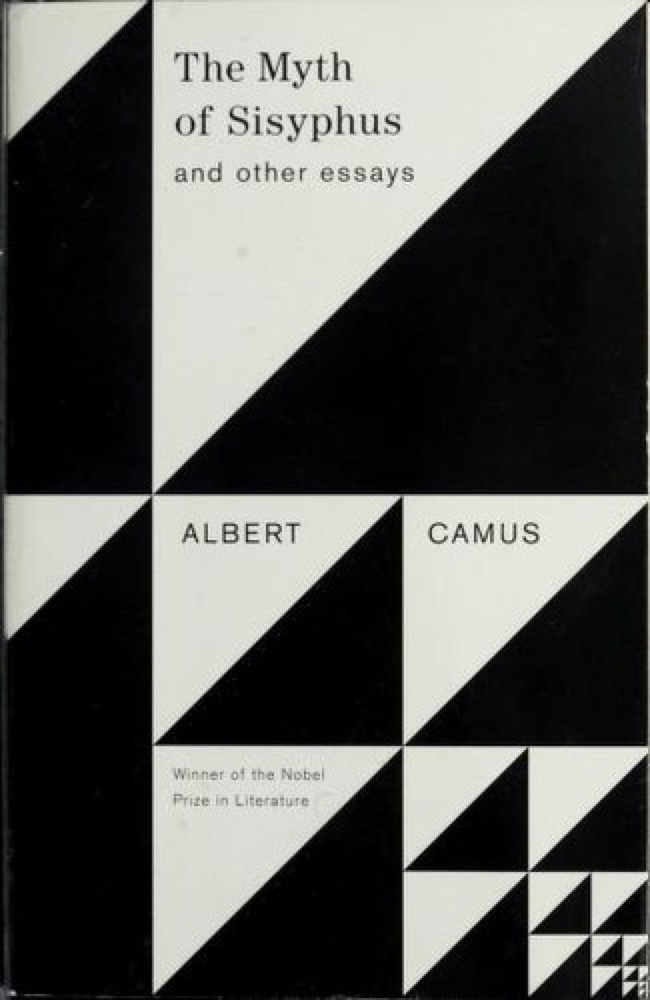 The Myth of Sisyphus and Other Essays
 The Man Without Qualities
 The Varieties of Religious Experience
 Twilight of the Idols/The Anti-Christ
 Six Characters in Search of an Author
 Twilight of the Idols
 The Fall
 The World as Will and Representation, Vol 1
 The Gay Science
 Man and His Symbols
 A Confession
 Irrational Man: A Study in Existential Philosophy
 The Schopenhauer Cure
 Demian
 The Denial of Death
 The Everlasting Man
 Man's Search for Meaning
 The Empusium
 The Story of My Experiments With Truth
 The Magic Mountain
 In Search of Lost Time
 The Wisdom of Insecurity: A Message for an Age of Anxiety
 East of Eden
 The Ethics of Ambiguity
 Life of Pi
 The Book: On the Taboo Against Knowing Who You Are
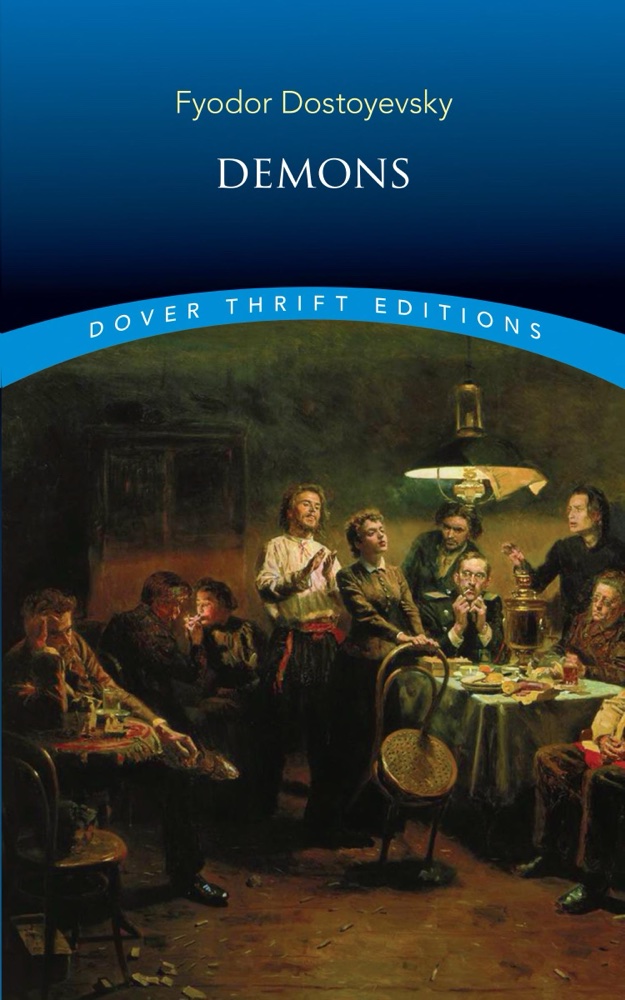 Demons
 Doctor Zhivago
 The Wisdom of Life
 Myths to Live By
 Eyeless in Gaza
 Orthodoxy
 Pensées
 When Nietzsche Wept
 Surprised by Joy: The Shape of My Early Life
 On the Heights of Despair
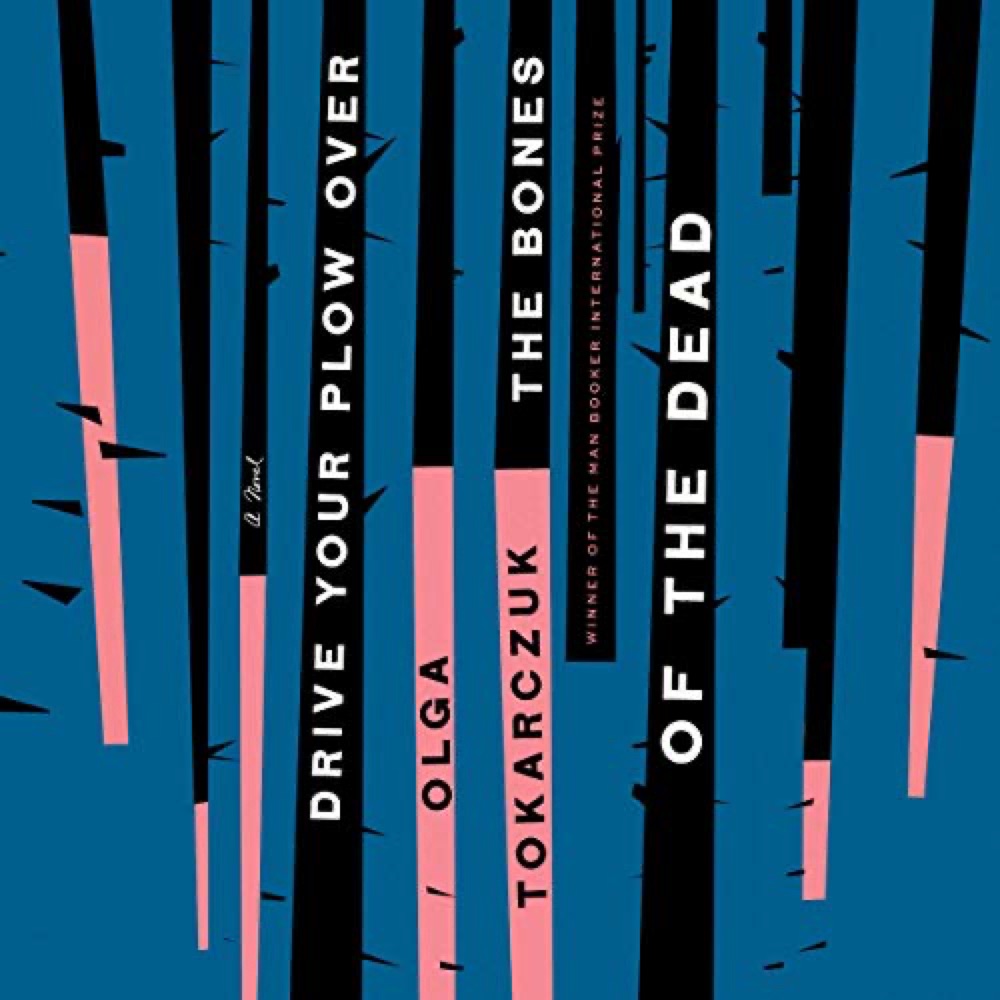 Drive Your Plow Over the Bones of the Dead
 Daniel Deronda
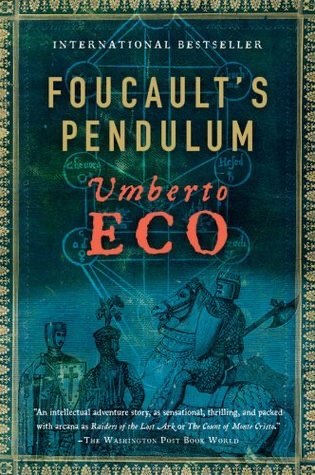 Foucault's Pendulum
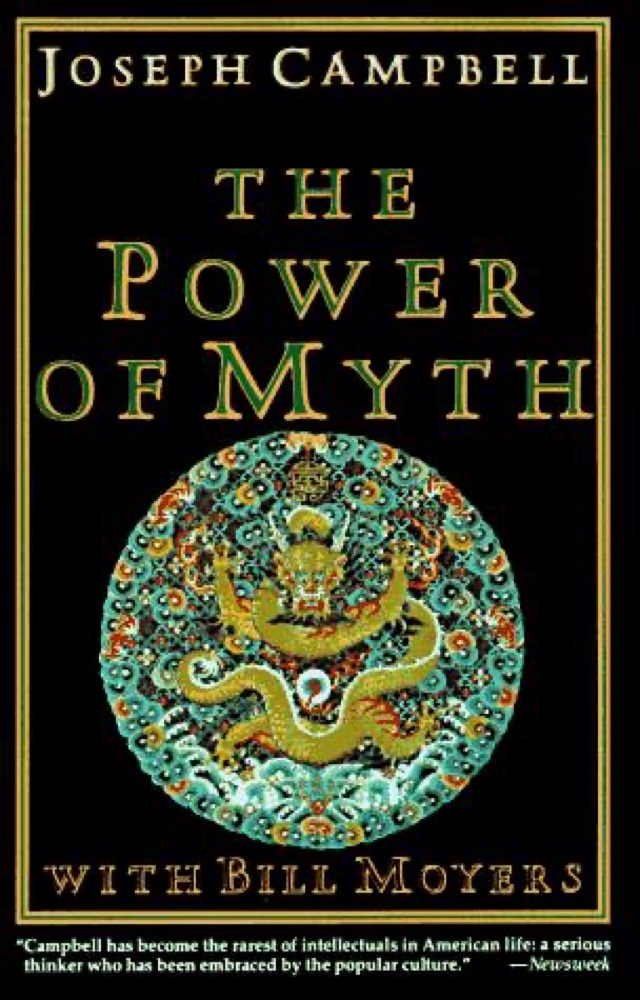 The Power of Myth
 The Consolations of Philosophy
 Memories, Dreams, Reflections
 The Doors of Perception & Heaven and Hell
 Island
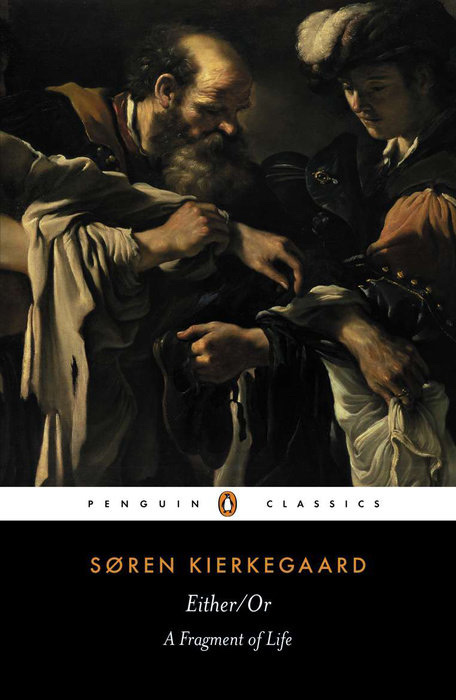 Either/Or: A Fragment of Life
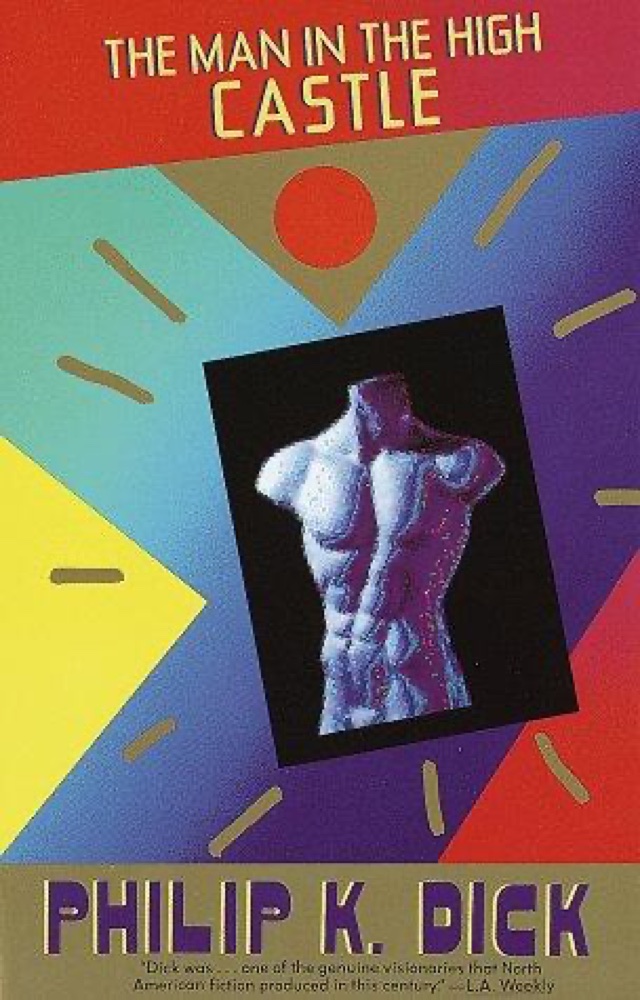 The Man in the High Castle
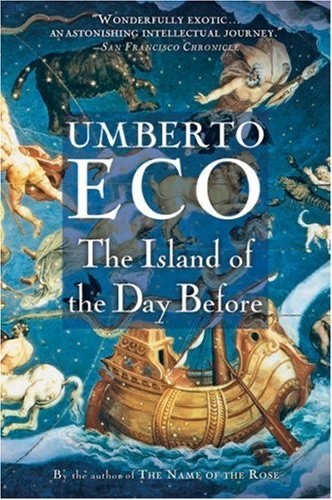 The Island of the Day Before
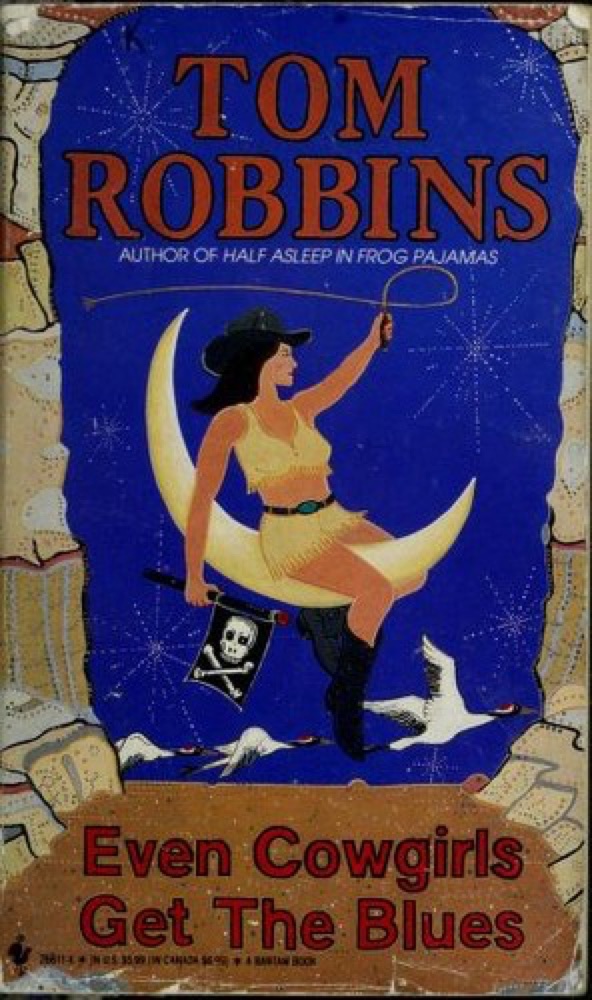 Even Cowgirls Get the Blues
 Stories of Your Life and Others
 Hippie
 Tears and Saints
 The Broken God
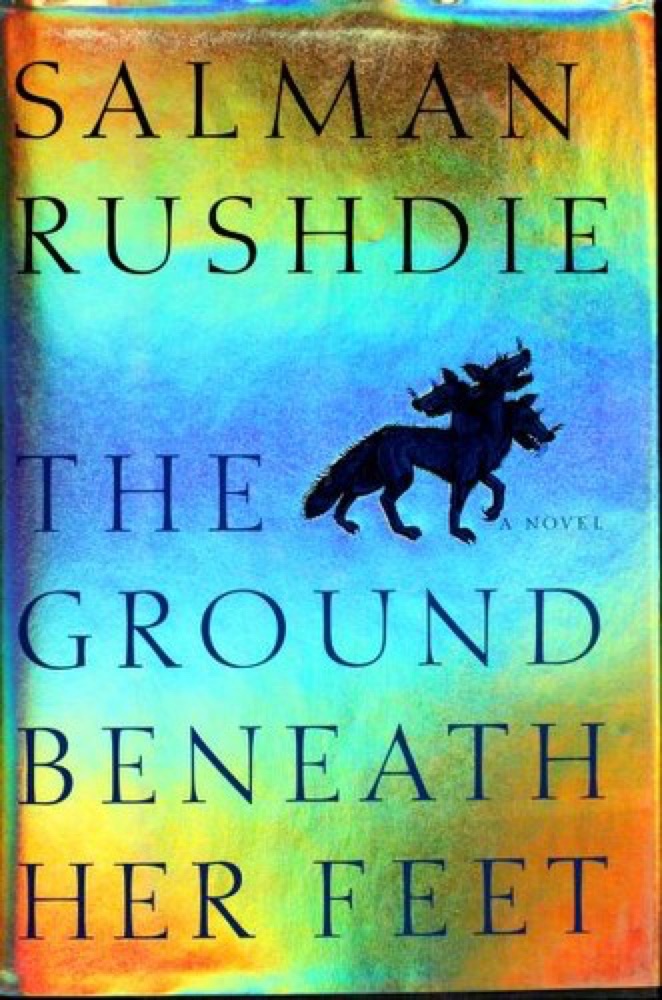 The Ground Beneath Her Feet
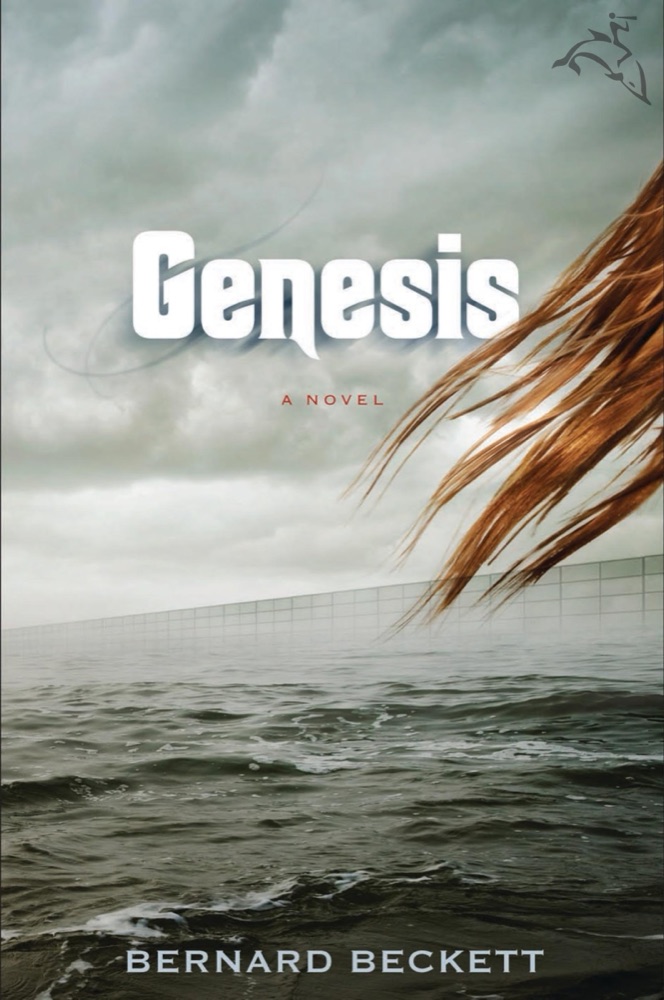 Genesis
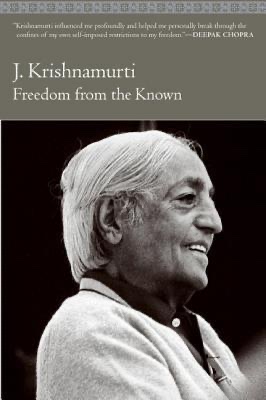 Freedom from the Known
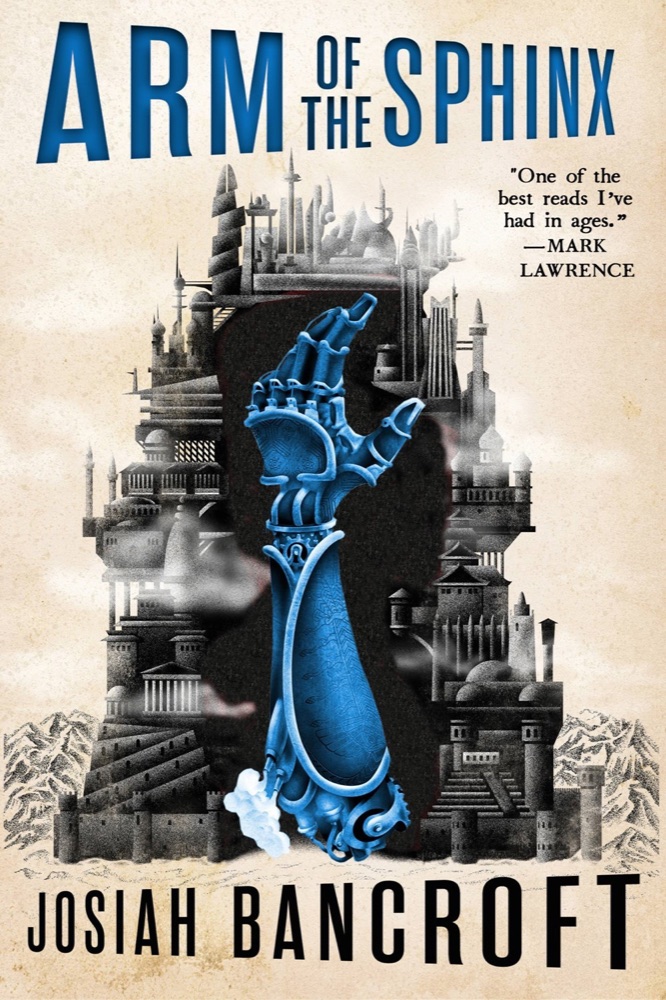 Arm of the Sphinx
 Random Acts Of Heroic Love
 Nothing to Be Frightened Of
 The Magus
 Stand Still Like the Hummingbird