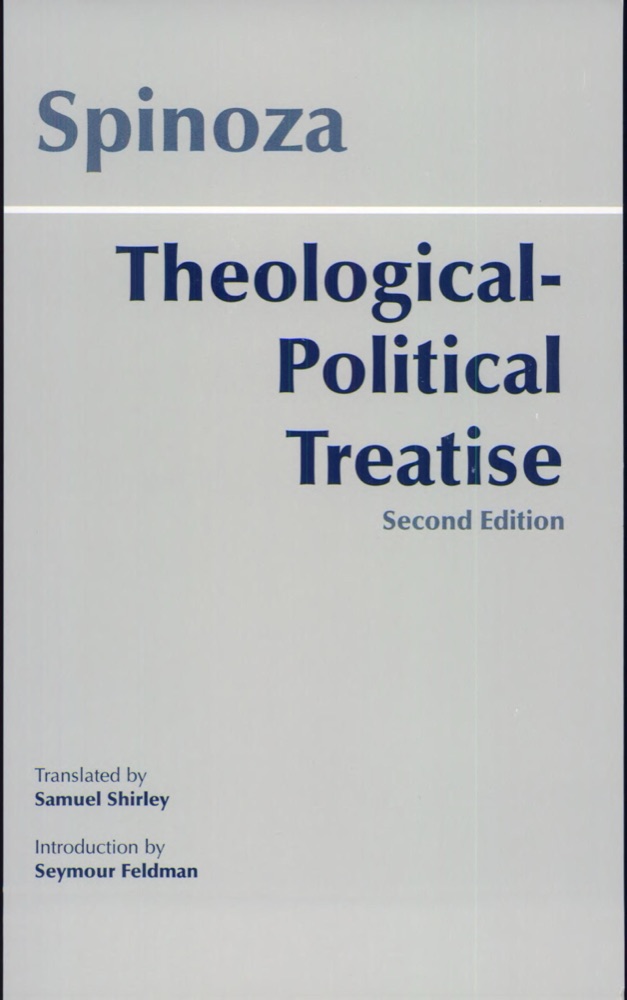
 Theological-Political Treatise
Quotes from the Book
Everything excellent is as difficult as it is rare.
Those who wish to seek out the cause of miracles and to understand the things of nature as philosophers, and not to stare at them in astonishment like fools, are soon considered heretical and impious, and proclaimed as such by those whom the mob adores as the interpreters of nature and the gods. For these men know that, once ignorance is put aside, that wonderment would be taken away, which is the only means by which their authority is preserved.
I should attempt to treat human vice and folly geometrically... the passions of hatred, anger, envy, and so on, considered in themselves, follow from the necessity and efficacy of nature... I shall, therefore, treat the nature and strength of the emotion in exactly the same manner, as though I were concerned with lines, planes, and solids.
Emotion, which is suffering, ceases to be suffering as soon as we form a clear and precise picture of it.
We feel and experience ourselves to be eternal.
It is the part of a wise man, I say, to refresh and restore himself in moderation with pleasant food and drink, with scents, with the beauty of green plants, with decoration, music, sports, the theater, and other things of this kind, which anyone can use without injury to another.
A free man thinks of nothing less than of death, and his wisdom is a meditation, not on death, but on life.
The superstitious know how to reproach people for their vices better than they know how to teach them virtues, and they strive, not to guide men by reason, but to restrain them by fear, so that they flee the evil rather than love virtues. Such people aim only to make others as wretched as they themselves are, so it is no wonder that they are generally burdensome and hateful to men.
Blessedness is not the reward of virtue, but virtue itself.
Minds, however, are conquered not by arms, but by love and nobility.
No reason compels me to maintain that the body does not die unless it is changed into a corpse. And, indeed, experience seems to urge a different conclusion. Sometimes a man undergoes such changes that I should hardly have said he was the same man.
The superstitious, who know how to reprove vices rather than how to teach virtues, and who strive, not to lead people by reason, but to restrain them by fear in such a way that they flee what is bad rather than love the virtues, simply intend all other people to be as miserable as they are, and so it is not surprising that they are for the most part irksome and hateful to human beings.
Human infirmity in moderating and checking the emotions I name bondage : for, when a man is a prey to his emotions, he is not his own master, but lies at the mercy of fortune : so much so, that he is often compelled, while seeing that which is better for him, to follow that which is worse.
Hatred is increased by being reciprocated, and can on the other hand be destroyed by love.
A free man thinks of death least of all things, and his wisdom is a meditation not of death but of life.
Nothing forbids man to enjoy himself, save grim and gloomy superstition
He who has a true idea simultaneously knows that he has a true idea, and cannot doubt of the truth of the thing perceived.
The good which every man, who follows after virtue, desires for himself he will also desire for other men...
Things are not more or less perfect, according as they delight or offend human senses, or according as they are serviceable or repugnant to mankind.
Most errors consist only in our not rightly applying names to things. For when someone says that the lines which are drawn from the center of a circle to its circumference are unequal, he surely understands (then at least) by a circle something different from what mathematicians understand. Similarly, when men err in calculating they have certain numbers in their mind and different ones on the paper. So if you consider what they have in mind, they really do not err, though they seem to err because we think they have in their mind the numbers which are on the paper. If this were not so, we would not believe that they were erring, just as I did not believe that he was erring whom I recently heard cry out that his courtyard had flown into his neighbor's hen, because what he had in mind seemed sufficiently clear to me. And most controversies have arisen from this, that men do not rightly explain their own mind, or interpret the mind of the other man badly. For really, when they contradict one another most vehemently, they either have the same thoughts, or they are thinking of different things, so that what they think are errors and absurdities in the other are not.
men, in so far as they live in obedience to reason necessarily do only such things as are necessarily good for human nature, and consequently for each individual man.
By that which is self-caused, I mean that of which the essence involves existence, or that of which the nature is only conceivable as existent.
The object of the idea constituting the human mind is the body
The order and connection of ideas in the same as the order and connection of things
By substance, I mean that which is in itself, and is conceived through itself: in
For though men be ignorant, yet they are men
Superstitious persons, who know better how to rail at vice than how to teach virtue, and who strive not to guide men by reason, but so to restrain them that they would rather escape evil than love virtue, have no other aim but to make others as wretched as themselves. Wherefore it is nothing wonderful, if they be generally troublesome and odious to their fellow man.
These are the prejudices which I undertook to notice here. If any others of a similar character remain, they can easily be rectified with a little thought by anyone.
Watch on YouTube
About Baruch Spinoza
We have collected 42 quotes from 2 books by Baruch Spinoza on BookQuoters.
More about the author →More by Baruch Spinoza
Theological-Political Treatise
Book details
- Author
- Baruch Spinoza
- Genre
- Classics
- Goodreads rating
- 4.10 (22k ratings) →
Keep reading
 The Nicomachean Ethics
 Beyond Good and Evil
 Twilight of the Idols
 Human, All Too Human
 The Consolation of Philosophy
 The Theory of Moral Sentiments
 The Wisdom of Life
 The Varieties of Religious Experience
 Heretics
 A Treatise of Human Nature
 Man's Search for Meaning
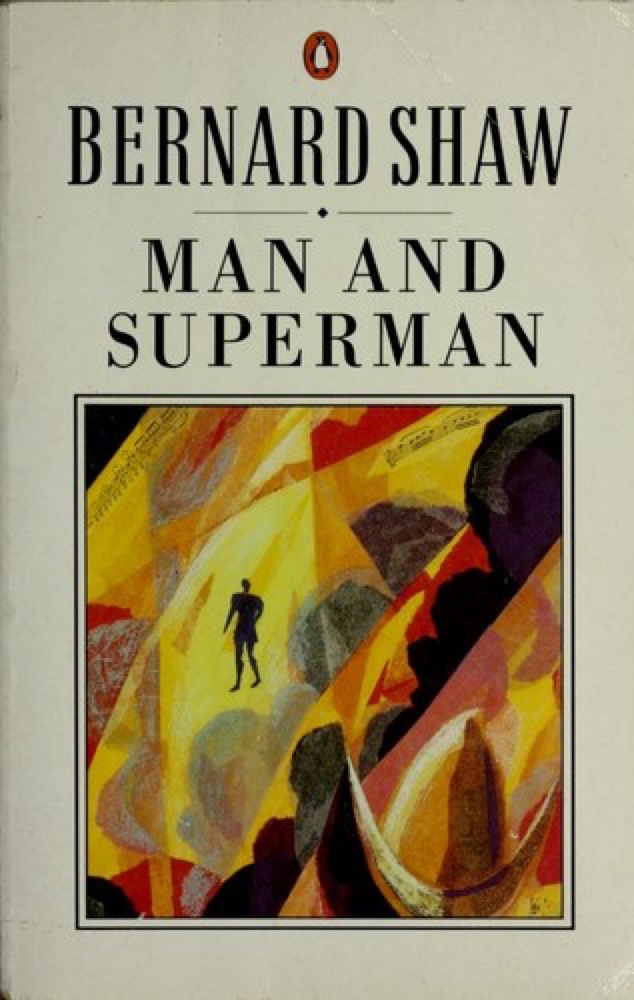 Man and Superman
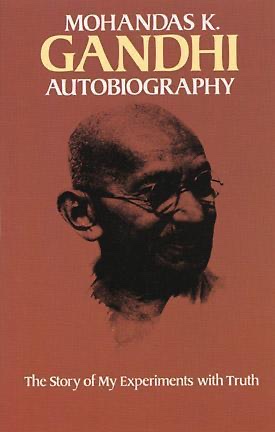 The Story of My Experiments With Truth
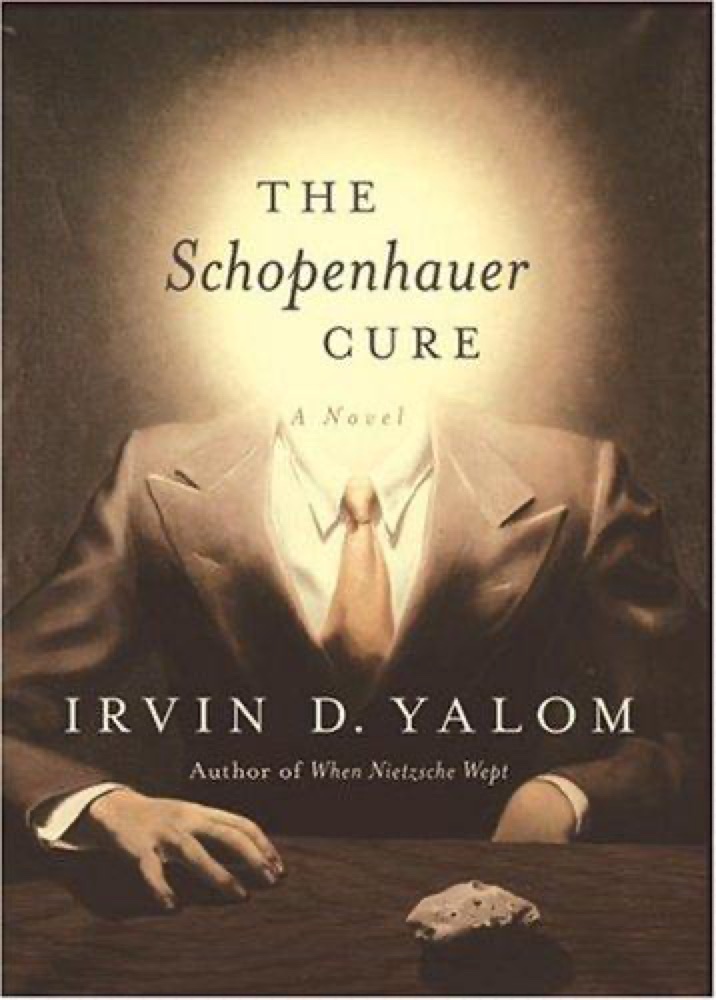 The Schopenhauer Cure
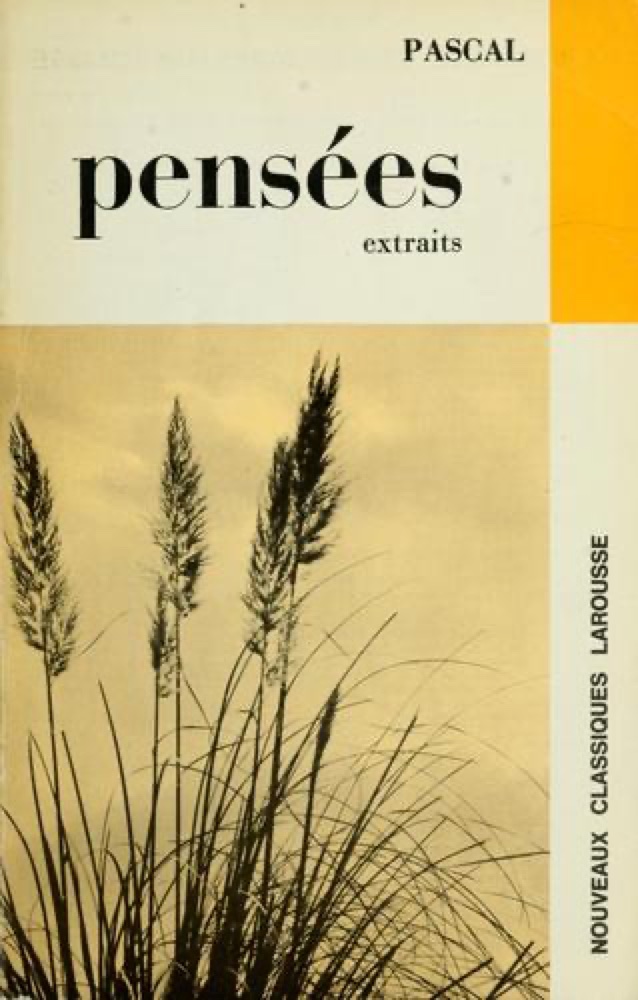 Pensées
 As a Man Thinketh
 An Essay Concerning Human Understanding
 The Republic
 Emile or On Education
 The Way of All Flesh
 Notes from Underground
 On Liberty
 The Magic Mountain
 Sacred Hunger
 Civilization and Its Discontents
 Philosophical Dictionary
 The World As I See It
 The Myth of Sisyphus and Other Essays
 Self-Reliance and Other Essays
 The Complete Essays
 Discourses and Selected Writings
 An Enquiry Concerning Human Understanding
 The Ethics of Ambiguity
 The Screwtape Letters
 The Abolition of Man
 The Enneads
 The Essential Writings of Ralph Waldo Emerson
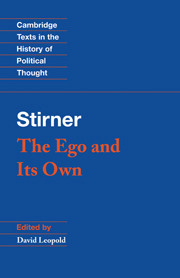 The Ego and Its Own
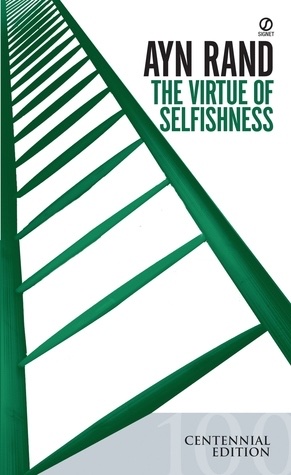 The Virtue of Selfishness: A New Concept of Egoism
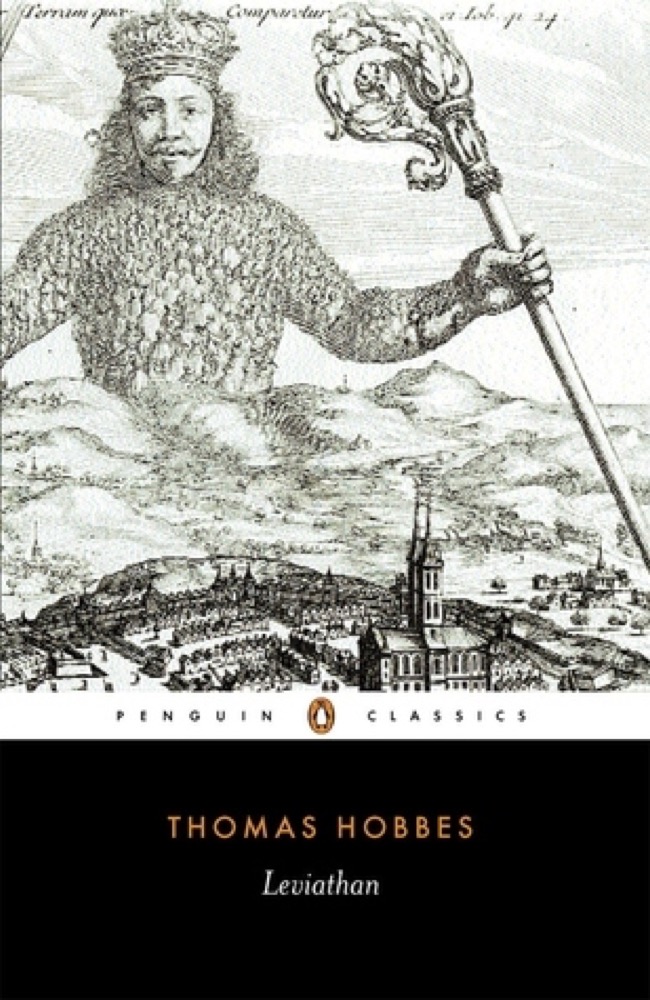 Leviathan
 The Autobiography of Benjamin Franklin
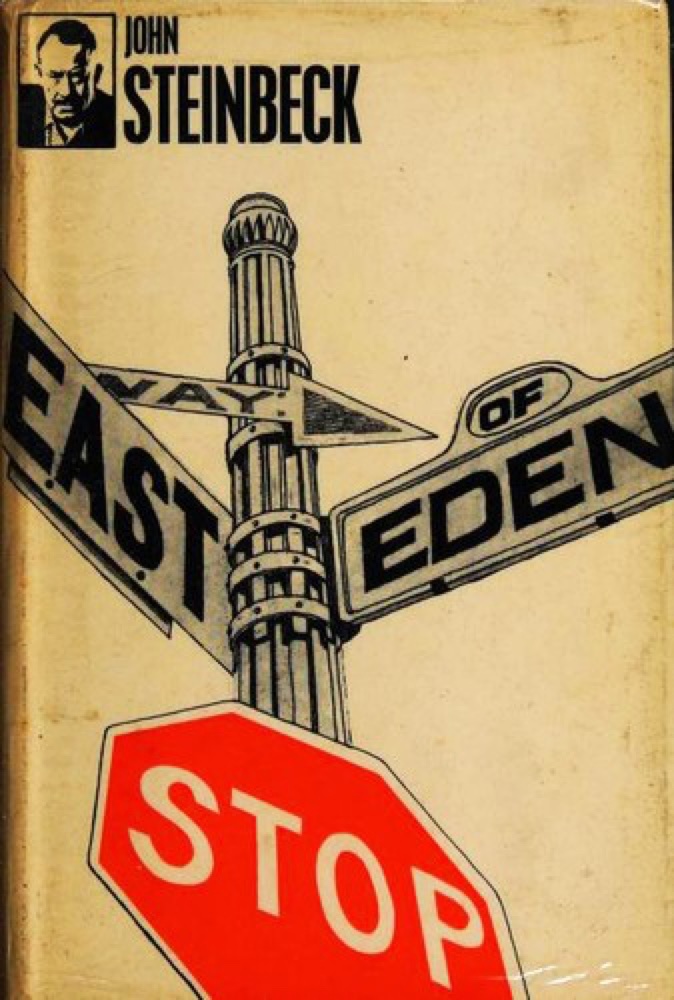 East of Eden
 Self-Reliance: An Excerpt from Collected Essays, First Series
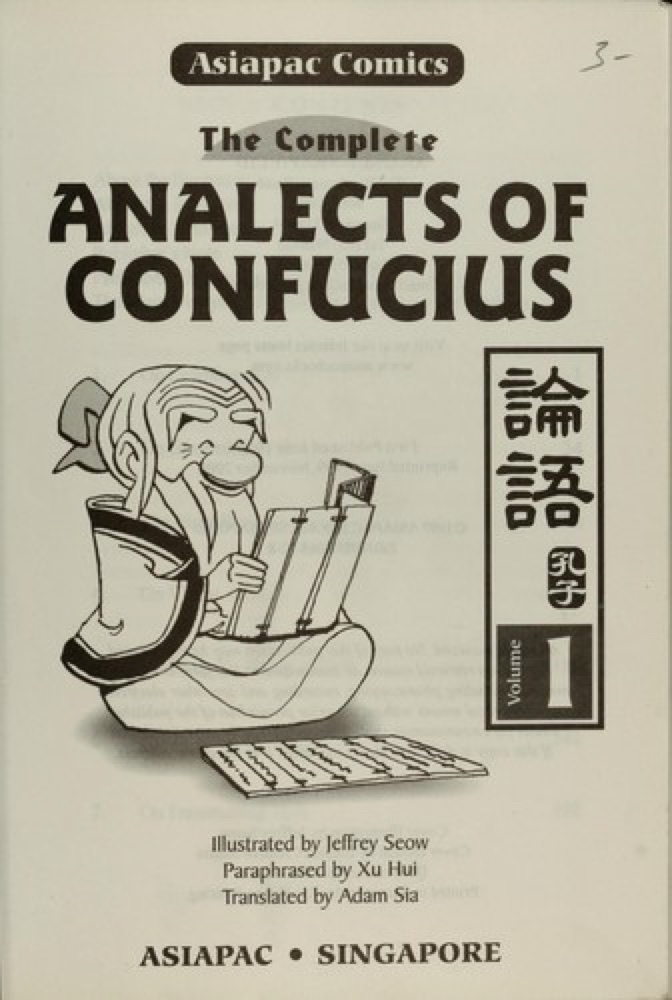 The Analects
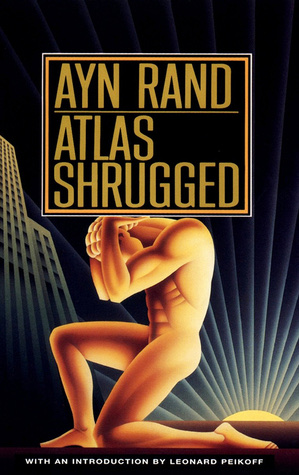 Atlas Shrugged
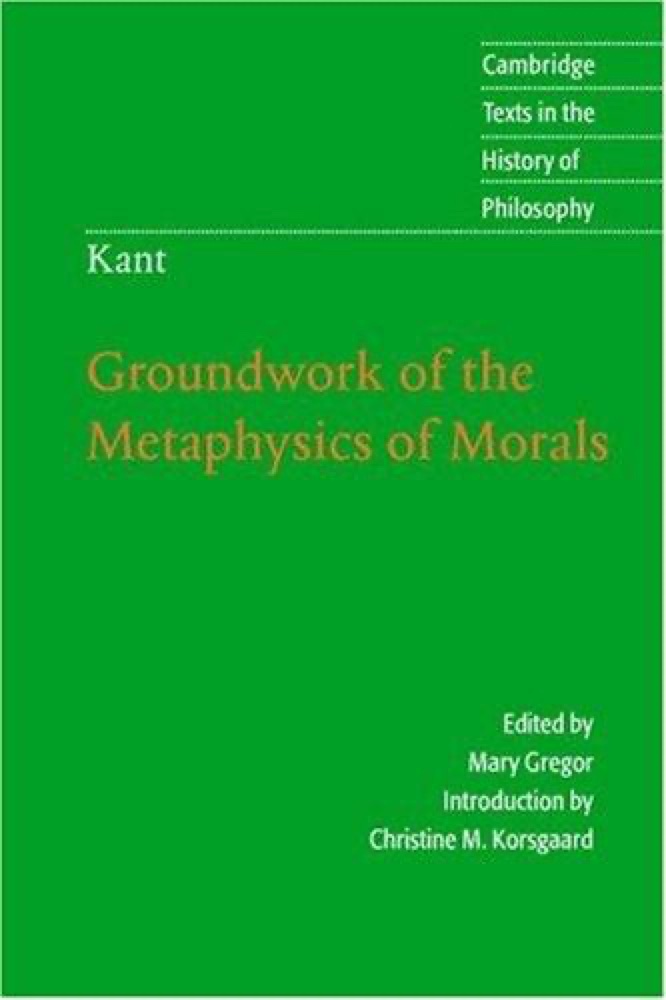 Groundwork of the Metaphysics of Morals
 Persian Letters
 Essays
 Ethics for the New Millennium
 The Man Without Qualities
 The Art of Happiness
 Daniel Deronda
 A History of Western Philosophy
 Point Counter Point
 De Profundis
 The World as Will and Representation, Vol 1
 Zeno's Conscience
 The Art of Being
 What I Believe
 City of God