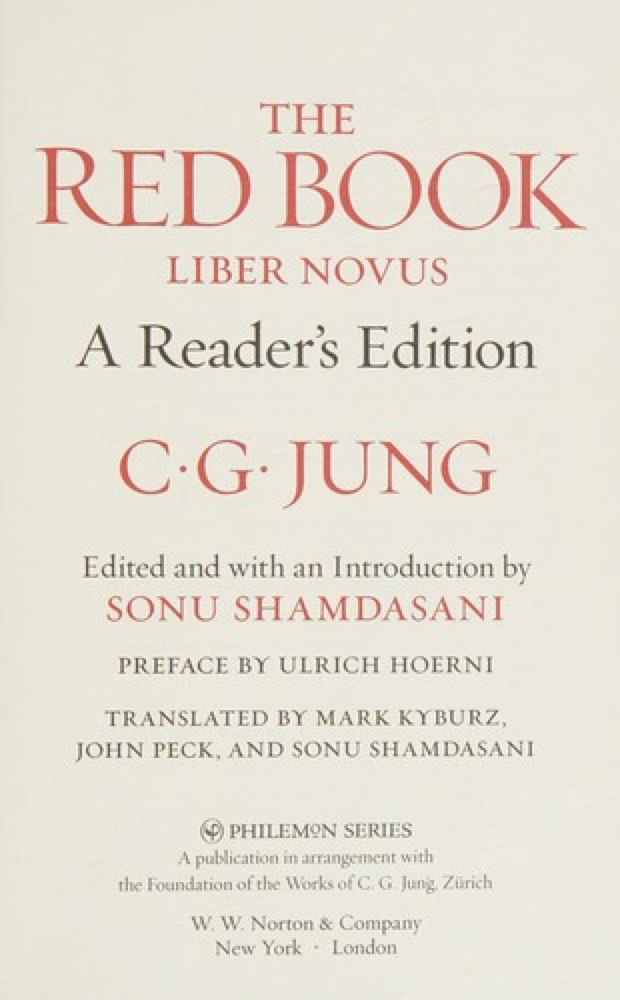
 The Red Book: Liber Novus
Quotes from the Book
How can I be substantial if I do not cast a shadow? I must have a dark side also If I am to be whole.
845
We cannot change anything unless we accept it.
817
The shoe that fits one person pinches another; there is no recipe for living that suits all cases.
564
We cannot change anything unless we accept it. Condemnation does not liberate; it oppresses.
127
Faith, hope, love, and insight are the highest achievements of human effort. They are found-given-by experience.
112
I have treated many hundreds of patients. Among those in the second half of life - that is to say, over 35 - there has not been one whose problem in the last resort was not that of finding a religious outlook on life. It is safe to say that every one of them fell ill because he had lost that which the living religions of every age have given their followers, and none of them has really been healed who did not regain his religious outlook.
101
Whatever we look at, and however we look at it, we see only through our own eyes.
78
But what will he do when he sees only too clearly why his patient is ill; when he sees that it arises from his having no love, but only sexuality; no faith, because he is afraid to grope in the dark; no hope, because he is disillusioned by the world and by life; and no understanding, because he has failed to read the meaning of his own existence?
71
What is essential in a work of art is that it should rise far above the realm of personal life and speak from the spirit and heart of the poet as man to the spirit and heart of mankind.
47
Much of the evil in this world is due to the fact that man, in general, is hopelessly unconscious.
46
To be "normal" is a splendid ideal for the unsuccessful,
44
At first we cannot see beyond the path that leads downward to dark and hateful things but no light or beauty will ever come from the man who cannot bear this sight. Light is always born of darkness, and the sun never yet stood still in heaven to satisfy man's longing or to still his fears.
33
I am accused of mysticism. I do not, however, hold myself responsible for the fact that man has, everywhere and always, spontaneously developed religious forms of expression, and that the human psyche from time immemorial has been shot through with religious feelings and ideas. Whoever cannot see this aspect of the human psyche is blind, and whoever chooses to explain it away, or to "enlighten" it away, has no sense of reality.
22
I do not forget that my voice is but one voice, my experience a mere drop in the sea, my knowledge no greater than the visual field in a microscope, my mind's eye a mirror that reflects a small concern of the world, and my ideas - a subjective confession.
21
To cherish secrets and to restrain emotions are psychic misdemeanours for which nature finally visits us with sickness—that is, when we do these things in private. But when they are done in communion with others they satisfy nature and may even count as useful virtues. It is only restraint practised in and for oneself that is unwholesome. It is as if man had an inalienable right to behold all that is dark, imperfect, stupid and guilty in his fellow-beings—for such of course are the things that we keep private to protect ourselves. It seems to be a sin in the eyes of nature to hide our insufficiency—just as much as to live entirely on our inferior side. There appears to be a conscience in mankind which severely punishes the man who does not somehow and at some time, at whatever cost to his pride, cease to defend and assert himself, and instead confess himself fallible and human. Until he can do this, an impenetrable wall shuts him out from the living experience of feeling himself a man among men. Here we find a key to the great significance of true, unstereotyped confession—a significance known in all the initiation and mystery cults of the ancient world, as is shown by a saying from the Greek mysteries: "Give up what thou hast, and then thou wilt receive.
17
A great work of art is like a dream; for all its apparent obviousness it does not explain itself and is never unequivocal. A dream never says: "You ought", or: "This is the truth." It presents an image in much the same way as nature allows a plant to grow, and we must draw our own conclusions. If a person has a nightmare, it means either that he is too much given to fear, or else that he is too exempt from it;
13
The psyche is a self-regulating system that maintains itself in equilibrium as the body does.
13
Let man but accumulate his materials of destruction and the devil within him will soon be unable to resist putting them to their fated use.
11
The dream gives a true picture of the subjective state, while the conscious mind denies that this state exists, or recognizes it only grudgingly.
11
what is illusion? By what criterion do we judge something to be an illusion? Does there exist for the psyche anything which we may call "illusion"? What we are pleased to call such may be for the psyche a most important factor of life—something as indispensable as oxygen for the organism—a psychic actuality of prime importance. Presumably the psyche does not trouble itself about our categories of reality, and it would therefore be the better part of wisdom for us to say: everything that acts is actual.
11
Dreams give information about the secrets of the inner life and reveal to the dreamer hidden factors of his personality. As long as these are undiscovered, they
11
But we must not forget that only a very few people are artists in life; that the art of life is the most distinguished and rarest of all the arts. Who ever succeeded in draining the whole cup with grace?
9
For we are all in some way or other kept asunder by our secrets; and instead of seeking through confession to bridge the abysses that separate us from one another, we choose the easy by-way of deceptive opinions and illusions.
9
The psychotherapist must not allow his vision to be coloured by the glasses of pathology; he must never allow himself to forget that the ailing mind is a human mind, and that, for all its ailments, it shares in the whole of the psychic life of man. The psychotherapist must even be able to admit that the ego is ill for the very reason that it is cut off from the whole, and has lost its connection with mankind as well as with the spirit.
9
It is painful—there is no denying it—to interpret radiant things from the shadow-side, and thus in a measure reduce them to their origins in dreary filth. But it seems to me to be an imperfection in things of beauty, and a weakness in man, if an explanation from the shadow-side has a destructive effect.
9
It is precisely the most subjective ideas which, being closest to nature and to the living being, deserve to be called the truest.
8
It is the growth of consciousness which we must thank for the existence of problems; they are the dubious gift of civilization. It is just man’s turning away from instinct—his opposing himself to instinct—that creates consciousness.
7
Watch on YouTube
About C.G. Jung
We have collected 191 quotes from 9 books by C.G. Jung on BookQuoters.
More about the author →More by C.G. Jung
All books by C.G. Jung →
About the book
A provocative and enlightening look at spiritual unease and its contribution to the void in modern civilization
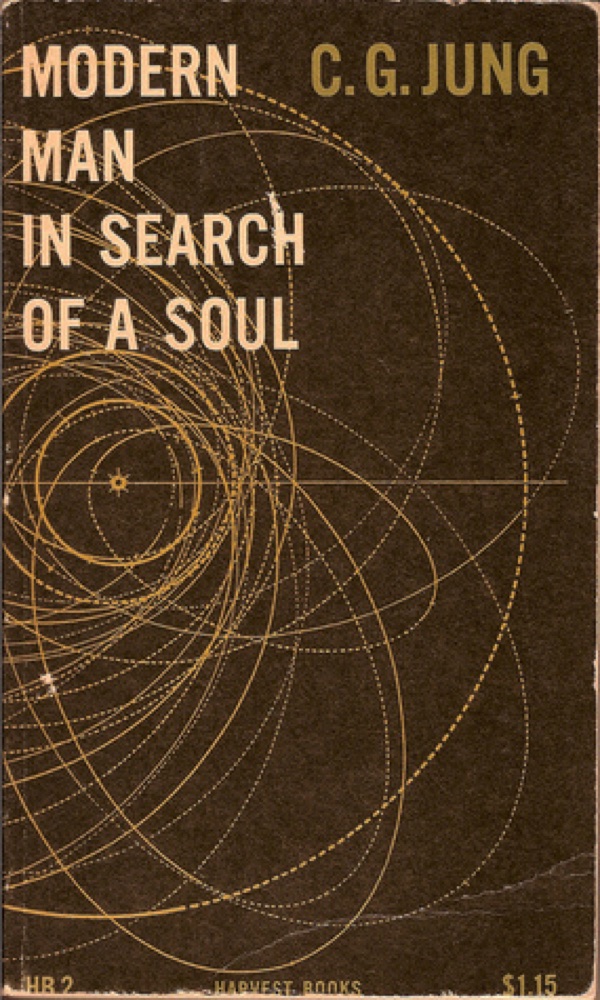
Considered by many to be one of the most important books in the field of psychology, Modern Man in Search of a Soul is a comprehensive introduction to the thought of Carl Gustav Jung. In this book, Jung examines some of the most contested and crucial areas in the field of analytical psychology, including dream analysis, the primitive unconscious, and the relationship between psychology and religion. Additionally, Jung looks at the differences between his theories and those of Sigmund Freud, providing a valuable basis for anyone interested in the fundamentals of psychoanalysis.
Book details
- First published
- 1931
- Author
- C.G. Jung
- Genre
- Nonfiction
- Goodreads rating
- 4.20 (15k ratings)
Keep reading
 Man and His Symbols
 The Varieties of Religious Experience
 The World as Will and Representation, Vol 1
 The Book: On the Taboo Against Knowing Who You Are
 The Denial of Death
 The Doors of Perception & Heaven and Hell
 Irrational Man: A Study in Existential Philosophy
 Daybreak: Thoughts on the Prejudices of Morality
 The Essential Writings of Ralph Waldo Emerson
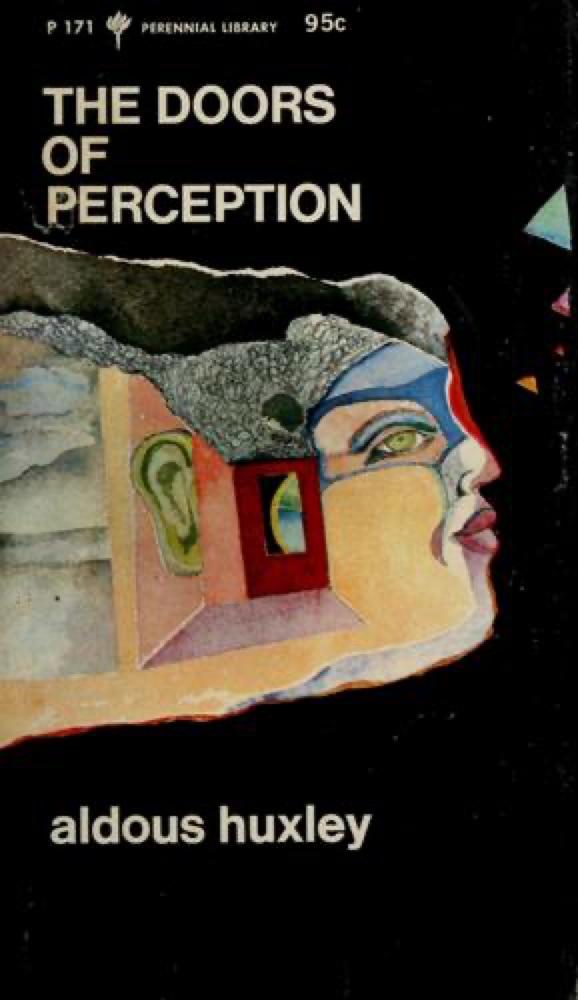 The Doors of Perception
 The Will to Power
 The Myth of Sisyphus and Other Essays
 Myths to Live By
 The Art of Being
 Memories, Dreams, Reflections
 The Gay Science
 The Myth of Sisyphus
 The Perennial Philosophy
 Finding Meaning in the Second Half of Life: How to Finally, Really Grow Up
 When Nietzsche Wept
 The Wisdom of Life
 The Man Without Qualities
 The Consolations of Philosophy
 Civilization and Its Discontents
 The Sane Society
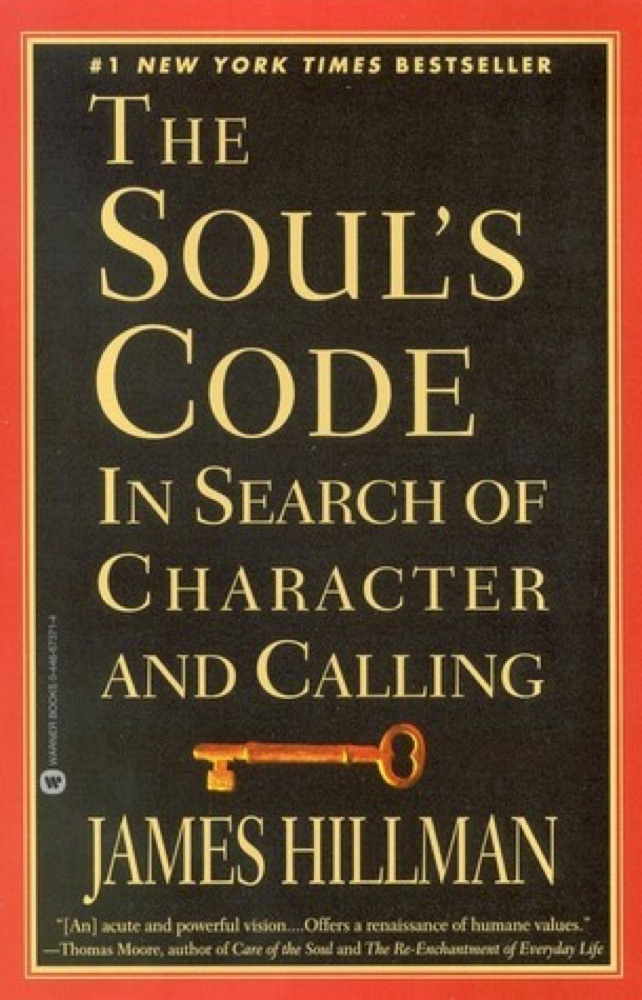 The Soul's Code: In Search of Character and Calling
 The Occult
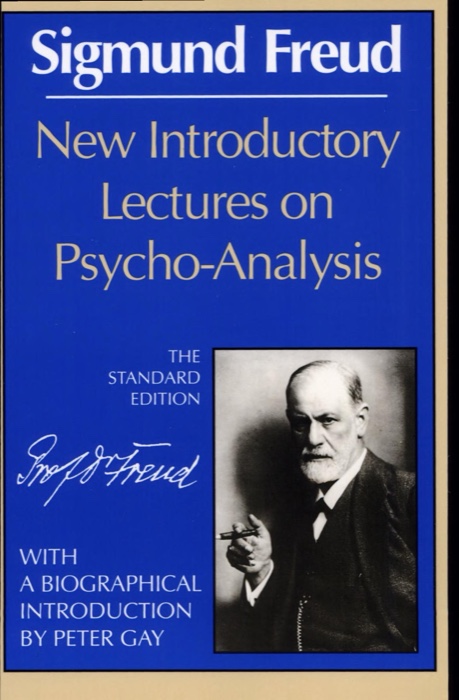 Introductory Lectures on Psychoanalysis
 On the Suffering of the World
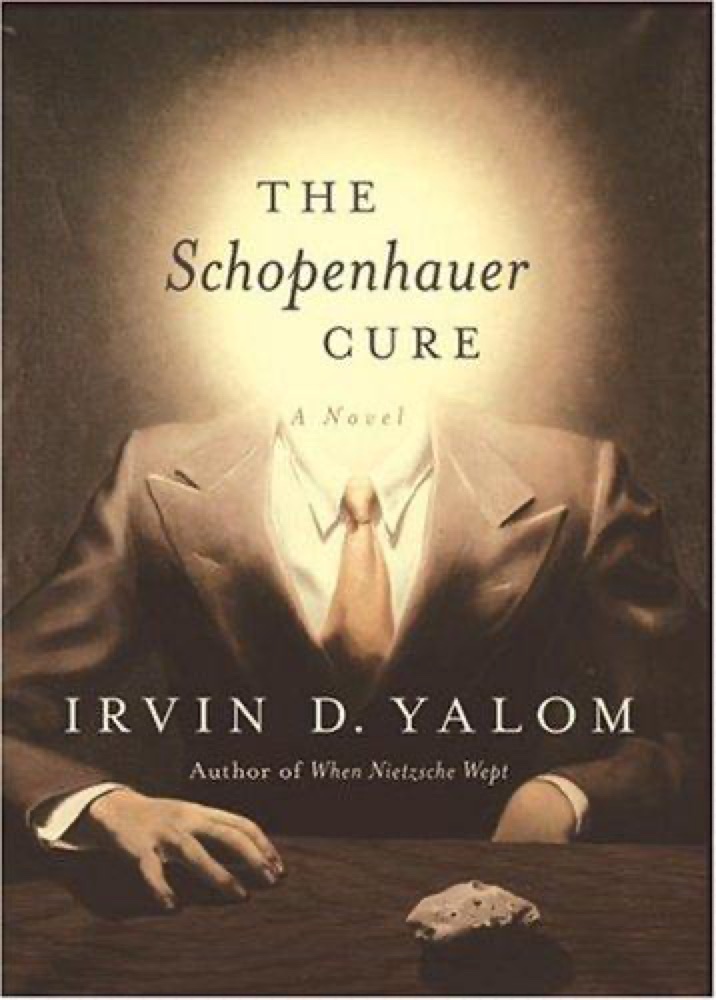 The Schopenhauer Cure
 The Wisdom of Insecurity: A Message for an Age of Anxiety
 Toward a Psychology of Being
 Maps of Meaning: The Architecture of Belief
 Man's Search for Ultimate Meaning
 Demian
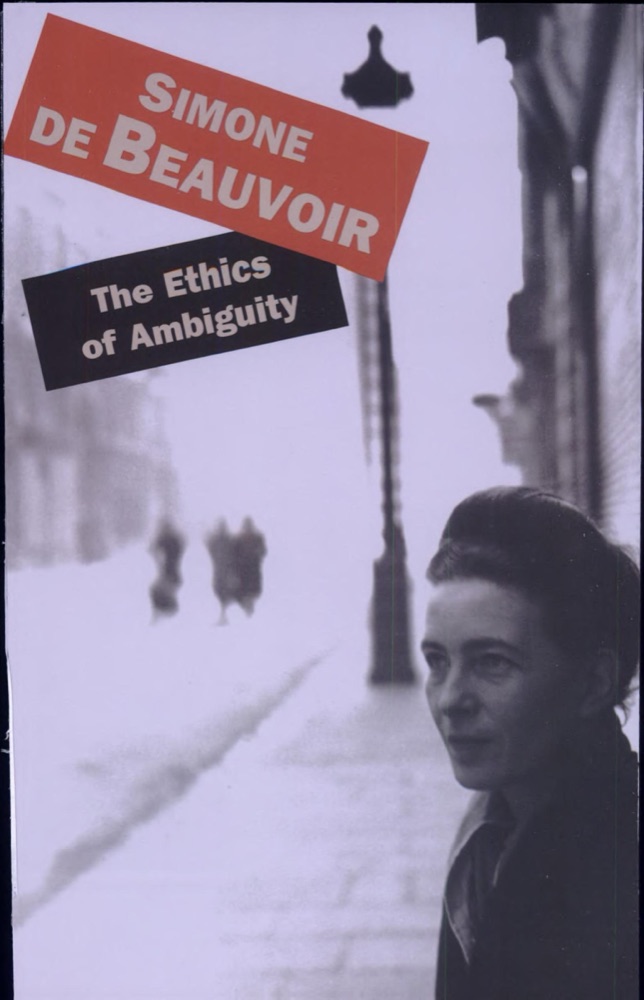 The Ethics of Ambiguity
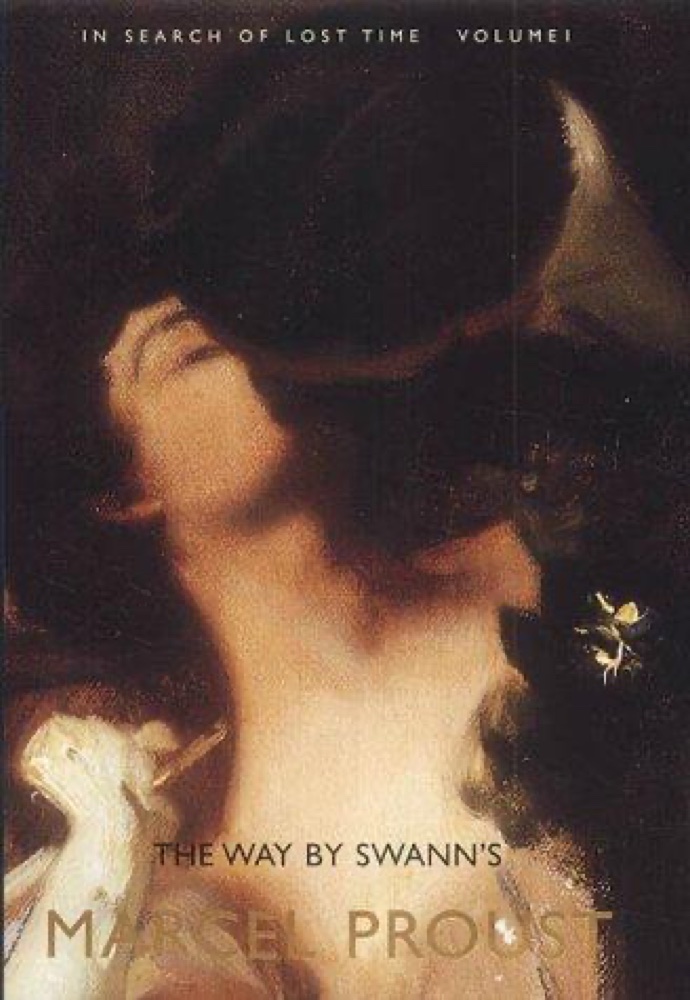 In Search of Lost Time
 The Empusium
 Freedom from the Known
 Drive Your Plow Over the Bones of the Dead
 Love and Will
 Autobiography of a Yogi
 Genesis
 Pensées
 The Wise Heart: A Guide to the Universal Teachings of Buddhist Psychology
 Care of the Soul: A Guide for Cultivating Depth and Sacredness in Everyday Life
 How to Know Higher Worlds: A Modern Path of Initiation
 Thoughts in Solitude
 Phenomenology of Spirit
 Ego and Archetype: Individuation and the Religious Function of the Psyche
 The Essays of Ralph Waldo Emerson
 Ethics
 The Politics of Experience/The Bird of Paradise
 The Yoga Sutras of Patanjali
 Seth Speaks: The Eternal Validity of the Soul
 Man's Search for Meaning
 If You Meet the Buddha on the Road, Kill Him! The Pilgrimage of Psychotherapy Patients
 The Discovery of India
 The Consolation of Philosophy