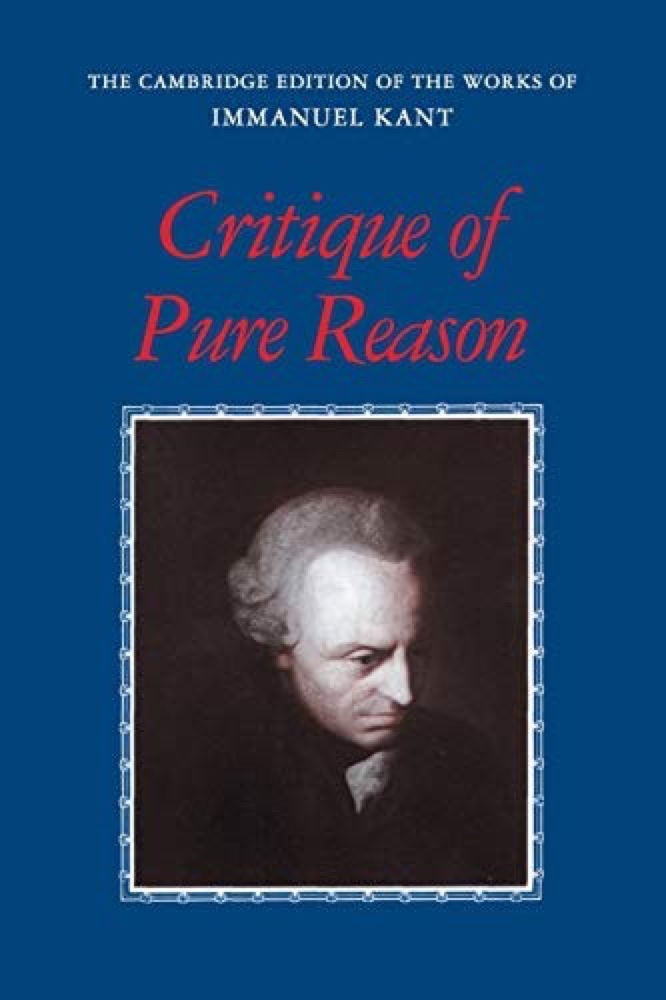
 Critique of Pure Reason
Quotes from the Book
In all judgements by which we describe anything as beautiful, we allow no one to be of another opinion.
50
Nature is beautiful because it looks like Art; and Art can only be called beautiful if we are conscious of it as Art while yet it looks like Nature.
34
Laughter is an affect resulting from the sudden transformation of a heightened expectation into nothing.
15
...When he puts a thing on a pedestal and calls it beautiful, he demands the same delight from others. He judges not merely for himself, but for all men, and then speaks of beauty as if it were the property of things.
10
A man abandoned by himself on a desert island would adorn neither his hut nor his person; nor would he seek for flowers, still less would he plant them, in order to adorn himself therewith. It is only in society that it occurs to him to be not merely a man, but a refined man after his kind (the beginning of civilization). For such do we judge him to be who is both inclined and apt to communicate his pleasure to others, and who is not contented with an object if he cannot feel satisfaction in it in common with others. Again, every one expects and requires from every one else this reference to universal communication of pleasure, as it were from an original compact dictated by humanity itself.
6
The concept of happiness is not one which man abstracts more or less from his instincts and so derives from his animal nature. It is, on the contrary, a mere idea of a state, and one to which he seeks to make his actual state of being adequate under purely empirical conditions--an impossible task. He projects this idea himself, and, thanks to his intellect, and its complicated relations with imagination and sense, projects it in such different ways, and even alters his concept so often, that were nature a complete slave to his elective will, it would nevertheless be utterly unable to adopt any definite, universal and fixed law by which to accommodate itself to this fluctuating concept and so bring itself into accord with the end that each individual arbitrarily sets before himself. But even if we sought to reduce this concept to the level of the true wants of nature in which our species is in complete and fundamental accord, or, trying the other alternative, sought to increase to the highest level man's skill in reaching his imagined ends, nevertheless what man means by happiness, and what in fact constitutes his peculiar ultimate physical end, as opposed to the end of freedom, would never be attained by him. For his own nature is not so constituted as to rest or be satisfied in any possession or enjoyment whatever. Also external nature is far from having made a particular favorite of man or from having preferred him to all other animals as the object of its beneficence. For we see that in its destructive operations--plague, famine, flood, cold, attacks from animals great and small, and all such things--it has as little spared him as any other animal. But, besides all this, the discord of inner natural tendencies betrays man into further misfortunes of his own invention, and reduces other members of his species, through the oppression of lordly power, the barbarism of wars, and the like, to such misery, while he himself does all he can to work ruin to his race, that, even with the utmost goodwill on the part of external nature, its end, supposing it were directed to the happiness of our species, would never be attained in a system of terrestrial nature, because our own nature is not capable of it. Man, therefore, is ever but a link in the chain of nature's ends.
4
It is an empirical judgement [to say] that I perceive and judge an object with pleasure. But it is an a priori judgement [to say] that I find it beautiful, i.e. I attribute this satisfaction necessarily to every one.
4
What does it avail, one will say, that this man has so much talent, that he is so active therewith, and that he exerts thereby a useful influence over the community, thus having a great worth both in relation to his own happy condition and to the benefit of others, if he does not possess a good will?
4
Only by what a man does heedless of enjoyment, in complete freedom and independently of what he can produce passively from the hand of nature, does he give absolute worth to his existence, as the real existence of a person. Happiness, with all its plethora of pleasures, is far from being an unconditioned good.
3
Our understanding is a faculty of concepts, i.e., a discursive understanding, for which it must of course be contingent what and how different might be the particular that can be given to it in nature and brought under its concepts.
3
The man that is actually in a state of fear, finding in himself good reason to be so, because he is conscious of offending with his evil disposition against a might directed by a will at once irresistible and just, is far from being in the frame of mind for admiring divine greatness, for which a temper of calm reflection and a quite free judgement are required. Only when he becomes conscious of having a disposition that is upright and acceptable to God, do those operations of might serve, to stir within him the idea of the sublimity of this Being, so far as he recognizes the existence in himself of a sublimity of disposition consonant with His will, and is thus raised above the dread of such operations of nature, in which he no longer sees God pouring forth the vials of the wrath.
2
Eine jede Wissenschaft ist für sich ein System; und es ist nicht genug, in ihr nach Principien zu bauen und also technisch zu verfahren, sondern muß man mit ihr, als einem für sich bestehenden Gebäude, auch architektonisch zu Werke gehen und sie nicht wie einen Anbau und als einen Theil eines andern Gebäudes, sondern als in Ganzes für sich behandeln, ob man gleich nachher einen Übergang aus diesem in jenes oder wechselseitig errichten kann.
2
There are such manifold forms of nature; there are many modifications of the general transcendental concepts of nature that are left undetermined by the laws furnished by pure intellect a priori because these laws only concern the general possibility of nature as an object of the senses.
2
[To think for oneself] is the maxim of a reason never passive. The tendency to such passivity, and therefore to heteronomy of reason, is called prejudice; and the greatest prejudice of all is to represent nature as not subject to the rules that the understanding places at its basis by means of its own essential law, i.e. is superstition. Deliverance from superstition is called enlightenment; because although this name belongs to deliverance from prejudices in general, yet superstition especially (in sensu eminenti) deserves to be called a prejudice. For the blindness in which superstition places us, which it even imposes on us as an obligation, makes the need of being guided by others, and the consequent passive state of our reason, peculiarly noticeable.
2
Even the song of birds, which we can bring under no musical rule, seems to have more freedom, and therefore more for taste, than a song of a human being which is produced in accordance with all the rules of music; for we very much sooner weary of the latter, if it is repeated often and at length. Here, however, we probably confuse our participation in the mirth of a little creature that we love, with the beauty of its song; for if this were exactly imitated by man (as sometimes the notes of the nightingale are) it would seem to our ear quite devoid of taste.
2
The beautiful in nature is a question of the form of the object, and it consists in limitation, whereas the sublime is to be found in an object even devoid of form, so far as it immediately involves, or else by its presence evokes, a representation of limitlessness, yet with a super-added thought of its totality. Accordingly the beautiful seems to be regarded as a presentation of an indeterminate concept of the understanding , the sublime as a presentation of an indeterminate concept of reason, Hence, the delight is in the former case coupled with the representation of quality, but in this case with that of quantity. Moreover, the former delight is very different from the latter in kind. For the beautiful is directly attended with a feeling of the furtherance of life, and thus is compatible with charms and a playful imagination. On the other hand, the feeling of the sublime is a pleasure that only arrises indirectly, being brought about by the feeling of a momentary check of the vital forces followed all at once by discharge all the more powerful, and so it is an emotion that seems to be no play, but a serious matter of the imagination. Hence charms are also incompatible with it; and, since the mind is not simply attracted by the object, but is also alternately repelled thereby, the delight in the sublime does not show how much involve positive pleasure as admiration or respect, i.e. merits the name of a negative pleasure.
1
Sublimity, therefore, does not reside in anything of nature, but only in our mind, in so far as we can become conscious that we are superior to nature within, and therefore also to nature without us (so far as it influences us). Everything that excites this feeling in us, e.g., the might of nature which calls forth our forces, is called then (although improperly) sublime. Only by supposing this Idea in ourselves, and in reference to it, are we capable of attaining to the Idea of the sublimity of that Being, which produces respect in us, not merely by the might that it displays in nature, but rather by means of the faculty which resides in us of judging it fearlessly and of regarding our destination as sublime in respect of it
1
Genius is a talent for producing something for which no determinate rule can be given, not a predisposition consisting of a skill for something that can be learned by following some rule or other.
1
We have no reason for assuming the form of such a thing to be still partly dependent on blind mechanism, for with such confusion of heterogeneous principles every reliable rule for estimating things would disappear.
1
B626 Sein ist offenbar kein reales Prädikat, d.i. ein Begriff von irgend etwas, was zu dem Begriffe eines Dinges, oder gewisser Bestimmungen an sich selbst... B627 Und so enthält das Wirkliche nichts mehr, als das bloss Mögliche. Hundert wirkliche Thaler enthalten nicht das mindeste mehr, als hundert mögliche... Aber in meinem Vermögenszustande ist mehr bei hundert wirklichen Thalern, als bei dem blossen Begriffe derselben, ( d.i. ihrer Moeglichkeit ).
1
Watch on YouTube
About Immanuel Kant
We have collected 98 quotes from 5 books by Immanuel Kant on BookQuoters.
More about the author →More by Immanuel Kant
About the book
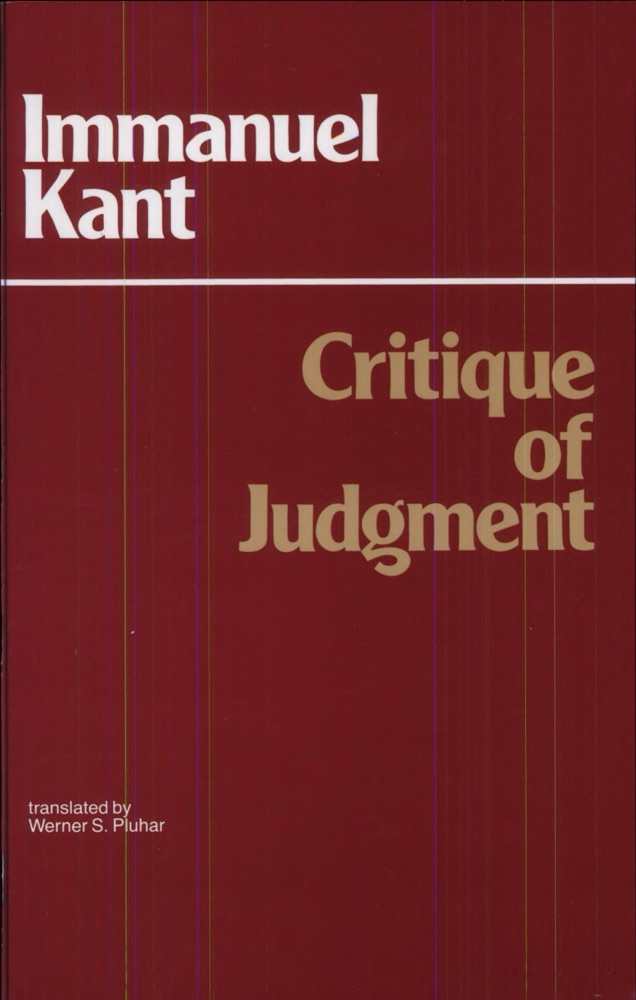
In THE CRITIQUE OF JUDGMENT (1790), Immanuel Kant (1724-1804) seeks to establish the a priori principles underlying the faculty of judgment, just as he did in his previous critiques of pure and practical reason. The first part deals with the subject of our aesthetic sensibility; we respond to certain natural phenomena as beautiful, says Kant, when we recognize in nature a harmonious order that satisfies the mind's own need for order. The second half of the critique concentrates on the apparent teleology in nature's design of organisms. Kant argues that our minds are inclined to see purpose and order in nature and this is the main principle underlying all of our judgments. Although this might imply a super sensible Designer, Kant insists that we cannot prove a supernatural dimension or the existence of God. Such considerations are beyond reason and are solely the province of faith.
Book details
- First published
- 1790
- Author
- Immanuel Kant
- Genre
- Philosophy
- Goodreads rating
- 4.10 (10k ratings)
Keep reading
 A Philosophical Enquiry into the Origin of Our Ideas of the Sublime and Beautiful
 A Treatise of Human Nature
 On Truth and Lies in a Nonmoral Sense
 Truth and Method
 An Essay Concerning Human Understanding
 The World as Will and Representation, Vol 1
Critique of Pure Reason
The World as Will and Representation, Vol 1
Critique of Pure Reason
 Beauty
 An Enquiry Concerning Human Understanding
 The Will to Power
 Discourse on Method and Meditations on First Philosophy
 The Metaphysics of Morals
 The Perennial Philosophy
 Dialogues Concerning Natural Religion
 Daybreak: Thoughts on the Prejudices of Morality
 The Mind of the Maker: Dorothy L. Sayers' Witty Classic on the Trinity, Christianity, and Human Creativity
 The Abolition of Man
 The Varieties of Religious Experience
 The Essays of Ralph Waldo Emerson
 Ethics
 Metaphysics
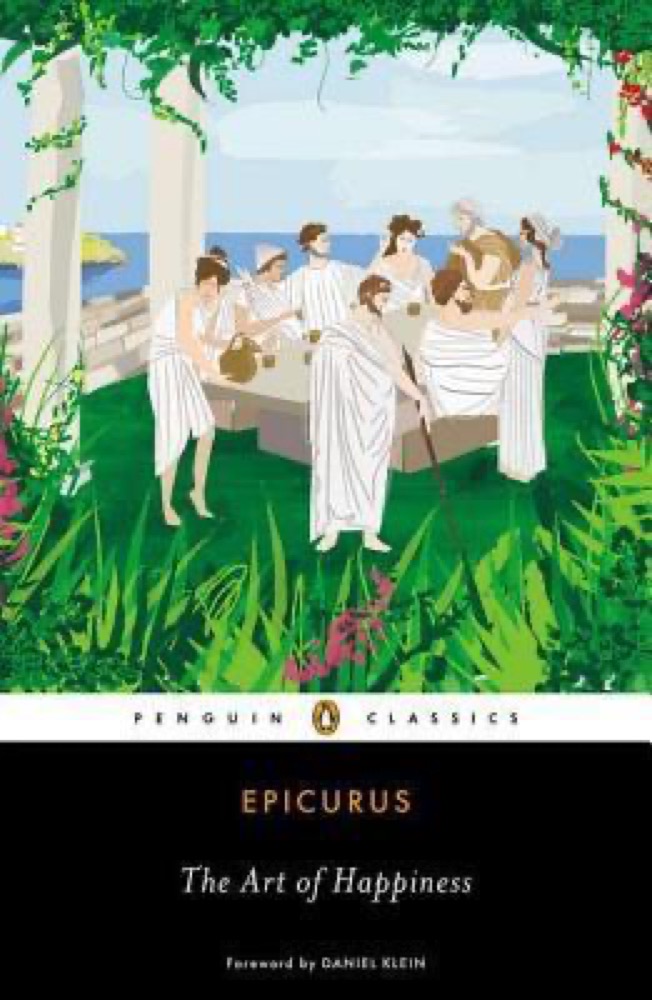 The Art of Happiness
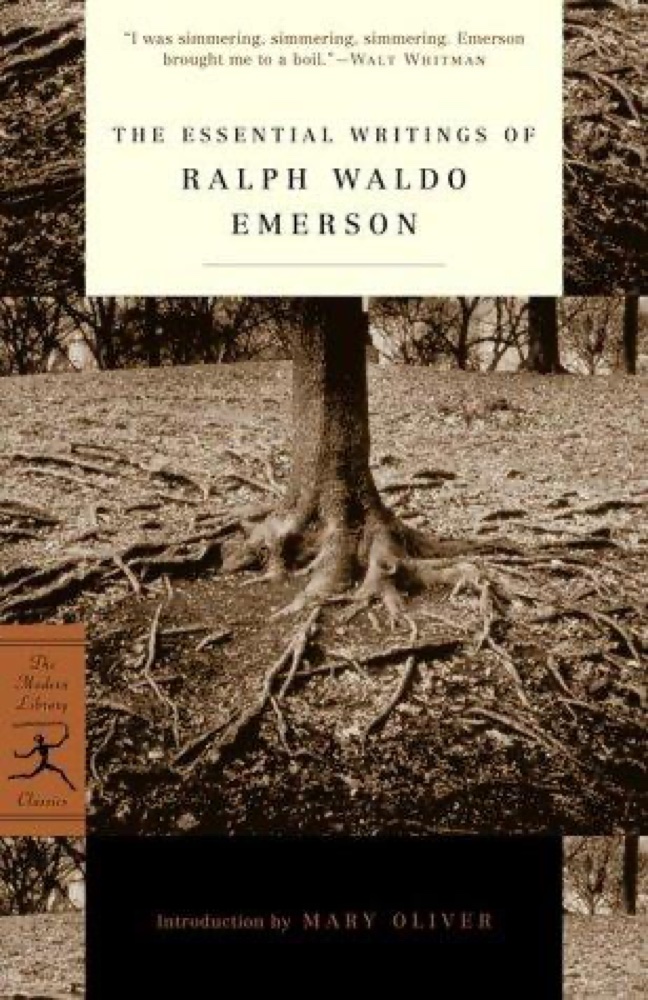 The Essential Writings of Ralph Waldo Emerson
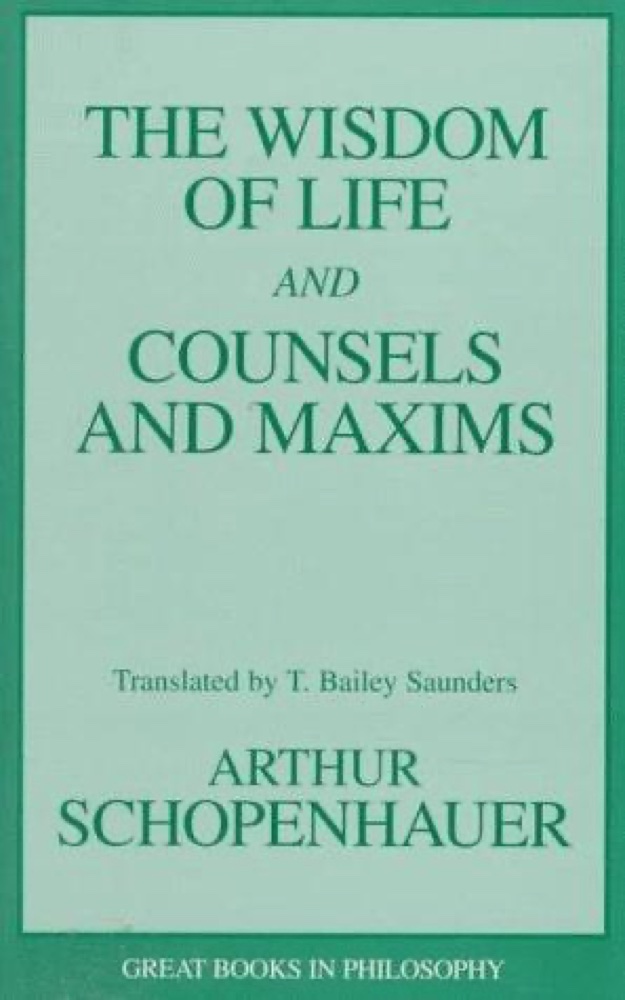 The Wisdom of Life
 Tao: The Watercourse Way
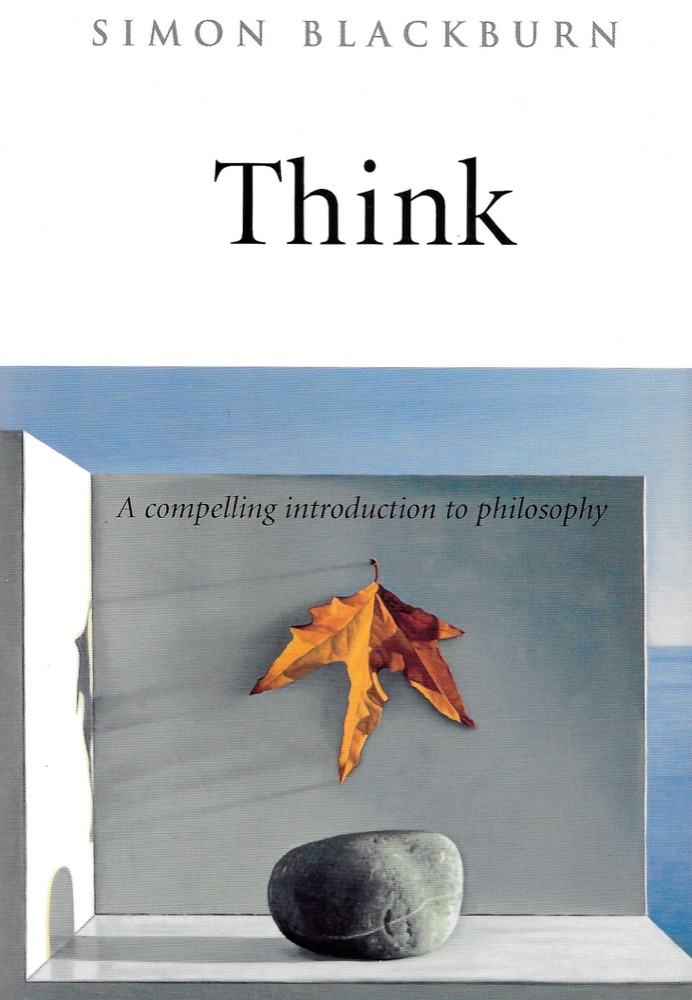 Think: A Compelling Introduction to Philosophy
 Modern Man in Search of a Soul
 The Human Condition
 The Occult
 Phaedrus
 Groundwork of the Metaphysics of Morals
 Irrational Man: A Study in Existential Philosophy
 A History of Western Philosophy
 The Ascent of Man
 The Master and His Emissary: The Divided Brain and the Making of the Western World
 The Spinoza Problem
 What I Believe
 The Rhetoric & The Poetics of Aristotle
 The Science of Mind
 Maps of Meaning: The Architecture of Belief
 The Romantic Manifesto
 Heretics
 Pensées
 Last and First Men
 Phenomenology of Perception
 Complete Works
 The Man Without Qualities
 Emile or On Education
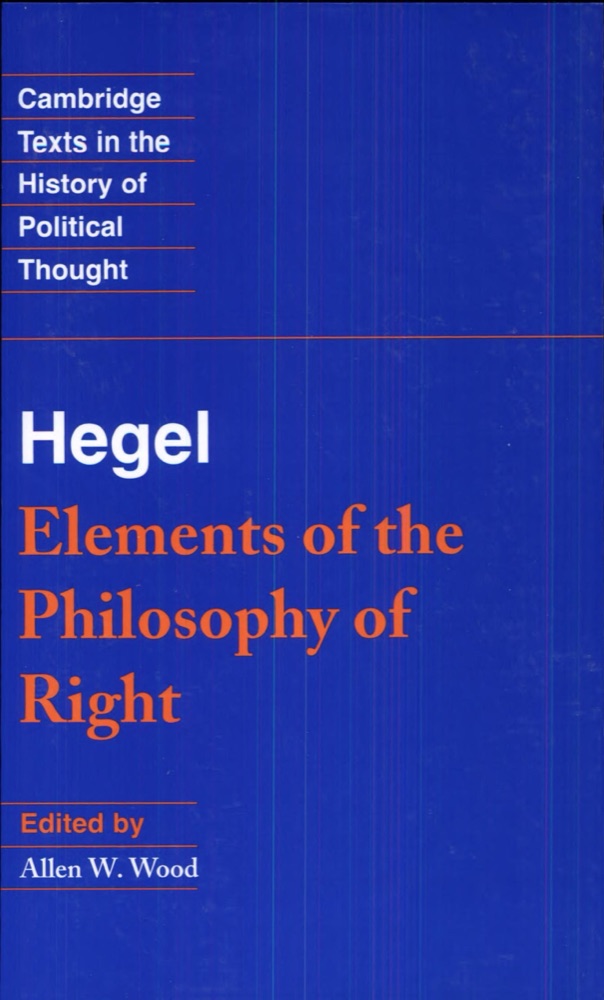 Elements of the Philosophy of Right
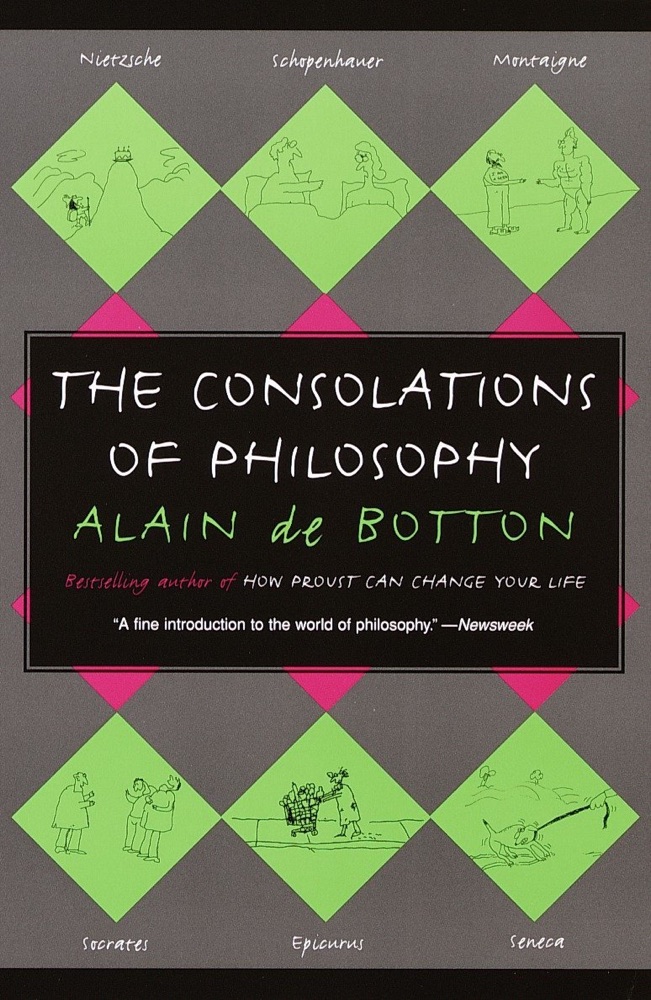 The Consolations of Philosophy
 The Book: On the Taboo Against Knowing Who You Are
 Man and His Symbols
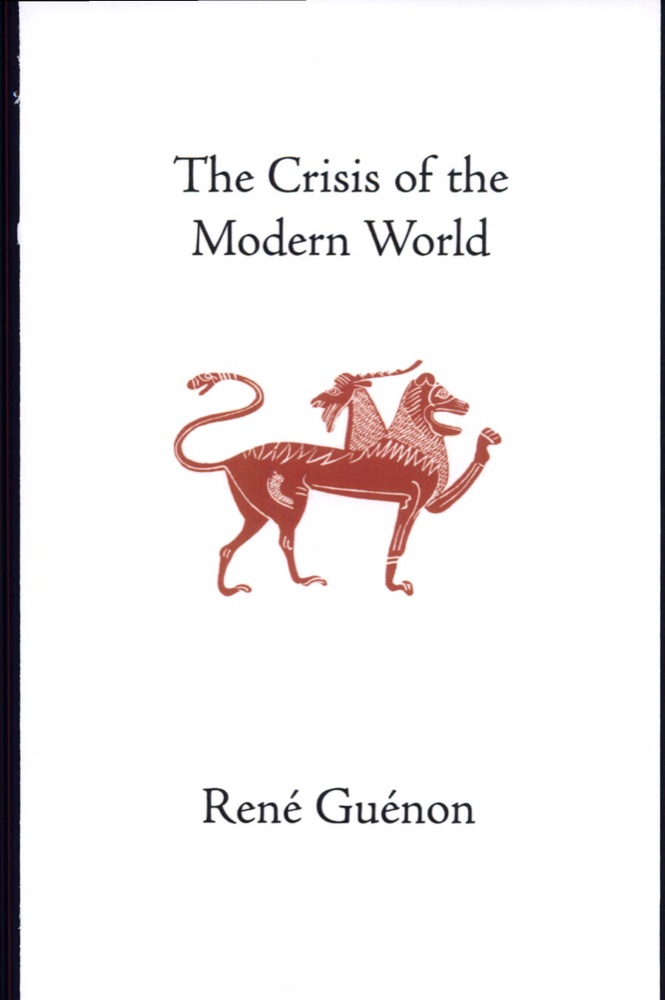 The Crisis of the Modern World
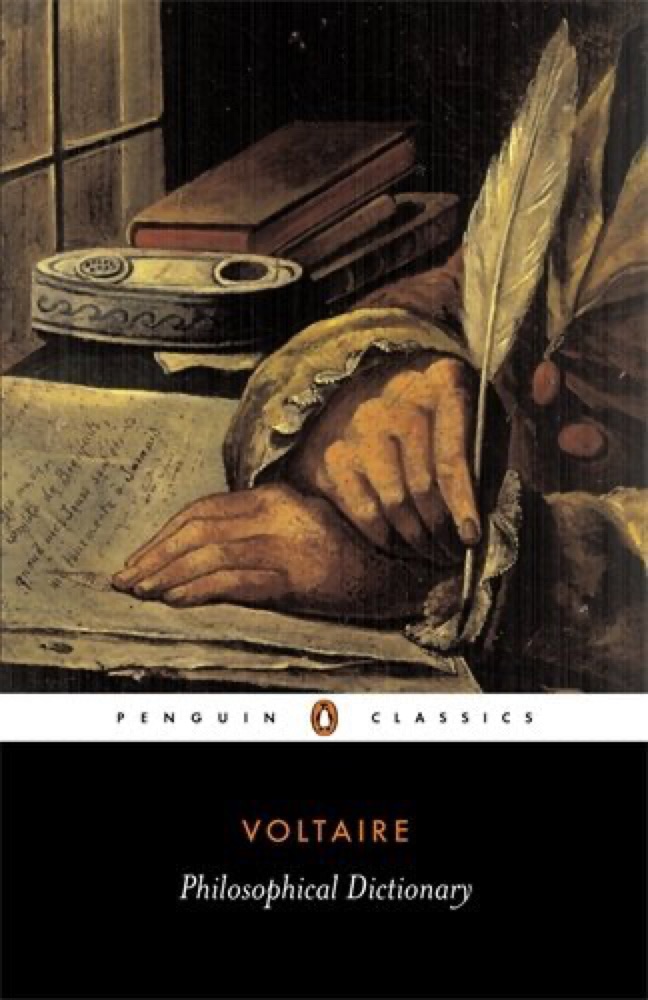 Philosophical Dictionary
 From Dawn to Decadence: 500 Years of Western Cultural Life, 1500 to the Present
 The Intellectual Life: Its Spirit, Conditions, Methods
 Orthodoxy
 The Ego and Its Own
 Death in Venice and Other Tales