
 The Course of Love
Quotes from the Book
Curiosity takes ignorance seriously, and is confident enough to admit when it does not know. It is aware of not knowing, and it sets out to do something about it
17
Growth occurs when we discover how to remain authentically ourselves in the presence of potentially threatening things. Maturity is the possession of coping skills: we can take in our stride things that previously would have knocked us off course. We are less fragile, less easily shocked and hence more capable of engaging with situations as they really are
14
The true aspiration of art should be to reduce the need for it. It is not that we should one day lose our devotion to the things that art addresses: beauty, depth of meaning, good relationships, the appreciation of nature, recognition of the shortness of life, empathy, compassion, and so on. Rather, having imbibed the ideals that art displays, we should fight to attain in reality the things art merely symbolises, however graciously and intently. The ultimate goal of the art lover should be to build a world where works of art have become a little less necessary
10
We incline towards feelings of isolation and persecution because we have an unrealistic sense of how much difficulty is normal. We panic too easily, as we misjudge the meaning of our troubles. We are lonely – not that we have no one to talk to, but because those around us can’t appreciate our travails with sufficient depth, honesty and patience. This is partly because the ways we show the pain of our choppy relationships, envy or unfulfilled ambitions can easily seem pejorative and insulting. We suffer and we feel that this suffering lacks dignity
10
When you feel sad, you are participating in a venerable experience, to which I, this monument, am dedicated. Your sense of loss and disappointment, of frustrated hopes and grief at your own inadequacy, elevate you to serious company. Do not ignore of throw away your grief
9
Art builds up self-knowledge, and is an excellent way of communicating the resulting fruit to other people.
6
Our mortality does not call for panic, but for a sense of awe.
5
Among the thin birch trees and simple flowers on the rough land of the Pentland Hills is set a tablet, like an ancient tomb stone, on the base of which has been carved the resonant Latin phrase et in arcadia ego. The words are the voice of the tomb: I, death, am here, in the midst of life.
3
To define a mission for art, then, one of its tasks is to teach us to be good lovers: lovers of rivers and lovers of skies, lovers of motorways and lovers of stones (58). And – very importantly – somewhere along the way, lovers of people.
3
Art can do the opposite of glamourizing the unattainable; it can reawaken us to the genuine merit of life as we’re forced to lead it.
3
It is when we find points of connection to the foreign that we are able to grow.
3
An important first step in overcoming defensiveness around art is to become more open about the strangeness that we feel in certain contexts.
3
Life is going on, but there is no drama, no expectation of an outcome, no sense of getting anywhere. Rather than this being a condition of boredom or frustration, though, it feels exactly right. It is tranquil but not tired. It is immensely peaceful but not inert. In a strange way, the picture is filled with a sense of delight in existence expressed quietly. It is not the light in itself that is so attractive; rather, it is the condition of the soul it evinces. The picture captures a part of who one is – a part that isn’t particularly verbal. You could point to this image and say, ‘That’s what I’m like, sometimes; and I wish I were like that more often.’ It could be the beginning of an important friendship if somebody else understood this too.
2
We appreciate beauty more when we are aware of life’s troubles. — 8. Henri Fantin-Latour, Chrysanthemums, 1871
2
One could be forgiven for supposing that rationality (or, more softly, ‘reasonableness’) is irrelevant – and even possibly opposed – to being a good lover. This is perhaps because we tend to think of love as a feeling, rather than as an achievement of intelligence. A reasonable or rational person is not one who is only interested in logic, or someone who tries in a cold, robotic fashion to substitute calculation and analysis for kindness or yearning. We are reasonable when we are moved by accurate explanation. Thus a reasonable person is slow to anger; they do not jump to conclusions
2
We will live in more beautiful, wise and humane communities when we have learnt to reorient the system of ambition, when the most driven and energetic individuals have the chance to win honour through work that taps into mankind’s highest needs.
1
But the museum is only a prelude to a life well lived.
1
The values captured in art shouldn’t remain in the museum – they should go with us into the playroom.
1
We are about to understand, but have not yet understood. This moment is important because it generally does not lie up to its promise. We abandon the process of reflection. Not much of a decision about the personal meaning of love, justice or success is achieved, and we move on to something else. Looking at Twombly’s painting assists us in a crucial thought: ‘The part of me that wonders about important questions and then gets confused has not had enough recognition
1
Watch on YouTube
About Alain de Botton
We have collected 333 quotes from 12 books by Alain de Botton on BookQuoters.
More about the author →More by Alain de Botton
All books by Alain de Botton →

About the book
What is art for? In the engaging, lively, and controversial new book, bestselling philosopher Alain de Botton, with art historian John Armstrong, proposes a new way of looking at art, suggesting that it can be useful, relevant, and - above all else - therapeutic for its audiences.De Botton argues that certain great works of art offer clues on managing the tensions and confusions of everyday life. Art as Therapy is packed with 150 examples of outstanding art, with chapters on Love, Nature, Money, and Politics outlining how these works can help with common difficulties. For example, Vermeer's Girl Reading a Letter helps us focus on what we want to be loved for; Serra's Fernando Passoa reminds us of the importance of dignity in suffering; and Manet's Bunch of Asparagus teaches us how to preserve and value our long-term partners.De Botton demonstrates how art can guide and console us, and al
Book details
- First published
- 2013
- Author
- Alain de Botton
- Genre
- Nonfiction
- Goodreads rating
- 4.08 (5k ratings)
Keep reading
 What Is Art?
 The Artist's Way
 All the Beauty in the World: The Metropolitan Museum of Art and Me
 How Proust Can Change Your Life
 Van Gogh Has a Broken Heart: What Art Teaches Us About the Wonder and Struggle of Being Alive
 Care of the Soul: A Guide for Cultivating Depth and Sacredness in Everyday Life
 The Art of Travel
 Creativity: Flow and the Psychology of Discovery and Invention
 The Courage to Create
 Beauty
 Sculpting in Time
 The Architecture of Happiness
 The Romantic Manifesto
 Only Dull People Are Brilliant at Breakfast
 Becoming Wise: An Inquiry into the Mystery and Art of Living
 The Letters of Vincent van Gogh
 Irrational Man: A Study in Existential Philosophy
 Time Regained
 The Book of Tea
 In Search of Lost Time
 Figuring
 A Joseph Campbell Companion: Reflections on the Art of Living
 The Museum of Innocence
 The Intellectual Life: Its Spirit, Conditions, Methods
 Finding Meaning in the Second Half of Life: How to Finally, Really Grow Up
 Upstream: Selected Essays
 Walking on Water: Reflections on Faith and Art
 Peace Is Every Step: The Path of Mindfulness in Everyday Life
 How to Know a Person: The Art of Seeing Others Deeply and Being Deeply Seen
 The Three-Cornered World
 The Museum of Modern Love
 Art as Experience
 Why Fish Don’t Exist: A Story of Loss, Love, and the Hidden Order of Life
 The Social Animal: The Hidden Sources of Love, Character, and Achievement
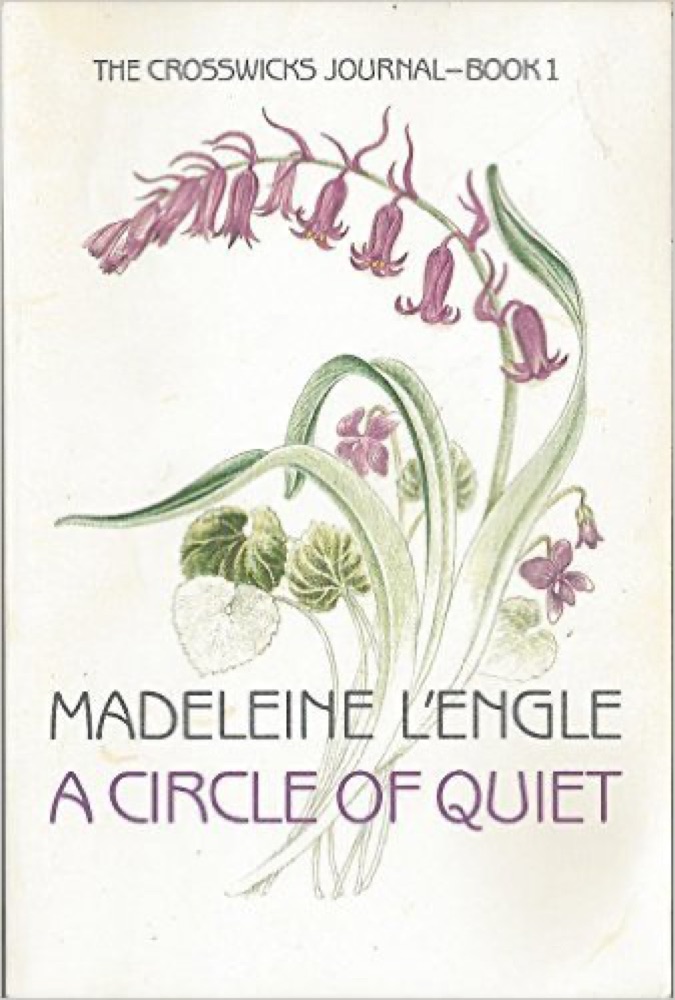 A Circle of Quiet
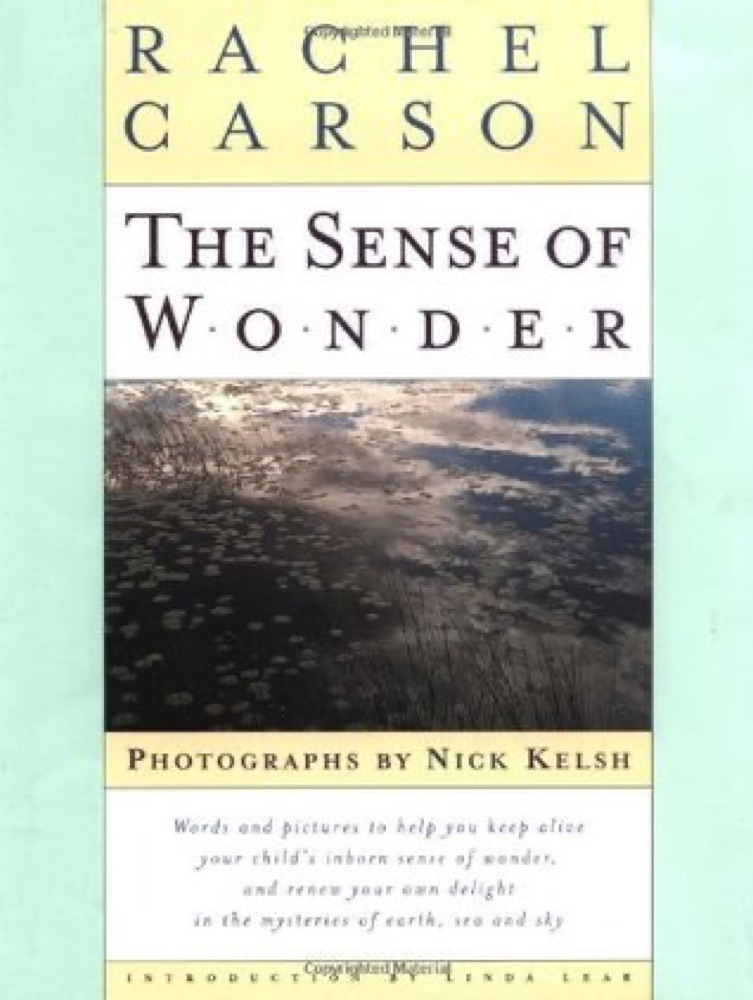 The Sense of Wonder
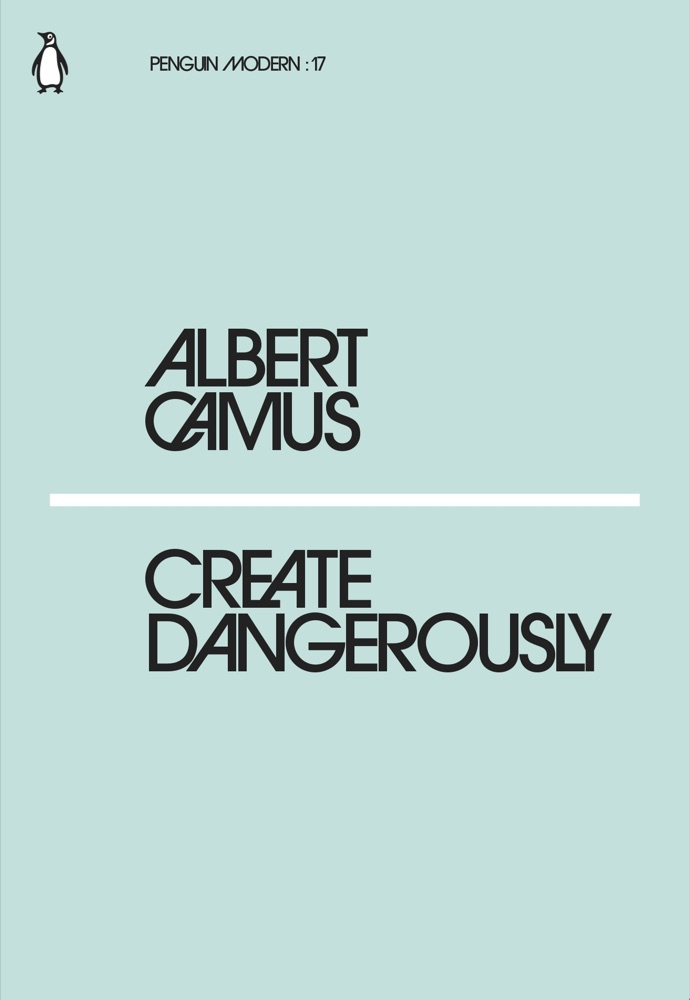 Create Dangerously
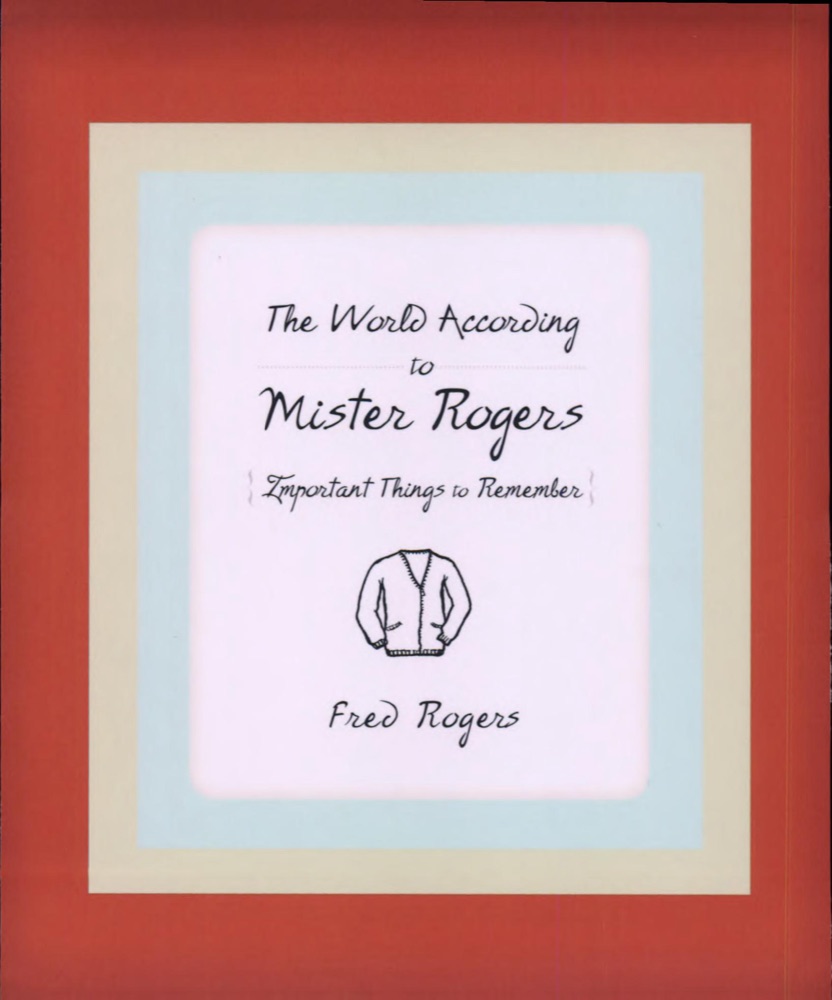 The World According to Mister Rogers: Important Things to Remember
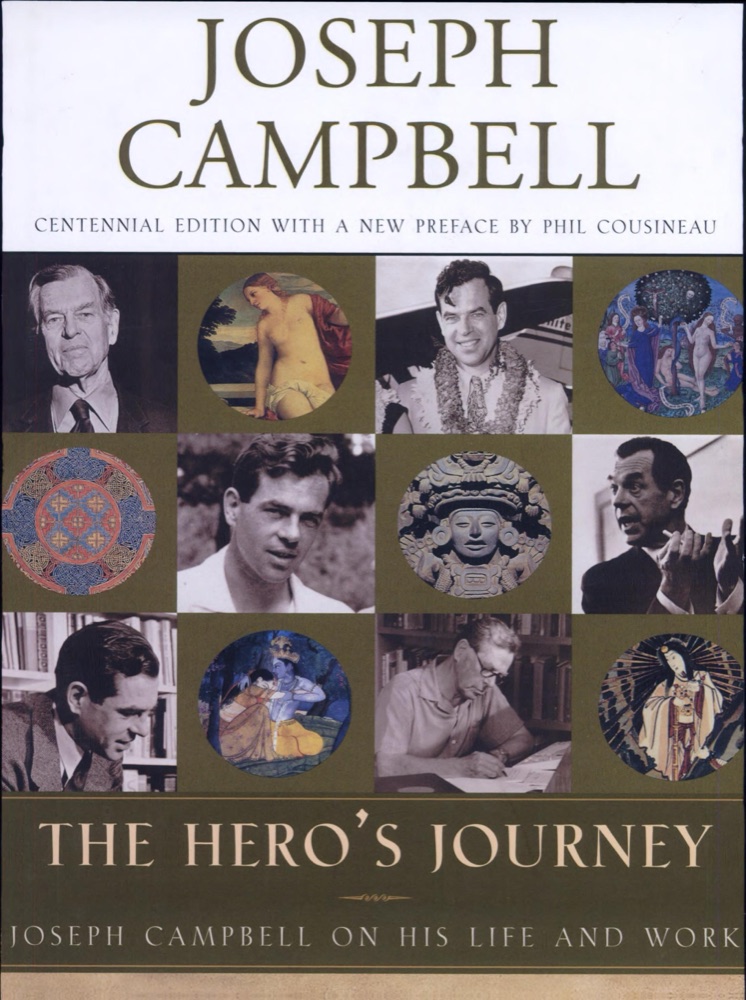 The Hero's Journey: Joseph Campbell on His Life & Work
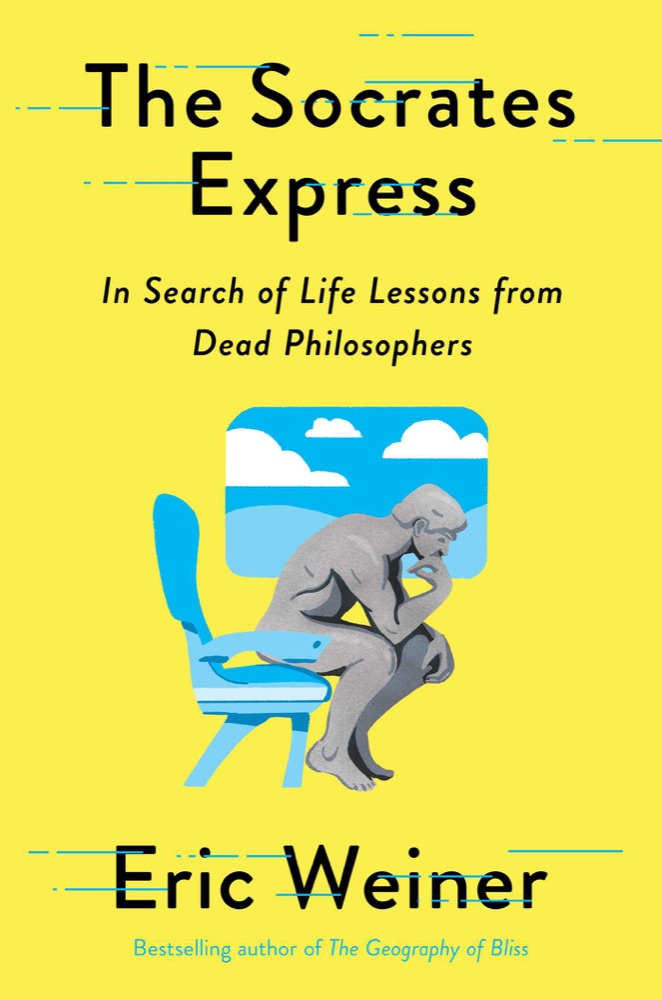 The Socrates Express: In Search of Life Lessons from Dead Philosophers
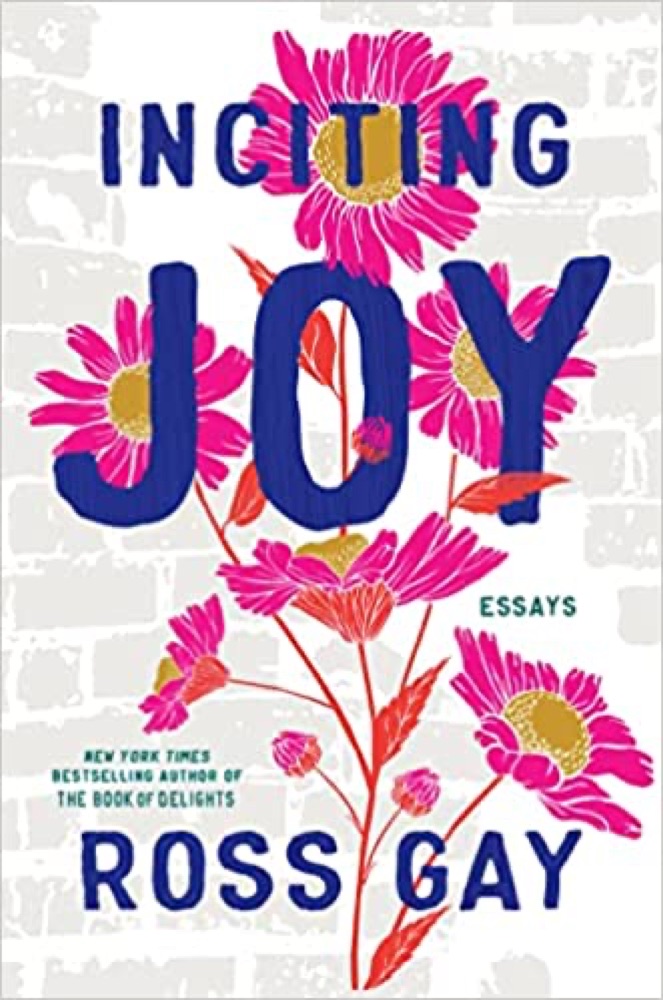 Inciting Joy: Essays
 Belonging: Remembering Ourselves Home
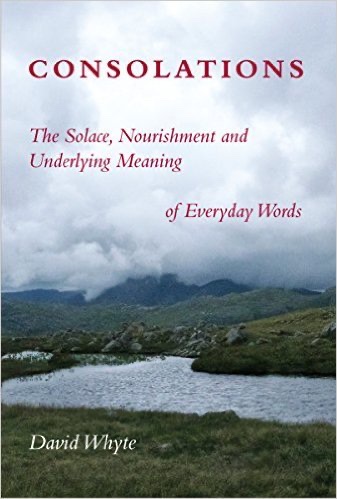 Consolations: The Solace, Nourishment and Underlying Meaning of Everyday Words
 The Common Reader
 On Connection
 Monsters: A Fan's Dilemma
 The Book of Awakening: Having the Life You Want by Being Present to the Life You Have
 The God Who Weeps: How Mormonism Makes Sense of Life
 Twilight of the Idols
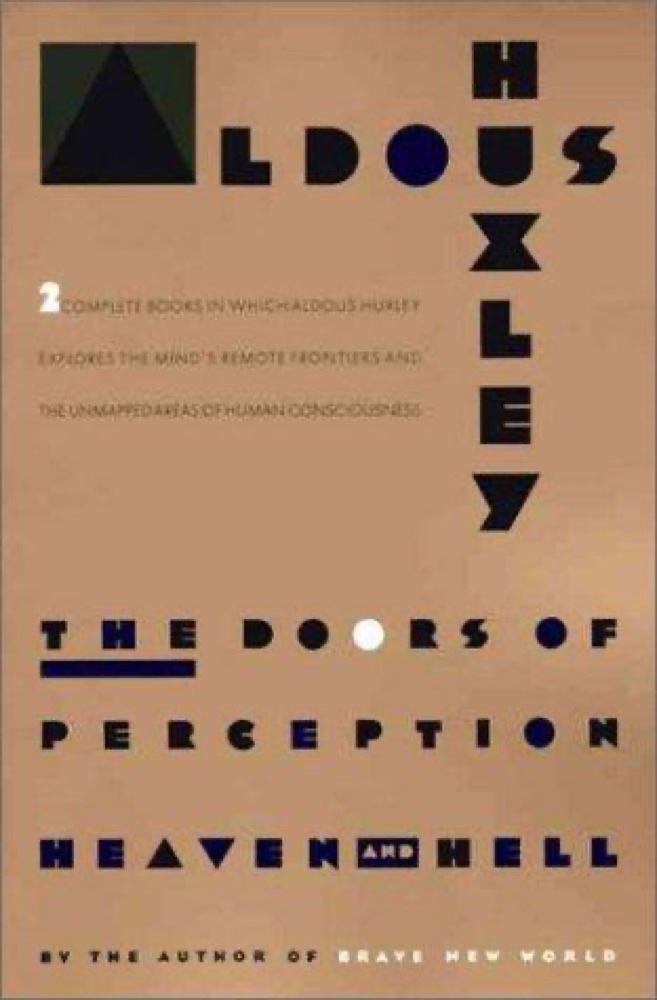 The Doors of Perception & Heaven and Hell
 Death in Venice and Other Tales
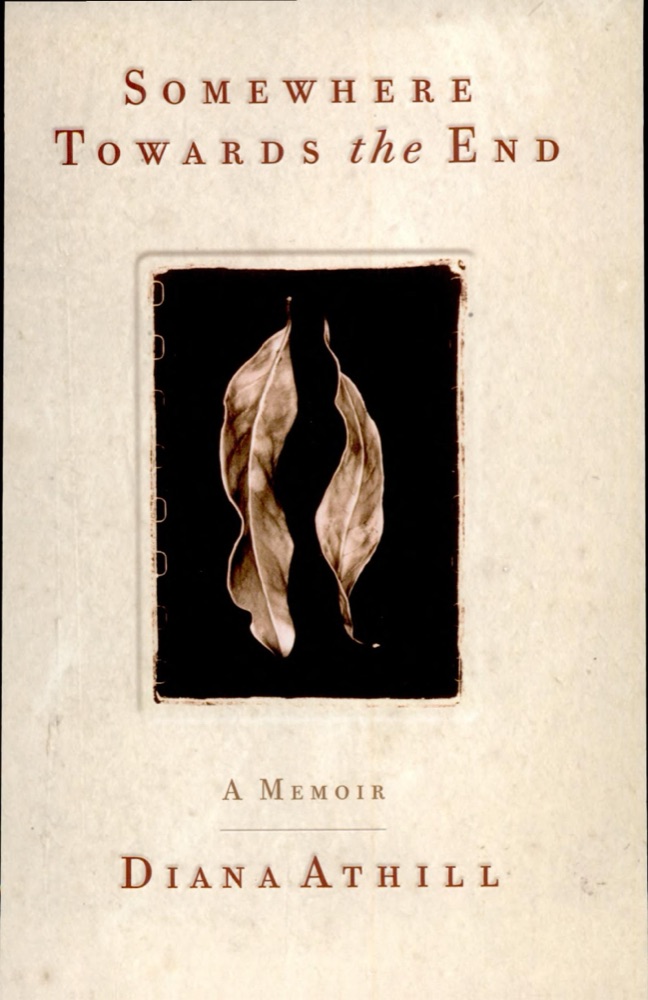 Somewhere Towards the End
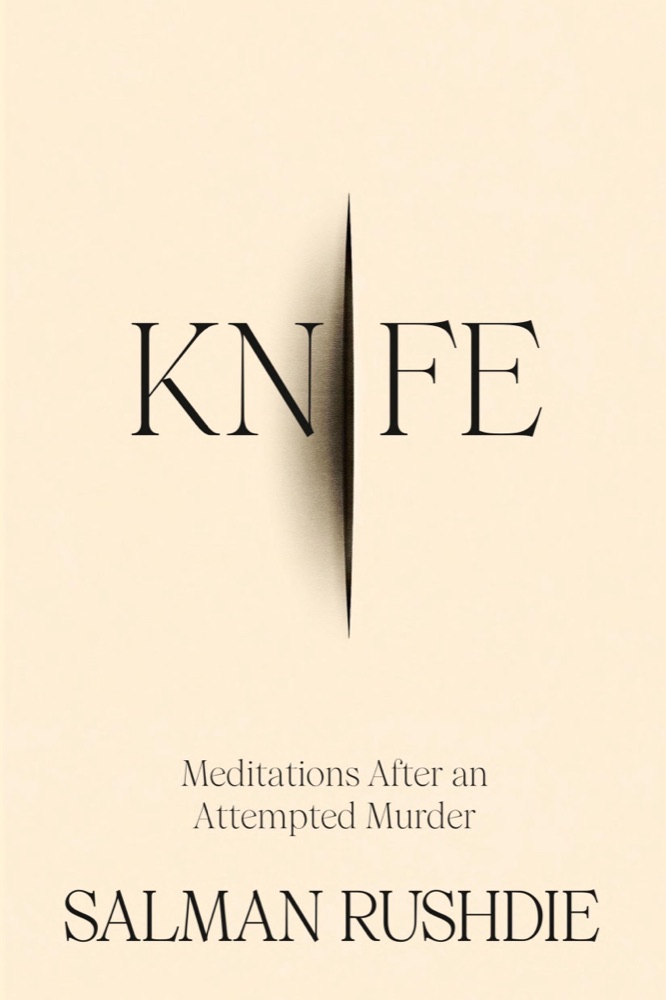 Knife: Meditations After an Attempted Murder
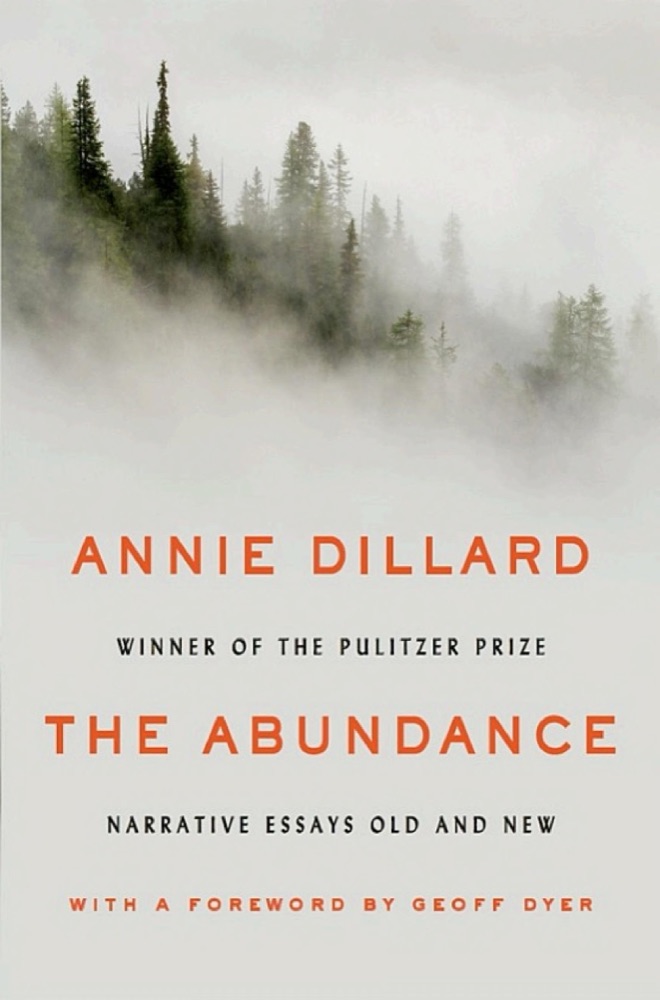 The Abundance
 Pure Colour
 What If This Were Enough?: Essays
 Small Wonder
 Happiness: A Guide to Developing Life's Most Important Skill
 Aphorisms on Love and Hate
 Finding Flow: The Psychology of Engagement with Everyday Life