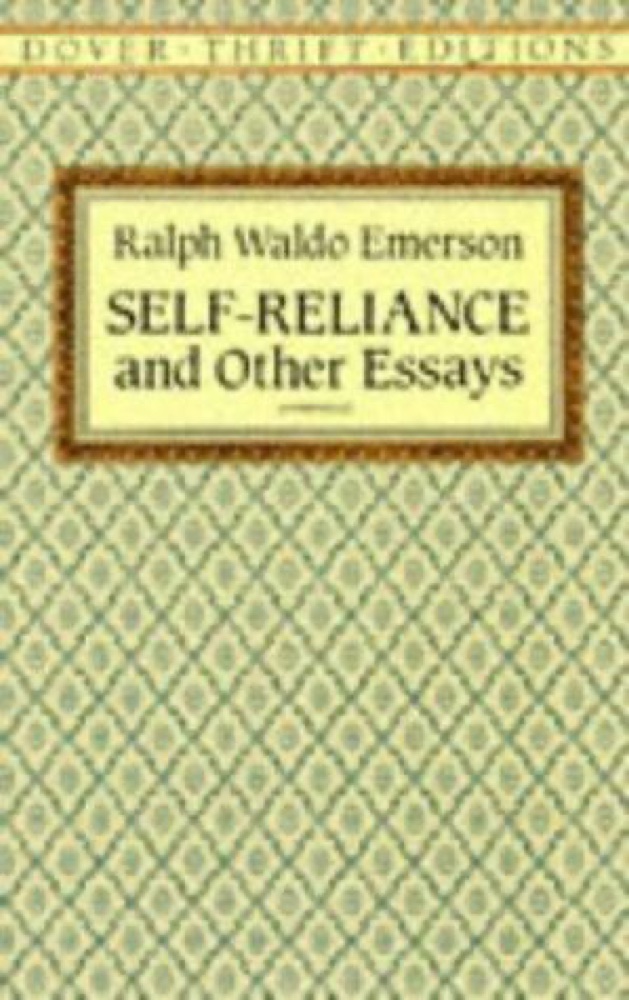
 Self-Reliance and Other Essays
Quotes from the Book
People only see what they are prepared to see.
Whatever games are played with us, we must play no games with ourselves, but deal in our privacy with the last honesty and truth.
People wish to be settled; only as far as they are unsettled is there any hope for them.
We dress our garden, eat our dinners, discuss the household with our wives, and these things make no impression, are forgotten next week; but in the solitude to which every man is always returning, he has a sanity and revelations, which in his passage into new worlds he will carry with him. Never mind the ridicule, never mind the defeat: up again, old heart! — it seems to say, — there is victory yet for all justice; and the true romance which the world exists to realize, will be the transformation of genius into practical power.
Only so much of life do I know as I have lived.
For the Universe has three children, born at one time, which reappear under different names in every system of thought, whether they be called cause, operation and effect; or, more poetically, Jove, Pluto, Neptune; or, theologically, the Father, the Spirit and the Son; but which we will call here the Knower, the Doer and the Sayer. These stand respectively for the love of truth, for the love of good, and for the love of beauty. These three are equal. Each is that which he is, essentially, so that he cannot be surmounted or analyzed, and each of these three has the power of the others latent in him and his own, patent.
The faith that stands on authority is not faith. The reliance on authority measures the decline of religion, the withdrawal of the soul. The position men have given to Jesus, now for many centuries of history, is a position of authority. It characterizes themselves.
What is it we heartily wish of each other? Is it to be pleased and flattered? No, but to be convicted and exposed, to be shamed out of our nonsense of all kinds, and made men of, instead of ghosts and phantoms. We are weary of gliding ghostlike through the world, which is itself so slight and unreal. We crave a sense of reality, though it comes in strokes of pain.
The purpose of life seems to be to acquaint a man with himself and whatever science or art or course of action he engages in reacts upon and illuminates the recesses of his own mind. Thus friends seem to be only mirrors to draw out and explain to us ourselves; and that which draws us nearer our fellow man, is, that the deep Heart in one, answers the deep Heart in another, -- that we find we have (a common Nature) -- one life which runs through all individuals, and which is indeed Divine.
This defining is philosophy. Philosophy is the account which the human mind gives to itself of the constitution of the world. Two cardinal facts lie forever at the base; the one, and the two.—1. Unity, or Identity; and, 2. Variety. We unite all things by perceiving the law which pervades them; by perceiving the superficial differences and the profound resemblances. But every mental act,—this very perception of identity or oneness, recognizes the difference of things. Oneness and otherness. It is impossible to speak or to think without embracing both.
Empirical science is apt to cloud the sight, and by the very knowledge of functions and processes to bereave the student of the manly contemplation of the whole. The savant becomes unpoetic.
as there is no screen or ceiling between our heads and the infinite heavens, so is there no bar or wall in the soul where man, the effect, ceases, and God, the cause, begins. The walls are taken away. We lie open on one side to the deeps of spiritual nature, to the attributes of God. Justice we see and know, Love, Freedom, Power. These natures no man ever got above, but they tower over us, and most in the moment when our interests tempt us to wound them.
We are all wise. The difference between persons is not in wisdom but in art. I knew, in an academical club, a person who always deferred to me; who, seeing my whim for writing, fancied that my experiences had somewhat superior; whilst I saw that his experiences were as good as mine. Give them to me and I would make the same use of them.
Life is comic or pitiful as soon as the high ends of being fade out of sight, and man becomes near-sighted, and can only attend to what addresses the senses.
Nature arms each man with some faculty which enables him to do easily some feat impossible to any other, and thus makes him necessary to society. This native determination guides his labor and his spending. He wants an equipment of means and tools proper to his talent. And to save on this point were to neutralize the special strength and helpfulness of each mind. Do your work, respecting the excellence of the work, and not its acceptableness.
The stars have us to bed: Night draws the curtain; which the sun withdraws. Music
Love is as much its demand as perception. Indeed, neither can be perfect without the other.
From the views I have already expressed, you will infer the sad conviction, which I share, I believe, with numbers, of the universal decay and now almost death of faith in society. The soul is not preached. The Church seems to totter to its fall, almost all life extinct. On this occasion, any complaisance would be criminal which told you, whose hope and commission it is to preach the faith of Christ, that the faith of Christ is preached. It
Watch on YouTube
About Ralph Waldo Emerson
We have collected 139 quotes from 7 books by Ralph Waldo Emerson on BookQuoters.
More about the author →More by Ralph Waldo Emerson
Self-Reliance and Other Essays
 Nature and Selected Essays
 Essays and Poems
 The Essays of Ralph Waldo Emerson
Book details
- Author
- Ralph Waldo Emerson
- Genre
- Classics
- Goodreads rating
- 4.37 (4k ratings) →
Keep reading
The Essays of Ralph Waldo Emerson
 The Varieties of Religious Experience
 The Gay Science
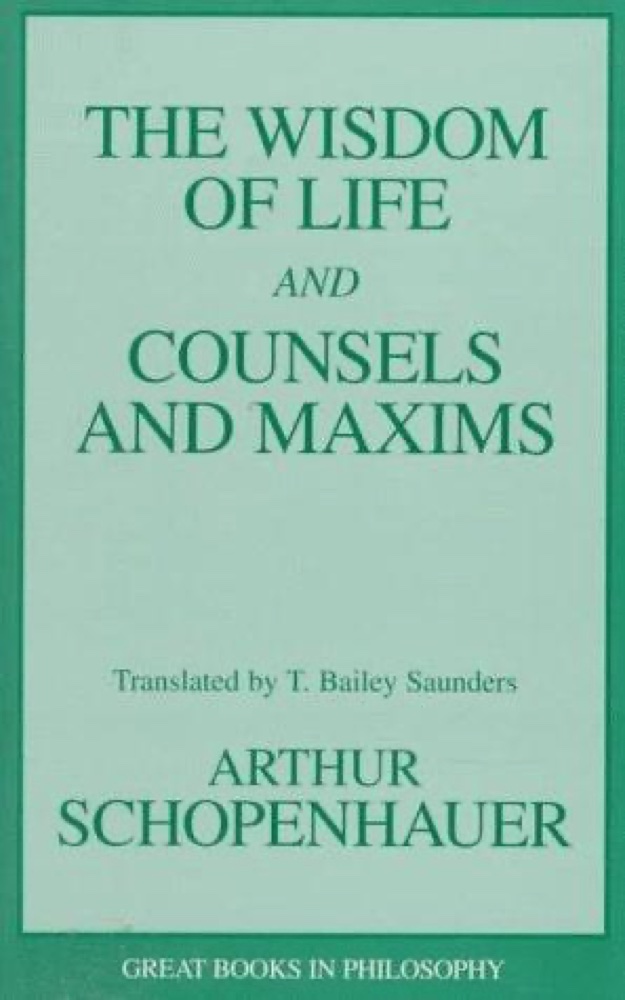 The Wisdom of Life
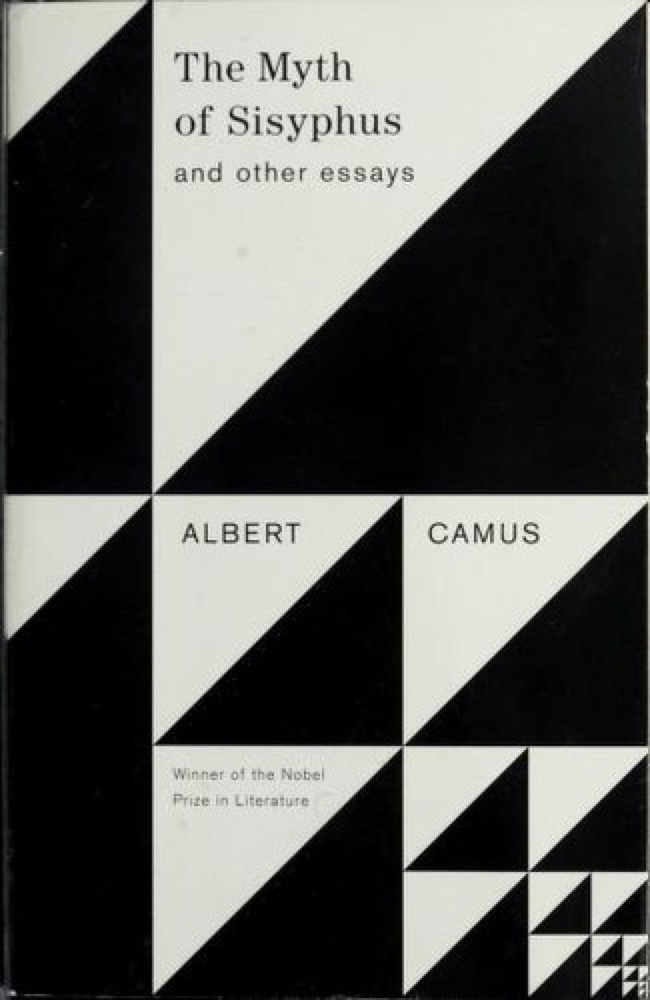 The Myth of Sisyphus and Other Essays
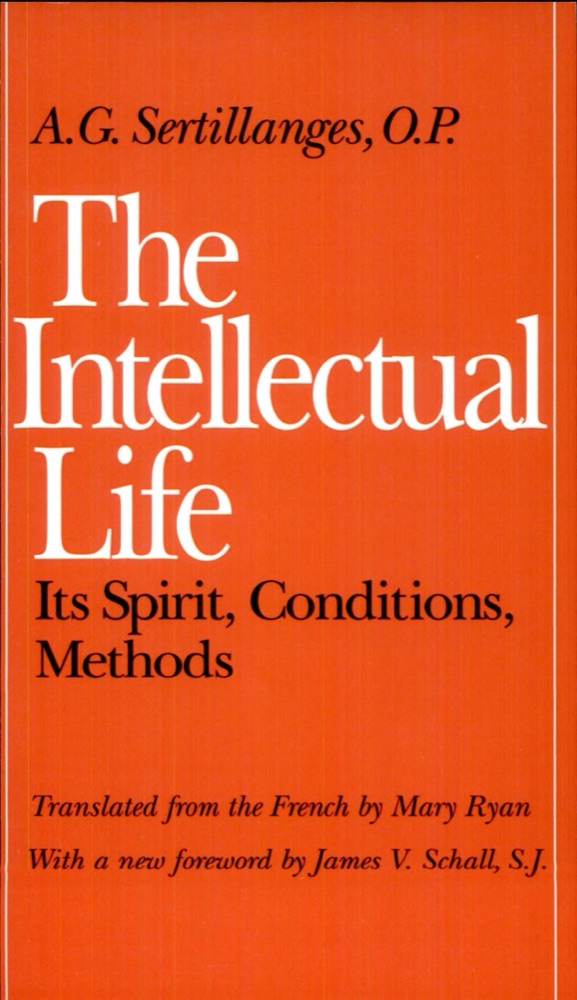 The Intellectual Life: Its Spirit, Conditions, Methods
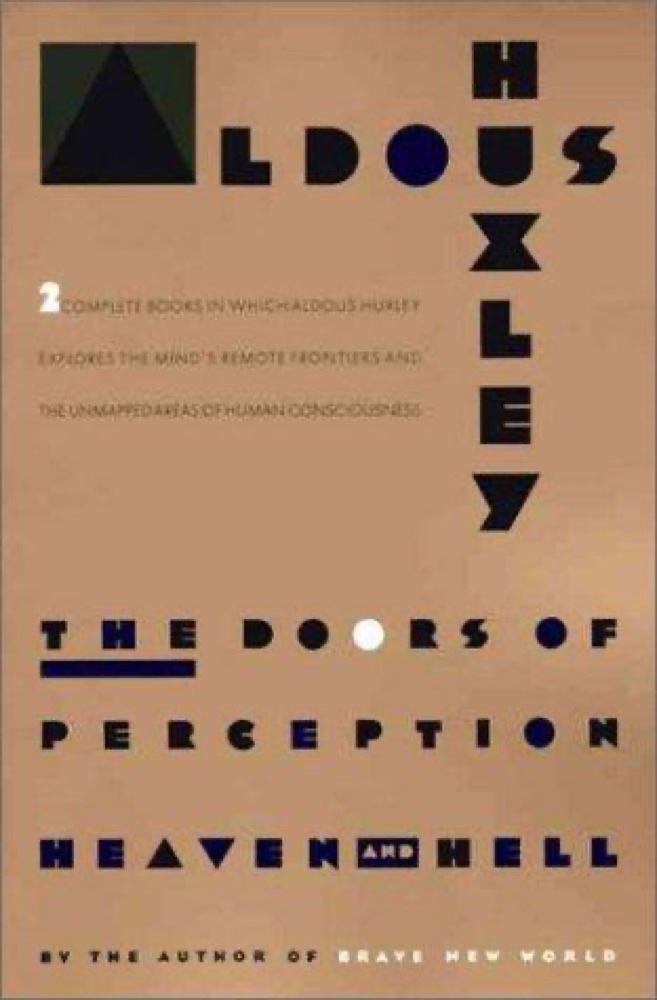 The Doors of Perception & Heaven and Hell
 Twilight of the Idols
 The World as Will and Representation, Vol 1
 Self-Reliance: An Excerpt from Collected Essays, First Series
 Daniel Deronda
 Pensées
 An Essay Concerning Human Understanding
 The Perennial Philosophy
 Modern Man in Search of a Soul
Nature and Selected Essays
Modern Man in Search of a Soul
Nature and Selected Essays
 Twilight of the Idols/The Anti-Christ
 Complete Works of Oscar Wilde
 A Treatise of Human Nature
 An Enquiry Concerning Human Understanding
 The Doors of Perception
 The Myth of Sisyphus
 The Book: On the Taboo Against Knowing Who You Are
 Walden and other writings
 The Common Reader
 Heretics
 The Home and the World
 Ethics
 The Schopenhauer Cure
 Myths to Live By
 The Glass Bead Game
 The Fountainhead
 Emile or On Education
 The Republic
 Critique of Pure Reason
 Irrational Man: A Study in Existential Philosophy
 The World's Last Night: And Other Essays
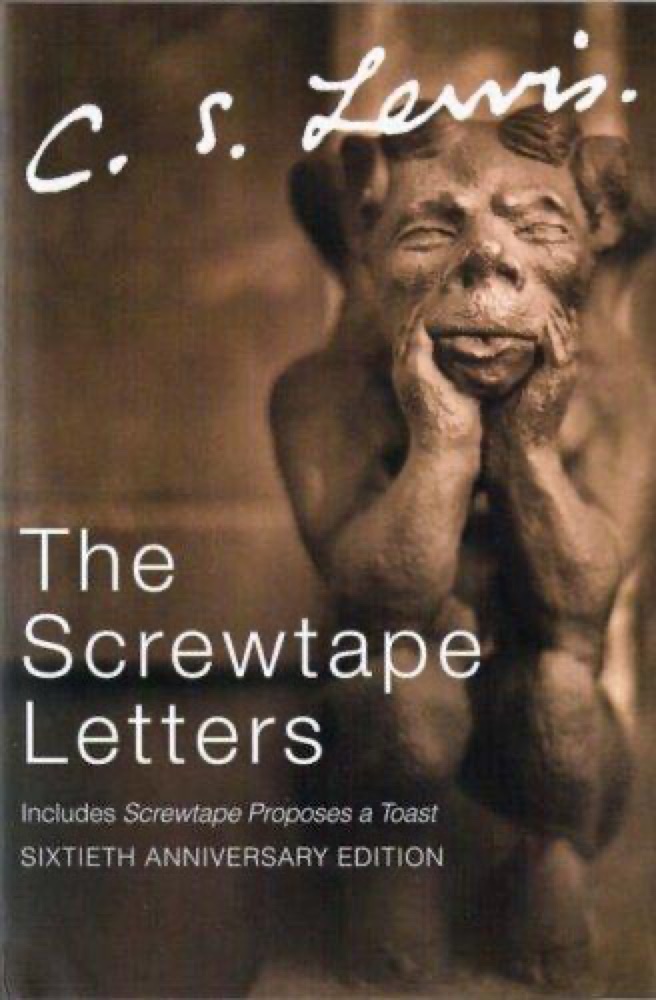 The Screwtape Letters
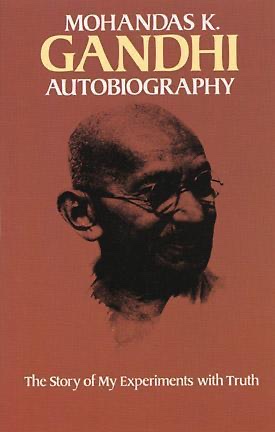 The Story of My Experiments With Truth
 The Fall
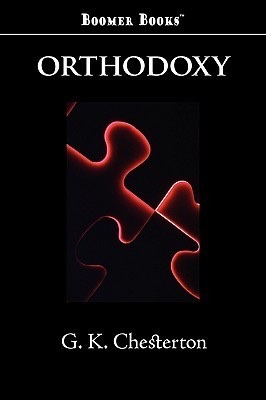 Orthodoxy
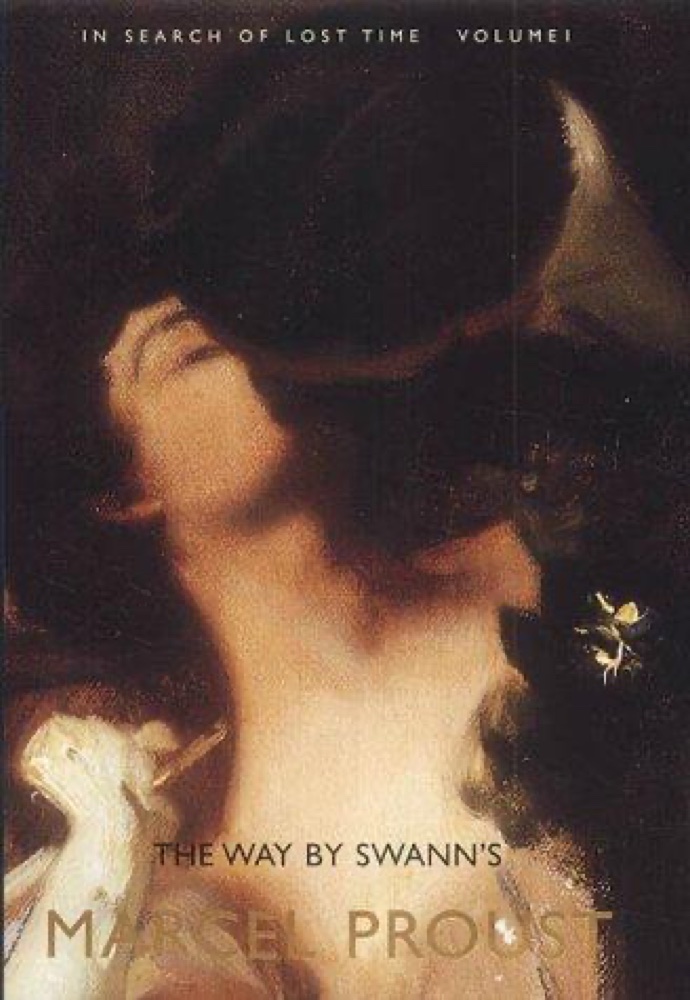 In Search of Lost Time
 The Abundance
 Surprised by Joy: The Shape of My Early Life
 Phaedrus
 The Darkness That Comes Before
 The Everlasting Man
 Freedom from the Known
 The Man Without Qualities
 The Art of Being
 The World As I See It
 Gravity and Grace
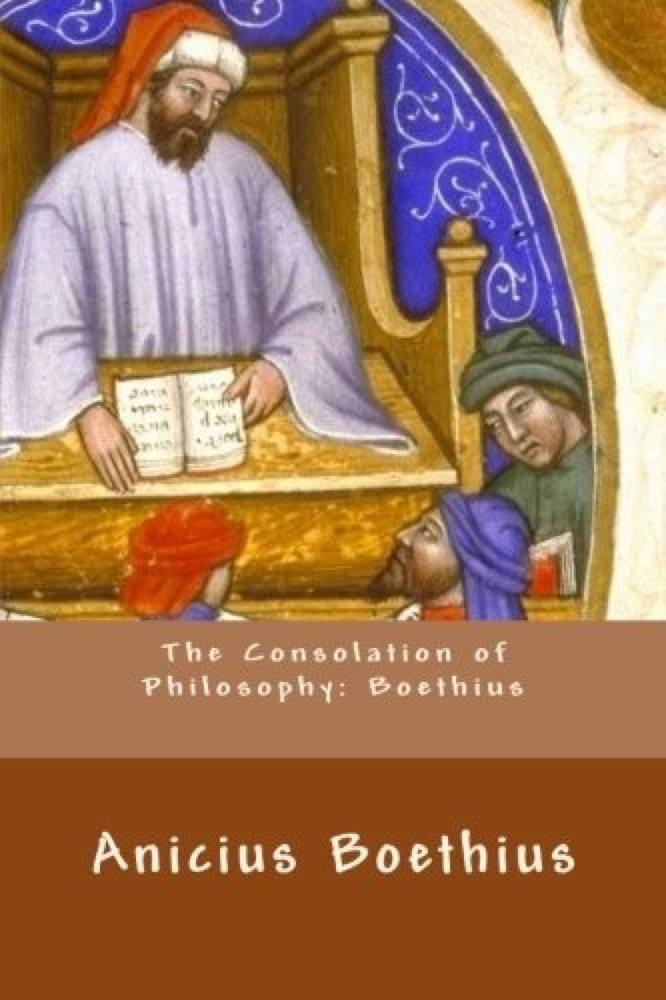 The Consolation of Philosophy
 The Complete Essays
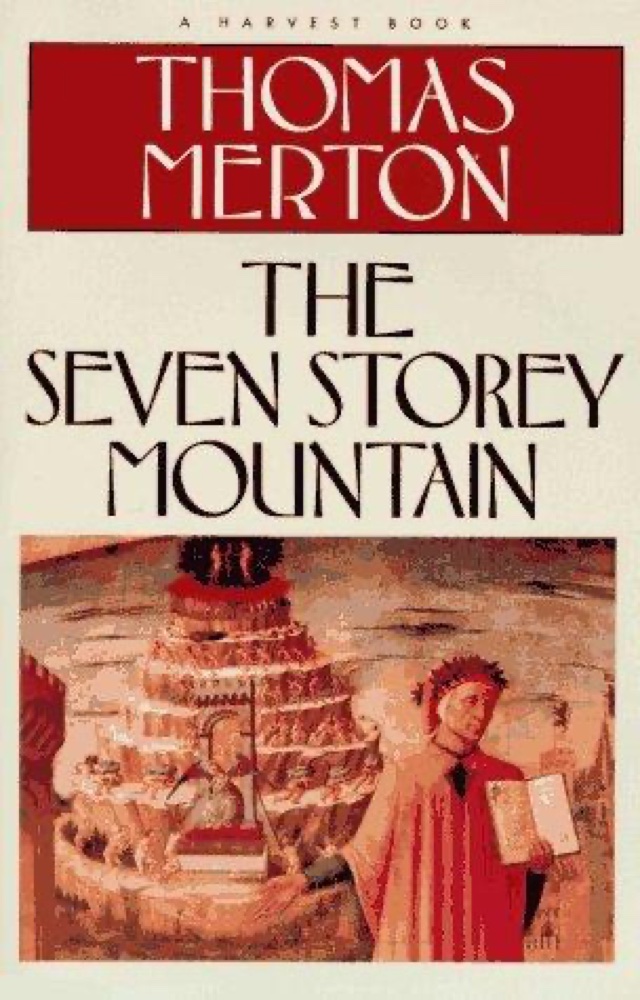 The Seven Storey Mountain
 On the Suffering of the World
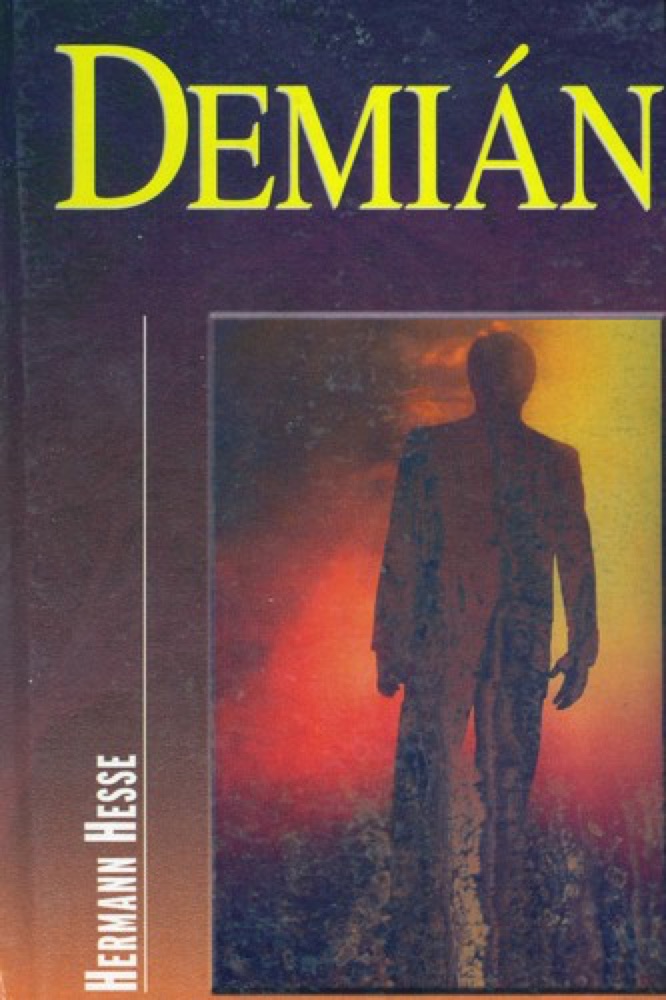 Demian
 Narcissus and Goldmund
 The Wisdom of Insecurity: A Message for an Age of Anxiety
 When I Was a Child I Read Books