
 The Feminine Mystique
Quotes from the Book
Women's bodies are public domain, as evidenced clearly at the present time by the furor over abortion. Everyone has an opinion about what a woman should or should not do with her body.
16
Being is not passive; it takes focused awareness.
10
During this part of the journey, the woman begins her descent. It may involve a seemingly endless period of wandering, grief, and rage; of dethroning kings; of looking for the lost pieces of herself and meeting the dark feminine. It may take weeks, months, or years, and for many it may involve a time of voluntary isolation—a period of darkness and silence and of learning the art of deeply listening once again to self: of being instead of doing. The outer world may see this as a depression and a period of stasis. Family, friends, and work associates implore our heroine to “get on with it.
6
There is a danger in the repudiation of the feminine when the daughter who rejects the aspects of the negative feminine embodied by her mother also denies positive aspects of her own feminine nature, which are playful, sensuous, passionate, nurturing, intuitive, and creative. Many women who have had angry or emotional mothers seek to control their own anger and feelings lest they be seen as destructive and castrating. This repression of anger often prevents them from seeing the inequities in a male-defined system. Women who have seen their mothers as superstitious, religious, or old-fashioned discard the murky, mysterious, magical aspects of the feminine for cool logic and analysis. A chasm is created between the heroine and the maternal qualities within her; this chasm will have to be healed later in the journey for her to achieve wholeness.
6
Women have to learn where their true source of validation is.
6
The mother/daughter relationship and the separation from the mother is so complex that in most women’s literature and fairy tales the mother remains absent, dead, or villainous.
4
so many women having taken the hero’s journey, only to find it personally empty and dangerous for humanity. Women emulated the male heroic journey because there were no other images to emulate;
4
Society places enormous responsibility at the feet of mom without giving her the financial support, prestige, and acclaim due to a job of such momentous import for the entire culture.
3
This stage involves clear choices and sacrifices that to anyone with a patriarchal focus may look like dropping out.
3
To protect patrilineal descent, men have for centuries tried to control women's sexuality. Although man needs woman, he tries to keep her power under control, legislating against women's free use of her sex in case she compromises the fragile but tenacious social structure of our patriarchal society.
2
Women have to find autonomy before they can achieve wholeness. Examining
1
You can be anything you want to be—just be good at it. Put your mind to it, learn what you need to, and go for it!
1
The sense of loss these women express is a yearning for the feminine, a longing for a sense of home within their own bodies and community. Most women today have spent their early and mid-adulthood developing and fine-tuning qualities that have always been considered masculine, including skills in logical, direct linear thinking, analyzing, and setting short-range goals. Women who brought emotions into the workplace were quickly told they did not belong there. Although many companies are now training upper management in a more feminine or “Beta-style” mode of leadership, which values feelings, intuition, and relationship, many women complain of undervaluing the feminine part of themselves.
1
A woman who has felt rejected by her mother because of adoption, illness, depression, or escape into alcohol will feel deeply unmothered and will continue to look for what she never had. She may function forever as a “daughter” looking for approval, love, attention, and acceptance from a mother who is incapable of giving these. If she experienced her mother as either absent or too busy to mother her, she may set out in search of a positive female role model, perhaps an older woman with whom she can bond.
1
To destroy the myth of inferiority a woman needs to carry her own sword of truth, sharpening her blade on the stone of discernment. Because so much of women's truth has been obscured by patriarchal myths, new forms, new styles, and a new language must be developed by women to express their knowledge. A woman must find her own voice.
Watch on YouTube
About Maureen Murdock
We have collected 15 quotes from 1 book by Maureen Murdock on BookQuoters.
More about the author →About the book
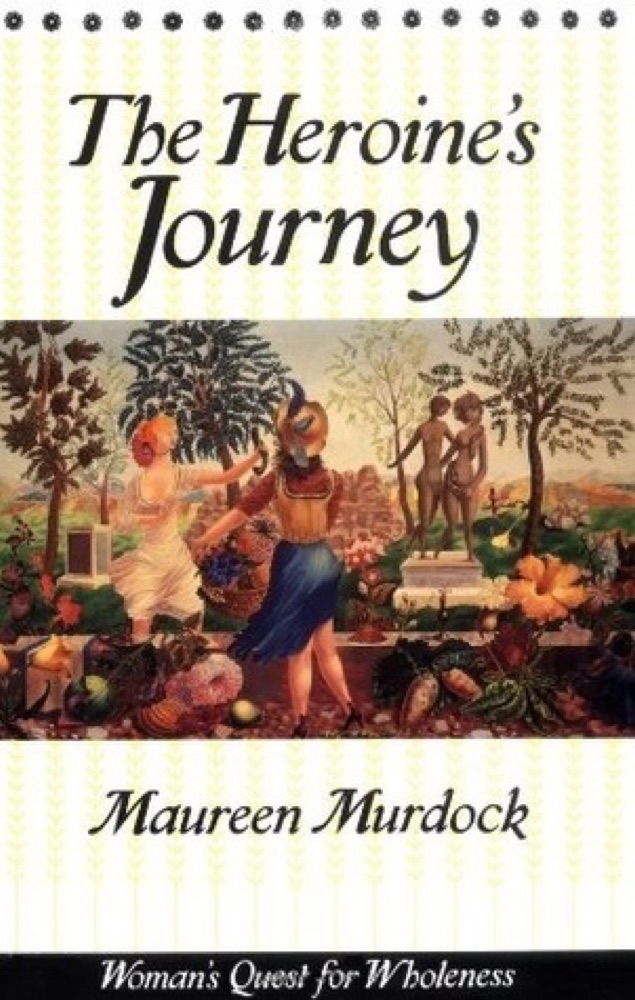
This book describes contemporary woman's search for wholeness in a society in which she has been defined according to masculine values. Drawing upon cultural myths and fairy tales, ancient symbols and goddesses, and the dreams of contemporary women, Murdock illustrates the need for—and the reality of—feminine values in Western culture today.
Book details
- First published
- 1990
- Author
- Maureen Murdock
- Genre
- Nonfiction
- Goodreads rating
- 3.90 (3k ratings)
Keep reading
The Feminine Mystique
 A Woman's Worth
 The Soul of a Woman
 Communion: The Female Search for Love
 The Female Eunuch
 Unspeakable Things: Sex, Lies and Revolution
 The Dialectic of Sex: The Case for Feminist Revolution
 Dead Blondes and Bad Mothers
 The Truth Will Set You Free, But First It Will Piss You Off!: Thoughts on Life, Love, and Rebellion
 Cassandra Speaks: When Women Are the Storytellers, the Human Story Changes
 The Mother of All Questions
 How to Be a Woman
 Of Woman Born: Motherhood as Experience and Institution
 Feminism Is for Everybody: Passionate Politics
 Feminists Don't Wear Pink (And Other Lies): Amazing Women on What the F-Word Means to Them
 Captivating: Unveiling the Mystery of a Woman's Soul
 Right Wing Women
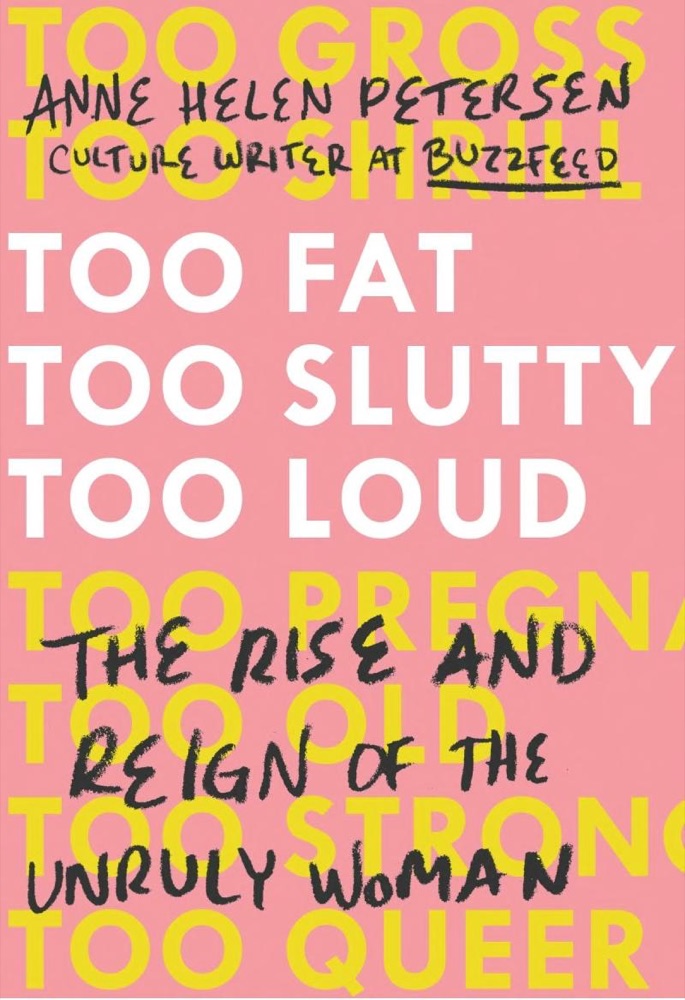 Too Fat, Too Slutty, Too Loud: The Rise and Reign of the Unruly Woman
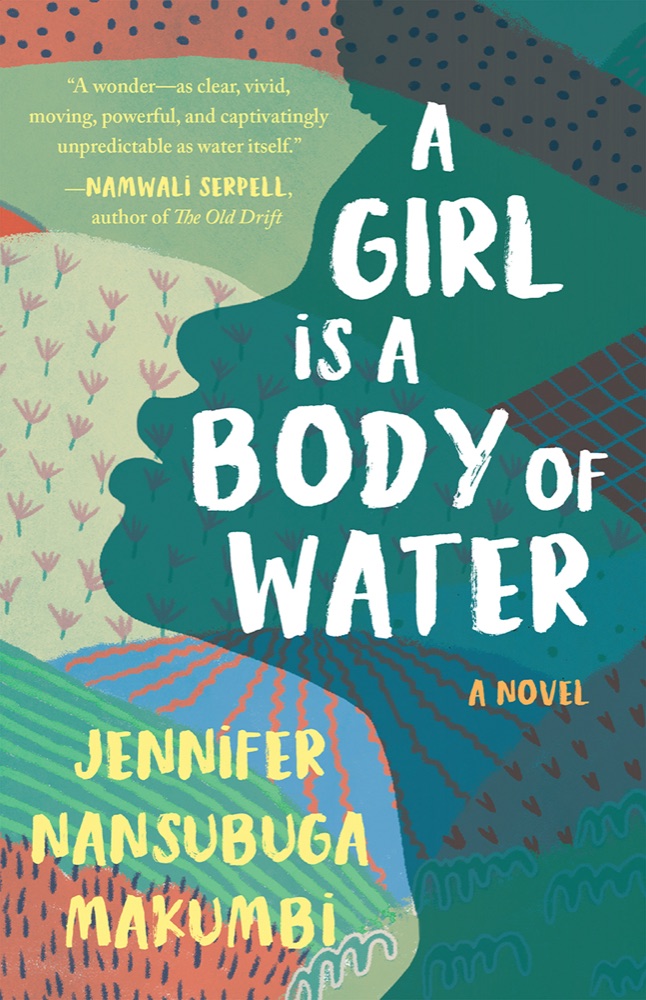 A Girl Is a Body of Water
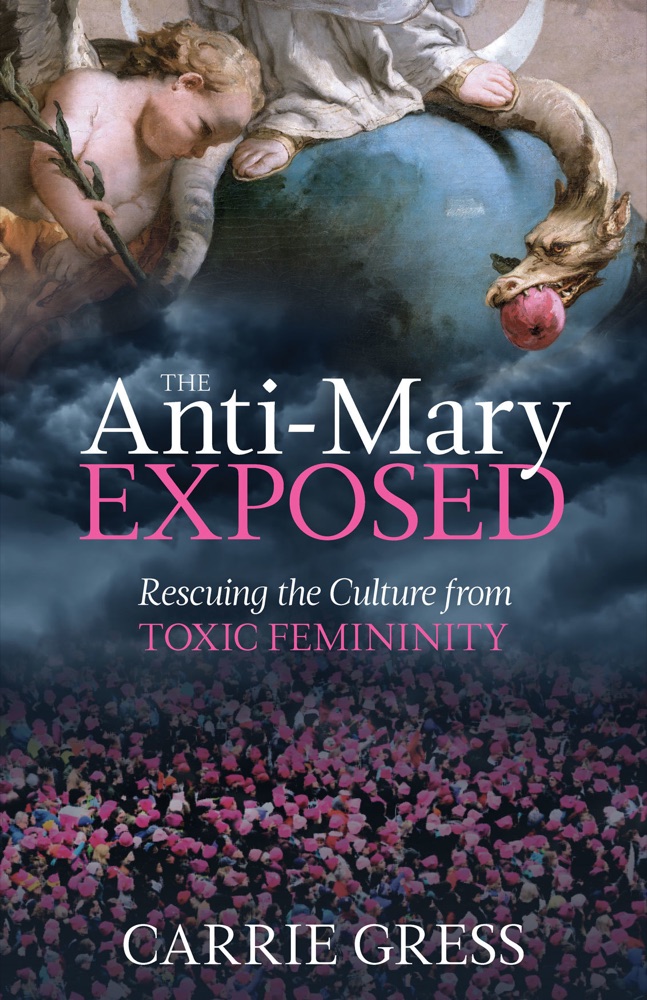 The Anti-Mary Exposed: Rescuing the Culture from Toxic Femininity
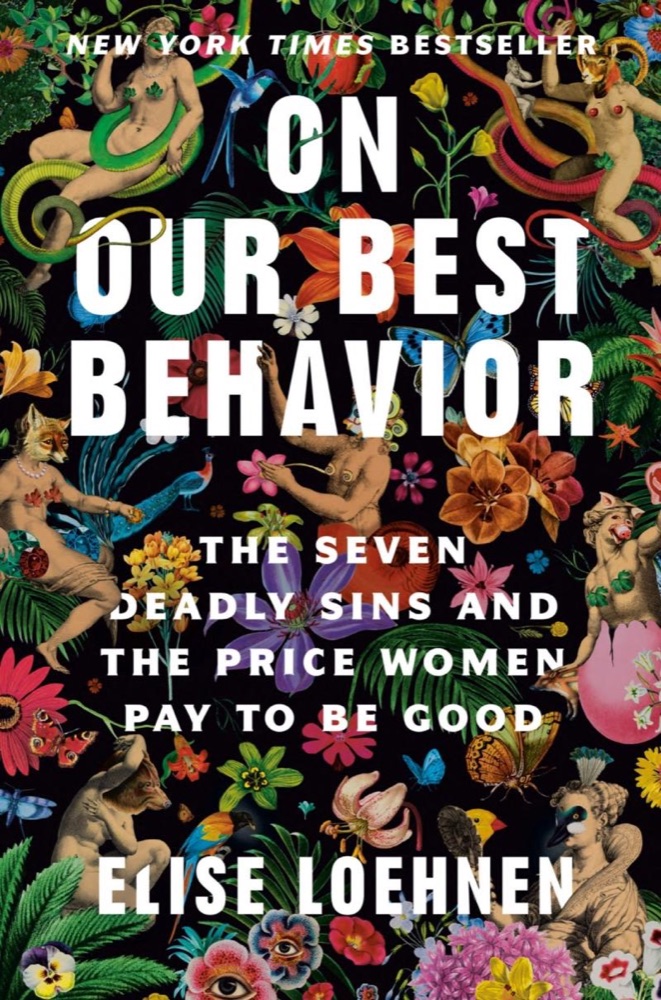 On Our Best Behavior: The Seven Deadly Sins and the Price Women Pay to Be Good
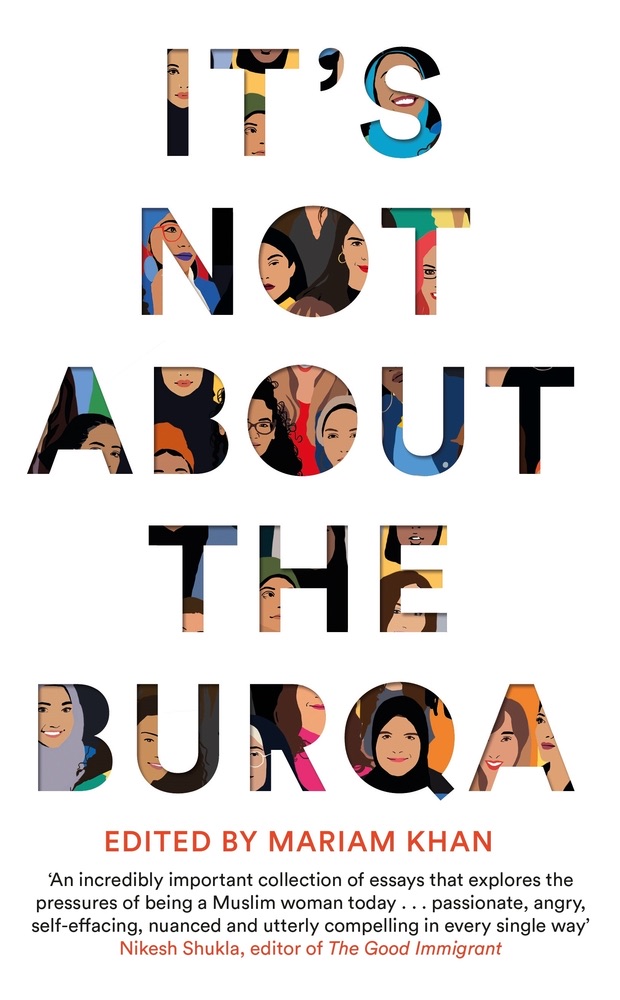 It's Not About the Burqa
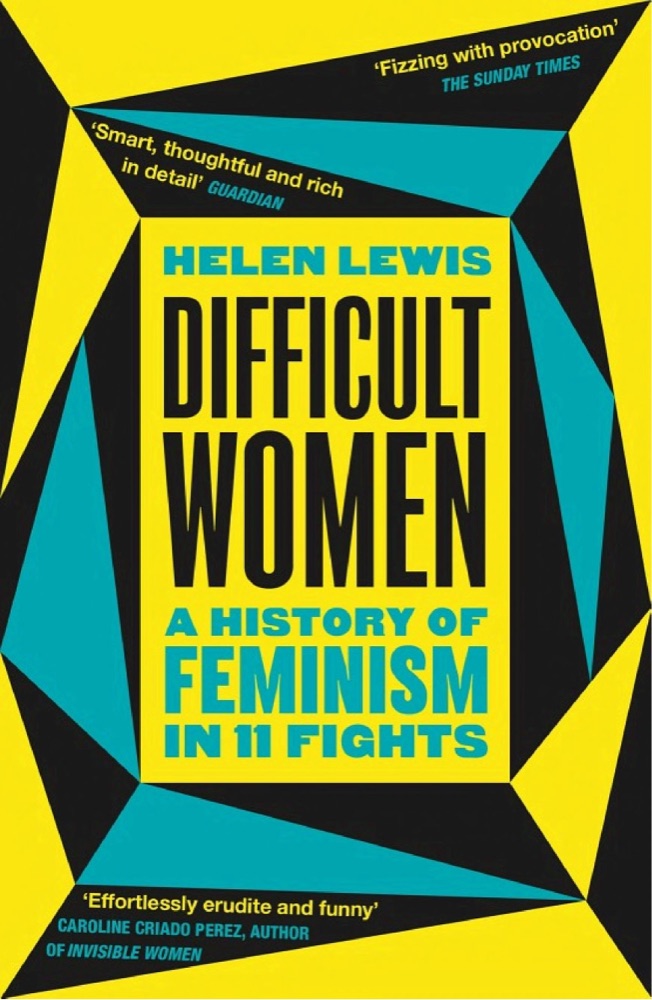 Difficult Women: A History of Feminism in 11 Fights
 Detransition, Baby
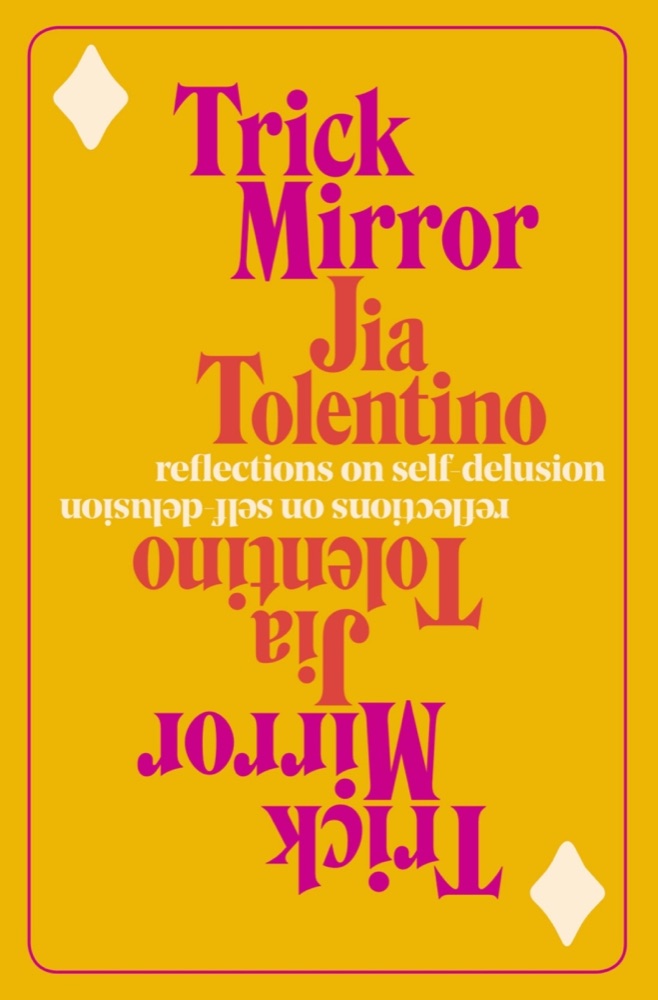 Trick Mirror: Reflections on Self-Delusion
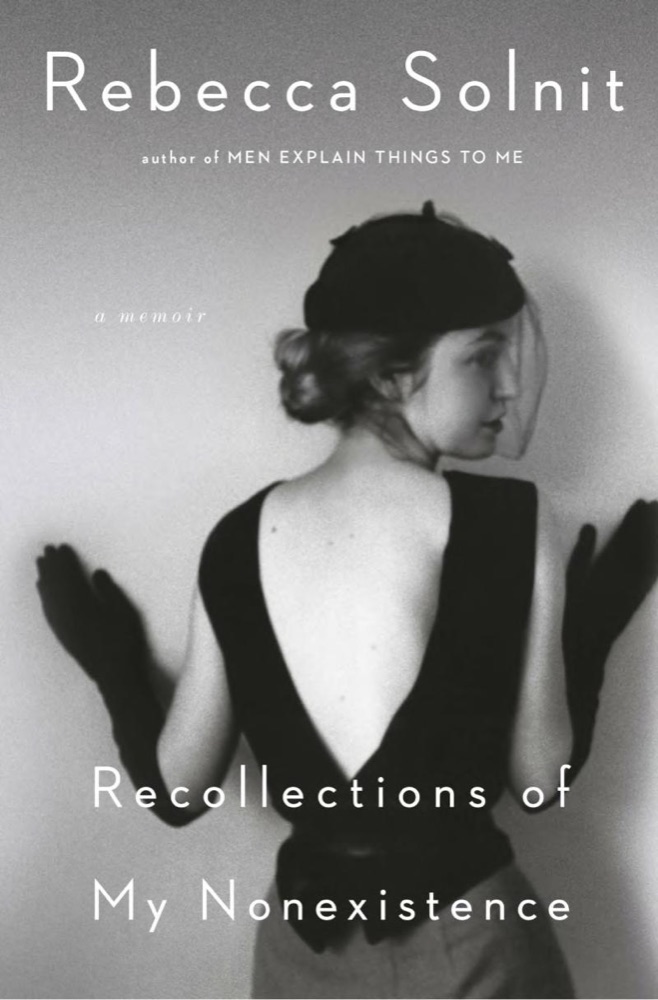 Recollections of My Nonexistence: A Memoir
 The Second Sex
 The Moment of Lift: How Empowering Women Changes the World
 Women's Bodies, Women's Wisdom: Creating Physical and Emotional Health and Healing
 Girl, Woman, Other
 Women & Power: A Manifesto
 A Woman Is No Man
 Women Who Run With the Wolves
 Headscarves and Hymens: Why the Middle East Needs a Sexual Revolution
 MILF: Motherhood, Identity, Love and F*ckery
 Trainwreck: The Women We Love to Hate, Mock, and Fear... and Why
 Women and Other Monsters: Building a New Mythology
 Men Explain Things to Me
 The Master's Tools Will Never Dismantle the Master's House
 Seven Women: And the Secret of Their Greatness
 The Underground Girls of Kabul: In Search of a Hidden Resistance in Afghanistan
 Redefining Realness: My Path to Womanhood, Identity, Love & So Much More
 Lean In: Women, Work, and the Will to Lead
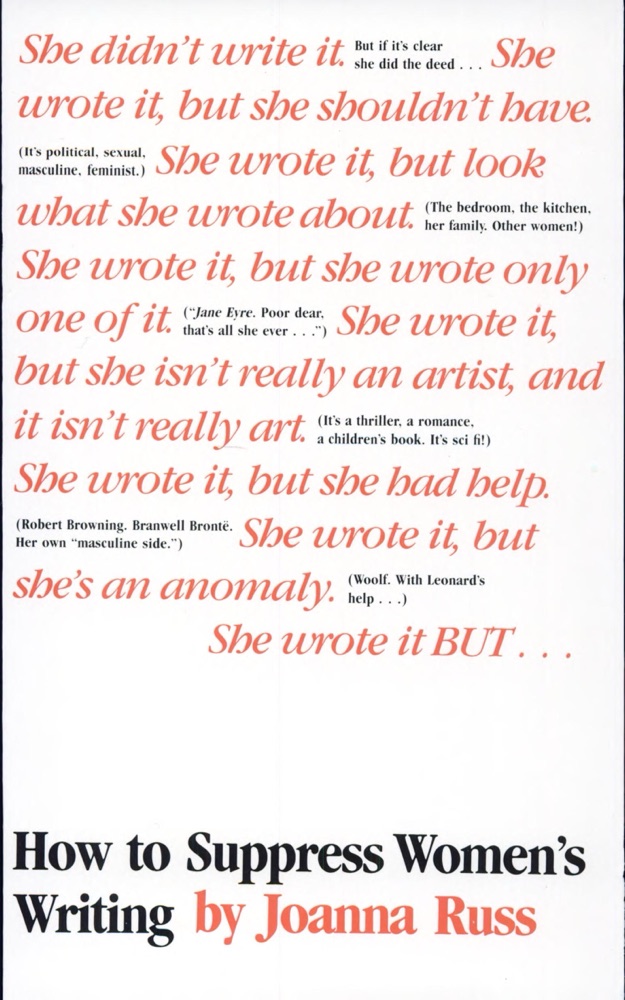 How to Suppress Women's Writing
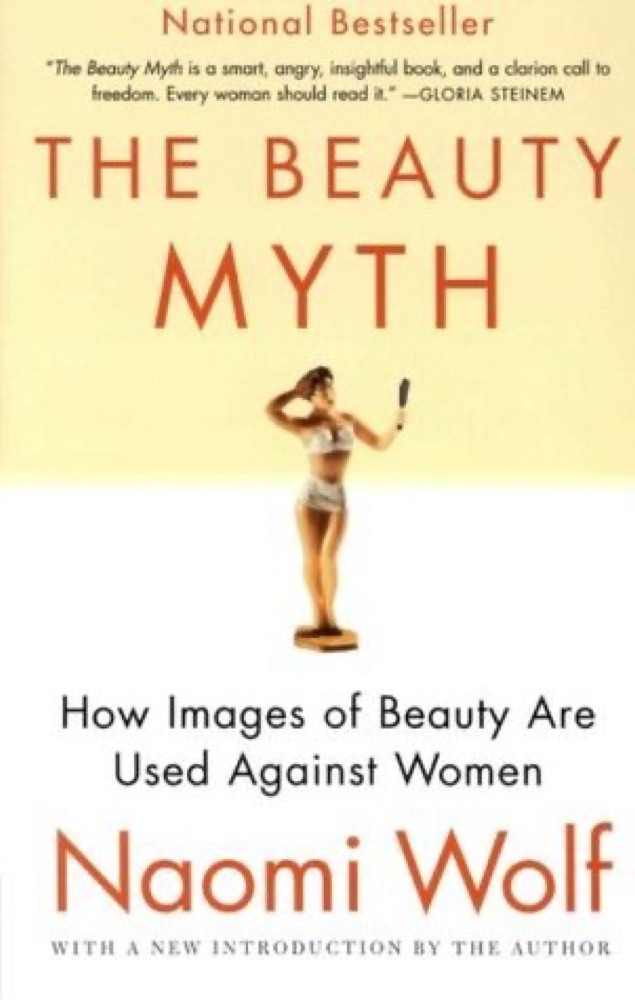 The Beauty Myth
 Untamed
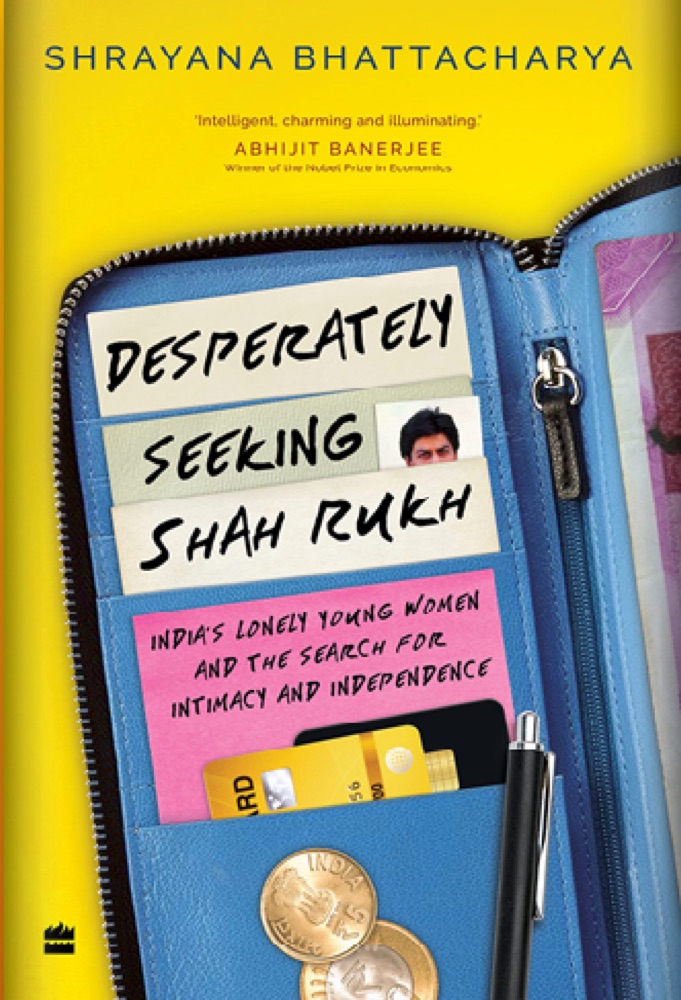 Desperately Seeking Shah Rukh: India's Lonely Young Women and the Search for Intimacy and Independence
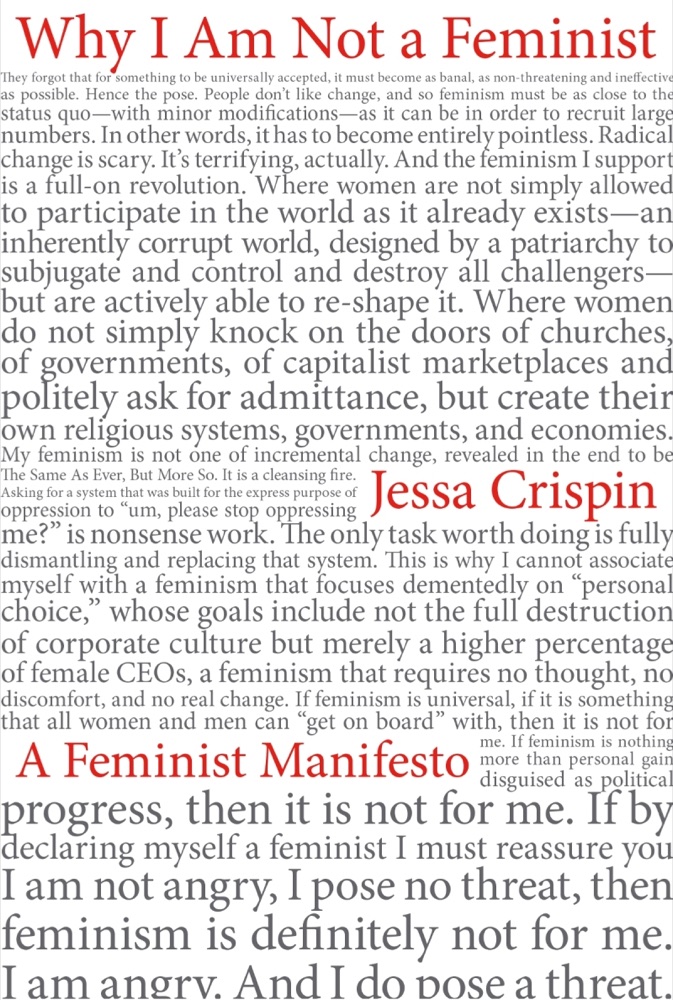 Why I Am Not a Feminist: A Feminist Manifesto
 The Right to Sex: Feminism in the Twenty-First Century
 The Change
 The Argonauts
 Not That Bad: Dispatches from Rape Culture
 My Body
 Mothers Who Can't Love: A Healing Guide for Daughters
 Aftermath: On Marriage and Separation
 In Defense of Witches: The Legacy of the Witch Hunts and Why Women Are Still on Trial
 A Vindication of the Rights of Woman
 Sexual Politics
 Revolution from Within: A Book of Self-Esteem
 Women's Liberation and the African Freedom Struggle