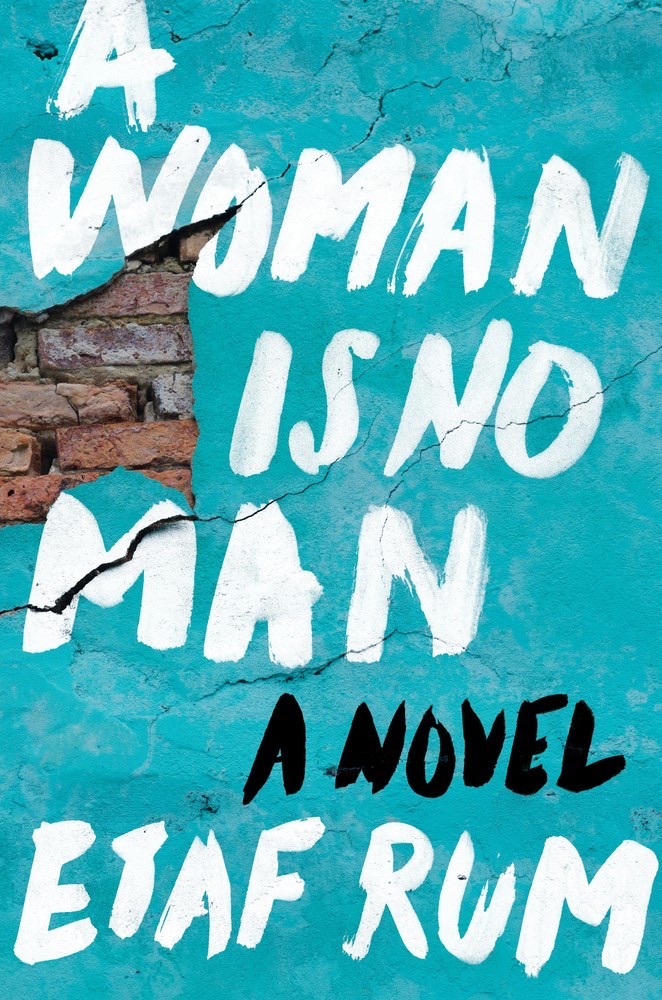

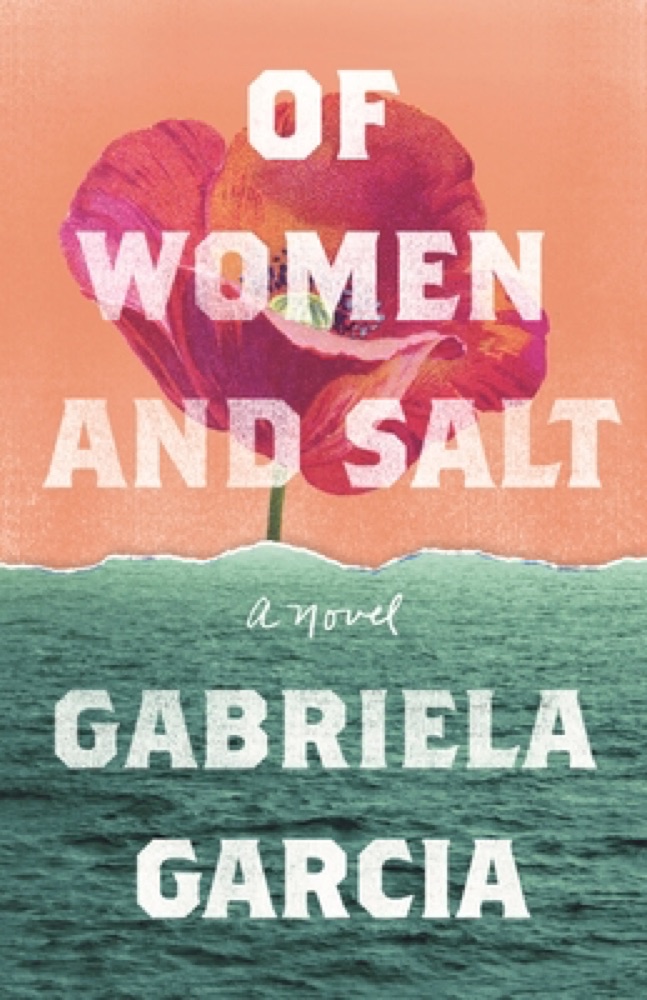
 Of Women and Salt
Quotes from the Book
It’s the loneliest people who love books the most.
169
A real choice doesn't have conditions. A real choice is free.
126
Too often being happy means being passive or playing it safe. There's no skill required in happiness, no strength of character, nothing extraordinary. Its discontent that drives creation the most--passion, desire, defiance. Revolutions don't come from a place of happiness. If anything, I think it's sadness, or discontent at least, that's at the root of everything beautiful.
95
What’s meant for you will reach you even if it’s beneath two mountains, and what’s not meant for you won’t reach you even if it’s between your two lips
77
Perhaps that was why she had spent her childhood with a book in front of her face, trying to make sense of her life through stories. Books were her only reliable source of comfort, her only hope.
65
I was born without a voice, one cold, overcast day in Brooklyn, New York. No one ever spoke of my condition. I did not know I was mute until years later, when I opened my mouth to ask for what I wanted and realized no one could hear me.
61
It took more than one woman to do things differently. It took a world of them.
45
That was the real reason abuse was so common, Isra thought for the first time. Not only because there was no government protection, but because women were raised to believe they were worthless, shameful creatures who deserved to get beaten, who were made to depend on the men who beat them.
35
But maybe that’s the way of life, Fareeda thought. To understand things only after they had passed, only once it was too late.
30
She knew that the suffering of women started in the suffering of men, that the bondages of one became the bondages of the other.
29
It's the loneliest people who love books the most...it was the opposite of loneliness, too, like there were too many people around me, forced connections, that I needed a little isolation to think on my own, to be my own person.
27
It’s hard to belong anywhere, truly belong, if we don’t belong to ourselves first.
20
She knew she had to teach them how to love themselves, that this was the only way they had a chance at happiness. Only she didn't see how she could when the world pressed shame into women like pillows into their faces. She wanted to save her daughters from her fate, but she couldn't seem to find a way out.
20
Everything we draw into our life is a mirror of our thought patterns and beliefs. In a way, we can control the outcome of our future just by thinking more positively and visualizing only the things we want for ourselves.
19
I can tell my own story now, she thinks. And then she does.
17
She often wondered how many people felt this way, spellbound by words, wishing to be tucked inside a book and forgotten there. How many people were hoping to find their story inside, desperate to understand. And yet Deya still felt alone in the end, no matter how many books she read, no matter how many tales she told herself.
16
But now, reading her books, she was beginning to find a different kind of love. A love that came from inside her, one she felt when she was all alone, reading by the window. And through this love, she was beginning to believe, for the first time in her life, that maybe she was worthy after all.
15
Words could do extraordinary things, but sometimes they were not enough.
14
Where I come from, voicelessness is the condition of my gender, as normal as the bosoms on a woman’s chest, as necessary as the next generation growing inside her belly.
13
Fareeda knew that no matter what any woman said, culture could not be escaped. Even if it meant tragedy. Even if it meant death. At least she was able to recognize her role in their culture, own up to it, instead of sitting around saying “If only I had done things differently.” It took more than one woman to do things differently. It took a world of them. She had comforted herself with these thoughts so many times before, but tonight they only filled her with shame.
12
Sadness was like a cancer, she thought, a presence that staked it's claim so quietly you might not even notice it until it was too late. She hoped her other daughters didn't see.
11
And yet even as she heard this old voice in her head, she could still feel the shift that had just occurred inside her. The old voice was no longer strong enough to hold her back—Deya knew this now. She knew this voice that she had always taken as the absolute truth was actually the very thing preventing her from achieving everything she wanted. The voice was the lie, and all the things she wanted for herself were the truth, perhaps the most important truth in the world. And because of this she had to stand up for herself. She had to fight. She had to. The fight was worth everything if it meant finally having a voice.
11
Books were my armor. Everything I'd ever learned growing up, all my thoughts, dreams, goals, experiences, it all came from the books I read. It was like I went around collecting knowledge, plucking it from pages and storing it up, waiting for a chance to use it.
10
If every woman refused to get married after a woman died at the hands of her husband, then no one would ever get married.
9
Why did she have to be so afraid, so sensitive, so affected by the world?
9
That to understand someone, you had to listen to the words they didn’t say, had to watch them closely.
8
Learn this now, dear. If you live your life waiting for a man’s love, you’ll be disappointed.
8
But don't you think stories should be used to tell the truth?" "No, I think we need stories to protect us from the truth.
7
Sarah paused for a moment then said, "I don't care about being happy." Deya's surprise must have been written across her face because Sarah continued, "Too often being happy means being passive or playing it safe. There's no skill required in happiness, no strength of character, nothing extraordinary. It's discontent that drives creation the most—passion, desire, defiance. Revolutions don't come from a place of happiness. If anything, I think it's sadness, or discontent at least, that's at the root of everything beautiful.
7
Did you know?
- It is Etaf Rum's debut novel.
- The story unfolds across two timelines, beginning in 1990 in Birzeit in the West Bank and continuing in present-day Brooklyn.
- The novel was a New York Times bestseller and a Read with Jenna (Today Show) book club pick.
- It was a Goodreads Choice Awards finalist for both Best Fiction and Best Debut.
- The narrative is told through the alternating perspectives of three women across different generations.
About Etaf Rum
Etaf Rum is a Palestinian-American author who was born and raised in Brooklyn, New York, by Palestinian immigrant parents. "A Woman Is No Man" is her debut novel.
More about the author →About the book
"A Woman Is No Man" is the debut novel of Palestinian-American writer Etaf Rum, telling the story of three generations of women in a conservative Arab family in Brooklyn. Across two interwoven timelines, it follows Isra, a seventeen-year-old who is married off in 1990 and brought from the West Bank to America, and her daughter Deya, who two decades later faces the same pressure toward an arranged marriage and begins to uncover the secrets her family has hidden about her mother's life.
At its heart the book is an exploration of patriarchy, both in its overt forms and in the quieter ways it is internalized and passed down between women, embodied in the domineering grandmother Fareeda. It weighs duty against desire, silence against voice, and the weight of cultural expectation against the longing for self-determination, while resisting easy judgment of the immigrant community it portrays.
Published in 2019, the novel became a New York Times bestseller and a Read with Jenna book club pick, drawing wide attention as a debut. It was a Goodreads Choice Awards finalist for Best Fiction and Best Debut and was named a best book of the year by outlets including BookBrowse, Real Simple, and Marie Claire, though some critics noted unevenness in its dialogue and pacing.
Key characters
- IsraA young Palestinian woman married at seventeen and brought to Brooklyn, mother of four daughters
- DeyaIsra's eldest daughter, who resists an arranged marriage and seeks the truth about her family
- FareedaThe family matriarch and Isra's mother-in-law, who enforces traditional expectations
- AdamIsra's husband and Fareeda's eldest son
- SarahAdam's estranged sister, who left the family and reconnects with Deya
Critical reception
- It was a New York Times bestseller and a Read with Jenna book club pick.
- It was a Goodreads Choice Awards finalist for Best Fiction and Best Debut.
- It was named a best book of the year by outlets including BookBrowse, Real Simple, and Marie Claire.
- Some critics, such as Publishers Weekly, noted repetitive scenes and uneven dialogue despite praising its suspenseful structure.
Keep reading
Of Women and Salt
 Too Much Happiness: Stories
 By Any Other Name
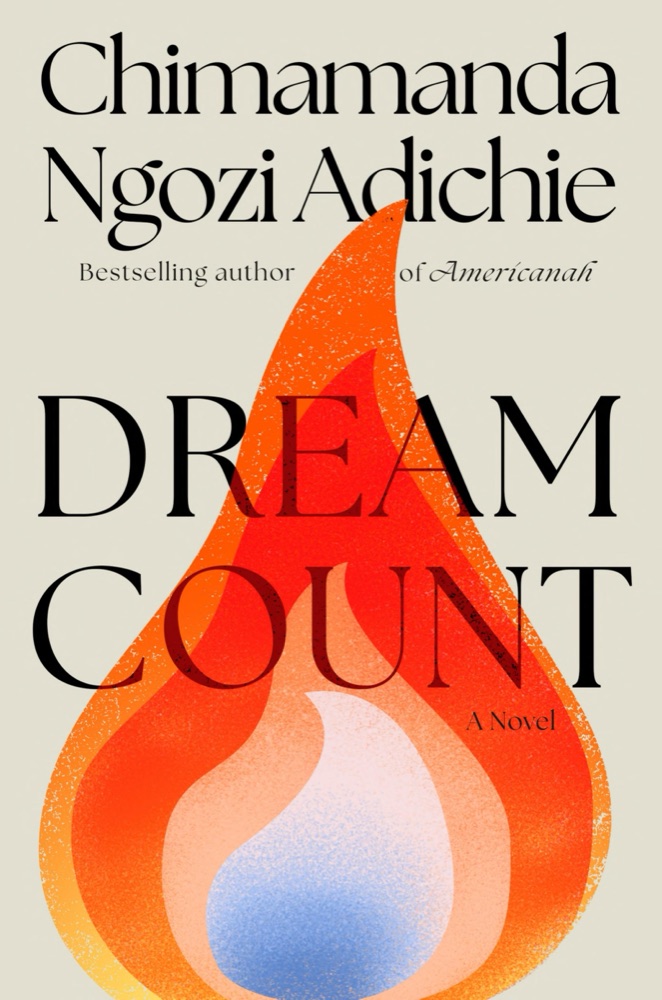 Dream Count
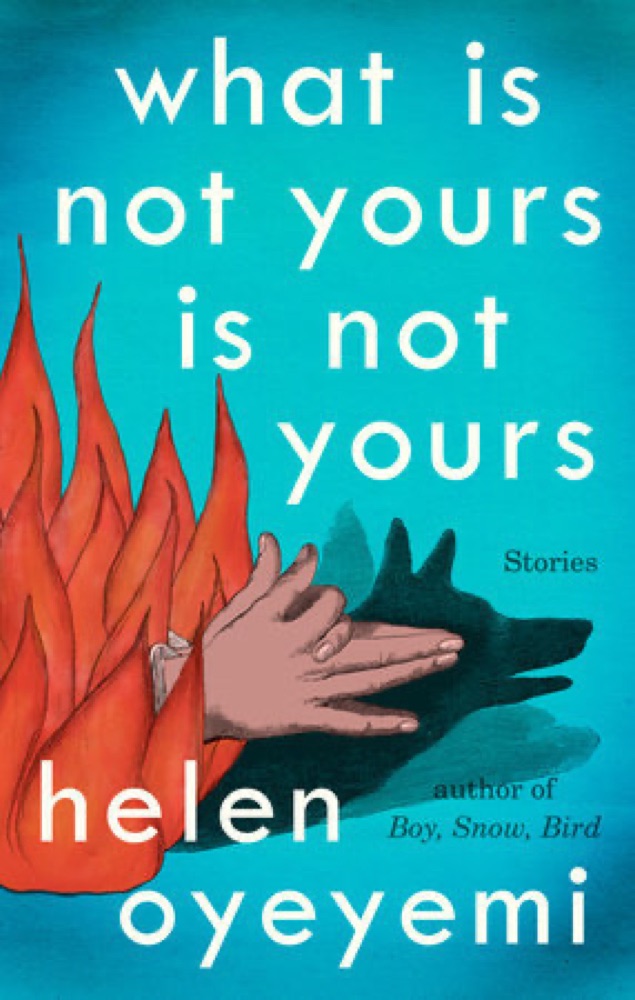 What Is Not Yours Is Not Yours
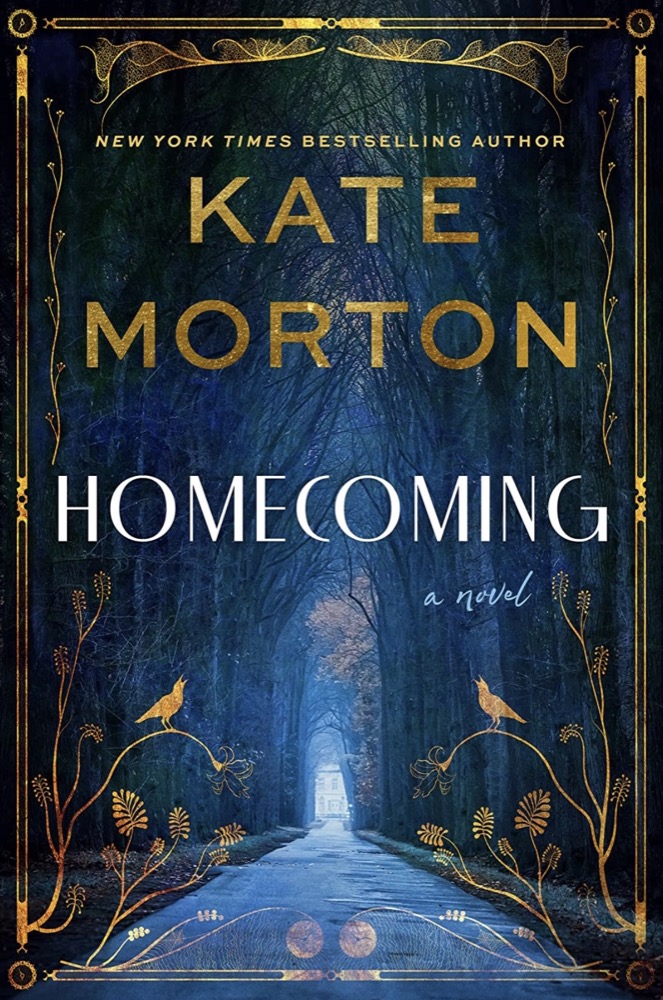 Homecoming
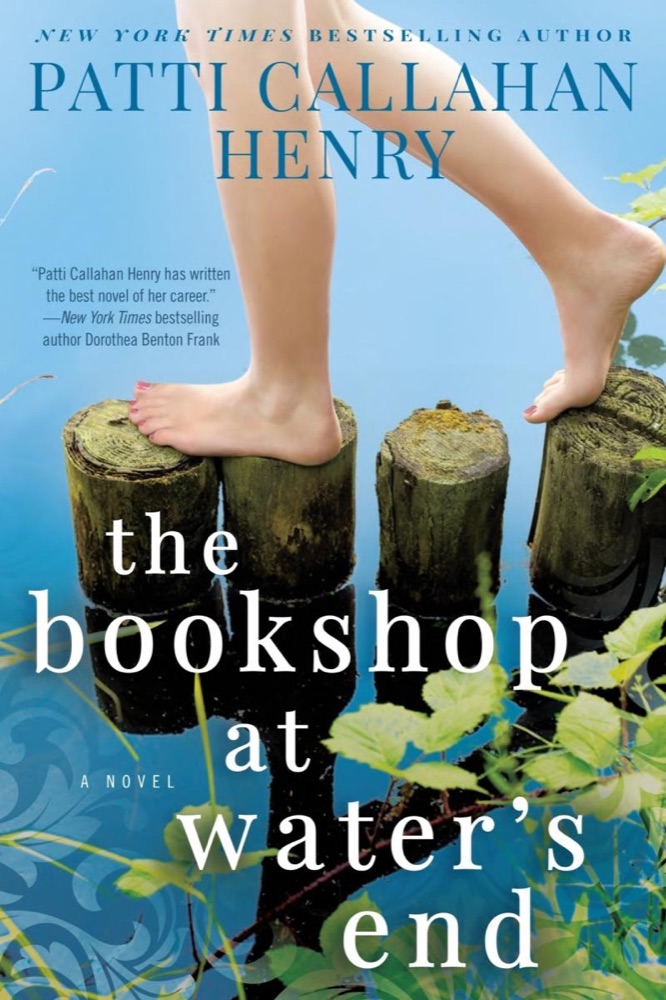 The Bookshop at Water's End
 The Cost of Living: A Working Autobiography
 The Weight of Ink
 Outline
 An Experiment in Love
 Summer Island
 NW
NW
 10 Minutes 38 Seconds in This Strange World
 A Reliable Wife
 The Story of the Lost Child
 Now Is the Time to Open Your Heart
 Every Heart a Doorway
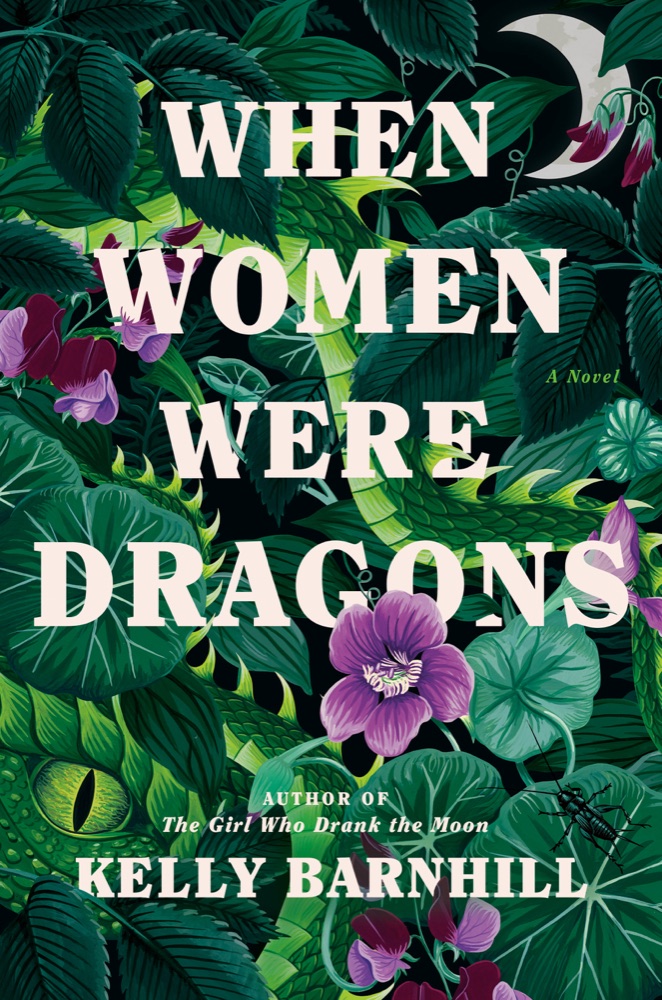 When Women Were Dragons
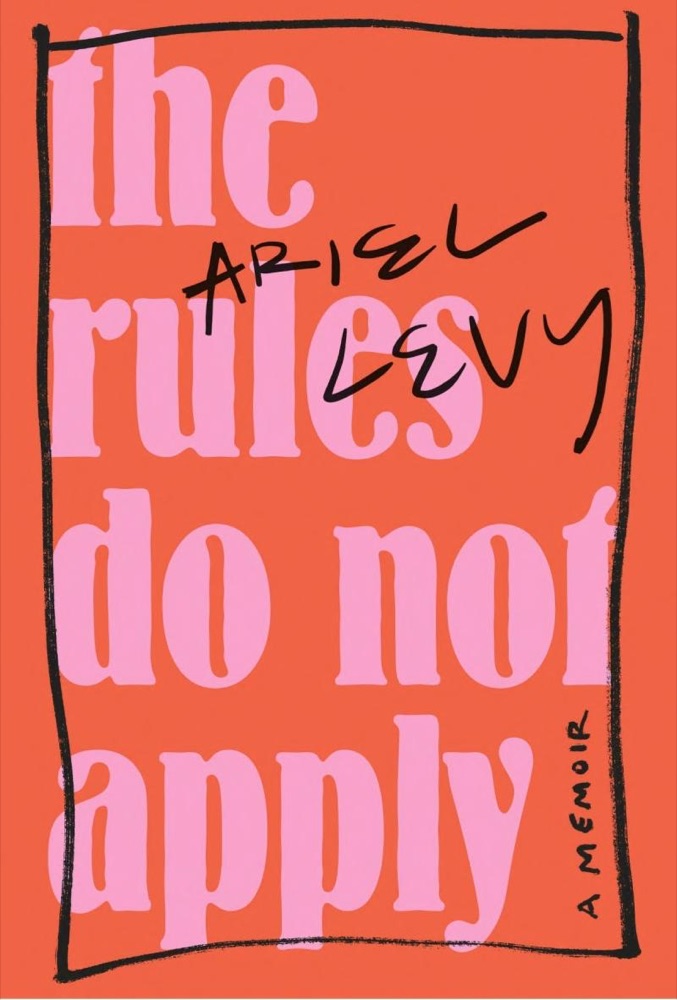 The Rules Do Not Apply
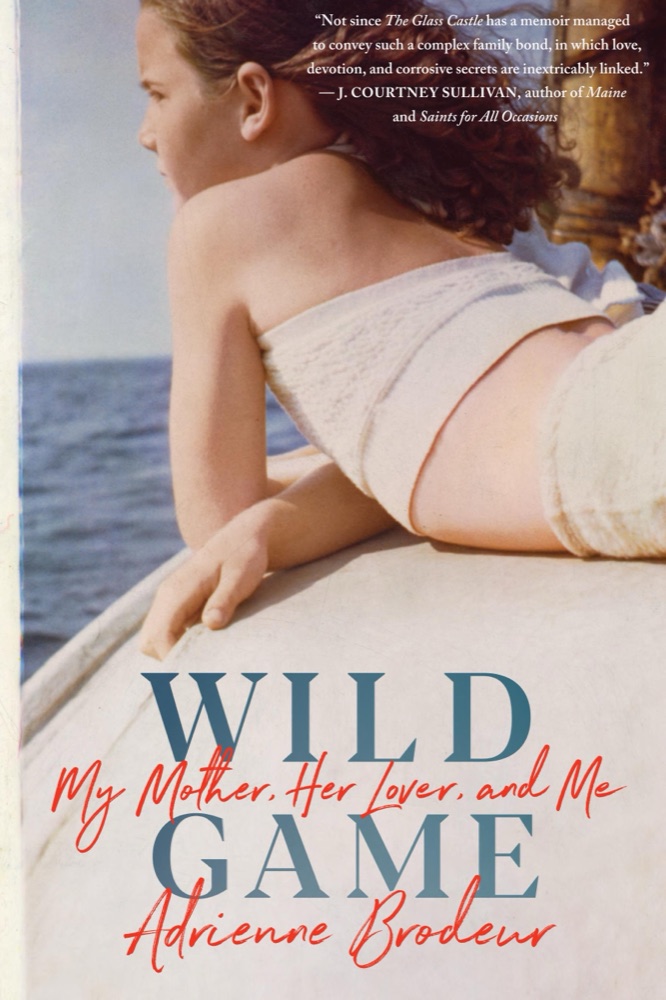 Wild Game: My Mother, Her Lover, and Me
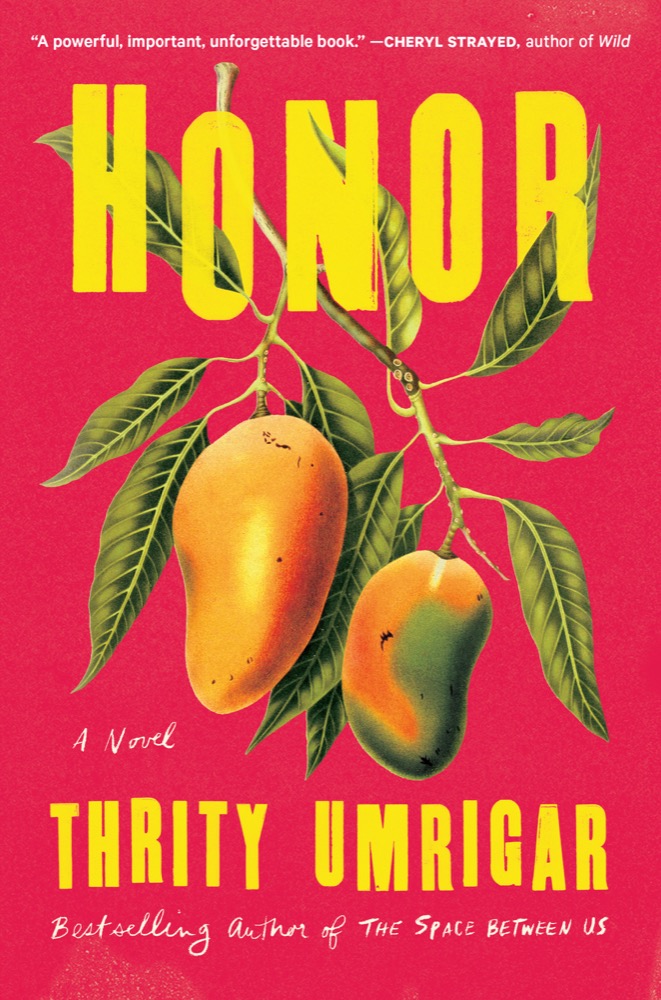 Honor
Honor
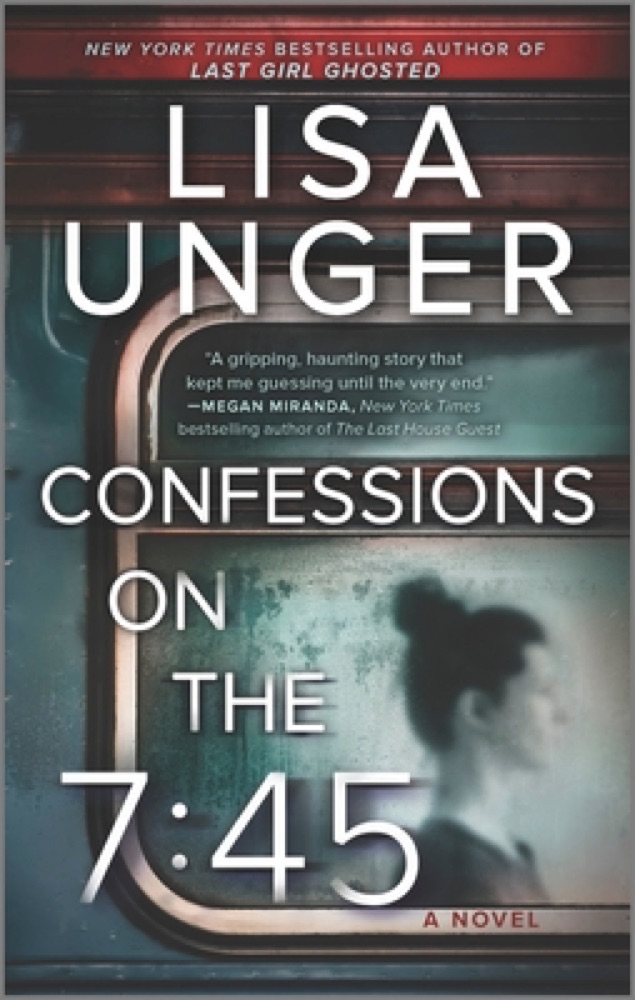 Confessions on the 7:45
 The Cat Who Saved the Library
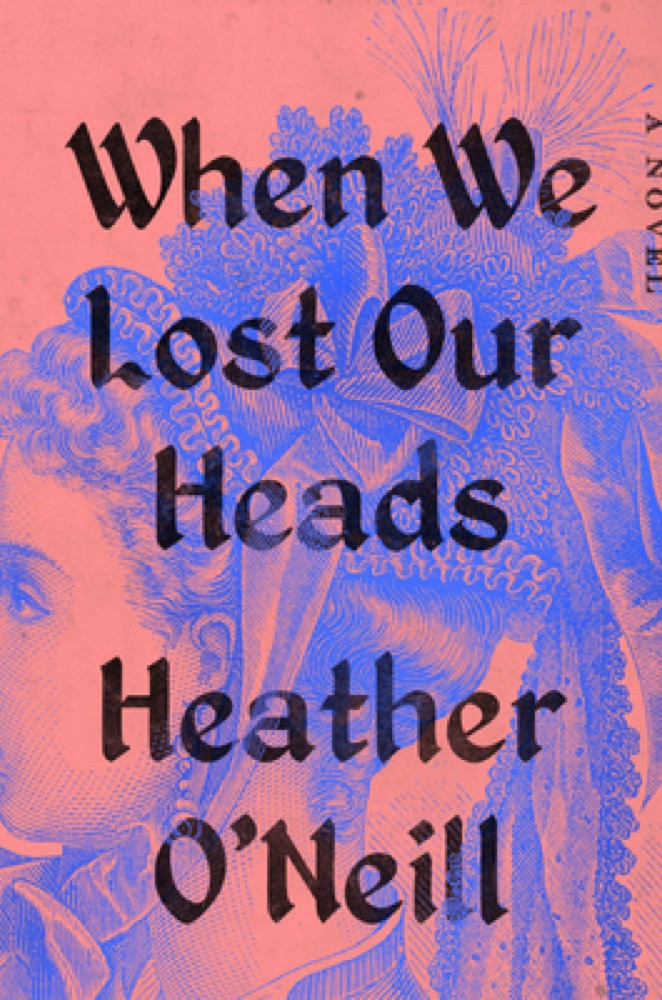 When We Lost Our Heads
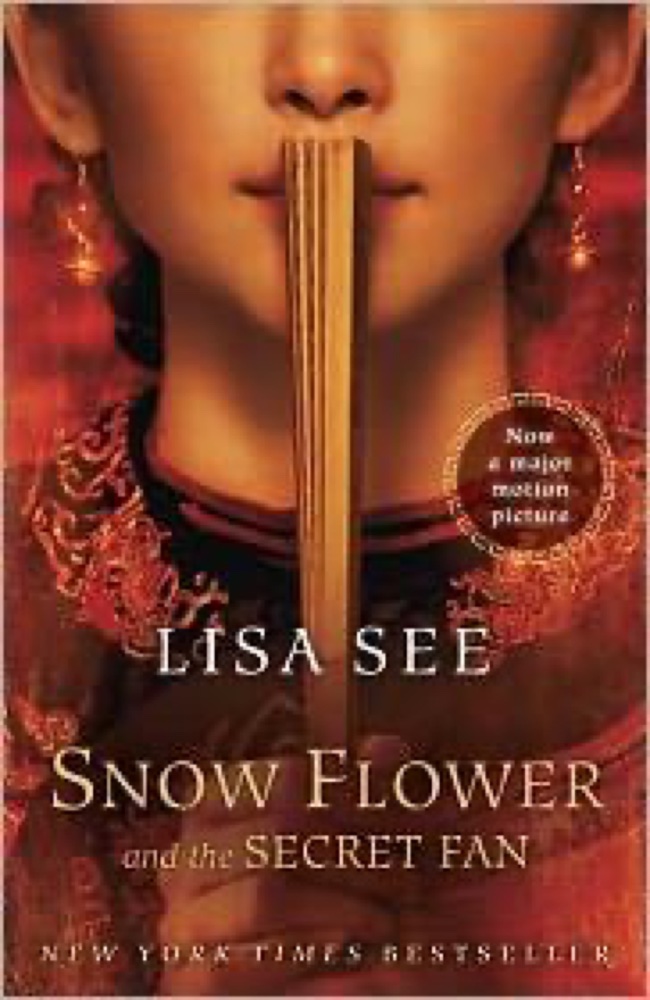 Snow Flower and the Secret Fan
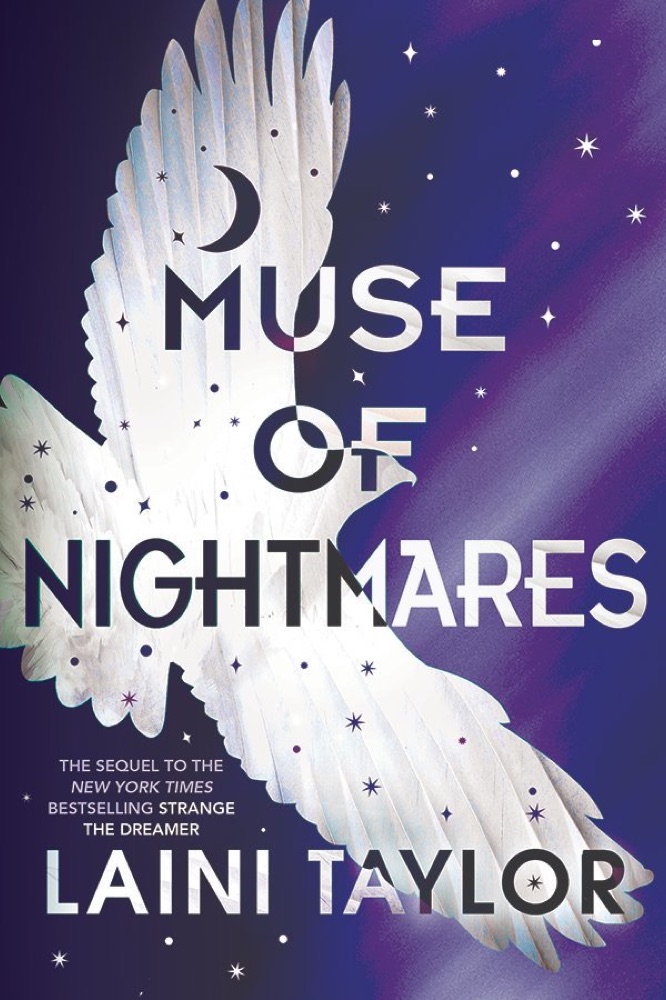 Muse of Nightmares
 Nine Perfect Strangers
 The Loneliness of Sonia and Sunny
 Anthropology of an American Girl
 Homeseeking
 The Book of the Unnamed Midwife
 Those Who Leave and Those Who Stay
 Dreams of Falling
 The Invisible Hour
 Stay with Me
 All Fours
 Forever in Blue: The Fourth Summer of the Sisterhood
 The Mermaid, the Witch, and the Sea
 Home Fire
 The Story Sisters
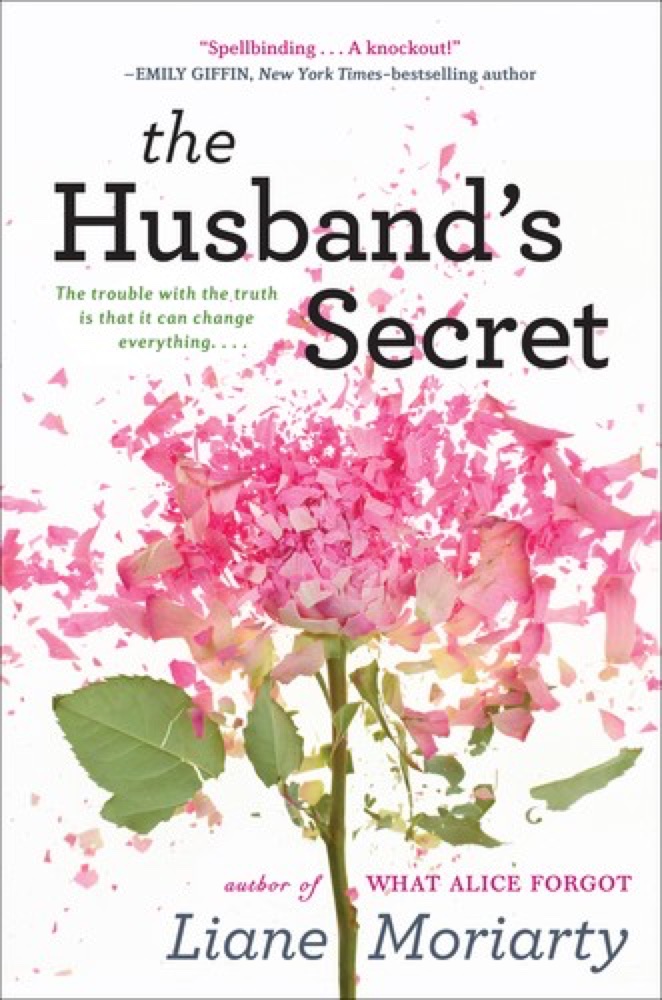 The Husband's Secret
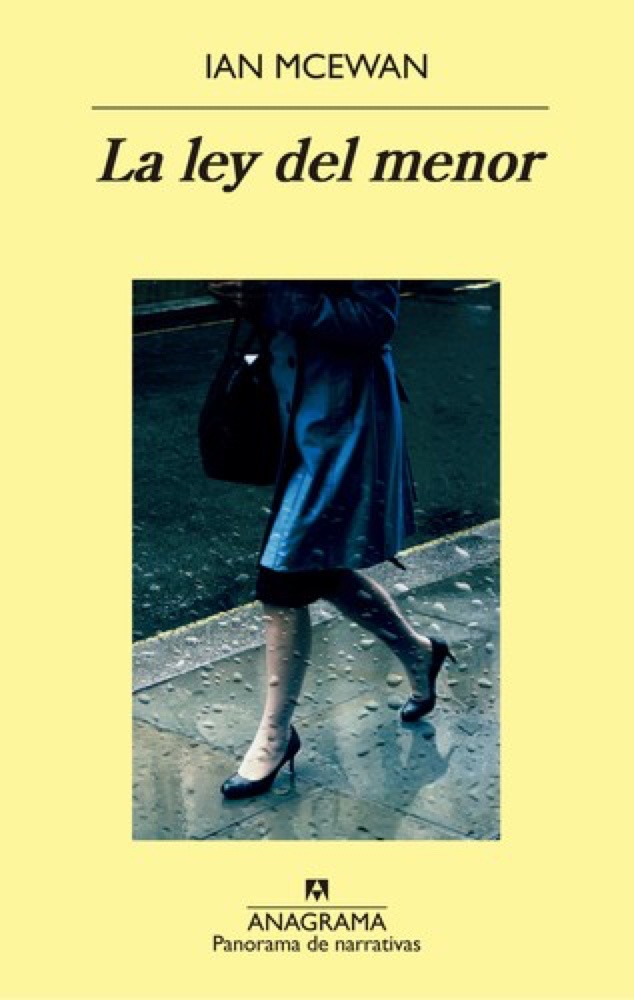 The Children Act
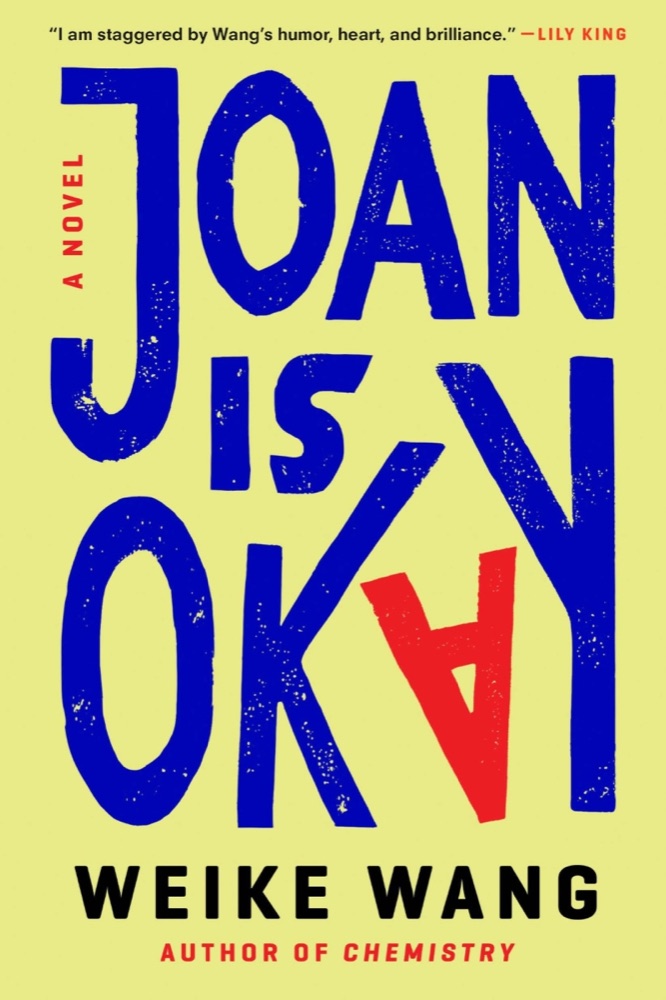 Joan Is Okay
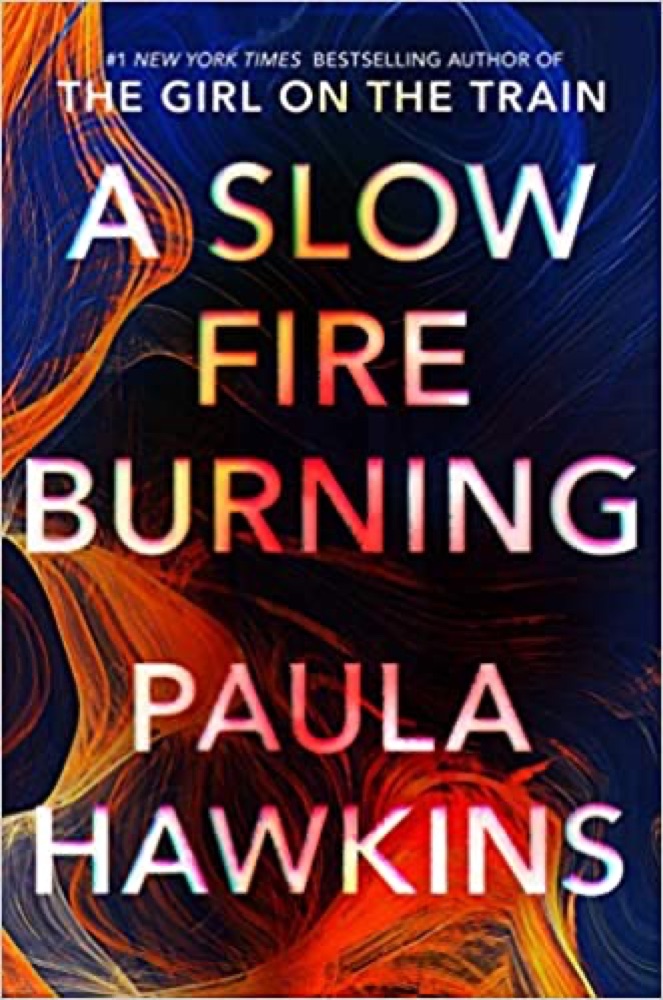 A Slow Fire Burning
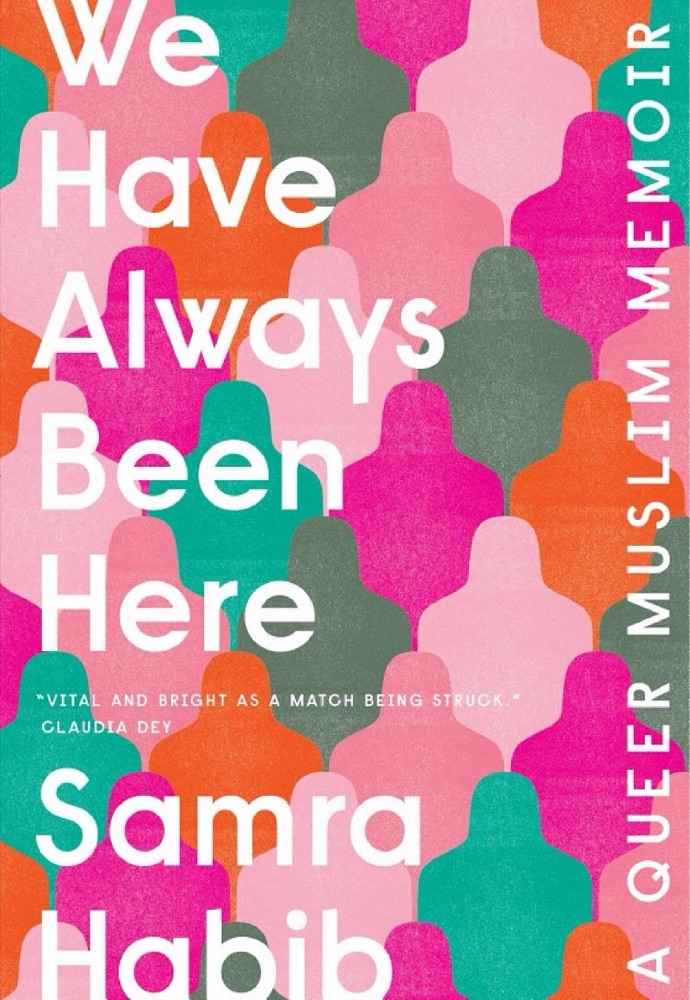 We Have Always Been Here: A Queer Muslim Memoir
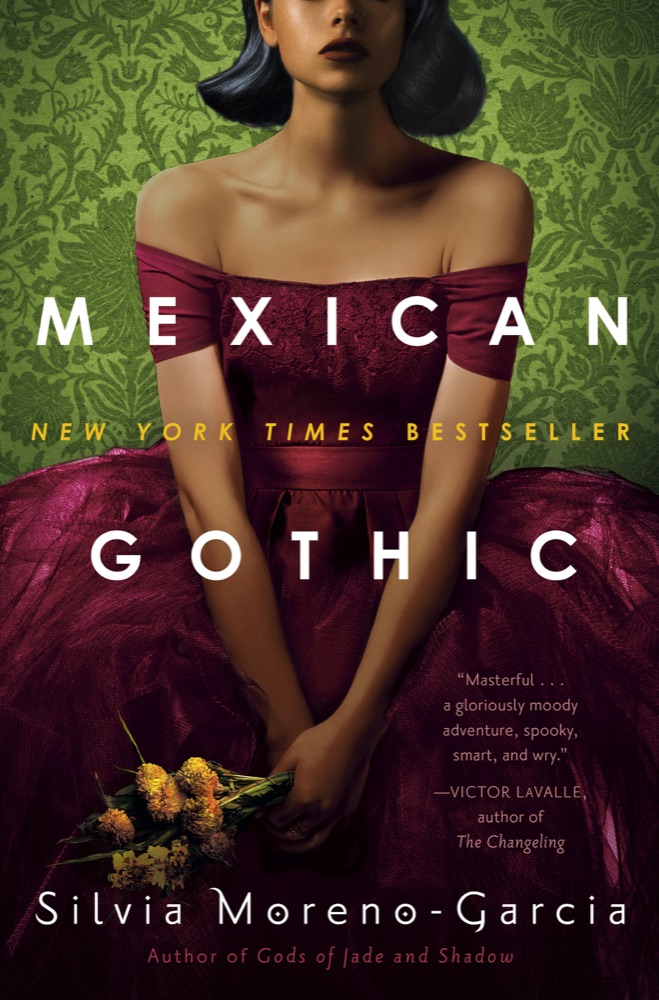 Mexican Gothic
 The Last Flight
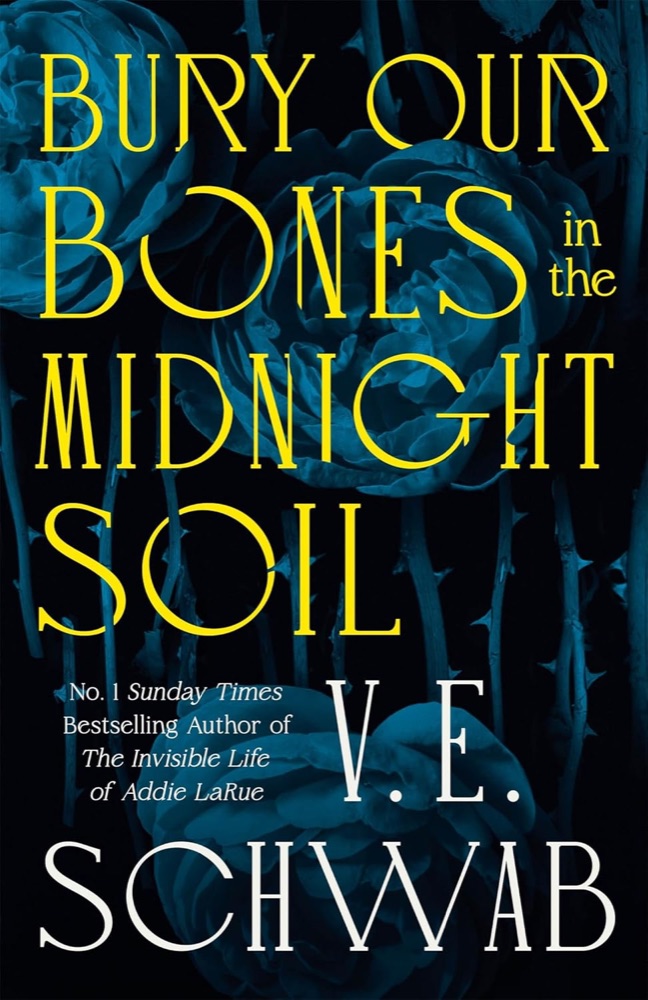 Bury Our Bones in the Midnight Soil
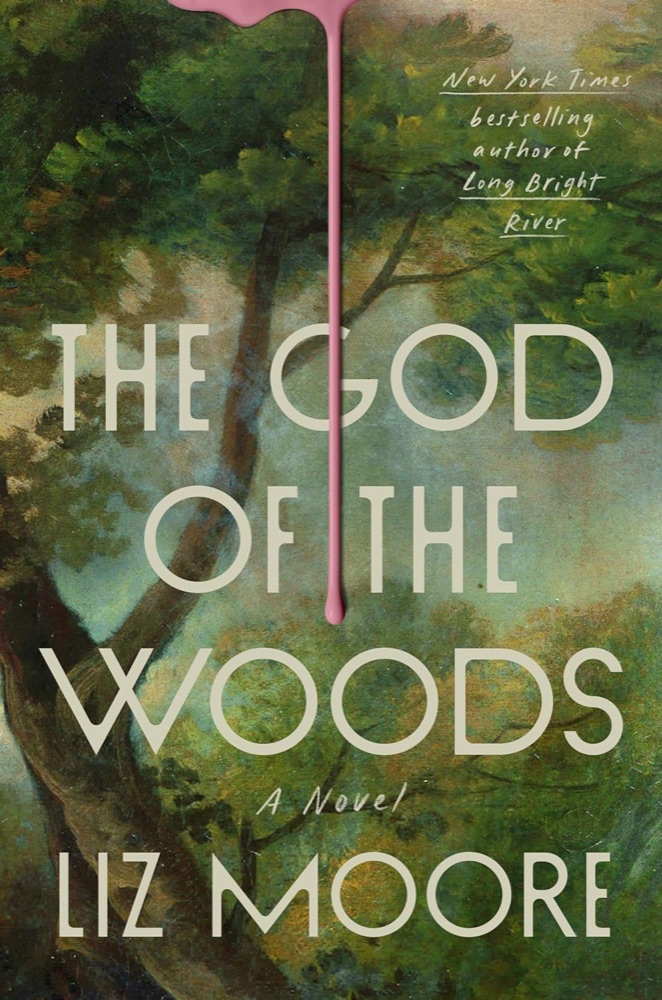 The God of the Woods
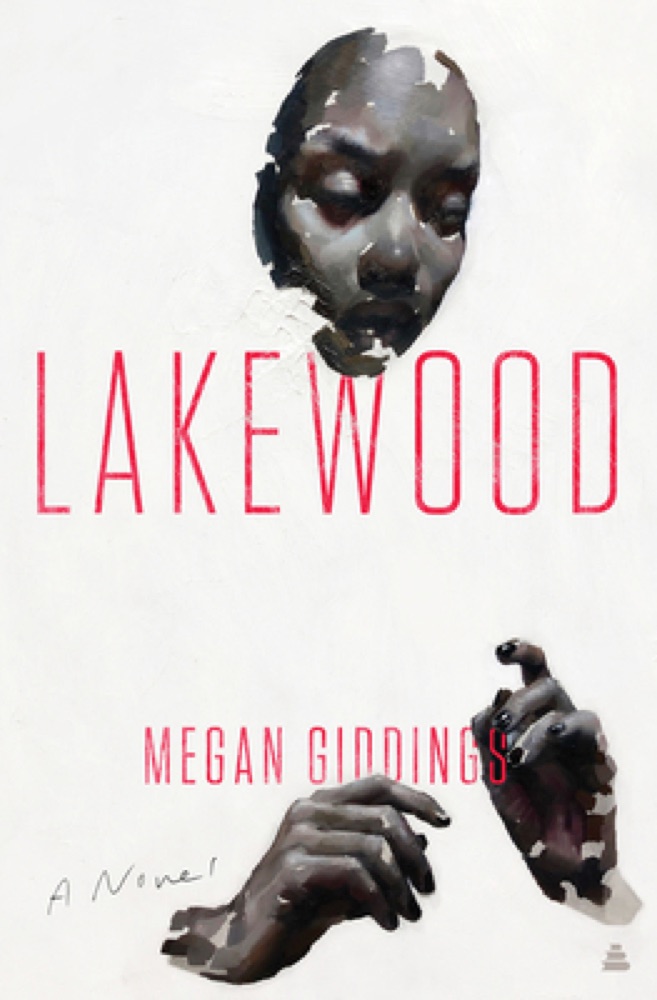 Lakewood
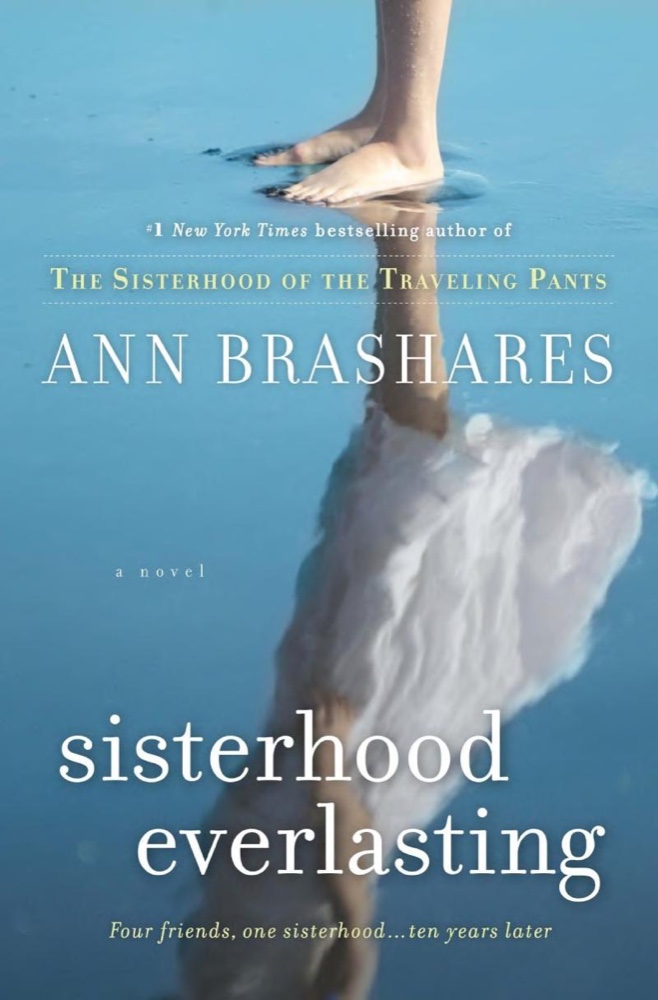 Sisterhood Everlasting
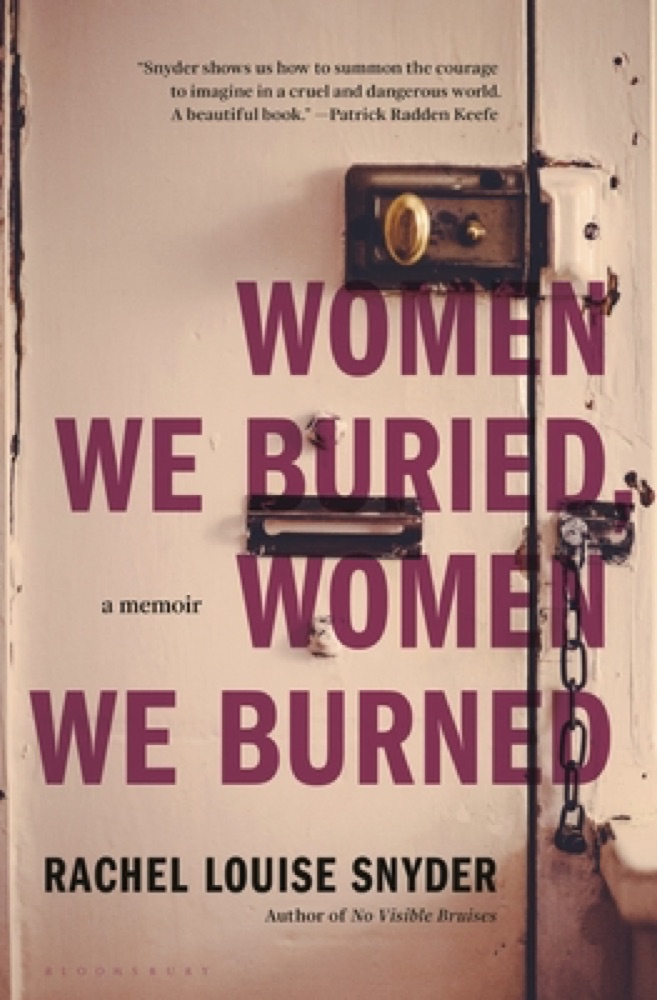 Women We Buried, Women We Burned: A Memoir
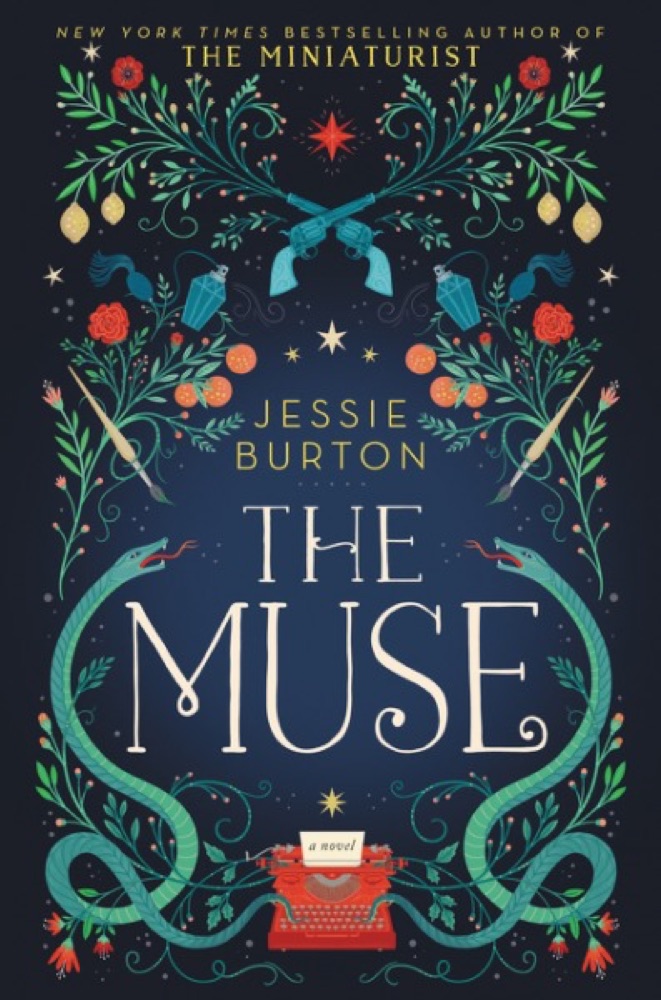 The Muse
 The Story of a New Name
 Pavilion of Women: A Novel of Life in the Women's Quarters
 A Girl Is a Body of Water
 The Book That Broke the World
 My Life on the Road
 The Forgotten Garden