
 The Change
Quotes from the Book
Remember, be a good person, not a good girl. Good girls suffer a lot in this life.
25
Stories are critical, Kirabo. The minute we fall silent, someone will fill the silence for us.
13
But the Bible says that God created Adam and Eve in his own image.’ ‘If he created them in his own image,’ Nsuuta snapped, ‘then afterwards Adam re-created Eve in his own image, one that suited him.
5
Once we shrunk, men had to look after us, and it was not long before they started to own us. Fathers sold daughters; husbands bought wives. Once we became a commodity, men could do whatever they wished with us. Even now our bodies do not belong to us. That is why when they need it, they will grab it. Things were so bad in some cultures, women had to be hidden away to protect them, in separate spaces where no men were allowed. Soon, they had to be spoken for by men.
5
Nothing takes the sting out of a woman like marriage. And when children arrive, the window closes. Wife, mother, age, and role model - the "respect" that comes with these roles is the water they pour on your fire.
4
men doing all they could to keep women as migrants on land.
4
Children do absolutely nothing on their arrival that warrants presents every year. If anything, they should give presents to their mothers, who come close to death.
3
No matter how much a husband loves you, Kirabo, you must buy your own land and build your own house – in case. Most women do it on the stealth, but I say let him know you are doing it, so he knows you have an alternative to his home.
3
Handicap,’ she said eventually, like it was a diagnosis. ‘This girl grew up in that deep, deep patriarchy which trembles in the presence of the Mighty Vagina.’ The Bunsens caught their breaths at the V word, but Kana did not pause. ‘A patriarchy that cannot make up its mind whether to fall on its knees in worship of the gateway into the world or to flee the crisis, the orgasmic paroxysms.’ ‘Watch it, Kana, that kind of mwenkanonkano is radical.’ ‘Any mwenkanonkano is radical. Talk about equality and men fall in epileptic fits.
3
When women bite themselves because they are powerless.
3
And did all the women shrink?’ Kirabo steered Nsuuta away from Grandmother. ‘With that kind of perversion, who would not shrink? Who would want to be huge, or loud, or brave, or any of the other characteristics men claim to be male? We hunched, lowered our eyes, voices, acted feeble, helpless. Even being clever became unattractive. Soon, being shrunken became feminine. Then it became beautiful and women aspired to it. That was when we began to persecute our original state out of ourselves.
3
I told you Grandfather is easy. Tom, I mean my father, is the same: they don’t put barriers against me. It is Grandmother, it is always other women, apart from you, who put up barriers against girls and on themselves. I know men can be tyrants, but a lot of women are nasty to women – everybody says it, unless you have not met Jjajja Nsangi, Grandfather’s sister.’ ‘Kirabo, have you seen God come down from heaven to make humans behave?’ ‘No.’ ‘That is because some people have appointed themselves his police. And I tell you, child, the police are far worse than God himself. That is why the day you catch your man with another woman, you will go for the woman and not him. My grandmothers called it kweluma. That is when oppressed people turn on each other or on themselves and bite. It is as a form of relief. If you cannot bite your oppressor, you bite yourself.
3
She could not bear to look at the coffin because the tree whose timber had made it was once a seedling with tender leaves and baby branches; then it had grown, Tom unaware.
2
The idea that girls expect a word from a man to make them feel good about themselves is another myth, perhaps to justify men’s bad behaviour.
2
Often, what women do is a reaction. We react like powerless people. Remember kweluma?
2
I fight with the boys – they don’t pass the ball to me and I throw them off my grandfather’s pitch. I hate chores, I hate kneeling and I cannot stand babies. Sometimes I feel squeezed inside this body as if there is no space. That is when one of me flies out.
2
Like life – you don’t remember when you were born. Or the sky – sometimes dark clouds came, sometimes it rained, but the next moment the sun burst through and the sky was limitless.
1
Who would want to be huge, or loud, or brave, or any of the other characteristics men claim to be male? We hunched, lowered our eyes, voices, acted feeble, helpless. Even being clever became unattractive. Soon, being shrunken became feminine. Then it became beautiful and women aspired to it. That was when we began to persecute our original state out of ourselves. Once we shrunk, men had to look after us, and it was not long before they started to own us. Fathers sold daughters; husbands bought wives. Once we became a commodity, men could do whatever they wished with us. Even now our bodies do not belong to us. That is why when they need it, they will grab it. Things were so bad in some cultures, women had to be hidden away to protect them, in separate spaces where no men were allowed. Soon, they had to be spoken for by men.
1
Maybe storytelling kills the pain, maybe they got tired of being in pain
1
Parents are designed to make us feel let down at some point, especially as we get older. That way we promise ourselves to be better parents.
1
Promise me you will pass on the story of the first woman -- in whatever form you wish. It was given to me by women in captivity. They lived an awful state of migration, my grandmothers. Telling origin stories was their act of resistance. I only added on a bit here and a bit there. Stories are critical, Kirabo,' she added thoughtfully. 'The minute we fall silent, someone will fill the silence for us.
1
Nsuuta, every woman resists. Often it is private. Most of our resistance is so everyday that women don't think twice about it. It is life. Even the worst of us, like Aunt YA, who massage the male ego with "Allow men to be men" are not really shrinking but managing their men.
1
To city people, if you did not wear shoes and changed clothes twice a day, you were poor. But in the rural, that was silly. Wearing a different dress every day meant doing a lot of laundry on Saturday, which meant fetching a lot of water.
1
poverty and wealth were constructs after all. Rural poverty was different from urban poverty.
1
she could not tell her husband she had a child. Being a woman is not easy. Men do not understand.’ He turned to Miiro. ‘We make them pregnant, but we will not marry a girl who has a child. You want to ask, did she have the child with a tree?
1
But then again,’ she sighed, ‘with well-off people, you never know where their privilege first came from. Often someone bled, someone sweated, someone cried or died to make them rich. That is what my father says.
1
She looked at Sio’s tears and thought How Zungu. You go and hurt someone, and then when it comes to apologising you help yourself to crying as well. She had seen it in films. Man cheats, man confesses to woman, man cries, and the betrayed woman is robbed of her right to tears.
1
A guy takes a girl out, spends his transport money on her and walks miles and miles back home. Then, after all of that, she dumps him. You know what some guys believe?’ Kirabo shook her head. ‘That women pretend, that some perform inferiority to give us a false sense of superiority.
1
Their attitude was If you don’t know how to pleasure your men, step out of the way.
1
Watch on YouTube
About Jennifer Nansubuga Makumbi
We have collected 29 quotes from 1 book by Jennifer Nansubuga Makumbi on BookQuoters.
More about the author →About the book
In her twelfth year, Kirabo, a young Ugandan girl, confronts a piercing question that has haunted her childhood: who is my mother? Kirabo has been raised by women in the small village of Nattetta—her grandmother, her best friend, and her many aunts, but the absence of her mother follows her like a shadow. Complicating these feelings of abandonment, as Kirabo comes of age she feels the emergence of a mysterious second self, a headstrong and confusing force inside her at odds with her sweet and obedient nature.
Seeking answers, Kirabo begins spending afternoons with Nsuuta, a local witch, trading stories and learning not only about this force inside her, but about the woman who birthed her, who she learns is alive but not ready to meet. Nsuuta also explains that Kirabo has a streak of the “first woman”—an independent, original state that has been all but lost to women.
Kirabo’s journ
Book details
- First published
- 2020
- Genre
- Fiction
- Goodreads rating
- 4.14 (9k ratings)
The buzz
- The New York TimesReview in The New York Timesprofessional review (via Book Marks)
- The Washington PostReview in The Washington Postprofessional review (via Book Marks)
- Kirkus ReviewsReview in Kirkus Reviewsprofessional review (via Book Marks)
- Publishers WeeklyReview in Publishers Weeklyprofessional review (via Book Marks)
- BooklistReview in Booklistprofessional review (via Book Marks)
- ChireviewofbooksReview in Chireviewofbooksprofessional review (via Book Marks)
Keep reading
The Change
 The Women's Room
 The Surface Breaks
 A Woman Is No Man
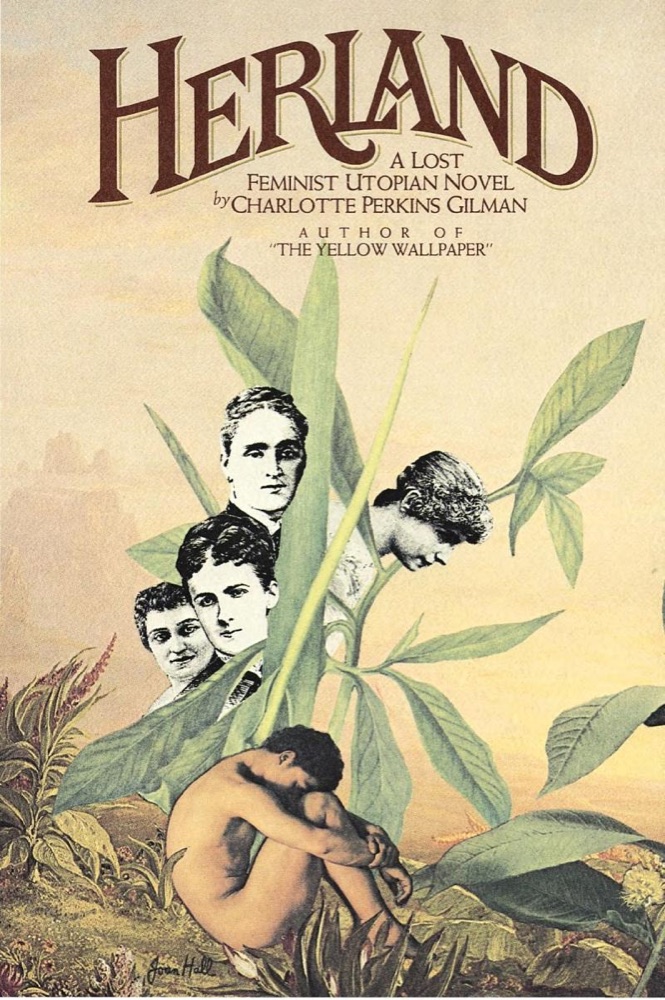 Herland
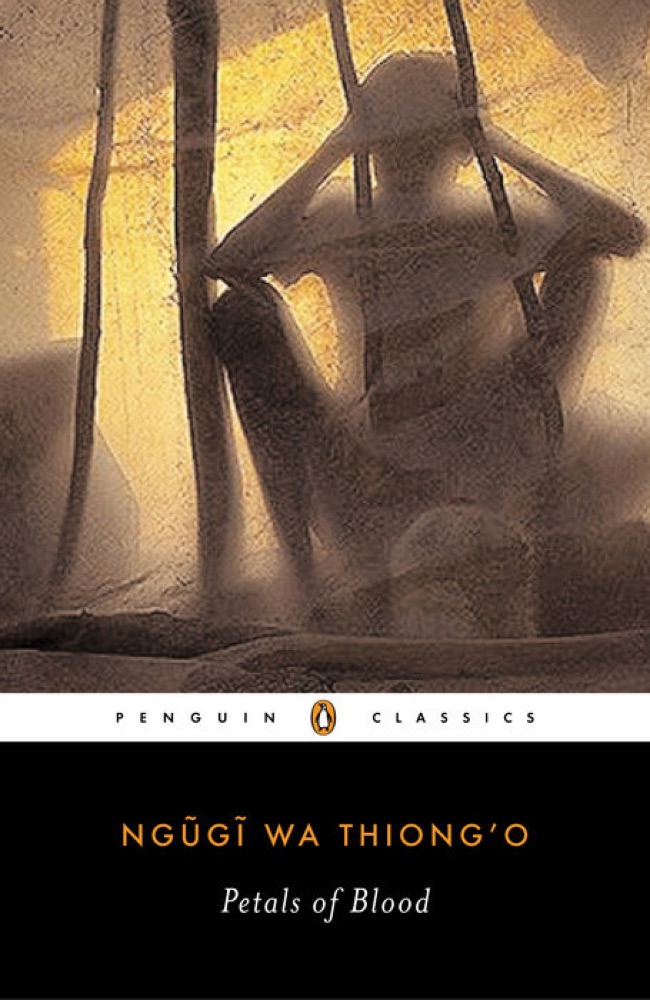 Petals of Blood
 Heart Lamp: Selected Stories
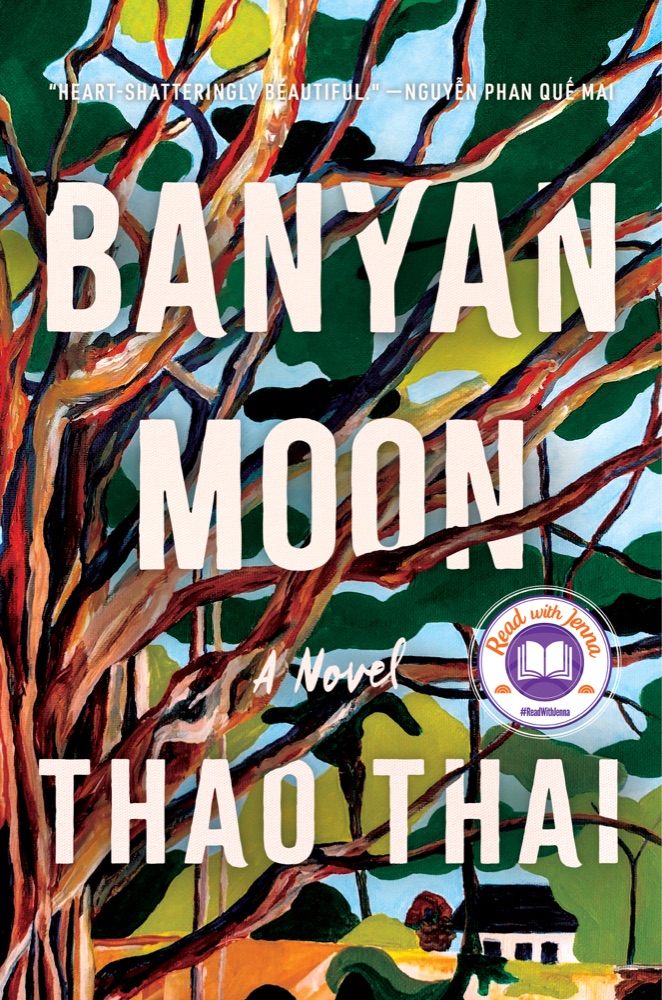 Banyan Moon
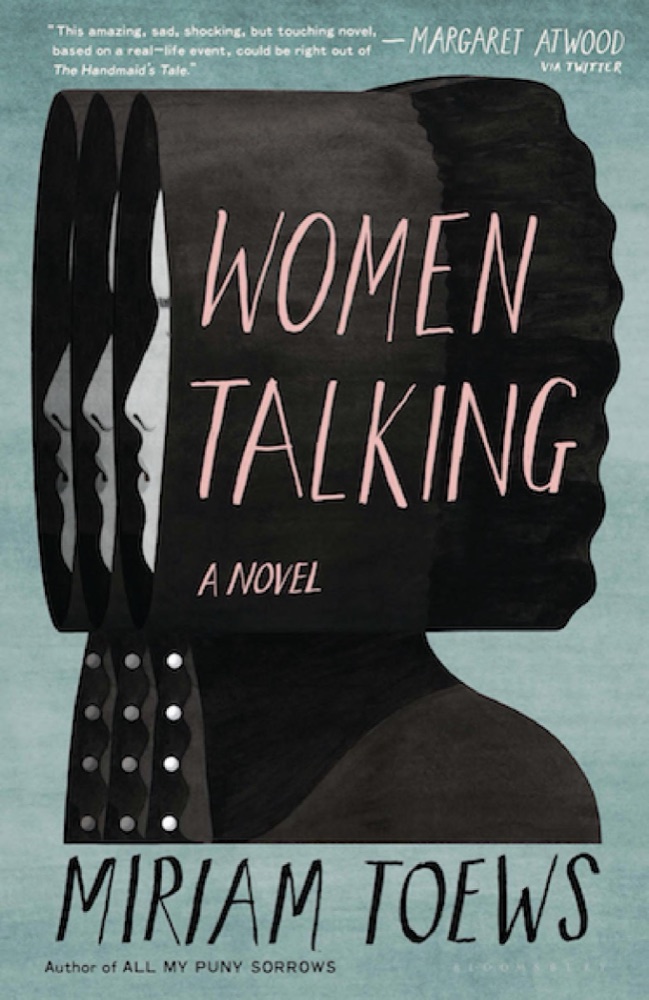 Women Talking
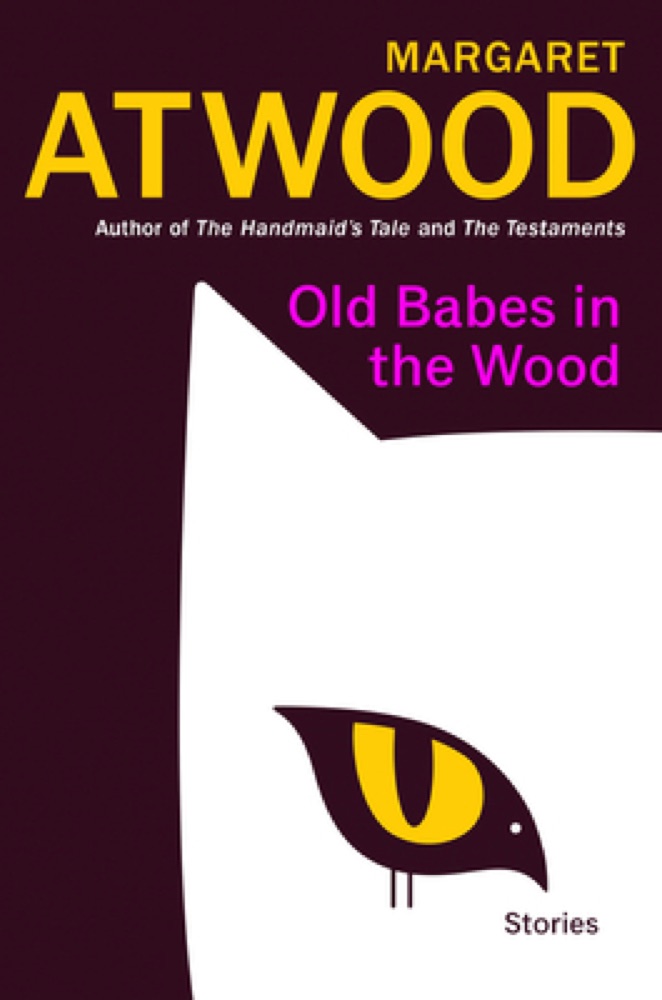 Old Babes in the Wood: Stories
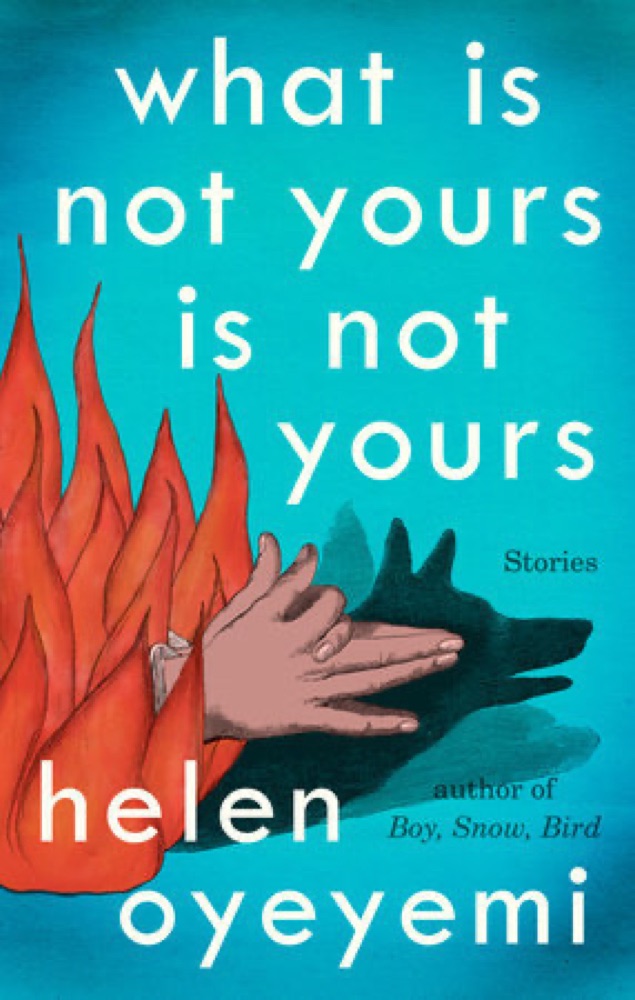 What Is Not Yours Is Not Yours
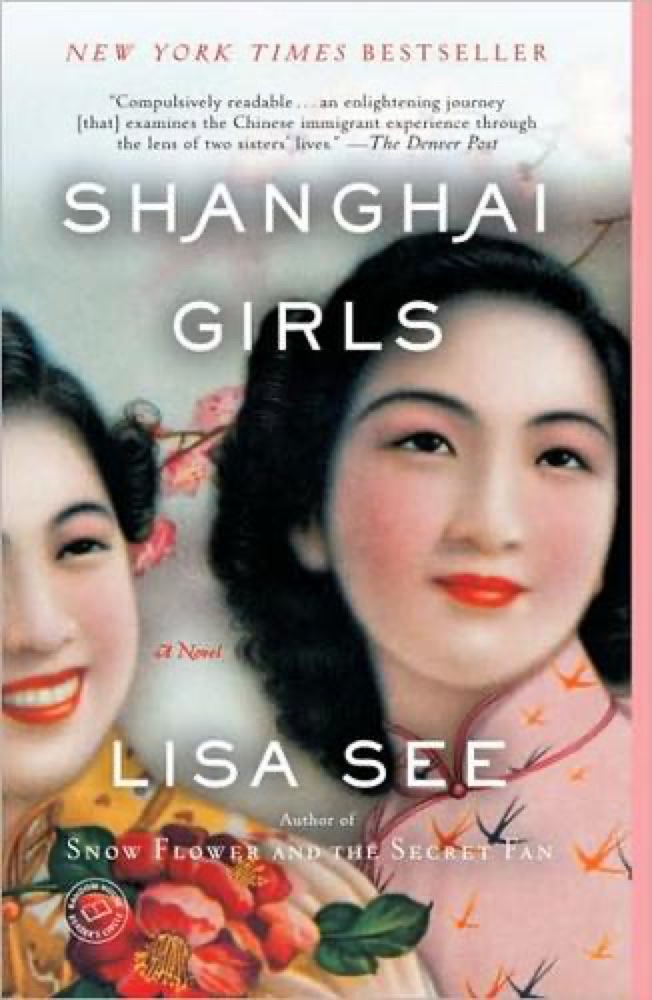 Shanghai Girls
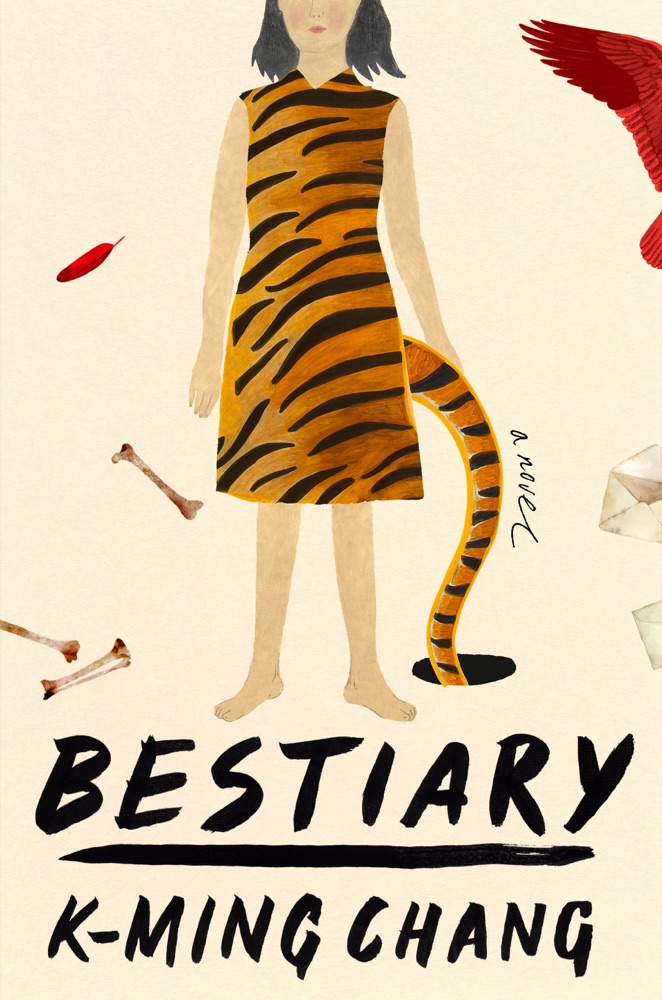 Bestiary
 Of Women and Salt
 The Soul of a Woman
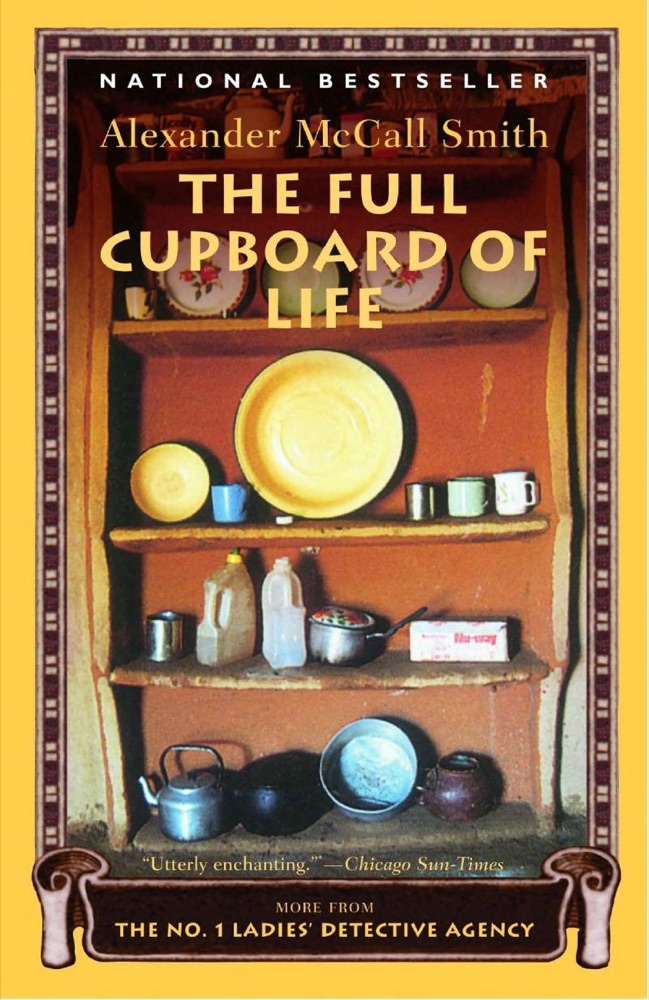 The Full Cupboard of Life
 Tehanu
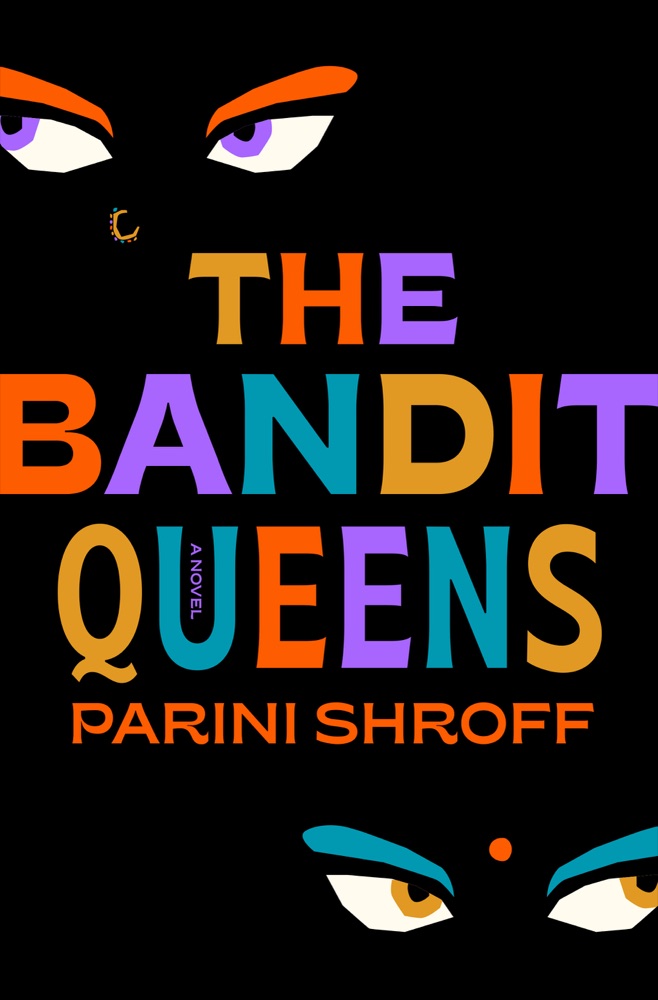 The Bandit Queens
 Betty
Betty
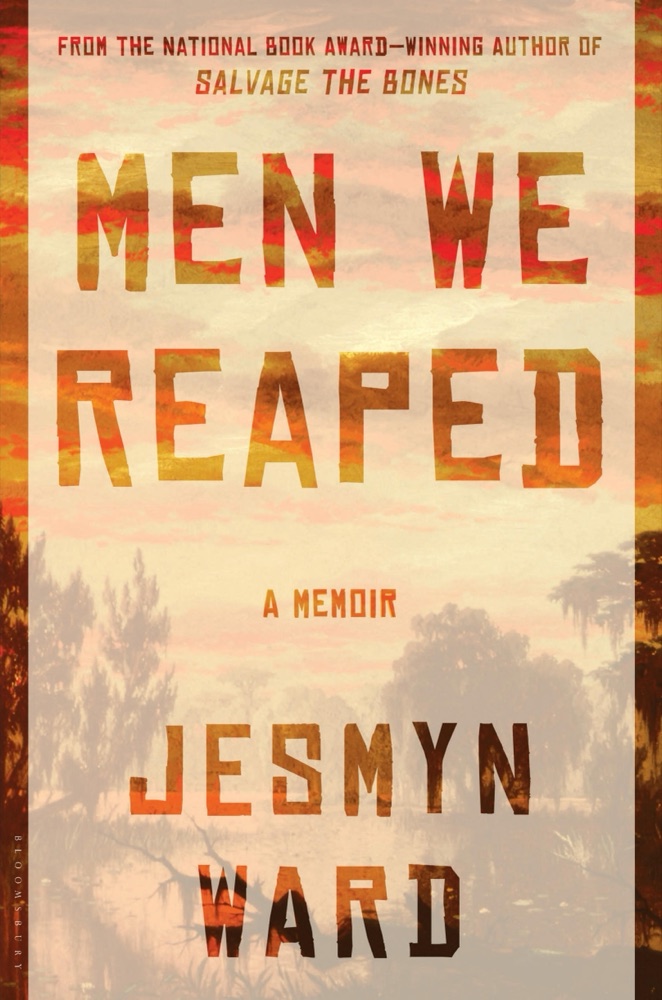 Men We Reaped
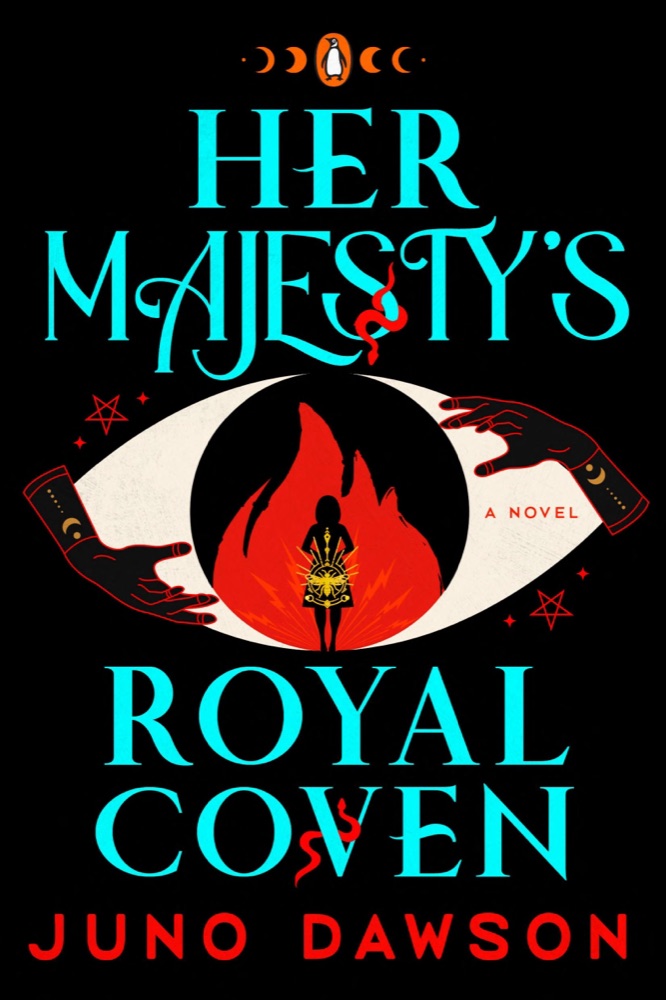 Her Majesty's Royal Coven
 Moon Witch, Spider King
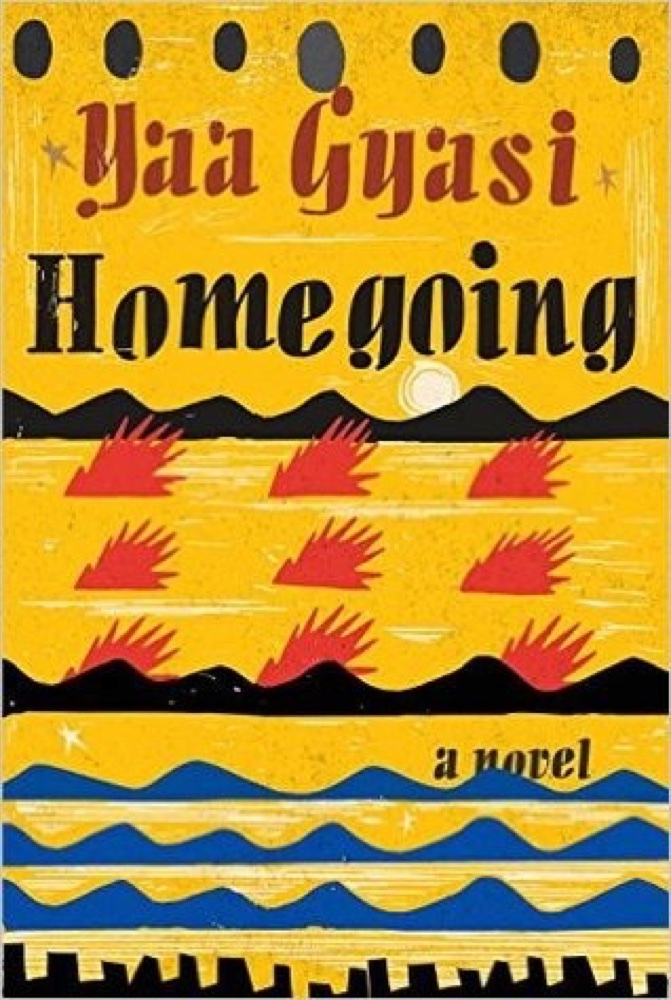 Homegoing
 The Woman Warrior
 Under the Udala Trees
 What It Means When a Man Falls from the Sky
 The Frozen River
 Dream Count
 A Woman's Worth
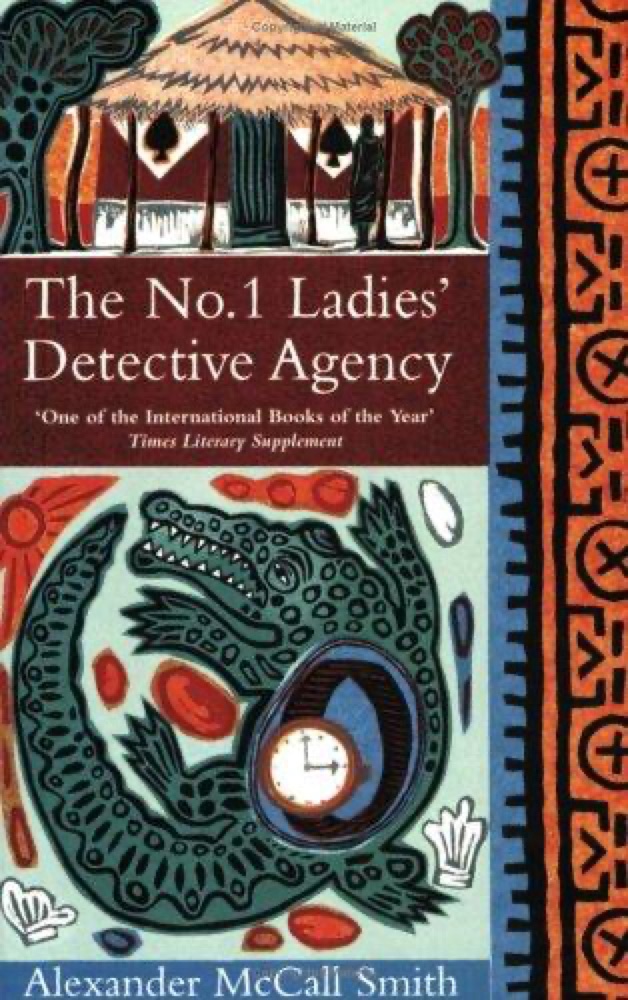 The No. 1 Ladies' Detective Agency
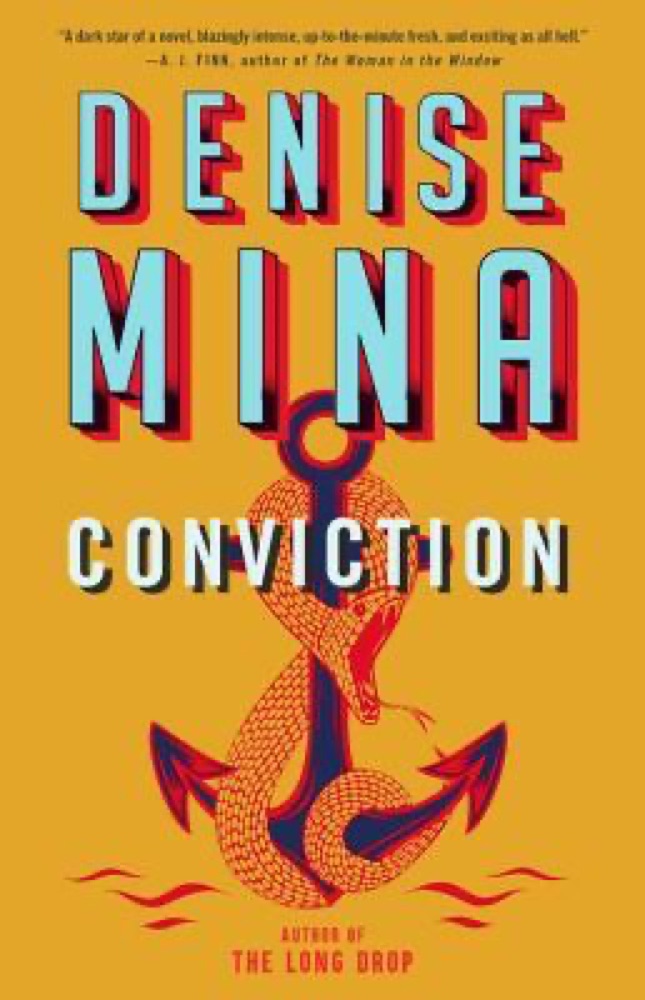 Conviction
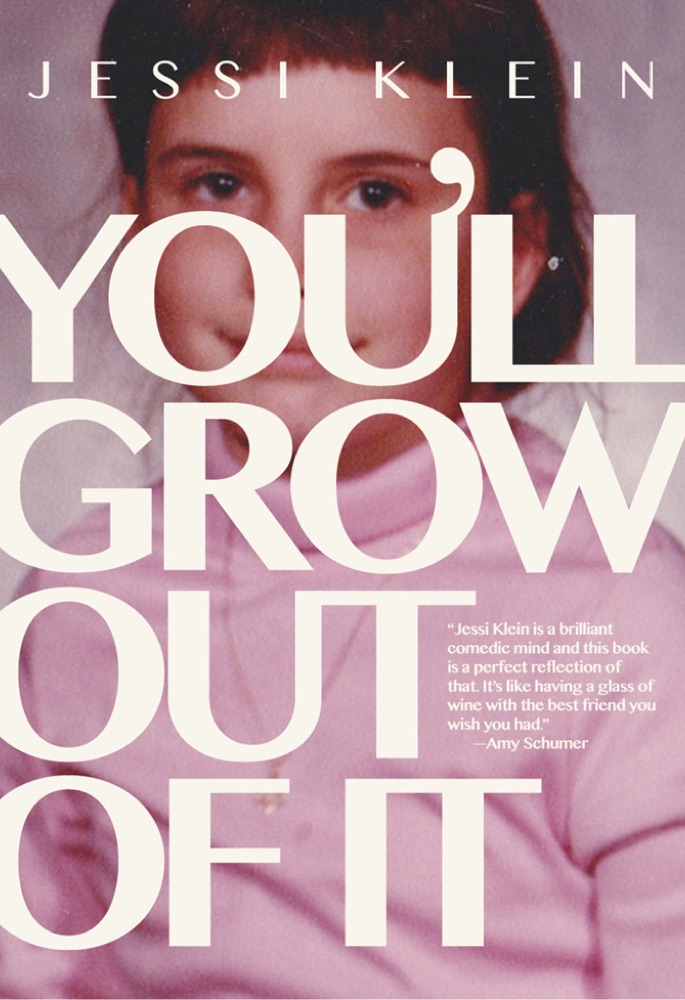 You'll Grow Out of It
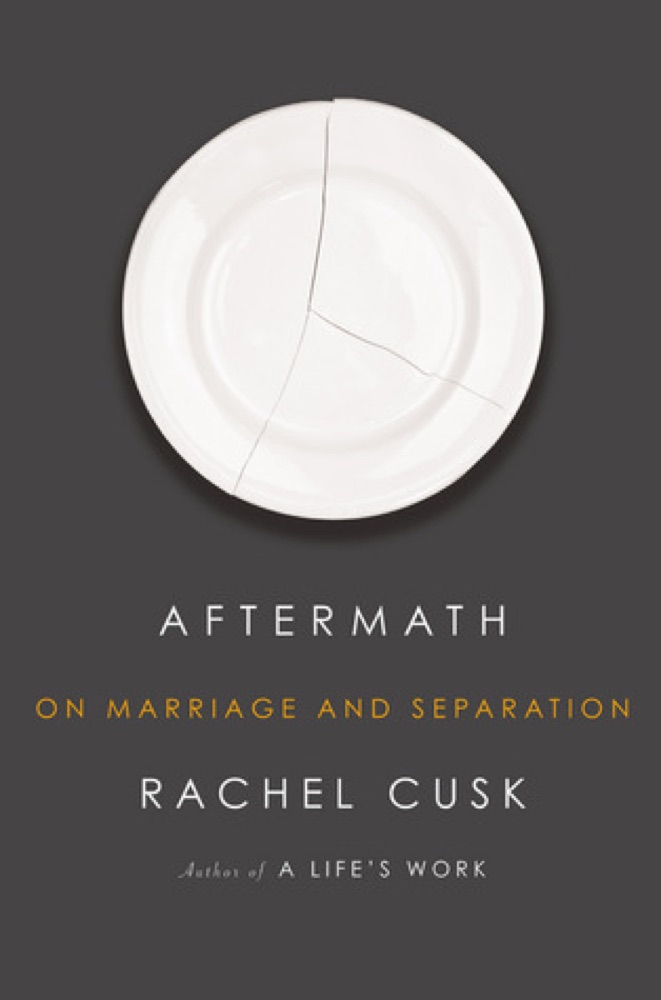 Aftermath: On Marriage and Separation
 Nervous Conditions
 When We Lost Our Heads
 The Female Eunuch
 The Woman Who Walked in Sunshine
 The Heretic's Daughter
 Nine Perfect Strangers
 Grotesque
 Breasts and Eggs
 Princess Sultana's Daughters
 An Experiment in Love
 Joan Is Okay
 The Power
 Detransition, Baby
 When Women Were Dragons
 Yesteryear
 Snow Flower and the Secret Fan
 Brief Interviews with Hideous Men
 Outrageous Acts and Everyday Rebellions
 The Penelopiad
 The Favorite Sister
 By Any Other Name
 The Female Man
 The Force of Such Beauty
 The Gilded Ones
 Aftershocks
 Who Fears Death
 White Teeth