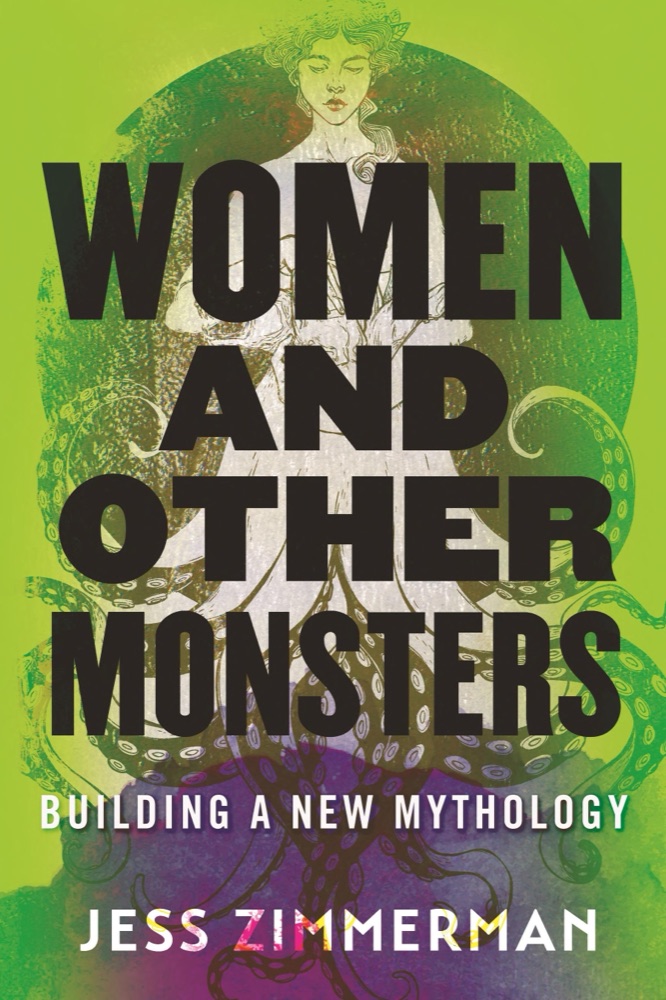
 Dead Blondes and Bad Mothers
Quotes from the Book
For women, the boundaries of acceptability are strict, and they are many. We must be seductive but pure, quiet but not aloof, fragile but industrious, and always, always small. We must not be too successful, too ambitious, too independent, too self-centered—and when we can’t manage all the contradictory restrictions, we are turned into grotesques. Women have been monsters, and monsters have been women, in centuries’ worth of stories, because stories are a way to encode these expectations and pass them on.
5
When you embrace imperfection, your own imperfection stops consuming you. When your own imperfection stops consuming you, the imperfection itself can be art.
4
The monsters of myth have been stationed at those borders in order to keep us out; they are intended as warnings about what happens when women aspire beyond what we’re allowed.
3
What was it like for the sirens on their lonely rock, watching everyone who tried to love them drown?
3
...and Athena, it must be admitted, has never been much of a friend to her fellow women. The war-like goddess of wisdom, who wasn't even gestated by a women (she sprang fully grown from her father's head), is the original "not-like-the-other-girls" girl.
2
As always in myth, women win their fame by dying.
2
When you’ve burned out all your circuits adoring someone for nothing, getting to be indifferent feels like grace.
1
Women may look harmless on the face, they said, but look at their snake hair and dog crotches and claws. Look at them crouched over a male victim, ready to bite. Beware their ambition, their ugliness, their insatiable hunger, their ferocious rage.
1
Before Lamia killed children, her children were killed. The root of her violence, like the root of so much violence, is grief.
1
The harpy wants to win, which means a man must lose. She wants justice, which means a man must be punished. She wants space that could be taken by a man. Are we really willing to make that sacrifice? What makes a woman's ambition predatory, we are told, is that it overflows its natural bounds. It treads on the lands that men have marked as theirs.
1
You can tell a lot about what a culture considers deformed by looking at its villains. They're more likely to be disabled in some way, but also more likely to be dark, old, fat, or fey.
1
Women have been monsters, and monsters have been women.
1
This is our strength: that each of us has the capacity to be not only a monster but a mother of monsters. We can birth from our own bodies every one of men’s worst fears.
For double X humans, our motley nature is usually less obvious, but we are genetic calicos. Every cell hosting a dormant sister. Every cell with the echo of what it could've been. Inside each of us, another animal, sleeping.
I never go to the doctor, though, because the only thing more embarrassing than having a body is having to admit that you have one.
Beauty is demonstrably a cheat code for a slightly easier life. People just a little more likely to do you a favor, love just a little easier to access, the world just a little more welcoming.
Watch on YouTube
About Jess Zimmerman
About the book
A fresh cultural analysis of female monsters from Greek mythology, and an invitation for all women to reclaim these stories as inspiration for a more wild, more “monstrous” version of feminism
The folklore that has shaped our dominant culture teems with frightening female creatures. In our language, in our stories (many written by men), we underline the idea that women who step out of bounds—who are angry or greedy or ambitious, who are overtly sexual or not sexy enough—aren’t just outside the norm. They’re unnatural. Monstrous. But maybe, the traits we’ve been told make us dangerous and undesirable are actually our greatest strengths.
Through fresh analysis of 11 female monsters, including Medusa, the Harpies, the Furies, and the Sphinx, Jess Zimmerman takes us on an illuminating feminist journey through mythology. She guides women (and others) to reexamine their relationships with tr
Book details
- First published
- 2021
- Author
- Jess Zimmerman
- Genre
- Nonfiction
- Goodreads rating
- 3.70 (3k ratings)
The buzz
- Kirkus ReviewsReview in Kirkus Reviewsprofessional review (via Book Marks)
- Publishers WeeklyReview in Publishers Weeklyprofessional review (via Book Marks)
- LibraryjournalReview in Libraryjournalprofessional review (via Book Marks)
- BooklistReview in Booklistprofessional review (via Book Marks)
- CsmonitorReview in Csmonitorprofessional review (via Book Marks)
Keep reading
Dead Blondes and Bad Mothers
 Trainwreck: The Women We Love to Hate, Mock, and Fear... and Why
 The Change
 Great Goddesses - Life Lessons from Myths and Monsters
 Stone Blind
 Because You Love to Hate Me: 13 Tales of Villainy
 A Certain Hunger
 Pandora's Jar: Women in the Greek Myths
 Medusa's Sisters
 The Female Eunuch
 Grotesque
 Sleeping Beauties
 When We Lost Our Heads
 The Women's Room
 Fifty Beasts to Break Your Heart: And Other Stories
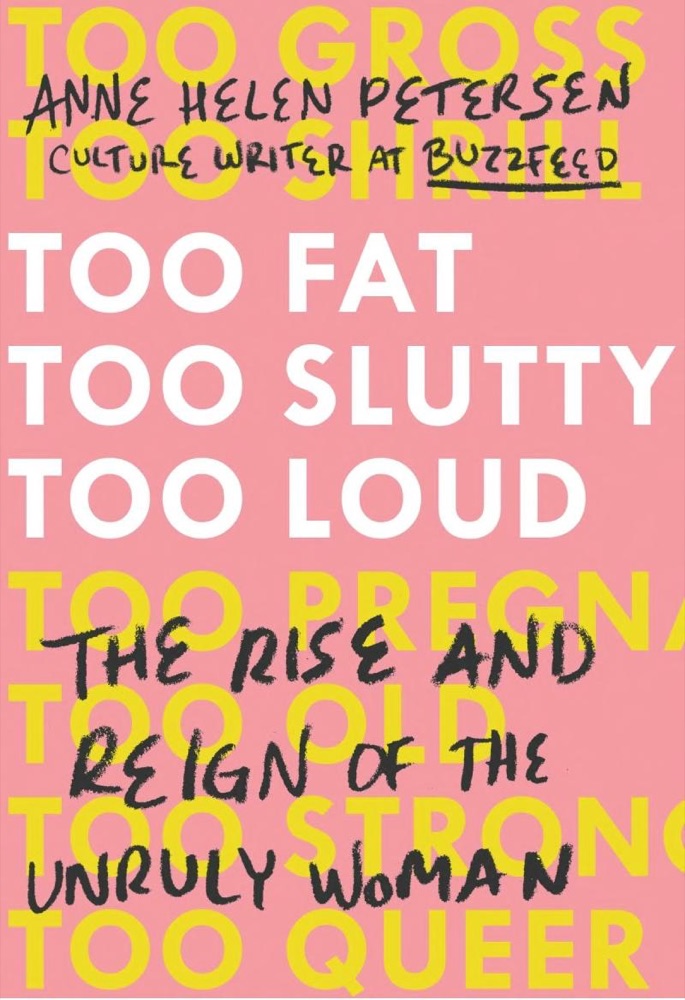 Too Fat, Too Slutty, Too Loud: The Rise and Reign of the Unruly Woman
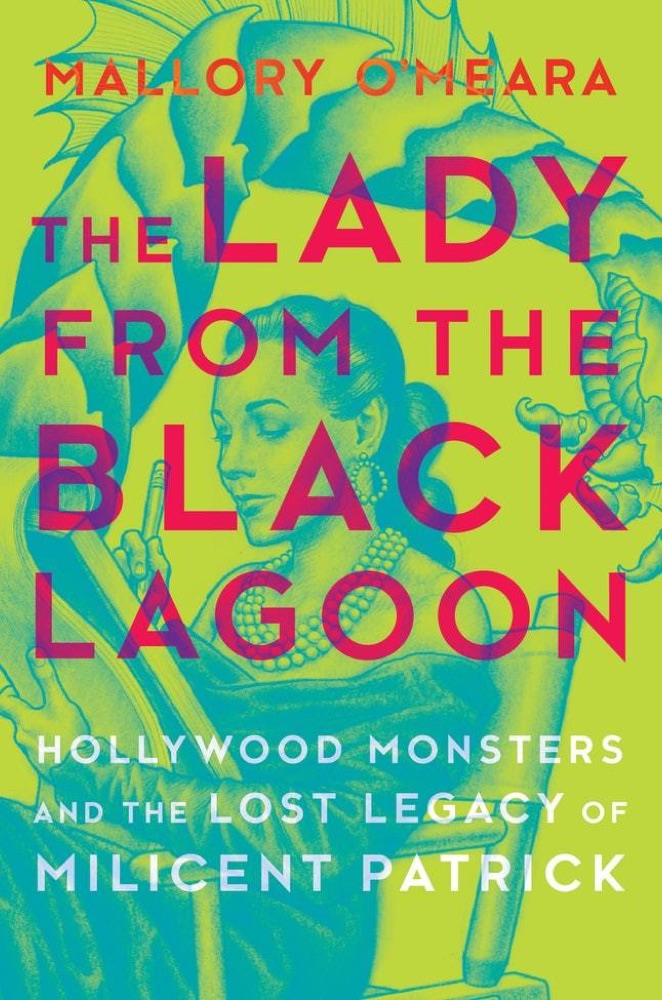 The Lady from the Black Lagoon: Hollywood Monsters and the Lost Legacy of Milicent Patrick
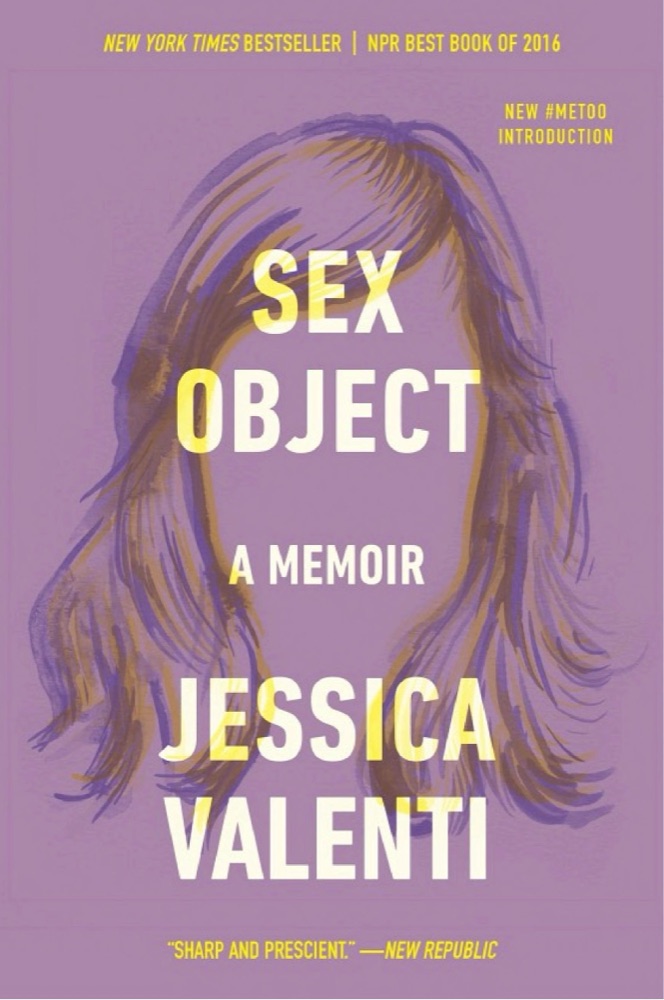 Sex Object: A Memoir
 Bitch: In Praise of Difficult Women
 Chlorine
 Woman: An Intimate Geography
 A Girl Is a Body of Water
 Divine Might - Goddesses in Greek Myth
 The Soul of a Woman
 Stepsister
 The Surface Breaks
 Unlikeable Female Characters: The Women Pop Culture Wants You to Hate
 Toil & Trouble: 15 Tales of Women & Witchcraft
 Moon Witch, Spider King
 In the Night Garden
 Women Who Run With the Wolves
 Maeve Fly
 Shrill: Notes from a Loud Woman
 The Favorite Sister
 Her Majesty's Royal Coven
 The Lost Sisterhood
 Beasts and Beauty: Dangerous Tales
 My Favorite Thing Is Monsters, Vol. 1
 The Feminine Mystique
 Animal: The Autobiography of a Female Body
 Recollections of My Nonexistence: A Memoir
 The Book of Joan
 Brief Interviews with Hideous Men
 Killers of a Certain Age
 A Woman's Worth
 They Bloom at Night
 Not That Bad: Dispatches from Rape Culture
 Clytemnestra
 Hex
Hex
 On Our Best Behavior: The Seven Deadly Sins and the Price Women Pay to Be Good
 Men Explain Things to Me
 Fierce Fairytales: Poems and Stories to Stir Your Soul
 The Witches of Eastwick
 Of Woman Born: Motherhood as Experience and Institution
 The Penelopiad
 Wicked: The Life and Times of the Wicked Witch of the West
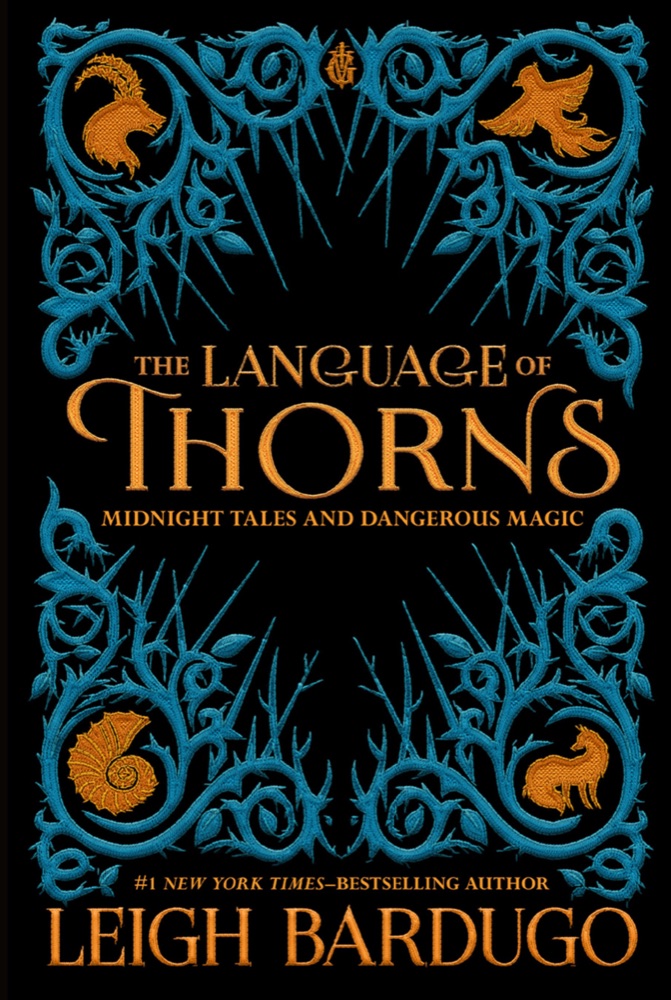 The Language of Thorns: Midnight Tales and Dangerous Magic
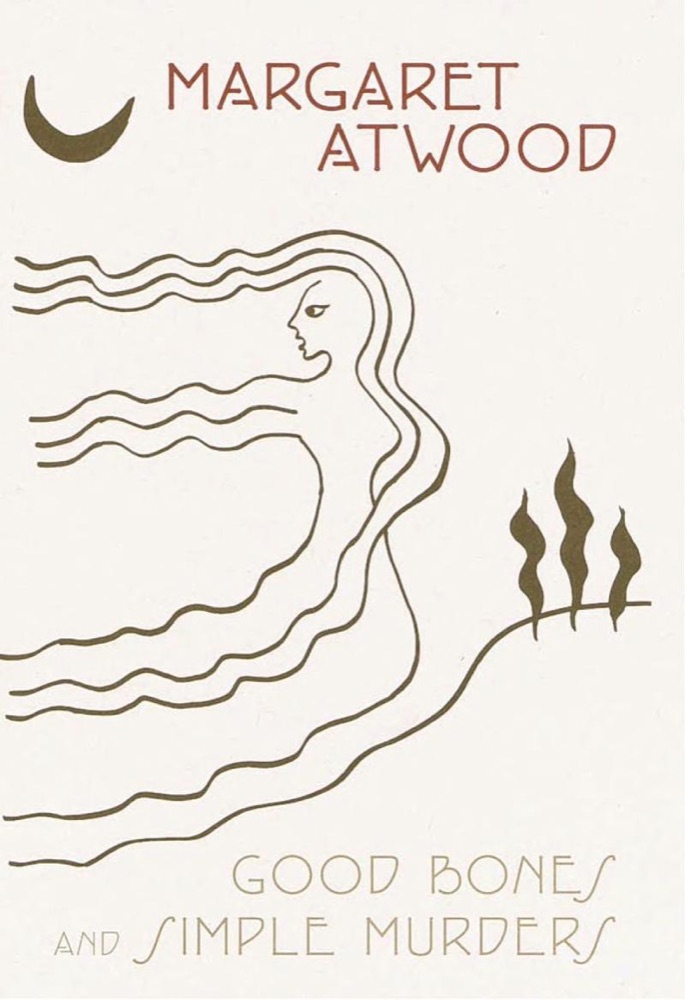 Good Bones and Simple Murders
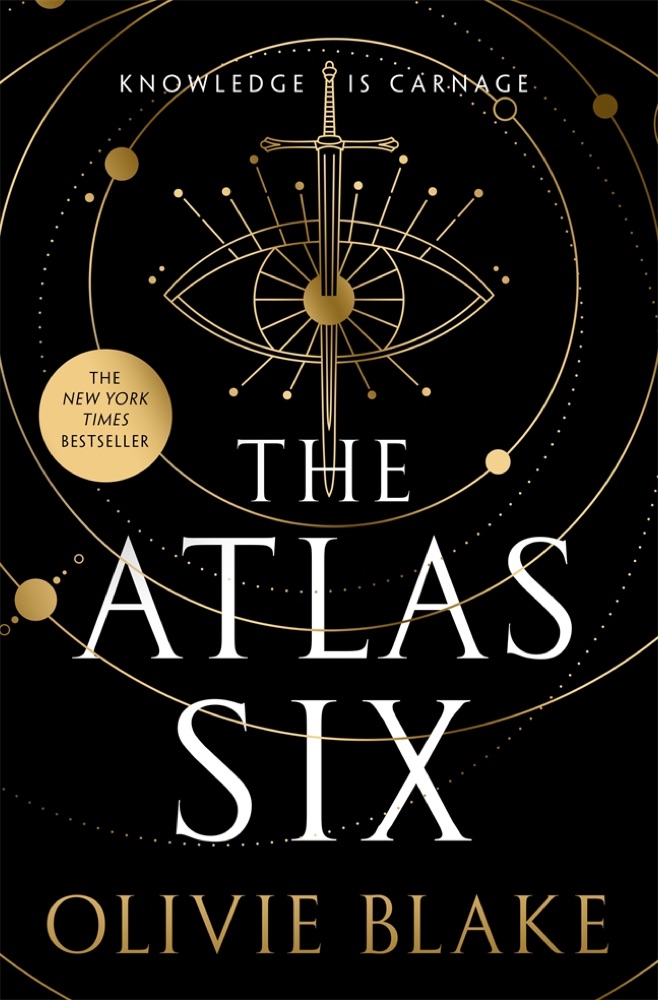 The Atlas Six