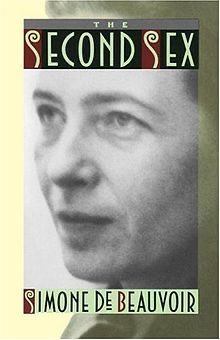

 The Woman Destroyed
Quotes from the Book
One is not born, but rather becomes, a woman.
When she does not find love, she may find poetry. Because she does not act, she observes, she feels, she records; a color, a smile awakens profound echoes within her; her destiny is outside her, scattered in cities already built, on the faces of men already marked by life, she makes contact, she relishes with passion and yet in a manner more detached, more free, than that of a young man. Being poorly integrated in the universe of humanity and hardly able to adapt herself therein, she, like the child, is able to see it objectively; instead of being interested solely in her grasp on things, she looks for their significance; she catches their special outlines, their unexpected metamorphoses. She rarely feels a bold creativeness, and usually she lacks the technique of self-expression; but in her conversation, her letters, her literary essays, her sketches, she manifests an original sensitivity. The young girl throws herself into things with ardor, because she is not yet deprived of her transcendence; and the fact that she accomplishes nothing, that she is nothing, will make her impulses only the more passionate. Empty and unlimited, she seeks from within her nothingness to attain All.
All oppression creates a state of war. And this is no exception.
No one is more arrogant toward women, more aggressive or scornful, than the man who is anxious about his virility.
Few tasks are more like the torture of Sisyphus than housework, with its endless repetition: the clean becomes soiled, the soiled is made clean, over and over, day after day.
...her wings are cut and then she is blamed for not knowing how to fly.
The body is not a thing, it is a situation: it is our grasp on the world and our sketch of our project
Representation of the world, like the world itself, is the work of men; they describe it from their own point of view, which they confuse with absolute truth.
Two separate beings, in different circumstances, face to face in freedom and seeking justification of their existence through one another, will always live an adventure full of risk and promise." (p. 248)
Capabilities are clearly manifested only when they have been realized.
What would Prince Charming have for occupation if he had not to awaken the Sleeping beauty?
If the feminine issue is so absurd, is because the male's arrogance made it "a discussion
To catch a husband is an art; to hold him is a job.
Women's mutual understanding comes from the fact that they identify themselves with each other; but for the same reason each is against the others.
If they want to flirt or initiate a friendship, they should carefully avoid giving the impression they are taking the initiative; men do not like tomboys, nor bluestockings, nor thinking women; too much audacity, culture, intelligence, or character frightens them. In most novels, as George Eliot observes, it is the dumb, blond heroine who outshines the virile brunette; and in The Mill on the Floss, Maggie tries in vain to reverse the roles; in the end she dies and it is blond Lucy who marries Stephen. In The Last of the Mohicans, vapid Alice wins the hero’s heart and not valiant Cora; in Little Women kindly Jo is only a childhood friend for Laurie; he vows his love to curly-haired and insipid Amy. To be feminine is to show oneself as weak, futile, passive, and docile. The girl is supposed not only to primp and dress herself up but also to repress her spontaneity and substitute for it the grace and charm she has been taught by her elder sisters. Any self-assertion will take away from her femininity and her seductiveness.
One is not born a genius, one becomes a genius; and the feminine situation has up to the present rendered this becoming practically impossible.
Art, literature, and philosophy are attempts to found the world anew on a human freedom: that of the creator; to foster such an aim, one must first unequivocally posit oneself as a freedom. The restrictions that education and custom impose on a woman limit her grasp of the universe...Indeed, for one to become a creator, it is not enough to be cultivated, that is, to make going to shows and meeting people part of one's life; culture must be apprehended through the free movement of a transcendence; the spirit with all its riches must project itself in an empty sky that is its to fill; but if a thousand fine bonds tie it to the earth, its surge is broken. The girl today can certainly go out alone, stroll in the Tuileries; but I have already said how hostile the street is: eyes everywhere, hands waiting: if she wanders absentmindedly, her thoughts elsewhere, if she lights a cigarette in a cafe, if she goes to the cinema alone, an unpleasant incident can quickly occur; she must inspire respect by the way she dresses and behaves: this concern rivets her to the ground and self. "Her wings are clipped." At eighteen, T.E. Lawrence went on a grand tour through France by bicycle; a young girl would never be permitted to take on such an adventure...Yet such experiences have an inestimable impact: this is how an individual in the headiness of freedom and discovery learns to look at the entire world as his fief...[The girl] may feel alone within the world: she never stands up in front of it, unique and sovereign.
...counselling man to treat her as a slave while persuading her that she is a queen.
And without a doubt it is more comfortable to endure blind bondage than to work for one's liberation; the dead, too, are better suited to the earth than the living.
It is perfectly natural for the future woman to feel indignant at the limitations posed upon her by her sex. The real question is not why she should reject them: the problem is rather to understand why she accepts them.
But women do not say 'We', except at some congress of feminists or similar formal demonstration; men say 'women', and women use the same word in referring to themselves.
The curse which lies upon marriage is that too often the individuals are joined in their weakness rather than in their strength, each asking from the other instead of finding pleasure in giving. It is even more deceptive to dream of gaining through the child a plenitude, a warmth, a value, which one is unable to create for oneself; the child brings joy only to the woman who is capable of disinterestedly desiring the happiness of another, to one who without being wrapped up in self seeks to transcend her own existence.
The body is the instrument of our hold on the world.
Woman is shut up in a kitchen or in a boudoir, and astonishment is expressed that her horizon is limited. Her wings are clipped, and it is found deplorable that she cannot fly. Let but the future be opened to her, and she will no longer be compelled to linger in the present.
It is not in giving life but in risking life that man is raised above the animal; that is why superiority has been accorded in humanity no to the sex that brings forth but to that which kills.
The younger and healthier a woman is and the more her new and glossy body seems destined for eternal freshness, the less useful is artifice; but the carnal weakness of this prey that man takes and its ominous deterioration always have to be hidden from him...In any case, the more traits and proportions of a woman seem contrived, the more she delighted the heart of man because she seemed to escape the metamorphosis of natural things. The result is this strange paradox that by desiring to grasp nature, but transfigured, in woman, man destines her to artifice.
Weakness' is weakness only in light of the aims man sets for himself, the instruments at his disposal and the laws he imposes.
Watch on YouTube
About Simone de Beauvoir
We have collected 209 quotes from 12 books by Simone de Beauvoir on BookQuoters.
More about the author →More by Simone de Beauvoir
All books by Simone de Beauvoir →

Book details
- Author
- Simone de Beauvoir
- Genre
- Classics
- Goodreads rating
- 4.18 (49k ratings) →
Keep reading
 The Female Eunuch
 The Dialectic of Sex: The Case for Feminist Revolution
 A Vindication of the Rights of Woman
 The Truth Will Set You Free, But First It Will Piss You Off!: Thoughts on Life, Love, and Rebellion
 The Feminine Mystique
 The Woman in White
 SCUM Manifesto
 Sister Carry
 Lady Chatterley's Lover
 Far from the Madding Crowd
 Of Woman Born: Motherhood as Experience and Institution
 The French Lieutenant's Woman
 The Art of Seduction
 The Moon and Sixpence
 On Beauty
 A Pair of Blue Eyes
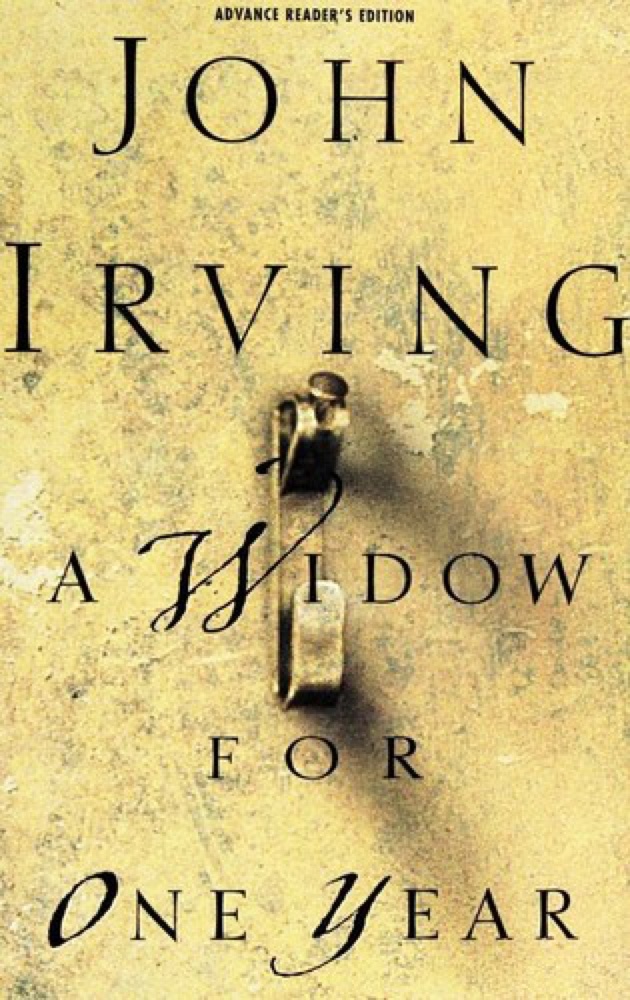 A Widow for One Year
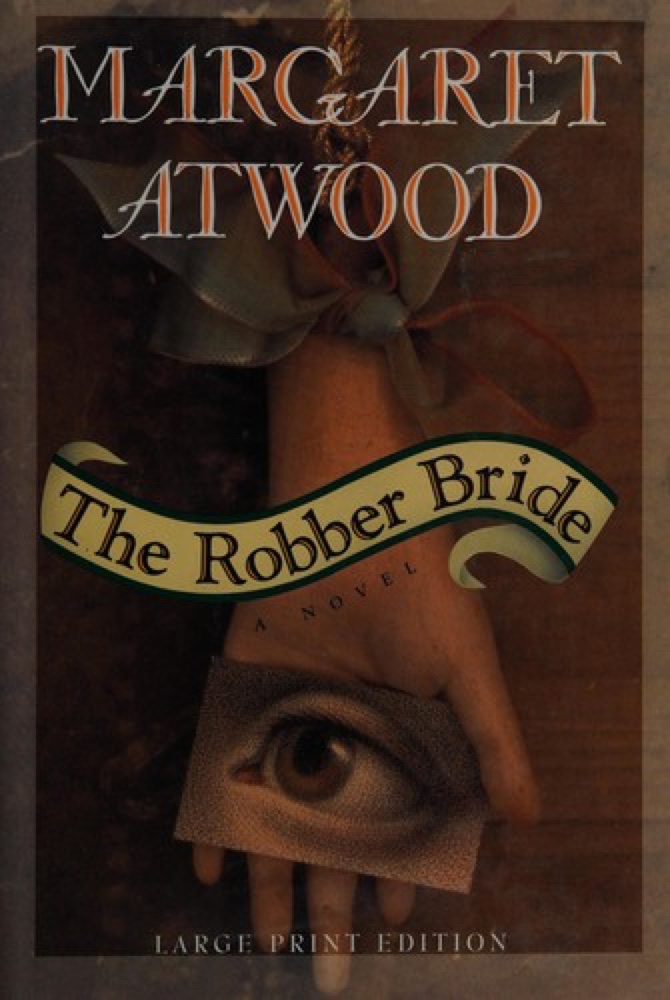 The Robber Bride
 The Home and the World
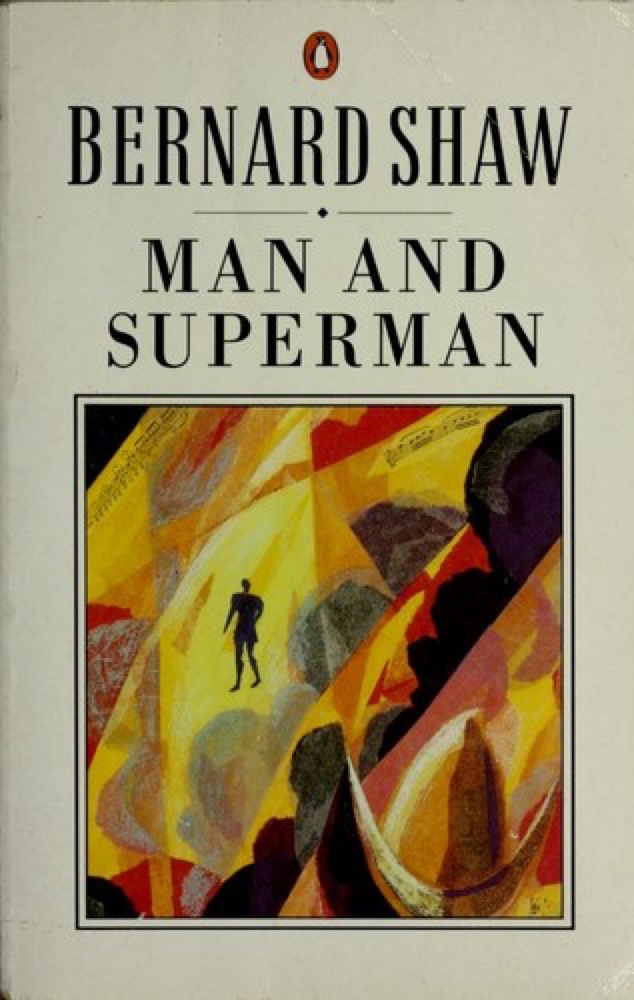 Man and Superman
 Sexual Politics
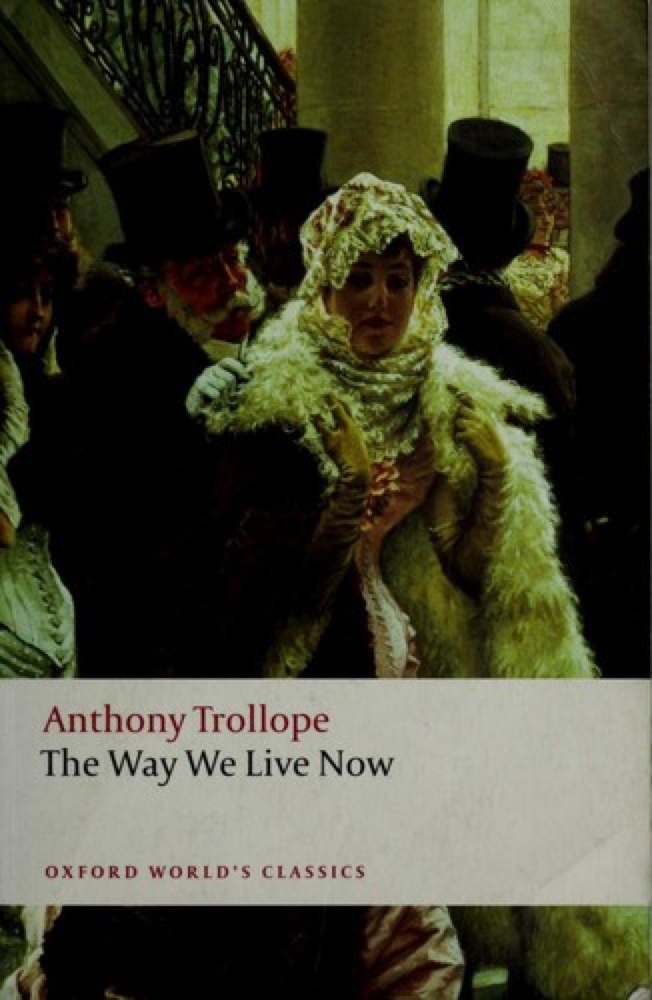 The Way We Live Now
 Babylonia
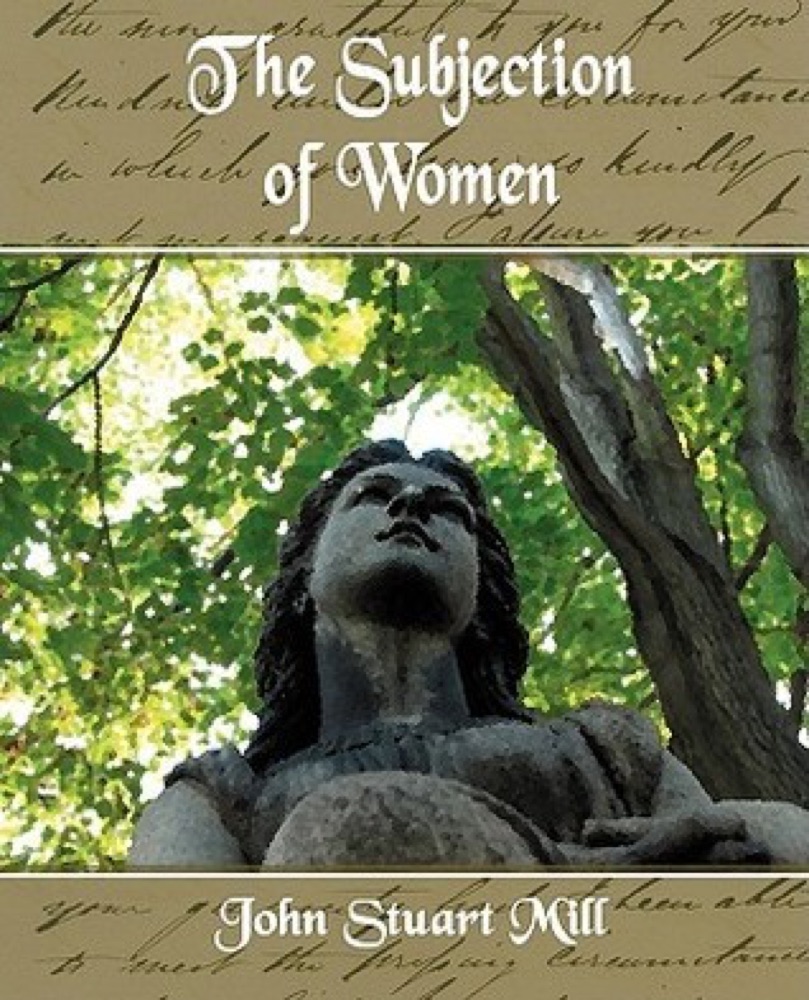 The Subjection of Women
 The Female Man
 The Rebel Angels
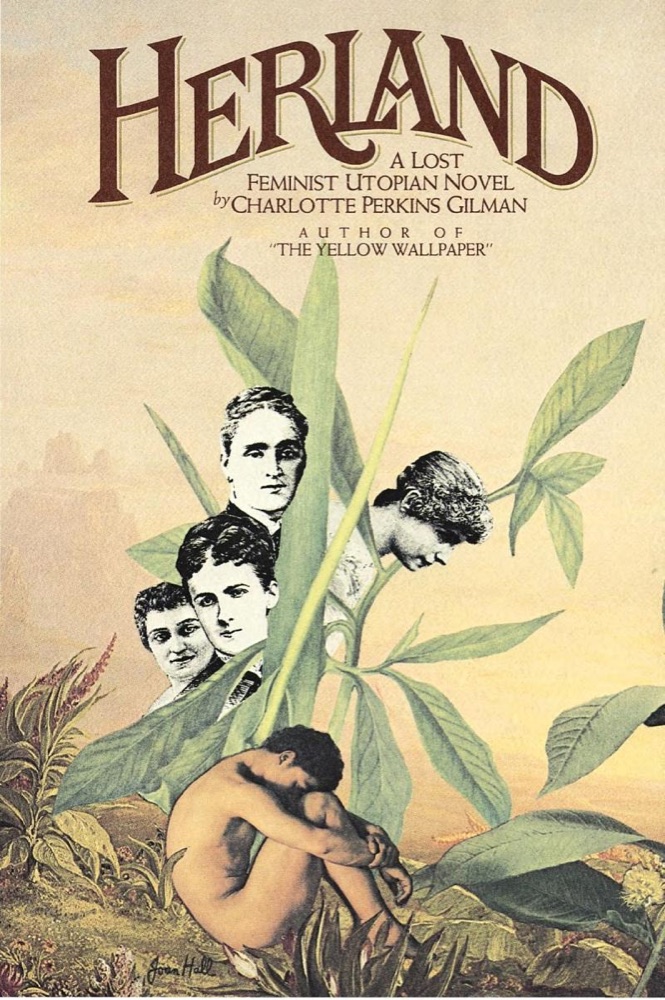 Herland
 Middlemarch
 A Woman's Worth
 The Argonauts
 The Razor's Edge
 The Rational Male
 The Summer Without Men
 Of Human Bondage
 Human, All Too Human
 Civilization and Its Discontents
 Lives of Girls and Women
 A Room of One's Own
 What's Wrong with the World
 The Scarlet Letter
 The Miniaturist
 Ravelstein
 The Hidden Palace
 Intercourse
 The Professor
 A Room with a View
 The Guermantes Way
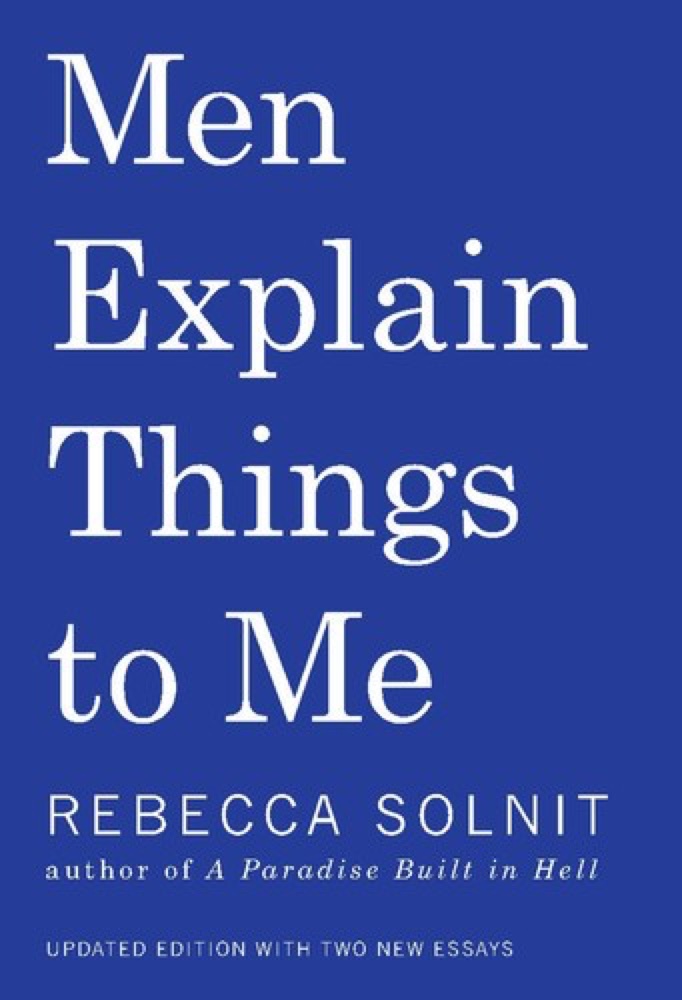 Men Explain Things to Me
 An Experiment in Love
 The Mad Women's Ball
 The Death of the Heart
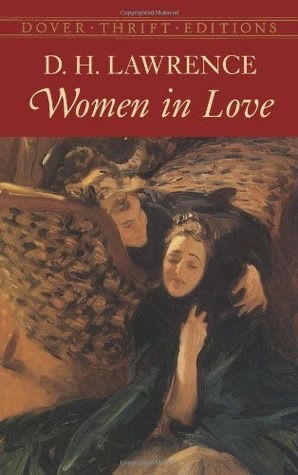 Women in Love
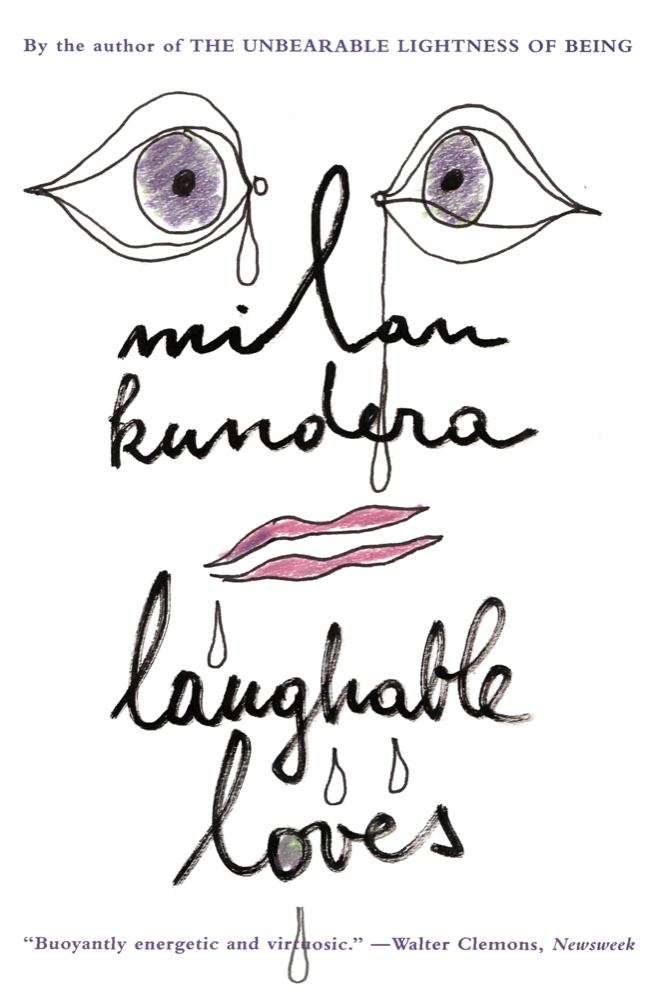 Laughable Loves
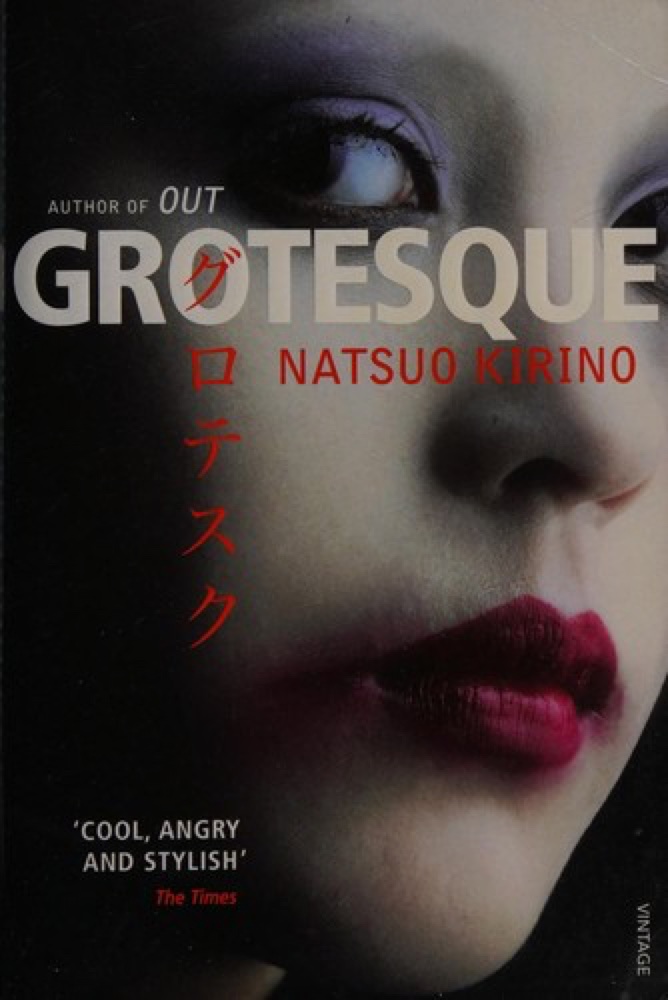 Grotesque
 M. Butterfly
 Sexing the Cherry
 Native Tongue
 Women Talking
 Her Majesty's Royal Coven
 The Grace of Kings