
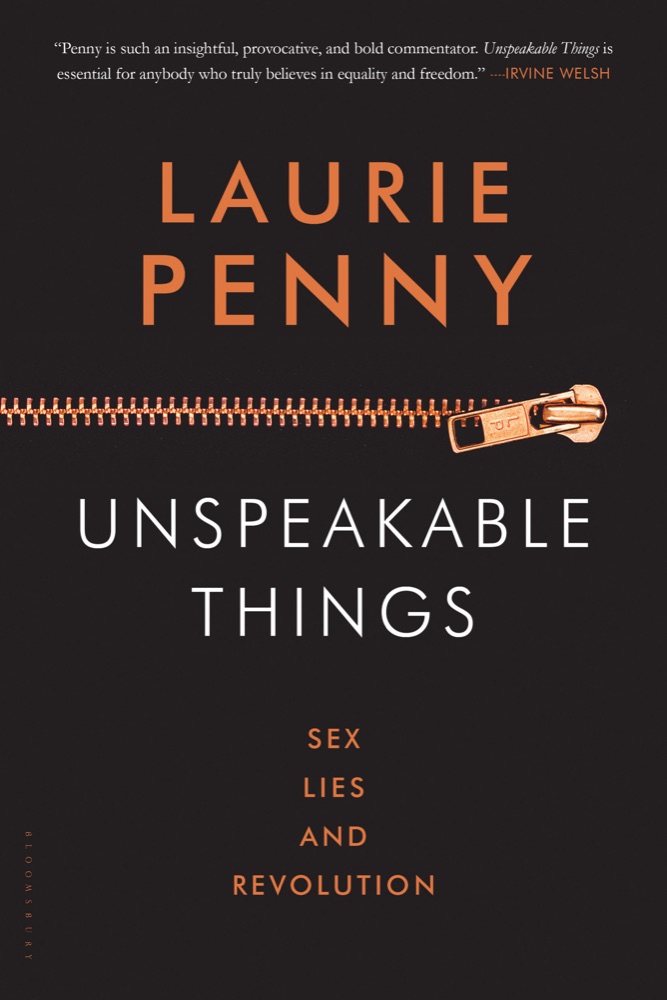
 Unspeakable Things: Sex, Lies and Revolution
Quotes from the Book
She should be assertive but not bossy, feminine but not prissy, experienced but not condescending, fashionable but not superficial, forceful but not shrill. Put simply: she should be masculine, but not too masculine; feminine, but not too feminine. She should be everything, which means she should be nothing. That
18
It’s one thing to be young, cherub-faced, straight woman doing and saying things that make people uncomfortable. It’s quite another – and far riskier – to do those same things in a body that is not white, straight, not slender, not young, or not American.
10
Sometimes when a woman speaks out, some people think it’s shouting”—a
7
To turn black women into objectified others was to underline their difference; they may be beautiful, but they are of another kind, separate from the dominant understanding of attractiveness.
6
Which is precisely why I wanted to write this book: these unruly women are so magnetic, but that magnetism is countered, at every point, by ideologies that train both men and women to distance themselves from those behaviors in our own lives. Put differently, it’s one thing to admire such abrasiveness and disrespect for the status quo in someone else; it’s quite another to take that risk in one’s own life.
6
To be an unruly woman today is to oscillate between the postures of fearlessness and self-doubt, between listening to the voices that tell a woman she is too much and one’s own, whispering and yelling I am already enough, and always have been.
6
The crafting of the face is a billion-dollar industry because there’s actually only one truly acceptable face to create: that of “the girl.” The girl’s face is always dewy, unblemished, and unwrinkled, her eyes bright, her forehead uncreased. “Womanly” hips and ass might be theoretically fetishized, but they’re desirable only when the rest of the body remains that of the girl.
4
few things enrage, confuse, and repulse audiences more than the suggestion that the primary visual purpose of a woman’s body is not the pleasure of men.
4
Through this lens, unruliness can be viewed as an amplification of anger about a climate that publicly embraces equality but does little to enact change. It’s no wonder we have such mixed feelings about these women: they’re constant reminders of the chasm between what we think we believe and how we actually behave.
4
Hence, the policing of the female athlete, who faces the daunting task of maintaining a body strong enough to excel at her sport of choice but contained enough so as not to incite fear about transcending her given place in the world.
3
Femininity cloaked power and strength, made it more palatable, less threatening.
3
Historically, it has taken very little to turn women against one another and even less to turn men, so anxious about the maintenance of power, against women who attempt to seize some modicum of it for themselves.
2
you’re damned if you do; you’re damned if you don’t. Try too hard, and you’re disgusting; don’t try at all, and you’re invisible.
2
Celebrities are our most visible and binding embodiments of ideology at work: the way we pinpoint and police representations of everything from blackness to queerness, from femininity to pregnancy. Which is why the success of these unruly women is inextricable from the confluence of attitudes toward women in the 2010s: the public reembrace of feminism set against a backdrop of increased legislation of women’s bodies, the persistence of the income gap, the policing of how women’s bodies should look and act in public, and the election of Trump. Through this lens, unruliness can be viewed as an amplification of anger about a climate that publicly embraces equality but does little to enact change. It’s no wonder we have such mixed feelings about these women: they’re constant reminders of the chasm between what we think we believe and how we actually behave.
2
...a far more palatable - and, in many cases, more successful - form of femininity: the lifestyle supermom...they've built tremendously successful brands by embracing the 'new domesticity,' defined by consumption, maternity, and a sort of twenty-first century gentility.
2
It’s a tendency that reflects the age-old understanding that (white) men can contain multitudes, while members of every other group are pitted against themselves, as if there can be only one show about black families, or queer dudes, or, in the case of Broad City and Girls, young women. Jacobson
2
But who needs romance when you have friendship with just as much texture and affection?
1
Women suppress a lot of their sides. It's a form of "code-switching"--a term to describe how one speaks and behaves differently in order to match an intended audience. Code switching is, at heart, a survival mechanism: a way of showing, at any particular moment, that you fit in, you're not a threat, you belong.
1
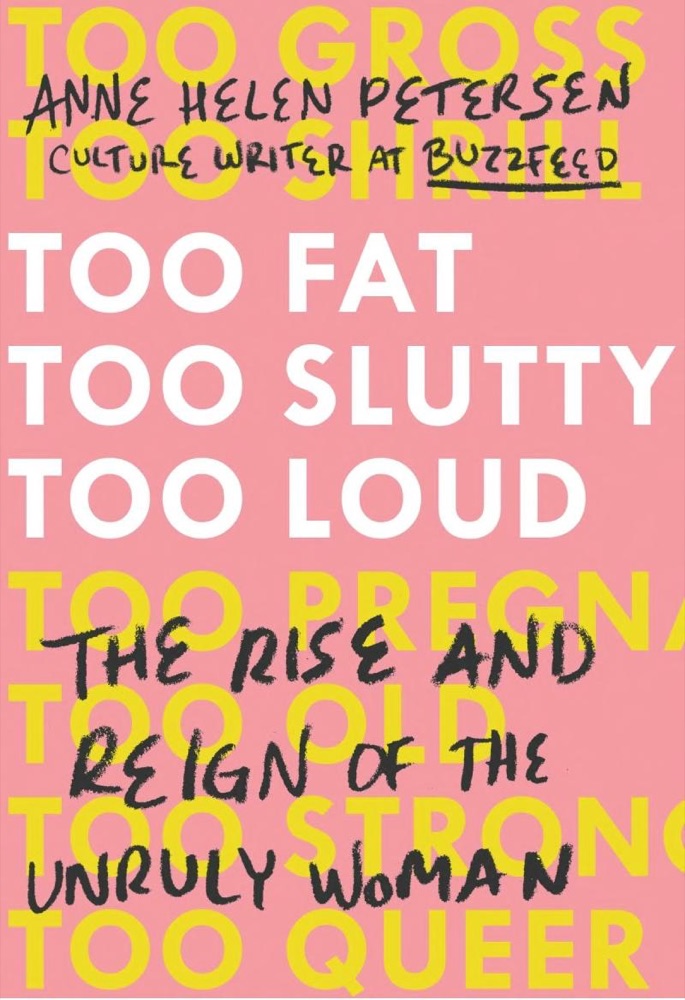
Of course, there have been unruly women for as long as there have been boundaries of what constitutes acceptable “feminine” behavior: women who, in some way, step outside the boundaries of good womanhood, who end up being labeled too fat, too loud, too slutty, too whatever characteristic women are supposed to keep under control.
1
In the end, matriarchy isn’t the fear. Rather, it’s the idea that women will define their own value, and their own futures, on their own terms instead of by terms men have laid out—put differently, that each gender, and each individual, will have the power to determine their own destiny.
1
Serena’s body isn’t built to emulate the look of the model in an Ann Taylor shift dress. It’s built – through an exacting and grueling regimen – to decimate her opponents. And his suggestion that the body, too, is beautiful and sexy – in spite of, or even because of, its threat to the norms of white femininity – will continue to be threatening until the standards of beauty are decentered from those of the white upper class.
1
It’s no wonder we have such mixed feelings about these women: they’re constant reminders of the chasm between what we think we believe and how we actually behave.
1
But unruliness – in its many manifestations, small and large, in action, in representation, in language – feels more important, more necessary, than ever.
1
Feministing writer Jos Truitt puts it, “trans women are disrespected and treated terribly when they don’t pass, but if they do pass they’re called out for upholding the gender binary and cis standards of beauty. It is an impossible bind.
1
The poor and people of color are yoked to the abject; white people use its exploration as a path toward self-liberation. It’s a valid critique—and one that Broad City has increasingly interrogated, suggesting, especially in later seasons, the extent of Abbi and Ilana’s privilege.
1
A woman navigating the world with the confidence of a man is a beautiful, magnetic, and periodically unnerving sight to behold.
In Western society, fatness is interpreted as failure: a failure of control, of societal expectations, of will.
The anxiety centers on Williams, but it’s really a manifestation of a larger fear that she’ll turn tennis, one of the last bastions of proper whiteness, into a black sport. To be nervous that Williams’s behavior might rub off on one’s children is to be nervous that black people might talk back—that there might be a reason, for example, that they are aggressive with the reporters who’ve described their bodies with such distance and distaste.
As Williams would later say, looking back at the reaction, “I just really thought that was strange. You have people who made a career out of yelling at line judges. And a woman does it, and it’s like a big problem.”57 Williams is right: the USTA has long tolerated outbursts from white men, including Jimmy Connors and John McEnroe. As critical race scholar Brittney C. Cooper puts it: “White anger is entertaining; Black anger must be contained.
Watch on YouTube
About Anne Helen Petersen
We have collected 29 quotes from 1 book by Anne Helen Petersen on BookQuoters.
More about the author →About the book
From celebrity gossip expert and BuzzFeed culture writer Anne Helen Petersen comes an accessible, analytical look at how female celebrities are pushing boundaries of what it means to be an "acceptable" woman.
You know the type: the woman who won't shut up, who's too brazen, too opinionated--too much. It's not that she's an outcast (she might even be your friend or your wife, or your mother) so much as she's a social variable. Sometimes, she's the life of the party; others, she's the center of gossip. She's the unruly woman, and she's one of the most provocative, powerful forms of womanhood today.
There have been unruly women for as long as there have been boundaries of what constitutes acceptable "feminine" behavior, but there's evidence that she's on the rise--more visible and less easily dismissed--than ever before. In Too Fat, Too Slutty, Too Loud, Anne Helen Petersen uses the
Book details
- First published
- 2017
- Author
- Anne Helen Petersen
- Genre
- Nonfiction
- Goodreads rating
- 3.74 (10k ratings)
The buzz
- The AtlanticReview in The Atlanticprofessional review (via Book Marks)
- NPRReview in NPRprofessional review (via Book Marks)
- VoxReview in Voxprofessional review (via Book Marks)
- Kirkus ReviewsReview in Kirkus Reviewsprofessional review (via Book Marks)
- ElleReview in Elleprofessional review (via Book Marks)
- BroadlyReview in Broadlyprofessional review (via Book Marks)
Keep reading
Unspeakable Things: Sex, Lies and Revolution
 Trainwreck: The Women We Love to Hate, Mock, and Fear... and Why
 The Feminine Mystique
 The Female Eunuch
 Female Chauvinist Pigs: Women and the Rise of Raunch Culture
 The Truth Will Set You Free, But First It Will Piss You Off!: Thoughts on Life, Love, and Rebellion
 Feminists Don't Wear Pink (And Other Lies): Amazing Women on What the F-Word Means to Them
 Shrill: Notes from a Loud Woman
 Unlikeable Female Characters: The Women Pop Culture Wants You to Hate
 A Woman's Worth
 How to Be a Woman
 Women & Power: A Manifesto
 Men Explain Things to Me
 Sex Object: A Memoir
 The Favorite Sister
 The Beauty Myth
 Girl, Woman, Other
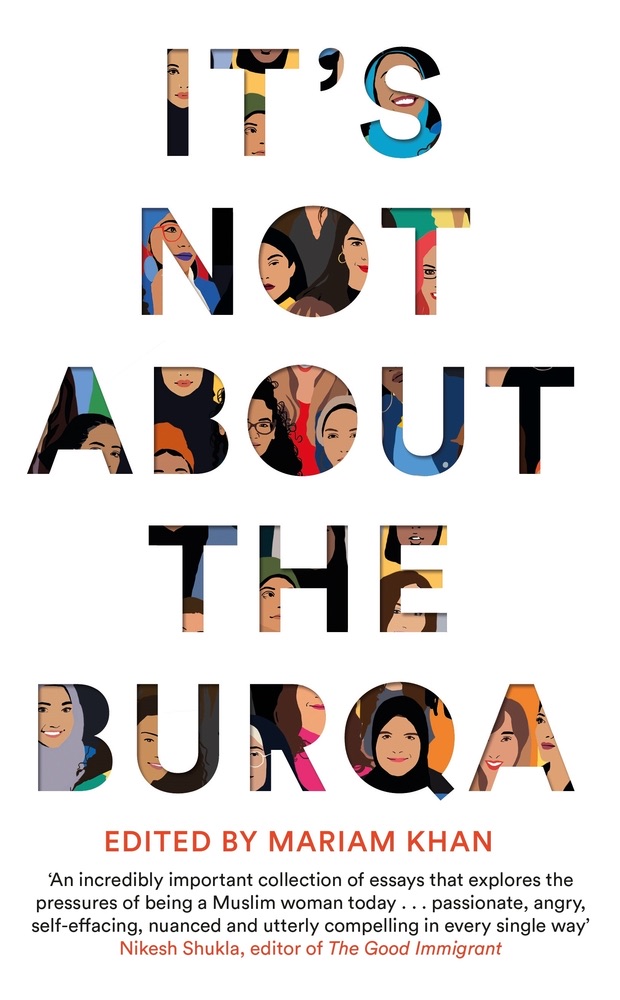 It's Not About the Burqa
 Bad Feminist
 The Dialectic of Sex: The Case for Feminist Revolution
 The Soul of a Woman
 Bitch: In Praise of Difficult Women
 On Our Best Behavior: The Seven Deadly Sins and the Price Women Pay to Be Good
 Rage Becomes Her: The Power of Women's Anger
 Trick Mirror: Reflections on Self-Delusion
 Women and Other Monsters: Building a New Mythology
 Difficult Women: A History of Feminism in 11 Fights
 Outrageous Acts and Everyday Rebellions
 Everyday Sexism
 The Mother of All Questions
 Not That Bad: Dispatches from Rape Culture
 The Second Sex
 Full Frontal Feminism
 We Were Feminists Once: From Riot Grrrl to CoverGirl, the Buying and Selling of a Political Movement
 Pixel Flesh: How Toxic Beauty Culture Harms Women
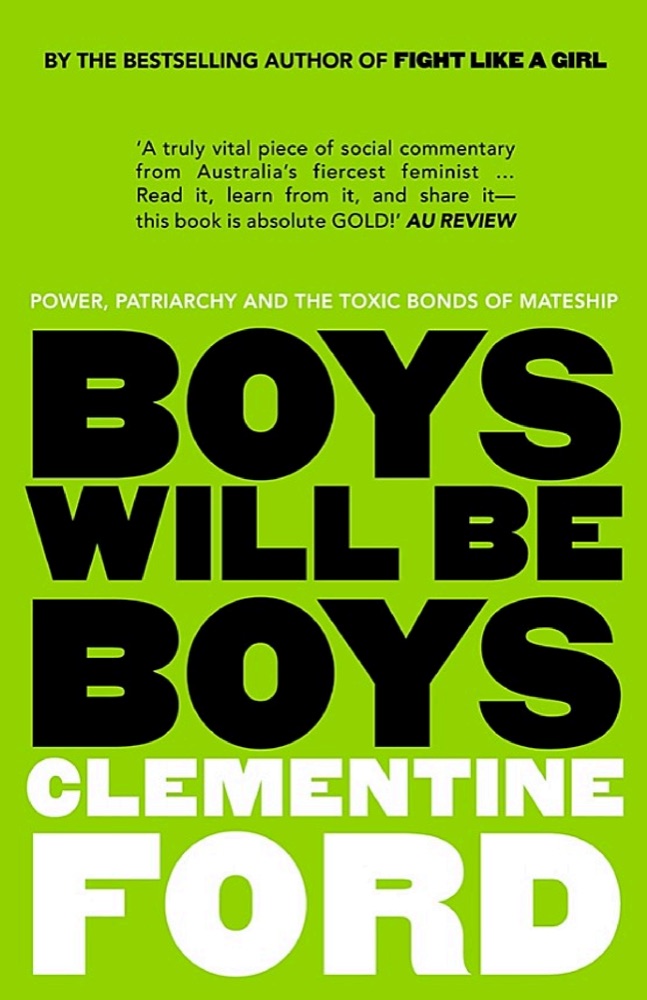 Boys Will Be Boys: Power, Patriarchy and the Toxic Bonds of Mateship
 Headscarves and Hymens: Why the Middle East Needs a Sexual Revolution
 This Bridge Called My Back: Writings by Radical Women of Color
 Cunt: A Declaration of Independence
 Her Majesty's Royal Coven
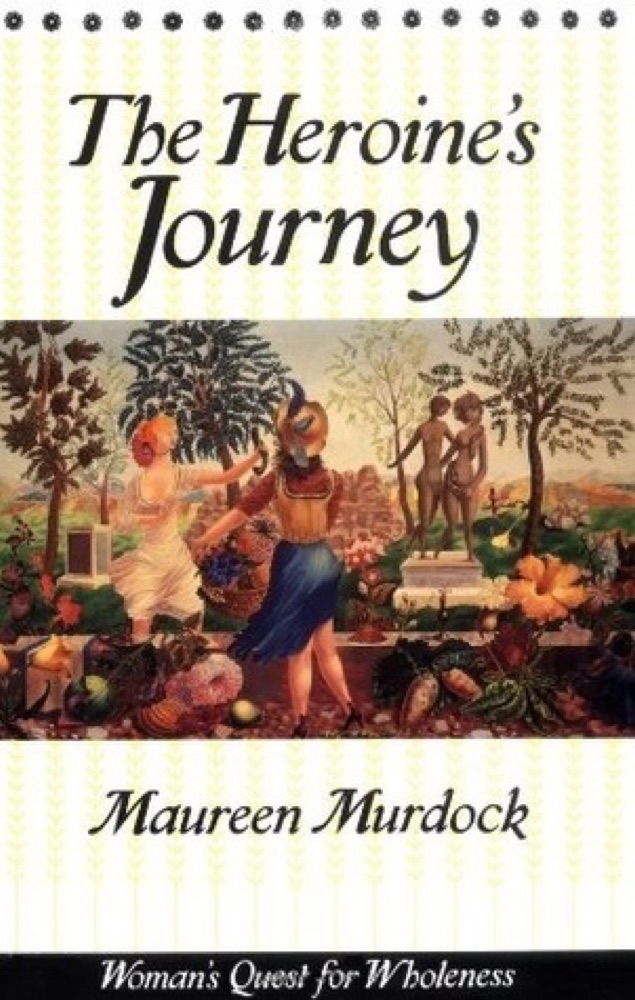 The Heroine's Journey: Woman's Quest for Wholeness
 Right Wing Women
 Thick: And Other Essays
 A Certain Hunger
 The Witches Are Coming
 Against White Feminism: Notes on Disruption
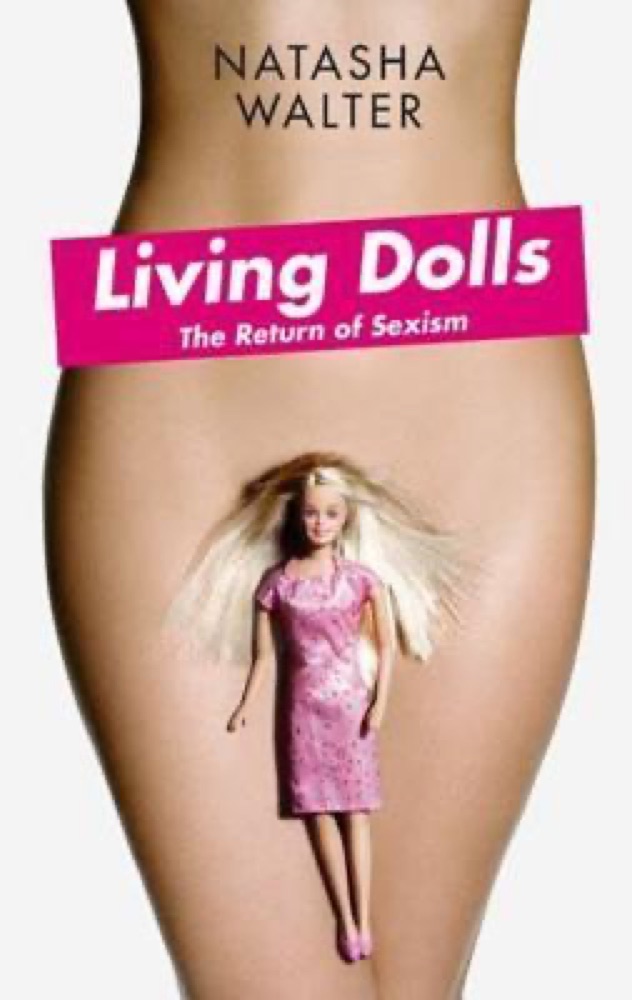 Living Dolls: The Return of Sexism
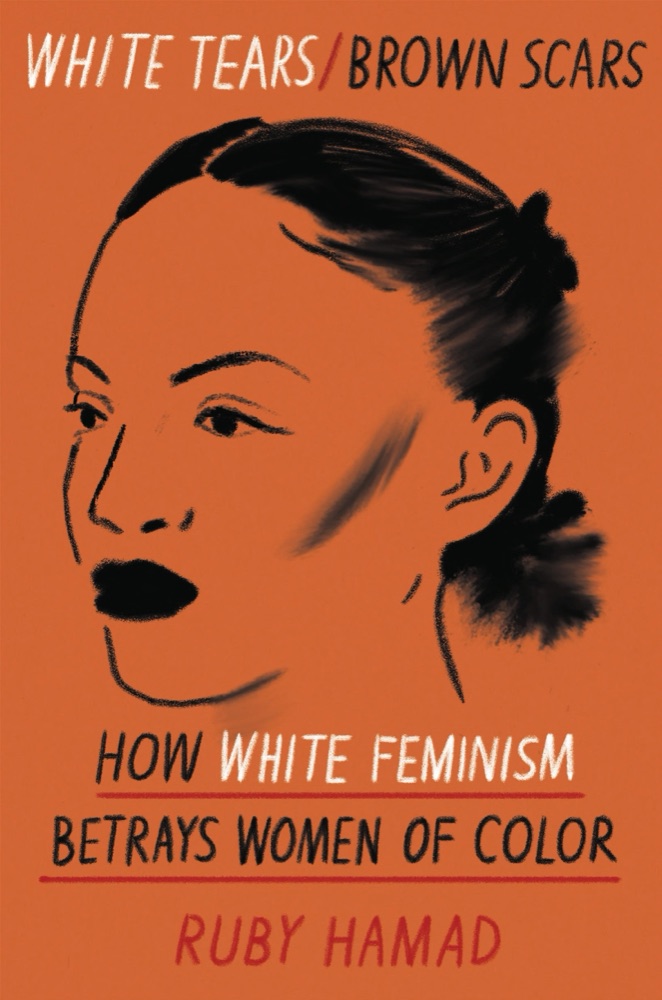 White Tears/Brown Scars: How White Feminism Betrays Women of Color
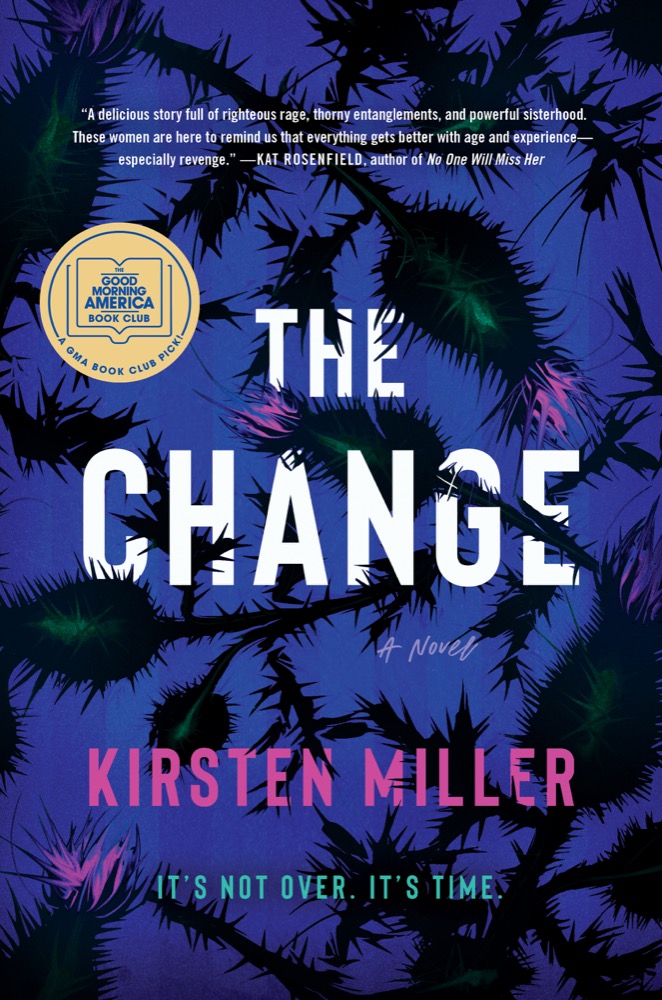 The Change
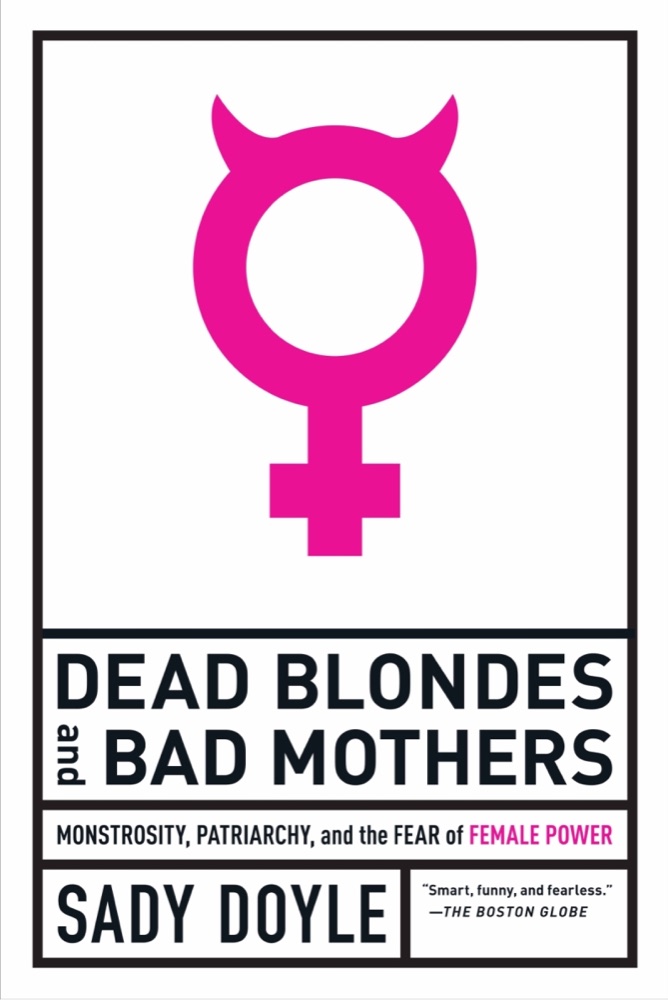 Dead Blondes and Bad Mothers
 Of Woman Born: Motherhood as Experience and Institution
 Intercourse
 Living a Feminist Life
 My Body
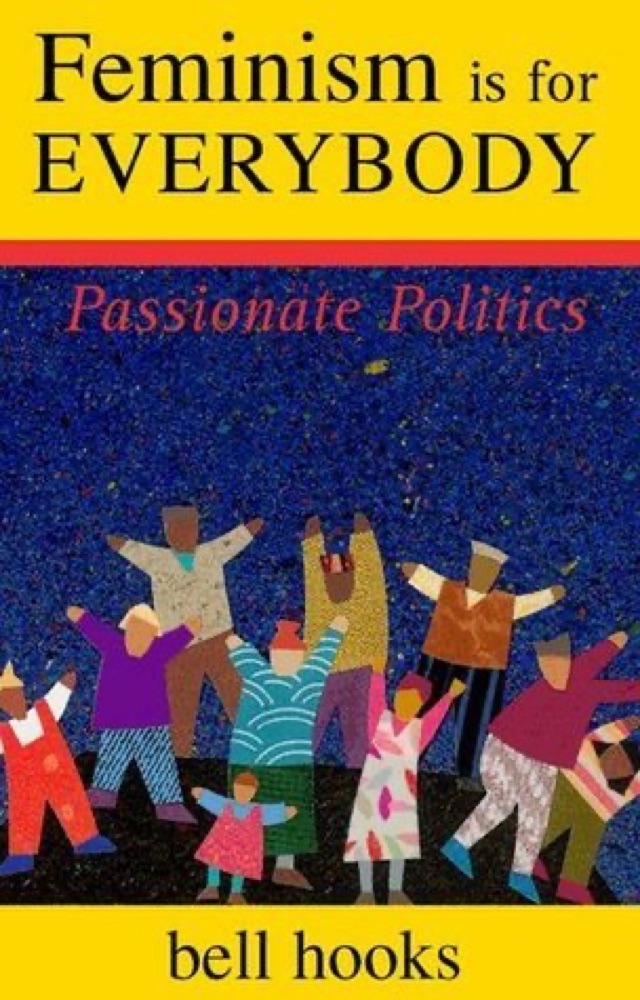 Feminism Is for Everybody: Passionate Politics
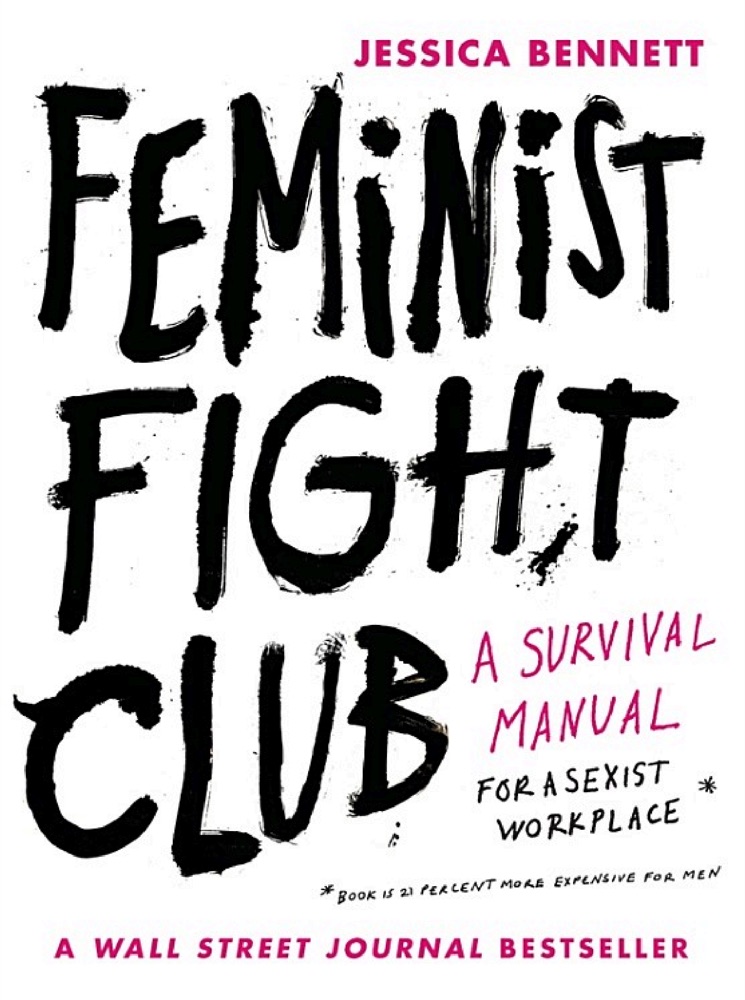 Feminist Fight Club: An Office Survival Manual for a Sexist Workplace
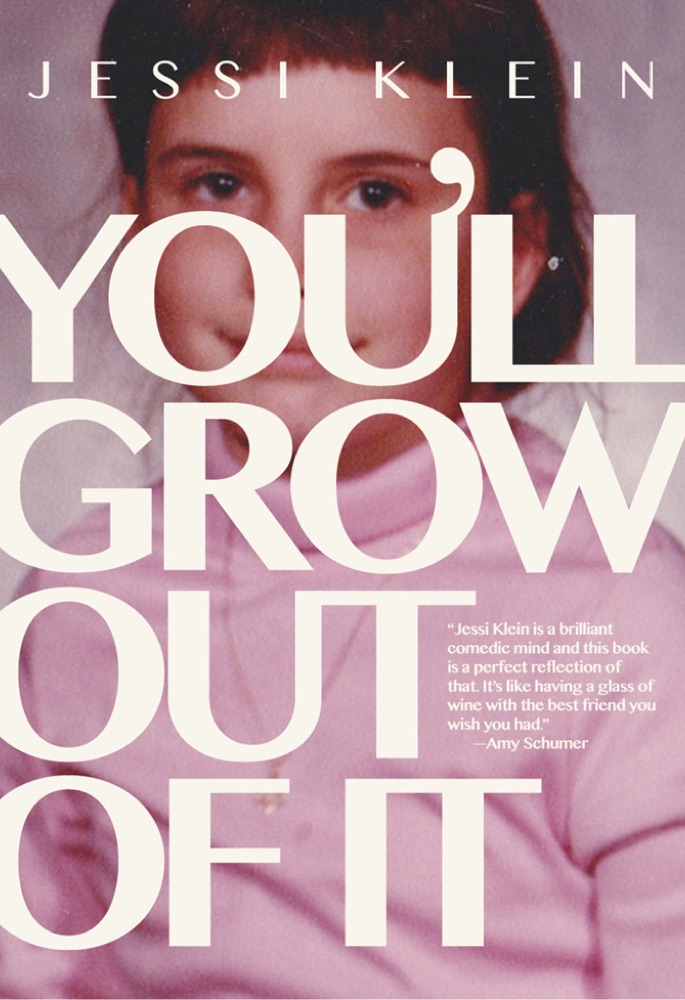 You'll Grow Out of It
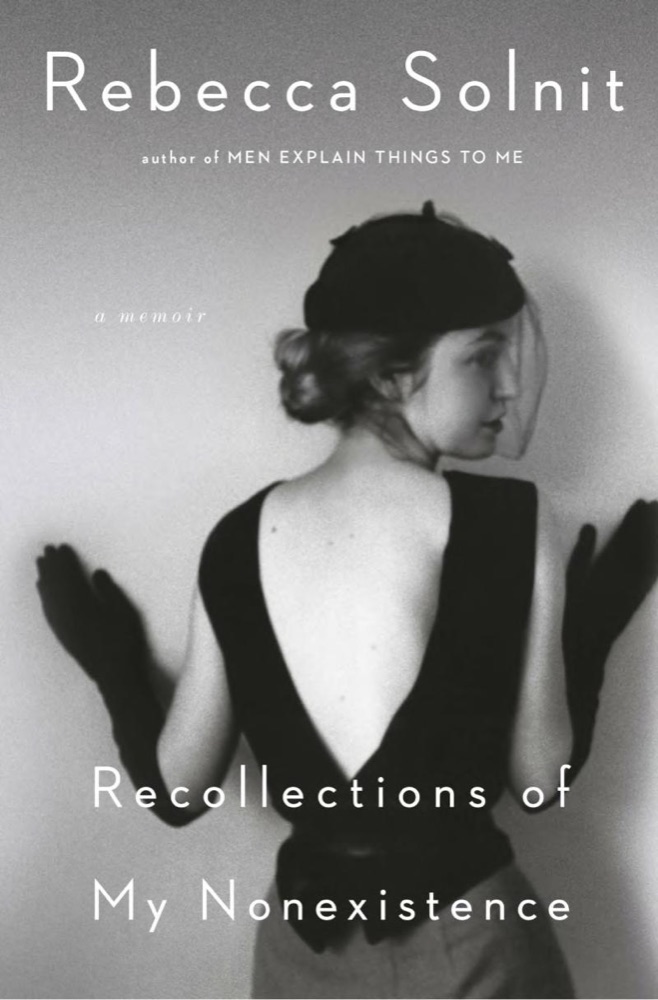 Recollections of My Nonexistence: A Memoir
 The Geek Feminist Revolution
 Sexual Politics