
 The Dialectic of Sex: The Case for Feminist Revolution
Quotes from the Book
Patriarchy, reformed or unreformed, is patriarchy still: its worst abuses purged or foresworn, it might actually be more stable and secure than before.
28
It is interesting that many women do not recognize themselves as discriminated against; no better proof could be found of the totality of their conditioning.
19
Whatever the “real” differences between the sexes may be, we are not likely to know them until the sexes are treated differently, that is alike.
14
If knowledge is power, power is also knowledge, and a large factor in their subordinate position is the fairly systematic ignorance patriarchy imposes upon women.
12
Governments who manipulate population growth have two choices: making maternity pleasant, or making it inescapable.
9
Coitus can scarcely be said to take place in a vacuum; although of itself it appears a biological and physical activity, it is set so deeply within the larger context of human affairs that it serves as a charged microcosm of the variety of attitudes and values to which culture subscribes. Among other things, it may serve as a model of sexual politics on an individual or personal plane.
9
It is necessary to realize that the most sacrosanct article of sexual politics in the period, the Victorian doctrine of chivalrous protection and its familiar protestations of respect, rests upon the tacit assumption, a cleverly expeditious bit of humbug, that all women were "ladies"—namely members of that fraction of the upper classes and bourgeoisie which treated women to expressions of elaborate concern, while permitting them no legal or personal freedom. The psycho-political tacit here is a pretense that the indolence and luxury of the upper-class woman’s role in what Veblen called “vicarious consumption” was the happy lot of all women. The efficacy of this maneuver depends on dividing women by class and persuading the privileged that they live in an indulgence they scarcely deserve... To succeed, both the sexual revolution and the Woman's Movement which led it would have to unmask chivalry and expose its courtesies as subtle manipulation.
7
Under patriarchy the female did not herself develop the symbols by which she is described. As
6
Because of our social circumstances, male and female are really two cultures and their life experiences are utterly different—and this is crucial. Implicit
6
Their chattel status continues in their loss of name, their obligation to adopt the husband’s domicile, and the general legal assumption that marriage involves an exchange of the female’s domestic service and (sexual) consortium in return for financial support.
5
However muted its present appearance may be, sexual dominion obtains nevertheless as perhaps the most pervasive ideology of our culture and provides its most fundamental concept of power.
5
For it is precisely because certain groups have no representation in a number of recognized political structures that their position tends to be so stable, their oppression so continuous.
5
The term “politics” shall refer to power-structured relationships, arrangements whereby one group of persons is controlled by another. By
5
The derogation of feminine status in lesser males is a consistent patriarchal trait. Like
4
As patriarchy enforces a temperamental imbalance of personality traits between the sexes, its educational institutions, segregated or co-educational, accept a cultural programing toward the generally operative division between “masculine” and “feminine” subject matter, assigning the humanities and certain social sciences (at least in their lower or marginal branches) to the female—and science and technology, the professions, business and engineering to the male. Of
4
Sexual politics obtains consent through the “socialization” of both sexes to basic patriarchal polities with regard to temperament, role, and status. As
3
In democracies,5 for example, females have often held no office or do so (as now) in such minuscule numbers as to be below even token representation. Aristocracy,
3
Yeterince erkeksi ya da kadınsı olmamak, doğal yapıya aykırı düşmek gibi gösteriliyor. Ve hepimiz kadın ya da erkek olarark doğduğumuz için, cinsel kişiliğimizi yitirirsek yok olacağımız gibi bir düşünceye uyarlanmak isteniyoruz.
3
Ataerkil düzendeki sınıfın başlıca etkilerinden biri, bir kadını bir diğerinin karşısına koymaktır. Geçmişte fahişelerle namuslu kadınlar karşılaştırılırken, günümüzde de çalışan kadınlarla ev kadınları karşı karşıya getirilmektedir. Bu kadınlardan birincisi ötekinin sahip olduğu "güvenlik" ve saygınlığa gıpta ederken, ikincisi de kendisine saygınlık kazandıran sınırlamaların ötesinde, özgürlük, serüven, dünyayı tanımak diye adlandırdığı birinci kadının yaşantısına özlem duyar. İkili düzen standardının çeşitli elverişliliklerinden yararlanan erkek, her iki kadının da dünyasını paylaşır ve üstün toplumsal ve ekonomik gücü ile de birbirlerine yabancılaşmış bu kadınları birbirlerine rakip duruma getirir.
3
Ataerkik düzendeki sınıfın başlıca etkilerinden biri, bir kadını bir diğerinin karşısına koymaktır. Geçmişte fahişelerle namuslu kadınlar karşılaştırılırken, günümüzde de çalışan kadınlarla ev kadınları karşı karşıya getirilmektedir. Bu kadınlardan birincisi ötekinin sahip olduğu "güvenlik" ve saygınlığa gıpta ederken, ikincisi de kendisine saygınlık kazandıran sınırlamaların ötesinde, özgürlük, serüven, dünyayı tanımak diye adlandırdığı birinci kadının yaşantısına özlem duyar. İkili düzen standardının çeşitli elverişliliklerinden yararlanan erkek, her iki kadının da dünyasını paylaşır ve üstün toplumsal ve ekonomik gücü ile de birbirlerine yabancılaşmış bu kadınları birbirlerine rakip duruma getirir.
3
...the old pillars of an old decadent structure, are also built on the sexual fallacy. (Or as one is tempted to pun, phallacy.)
2
She is no one, because she lacks any trait that might render her visible: beauty, money, conformity.
2
Perhaps patriarchy’s greatest psychological weapon is simply its universality and longevity. A
2
despite a high incidence of women in certain professions such as medicine. The status and rewards of such professions have declined as women enter them, and they are permitted to enter such areas under a rationale that society or the state (and socialist countries are also patriarchal) rather than woman is served by such activity.
2
although of itself it appears a biological and physical activity, it is set so deeply within the larger context of human affairs that it serves as a charged microcosm of the variety of attitudes and values to which culture subscribes. Among
2
Stoller’s direction offer proof that gender identity (I am a girl, I am a boy) is the primary identity any human being holds—the first as well as the most permanent and far-reaching. Stoller
1
The subordinated group has inadequate redress through existing political institutions, and is deterred thereby from organizing into conventional political struggle and opposition.
1
Başkaldıran olmak, her zaman devrimci olmak değildir. Çoğunlukla, batağa daha fazla saplanmak demektir.
1
Watch on YouTube
About Kate Millett
We have collected 28 quotes from 1 book by Kate Millett on BookQuoters.
More about the author →About the book
"Praised and denounced when it was first published in 1970, "Sexual Politics" not only explored history but also became part of it. Kate Millett's groundbreaking book fueled feminism's second wave, giving voice to the anger of a generation while documenting the inequities - neatly packaged in revered works of literature and art - of a complacent and unrepentant society. "Sexual Politics" laid the foundation for subsequent feminist scholarship by showing how cultural discourse reflects a systematized subjugation and exploitation of women. Identifying patriarchy as a socially conditioned belief system masquerading as nature, Millett demonstrates in detail how its attitudes and systems penetrate literature, philosophy, psychology, and politics. Her incendiary work rocked the foundations of the literary canon by castigating time-honored classics - from D. H. Lawrence's Lady Chatterley's "Lov
Book details
- First published
- 1969
- Author
- Kate Millett
- Genre
- Nonfiction
- Goodreads rating
- 3.99 (4k ratings)
Keep reading
The Dialectic of Sex: The Case for Feminist Revolution
 The Female Eunuch
 The Second Sex
 The Right to Sex: Feminism in the Twenty-First Century
 Gender Trouble: Feminism and the Subversion of Identity
 Against White Feminism: Notes on Disruption
 The Creation of Patriarchy
 The Feminine Mystique
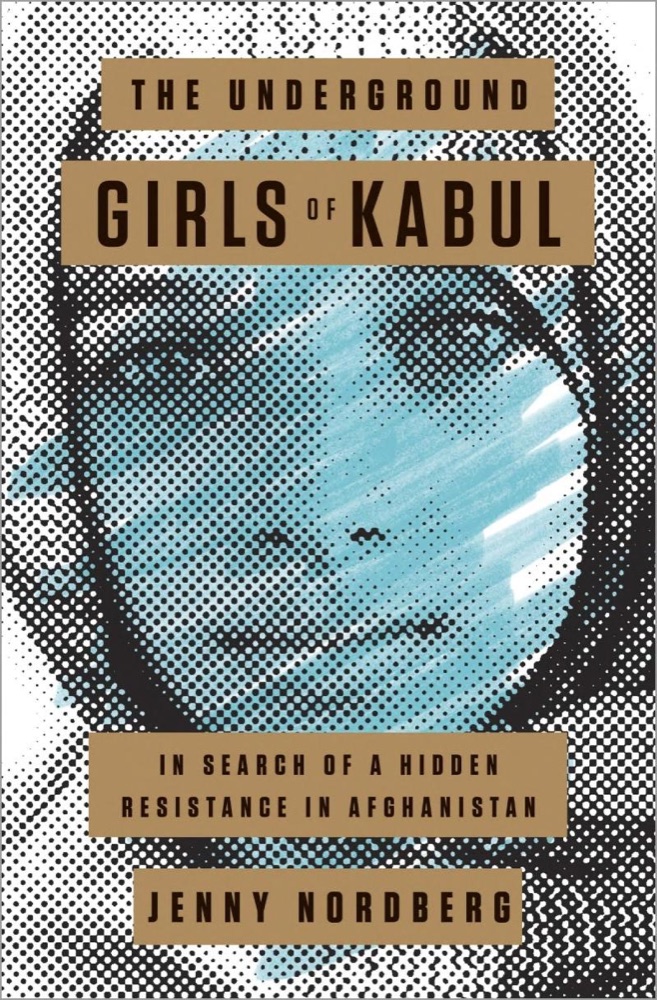 The Underground Girls of Kabul: In Search of a Hidden Resistance in Afghanistan
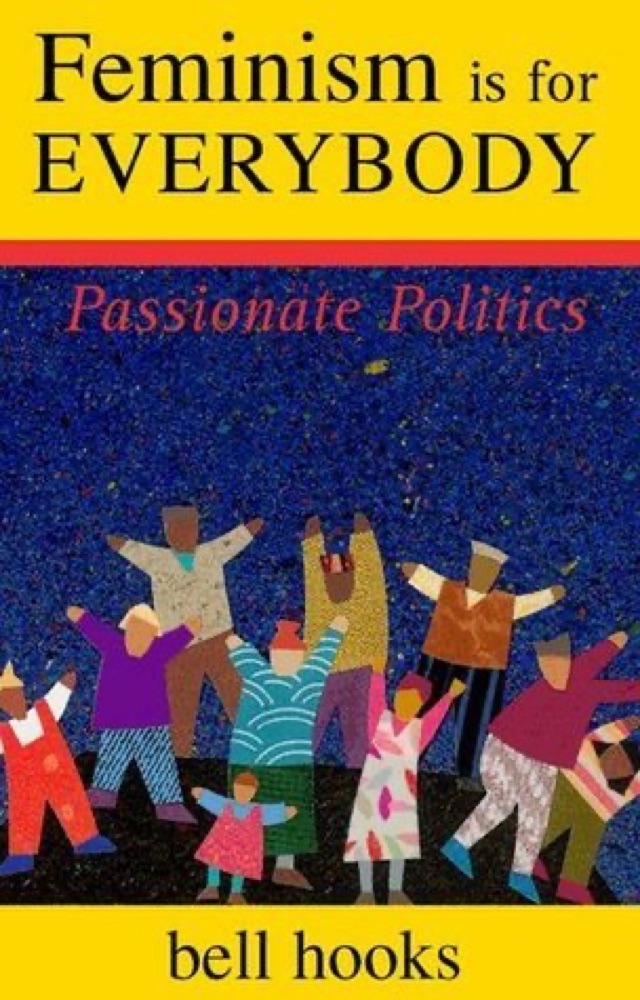 Feminism Is for Everybody: Passionate Politics
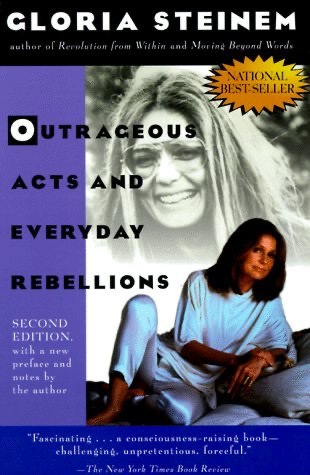 Outrageous Acts and Everyday Rebellions
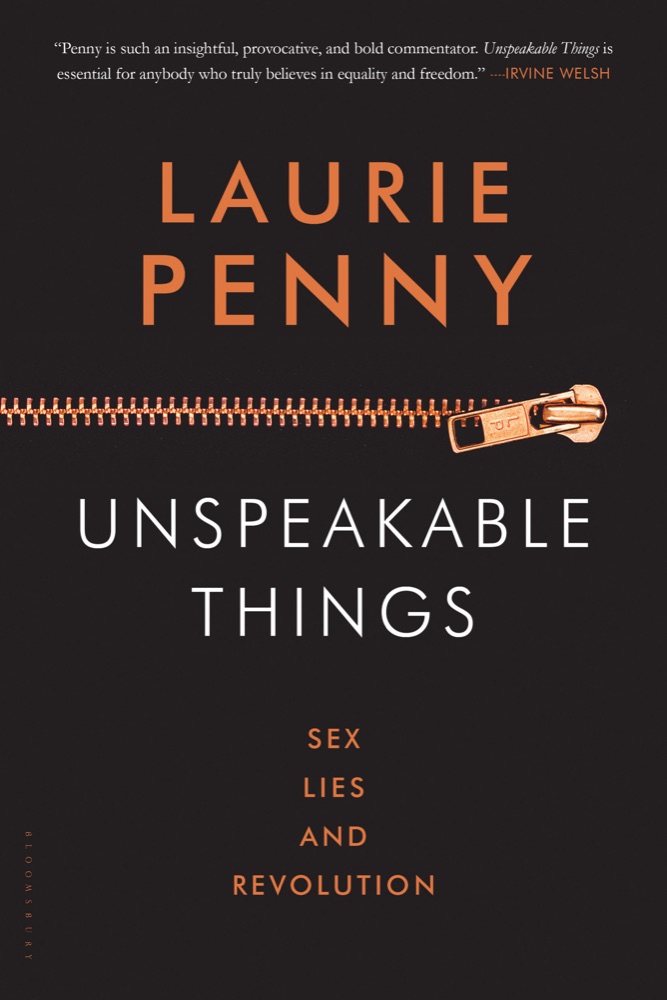 Unspeakable Things: Sex, Lies and Revolution
 Right Wing Women
 Intercourse
 Feminist Theory: From Margin to Center
 Women & Power: A Manifesto
 Women's Liberation and the African Freedom Struggle
 The Truth Will Set You Free, But First It Will Piss You Off!: Thoughts on Life, Love, and Rebellion
 SCUM Manifesto
 Nine Parts of Desire: The Hidden World of Islamic Women
 Entitled: How Male Privilege Hurts Women
 Of Woman Born: Motherhood as Experience and Institution
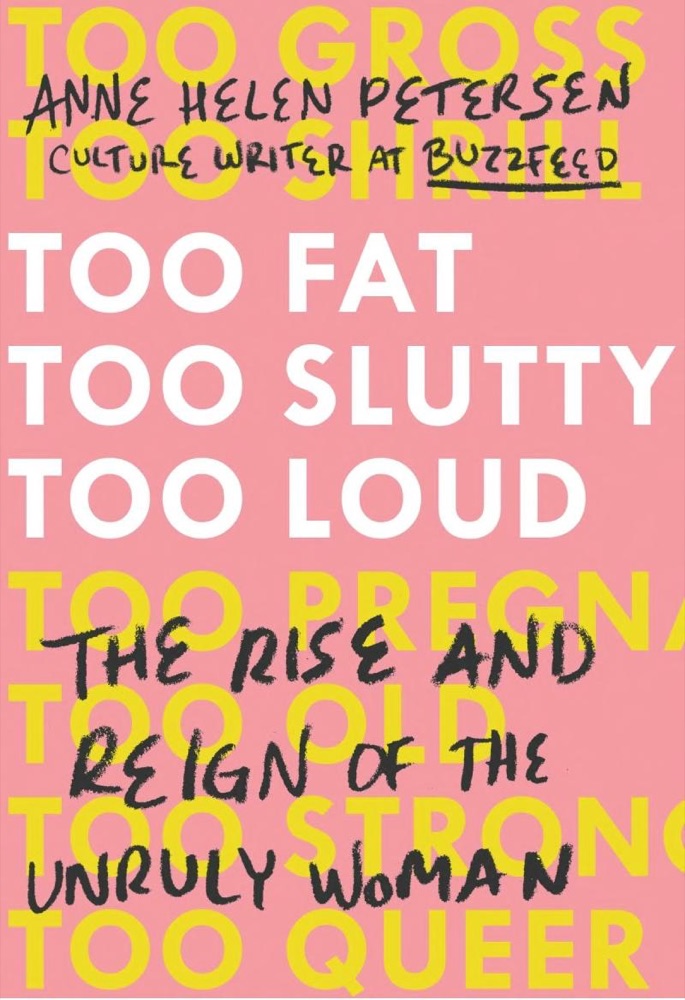 Too Fat, Too Slutty, Too Loud: The Rise and Reign of the Unruly Woman
 A Vindication of the Rights of Woman
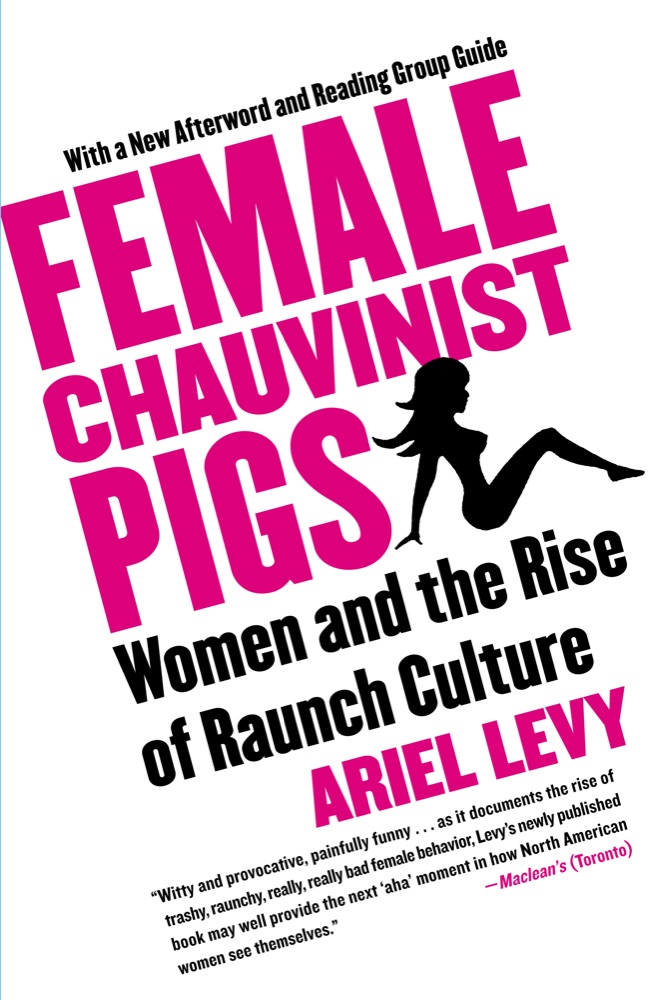 Female Chauvinist Pigs: Women and the Rise of Raunch Culture
 The Case Against the Sexual Revolution: A New Guide to Sex in the 21st Century
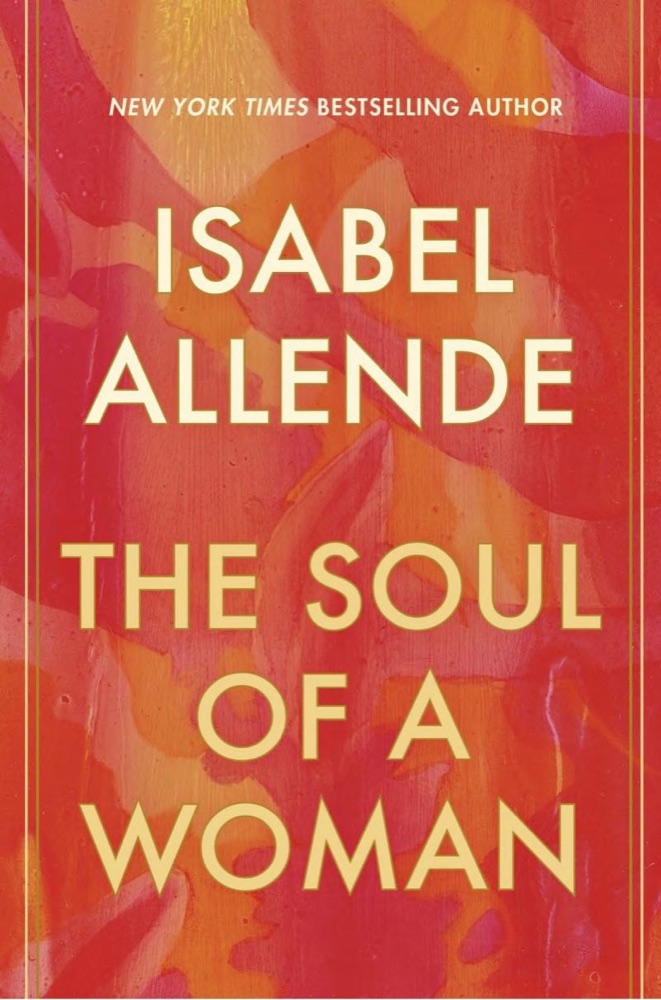 The Soul of a Woman
 The Origin of the Family, Private Property and the State
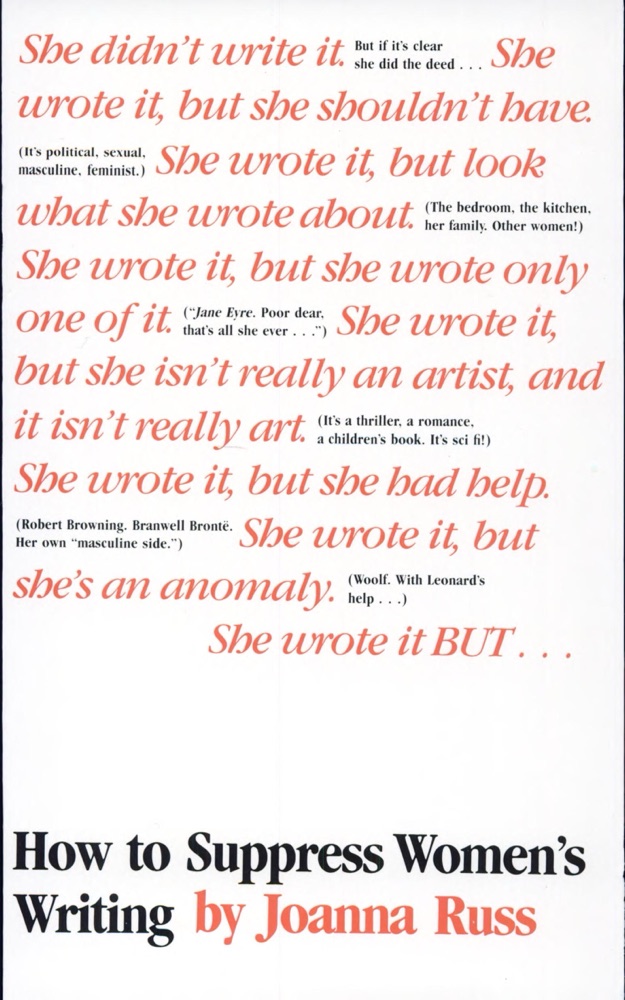 How to Suppress Women's Writing
 Men Explain Things to Me
 The Subjection of Women
 Girl, Woman, Other
 The History of Sexuality, Volume 1: An Introduction
 Dead Blondes and Bad Mothers
 Backlash: The Undeclared War Against American Women
 Boys Will Be Boys: Power, Patriarchy and the Toxic Bonds of Mateship
 Sister Citizen: Shame, Stereotypes, and Black Women in America
 The Heroine's Journey: Woman's Quest for Wholeness
 Invisible Women: Data Bias in a World Designed for Men
 The Mad Women's Ball
 Pornography: Men Possessing Women
 Whose Story Is This? Old Conflicts, New Chapters
 Headscarves and Hymens: Why the Middle East Needs a Sexual Revolution
 Half the Sky: Turning Oppression Into Opportunity for Women Worldwide
 Everyday Sexism
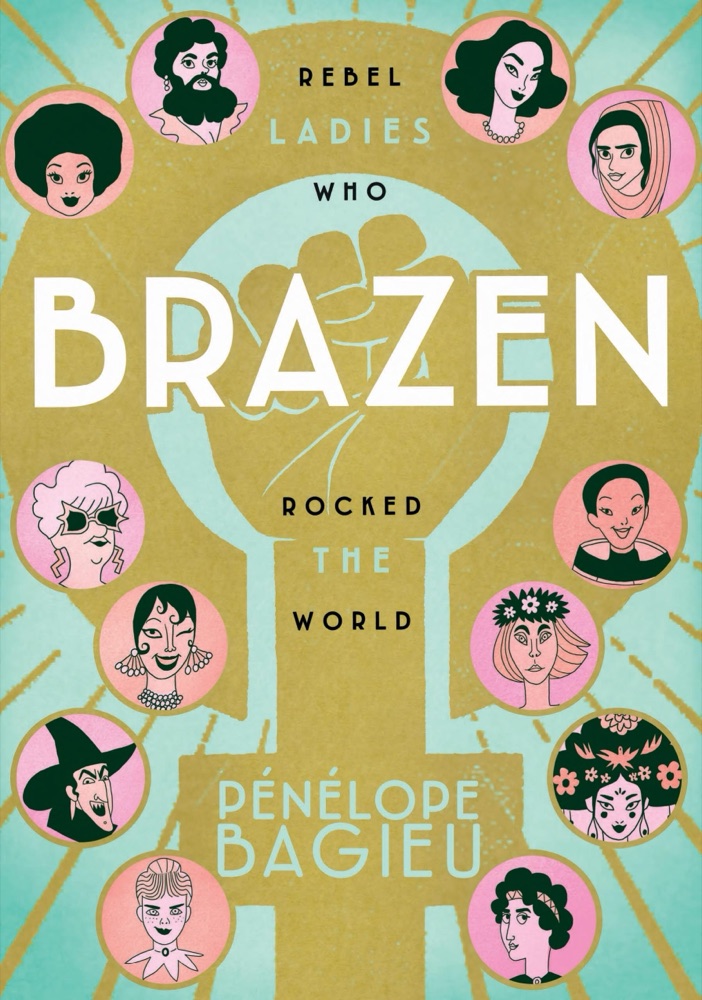 Brazen: Rebel Ladies Who Rocked the World
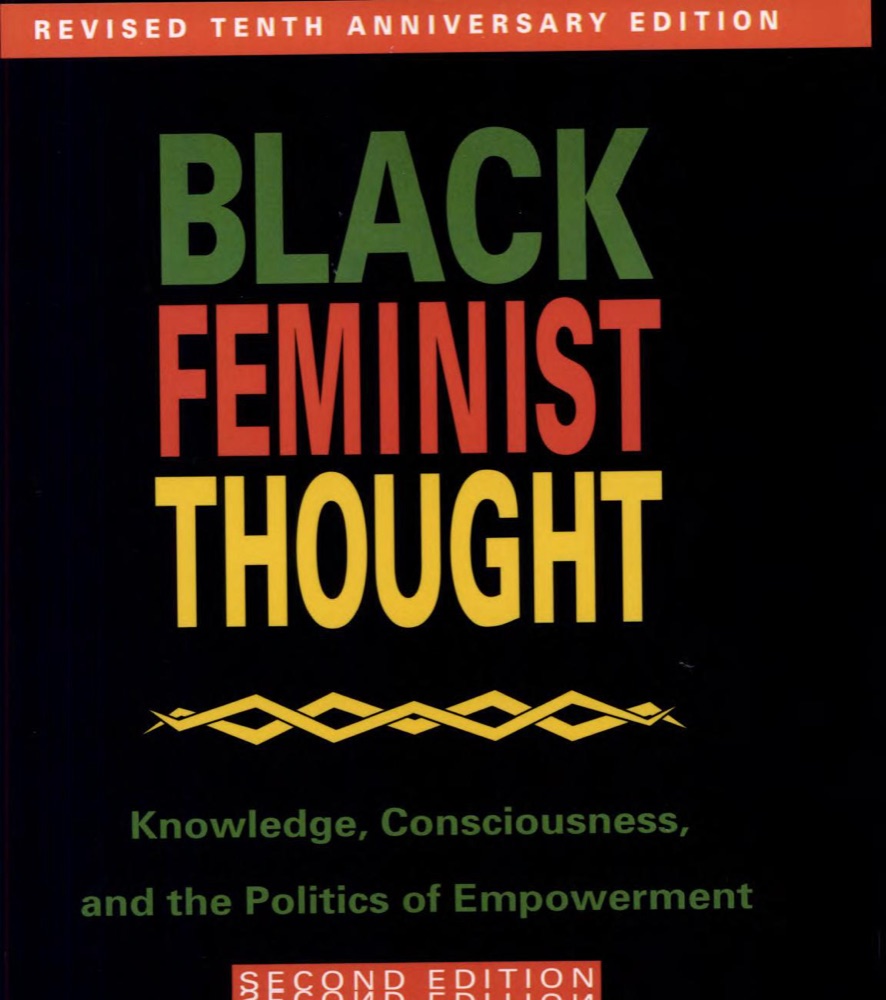 Black Feminist Thought: Knowledge, Consciousness, and the Politics of Empowerment
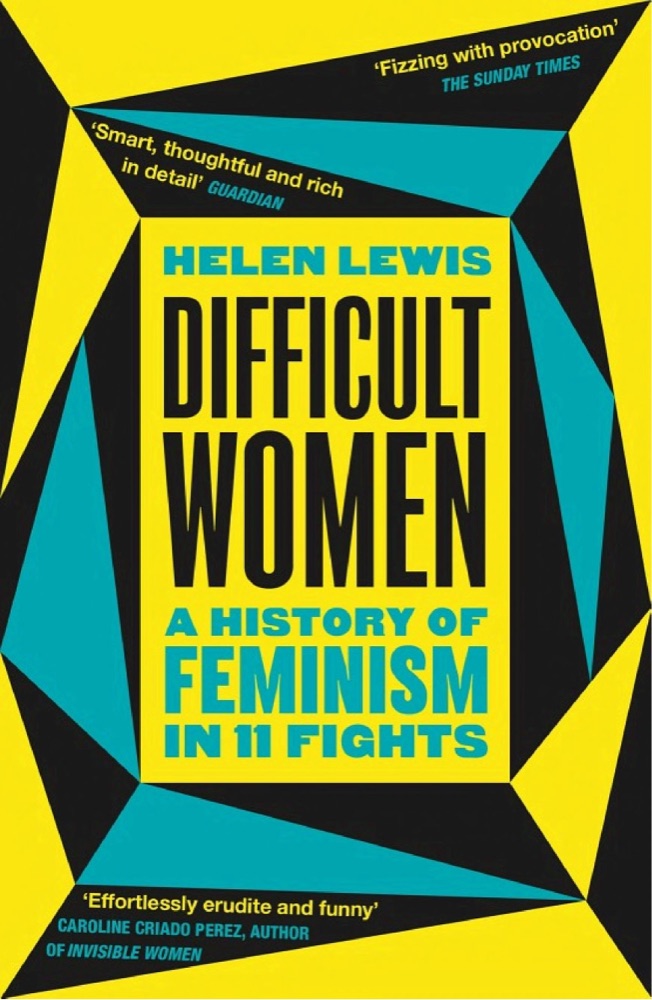 Difficult Women: A History of Feminism in 11 Fights
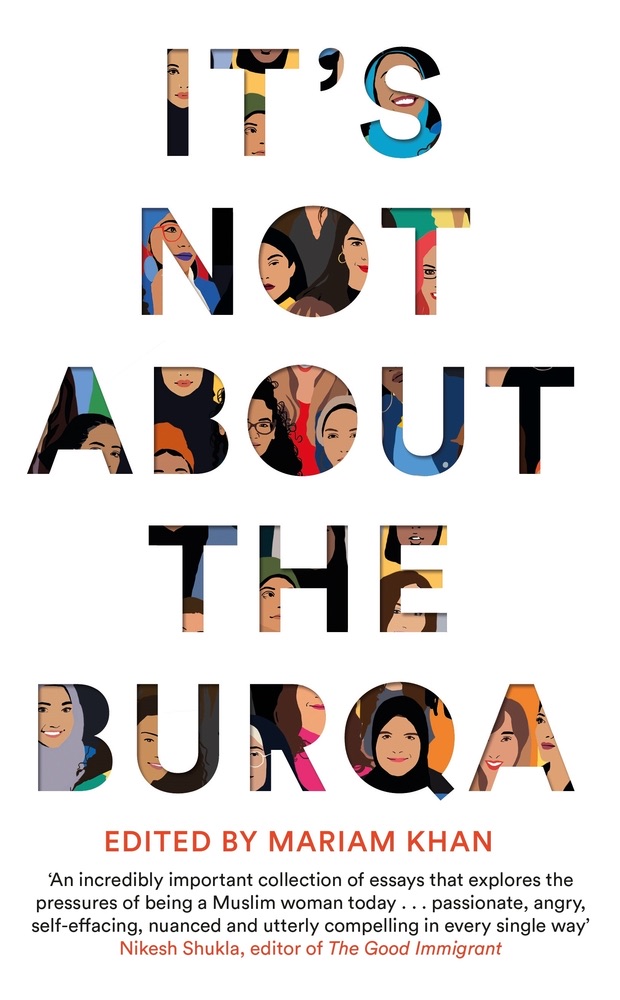 It's Not About the Burqa
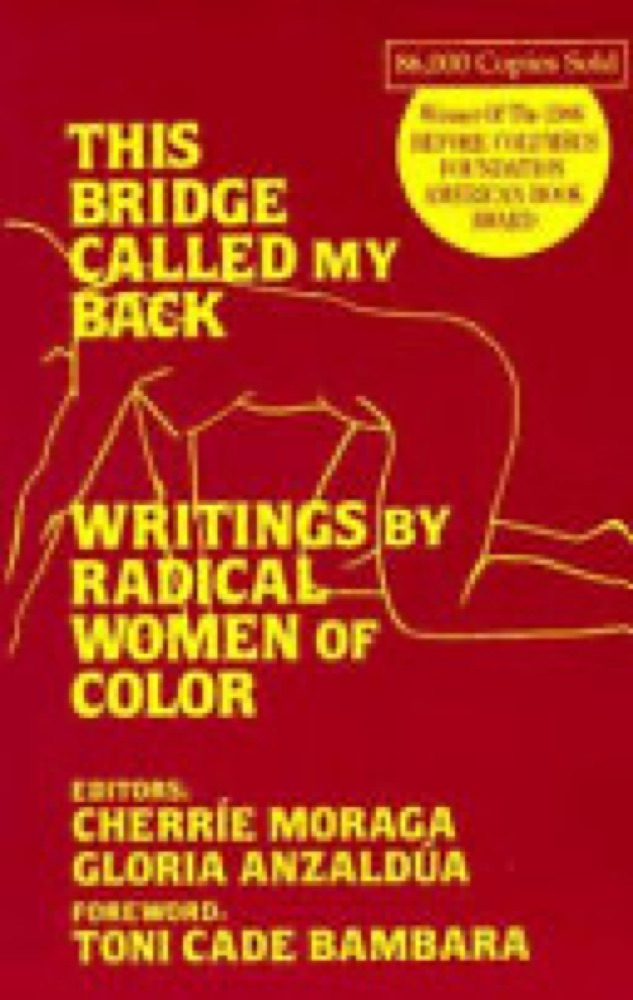 This Bridge Called My Back: Writings by Radical Women of Color
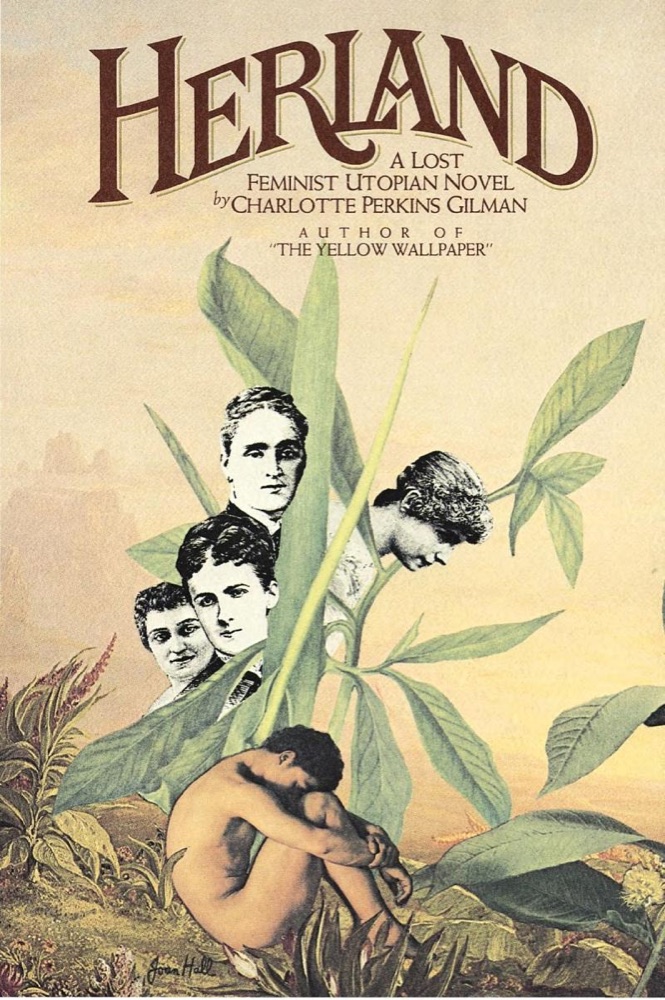 Herland
 The Master's Tools Will Never Dismantle the Master's House
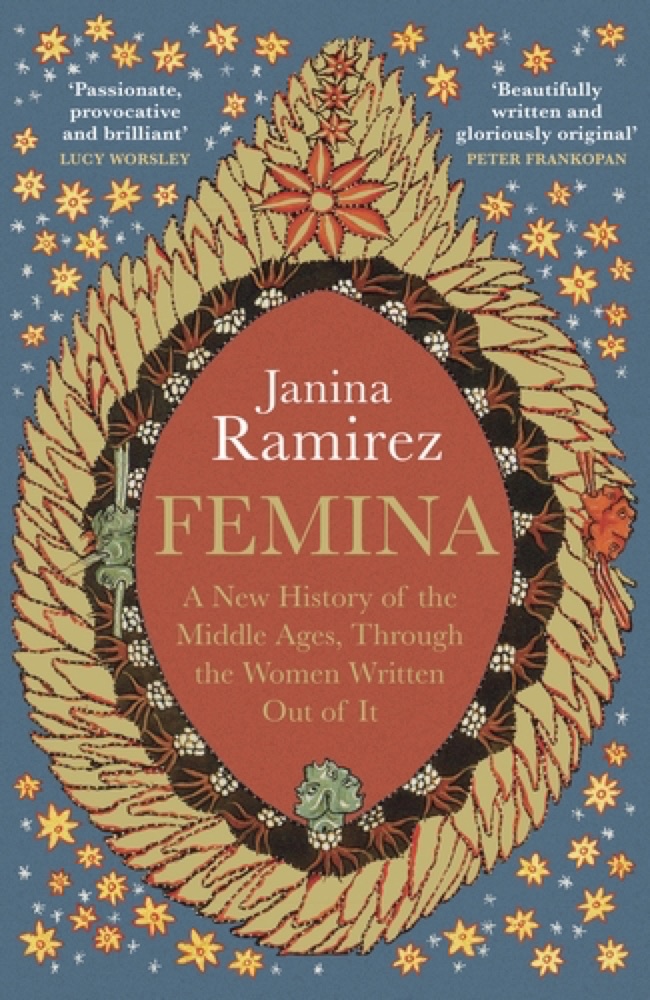 Femina: A New History of the Middle Ages, Through the Women Written Out of it
 The Straight Mind: And Other Essays
 Shame
Shame
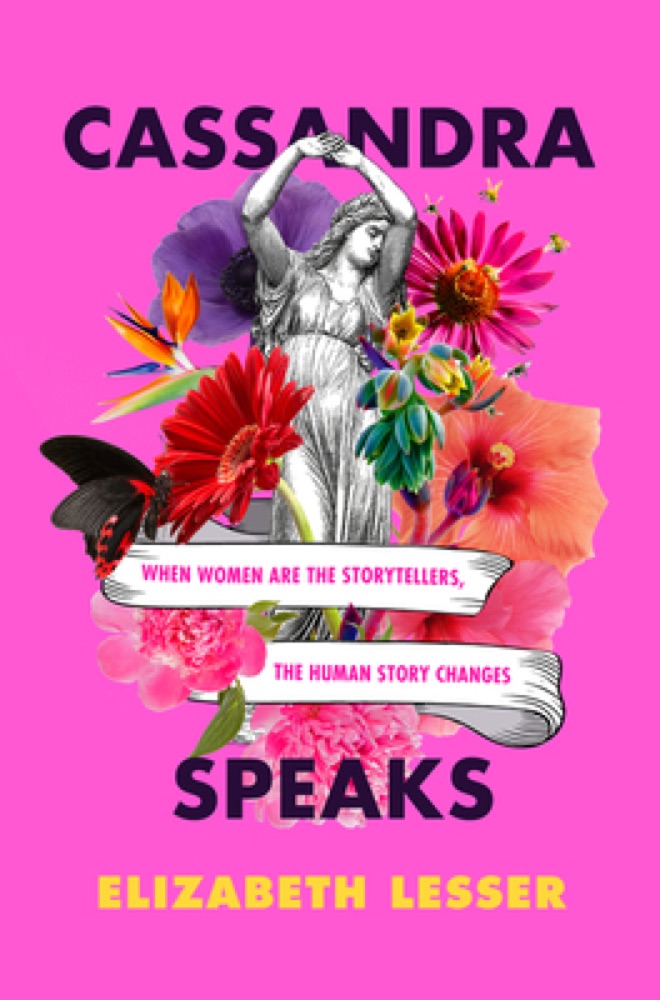 Cassandra Speaks: When Women Are the Storytellers, the Human Story Changes
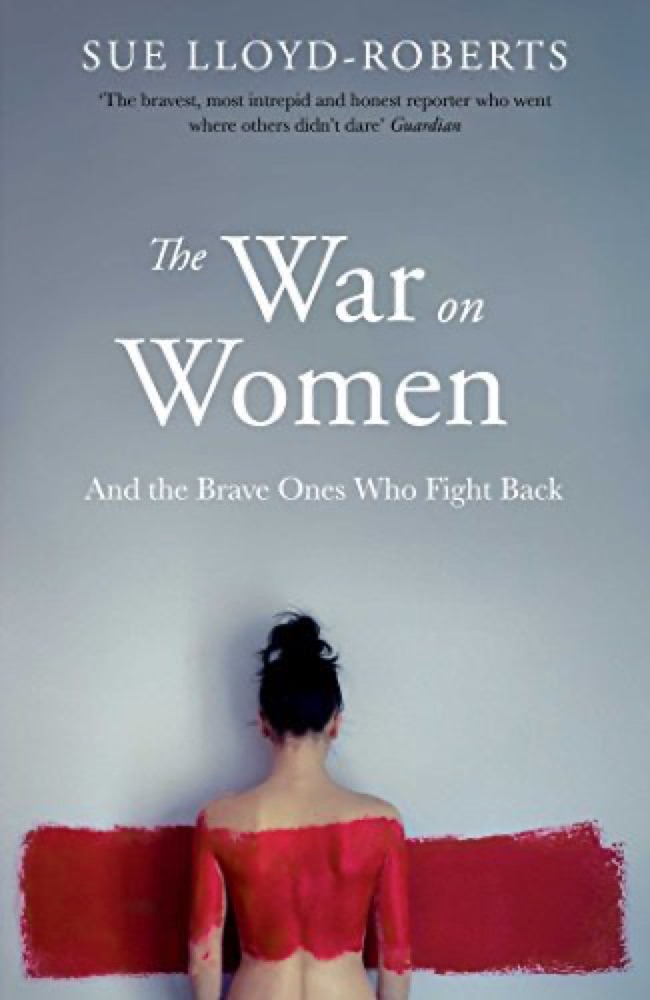 The War on Women
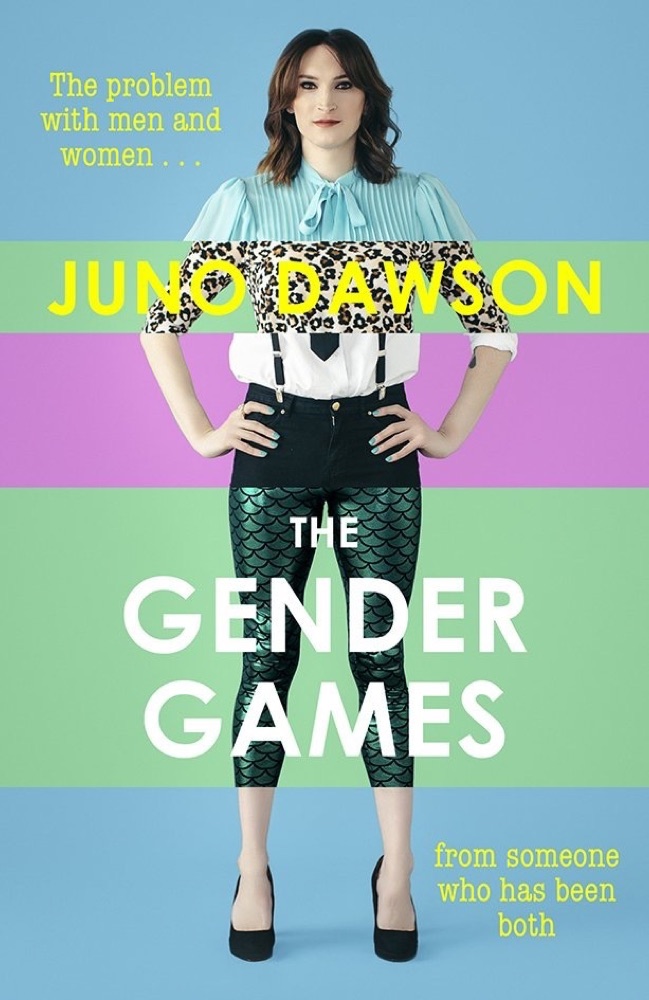 The Gender Games: The Problem with Men and Women, from Someone Who Has Been Both
 Cunt: A Declaration of Independence
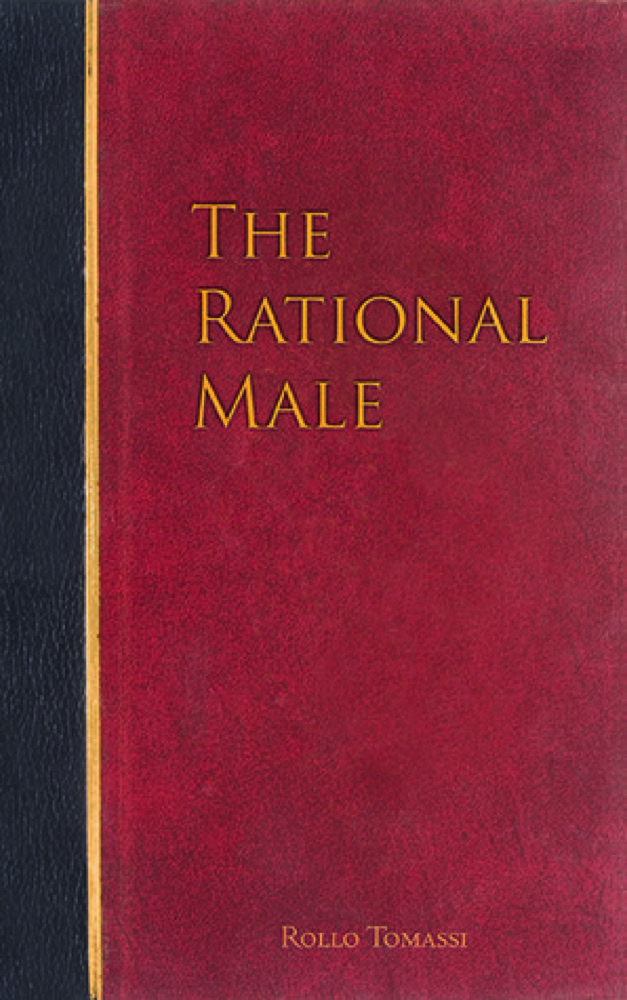 The Rational Male