

 Like Streams to the Ocean: Notes on Ego, Love, and the Things That Make Us Who We Are
Quotes from the Book
There is probably no better or more reliable measure of whether a woman has spent time in ugly duckling status at some point or all throughout her life than her inability to digest a sincere compliment. Although it could be a matter of modesty, or could be attributed to shyness- although too many serious wounds are carelessly written off as "nothing but shyness"- more often a compliment is stuttered around about because it sets up an automatic and unpleasant dialogue in the woman's mind. If you say how lovely she is, or how beautiful her art is, or compliment anything else her soul took part in, inspired, or suffused, something in her mind says she is undeserving and you, the complimentor, are an idiot for thinking such a thing to begin with. Rather than understand that the beauty of her soul shines through when she is being herself, the woman changes the subject and effectively snatches nourishment away from the soul-self, which thrives on being acknowledged." "I must admit, I sometimes find it useful in my practice to delineate the various typologies of personality as cats and hens and ducks and swans and so forth. If warranted, I might ask my client to assume for a moment that she is a swan who does not realzie it. Assume also for a moment that she has been brought up by or is currently surrounded by ducks. There is nothing wrong with ducks, I assure them, or with swans. But ducks are ducks and swans are swans. Sometimes to make the point I have to move to other animal metaphors. I like to use mice. What if you were raised by the mice people? But what if you're, say, a swan. Swans and mice hate each other's food for the most part. They each think the other smells funny. They are not interested in spending time together, and if they did, one would be constantly harassing the other. But what if you, being a swan, had to pretend you were a mouse? What if you had to pretend to be gray and furry and tiny? What you had no long snaky tail to carry in the air on tail-carrying day? What if wherever you went you tried to walk like a mouse, but you waddled instead? What if you tried to talk like a mouse, but insteade out came a honk every time? Wouldn't you be the most miserable creature in the world? The answer is an inequivocal yes. So why, if this is all so and too true, do women keep trying to bend and fold themselves into shapes that are not theirs? I must say, from years of clinical observation of this problem, that most of the time it is not because of deep-seated masochism or a malignant dedication to self-destruction or anything of that nature. More often it is because the woman simply doesn't know any better. She is unmothered.
It is worse to stay where one does not belong at all than to wander about lost for a while and looking for the psychic and soulful kinship one requires
Sometimes the one who is running from the Life/Death/Life nature insists on thinking of love as a boon only. Yet love in its fullest form is a series of deaths and rebirths. We let go of one phase, one aspect of love, and enter another. Passion dies and is brought back. Pain is chased away and surfaces another time. To love means to embrace and at the same time to withstand many endings, and many many beginnings- all in the same relationship.
I hope you will go out and let stories, that is life, happen to you, and that you will work with these stories... water them with your blood and tears and your laughter till they bloom, till you yourself burst into bloom.
Having a lover/friend who regards you as a living growing criatura, being, just as much as the tree from the ground, or a ficus in the house, or a rose garden out in the side yard... having a lover and friends who look at you as a true living breathing entity, one that is human but made of very fine and moist and magical things as well... a lover and friends who support the ciatura in you... these are the people you are looking for. They will be the friends of your soul for life. Mindful choosing of friends and lovers, not to mention teachers, is critical to remaining conscious, remaining intuitive, remaining in charge of the fiery light that sees and knows.
Be wild; that is how to clear the river. The river does not flow in polluted, we manage that. The river does not dry up, we block it. If we want to allow it its freedom, we have to allow our ideational lives to be let loose, to stream, letting anything come, initially censoring nothing. That is creative life. It is made up of divine paradox. To create one must be willing to be stone stupid, to sit upon a throne on top of a jackass and spill rubies from one’s mouth. Then the river will flow, then we can stand in the stream of it raining down.
The way to maintain one's connection to the wild is to ask yourself what it is that you want. This is the sorting of the seed from the dirt. One of the most important discriminations we can make in this matter is the difference between things that beckon to us and things that call from our souls. Nowhere can this be seen more clearly than in the choice of mates and lovers. A lover cannot be chosen a la smorgasbord. A lover has to be chosen from soul-craving. To choose just because something mouthwatering stands before you will never satisfy the hunger of the soul-self. And that is what the intuition is for; it is the direct messenger of the soul.
When seeking guidance, don't ever listen to the tiny-hearted. Be kind to them, heap them with blessing, cajole them, but do not follow their advice.
The doors to the world of the wild Self are few but precious. If you have a deep scar, that is a door, if you have an old, old story, that is a door. If you love the sky and the water so much you almost cannot bear it, that is a door. If you yearn for a deeper life, a full life, a sane life, that is a door.
The psyches and souls of women also have their own cycles and seasons of doing and solitude, running and staying, being involved and being removed, questing and resting, creating and incubating, being of the world and returning to the soul-place.
Go out in the woods, go out. If you don't go out in the woods nothing will ever happen and your life will never begin.
Though fairy tales end after ten pages, our lives do not. We are multi-volume sets. In our lives, even though one episode amounts to a crash and burn, there is always another episode awaiting us and then another. There are always more opportunities to get it right, to fashion our lives in the ways we deserve to have them. Don't waste your time hating a failure. Failure is a greater teacher than success.
There is a time in our lives, usually in mid-life, when a woman has to make a decision - possibly the most important psychic decision of her future life - and that is, whether to be bitter or not. Women often come to this in their late thirties or early forties. They are at the point where they are full up to their ears with everything and they've "had it" and "the last straw has broken the camel's back" and they're "pissed off and pooped out." Their dreams of their twenties may be lying in a crumple. There may be broken hearts, broken marriages, broken promises.
Though her soul requires seeing, the culture around her requires sightlessness. Though her soul wishes to speak its truth, she is pressured to be silent.
we all begin the process before we are ready, before we are strong enough, before we know enough; we begin a dialogue with thoughts and feelings that both tickle and thunder within us. We respond before we know how to speak the language, before we know all the answers, and before we know exactly to whom we are speaking.
I learned about the sacred art of self decoration with the monarch butterflies perched atop my head, lightning bugs as my night jewelry, and emerald-green frogs as bracelets.
Asking the proper question is the central action of transformation- in fairy tales, in analysis, and in individuation. The key question causes germination of consciousness. The properly shaped question always emanates from an essential curiosity about what stands behind. Questions are the keys that cause the secret doors of the psyche to swing open.
In mythos and fairy tales, deities and other great spirits test the hearts of humans by showing up in various forms that disguise their divinity. They show up in robes, rags, silver sashes, or with muddy feet. They show up with skin dark as old wood, or in scales made of rose petal, as a frail child, as a lime-yellow old woman, as a man who cannot speak, or as an animal who can. The great powers are testing to see if humans have yet learned to recognize the greatness of soul in all its varying forms.
It makes utter sense to stay healthy and strong, to be as nourishing to the body as possible. Yet I would have to agree, there is in many women a 'hungry' one inside. But rather than hungry to be a certain size, shape, or height, rather than hungry to fit the stereotype; women are hungry for basic regard from the culture surrounding them. The 'hungry' one inside is longing to be treated respectfully, to be accepted and in the very least, to be met without stereotyping.
I've seen women insist on cleaning everything in the house before they could sit down to write... and you know it's a funny thing about housecleaning... it never comes to an end. Perfect way to stop a woman. A woman must be careful to not allow over-responsibility (or over-respectabilty) to steal her necessary creative rests, riffs, and raptures. She simply must put her foot down and say no to half of what she believes she "should" be doing. Art is not meant to be created in stolen moments only.
When a woman is frozen of feeling, when she can no longer feel herself, when her blood, her passion, no longer reach the extremities of her psyche, when she is desperate; then a fantasy life is far more pleasurable than anything else she can set her sights upon. Her little match lights, because they have no wood to burn, instead burn up the psyche as though it were a big dry log. The psyche begins to play tricks on itself; it lives now in the fantasy fire of all yearning fulfilled. This kind of fantasizing is like a lie: If you tell it often enough, you begin to believe it.
Bone by bone, hair by hair, Wild Woman comes back. Through night dreams, through events half understood and half remembered...
Failure is a greater teacher than success
All the "not readies," all the "I need time," are understandable, but only for a short while. The truth is that there is never a "completely ready," there is never a really "right time." As with any descent to the unconscious, there comes a time when one simply hopes for the best, pinches one's nose, and jumps into the abyss. If this were not so, we would not have needed to create the words heroine, hero, or courage.
I hope you will go out and let stories, that is life, happen to you,and that you will work with these stories from your life--not someone else's life--water them with your blood and tears and your laughter till they bloom, till you yourself burst into bloom. That is the work. The only work.
Dogs are the magicians of the universe.
When a creature is exposed to violence, it will tend to adapt to that disturbance, so that when the violence ceases or the creature is allowed its freedom, the healthy instinct to flee is hugely diminished, and the creature stays put instead.
This explosive psychological 'sneaking' occurs when a woman suppresses large parts of self into the shadows of the psyche. In the view of analytical psychology, the repression of both negative and positive instincts, urges, and feelings into the unconscious causes them to inhabit a shadow realm. While the ego and superego attempt to continue to censor the shadow impulses, the very pressure that repression causes is rather like a bubble in the sidewall of a tire. Eventually, as the tire revolves and heats up, the pressure behind the bubble intensifies, causing it to explode outward, releasing all the inner content. The shadow acts similarlyY We find that by opening the door to the shadow realm a little, and letting out various elements a few at a time, relating to them, finding use for them, negotiating, we can reduce being surprised by shadow sneak attacks and unexpected explosions.
While much psychology emphasizes the familial causes of angst in humans, the cultural component carries as much weight, for culture is the family of the family. If the family of the family has various sicknesses, then all families within that culture will have to struggle with the same malaises. There is a saying cultura cura, culture cures. If the culture is a healer, the families learn how to heal; they will struggle less, be more reparative, far less wounding, far more graceful and loving. In a culture where the predator rules, all new life needing to be born, all old life needing to be gone, is unable to move and the soul-lives of its citizenry are frozen with both fear and spiritual famine.
Don't waste your time hating a failure. Failure is a greater teacher than success. Listen, learn, go on.
Practice listening to your intuition, your inner voice; ask questions; be curious; see what you see; hear what you hear; and then act upon what you know to be true. These intuitive powers were given to your soul at birth.
140
And then there are the cravings.. Oh, la! A woman may crave to be near water, or be belly down, her face in the earth, smelling the wild smell. She might have to drive into the wind. She may have to plant something, pull things out of the ground or put them into the ground. She may have to knead and bake, rapt in dough up to her elbows. She may have to trek into the hills, leaping from rock to rock trying out her voice against the mountain. She may need hours of starry nights where the stars are like face powder spilt on a black marble floor. She may feel she will die if she doesn’t dance naked in a thunderstorm, sit in perfect silence, return home ink-stained, paint-stained, tear-stained, moon-stained.
118
Did you know?
- The book spent 145 weeks on the New York Times bestseller list over three years, a record at the time of its publication.
- Its full subtitle is "Myths and Stories of the Wild Woman Archetype."
- Estés developed the material from audiotapes of stories and research before publishers approached her to turn it into a book.
- Estés received the Las Primeras Award from the Mexican American Women's Foundation as the first Latina to reach the New York Times bestseller list.
- The opening chapter analyzes the tale of La Loba, a wolf woman who sings dead things back to life.
- Folklorist Barre Toelken criticized Estés for conflating versions of the Bluebeard story drawn from different cultures.
About Clarissa Pinkola Estés
Clarissa Pinkola Estés (born 1945 in Gary, Indiana) is a Mexican-American Jungian psychoanalyst, poet, and storyteller. She earned a doctorate in ethno-clinical psychology and completed certification as a Jungian analyst, drawing on a heritage that blended Mexican and Hungarian oral storytelling traditions.
More about the author →About the book
"Women Who Run with the Wolves: Myths and Stories of the Wild Woman Archetype" is a work of Jungian psychology by analyst and storyteller Clarissa Pinkola Estés. Drawing on folklore, fairy tales, and myths gathered across cultures, Estés uses each story as a clinical and psychological lens, retelling tales such as La Loba and Bluebeard and then unpacking them to recover what she calls the "Wild Woman" archetype, an instinctual, intuitive nature she argues has been suppressed by a society that overvalues rationality and conformity.
The book's central theme is the reclamation of women's instinctual self through story. Estés treats myths as maps of the psyche, exploring questions of creativity, intuition, grief, sexuality, anger, and self-knowledge, and presenting storytelling itself as a tool for healing and growth. Blending Jungian analysis with personal narrative and her own ethnic oral traditions, she frames the recovery of instinct as a lifelong process of returning to one's deeper, wilder nature.
First published in 1992 by Ballantine Books, the book became a major commercial and cultural phenomenon, spending 145 weeks on the New York Times bestseller list over three years and selling millions of copies worldwide. It became a touchstone of the women's spirituality movement, though some folklorists, such as Barre Toelken, criticized Estés for blending differing cultural versions of tales in ways that smoothed over their original distinctions.
Book details
- First published
- 1992
- Length
- 520 pages
- Reading time
- 19 hours
- Author
- Clarissa Pinkola Estés
- Genre
- Fantasy
- Goodreads rating
- 4.10 (100k ratings)
Critical reception
- Spent 145 weeks on the New York Times bestseller list over three years and sold millions of copies.
- Also appeared on the USA Today, Publishers Weekly, and Library Journal bestseller lists.
- Folklorist Barre Toelken criticized the book for oversimplifying and conflating distinct cultural versions of folktales.
Keep reading
Like Streams to the Ocean: Notes on Ego, Love, and the Things That Make Us Who We Are
 Good Bones and Simple Murders
 Fifty Beasts to Break Your Heart: And Other Stories
 Now Is the Time to Open Your Heart
 Drive Your Plow Over the Bones of the Dead
 Journal of a Solitude
 Split Tooth
 A Joseph Campbell Companion: Reflections on the Art of Living
 Never Broken: Songs Are Only Half the Story
 Rise Up and Salute the Sun: The Writings of Suzy Kassem
 If You Have to Cry, Go Outside: And Other Things Your Mother Never Told You
 Refuge: An Unnatural History of Family and Place
 Untamed
 This Here Flesh: Spirituality, Liberation, and the Stories That Make Us
 Many Lives, Many Masters: The True Story of a Prominent Psychiatrist, His Young Patient, and the Past Life Therapy That Changed Both Their Lives
 Sacred Journey of the Peaceful Warrior
 The Friend
 Crazy Brave
 When Women Were Birds: Fifty-Four Variations on Voice
 The Stone Gods
 Sexing the Cherry
 Brida
Brida
 Stories of Your Life and Others
 Anthropology of an American Girl
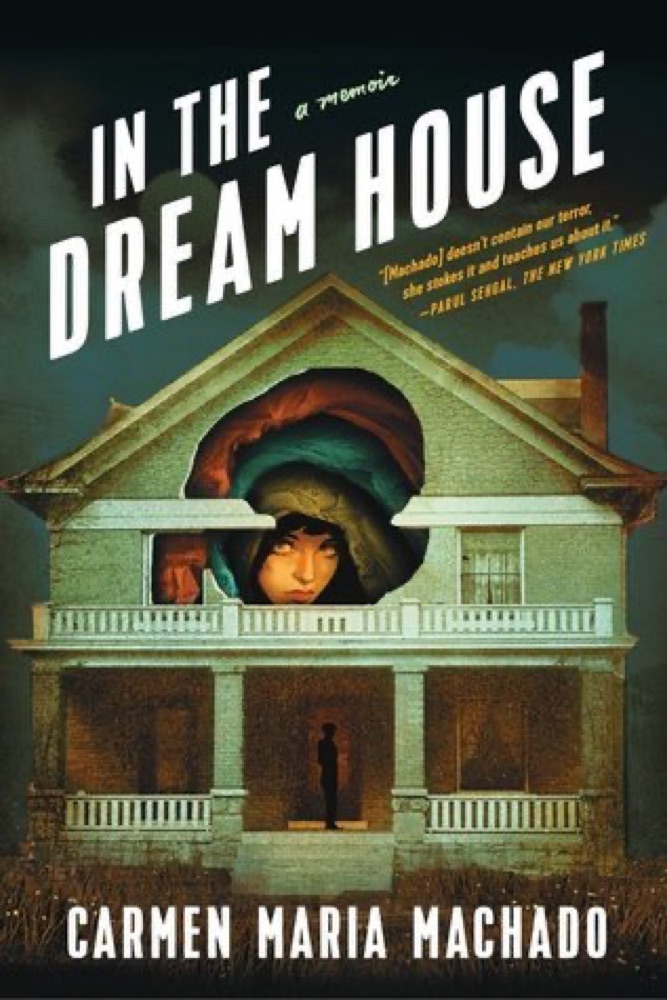 In the Dream House
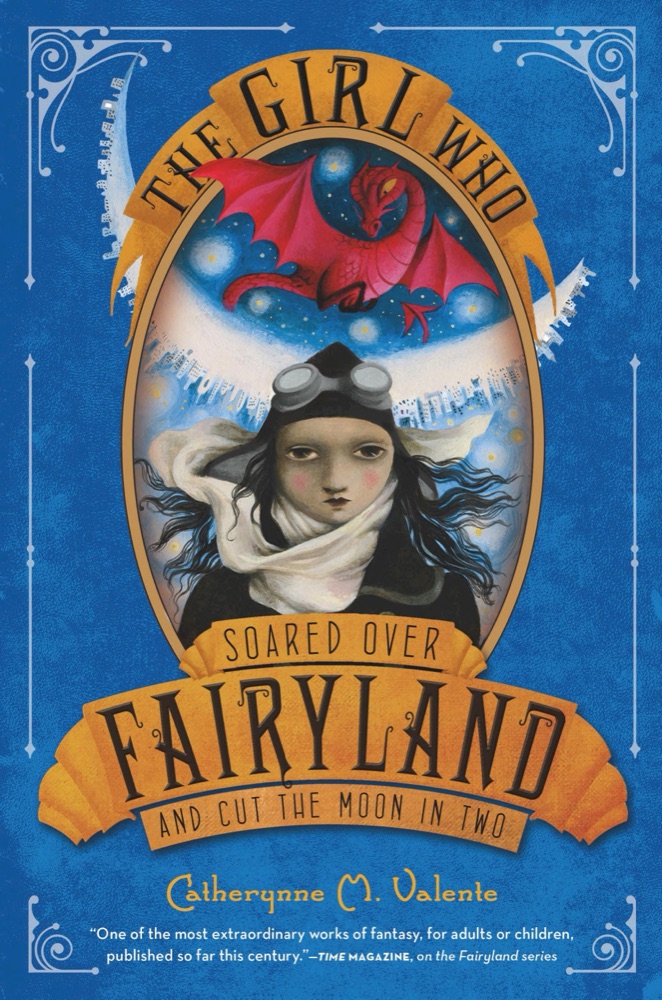 The Girl Who Soared Over Fairyland and Cut the Moon in Two
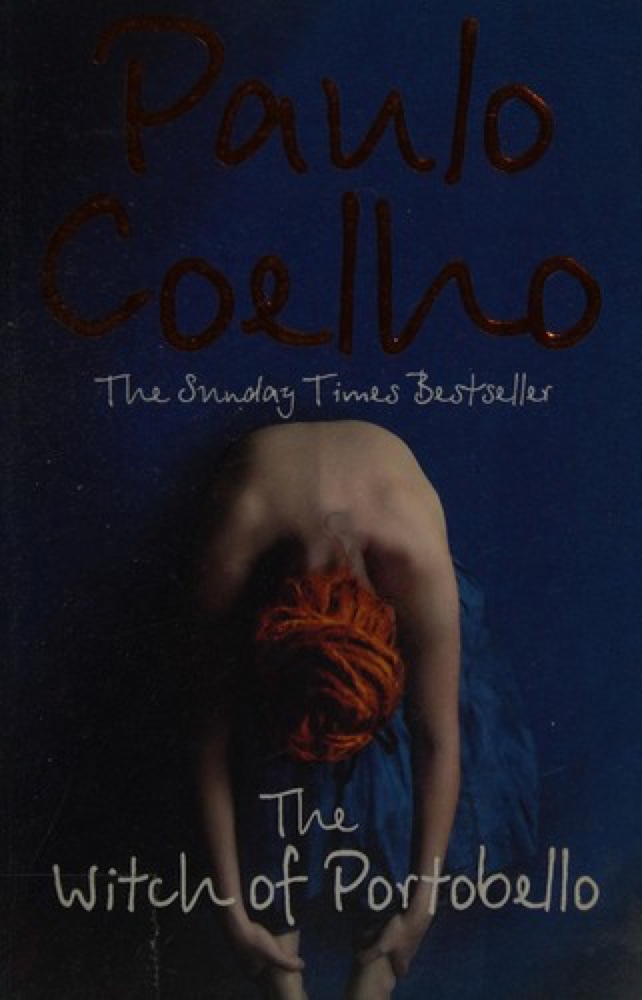 The Witch of Portobello
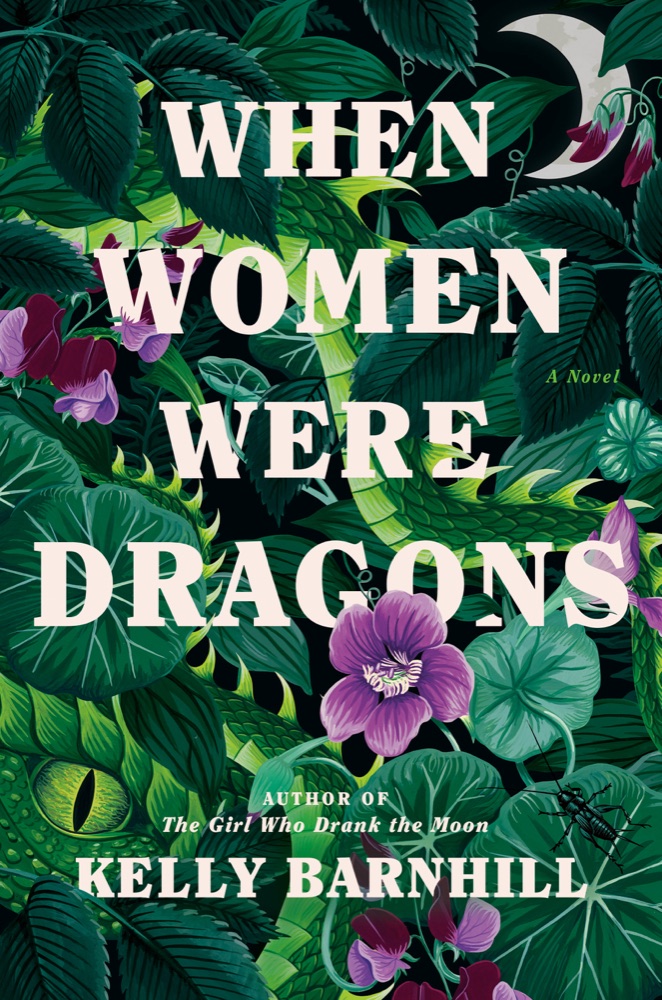 When Women Were Dragons
 The Book of Secrets: Unlocking the Hidden Dimensions of Your Life
 Piece by Piece
 Carry On, Warrior: Thoughts on Life Unarmed
 Even Cowgirls Get the Blues
 On Connection
 Conflict Resolution for Holy Beings: Poems
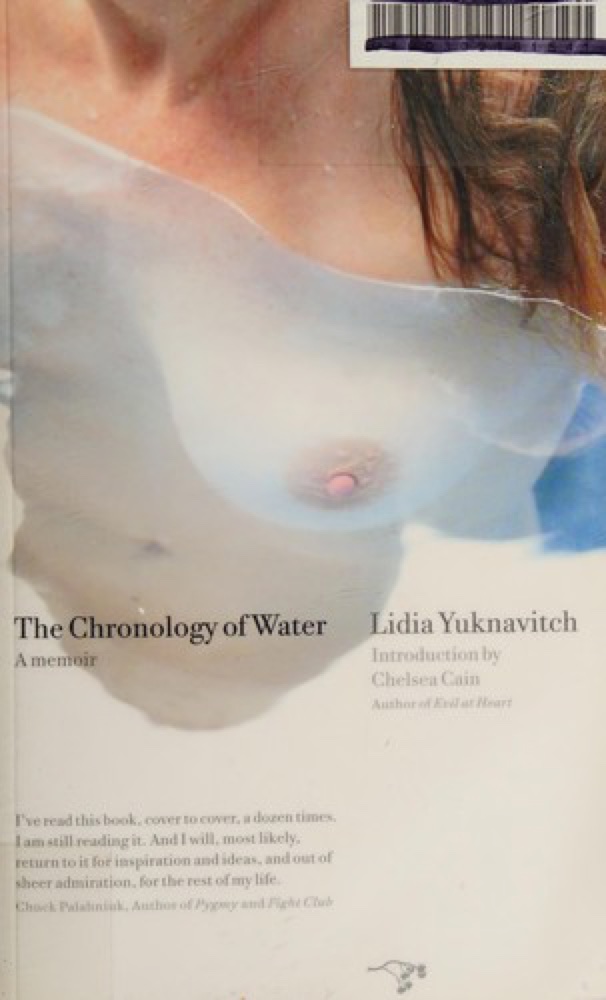 The Chronology of Water
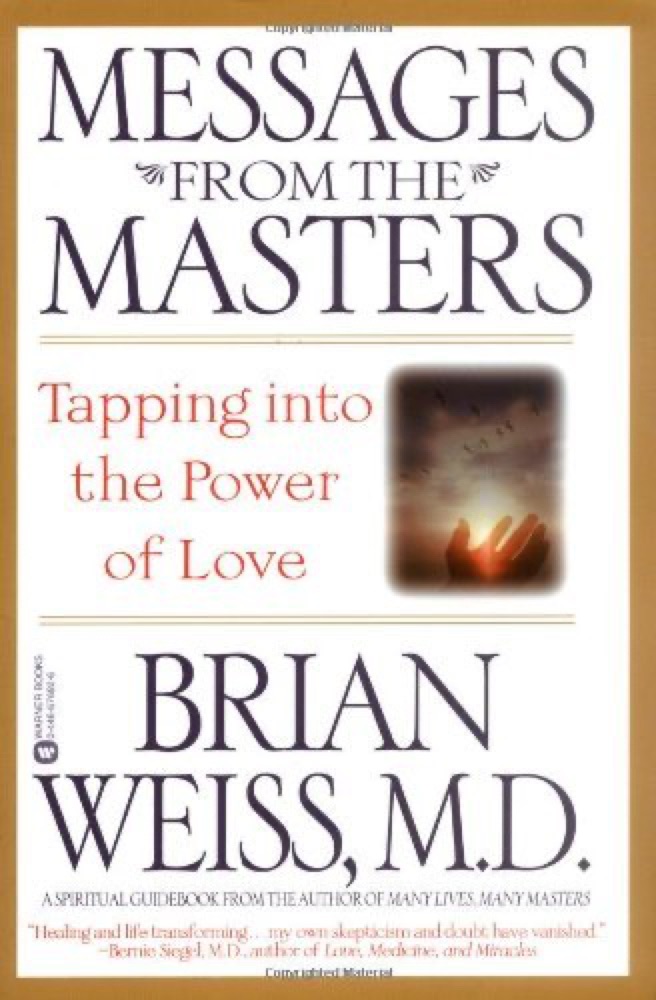 Messages from the Masters: Tapping into the Power of Love
 Sexus
Sexus
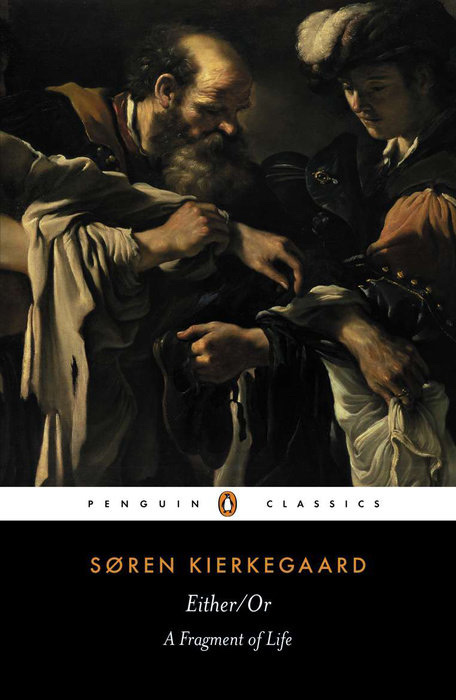 Either/Or: A Fragment of Life
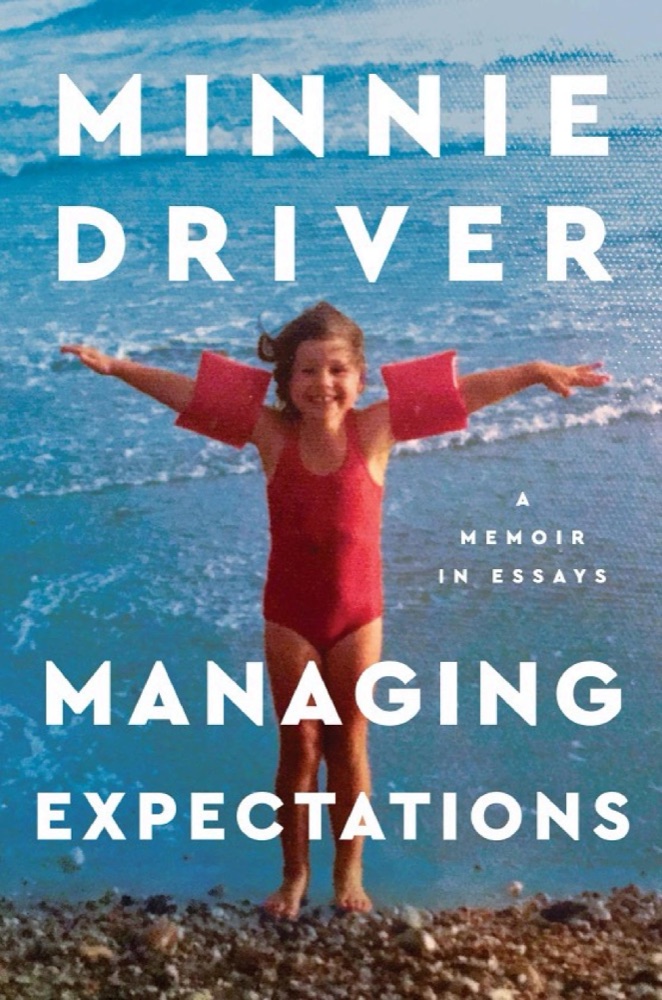 Managing Expectations: A Memoir in Essays – A Poignant Collection of Personal Stories on Acting, Failure, and Motherhood's Joy
 The Home and the World
 Belonging: Remembering Ourselves Home
 The Gilda Stories
 Still Life with Woodpecker
 The Color of Everything: A Journey to Quiet the Chaos Within
 A Room Called Earth
 They're Going to Love You
 The Zahir
 My Inner Sky: On Embracing Day, Night, and All the Times in Between
 Kitchen Table Wisdom: Stories that Heal
 A Woman's Worth
 The Book of Awakening: Having the Life You Want by Being Present to the Life You Have
 The World and Other Places: Stories
 The Red Book: Liber Novus
 12 Rules for Life: An Antidote to Chaos
 The Taiga Syndrome
 The Light We Carry: Overcoming in Uncertain Times
 Finding Meaning in the Second Half of Life: How to Finally, Really Grow Up
 101 Essays That Will Change The Way You Think
 A Return to Love: Reflections on the Principles of "A Course in Miracles"
 The Book of Form and Emptiness