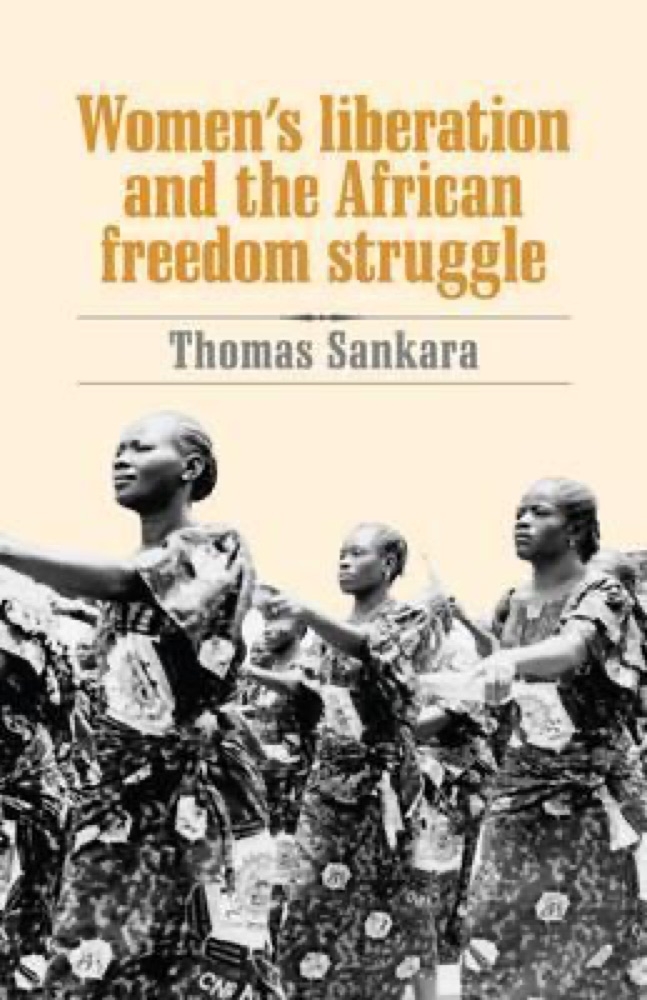
 The Soul of a Woman
Quotes from the Book
Comrades, there is no true social revolution without the liberation of women. May my eyes never see and my feet never take me to a society where half the people are held in silence. I hear the roar of women’s silence. I sense the rumble of their storm and feel the fury of their revolt.
171
The specific character of [women's] oppression cannot be explained away by equating different situations through superficial and childish simplifications[:] It is true that both the woman and the male worker are condemned to silence by their exploitation. But under the current system, the worker's wife is also condemned to silence by her worker-husband. In other words, in addition to the class exploitation common to both of them, women must confront a particular set of relations that exist between them and men, relations of conflict and violence that use physical differences as their pretext.
35
The only difference between the woman who sells her body through prostitution and she who sells herself in marriage is the price and duration of the contract.
29
Humankind does not submit passively to the power of nature. It takes control over this power. This process is not an internal or subjective one. It takes place objectively in practice, once women cease to be viewed as mere sexual beings, once we look beyond their biological functions and become conscious of their weight as an active social force. What's more, woman's consciousness of herself is not only a product of her sexuality. It reflects her position as determined by the economic structure of society, which in turn expresses the level reached by humankind in technological development and the relations between classes. The importance of dialectical materialism lies in going beyond the inherent limits of biology, rejecting simplistic theories about our being slaves to the nature of our species, and, instead, placing facts in their social and economic context.
27
In every male languishes the soul of a feudal lord, a male chauvinist, which must be destroyed.
13
The condition of women is therefore at the heart of the question of humanity itself, here, there, and everywhere.
13
We have no need of a feminized apparatus to bureaucratically manage women's lives or to issue sporadic statements about women's lives by smooth-talking functionaries. What we need are women who will fight because they know that without a fight the old order will not be destroyed and no new order will be built. We are not looking to organize what exists but to definitively destroy and replace it.
10
By changing the social order that oppresses women, the revolution creates the conditions for their genuine emancipation.
8
The patriarchal family made its appearance, founded on the sole and personal property of the father, who had become head of the family. Within this family the woman was oppressed.
7
Conceiving a development project without women's participation is like using only four fingers when we have ten.
5
Another problem doubtlessly lies in the feudal, reactionary, and passive attitude of many men who by their behavior continue to hold things back. They have no intention of jeopardizing the total control they have over women, either at home or in society in general. In the battle to build a new society, which is a revolutionary battle, the conduct of these men places them on the side of reaction and counterrevolution. For the revolution cannot triumph without the genuine emancipation of women.
4
The woman leads a twofold existence indeed, the depth of her social ostracism being equally only by her stoic endurance. To live in harmony with the society of man, to conform with men's demands, she resigns herself to a self-effacement that is demeaning, she sacrifices herself.
3
Was it understood that the position of women in society means the condition of 52 percent of the Burkinabe population? Was it understood that this condition was the product of social, political, and economic structures, and of prevailing backward conceptions? And that the transformation of this position therefore could not be accomplished by a single ministry, even one led by a woman?
2
[N]othing whole, nothing definitive or lasting can be accomplished in our country as long as a crucial part of ourselves is kept in this condition of subjugation—a condition imposed over the course of centuries by various systems of exploitation.
1
Though the August revolution has undoubtedly done much for the emancipation of women, this is still far from adequate. Much remains for us to do. To better appreciate what remains to be done, we must be more aware of the difficulties still to be overcome. There are many obstacles and difficulties. At the top of the list are the problems of - illiteracy and low political consciousness-both of which are intensified by the inordinate influence that reactionary forces exert in backward societies like ours. We must work with perseverance to overcome these two main obstacles. Because as long as women don't have a clear appreciation of the just nature of the political battle to be fought and don't see clearly how to take it forward, we can easily stop making headway and eventually slip backward.
At the top of the list are the problems of - illiteracy and low political consciousness-both of which are intensified by the inordinate influence that reactionary forces exert in backward societies like ours. We must work with perseverance to overcome these two main obstacles. Because as long as women don't have a clear appreciation of the just nature of the political battle to be fought and don't see clearly how to take it forward, we can easily stop making headway and eventually slip backward.
Comrade revolutionaries, we should see to it that marriage is a choice that adds something positive, and not some kind of lottery where we know what the ticket costs us, but have no idea what we will end up winning. Human feelings are too noble to be subject to such games.
Comrades, the Women's Union of Burkina is your combat weapon. It belongs to you. Sharpen it again and again so that its blade will cut more deeply, bringing you ever-greater victories.
Watch on YouTube
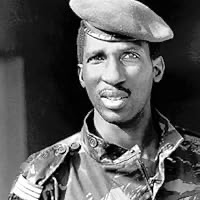
About Thomas Sankara
We have collected 18 quotes from 1 book by Thomas Sankara on BookQuoters.
More about the author →About the book
“There is no true social revolution without the liberation of women,” explains the leader of the 1983-87 revolution in Burkina Faso. Workers and peasants in that West African country established a popular revolutionary government and began to combat the hunger, illiteracy, and economic backwardness imposed by imperialist domination. Preface, introduction, map, photos, index. Also available Spanish, French, Farsi
Book details
- First published
- 1990
- Author
- Thomas Sankara
- Genre
- Nonfiction
- Goodreads rating
- 4.48 (2k ratings)
Keep reading
The Soul of a Woman
 Feminist Theory: From Margin to Center
 The Dialectic of Sex: The Case for Feminist Revolution
 Feminism Is for Everybody: Passionate Politics
 Unspeakable Things: Sex, Lies and Revolution
 Half the Sky: Turning Oppression Into Opportunity for Women Worldwide
 The Feminine Mystique
 The Underground Girls of Kabul: In Search of a Hidden Resistance in Afghanistan
 Headscarves and Hymens: Why the Middle East Needs a Sexual Revolution
 Right Wing Women
 The Right to Sex: Feminism in the Twenty-First Century
 Why I Am Not a Feminist: A Feminist Manifesto
 The Female Eunuch
 Feminism for the 99%: A Manifesto
 Sexual Politics
 Against White Feminism: Notes on Disruption
 The Master's Tools Will Never Dismantle the Master's House
 The Truth Will Set You Free, But First It Will Piss You Off!: Thoughts on Life, Love, and Rebellion
 Difficult Women: A History of Feminism in 11 Fights
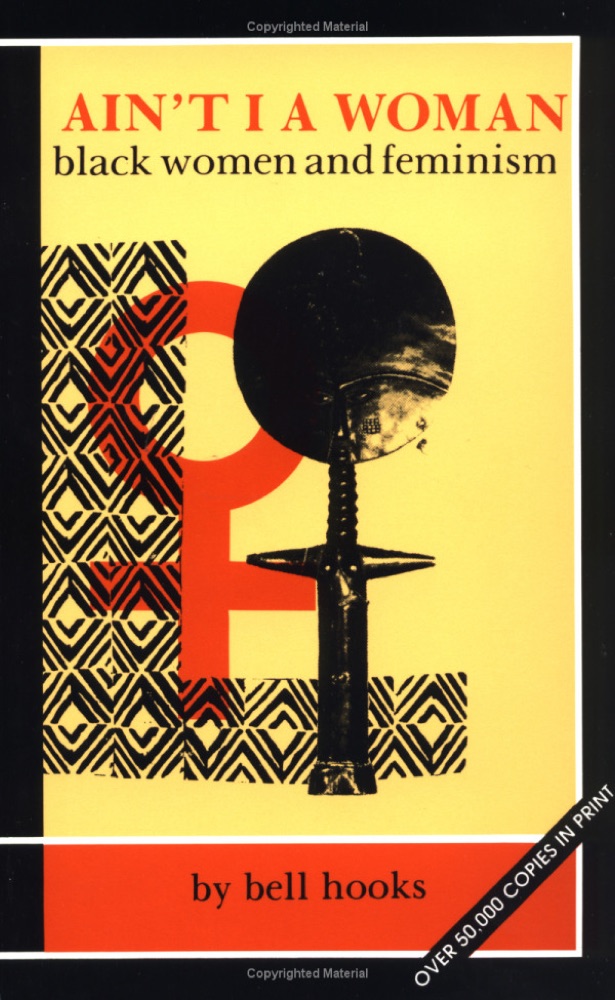 Ain't I a Woman: Black Women and Feminism
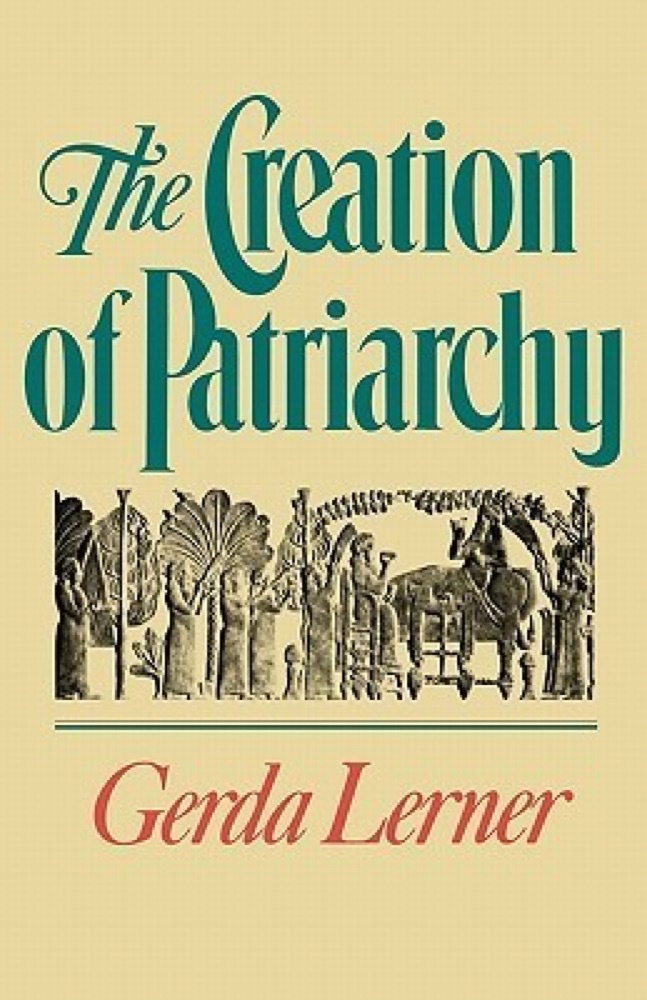 The Creation of Patriarchy
 Backlash: The Undeclared War Against American Women
 Feminism, Interrupted: Disrupting Power
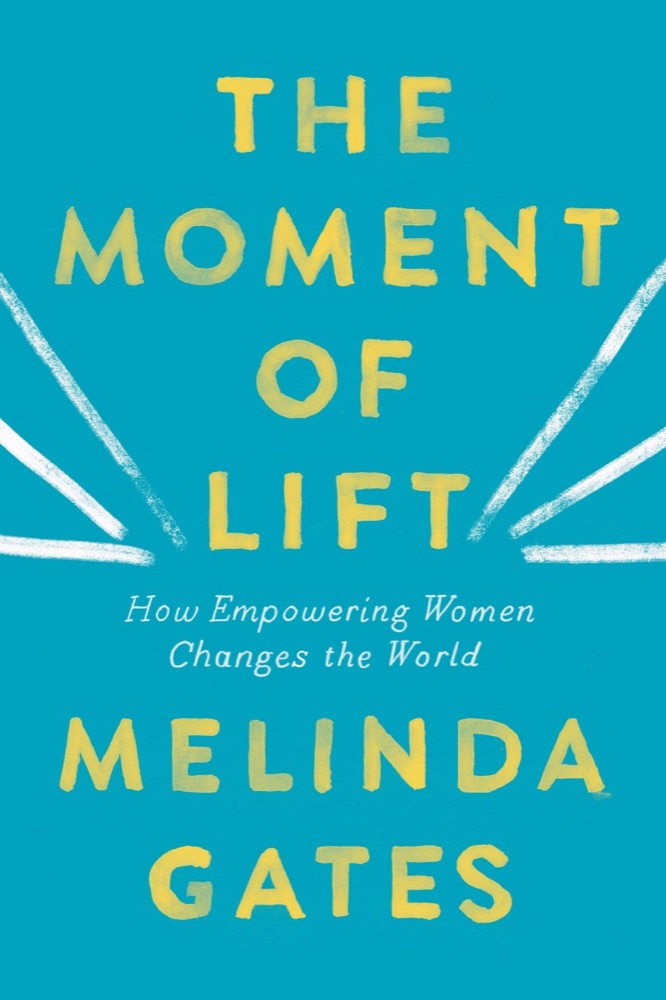 The Moment of Lift: How Empowering Women Changes the World
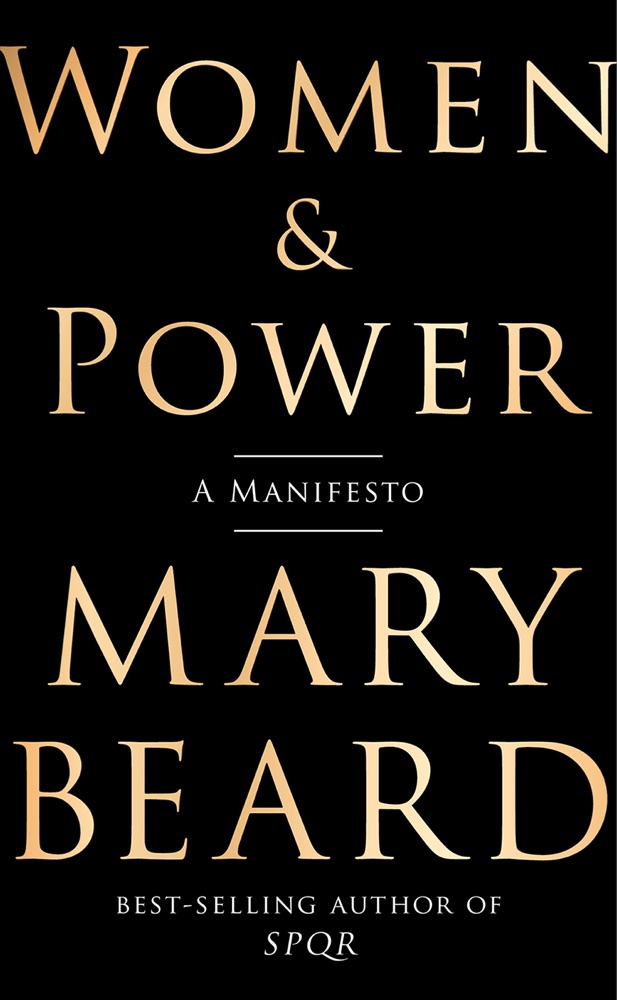 Women & Power: A Manifesto
 A Woman's Worth
 The Second Sex
 This Bridge Called My Back: Writings by Radical Women of Color
 A Vindication of the Rights of Woman
 The Heroine's Journey: Woman's Quest for Wholeness
 It's Not About the Burqa
 Feminists Don't Wear Pink (And Other Lies): Amazing Women on What the F-Word Means to Them
 Outrageous Acts and Everyday Rebellions
 Cunt: A Declaration of Independence
 Of Woman Born: Motherhood as Experience and Institution
 Dead Blondes and Bad Mothers
 SCUM Manifesto
 Men Explain Things to Me
 Intercourse
 Heavenly Tyrant
 Pedagogy of the Oppressed
 The Women's Room
 How to Be a Woman
 The Origin of the Family, Private Property and the State
 Pornography: Men Possessing Women
 Hood Feminism: Notes from the Women That a Movement Forgot
 Nine Parts of Desire: The Hidden World of Islamic Women
 The Good Women of China: Hidden Voices
 The War on Women
 Native Tongue
 Invisible Women: Data Bias in a World Designed for Men
 A Girl Is a Body of Water
 Women Talking
 Why Women Have Better Sex Under Socialism: And Other Arguments for Economic Independence
 Black Feminist Thought: Knowledge, Consciousness, and the Politics of Empowerment
 Three Guineas
 Whose Story Is This? Old Conflicts, New Chapters
 Sister Outsider: Essays and Speeches
 The Wretched of the Earth
 Seven Women: And the Secret of Their Greatness