
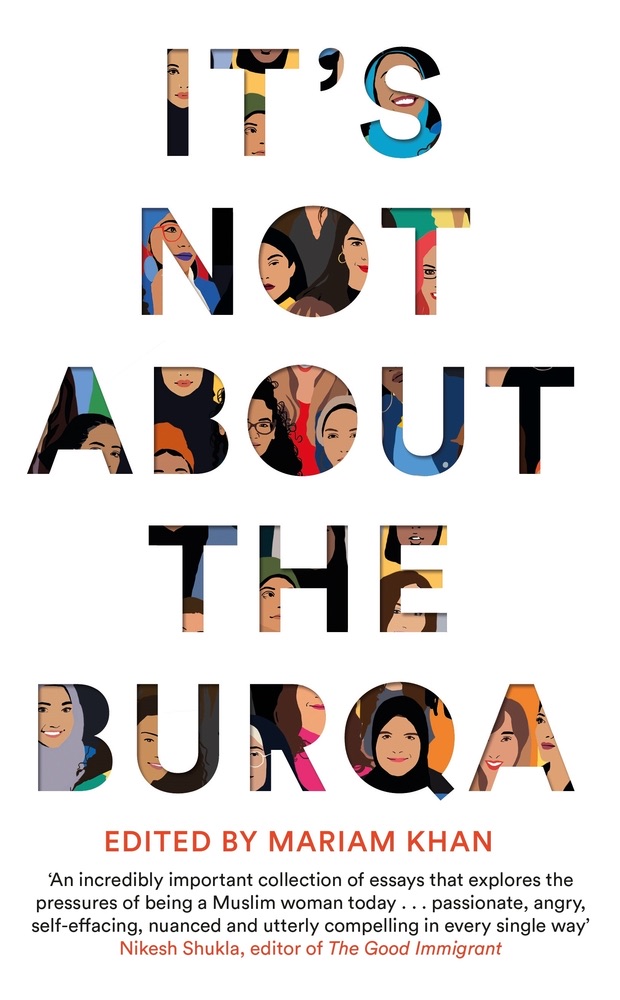
 It's Not About the Burqa
Quotes from the Book
The battles over women's bodies can be won only by a revolution of the mind
22
The most subversive thing a woman can do is talk about her life as if it really matters.
18
Why do those men hate us? They hate us because they need us, they fear us, they understand how much control it takes to keep us in line, to keep us good girls with our hymens intact until it’s time for them to fuck us into mothers who raise future generations of misogynists to forever fuel their patriarchy. They hate us because we are at once their temptation and their salvation from that patriarchy, which they must sooner or later realize hurts them, too. They hate us because they know that once we rid ourselves of the alliance of State and Street that works in tandem to control us, we will demand a reckoning.
17
Now that I'm older, I can see that feeling terrified is how you recognize what you need. Terror encourages you to jump, even when you don't know if you'll ever land
17
Being a woman anywhere is dangerous.
15
But it is the job of a revolution to shock, to provoke, and to upset, not to behave or to be polite.
12
When Westerners remain silent out of 'respect' for foreign cultures, they show support only for the most conservative elements of those cultures. Cultural relativism is as much my enemy as the oppression I fight within my culture and faith.
10
If a woman had a right to wear a miniskirt, surely I had the right to choose my headscarf. My choice was a sign of independence of mind. Surely, to choose to wear what I wanted was an assertion of my feminism. I was a feminist, wasn't I? But I was to learn that choosing to wear the hijab is much easier than choosing to take it off. And that lesson was an important reminder of how truly "free" choice is.
8
Misogyny has not been completely wiped out anywhere. Rather, it resides on a spectrum, and our best hope for eradicating it globally is for each of us to expose and to fight against local versions of it, in the understanding that by doing so we advance the global struggle.
8
Candy in a wrapper, a diamond ring in a box—these analogies are commonly used in Egypt and other countries to try to convince women of the value of veiling. They compare women to objects that are precious but devalued by exposure, objects that need to be hidden, protected, and secured. When it comes to what are described as the Islamic restrictions on women’s dress, women are never simply women. There
7
The god of virginity is popular in the Arab world. It doesn’t matter if you’re a person of faith or an atheist, Muslim or Christian—everybody worships the god of virginity. Everything possible is done to keep the hymen—that most fragile foundation upon which the god of virginity sits—intact. At the altar of the god of virginity, we sacrifice not only our girls’ bodily integrity and right to pleasure but also their right to justice in the face of sexual violation. Sometimes we even sacrifice their lives: in the name of “honor,” some families murder their daughters to keep the god of virginity appeased. When that happens, it leaves one vulnerable to the wonderful temptation of imagining a world where girls and women are more than hymens.
7
The niqab represents a bizarre reverence for the disappearance of women. It puts on a pedestal a woman who covers her face, who erases herself, and it considers that erasure the pinnacle of piety.
6
I do wonder, sometimes, if I had had a daughter, how I would have brought her up. How—when it's taken me so long to unlearn the things I believe are most damaging to the cause of women's liberation and equality—would I have raised my daughter to disobey?
6
I was traumatised into feminism -- there's no other way to describe it
4
Why were women alone responsible for sheltering men from the sexual desires women supposedly elicited in men? Why could men not control themselves? Why, if men were the ones being tempted, were they not the ones being policed?
4
They ignore the reality that to be strong in the face of oppression is not the same as overcoming oppression, that endurance is not to be confused with transformation.
4
Equality is a practice, it’s not just about words,
3
Words are important—the fight silence, alienation, and violence. Words are flags planted on the planets of our beings; they say this is mine, I have fought for it and despite your attempts to silence me, I am still here. Just as important, words help us find each other and overcome the isolation that threatens to overwhelm and to break us. Words say we are here.
3
Western liberals who rightly condemn imperialism [are] yet are blind to the cultural imperialism they are performing when they silence my critiques of misogyny. They behave as if they want to save my culture and faith from me, and forget that they are immune to the violations about which I speak.
2
We will have a reckoning with our culture and religion, with military rulers and Islamists—two sides of one coin. Such a reckoning is essentially a feminist one. And it is what will eventually free us. Women—our rage, our tenacity, our daring and audacity—will free our countries.
1
When Westerners remain silent out of “respect” for foreign cultures, they show support only for the most conservative elements of those cultures. Cultural relativism is as much my enemy as the oppression I fight within my culture and faith.
Equality is a practice, it’s not just about words, about having a nice clause in a constitution. Women are fighting many different types of extremism: economic extremism, cultural extremism, and various forms of violence. The real difference will come when I feel safe everywhere I go. If I stand here in the street, do you really respect me as a woman, can you guarantee my safety?
I understand the need to defend one's headscarf -- I did it for years, even as I was privately struggling with it. It's an important defence in the face of Islamophobes and racists. I get that. But if it's done without cognisance of the lived realities of women who do not have the privilege of choice, then my interlocutors end up doing exactly what they accuse me of doing with my support of a niqab ban: silencing other women. Why the silence, as some of our women fade into black, either owing to identity politics or out of acquiescence to Salafism?
A male editor I once worked with tried to dissuade me from the personal: “Who cares about what happened to you?” The most subversive thing a woman can do is talk about her life as if it really matters.
Watch on YouTube
About Mona Eltahawy
We have collected 24 quotes from 1 book by Mona Eltahawy on BookQuoters.
More about the author →About the book
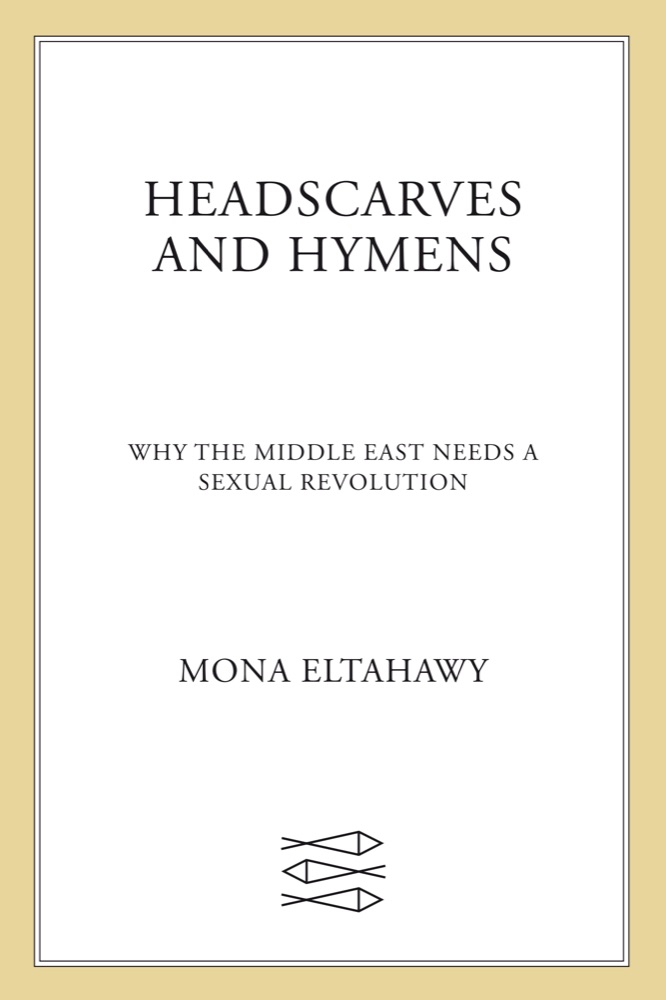
A passionate manifesto decrying misogyny in the Arab world, by an Egyptian American journalist and activist. When the Egyptian journalist Mona Eltahawy published an article in Foreign Policy magazine in 2012 titled Why Do They Hate Us it provoked a firestorm of controversy. The response it generated, with more than four thousand posts on the website, broke all records for the magazine, prompted dozens of follow-up interviews on radio and television, and made it clear that misogyny in the Arab world is an explosive issue, one that engages and often enrages the public.
In Headscarves and Hymens, Eltahawy takes her argument further. Drawing on her years as a campaigner and commentator on women's issues in the Middle East, she explains that since the Arab Spring began, women in the Arab world have had two revolutions to undertake one fought with men against oppressive regimes, and anothe
Book details
- First published
- 2015
- Author
- Mona Eltahawy
- Genre
- Nonfiction
- Goodreads rating
- 4.17 (5k ratings)
Keep reading
It's Not About the Burqa
 Why I Am Not a Feminist: A Feminist Manifesto
 Unspeakable Things: Sex, Lies and Revolution
 Nomad: From Islam to America: A Personal Journey Through the Clash of Civilizations
 Men Explain Things to Me
 The Soul of a Woman
 Feminists Don't Wear Pink (And Other Lies): Amazing Women on What the F-Word Means to Them
 Cunt: A Declaration of Independence
 The Underground Girls of Kabul: In Search of a Hidden Resistance in Afghanistan
 Not That Bad: Dispatches from Rape Culture
 This Bridge Called My Back: Writings by Radical Women of Color
 Sex Object: A Memoir
 The Mother of All Questions
 The Right to Sex: Feminism in the Twenty-First Century
 Sister Outsider: Essays and Speeches
 Against White Feminism: Notes on Disruption
 The Master's Tools Will Never Dismantle the Master's House
 Right Wing Women
 Infidel
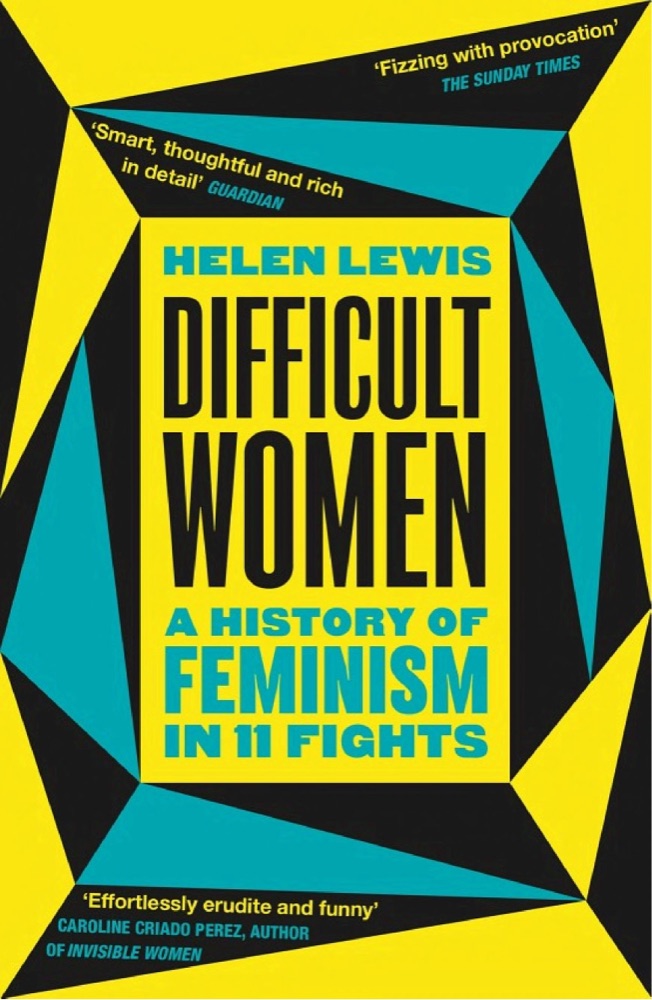 Difficult Women: A History of Feminism in 11 Fights
 The Women's Room
 A Woman's Worth
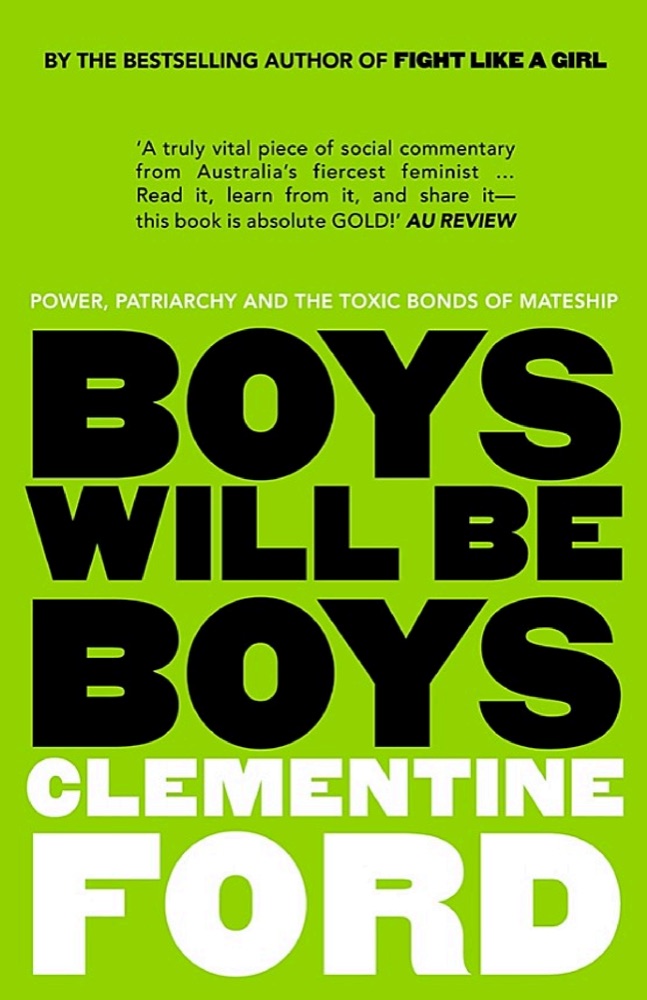 Boys Will Be Boys: Power, Patriarchy and the Toxic Bonds of Mateship
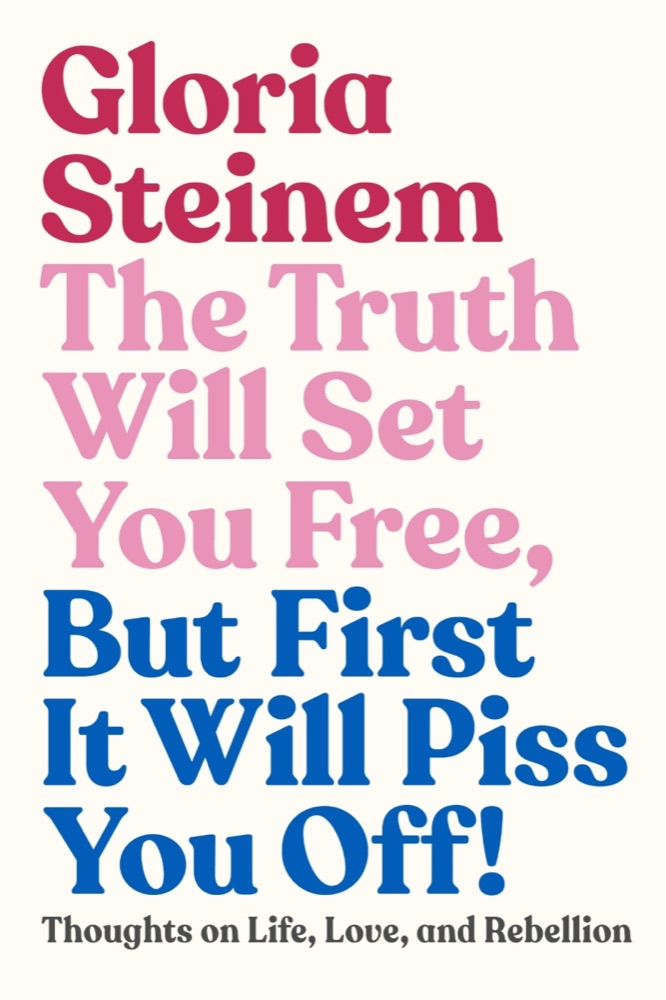 The Truth Will Set You Free, But First It Will Piss You Off!: Thoughts on Life, Love, and Rebellion
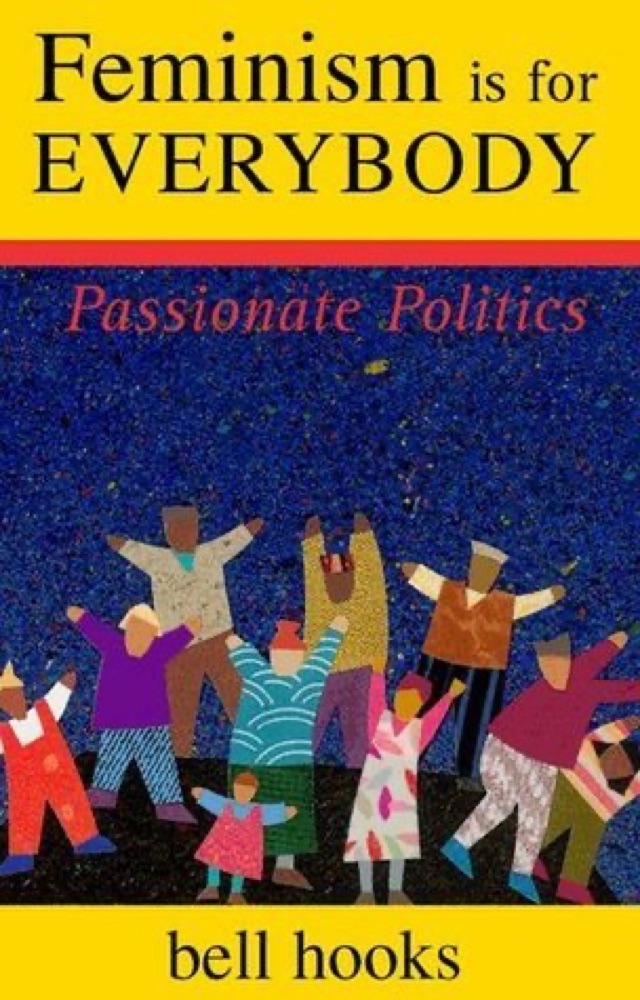 Feminism Is for Everybody: Passionate Politics
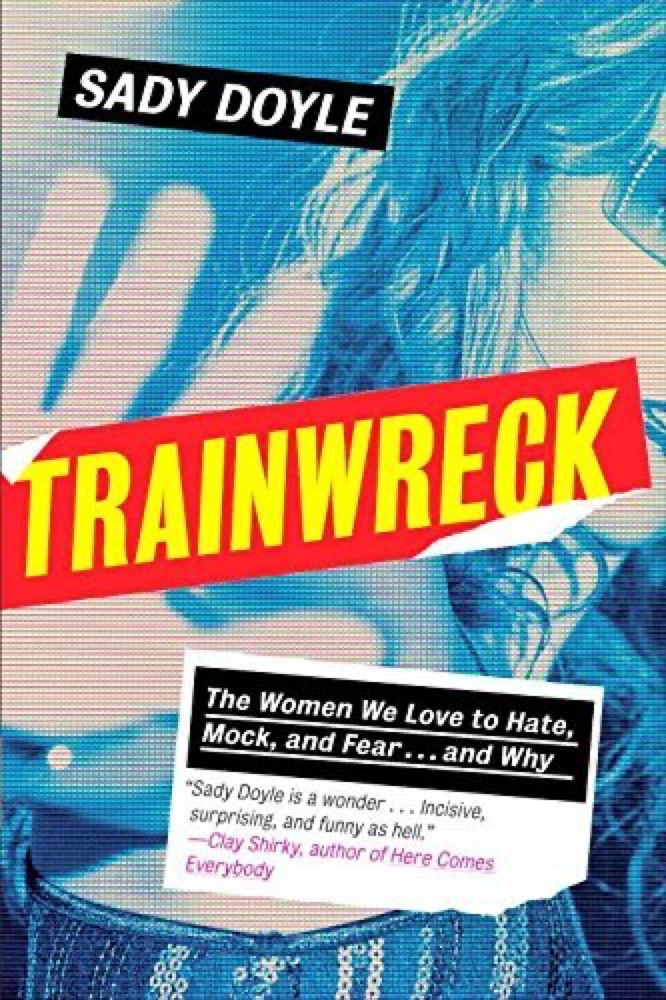 Trainwreck: The Women We Love to Hate, Mock, and Fear... and Why
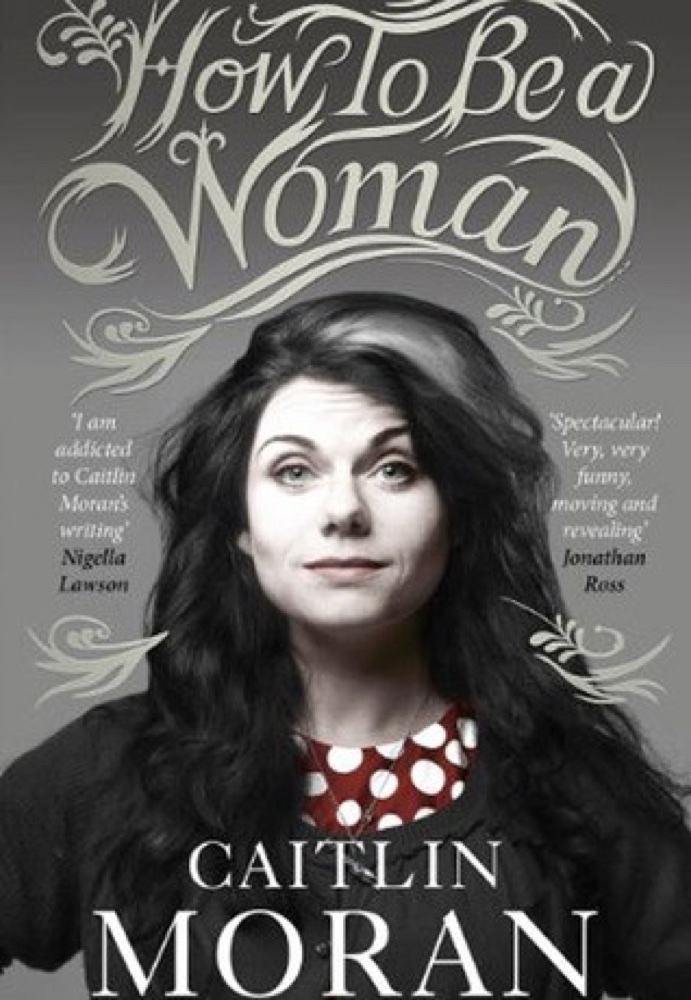 How to Be a Woman
 Whose Story Is This? Old Conflicts, New Chapters
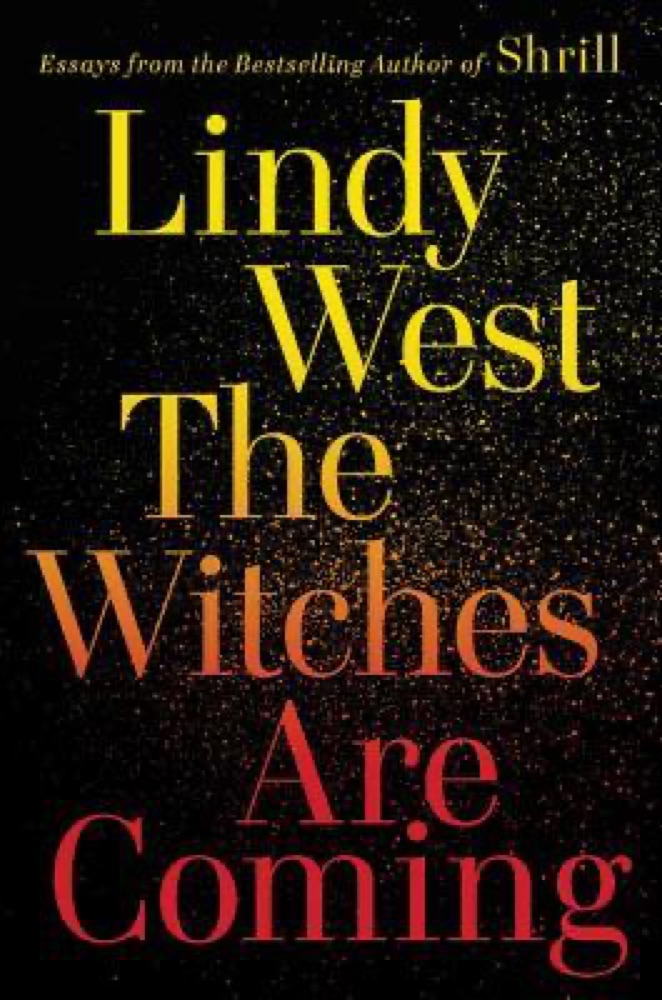 The Witches Are Coming
 The Geek Feminist Revolution
 Bad Feminist
 Opinions: A Decade of Arguments, Criticism, and Minding Other People’s Business
 Things I've Been Silent About
 The Female Eunuch
 The Feminine Mystique
 The Madness of Crowds: Gender, Race and Identity
 Feminist Theory: From Margin to Center
 The Dialectic of Sex: The Case for Feminist Revolution
 Feminism, Interrupted: Disrupting Power
 Nine Parts of Desire: The Hidden World of Islamic Women
 The Moment of Lift: How Empowering Women Changes the World
 Shrill: Notes from a Loud Woman
 Rage Becomes Her: The Power of Women's Anger
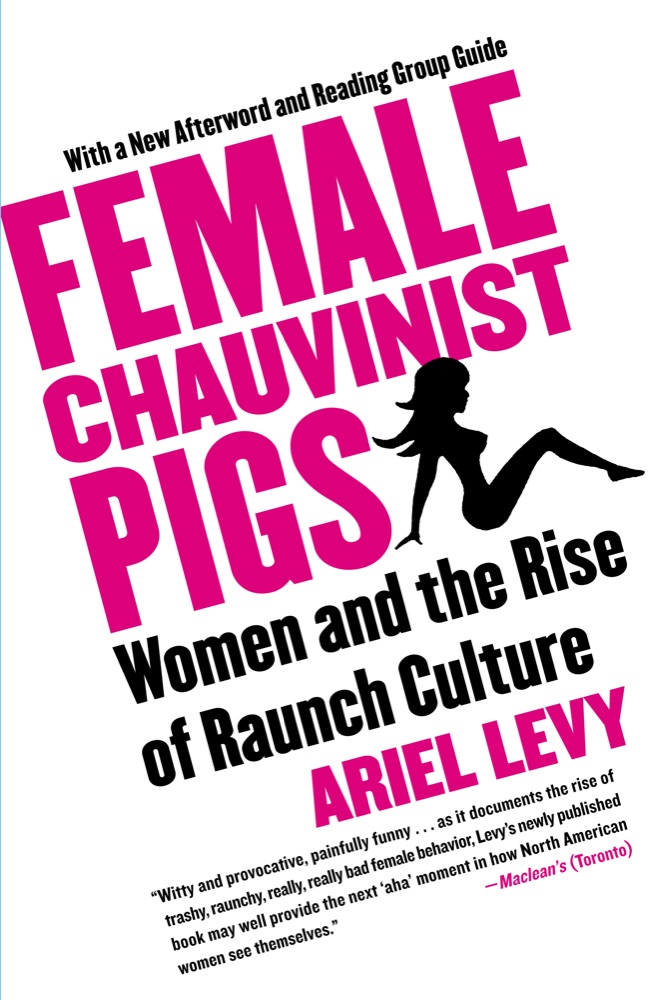 Female Chauvinist Pigs: Women and the Rise of Raunch Culture
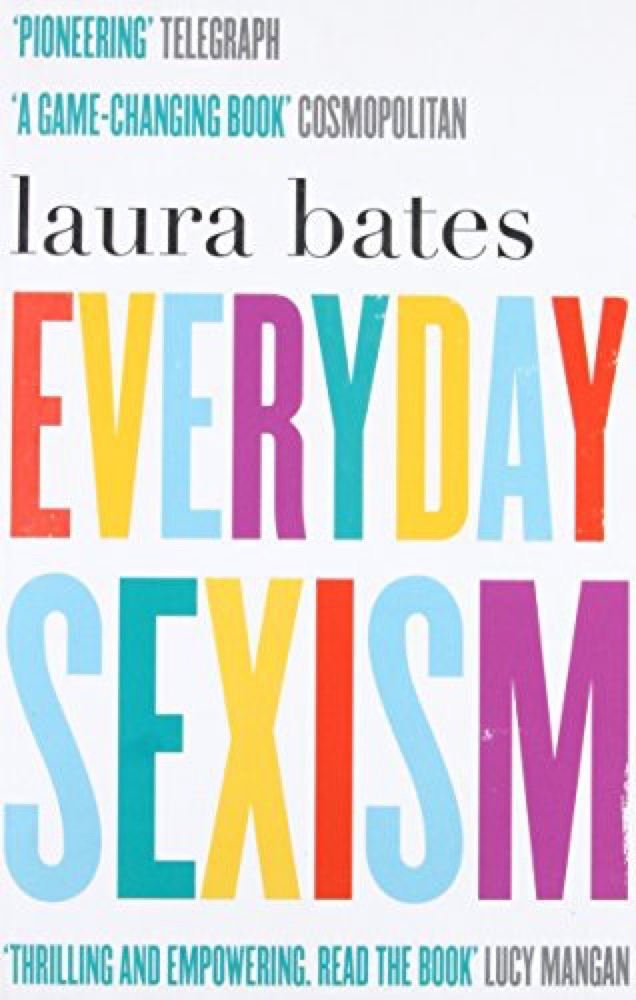 Everyday Sexism
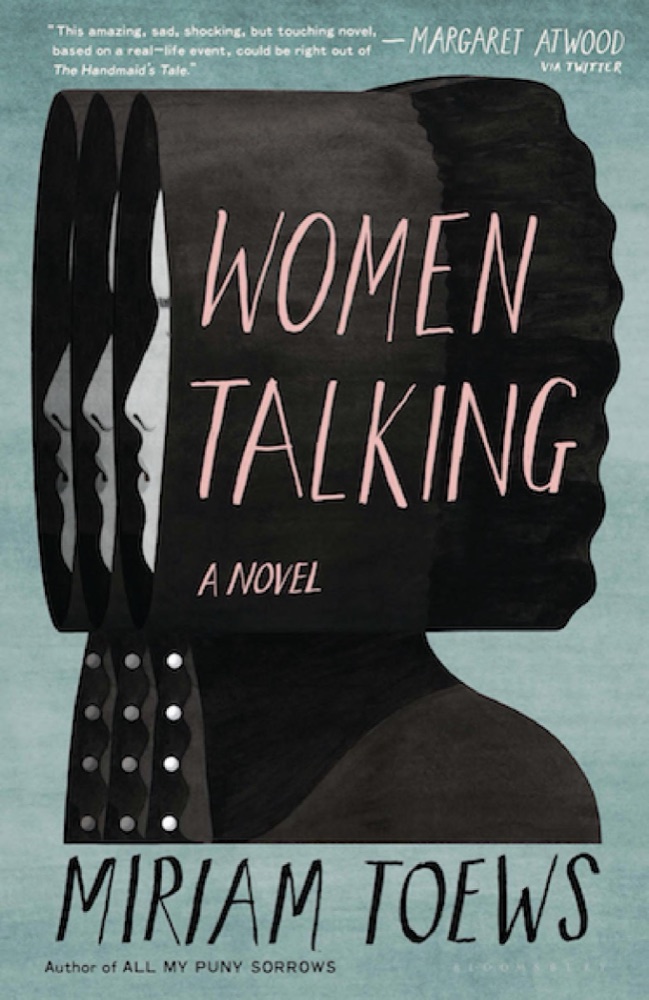 Women Talking
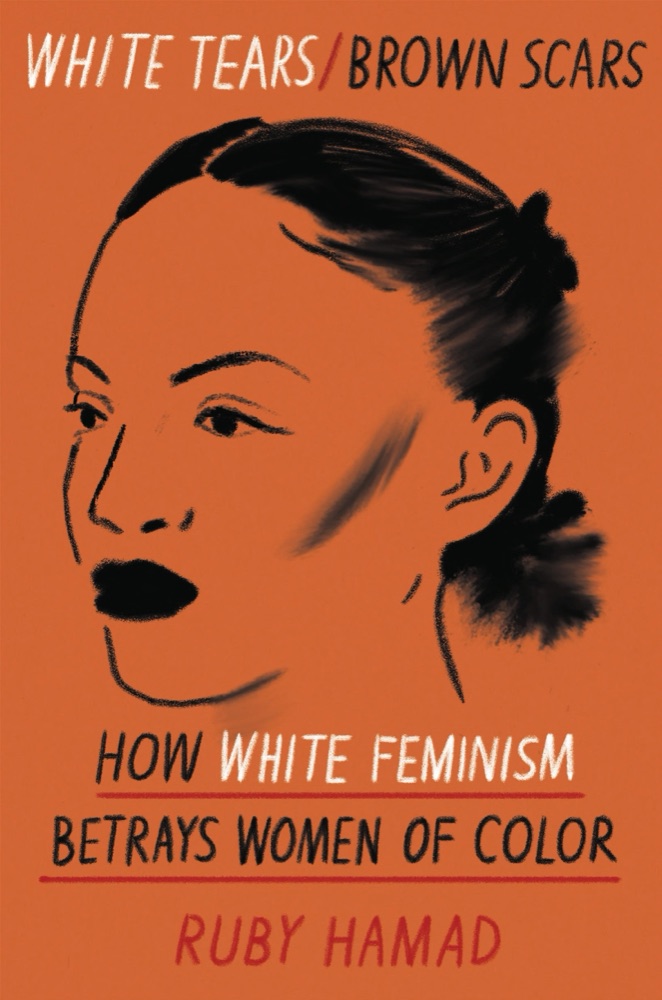 White Tears/Brown Scars: How White Feminism Betrays Women of Color
 Dead Blondes and Bad Mothers
 Women's Liberation and the African Freedom Struggle
 We Should All Be Feminists
 Women & Power: A Manifesto
 Living a Feminist Life
 Brazen: Rebel Ladies Who Rocked the World
 Intercourse
 Backlash: The Undeclared War Against American Women
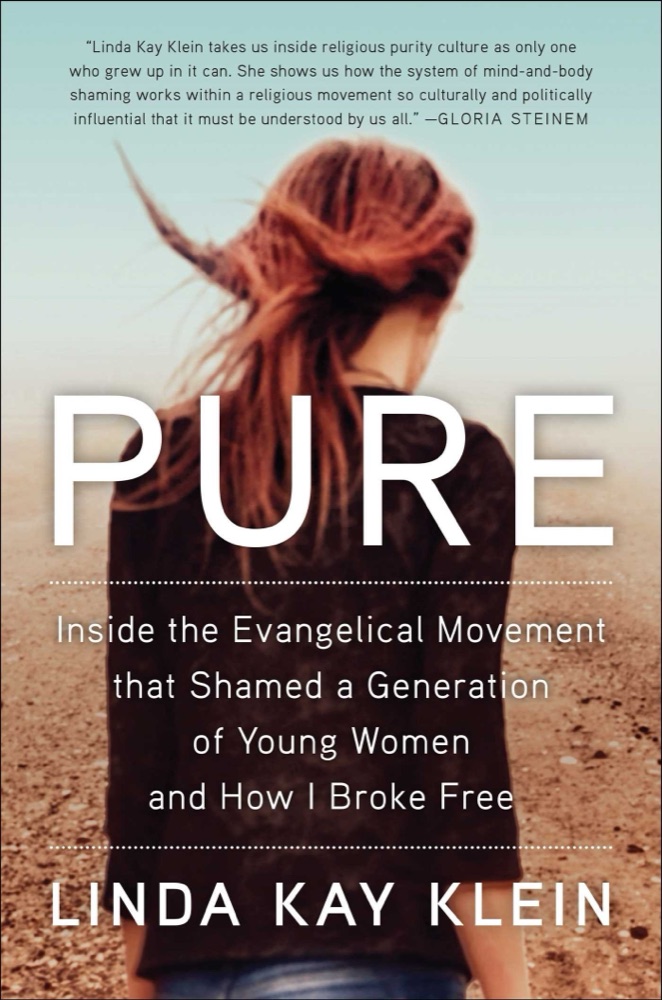 Pure: Inside the Evangelical Movement That Shamed a Generation of Young Women and How I Broke Free
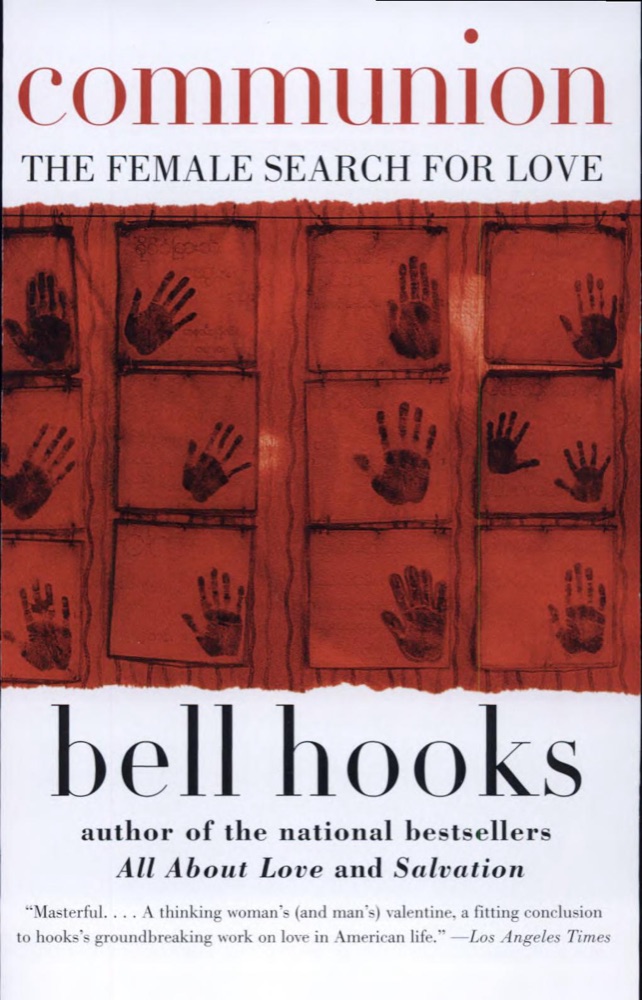 Communion: The Female Search for Love
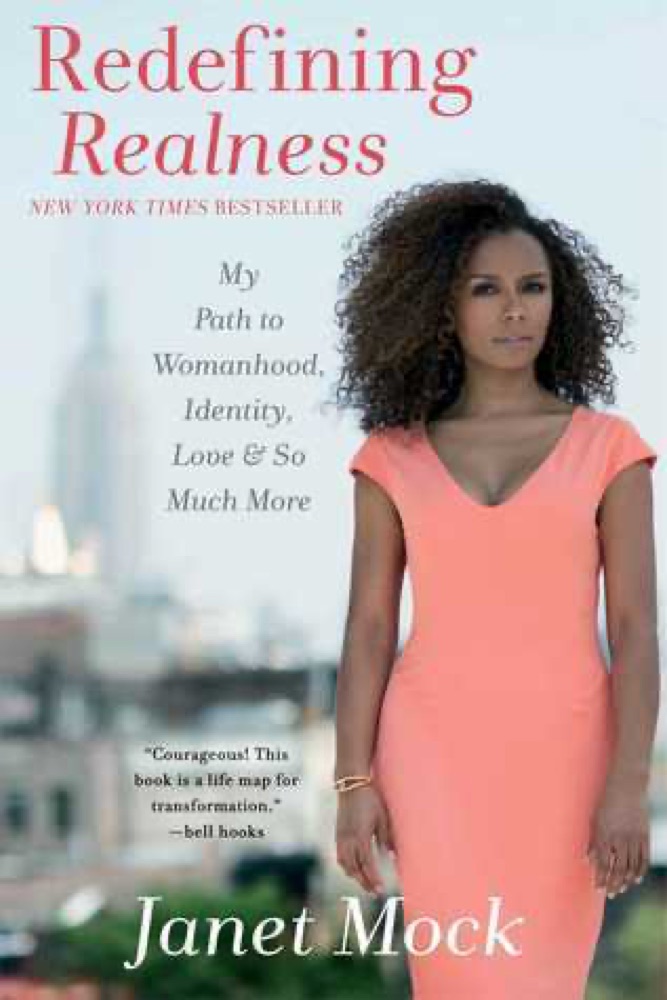 Redefining Realness: My Path to Womanhood, Identity, Love & So Much More
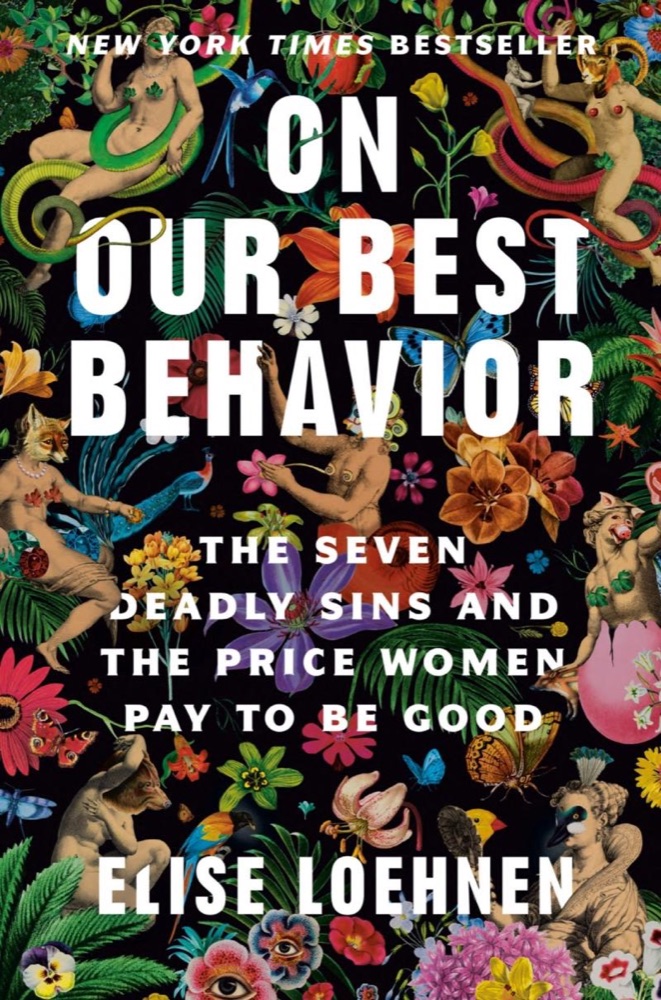 On Our Best Behavior: The Seven Deadly Sins and the Price Women Pay to Be Good
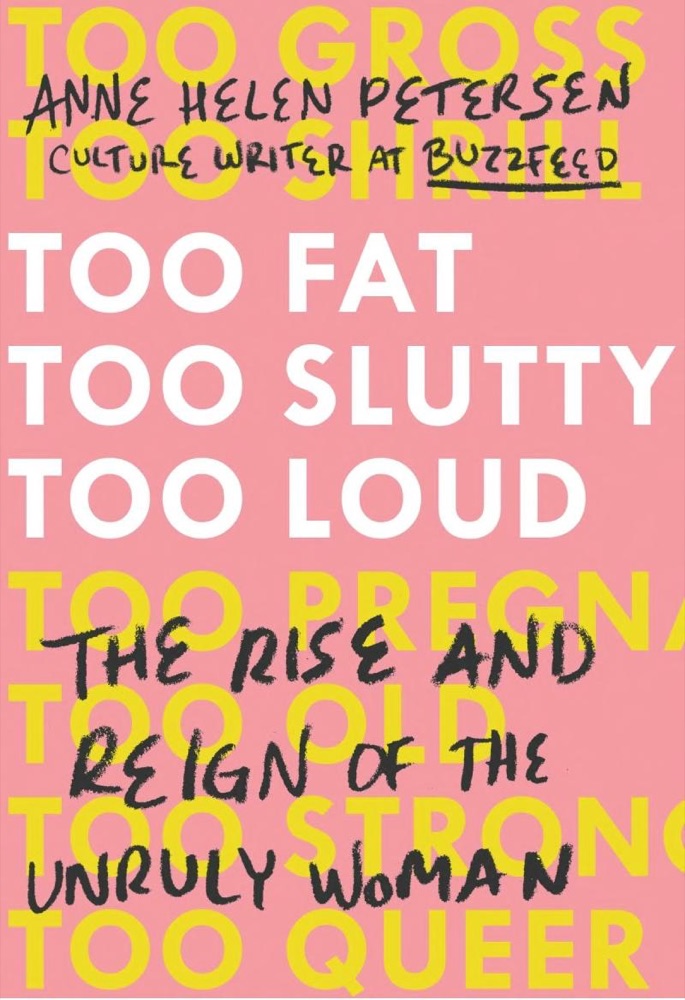 Too Fat, Too Slutty, Too Loud: The Rise and Reign of the Unruly Woman