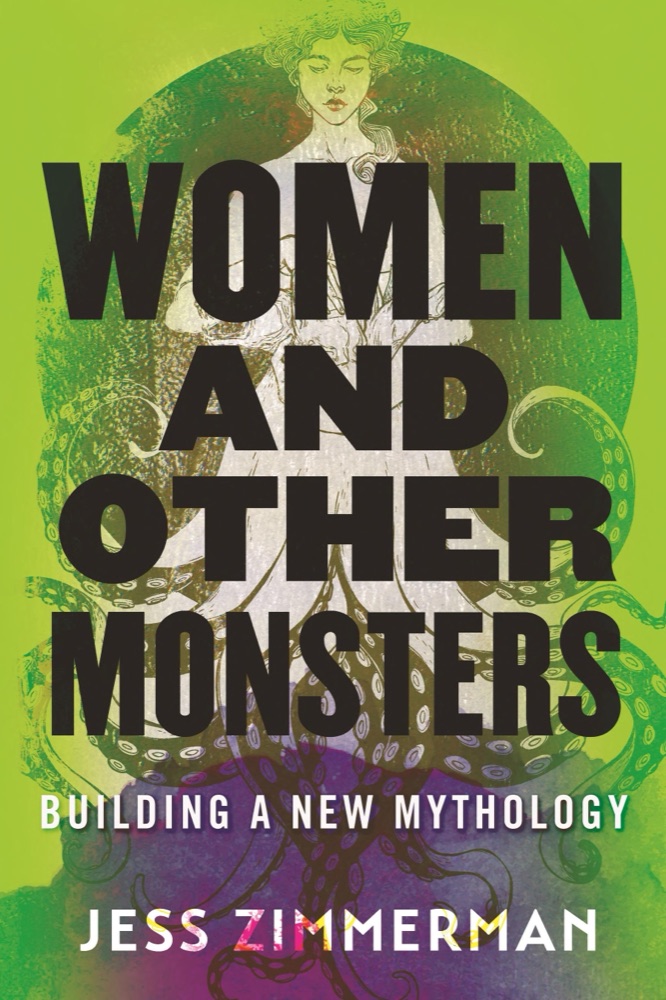
 Women and Other Monsters: Building a New Mythology
Quotes from the Book
Women are defined from the outside, in terms of how they seem to men, rather than from the inside, as thinking, feeling subjects. They are not fellow people, not even a different or worse variety of person, but simply the opposite of men, and hence, the opposite of human.
14
The ultimate violence patriarchy does to women is to make us believe we deserve what has been done to us—a loop forever closing, breaking us so that we will raise broken women.
11
We would rather see girls stopped dead—stuck in a constant childhood that never decays—than let them grow into women who can pursue their desires.
11
Female monstrosity inspires terror because it really can end the world—or our current version of it, anyway. But our world is not the only one, or the best one, and in fact, the more time I spend with monsters, the more I think its destruction is overdue.
8
It seems highly unlikely that any mother operating within patriarchy has not received sufficiently stressful messaging about her “duties.” But the bad mother is patriarchy’s saving throw, its ultimate loophole; by moving the blame for male violence back one generation, it makes guilty parties out of the women who are its victims.
3
Once a woman is free to desire and pursue her own desires, she moves beyond the reach of our empathy; she's a threat that must be contained or destroyed.
2
But if the Final Girl is an exception to the female rule, she can’t be our avatar. Most of us, by definition, are not exceptional. It’s when we shift out focus to the margins, and all the non-Final, ordinary, disposable girls who are stripped and splayed and stabbed and ripped apart, that the next part of our story becomes clear.
2
We can only do this by facing our demons; by acknowledging the presence of those rebellious, dangerous women under the surface, who cry out for some justice or some vengeance or at least some acknowledgement of all they’ve lost. We have to walk out into the woods and become familiar with the dark things that live there. But when we walk back into the daylight, we will know things others don’t know. We will be able to do things others can’t do. We can use our exclusion, our rage, and even our trauma as a way of seeing more deeply into the world.
2
We can find powerful and awe-inspiring visions of ourselves, hidden inside and underneath the stories patriarchy tells to shame us.
2
If you want to understand our sexual state of play, start with the fact that a man who kills half a hundred female sex workers is shown more mercy than a female sex worker who defends herself against seven men.
2
Affinché sia inattaccabile, il patriarcato deve essere rappresentato come necessario. Se gli uomini cominciassero a partorire o le donne a donare sperma, l'attuale stato delle cose apparirebbe per ciò che realmente è: artificiale e del tutto ingiusto. Il tentativo di separare biologia e identità ha rivelato su quali bugie si fonda il discorso patriarcale, e ha scoperto la sua vulnerabilità, per proteggere la quale ha fatto ciò che fa normalmente per contenere la possibilità d'azione delle donne cis: mettere a tacere con la violenza ogni manifestazione di vita fuori dalla norma.
1
La facoltà maschile di disporre sessualmente delle donne è il fondamento del patriarcato. Se un uomo cisgender non riesce a portare a letto una donna cisgender, non può metterla incinta; se non è sicuro della monogamia di quella donna, non può essere certo che il bambino sia suo. [...] La sessualità femminile può esistere solo con il permesso maschile e in risposta al bisogno maschile; in realtà il desiderio femminile è così intrinsecamente sovversivo che sarebbe meglio far finta che non esista.
1
In Occidente sono sempre stati gli uomini bianchi a raccontare le nostre storie, a scrivere le nostre leggi, ad attribuire i nostri significati, ad avere il dominio sulle arti e sulle accademie e, quando essere rappresentata è stata un'esperienza femminile, di solito è stato un uomo a renderne conto. Le donne vengono definite dall'esterno per come appaiono agli uomini, e non dall'interno come soggetti pensanti e senzienti. Non sono esseri simili e neanche una tipologia differente o qualitativamente peggiore di persone, sono semplicemente l'opposto dell'uomo, e quindi, l'opposto dell'essere umano.
1
The Enuma Elish, the epic of Tiamat and Marduk, is thought to be a direct inspiration for the biblical book of Genesis.
1
Men fear women, even as they work to make women fear men, because, on the most basic level, male dominance is an illusion. For patriarchy to work, men have to control literally every facet of sex and family life– who has sex, with whom, and when and whether they get pregnant, who owns the child, and who care for it– and given the unruly nature of sex and birth, this control is perpetually slipping out of their grasp. Patriarchy is inherently unsustainable: It is not possible to control another human being at every moment of every day. It is not possible to control what (or who) women want. It is not possible to own a resource that is located inside someone else's body, which sex and reproduction always are. And if women realied how fragile male control is, everything might change. So, by constructing this patriarchy, men make monsters: the twisted, slimy, devouring, mutating, massively powerful images of female desire and sexuality and motherhood that take place outside of patriarchy. Monsters are the children that aren't supposed to exist, the feral desires we've fought to repress and forget, the outsiders waiting at the edge of our social world to confront us, the primeval, female body, that gives and takes life without permission. Men's dread of this power has given rise to countless, bluntly anatomical nightmares: corrupting uteruses poisonous blood, women who have slimy, serpentine tails instead of vaginas, or snakelike, elastic jaws that swallow men whole, or "castrated" women whose bodies are open wounds. A monster is a supposed-to-be-subjugated body that has become threatening and voracious– a woman who is, in the most basic sense, out of (men's) control.
1
It’s rare for the patriarchy to show its hand this clearly, but there you go; guilt, not joy, kept Mama in place. Women had to be confined to childbearing and child-rearing, but they also had to believe there was something wrong with them if they didn’t enjoy it.
1
We say that a mother is someone who “gives life.” We don’t me think that the life she’ll be giving is her own.
1
Nella nostra società le madri sono coloro a cui viene richiesto di reprimere o negare la maggiore quantità di energia psichica, sono spinte a vivere in un perpetuo stato di abnegazione. Ogni volta che respiriamo, ogni volta che tratteniamo una parola dura, che rifiutiamo un'ambizione o cancelliamo un programma a favore dei bisogni più urgenti del bambino, stiamo creando un nuovo fantasma.
The archaic mother—Tiamat, or the T. rex—is an unlikely role model. Even in all her power, she’s ugly: slimy, roaring, irrational, seemingly little more than a uterus with some anger management issues attached. (But enough about me!)
[...] ora le donne non possono più fermarsi. Ci riprenderemo il mondo, i nostri corpi e tutte le possibilità che ci sono state negate. Quando apriremo bocca, i nostri oppressori dovranno tacere e, quando cammineremo, la terra tremerà.
Midnight is the witching hour because it is neither today nor tomorrow.
Yet it is hard to deny the obvious conclusion here: heterosexual marriage, despite the cosmetic improvements we've made to it over the years, is still an institution set up to benefit men at women's expense. Women are told their whole lives, that marriage has gone from a means of subjugation to a romantic adventure; a five-star resort built in an abandoned prison. But when they arrive, there are still locks on the doors. The cells still have bars. Our attitudes have shifted, our expectations have shifted, but the institution itself remains largely unchanged. It would be crazy not to feel some frustration.
Watch on YouTube
About Jude Ellison S. Doyle
We have collected 22 quotes from 1 book by Jude Ellison S. Doyle on BookQuoters.
More about the author →About the book
Kirkus Reviews Best Book of the Year
This “witty, engaging analysis” of female monsters in pop culture offers “provocative and incisive” commentary on society’s fear of female rage and power (Soraya Chemaly, author of Rage Becomes Her)
Women have always been seen as monsters. Men from Aristotle to Freud have insisted that women are freakish creatures, capable of immense destruction.
Maybe they are. And maybe that’s a good thing.
Sady Doyle, hailed as “smart, funny and fearless” by the Boston Globe, takes readers on a tour of the female dark side, from the biblical Lilith to Dracula’s Lucy Westenra, from the T-Rex in Jurassic Park to the teen witches of The Craft. She illuminates the women who have shaped our nightmares: Serial killer Ed Gein’s “domineering” mother Augusta; exorcism casualty Anneliese Michel, who starved herself to death to quell her demons; author Mary Shell
Book details
- First published
- 2019
- Author
- Jude Ellison S. Doyle
- Genre
- Nonfiction
- Goodreads rating
- 4.08 (7k ratings)
Keep reading
Women and Other Monsters: Building a New Mythology
 The Soul of a Woman
 Right Wing Women
 In Defense of Witches: The Legacy of the Witch Hunts and Why Women Are Still on Trial
 Pornography: Men Possessing Women
 The Female Eunuch
 The Women's Room
 Trainwreck: The Women We Love to Hate, Mock, and Fear... and Why
 Sex Object: A Memoir
 Unspeakable Things: Sex, Lies and Revolution
 The Dialectic of Sex: The Case for Feminist Revolution
 A Woman's Worth
 The Anti-Mary Exposed: Rescuing the Culture from Toxic Femininity
 The Feminine Mystique
 Why I Am Not a Feminist: A Feminist Manifesto
 Not That Bad: Dispatches from Rape Culture
 Men Explain Things to Me
 Of Woman Born: Motherhood as Experience and Institution
 Cunt: A Declaration of Independence
 A Girl Is a Body of Water
 The Mother of All Questions
 The Heroine's Journey: Woman's Quest for Wholeness
 The Book of the City of Ladies
 Headscarves and Hymens: Why the Middle East Needs a Sexual Revolution
 A Certain Hunger
 The Master's Tools Will Never Dismantle the Master's House
 The Right to Sex: Feminism in the Twenty-First Century
 Woman: An Intimate Geography
 Grotesque
 Sexual Personae: Art and Decadence from Nefertiti to Emily Dickinson
 The Truth Will Set You Free, But First It Will Piss You Off!: Thoughts on Life, Love, and Rebellion
 Her Majesty's Royal Coven
 SCUM Manifesto
 Whose Story Is This? Old Conflicts, New Chapters
 Misogyny: The World's Oldest Prejudice
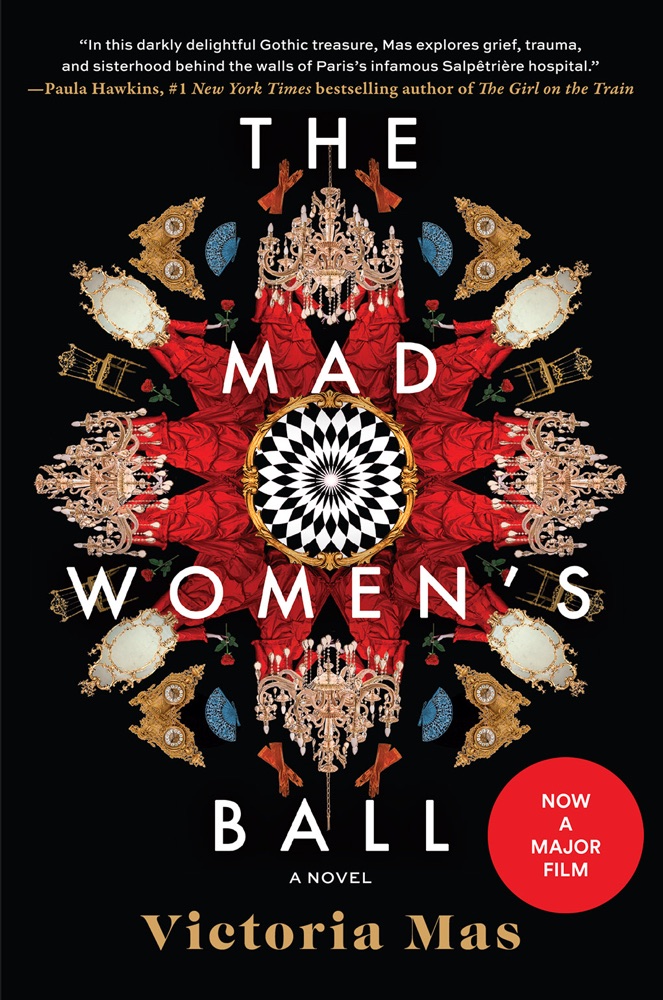 The Mad Women's Ball
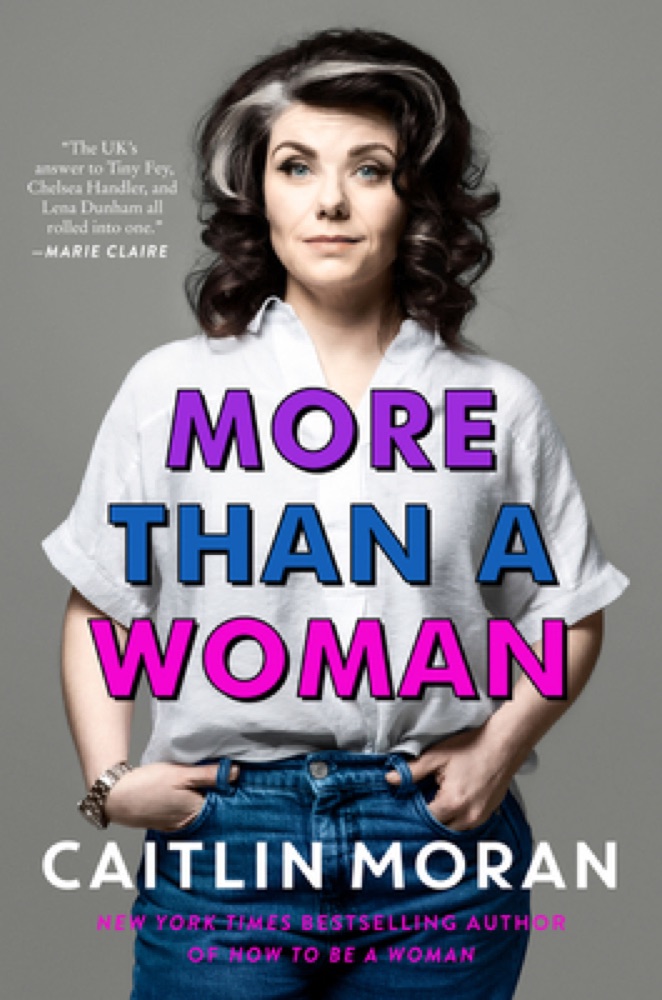 More Than a Woman: A Brutally Honest and Hilarious Feminist Memoir on Parenting, Marriage, and Middle-Age
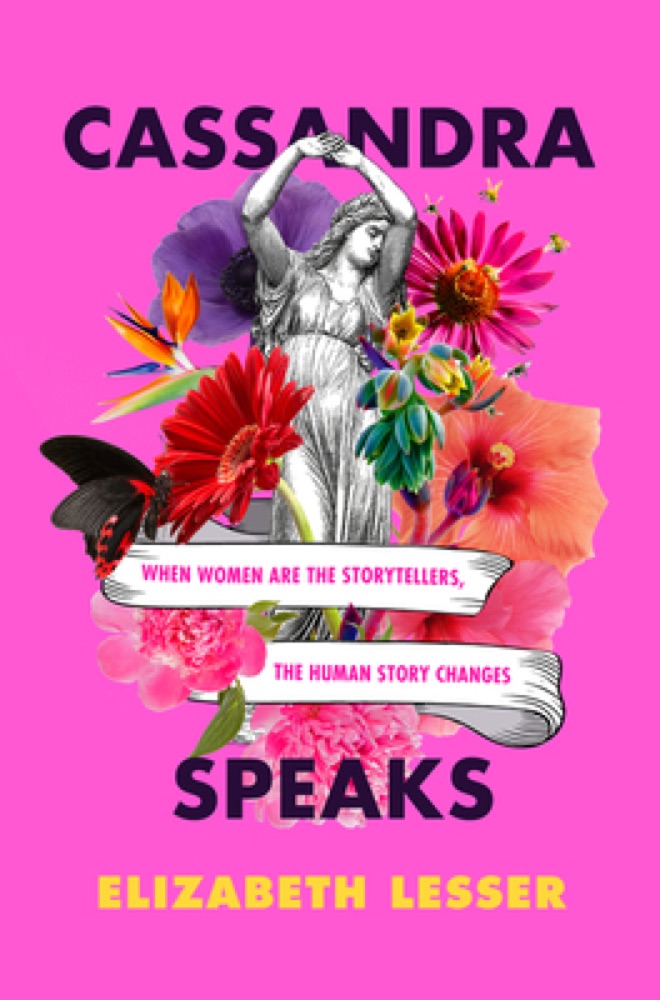 Cassandra Speaks: When Women Are the Storytellers, the Human Story Changes
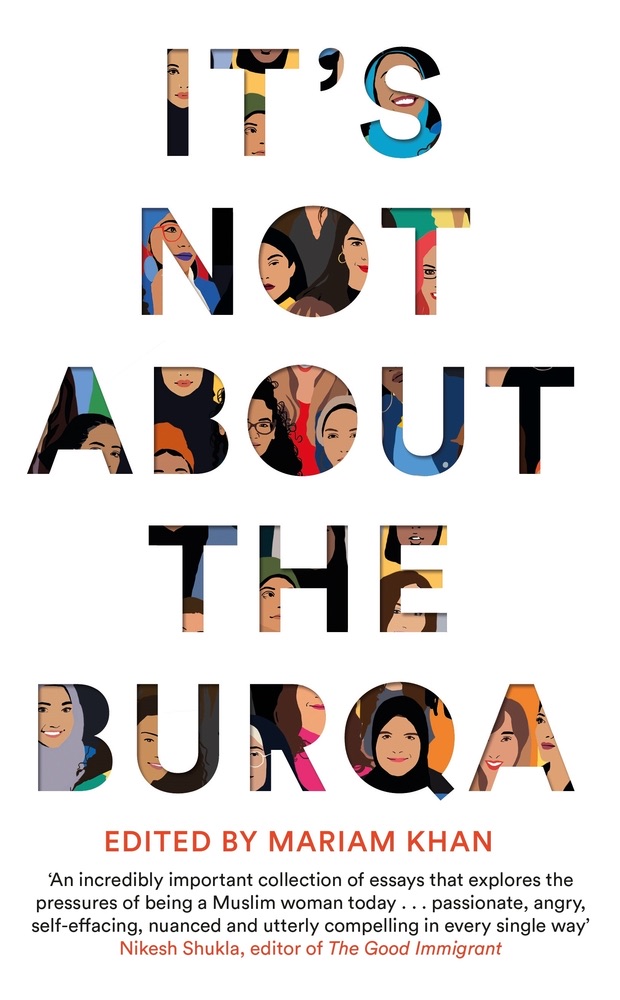 It's Not About the Burqa
 Animal: The Autobiography of a Female Body
 Pandora's Jar: Women in the Greek Myths
 The Change
 On Our Best Behavior: The Seven Deadly Sins and the Price Women Pay to Be Good
 The Second Sex
 The Book of Joan
 Women Talking
 Too Fat, Too Slutty, Too Loud: The Rise and Reign of the Unruly Woman
 How to Suppress Women's Writing
 Intercourse
 The Beauty Myth
 Moon Witch, Spider King
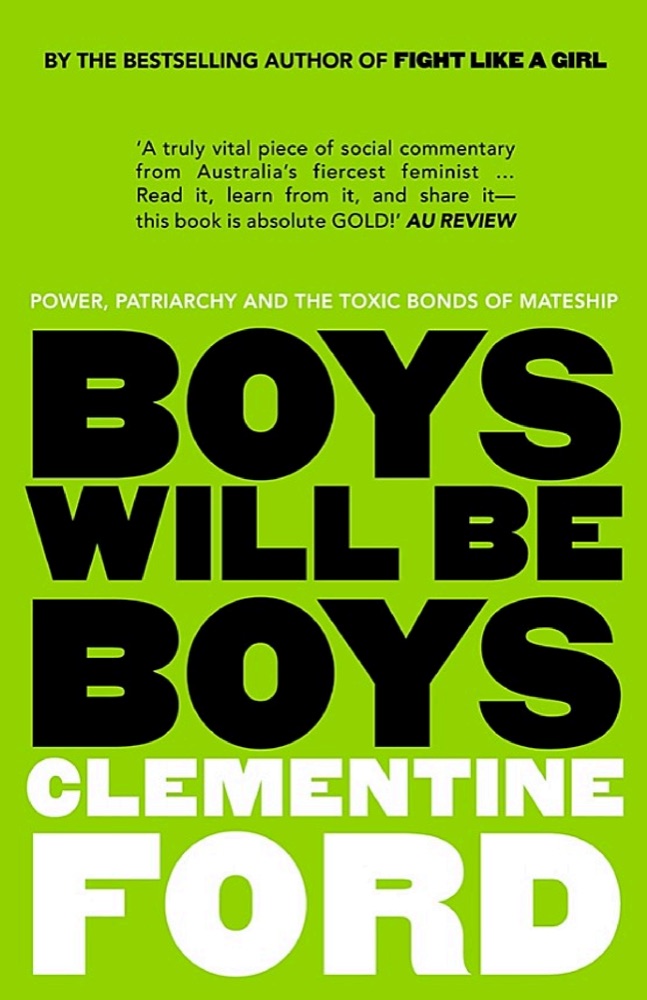 Boys Will Be Boys: Power, Patriarchy and the Toxic Bonds of Mateship
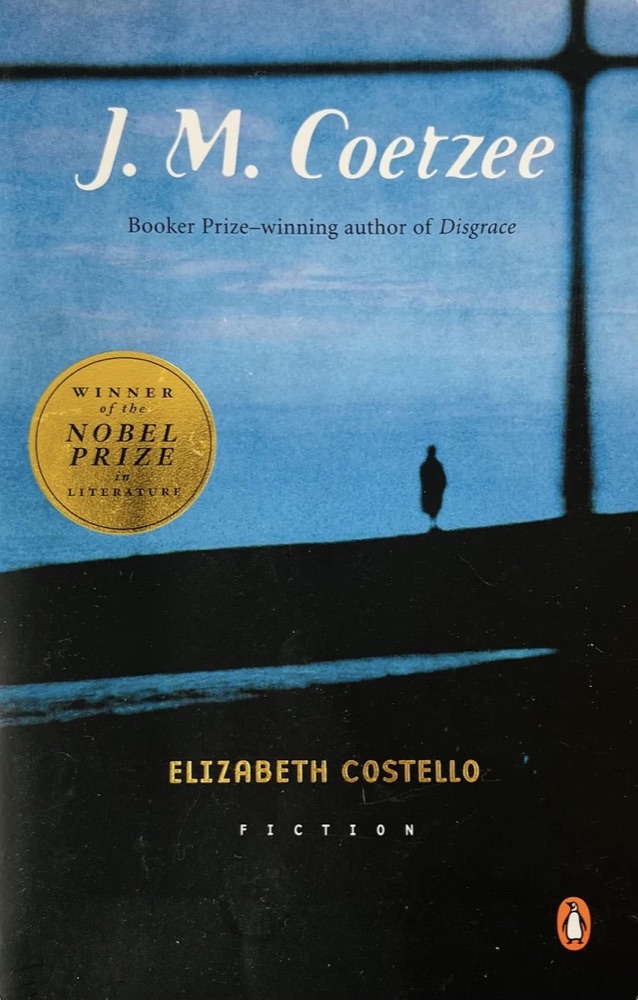 Elizabeth Costello
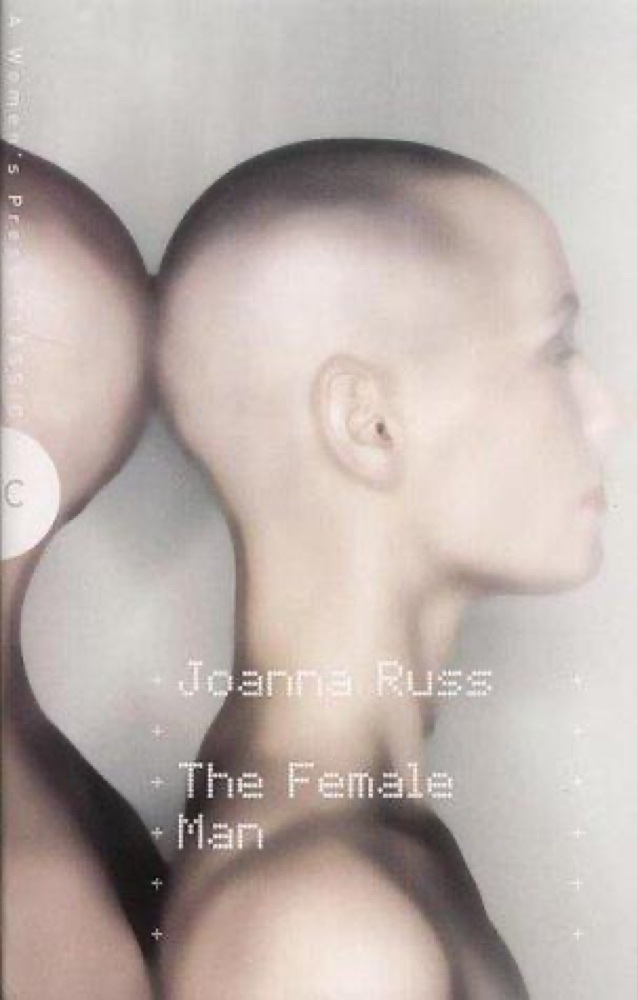 The Female Man
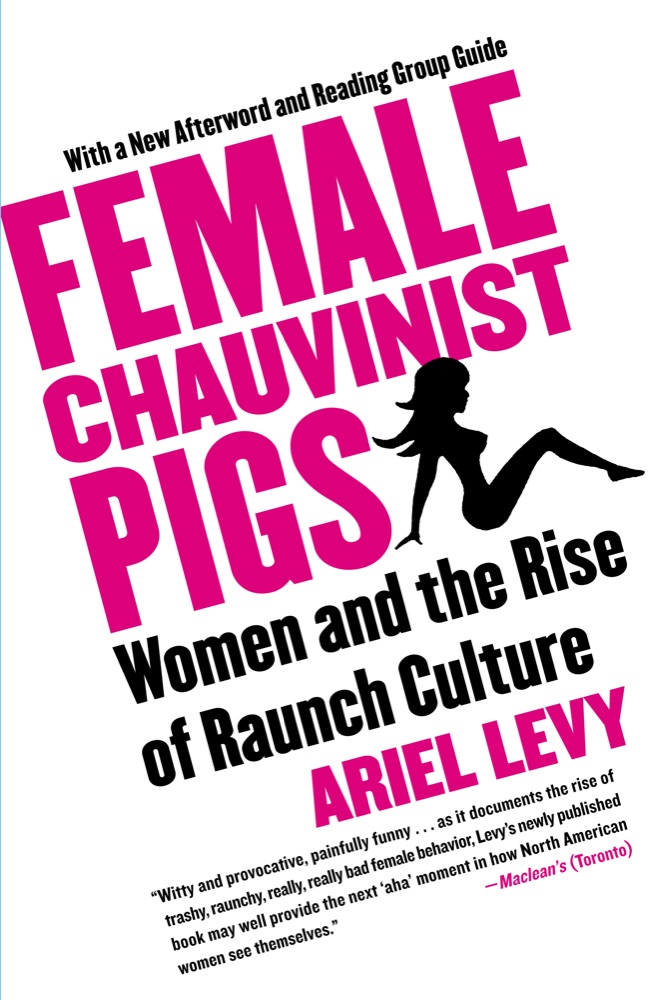 Female Chauvinist Pigs: Women and the Rise of Raunch Culture
 When We Lost Our Heads
 Detransition, Baby
 The Favorite Sister
 Bitch: In Praise of Difficult Women
 How to Be a Woman