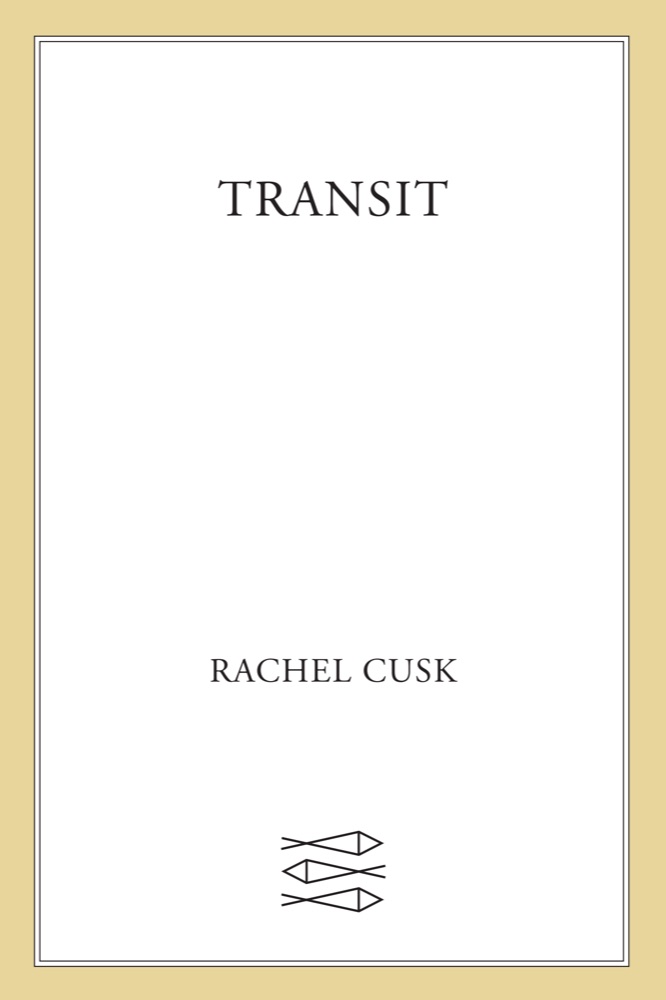
 Transit
Quotes from the Book
To observe is not to not feel—in fact, it is to put yourself at the mercy of feeling, like the child's warm skin meeting the cold air of midnight. My own children, too, have been roused from the unconsciousness of childhood; theirs too is the pain and the gift of awareness. 'I have two homes,' my daughter said to me one evening, clearly and carefully, 'and I have no home.' To suffer and to know what it is that you suffer: how can that be measured against its much-prized opposite, the ability to be happy without knowing why?
3
The world is constantly evolving, while the family endeavours to stay the same. Updated, refurbished, modernised, but essentially the same. A house in the landscape, both shelter and prison.
3
I read somewhere that a space station is always slowly falling back to earth, and that every few months or so a rocket has to be sent to push it back out again. In rather the same way, a woman is forever dragged at by an imperceptible force of biological conformism; her life is relentlessly iterative; it requires energy to keep her in orbit. Year after year she’ll do it, but if one year the rocket doesn’t come then down she’ll go.
1
Had we reached the point of crisis where our only experience was the experience of suffering, where our only need, our only desire was the desire to end it? It is terrible to desire the end of something, the absence of something: desire should belong to life, to presence and not absence.
Is it male attention I want, or male authority?
The baby can seem like something her husband has given her as a substitute for himself, a kind of transitional object, like a doll, for her to hold so that he can return to the world.
I wander through the dark house, checking the locks on the doors and windows, for it feels as though the outside is coming in, as though a wall of defence has come down, as though the doors and windows may as well not be there at all.
My father, a man, advanced male values to us, his daughters. And my mother, a woman, did the same.
Like God, my father expressed himself through absence: it was easier, perhaps, to be grateful to someone who wasn’t there.
I remember from childhood how easy it was to imagine, how hard to create: the difference between what I could conceive of and what I could actually do was bewildering. In adulthood I have learned that to envisage is nothing: success is a hard currency, earned by actual excellence.
Cruelty is an aspect of civilisation, I say. Cruelty is part of power; it’s like the army; you bring it out when you need to. … What he calls cruelty I call the discipline of self-criticism. A woman who loves herself is unprotected. She will be invaded, put in chains, left there in the primordial swamp to love her heart out.
In marriage you go away from other people, but at the end of marriage they come out to welcome you back. This is civilisation, she says. The worst thing that happened to you has brought out the best in them.
[I]t has struck me that along with all other losses, I might lose friendship, too. I am not equal anymore to the people that I know, and what is friendship but a celebration of equality?
Later, at the train station before she leaves, my sister says to me: you have to learn to hide what you feel from the children. They will feel what they think you feel. That are only reflections of you. I don’t believe that, I say. If they think you’re happy, they’ll be happy, my sister says. Their feelings are their own, I say.
How is it possible that we set out for a walk in the park and have ended up embroiled in the purchase of a bohemian headdress? The only certainty I can locate in myself is that of my desire to undermine authority itself. Authority would refuse her the mask because of the randomness of her request for it. Authority would not allow itself to be led by a course of events. Yet I myself am now the authority. And so although I want to buy her the mask, though I know she would love it and value it, though it is entirely up to me, what I decide to say to her is no. But before I can, she lifts the mask from her head. Her face is revealed again, flushed, a little dishevelled. She sets it carefully back on the table. I don’t it, she says. Don’t worry. I changed my mind.
To have both motherhood and work was to have two lives instead of one, was a stunning refinement of historical female experience, and to the people who complained that having it all meant doing it all I would have said, yes, of course it does. You don’t get ‘all’ for nothing. ‘Having it all’, like any form of success, requires hard work. It requires the adoption of the heroic mode of being. But the hero is solitary forever searching out the holy grail, her belief that she is exceptional perhaps only a disguise of the fact that she is essentially alone.
What I lived as feminism were in fact the male values my parents, among others, well-meaningly bequeathed me—the cross-dressing values of my father, and the anti-feminine values of my mother. So I am not a feminist. I am a self-hating transvestite.
One is formed by what one’s parents say and do; and one is formed by what one’s parents are. But what happens when what they say and do don’t match? My father, a man, advanced male values to us, his daughters. And my mother, a woman, did the same. So it was my mother who didn’t match, who didn’t make sense. We belong as much to our moment in history as to our parents: I suppose it would have been reprehensible in Britain in the late twentieth century, for her to have told us not to worry about our maths, that the important thing was to find a niche husband to support us. Yet her mother had probably told her precisely that. There was nothing as a woman, she could bequeath us; nothing to pass on from mother to daughter but these adulterated male values. And of that forsaken homeland, beauty, which now lay so despoiled—as the countryside around our Suffolk home as in the years of my growing up despoiled, disfigured by new roads and houses that it pained my oversensitive eyes to look at—of beauty, a woman’s beauty, of the place I had come from I knew nothing at all. I didn’t know its manners or its customs. I didn’t speak its language. In that world of femininity where I had the right to claim citizenship, I was an alien.
Watch on YouTube
About Rachel Cusk
We have collected 120 quotes from 5 books by Rachel Cusk on BookQuoters.
More about the author →More by Rachel Cusk
About the book
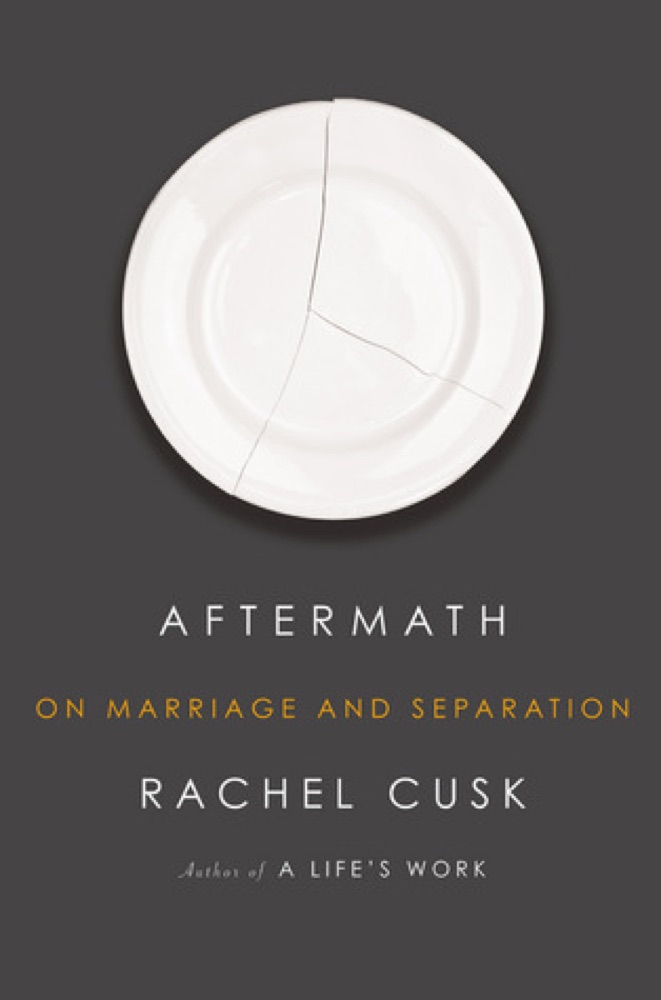
In the winter of 2009, Rachel Cusk's marriage of ten years came to an end. In the months that followed, life as she had known it came apart, 'like a jigsaw dismantled into a heap of broken-edged pieces'. 'Aftermath' chronicles this perilous journey as the author redefines herself as a single woman.
Book details
- First published
- 2012
- Author
- Rachel Cusk
- Genre
- Biography
- Goodreads rating
- 3.66 (4k ratings)
The buzz
- The New York TimesReview in The New York Timesprofessional review (via Book Marks)
- The Washington PostReview in The Washington Postprofessional review (via Book Marks)
- The GuardianReview in The Guardianprofessional review (via Book Marks)
- SlateReview in Slateprofessional review (via Book Marks)
- Kirkus ReviewsReview in Kirkus Reviewsprofessional review (via Book Marks)
- Star TribuneReview in Star Tribuneprofessional review (via Book Marks)
Keep reading
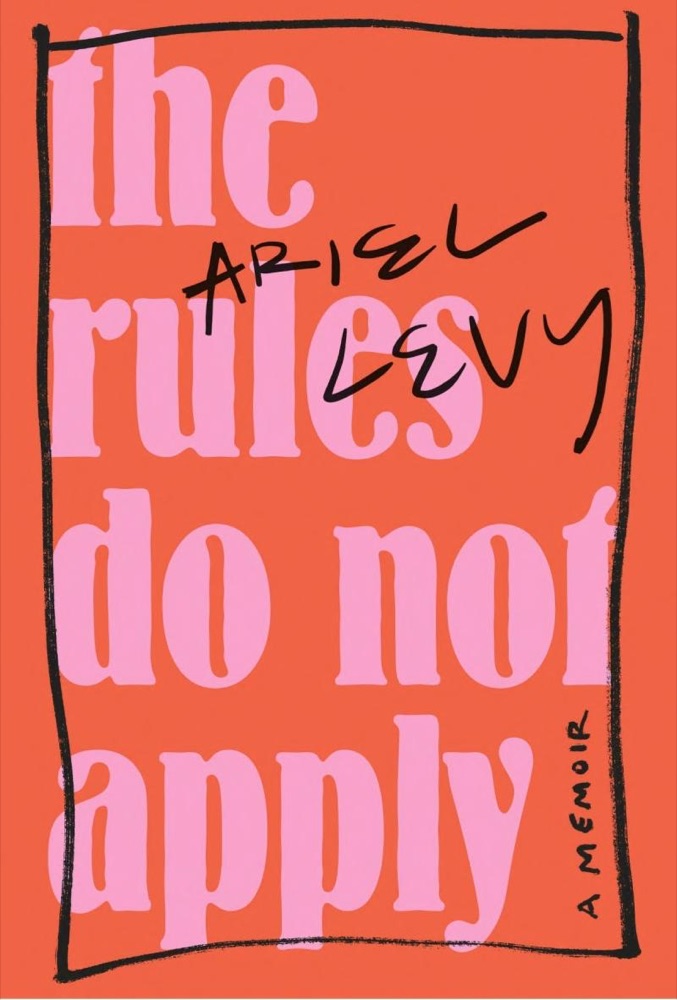 The Rules Do Not Apply
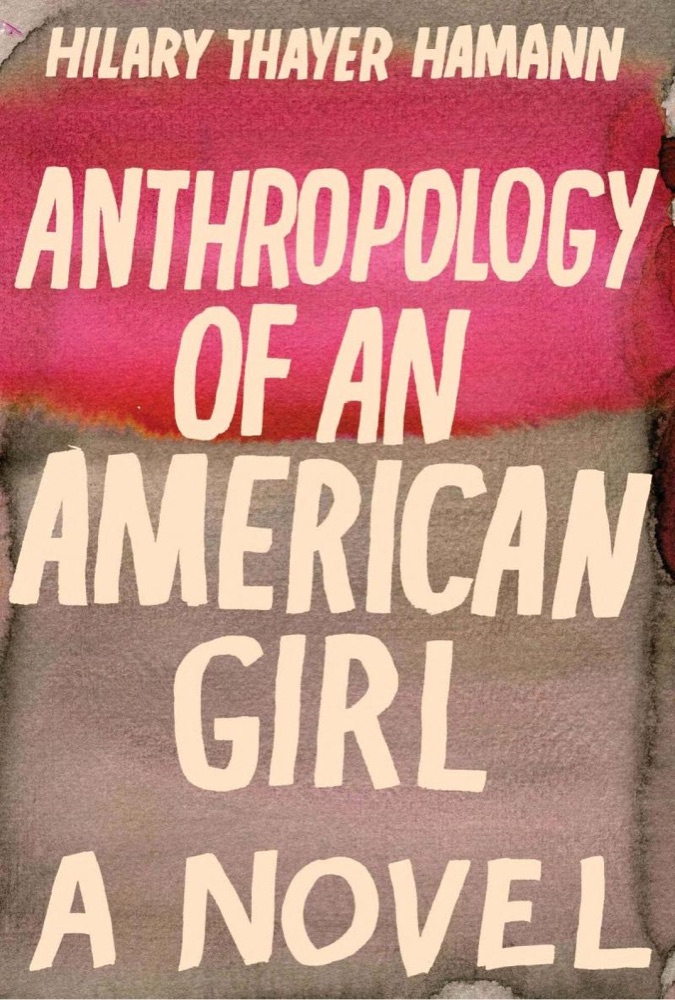 Anthropology of an American Girl
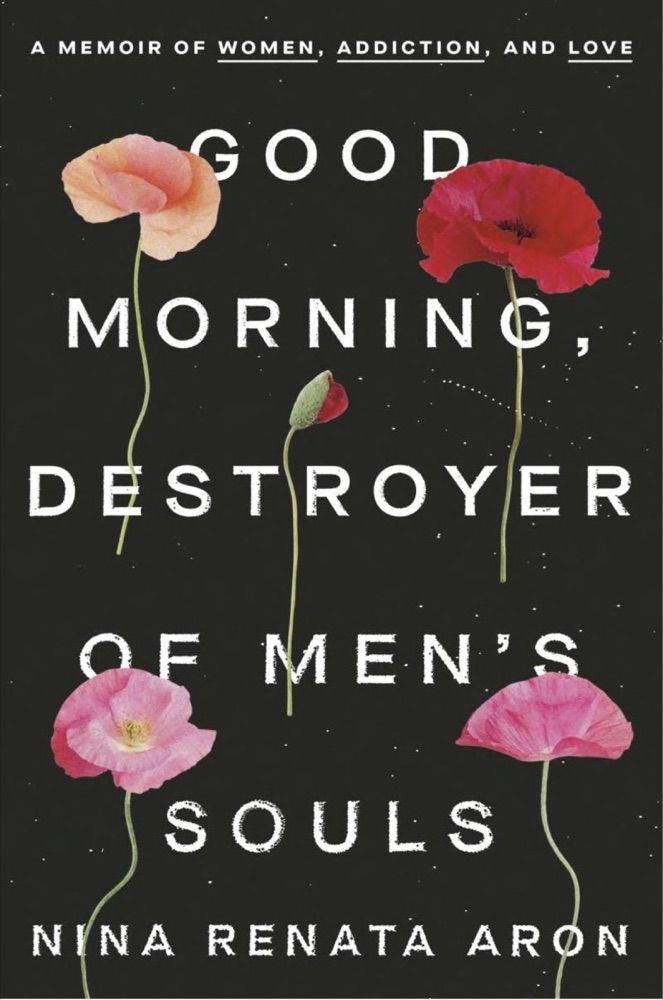 Good Morning, Destroyer of Men's Souls: A Memoir of Women, Addiction, and Love
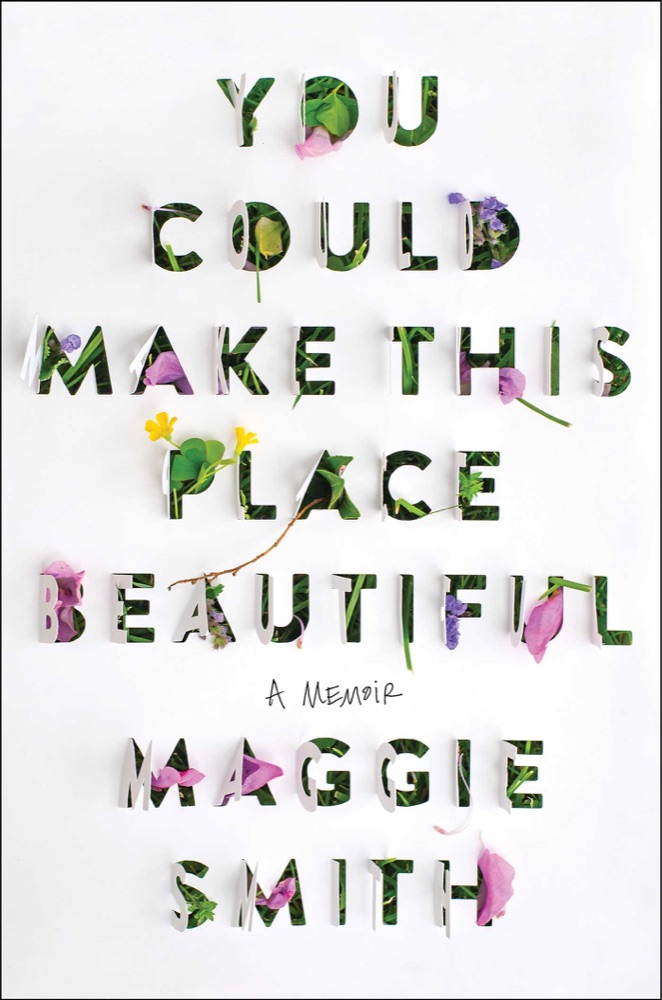 You Could Make This Place Beautiful
 The Cost of Living: A Working Autobiography
 Now Is the Time to Open Your Heart
 The Argonauts
 Those Who Leave and Those Who Stay
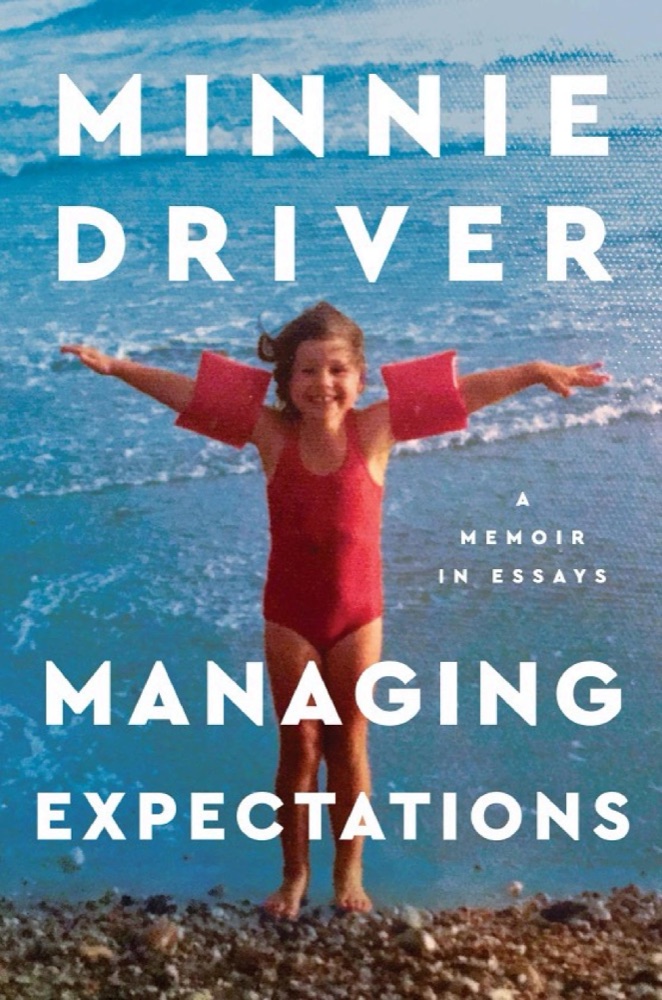 Managing Expectations: A Memoir in Essays – A Poignant Collection of Personal Stories on Acting, Failure, and Motherhood's Joy
 To Throw Away Unopened
 Motherhood
 They're Going to Love You
 All Fours
 The Trauma Cleaner: One Woman's Extraordinary Life in the Business of Death, Decay, and Disaster
 Are You My Mother?: A Comic Drama
 Breasts and Eggs
 Em and The Big Hoom
 NW
NW
 Hourglass: Time, Memory, Marriage
 Belong to Me
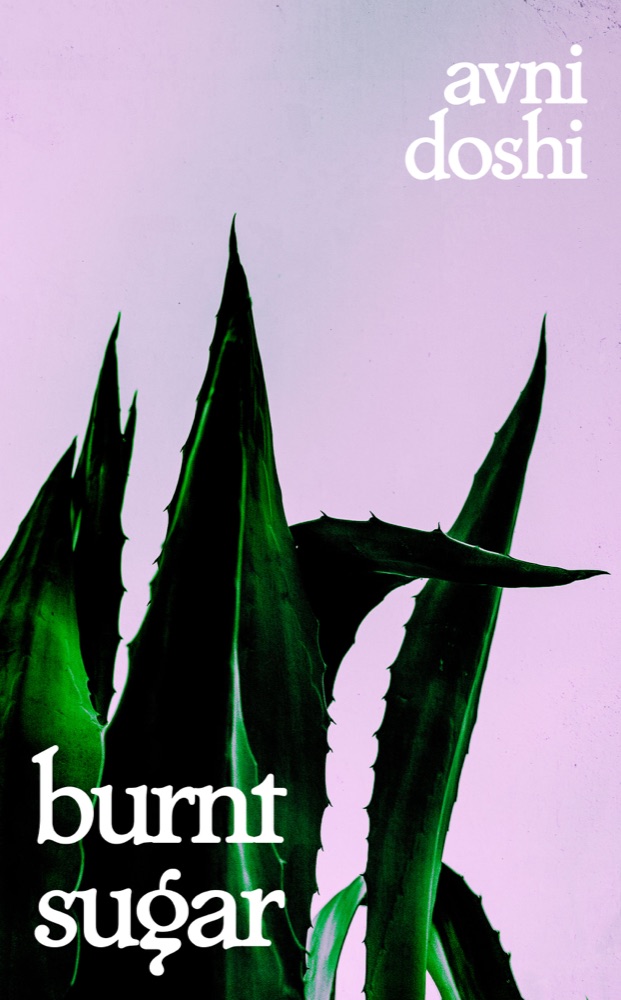 Burnt Sugar
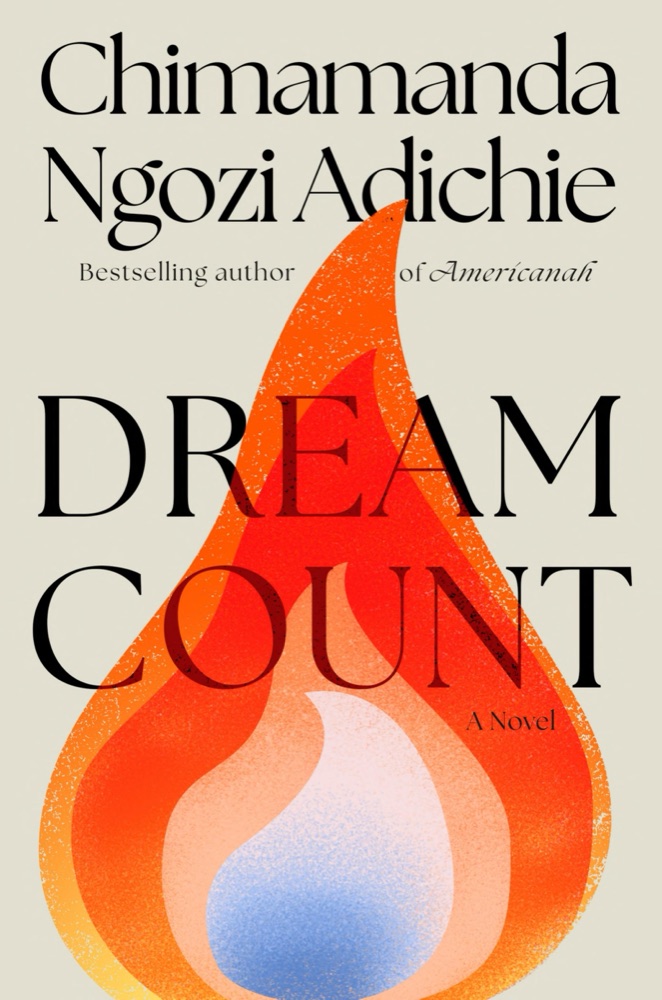 Dream Count
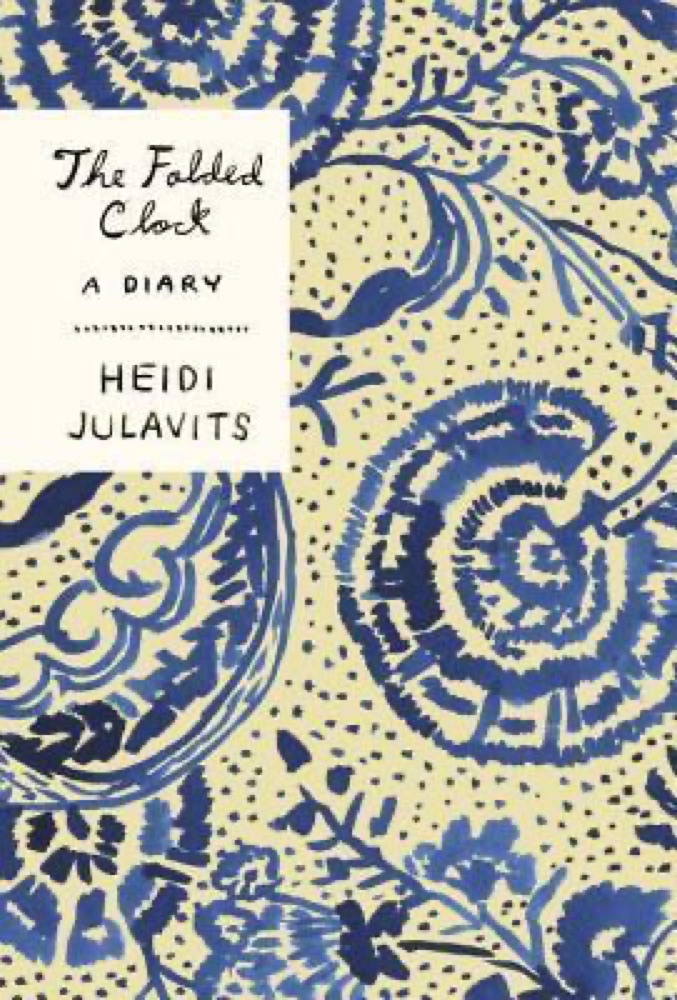 The Folded Clock: A Diary
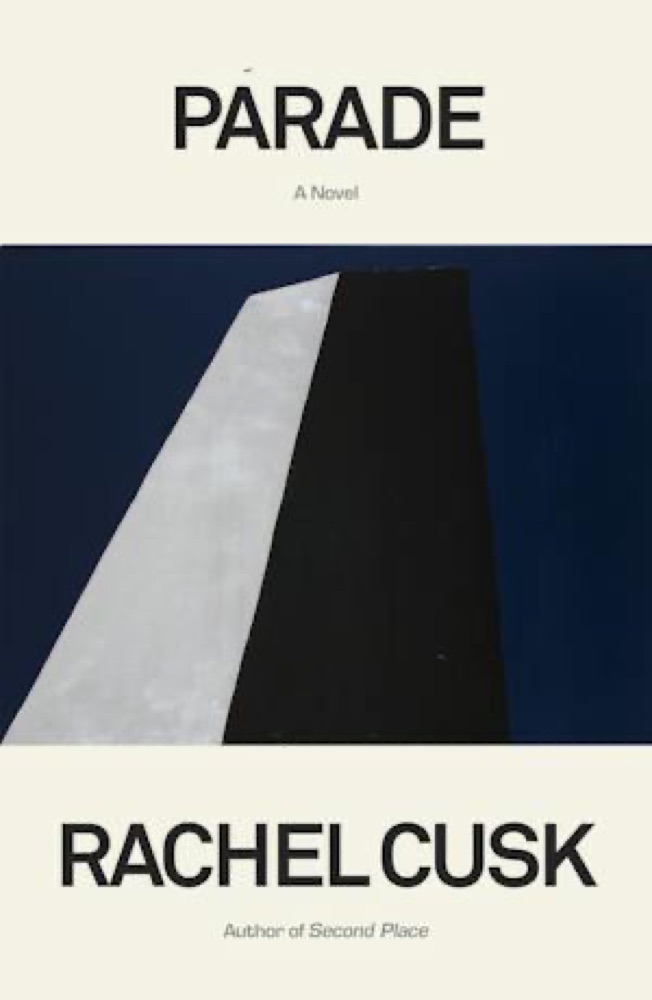 Parade
 Aftershocks
 The Reader
 Too Much Happiness: Stories
 A Woman in Berlin: Eight Weeks in the Conquered City: A Diary
 Awake
Awake
 Journal of a Solitude
 Lives of Girls and Women
 Bluebeard's Egg
 Under the Udala Trees
 A Small Indiscretion
 The Home and the World
 The Post-Birthday World
 Terminal Boredom: Stories
 Stories of Your Life and Others
 The Women's Room
 Moments of Being: A Collection of Autobiographical Writing
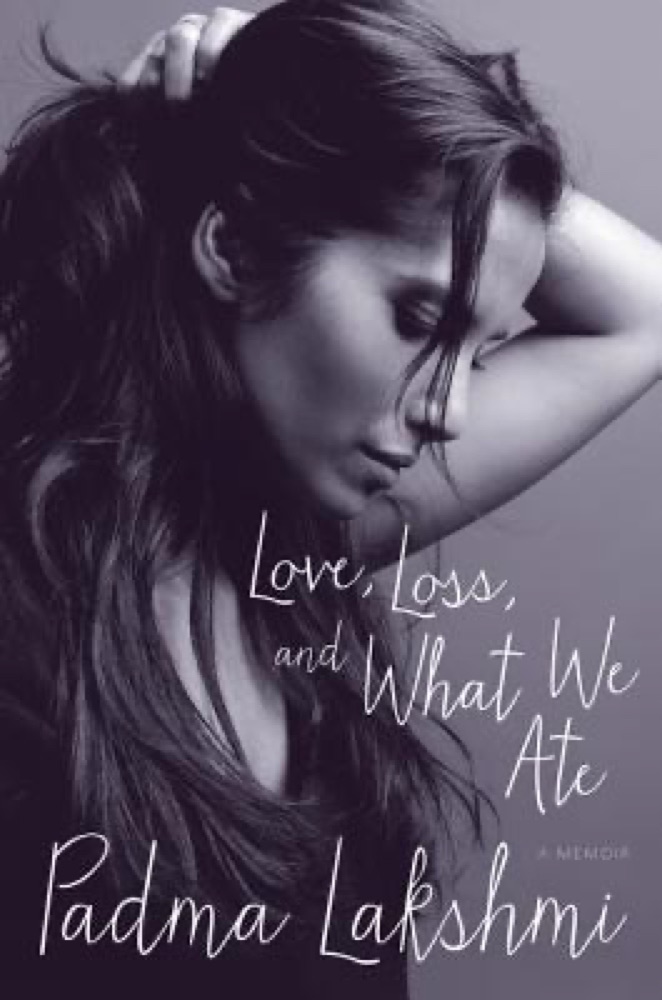 Love, Loss, and What We Ate: A Memoir
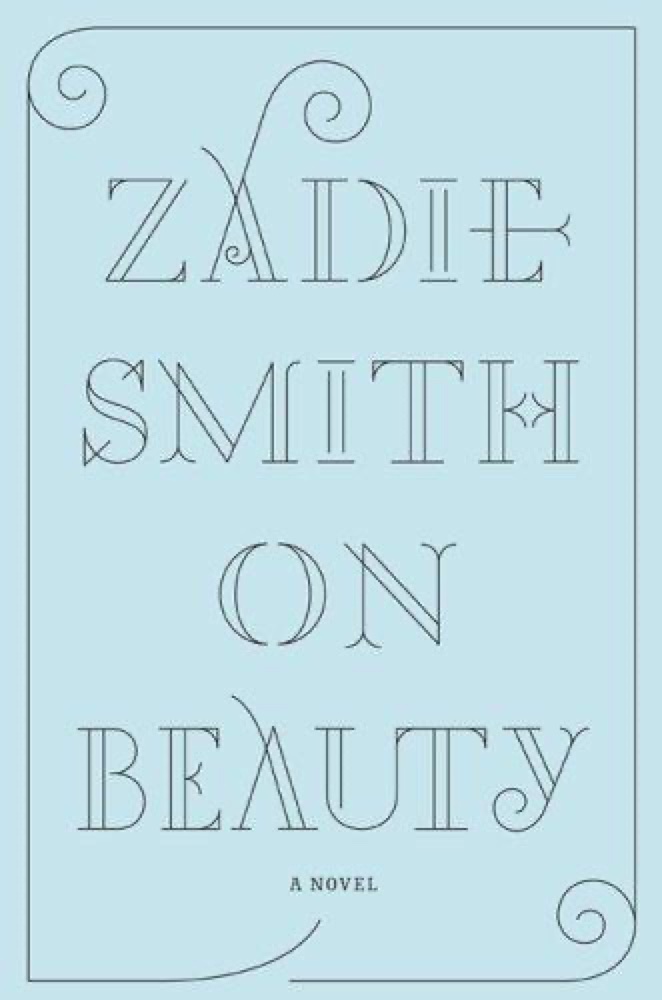 On Beauty
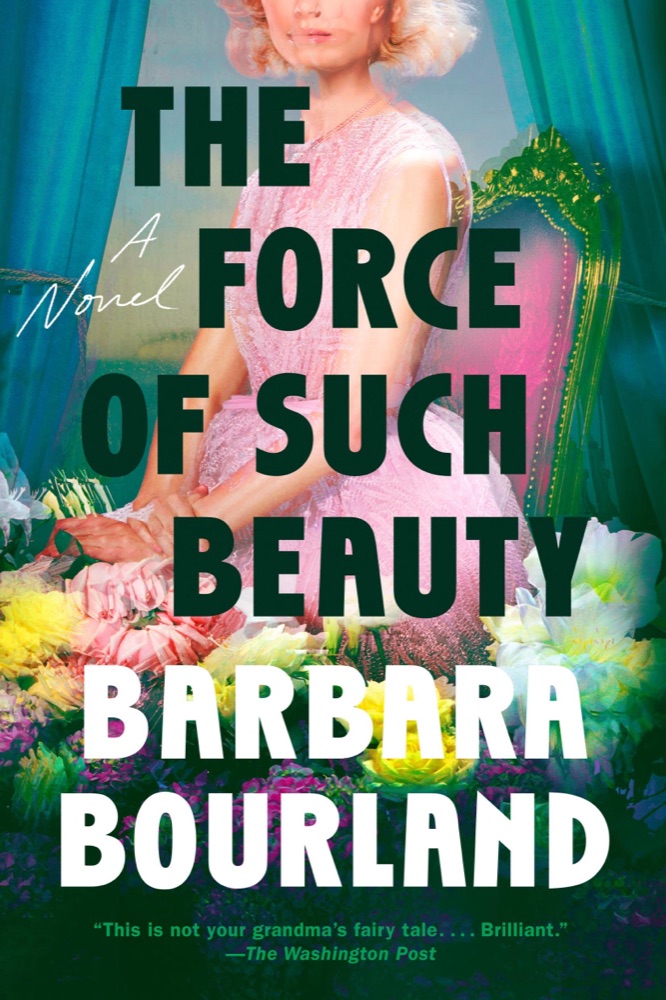 The Force of Such Beauty
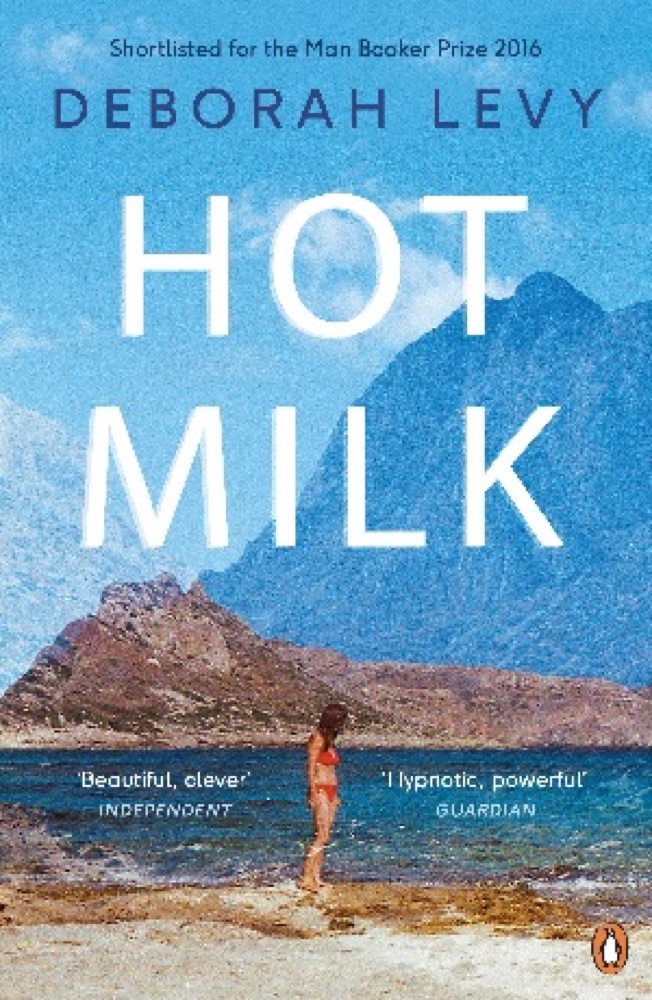 Hot Milk
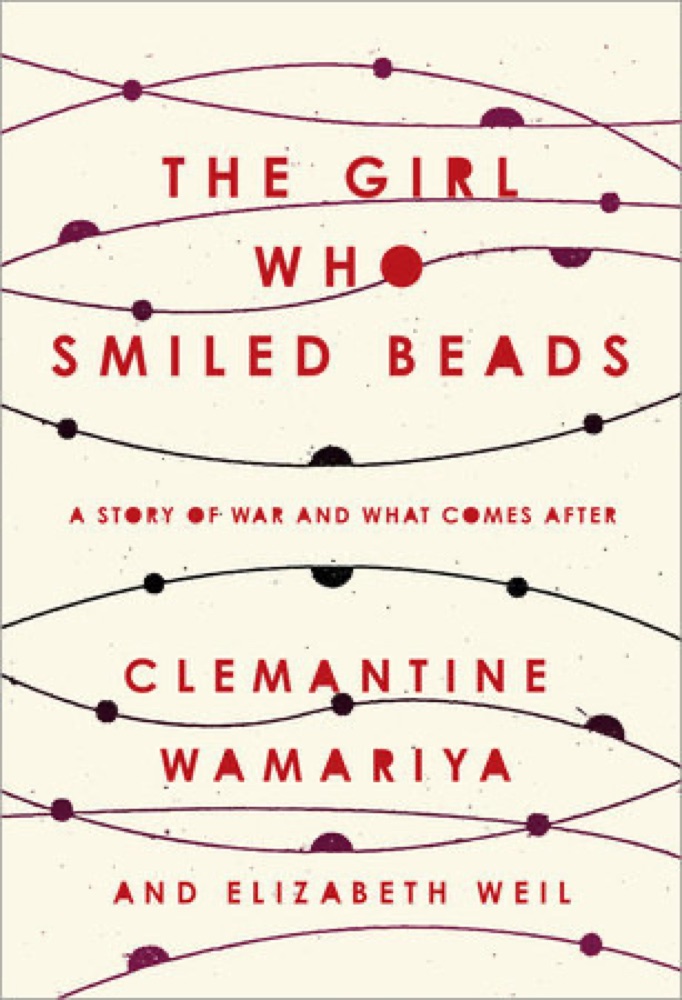 The Girl Who Smiled Beads: A Story of War and What Comes After
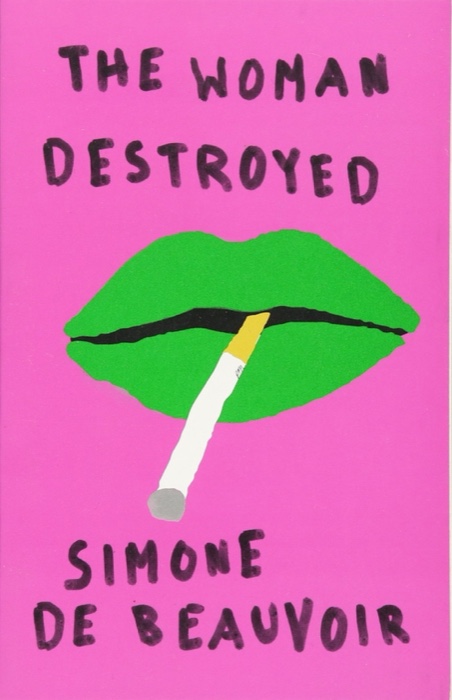 The Woman Destroyed
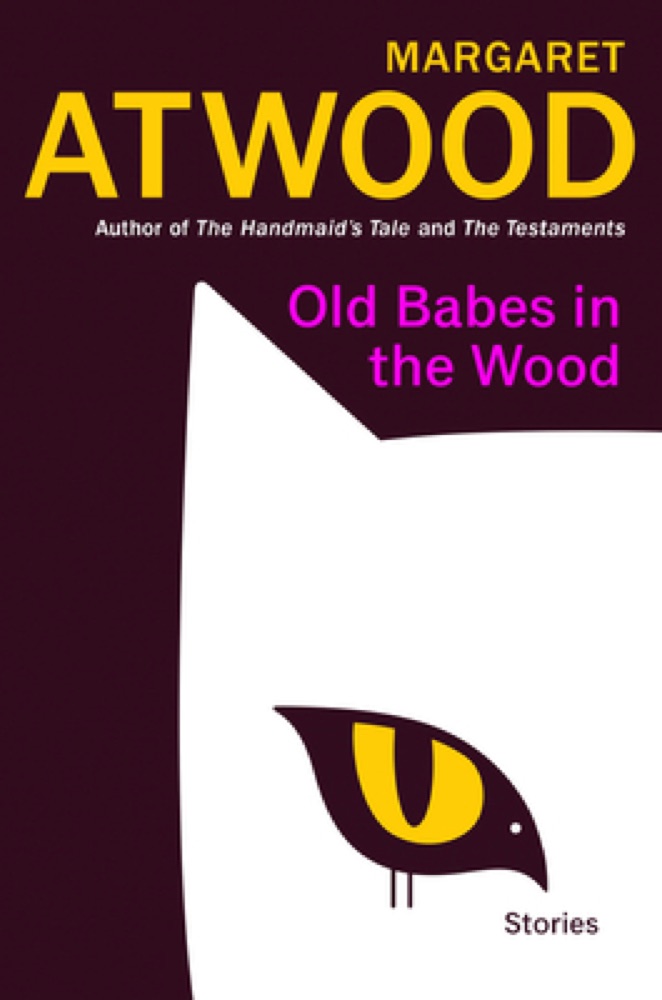 Old Babes in the Wood: Stories
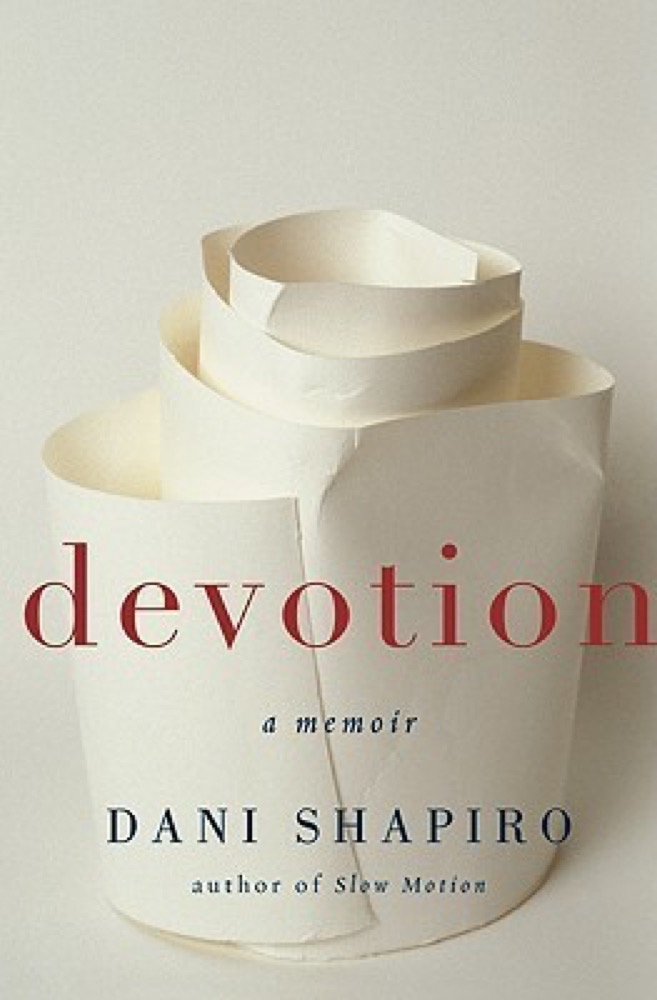 Devotion
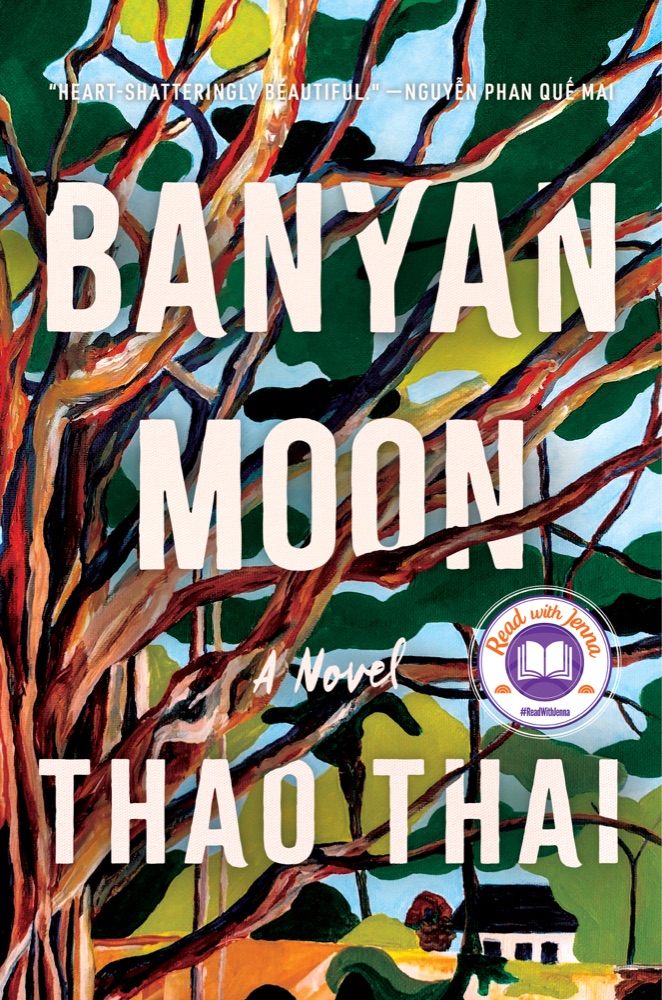 Banyan Moon
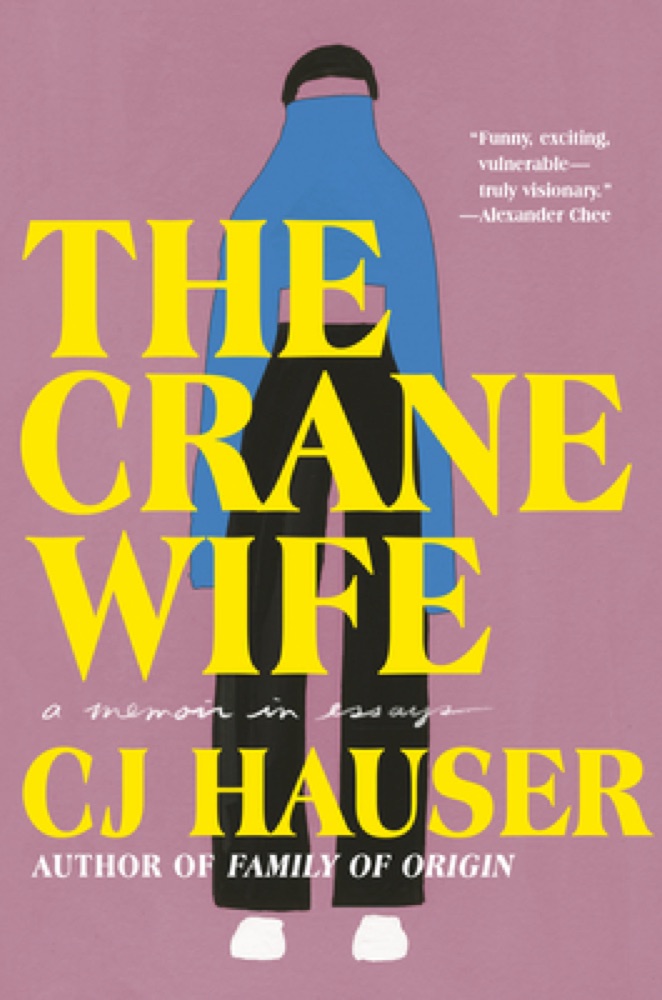 The Crane Wife: A Memoir in Essays
 Life Will Be the Death of Me: . . . and you too!
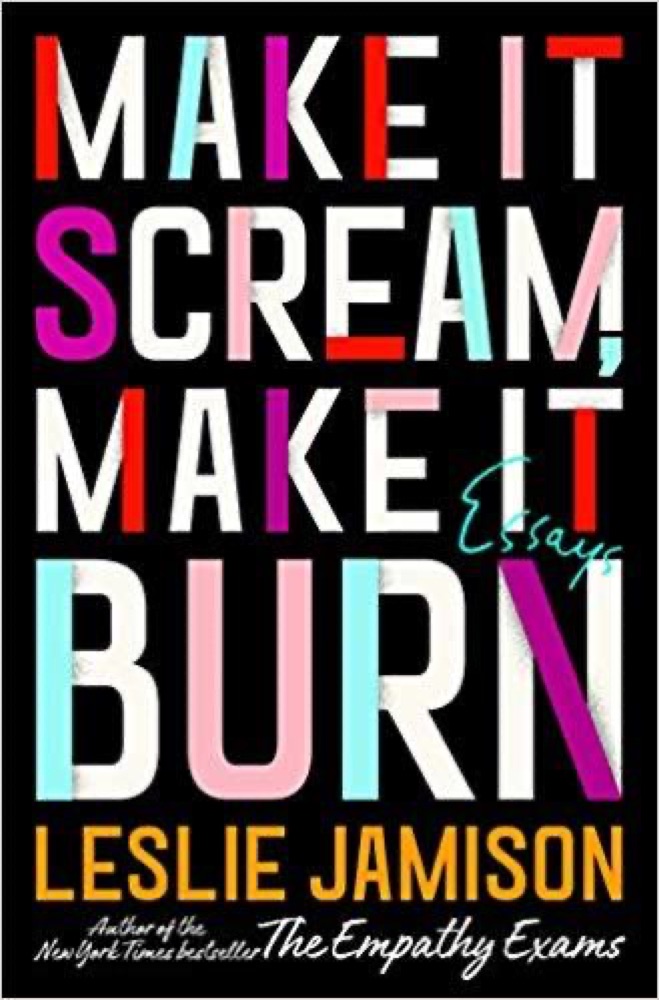 Make It Scream, Make It Burn
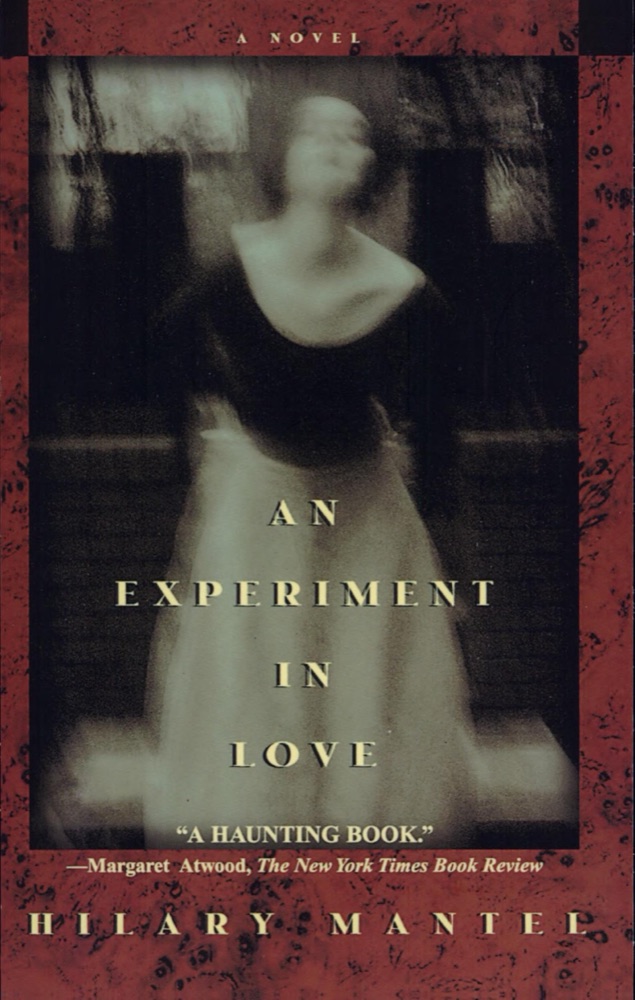 An Experiment in Love
 When Women Were Dragons
 Agatha Christie: An Autobiography
 Disoriental
 Middlesex
 The Story of a New Name
 Outline
 Joan Is Okay