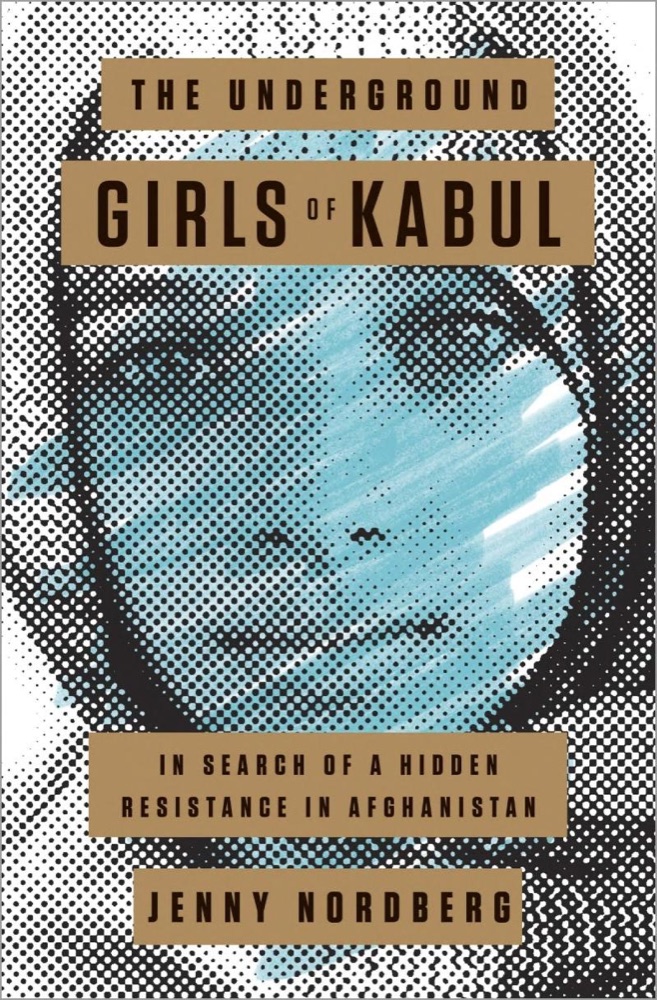

 Headscarves and Hymens: Why the Middle East Needs a Sexual Revolution
Quotes from the Book
When one gender is so unwanted, so despised, and so suppressed in a place where daughters are expressly unwanted, perhaps both the body and the mind of a growing human can be expected to revolt against becoming a woman. And thus, perhaps, alter someone for good.
20
No group can be truly suppressed until its members are trained and convinced to suppress one another.
10
When I asked Afghans to describe to me the difference between men and women, over the years interesting responses came back. While Afghan men often begin to describe women as more sensitive, caring, and less physically capable than men, Afghan women tend to offer up only one difference, which had never entered my mind before. Want to take a second and guess what that one difference may be? Here is the answer: Regardless of who they are, whether they are rich or poor, educated or illiterate, Afghan women often describe the difference between men and women in just one word: freedom. As in: Men have it, women do not.
8
Someday in our future it may be possible for women everywhere not to be restricted to those roles society deems natural, God-given, or appropriately feminine. A woman will not need to be disguised as a man to go outside, to climb a tree, or to make money. She will not need to make an effort to resemble a man, or to think like one. Instead, she can speak a language that men will want to understand. She will be free to wear a suit or a skirt or something entirely different. She will not count as three-quarters of a man, and her testimony will not be worth half a man's. She will be recognized as someone's sister, mother, and daughter. And maybe, someday, her identity will not be confined to how she relates to a brother, a son, or a father. Instead, she will be recognized as an individual, whose life holds value only in itself.
5
Those who control life, and the bodies of women, control the money and hold the power. Women who are kept indoors, cannot make money and will not hold any power.
4
France implemented a law in 1800 that said women could not wear pants; it was not formally removed until 2013.
4
I believe most Afghan men, on an individual level, are far from extremist or fundamentalist. Hope rests with those men, who control what happens to their daughters. Behind every discreetly ambitious young Afghan woman with budding plans to take on the world, there is an interesting father. And in every successful grown woman who has managed to break new ground and do something women usually do not, there is a determined father, who is redefining honor and society by promoting his daughter. There will always be a small group of elite women with wealthy parents who can choose to go abroad or to take high positions in politics. They will certainly inspire others, but in order for significant numbers of women to take advantage of higher education and participate in the economy on a larger scale, it will take powerful men educating many other men
3
Being born with power, as a boy, doesn’t necessarily spur innovation. But being born entirely without it forces innovation in women, who must learn to survive almost from the moment they are born. Afghan women do not need much well-intentioned training on that.
3
Dancing falls into the same category as poetry for a woman – it equals dreaming, which may inspire thoughts about such banned topics as love and desire.
3
to most students, what sets little boys and girls apart is all exterior: pants versus skirts. That, and the knowledge that those with pants always come first.
2
A great many people in this world would be willing to throw out their gender in a second if it could be traded for freedom.
2
It is the classic curse of organized religion—when its interpretation is hijacked by mortals as a means to control others.
1
It is not just a human rights argument, it is the Warren Buffett argument and the Christine Lagarde argument: Countries that want to develop their economies and standards of living cannot afford to shut out one-half of their population. And it is the Virginia Woolf argument: In order to create, a woman needs money and a room of her own.
1
Louis Duprée described this contradiction in his work on Afghanistan: “Islam, in essence, is not a backward, anti-progressive, anti-modern religion, although many of its interpreters, the human, action component, may be backward and anti-progressive.” It is the classic curse of organized religion—when its interpretation is hijacked by mortals as a means to control others.
1
Posing as someone, or something, else is the story of many women and men who have experienced repression and made a bid for freedom. It is the story of a gay U.S. Marine who had to pretend he was straight. It is the story of a Jewish family in Nazi Germany posing as Protestants. It is the story of a black South African who tried to make his skin lighter under apartheid.
1
Regardless of who they are, whether they are rich or poor, educated or illiterate, Afghan women often describe the difference between men and women in just one word: freedom.
1
Afghanistan is a story of patriarchy, in a raw form. In that, it is also a story of Western history, with elements of the lives our foremothers and forefathers led. By learning about an ill-functioning system in Afghanistan, we can also begin to see how most of us—men and women, regardless of nationality and ethnicity—at times perpetuate a problematic culture of honor, where women and men are both trapped by traditional gender roles. Because we all prefer those roles—or maybe because it is how we were brought up and we know of nothing else.
1
How old am I? Over thirty, indeed? What cream do I use on my face? How many children do I have? Really—none? They offer condolences and smack their lips over my bad luck. My husband’s family must be very upset—I am married, of course? No? Again, they offer their regrets: a great shame that nobody wanted me. They understand—it is known to happen to some girls. Usually the very ugly or poor ones. Their concern extends to my parents: They must be unhappy, ashamed even, to have an old, unmarried daughter. And the relatives, horribly embarrassed, certainly? By now, I try to insist it may not be a complete disaster to be unmarried, but Setareh feels the need to intervene and freestyle the translation a little. She explains to the girls that, in her personal view, it is indeed a little tragic for my family. That concession renders sympathetic faces all around.When Sakina steps out of the room, questions become juicier: In the West, do I walk around almost naked in the streets? And have I “had relations” with a thousand men?
1
Marriage is a core component of the patriarchal system. According to Gerda Lerner's research on ancient societies, a woman could achieve at least some status, and with that, better treatment and privileges, through preserving her only capital – her virginity – and eventually offering it to just one man.
1
The responsibility for men's behavior, indeed for civilization itself rests entirely with women here, and in how they dress and behave. Men's animalistic impulses are presumed to be overwhelming and uncontrollable. And as men are brutal, brainless savages, women must hide their bodies to avoid being assaulted. In most societies, a respectable woman, to varying degrees, is expected to cover up. If she doesn't she is inviting assault.
1
Reputation is more than symbolic in Afghanistan; it is a commodity that is hard to restore once it has been damaged.
1
The real story of Nader, Shahed, and other women who live as men in Afghanistan is not so much about how they break gender norms or what they have become by doing that. Rather, it is about this: Between gender and freedom, freedom is the bigger and more important idea. In Afghanistan as well as globally. Defining one’s gender becomes a concern only after freedom is achieved. Then a person can begin to fill the word with new meaning.
1
I would love to be any thing in nature But not a woman Not an Afghan woman. ROYA Kabul, 2009
Here is the answer: Regardless of who they are, whether they are rich or poor, educated or illiterate, Afghan women often describe the difference between men and women in just one word: freedom. As in: Men have it, women do not. Shahed says the same thing, when I ask her. “When no one is the boss of your life,” is how she goes on to define it.
As in any suppressed group, one person’s attempt at freedom can be a grave affront to the suffering of others.
The bacha posh parallels throughout countries where women lack rights are neither Western nor Eastern, neither Islamic nor un-Islamic. It is a human phenomenon, and it exists throughout our history, in vastly different places, with different religions and in many languages. Posing as someone or something else is the story of many women and men who have experienced repression and made a bid for freedom. It is the story of a gay U.S. Marine who had to pretend he was straight. It is the story of a Jewish family in Nazi Germany posing as Protestants. It is the story of a black South African who tried to make his skin lighter under apartheid. Disguising oneself as a member of the recognized and approved group is at the same time a subversive act of infiltration and a concession to an impossible racist, sexist, or otherwise segregating system.
Women and sports are a classic conflict in a culture of honor, similar to that of war. The point of athletic events was to have women admiring male competitors from the sidelines, and later presenting the winner with his reward. The more segregated and conservative the society, the harsher the restrictions on women’s sports. [...] The real reasons for those governments’ reluctance to have women practicing sports are, of course, exactly what Nader has figured out: A woman who feels her own physical strength may be inspired to think she is capable of other things. And when an entire society is built on gender segregation, such ideas could cause problems for those who would like to hold on to wealth and power.
Women and sports a classic conflict in a culture of honor, similar to that of war. The point of athletic events was to have women admiring male competitors from the sidelines, and later presenting the winner with his reward. The more segregated and conservative the society, the harsher the restrictions on women’s sports".
Watch on YouTube
About Jenny Nordberg
We have collected 28 quotes from 1 book by Jenny Nordberg on BookQuoters.
More about the author →About the book
An investigative journalist uncovers a hidden custom that will transform your understanding of what it means to grow up as a girl.
In Afghanistan, a culture ruled almost entirely by men, the birth of a son is cause for celebration and the arrival of a daughter is often mourned as misfortune. A bacha posh (literally translated from Dari as "dressed up like a boy") is a third kind of child – a girl temporarily raised as a boy and presented as such to the outside world. Jenny Nordberg, the reporter who broke the story of this phenomenon for the New York Times, constructs a powerful and moving account of those secretly living on the other side of a deeply segregated society where women have almost no rights and little freedom.
The Underground Girls of Kabul is anchored by vivid characters who bring this remarkable story to life: Azita, a female parliamentarian who sees no other choice
Book details
- First published
- 2014
- Author
- Jenny Nordberg
- Genre
- Nonfiction
- Goodreads rating
- 4.11 (15k ratings)
Keep reading
Headscarves and Hymens: Why the Middle East Needs a Sexual Revolution
 It's Not About the Burqa
 Unspeakable Things: Sex, Lies and Revolution
 The Female Eunuch
 The Soul of a Woman
 Nomad: From Islam to America: A Personal Journey Through the Clash of Civilizations
 Nine Parts of Desire: The Hidden World of Islamic Women
 Women's Liberation and the African Freedom Struggle
 Against White Feminism: Notes on Disruption
 Right Wing Women
 The Truth Will Set You Free, But First It Will Piss You Off!: Thoughts on Life, Love, and Rebellion
 Sexual Politics
 Brazen: Rebel Ladies Who Rocked the World
 Men Explain Things to Me
 The War on Women
 Why I Am Not a Feminist: A Feminist Manifesto
 The Right to Sex: Feminism in the Twenty-First Century
 Half the Sky: Turning Oppression Into Opportunity for Women Worldwide
 The Dialectic of Sex: The Case for Feminist Revolution
 The Feminine Mystique
 Outrageous Acts and Everyday Rebellions
 The Gender Games: The Problem with Men and Women, from Someone Who Has Been Both
 Women & Power: A Manifesto
 Infidel
 A Girl Is a Body of Water
 A Woman's Worth
 Princess Sultana's Daughters
 Feminist Theory: From Margin to Center
 The Mother of All Questions
 The Moment of Lift: How Empowering Women Changes the World
 Whose Story Is This? Old Conflicts, New Chapters
 Dead Blondes and Bad Mothers
 Feminists Don't Wear Pink (And Other Lies): Amazing Women on What the F-Word Means to Them
 The Heroine's Journey: Woman's Quest for Wholeness
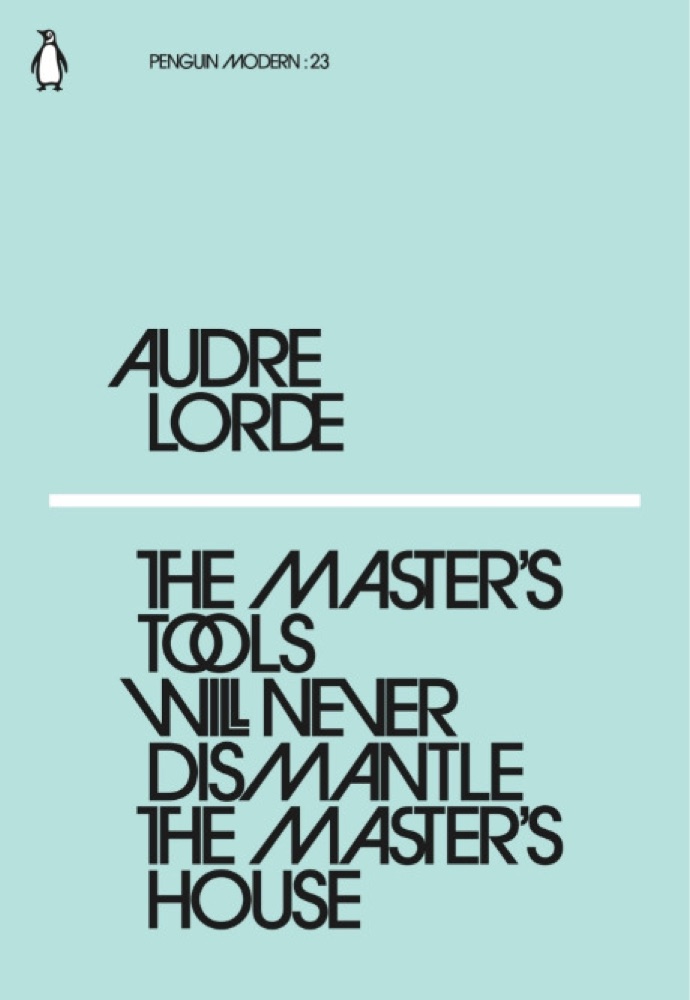 The Master's Tools Will Never Dismantle the Master's House
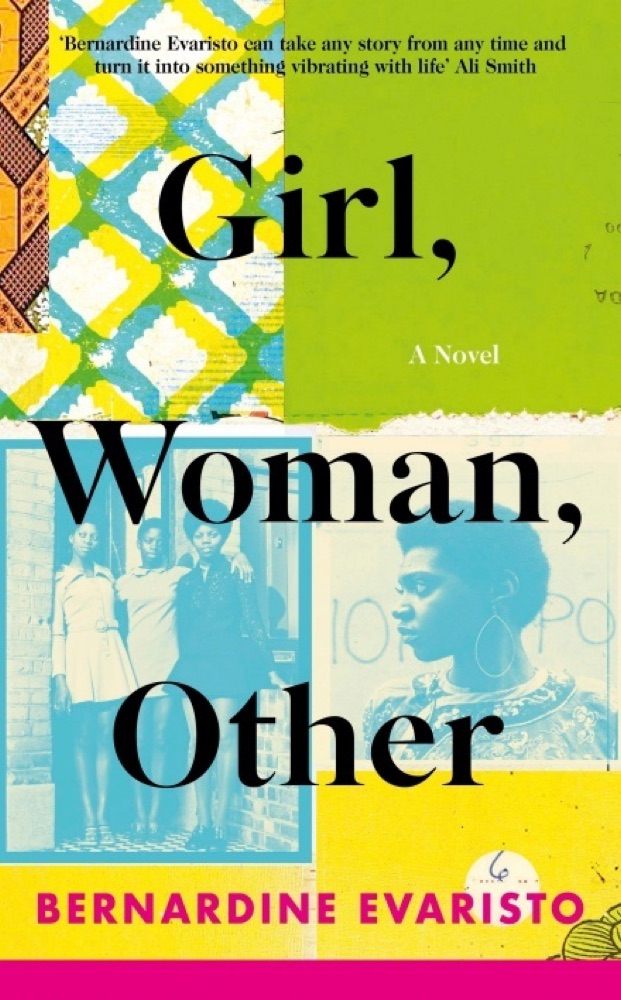 Girl, Woman, Other
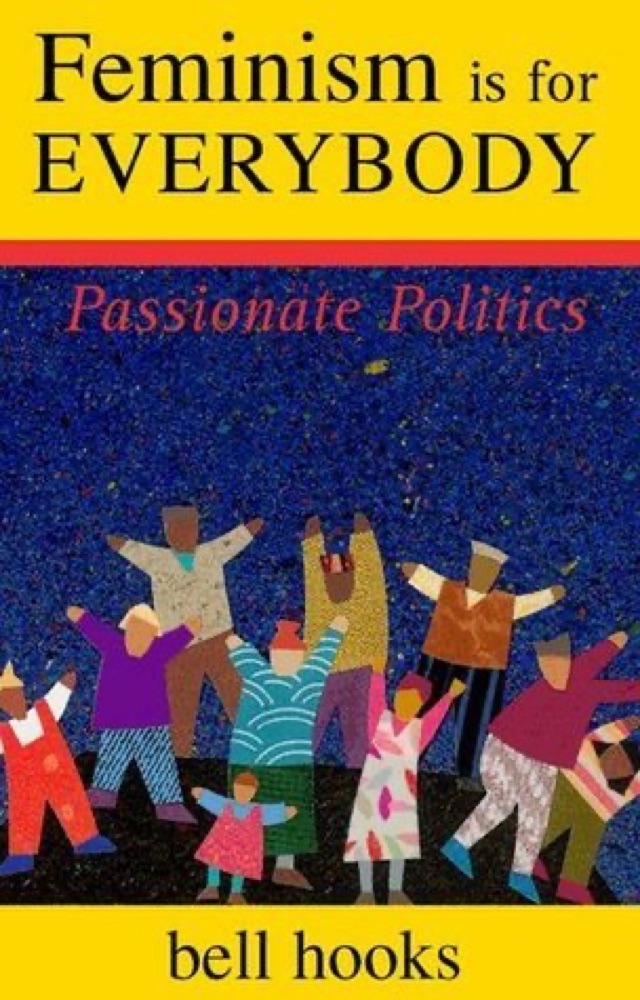 Feminism Is for Everybody: Passionate Politics
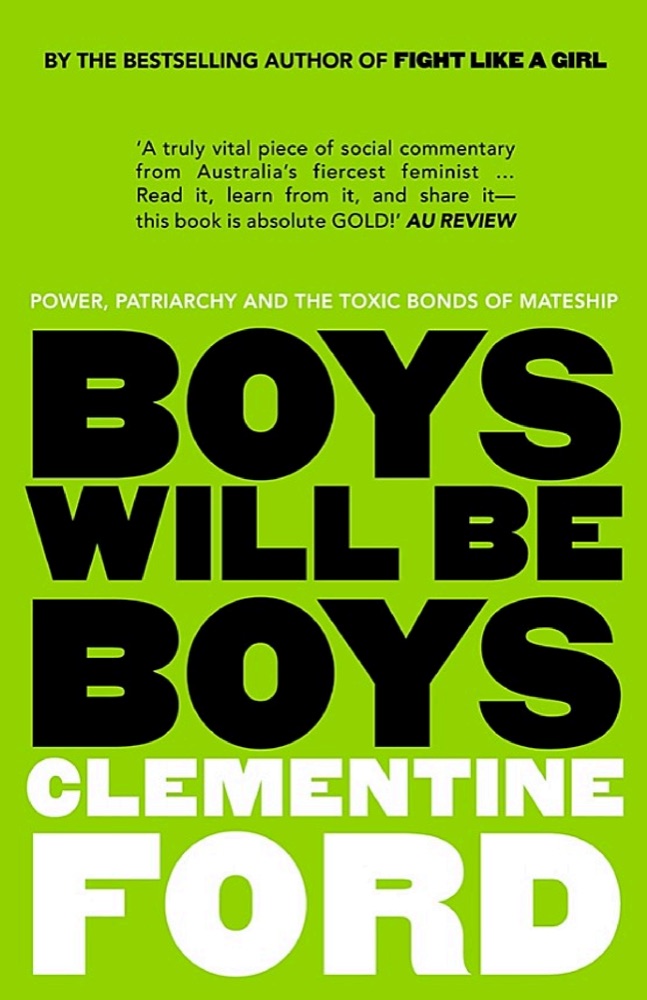 Boys Will Be Boys: Power, Patriarchy and the Toxic Bonds of Mateship
 Intercourse
 The Second Sex
 Female Chauvinist Pigs: Women and the Rise of Raunch Culture
 The Madness of Crowds: Gender, Race and Identity
 Herland
 Things I've Been Silent About
 Too Fat, Too Slutty, Too Loud: The Rise and Reign of the Unruly Woman
 This Bridge Called My Back: Writings by Radical Women of Color
 Invisible Women: Data Bias in a World Designed for Men
 Not That Bad: Dispatches from Rape Culture
 Of Woman Born: Motherhood as Experience and Institution
 Cunt: A Declaration of Independence
 The Women's Room
 The Good Women of China: Hidden Voices
 A Call to Action: Women, Religion, Violence, and Power
 My Life on the Road
 How to Be a Woman
 Difficult Women: A History of Feminism in 11 Fights
 SCUM Manifesto
 How to Suppress Women's Writing
 Cassandra Speaks: When Women Are the Storytellers, the Human Story Changes
 Desperately Seeking Shah Rukh: India's Lonely Young Women and the Search for Intimacy and Independence