 Dare to Lead
Quotes from the Book
Exercising leadership is an expression of your aliveness... But when you cover yourself up, you risk losing something as well. In the struggle to save yourself, you can give up too many of those qualities that are the essence of being alive, like innocence, curiosity, and compassion.
6
You appear dangerous to people when you question their values, beliefs, or habits of a lifetime. You place yourself on the line when you tell people what they need to hear rather than what they want to hear. Although you may see with clarity and passion a promising future of progress and gain, people will see with equal passion the losses you are asking them to sustain.
5
leadership requires disturbing people—but at a rate they can absorb.
4
The hope of leadership lies in the capacity to deliver disturbing news and raise difficult questions in a way that people can absorb, prodding them to take up the message rather than ignore it or kill the messenger.
4
People do not resist change, per se. People resist loss. You appear dangerous to people when you question their values, beliefs, or habits of a lifetime. You place yourself on the line when you tell people what they need to hear rather than what they want to hear. Although you may see with clarity and passion a promising future of progress and gain, people will see with equal passion the losses you are asking them to sustain.
4
To survive and succeed in exercising leadership, you must work as closely with your opponents as you do with your supporters.
4
When you need someone to talk to in difficult times, it’s tempting to try to turn a trusted ally into a confidant as well. Not a good idea.
3
Mental health professionals have said for a long time that individuals cannot adapt well to too many life changes at once. If you suffer a loss in the family, change jobs, and move all within a short time, the chances are your own internal stability may break down, or show signs of serious strain.
3
Most people instinctively follow a dominant trend in an organization or community, without critical evaluation of its merits. The herd instinct is strong.
3
the word “lead” has an Indo-European root that means “to go forth, die.
2
When exercising leadership, you risk getting marginalized, diverted, attacked, or seduced. Regardless of the form, however, the point is the same. When people resist adaptive work, their goal is to shut down those who exercise leadership in order to preserve what they have.
2
Leadership is disappointing your own people at a rate they can absorb.
1
you cannot expect people to seriously consider your idea without accepting the possibility that they will challenge it. Accepting that process of engagement as the terrain of leadership liberates you personally.
1
When you lead people through difficult change, you take them on an emotional roller coaster because you are asking them to relinquish something—a belief, a value, a behavior—that they hold dear. People can stand only so much change at any one time.
1
People cannot see at the beginning of the adaptive process that the new situation will be any better than the current condition. What they do see clearly is the potential for loss. People frequently avoid painful adjustments in their lives if they can postpone them
A plan is no more than today's best guess.
A plan is not more than today's best guess.
Self-awareness and discipline are relevant to the task of generating for yourself the freedom to respond with a nondefensive defense when the attack is personal, and with an expanded set of options when it is not.
You can’t cook without a pot to cook in, and leadership is as much about strengthening the pot and controlling the temperature as it is about which ingredients to add when.
A sacred heart is an antidote to one of the most common and destructive “solutions” to the challenges of modern life: numbing oneself. Leading with an open heart helps you stay alive in your soul. It enables you to feel faithful to whatever is true, including doubt, without fleeing, acting out, or reaching for a quick fix. Moreover, the power of a sacred heart helps you to mobilize others to do the same—to face challenges that demand courage, and to endure the pains of change without deceiving themselves or running away.
A sacred heart means you may feel tortured and betrayed, powerless and hopeless, and yet stay open. It’s the capacity to encompass the entire range of your human experience without hardening or closing yourself. It means that even in the midst of disappointment and defeat, you remain connected to people and to the sources of your most profound purposes.
The most difficult work of leadership involves learning to experience distress without numbing yourself.
In the effort to protect yourself, you risk numbing yourself to the world in which you are embedded.
Exercising leadership is a way of giving meaning to your life by contributing to the lives of others. At its best, leadership is a labor of love. Opportunities for these labors cross your path every day, though we appreciate through the scar tissue of our own experiences that seizing these opportunities takes heart.
The Myth of Measurement For some people, stepping out on the line is worth the risk only if success can be seen, touched, felt, and, most of all, counted. But trying to take satisfaction in life from the numbers you ring up is ultimately no more successful than making survival your goal. Meaning cannot be measured. Yet we live immersed in a world of measurement so pervasive that even many of our religious institutions measure success, significantly, by market share.
Seduction, marginalization, diversion, and attack all serve a function.
To act outside the narrow confines of your job description when progress requires it lies close to the heart of leadership, and to its danger. Your initiative in breaking the boundaries of your authorization might pay off for your organization or community. In retrospect, it might even be recognized as crucial for success. Along the way, however, you will face resistance and possibly the pain of disciplinary action or other rebukes from senior authority for breaking the rules. You will be characterized as being out of place, out of turn, or too big for your britches.
Having purpose differs from having any particular purpose. You get meaning in life from the purposes that you join. But after working in a particular discipline, industry, or job for twenty or thirty or forty years, you begin to be wedded to that specific purpose, that particular form.
Having listened to people facing the end of their days, we have never heard them say, “I wish I had spent more time at the office.” Instead, they talk in countless variations about the other joys of life: family, friendships, the many ways in which their lives touched people and how their work meant something to others.
The person who has a disproportionate need for control, who is too hungry for power, is susceptible to losing sight of the work.
Watch on YouTube
About Ronald A. Heifetz
About the book
Named one of 100 Leadership & Success Books to Read in a Lifetime by Amazon Editors
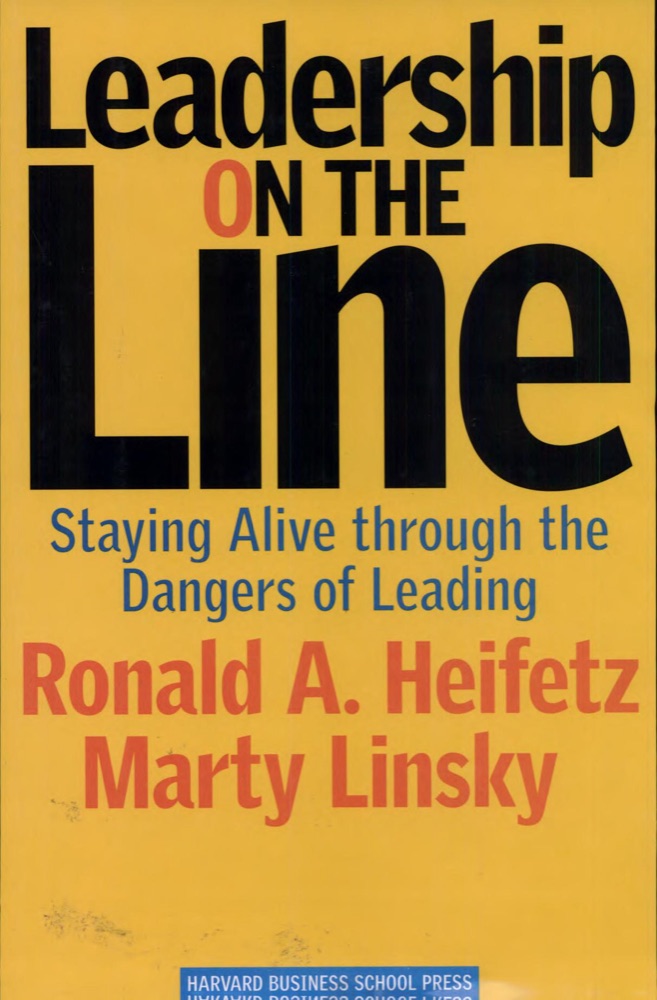
To lead is to live dangerously. It's romantic and exciting to think of leadership as all inspiration, decisive action, and rich rewards, but leading requires taking risks that can jeopardize your career and your personal life. It requires putting yourself on the line, disturbing the status quo, and surfacing hidden conflict. And when people resist and push back, there's a strong temptation to play it safe. Those who choose to lead plunge in, take the risks, and sometimes get burned. But it doesn't have to be that way say renowned leadership authorities Ronald Heifetz and Marty Linsky. In Leadership on the Line, they show how it's possible to make a difference without getting "taken out" or pushed aside. They present everyday tools that give equal weight to the dangerous work of leading change and the cri
Book details
- First published
- 2002
- Author
- Ronald A. Heifetz
- Genre
- Nonfiction
- Goodreads rating
- 4.05 (3k ratings)
Keep reading
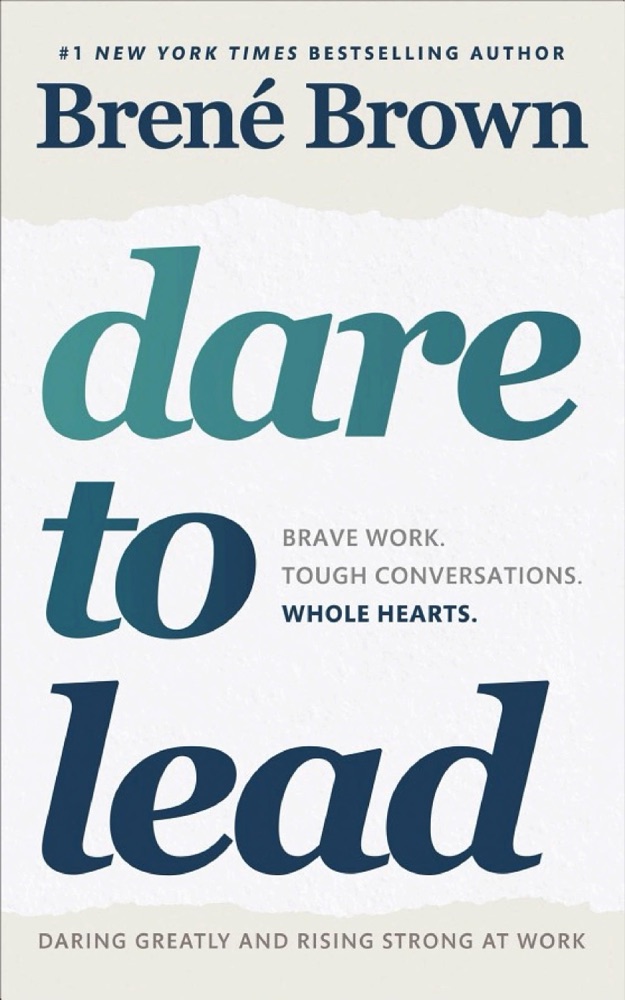
Dare to Lead
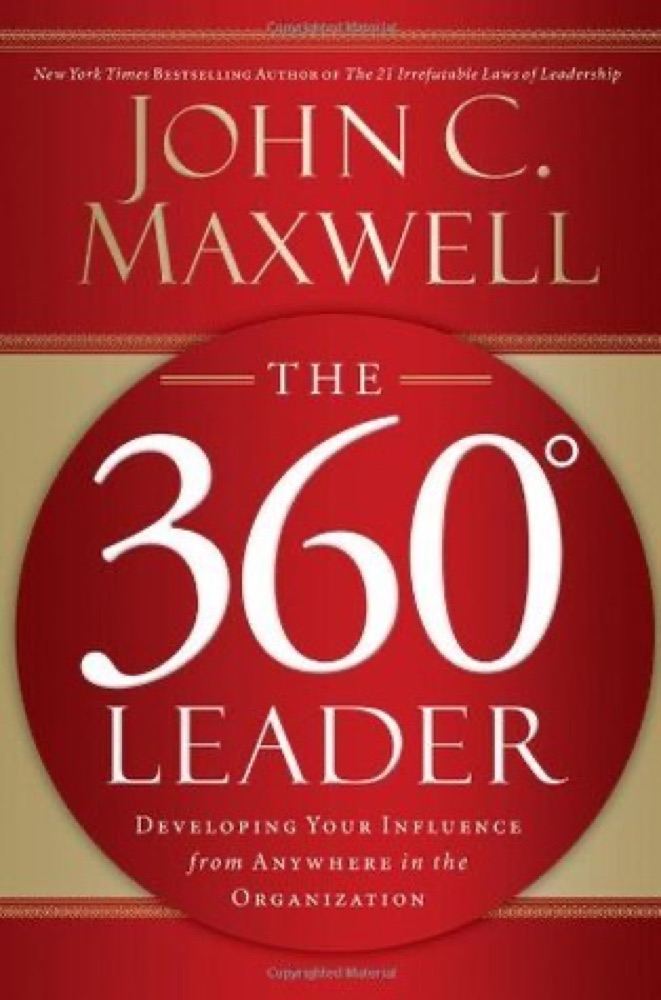 The 360 Degree Leader: Developing Your Influence from Anywhere in the Organization
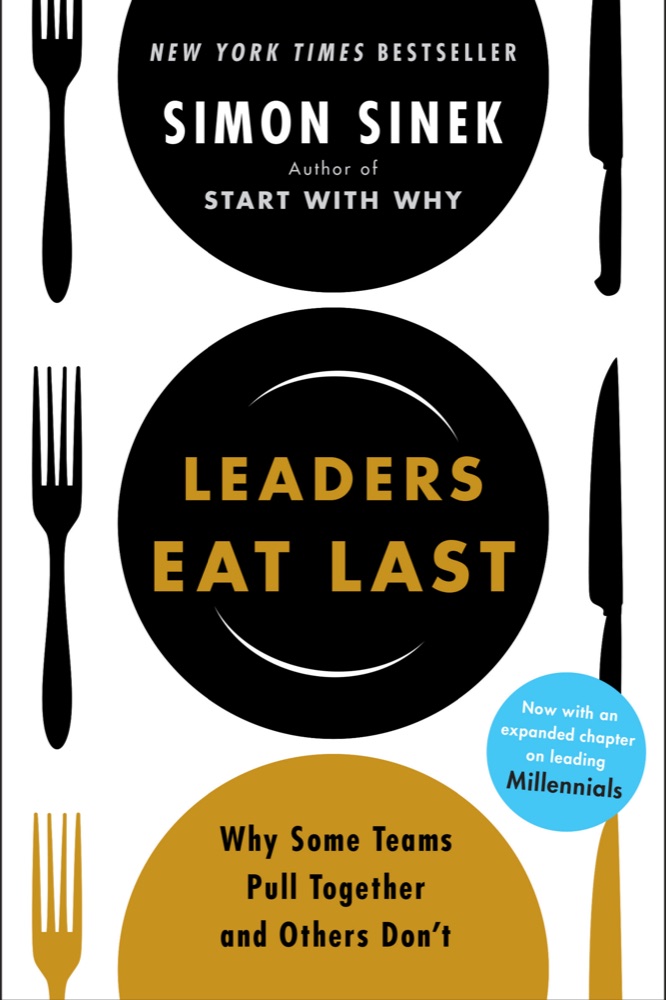 Leaders Eat Last: Why Some Teams Pull Together and Others Don't
 Turn the Ship Around!: A True Story of Turning Followers into Leaders
 A Higher Loyalty: Truth, Lies, and Leadership
 Tribes: We Need You to Lead Us
 The Leader Who Had No Title: A Modern Fable on Real Success in Business and in Life
 The Ride of a Lifetime: Lessons Learned from 15 Years as CEO of the Walt Disney Company
 Independent Study
 Winning
 The 7 Habits of Highly Effective People: Personal Workbook
 Call Sign Chaos: Learning to Lead
 Boundaries for Leaders: Results, Relationships, and Being Ridiculously in Charge
 Lead from the Outside: How to Build Your Future and Make Real Change
 Becoming Bulletproof: Protect Yourself, Read People, Influence Situations, and Live Fearlessly
 Legacy: What the All Blacks Can Teach Us About the Business of Life
 The Score Takes Care of Itself: My Philosophy of Leadership
 Leadershift: The 11 Essential Changes Every Leader Must Embrace
 Above the Line: Lessons in Leadership and Life from a Championship Season
 It Worked for Me: In Life and Leadership
 Resilience: Hard-Won Wisdom for Living a Better Life
 It Takes What It Takes: How to Think Neutrally and Gain Control of Your Life
 Be a People Person
 Against the Grain: A Coach's Wisdom on Character, Faith, Family, and Love
 Awaken The Giant Within
 The Monk and the Riddle: The Education of a Silicon Valley Entrepreneur
 The 50th Law
 Getting There: A Book of Mentors
 Skin in the Game: The Hidden Asymmetries in Daily Life
 QBQ! The Question Behind the Question: Practicing Personal Accountability in Work and in Life
 Principles: Life and Work
 Tribe Of Mentors: Transformative Wisdom From Icons and Innovators to Help You Navigate Life's Challenges
 First Things First
 12 Rules for Life: An Antidote to Chaos
 EntreLeadership: 20 Years of Practical Business Wisdom from the Trenches
 Creativity, Inc.: Overcoming the Unseen Forces That Stand in the Way of True Inspiration
 David and Goliath: Underdogs, Misfits, and the Art of Battling Giants
 The Fifth Discipline: The Art & Practice of The Learning Organization
 The Light We Carry: Overcoming in Uncertain Times
 Courage Is Calling: Fortune Favors the Brave
 Personality Isn't Permanent: Break Free from Self-Limiting Beliefs and Rewrite Your Story
 The Heart and the Fist: The Education of a Humanitarian, the Making of a Navy SEAL
 Discipline Equals Freedom: Field Manual
 How to Be a Bawse: A Guide to Conquering Life
 Necessary Endings: The Employees, Businesses, and Relationships That All of Us Have to Give Up in Order to Move Forward
 You Learn by Living: Eleven Keys for a More Fulfilling Life
 Atlas of the Heart: Mapping Meaningful Connection and the Language of Human Experience
 Firestarters: How Innovators, Instigators, and Initiators Can Inspire You to Ignite Your Own Life
 The Happiness of Pursuit: Finding the Quest That Will Bring Purpose to Your Life
 The Obstacle Is the Way: The Timeless Art of Turning Trials into Triumph
 The Traveler's Gift: Seven Decisions that Determine Personal Success
 Pour Your Heart Into It: How Starbucks Built a Company One Cup at a Time
 The Algebra of Wealth: A Simple Formula for Financial Security
 Parable of the Talents
 Ego Is the Enemy
 Great by Choice: Uncertainty, Chaos, and Luck—Why Some Thrive Despite Them All
 The Startup of You: Adapt to the Future, Invest in Yourself, and Transform Your Career
 The Tools: Transform Your Problems into Courage, Confidence, and Creativity
 Radical Candor: Be a Kickass Boss Without Losing Your Humanity
 Ready for Anything: 52 Productivity Principles for Getting Things Done