
 SPQR: A History of Ancient Rome
Quotes from the Book
In my opinion, the key internal element in Rome’s success or failure was the economic well-being of its taxpayers. This was because the empire relied for its security on a professional army, which in turn relied on adequate funding.
3
The almost total disappearance of coinage from daily use in the post-Roman West is further powerful evidence of a remarkable change in levels of economic sophistication.
2
A hung jury, however, suggests that any decline was not overwhelming; and, in common with most historians, I believe the empire was still very powerful at the end of the fourth century. Unfortunately, a series of disasters was soon to change things.
1
Io penso anche che una visione del passato che si prefigga esplicitamente di eliminare ogni crisi, ogni declino, rappresenti un reale pericolo per il giorno d'oggi. La fine dell'Occidente romano vide orrori e disordini quali io spero sinceramente di non dover mai sperimentare, oltre a distruggere una complessa civiltà, facendo retrocedere gli abitanti dell'Occidente a un livello di vita tipico della preistoria. Prima della caduta di Roma, i Romani erano sicuri quanto lo siamo noi oggi che il loro mondo sarebbe continuato per sempre senza sostanziali mutamenti. Si sbagliavano. Noi saremmo saggi a non imitare la loro sicumera.
There is, however, an obvious problem in imposing, on the basis of eastern evidence, a flourishing Late Antiquity on the whole of the late Roman and post-Roman worlds. In the ‘bad old days’ western decline at the end of Antiquity was imposed on the eastern provinces. Now, instead of all the different regions of the empire being allowed to float free (some flourishing in the fifth to eighth centuries, others not), a new and equally distorting template is being imposed westwards.
The new Late Antiquity is in part a deliberate corrective to a previous bias, which assumed that the entire Roman world declined in the fifth century, because this is what happened in the West. Relocating the centre of the world in the fourth to eighth centuries to Egypt, the Levant, and Persia is a stimulating challenge to our mental framework and cultural expectations.
In southern and central Italy, for example, both the Greek colonies and the Etruscan territories have provided much more evidence of trade and sophisticated native industries than can be found in post-Roman Italy. The pre-Roman past, in the temples of Agrigento and Paestum, the tombs of Cerveteri and Tarquinia, and a mass of imported and native pottery and jewellery, has left enough material remains to serve as a major tourist attraction. The same cannot be said of the immediately post-Roman centuries.
For the Germanic peoples, unity or disunity was the crucial variable in military strength; while for the Romans, as we have seen, it was the abundance or shortage of cash.
Indeed, in the rich developed world (where historians flourish), well-made objects have become so much an accepted part of existence that their importance tends to be overlooked, particularly by intellectuals, who often see themselves as somewhat above such mundane things. However, these same high-minded intellectuals record their elevated thoughts on the latest laptop, in a weatherproof room, comfortably clothed, and surrounded by those mass-produced items known as ‘books’. Our own experience should teach us every minute of every day how important high-quality functional objects are to our well-being.
Watch on YouTube
About Bryan Ward-Perkins
We have collected 9 quotes from 1 book by Bryan Ward-Perkins on BookQuoters.
More about the author →About the book
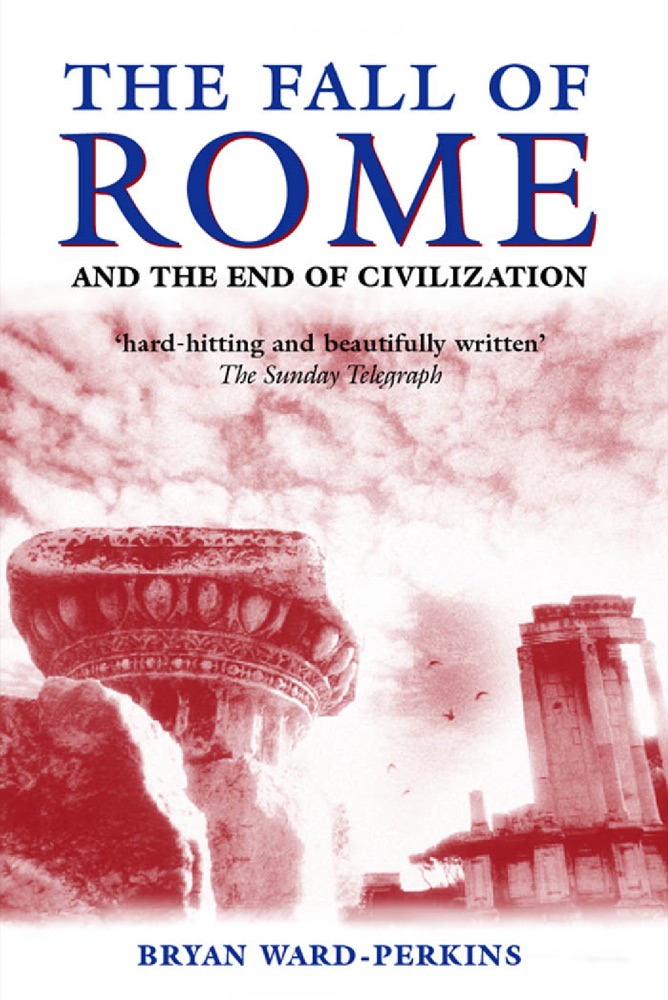
Was the fall of Rome a great catastrophe that cast the West into darkness for centuries to come? Or, as scholars argue today, was there no crisis at all, but simply a peaceful blending of barbarians into Roman culture, an essentially positive transformation?
In The Fall of Rome, eminent historian Bryan Ward-Perkins argues that the "peaceful" theory of Rome's "transformation" is badly in error. Indeed, he sees the fall of Rome as a time of horror and dislocation that destroyed a great civilization, throwing the inhabitants of the West back to a standard of living typical of prehistoric times. Attacking contemporary theories with relish and making use of modern archaeological evidence, he looks at both the wider explanations for the disintegration of the Roman world and also the consequences for the lives of everyday Romans, who were caught in a world of marauding barbarians, and econom
Book details
- First published
- 2005
- Author
- Bryan Ward-Perkins
- Genre
- History
- Goodreads rating
- 4.00 (2k ratings)
Keep reading
SPQR: A History of Ancient Rome
 Europe: A History
 Caesar and Christ
 A History of the World in 100 Objects
 Civilization: The West and the Rest
 The New Penguin History of The World
 The History of the Decline and Fall of the Roman Empire Volume I
 The Fall of the Roman Empire: A New History of Rome and the Barbarians
 Flashpoints: The Emerging Crisis in Europe
 How the Irish Saved Civilization
 Emperor of Rome: Ruling the Ancient Roman World
 The Strange Death of Europe: Immigration, Identity, Islam
 Children of Ash and Elm: A History of the Vikings
 The Discarded Image: An Introduction to Medieval and Renaissance Literature
 The Dawn of Everything: A New History of Humanity
 The Decline and Fall of the Roman Empire
 How Should We Then Live? The Rise and Decline of Western Thought and Culture
 A Short History of Progress
 Magicians of the Gods: The Forgotten Wisdom of Earth's Lost Civilization
 The Next 100 Years: A Forecast for the 21st Century
 Rubicon: The Last Years of the Roman Republic
 Postwar: A History of Europe Since 1945
 Guns, Germs, and Steel: The Fates of Human Societies
 The Darkening Age: The Christian Destruction of the Classical World
 From Dawn to Decadence: 500 Years of Western Cultural Life, 1500 to the Present
 Collapse: How Societies Choose to Fail or Succeed
 The Lessons of History
 Principles for Dealing with the Changing World Order: Why Nations Succeed and Fail
 A Distant Mirror: The Calamitous 14th Century
 Danubia: A Personal History of Habsburg Europe
 The Age of Revolution, 1789–1848
 1491: New Revelations of the Americas Before Columbus
 The Histories
 The Historian's Craft: Reflections on the Nature and Uses of History and the Techniques and Methods of Those Who Write It.
 Upheaval: Turning Points for Nations in Crisis
 What Is History?
 The War on the West: An Instant NYT Bestselling History of the Modern World
 Blue Mars
 Carnage and Culture: Landmark Battles in the Rise of Western Power
 Unruly: The Ridiculous History of England's Kings and Queens
 The Old Regime and the French Revolution
 The Horse, the Wheel, and Language: How Bronze-Age Riders from the Eurasian Steppes Shaped the Modern World
 The Crisis of the Modern World
 Imperium
 The Better Angels of Our Nature: Why Violence Has Declined
 At Home: A Short History of Private Life
 Orientalism
 Modern Times: The World from the Twenties to the Nineties
 Our Oriental Heritage
 The Wizard and the Prophet: Two Remarkable Scientists and Their Dueling Visions to Shape Tomorrow's World
 Dark Continent: Europe's Twentieth Century
 Culture and Imperialism
 The Muqaddimah: An Introduction to History
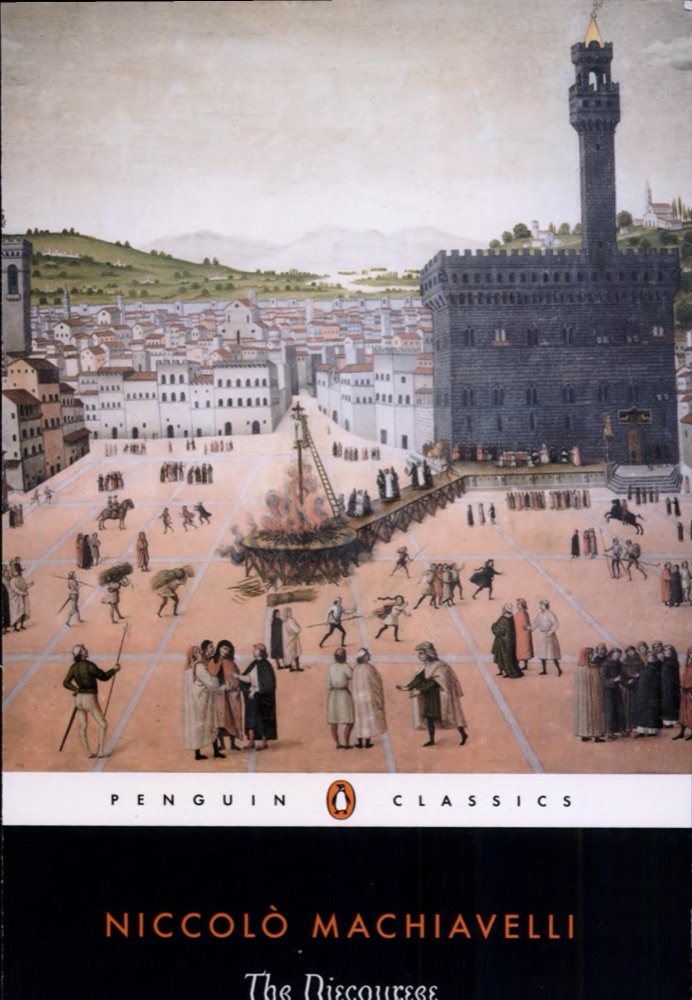 The Discourses
 The Everlasting Man
 The Coming Insurrection
 The Evolution of Everything: How New Ideas Emerge
 Debt: The First 5,000 Years
 The Revenge Of Geography: What the Map Tells Us About Coming Conflicts and the Battle Against Fate
 The Great Transformation: The Political and Economic Origins of Our Time