
 Postwar: A History of Europe Since 1945
Quotes from the Book
Democracy suits Europeans today partly because it is associated with the triumph of capitalism and partly because it involves less commitment or intrusion into their lives than any of the alternatives. Europeans accept democracy because they no longer believe in politics. It is for this reason that we find both high levels of support for democracy in cross-national opinion polls and high rates of political apathy.
10
Post-modernity” had spawned an obsession with “roots” and “heritages” among a politically immobilized electorate, too sophisticated any longer to trust the media, and deprived of any dependable sources of knowledge. Television opened up a world of images, but robbed personal experience of its authenticity. The spread of astrology, New Age philosophies and other forms of irrationalism reflected this growing anxiety in the face of an uninterpretable world. The Guardian talked of the “fretful 1990s, when fear is the new badge of citizenship.
1
To imagine that Hitler was merely following in, say, Bismarck’s footsteps was profoundly to misunderstand the man and his view of the world. Bismarck thought in terms of great-power politics, Hitler of racial triumph.
1
Discrimination against minority rights was not primarily the work of reactionaries and conservatives. On the contrary, in eastern Europe it was above all the work of modernizing liberals who were trying to create a national community through the actions of the state. For them, the state had to show that its power was above “everyone and everything,” and to override its opponents whether these be the Church, brigands, communists or ethnic minorities. Thus it was entirely consistent for the Romanian Liberal Minister of Education, Constantin Angelescu, to criticize not only minorities but also the Church and provincial administrators in his desire to build up a centralized school system, since “the interests of the State, the interests of the Romanian people, stand above individual interests, be they those of the communities . . . The Romanian State that is ours, all of ours, must be strengthened and . . . this State can only be strengthened by . . . letting the State mold the souls of all its citizens.” Because democracy was about the creation of national communities, it was generally anti-Semitic, or at least more ready to allow anti-Semitism to shape policy—through separate electoral colleges, for example, or entry quotas into the universities and civil-service posts—than old-fashioned royalists had been. In Hungary a 1920 law marked out Jews as a separate race rather than as “Hungarians of the Mosaic faith”; had the country been more democratic, it would probably have been more anti-Semitic still. “All citizens in Poland irrespective of creed and nationality must enjoy equal rights,” the Polish Peasant Party announced in 1935, adding the rider that “the Jews, however, as has been proved, cannot be assimilated and are a consciously alien nation within Poland.” Similar views were evident in Slovakia and Romania. And this was not just an east European problem: such sentiments were on the rise in once ultra-assimilationist France as well, and eventually led to the notorious clause in Vichy’s draft constitution describing the Jews as “a race that conducts itself as a distinct community that resists assimilation.
The very distinction between “high” and “low” culture was itself looking increasingly shaky, a product of an earlier era of elite intellectual self-confidence and benevolent moral superiority.
Where conservative parties were stronger, radical anti-immigrant parties found it more difficult to make headway. Where weak, the conservatives themselves often flirted with the same rhetoric: in Vienna, for instance, the ÖVP slogan of “Vienna for the Viennese” was hardly less inflammatory than the FPÖ version.
By the 1990s the UK was the most unequal society in the Western world, with around fourteen million living in poverty, including over four million children, but other west European countries were heading in the same direction.
When we eat wheat from Canada,” remarked Hitler one evening during the war, “we don’t think about the despoiled Indians.
Germany had to be kept in her place. The new states of eastern and central Europe would act both as a buffer against Bolshevik revolution and as a check against Germany. The slogan of national self-determination was thus a means to an end, and could be overridden when it clashed with French interests. This explains the French lack of enthusiasm for the minorities treaties—which seemed merely to weaken her new east European allies—and the French refusal in 1918–19 (and again, implicitly, in 1931) to allow Austria and Germany to be united, against the evident wishes of the bulk of the Austrian population.
The crucial difference was between the regimes of the old Right, who wanted to turn the clock back to a pre-democratic elitist era, and the new Right, who seized and sustained power through the instruments of mass politics.
But it is also, and more basically, because if this century has shown one thing, it is that politics cannot be reduced to economics: differences in values and ideologies must be taken seriously and not simply regarded as foils for class interest. Fascism, in other words, was more than just another form of capitalism.
Watch on YouTube
About Mark Mazower
We have collected 11 quotes from 1 book by Mark Mazower on BookQuoters.
More about the author →About the book
An unflinching and intelligent alternative history of the twentieth century that provides a provocative vision of Europe's past, present, and future.
"[A] splendid book." — The New York Times Book Review
Dark Continent provides an alternative history of the twentieth century, one in which the triumph of democracy was anything but a forgone conclusion and fascism and communism provided rival political solutions that battled and sometimes triumphed in an effort to determine the course the continent would take.
Mark Mazower strips away myths that have comforted us since World War II, revealing Europe as an entity constantly engaged in a bloody project of self-invention. Here is a history not of inevitable victories and forward marches, but of narrow squeaks and unexpected twists, where townships boast a bronze of Mussolini on horseback one moment, only to melt it down and recast it as a
Book details
- First published
- 1998
- Author
- Mark Mazower
- Genre
- History
- Goodreads rating
- 4.02 (3k ratings)
Keep reading
Postwar: A History of Europe Since 1945
 Twilight of Democracy: The Seductive Lure of Authoritarianism
 The Strange Death of Europe: Immigration, Identity, Islam
 Flashpoints: The Emerging Crisis in Europe
 Modern Times: The World from the Twenties to the Nineties
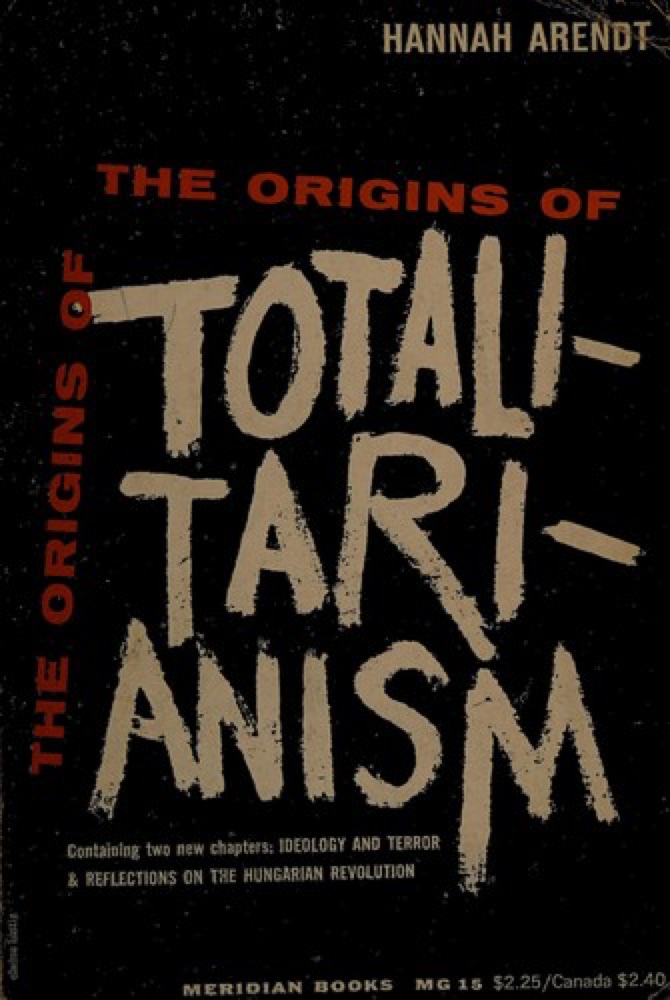 The Origins of Totalitarianism
 Fascism: A Warning
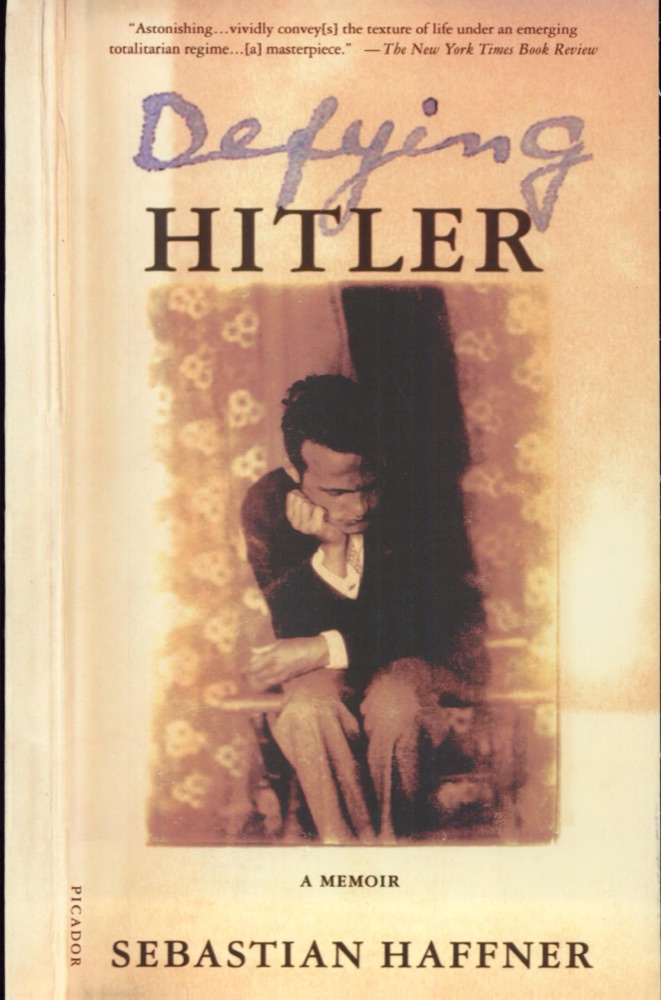 Defying Hitler
 Political Order and Political Decay: From the Industrial Revolution to the Globalization of Democracy
 Identity: The Demand for Dignity and the Politics of Resentment
 What's Left?
 Upheaval: Turning Points for Nations in Crisis
 Liberal Fascism: The Secret History of the American Left from Mussolini to the Politics of Meaning
 The Rise and Fall of the Third Reich: A History of Nazi Germany
 How Fascism Works: The Politics of Us and Them
 Bloodlands: Europe Between Hitler and Stalin
 The Age of Revolution, 1789–1848
 Capital and Ideology
 They Thought They Were Free: The Germans 1933-45
 Europe: A History
 Blackshirts and Reds: Rational Fascism and the Overthrow of Communism
 The End of History and the Last Man
 Ill Fares the Land
 A People's History of the United States
 On Tyranny: Twenty Lessons from the Twentieth Century
 Brave New World Revisited
 World Order
 The Evolution of Everything: How New Ideas Emerge
 Civilization: The West and the Rest
 Café Europa: Life After Communism
 Notes on Nationalism
 First As Tragedy, Then As Farce
 The Revenge Of Geography: What the Map Tells Us About Coming Conflicts and the Battle Against Fate
 The Untold History of The United States
 Conspirators' Hierarchy: The Story of the Committee of 300
 The Old Regime and the French Revolution
 Understanding Power: The Indispensable Chomsky
 The Machiavellians: Defenders of Freedom
 Antifa: The Anti-Fascist Handbook
 The Lessons of History
 Discourse on Colonialism
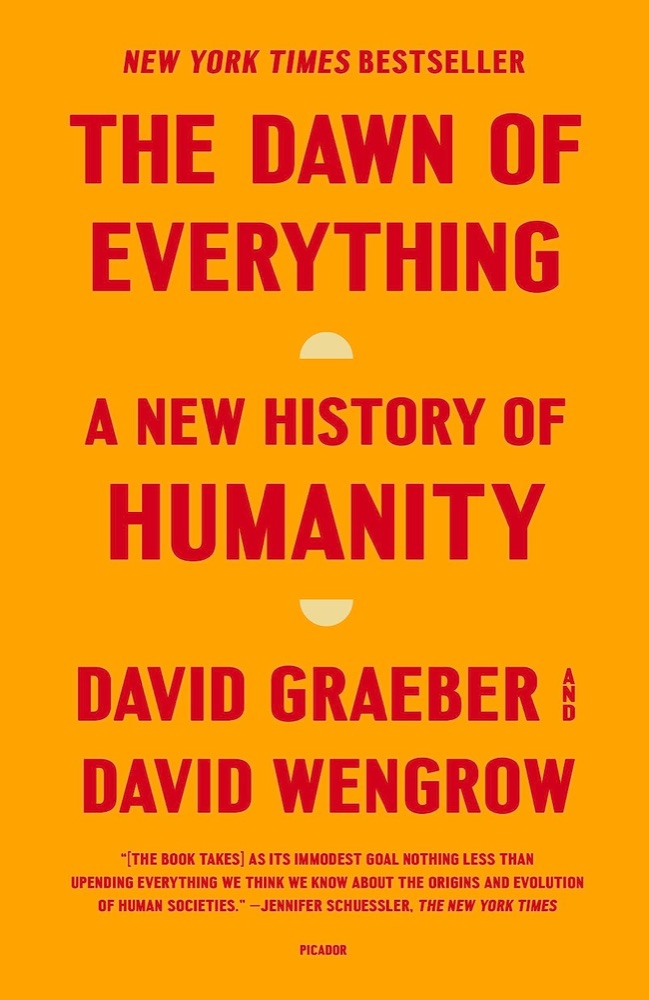 The Dawn of Everything: A New History of Humanity
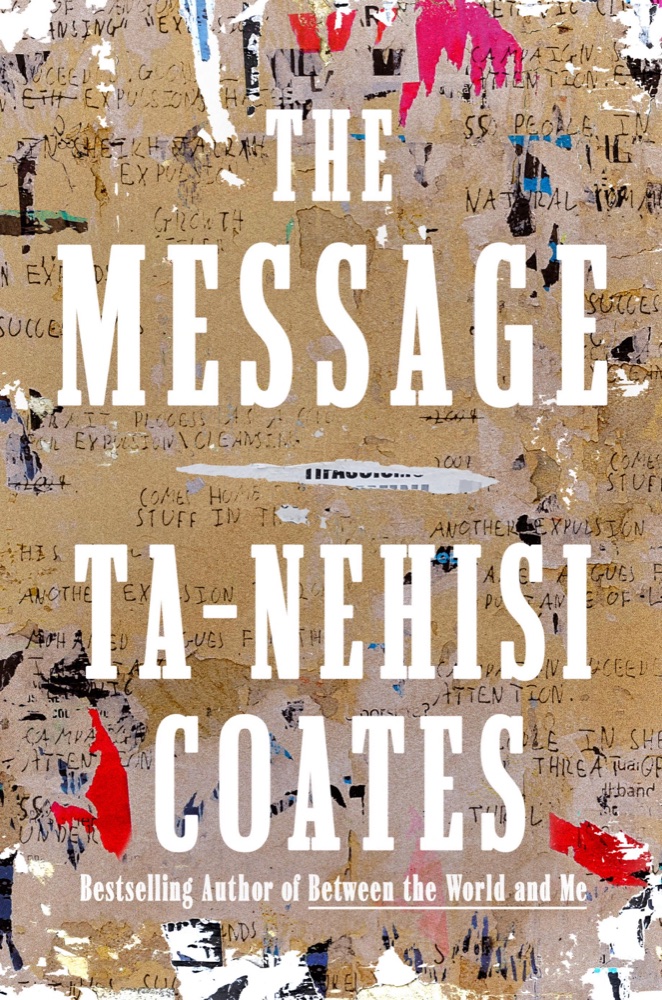 The Message
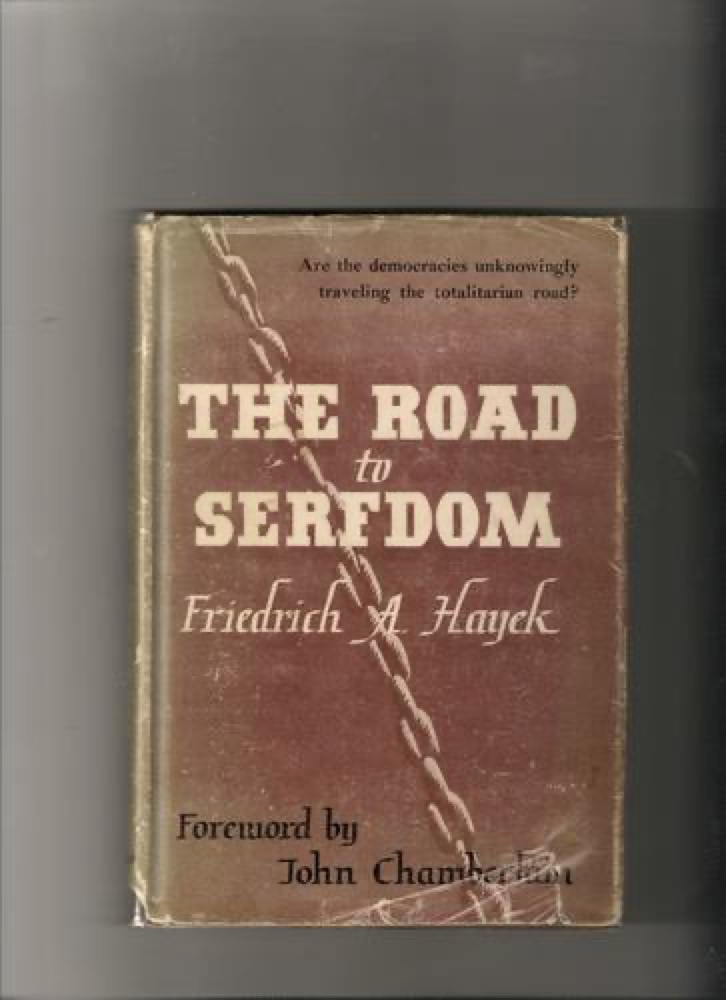 The Road to Serfdom
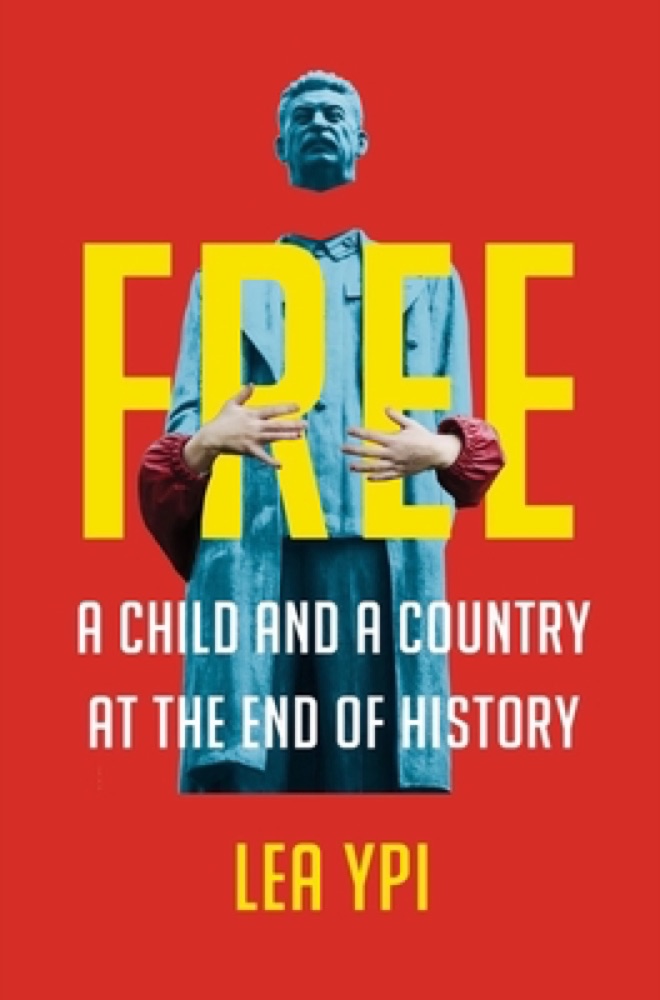 Free: A Child and a Country at the End of History
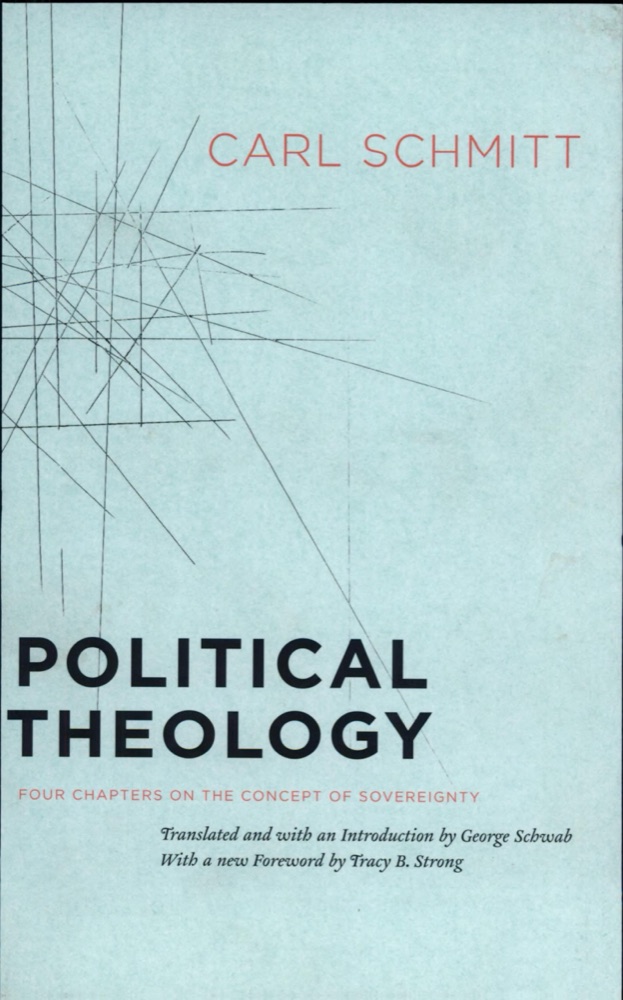 Political Theology: Four Chapters on the Concept of Sovereignty
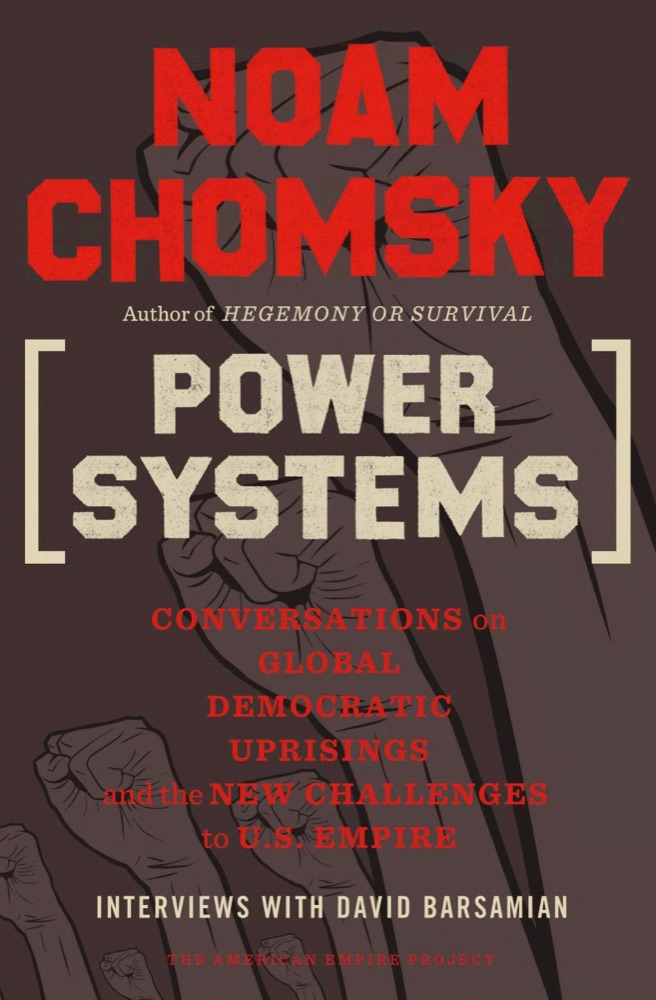 Power Systems: Conversations on Global Democratic Uprisings and the New Challenges to U.S. Empire
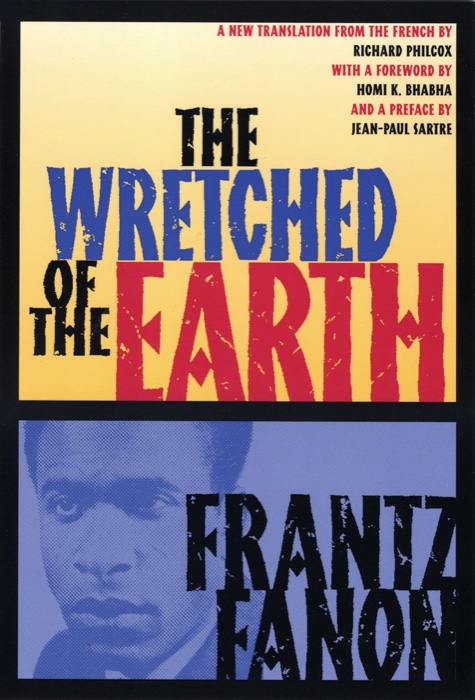 The Wretched of the Earth
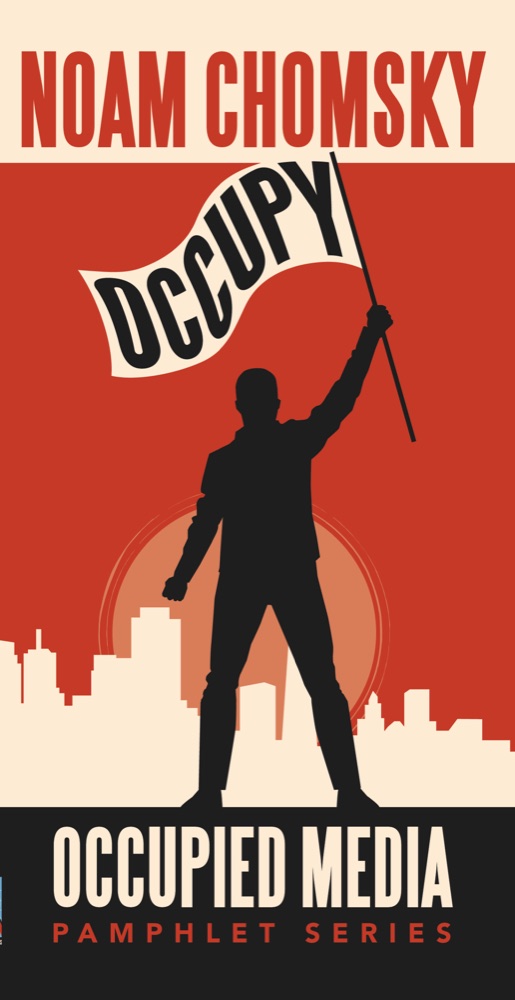 Occupy
 The Reactionary Mind: Conservatism from Edmund Burke to Sarah Palin
 History of the Russian Revolution
 The Next 100 Years: A Forecast for the 21st Century
 From Dawn to Decadence: 500 Years of Western Cultural Life, 1500 to the Present
 Freedom: Memoirs 1954-2021
 Capitalism, Socialism and Democracy
 Wealth, Poverty and Politics: An International Perspective
 Anti-Intellectualism in American Life
 Imperium
 Culture and Imperialism
 The Question of Palestine