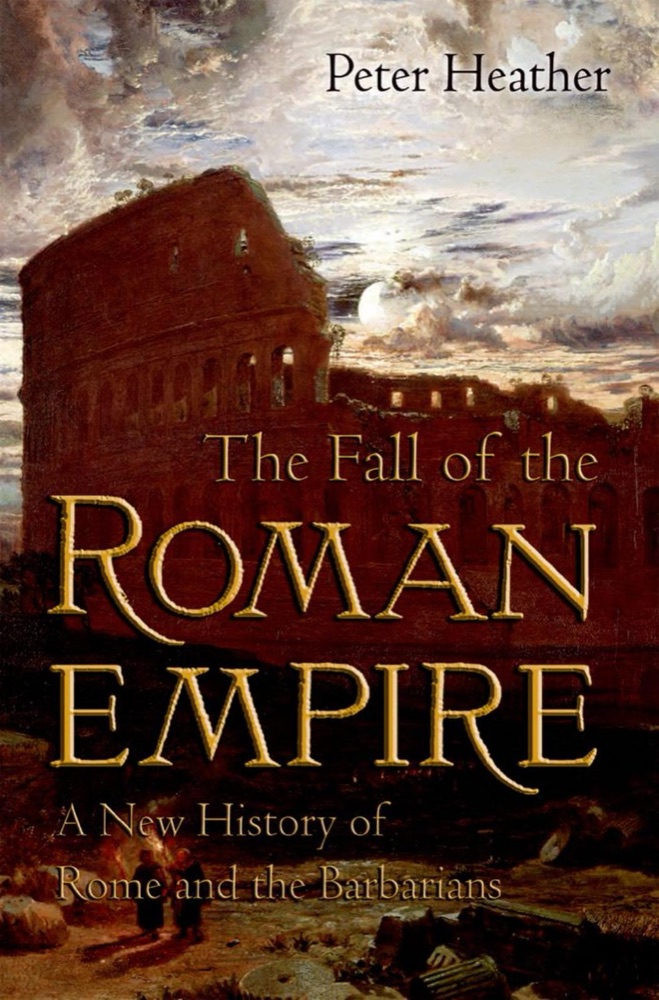

 The Decline and Fall of the Roman Empire
Quotes from the Book
The way to a landowner's heart was to tax gently.
9
By virtue of its unbounded aggression, Roman imperialism was ultimately responsible for its own destruction.
7
Biberunt ut Gothi – ‘drinking like Goths’ – would be a proverbial expression in Italy by the sixth century.
3
An emphasis on reading individual texts with a view to understanding the ideological visions of the world that underlie them has also had a dramatic impact. This type of interpretation requires historians to treat ancient authors, not as sources of fact, but rather like second-hand-car salesmen whom they would do well to approach with a healthy caution.
3
The author describes the attitude of some on the frontier at Rome's twilight as exhibiting "a kind of London-in-the-blitz determination to carry on being more Roman than usual.
2
Cultures reflect the interactions of mixed populations.
2
Foreign policy often involved nothing more than the decision whom to make war upon.
2
He was a stylist, not a thinker. He spent time trying to say things in as complicated a way as possible.
1
The most important thing for morale was to maintain a united front among the officers.
1
[W]ithin a generation, the Roman order was shaken to its core and Roman armies, as one contemporary put it, 'vanished like shadows'. In 376, a large band of Gothic refugees arrived at the Empire's Danube frontier, asking for asylum. In a complete break with established Roman policy, they were allowed in, unsubdued. They revolted, and within two years had defeated and killed the emperor Valens - the one who had received them - along with two-thirds of his army[.]
Such was the quasi-religious fervour surrounding the concept of the nation that politicians were ready to use identifications of the ancient spread of ‘peoples’ as evidence for claims about the present.
But in the fourth century, as in any other, ‘no plan survives first contact with the enemy’.
It was not the military prowess of the Germani that kept them outside the Empire, but their poverty.
With ancient history writers most immediately in view, the author indicates "tendency to look to the virtues and vices of individuals when seeking causes.
Author describes one monarch's impressive table but conveys a contemporary's observation, "the weightiest thing at dinner was the conversation".
The factor that made him so powerful was also his greatest liability.
That the regime was willing to hit itts chief political constituency in the pocket was a clear sign of desperation.
The cornerstone of the Roman legionnaires' astonishing fighting spirit can be attributed to their training.
Watch on YouTube
About Peter Heather
We have collected 18 quotes from 1 book by Peter Heather on BookQuoters.
More about the author →About the book
In AD 378, the Roman Empire had been the unrivalled superpower of Europe for well over four hundred years. And yet, August that year saw a small group of German-speaking asylum-seekers rout a vast Imperial army at Hadrianople, killing the Emperor and establishing themselves on Roman territory. Within a hundred years the last Emperor of the Western Empire had been deposed. What had gone wrong?
In this ground breaking book, Peter Heather proproses a stunning new solution to one of the greatest mysteries of history. Mixing authoratative analysis with thrilling narrative, he brings fresh insight into the panorama of the empire's end, from the bejewelled splendour of the imperial court to the dripping forests of "Barbaricum". He examines the extraordinary success story that was the Roman Empire and uses a new understanding of its continued strength and enduring limitations to show how Euro
Book details
- First published
- 2005
- Author
- Peter Heather
- Genre
- History
- Goodreads rating
- 4.16 (4k ratings)
Keep reading
The Decline and Fall of the Roman Empire
 SPQR: A History of Ancient Rome
 The History of the Decline and Fall of the Roman Empire Volume I
 Rubicon: The Last Years of the Roman Republic
 Caesar and Christ
 A Distant Mirror: The Calamitous 14th Century
 The March of Folly: From Troy to Vietnam
 Emperor of Rome: Ruling the Ancient Roman World
 The Guns of August
 The Histories
 Imperium: A Novel of Ancient Rome
 Fall of Giants
 How the Irish Saved Civilization
 Closing the Ring
 Children of Ash and Elm: A History of the Vikings
 History of the Peloponnesian War
 Plutarch's Lives
 Europe: A History
 In the Shadow of the Sword: The Birth of Islam and the Rise of the Global Arab Empire
 Danubia: A Personal History of Habsburg Europe
 Flashpoints: The Emerging Crisis in Europe
 The Last Lion: Winston Spencer Churchill: Alone, 1932-40
 The Monuments Men: Allied Heroes, Nazi Thieves, and the Greatest Treasure Hunt in History
 Precipice
 American Colossus: The Triumph of Capitalism, 1865-1900
 The Annals of Imperial Rome
 I, Claudius
 The Winds of War
 River of Smoke
 Executive Orders
 A History of the World in 100 Objects
 The Wretched of the Earth
 The Will to Battle
 Modern Times: The World from the Twenties to the Nineties
 The Origins of Totalitarianism
 The Covenant
 Falls the Shadow
 The Twelve Caesars
 Saturnine
 The Rise and Fall of the Third Reich: A History of Nazi Germany
 Postwar: A History of Europe Since 1945
 Romola
 Arguably: Selected Essays
 Interesting Times
 The Old Regime and the French Revolution
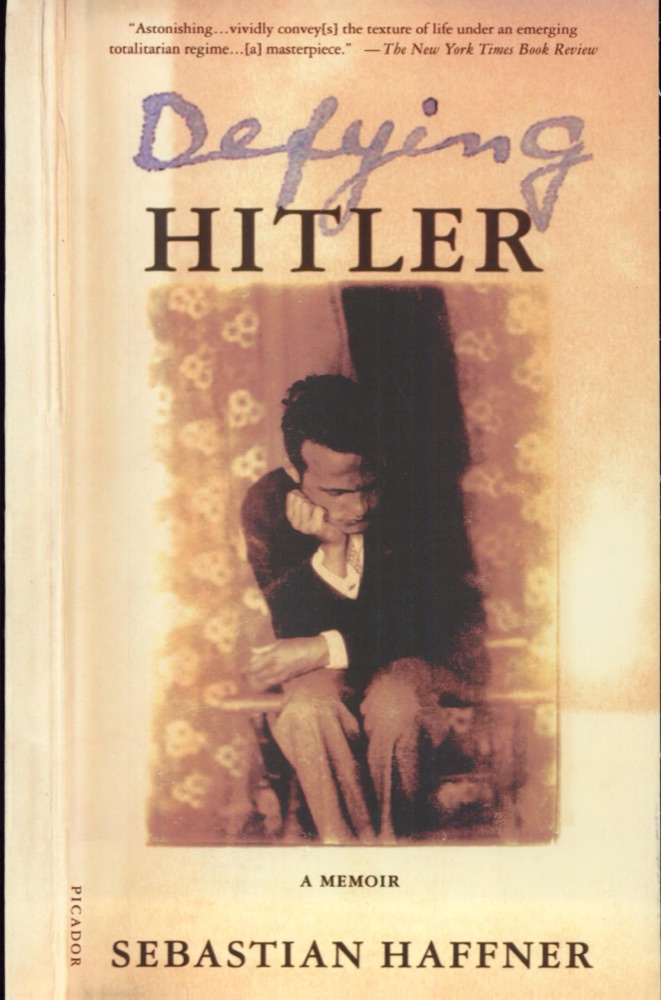 Defying Hitler
 Red Mars
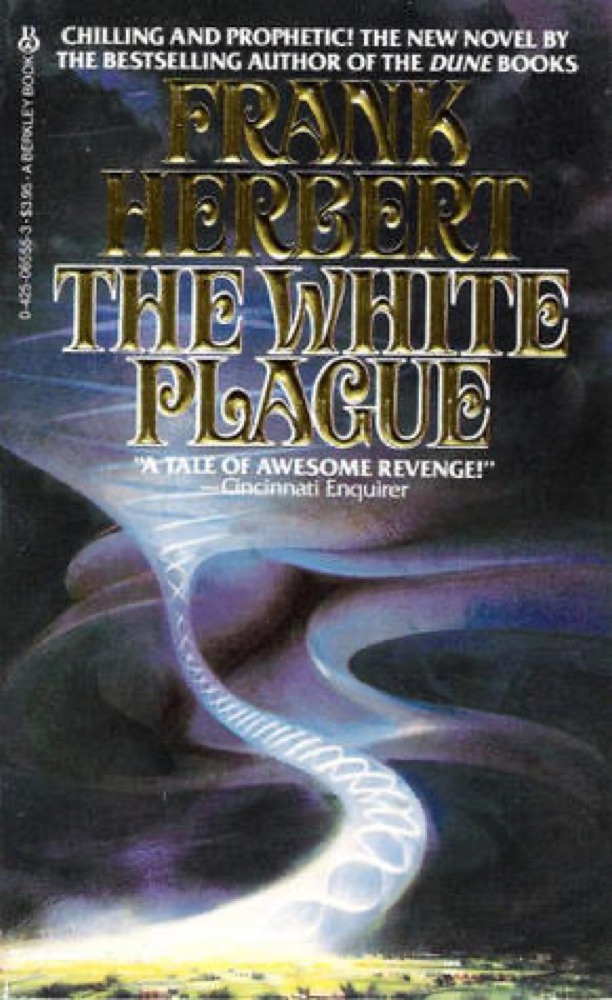 The White Plague
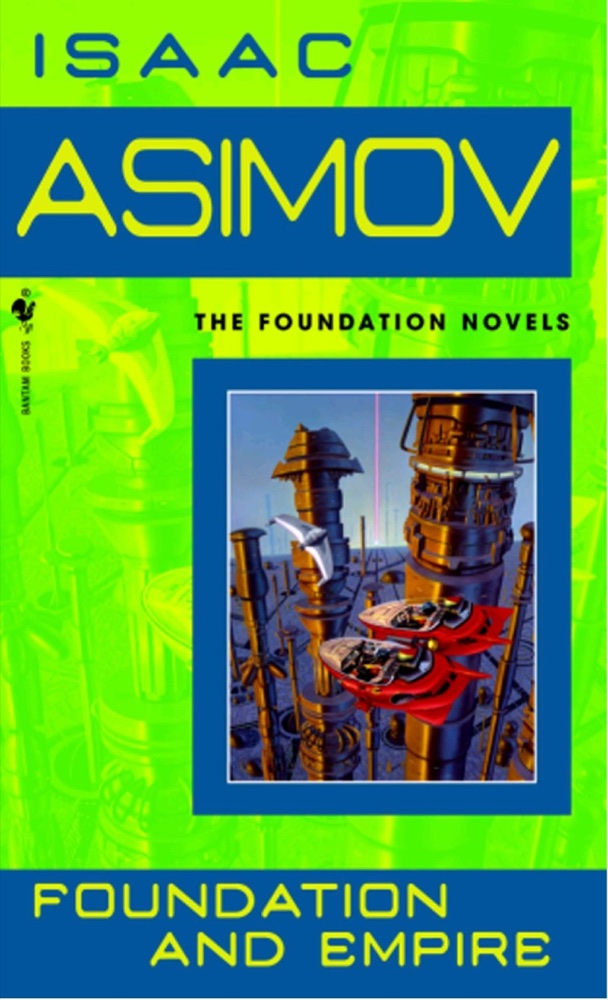 Foundation and Empire
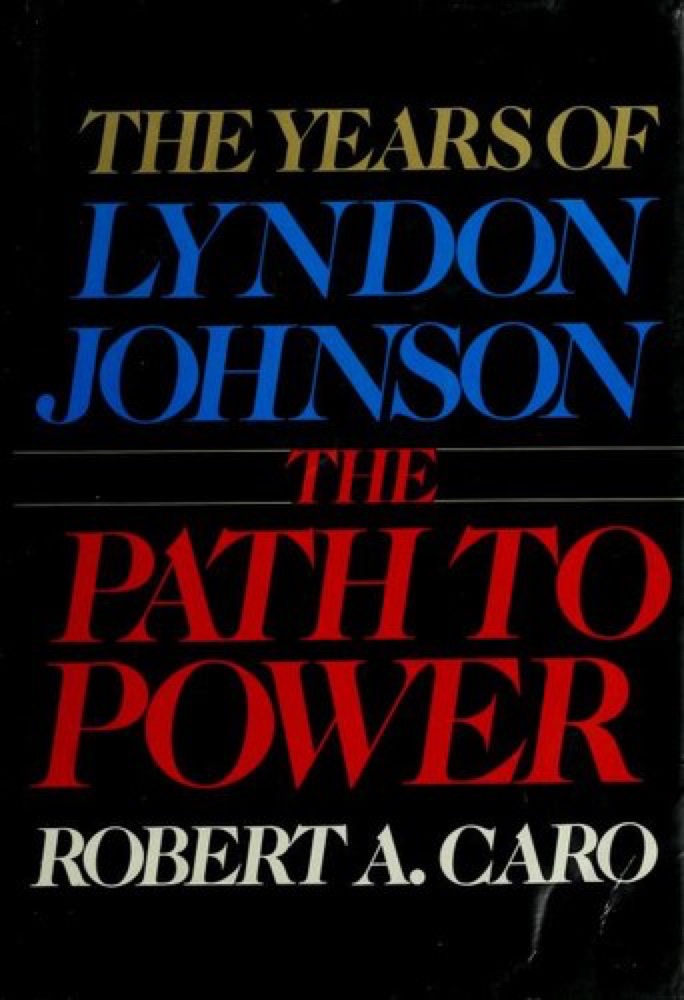 The Path to Power
 Victory City
 The Age of Revolution, 1789–1848
 The Lessons of History
 Consider Phlebas
 Stone's Fall
 This Kind of War: A Study in Unpreparedness
 The Revenge Of Geography: What the Map Tells Us About Coming Conflicts and the Battle Against Fate
 Reamde
 The Strange Death of Europe: Immigration, Identity, Islam
 The Fifties