
 Good Morning, Monster: A Therapist Shares Five Heroic Stories of Emotional Recovery
Quotes from the Book
When family members lead unhappy lives or suffer an extremely difficult fate, it’s often easier to reject them than to feel the pain of loving them. Anger is often an easier emotion to feel than sadness.
34
The emotions, traits, and behaviors we reject in our parents will likely live on in us. It’s our unconscious way of loving them, a way to bring them back into our lives.
28
What I failed to realize at the time is that when we try to resist feeling something painful, we often protract the very pain we’re trying to avoid.
23
A child who takes care of a parent often forges a lifelong pattern of overextension and creates a blueprint for habitually feeling overwhelmed.
19
As small children, we develop our sense of self gradually. Back then, we had not learned how to be separate from our parents and be connected to them at the same time. In this innocent place, perhaps we imagined that we could alleviate their unhappiness by fixing or sharing it. If we too carried it, they wouldn’t have to carry it alone. But this is fantasized thinking, and it only leads to more unhappiness.
16
Sometimes, the heart must break in order to open.
16
Ignoring the pain actually deepens it. What is hidden from sight often increases in intensity.
12
If you look deeply into the palm of your hand, you will see your parents and all generations of your ancestors. All of them are alive in this moment. Each is present in your body. You are the continuation of each of these people. —Thich Nhat Hanh, A Lifetime of Peace
9
The most powerful ties are the ones to the people who gave us birth . . . it hardly seems to matter how many years have passed, how many betrayals there may have been, how much misery in the family: We remain connected, even against our wills. —Anthony Brandt, “Bloodlines
8
By developing a relationship with the painful parts of ourselves—parts we have often inherited from our family—we have an opportunity to shift them. Qualities like cruelty can become the source of our kindness; our judgments can forge the foundation of our compassion.
7
Written Exercise #1: Investigating Your Core Complaint Focus on a problem that’s most pressing in your life right now. It might be an issue with your health, your job, your relationship—any issue that disrupts your sense of safety, peace, security, or well-being. What is the deepest issue you want to heal? Maybe it’s a problem that feels overwhelming to you. Maybe it’s a symptom or a feeling you’ve had all your life. What do you want to see shift? Don’t edit yourself. Write down what feels important to you. Write it down as it comes to you. For example, you may carry a fear of something terrible happening to you in the future. It doesn’t matter what comes out; just keep writing. If nothing comes, answer this one question: If the feeling or symptom or condition you have never goes away, what would you be afraid could happen to you? Don’t continue reading until you’ve written down your most pressing concern.
6
The words we use to describe our worries and struggles can say more than we realize
6
Viewed in this way, the traumas we inherit or experience firsthand can not only create a legacy of distress, but also forge a legacy of strength and resilience that can be felt for generations to come.
5
When your grandmother was five months pregnant with your mother, the precursor cell of the egg you developed from was already present in your mother’s ovaries. This means that before your mother was even born, your mother, your grandmother, and the earliest traces of you were all in the same body—three generations sharing the same biological environment.1 This isn’t a new idea: embryology textbooks have told us as much for more than a century. Your inception can be similarly traced in your paternal line. The precursor cells of the sperm you developed from were present in your father when he was a fetus in his mother’s womb.
5
When we cut ourselves off from our parents, the qualities we view as negative in them can express in us unconsciously.
5
Remaining silent about family pain is rarely an effective strategy for healing it. The suffering will surface again at a later time, often expressing in the fears or symptoms of a later generation.
5
one thing is clear: life sends us forward with something unresolved from the past.
5
As the adage goes, history is written by the victors, penned by those who remain to tell it. No matter how skewed or one-sided the story, many of us rarely think to question what that story would look like if told by the other side.
4
There is often sadness hibernating beneath your angry words. The sadness won’t kill you. The anger actually might.
3
Sleeping inside each of them were fragments of traumas too great to be resolved in one generation.
3
When entangled, you unconsciously carry the feelings, symptoms, behaviors, or hardships of an earlier member of your family system as if these were your own.
3
The greater truth would be that the love you longed for was not available for your mother to give.
3
Perhaps your mother carried a wound from her mother and was unable to give you what she didn’t get. Her parenting skills would be limited by what she did not receive from her parents.
3
Even when we care for ill or elderly parents, providing what they cannot do for themselves, it is important to preserve and respect the integrity of the parent-child relationship, rather than diminish our parents’ dignity.
3
Younger children often, though not always, seem to do a bit better than first children, or only children, who seem to carry a bigger portion of unfinished business from the family history.
2
As psychologist Annie Rogers says, “The unconscious insists, repeats, and practically breaks down the door, to be heard. The only way to hear it, to invite it into the room, is to stop imposing something over it—mostly in the form of your own ideas—and listen instead for the unsayable, which is everywhere, in speech, in enactments, in dreams, and in the body.
2
Researchers are now finding that our thoughts, inner images, and daily practices, such as visualization and meditation, can change the way our genes express,
2
The great teachers know. The truly great ones don’t care whether you believe in their teachings or not. They present a truth, then leave you with yourself to discover your own truth. Adam Gopnik
2
When suffering confounds us, we need to ask ourselves: whose feelings am I actually living?
2
Watch on YouTube
About Mark Wolynn
We have collected 29 quotes from 1 book by Mark Wolynn on BookQuoters.
More about the author →About the book
A groundbreaking approach to transforming traumatic legacies passed down in families over generations, by an acclaimed expert in the field.
Depression. Anxiety. Chronic Pain. Phobias. Obsessive thoughts. The evidence is compelling: the roots of these difficulties may not reside in our immediate life experience or in chemical imbalances in our brains—but in the lives of our parents, grandparents, and even great-grandparents. The latest scientific research, now making headlines, supports what many have long intuited—that traumatic experience can be passed down through generations. It Didn’t Start with You builds on the work of leading experts in post-traumatic stress, including Mount Sinai School of Medicine neuroscientist Rachel Yehuda and psychiatrist Bessel van der Kolk, author of The Body Keeps the Score. Even if the person who suffered the original trauma has died, or the story ha
Book details
- First published
- 2016
- Author
- Mark Wolynn
- Genre
- Nonfiction
- Goodreads rating
- 3.55 (41k ratings)
Keep reading
Good Morning, Monster: A Therapist Shares Five Heroic Stories of Emotional Recovery
 For Your Own Good: Hidden Cruelty in Child-Rearing and the Roots of Violence
 The Examined Life: How We Lose and Find Ourselves
 Running on Empty: Overcome Your Childhood Emotional Neglect
 The Many Daughters of Afong Moy
 What Happened To You?: Conversations on Trauma, Resilience, and Healing
 All Is Not Forgotten
 Toxic Parents: Overcoming Their Hurtful Legacy and Reclaiming Your Life
 What My Bones Know
 Maybe You Should Talk to Someone: A Therapist, Her Therapist, and Our Lives Revealed
 The Drama of the Gifted Child: The Search for the True Self
 Complex PTSD: From Surviving to Thriving
 Scattered Minds: The Origins and Healing of Attention Deficit Disorder
 Far from the Tree: Parents, Children, and the Search for Identity
 Mothers Who Can't Love: A Healing Guide for Daughters
 In The Blood
 Reconciliation: Healing the Inner Child
 Good Dirt
 The Shock of the Fall
 Letting Go of the Person You Used to Be: Lessons on Change, Loss, and Spiritual Transformation
 Option B: Facing Adversity, Building Resilience, and Finding Joy
 On Grief and Grieving: Finding the Meaning of Grief Through the Five Stages of Loss
 Just as I Am
 Inheritance: A Memoir of Genealogy, Paternity, and Love
 Atlas of the Heart: Mapping Meaningful Connection and the Language of Human Experience
 The Island of Missing Trees
 The Shaking Woman, or A History of My Nerves
 A Mind Spread Out on the Ground
 When the Body Says No: The Cost of Hidden Stress
 The Boy Who Was Raised as a Dog: And Other Stories from a Child Psychiatrist's Notebook
 When Things Fall Apart: Heart Advice for Difficult Times
 In Shock: My Journey from Death to Recovery and the Redemptive Power of Hope
 Memorial Drive: A Daughter's Memoir
 Aftershocks
![The Book You Wish Your Parents Had Read [and Your Children Will Be Glad That You Did]](/i/book/g/63/the-book-you-wish-your-parents-had-read-and-your-children-will-be-glad-that-you-did.jpg) The Book You Wish Your Parents Had Read [and Your Children Will Be Glad That You Did]
The Book You Wish Your Parents Had Read [and Your Children Will Be Glad That You Did]
 Clarity & Connection
 The Silent Patient
 Any Ordinary Day
 This Is How: Proven Aid in Overcoming Shyness, Molestation, Fatness, Spinsterhood, Grief, Disease, Lushery, Decrepitude & More. For Young and Old Alike.
 Us: Getting Past You and Me to Build a More Loving Relationship
 The Awakened Family: A Revolution in Parenting
 The Trauma Cleaner: One Woman's Extraordinary Life in the Business of Death, Decay, and Disaster
 The Tools: Transform Your Problems into Courage, Confidence, and Creativity
 The Wisdom of Your Body: Finding Healing, Wholeness, and Connection through Embodied Living
 The Gift of Rain
 Untangle Your Emotions: Naming What You Feel and Knowing What to Do About It
 Life Will Be the Death of Me: . . . and you too!
 Buddha's Brain: The Practical Neuroscience of Happiness, Love, and Wisdom
 Somebody's Daughter
 Varina
 Letting Go: The Pathway To Surrender
 The Burning Girls
 Truths I Never Told You
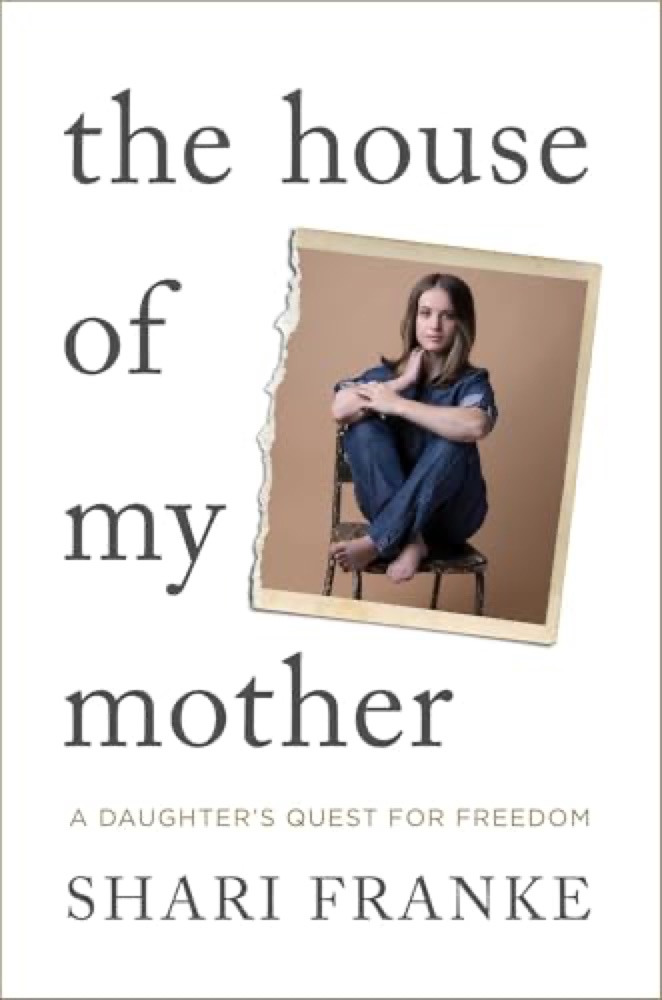 The House of My Mother: A Daughter's Quest for Freedom
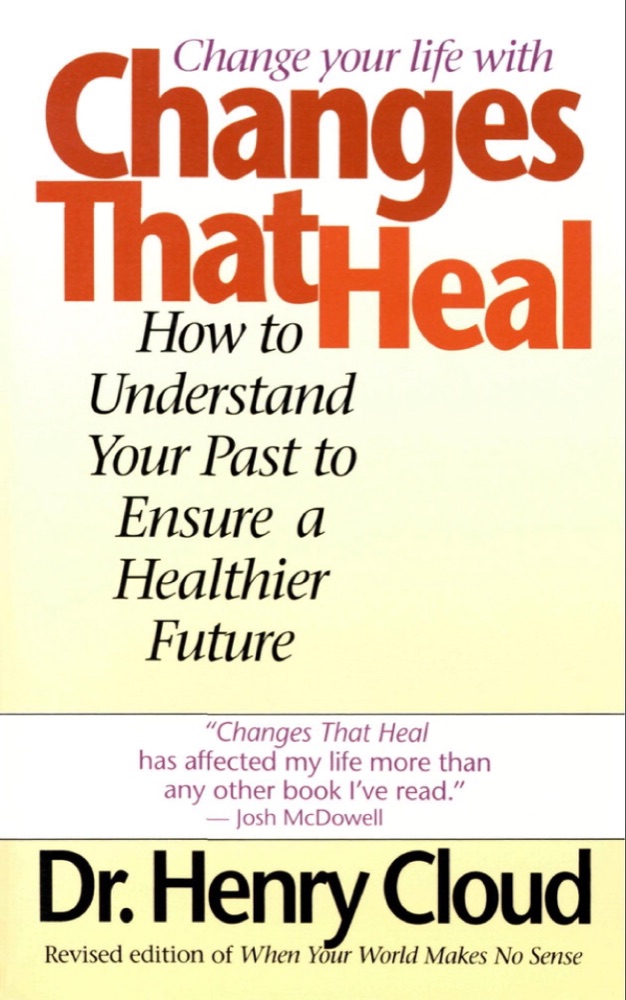 Changes That Heal: How to Understand the Past to Ensure a Healthier Future
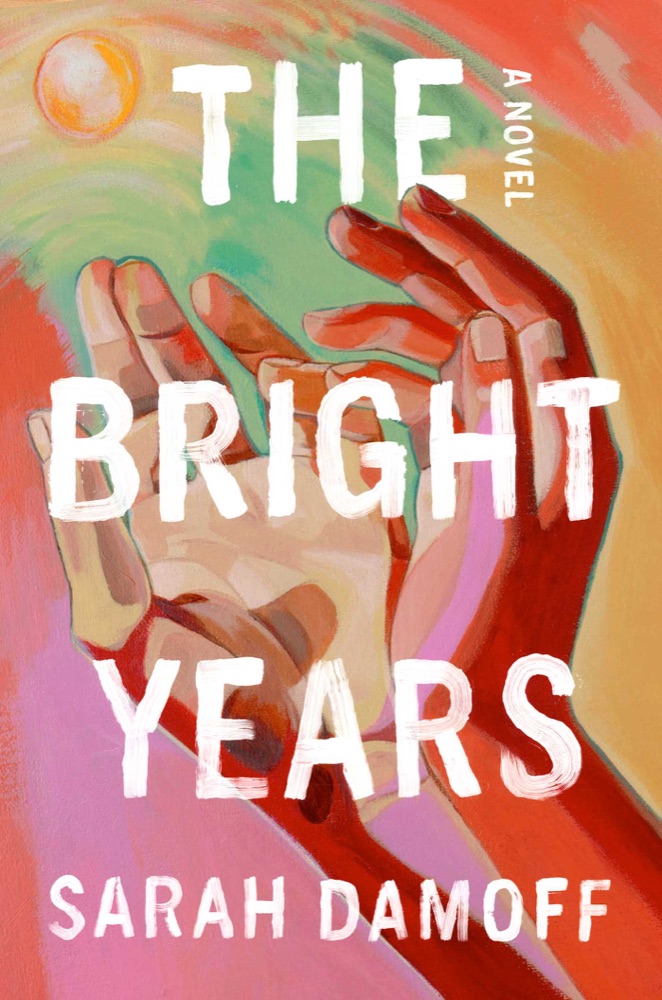 The Bright Years
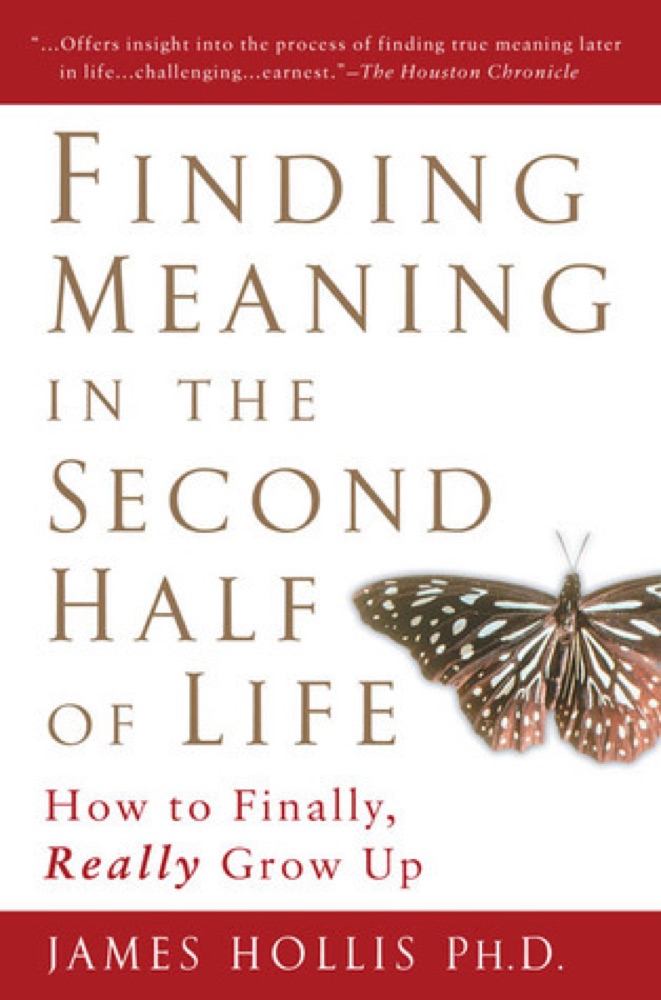 Finding Meaning in the Second Half of Life: How to Finally, Really Grow Up
 The Color of Everything: A Journey to Quiet the Chaos Within
 In an Unspoken Voice: How the Body Releases Trauma and Restores Goodness