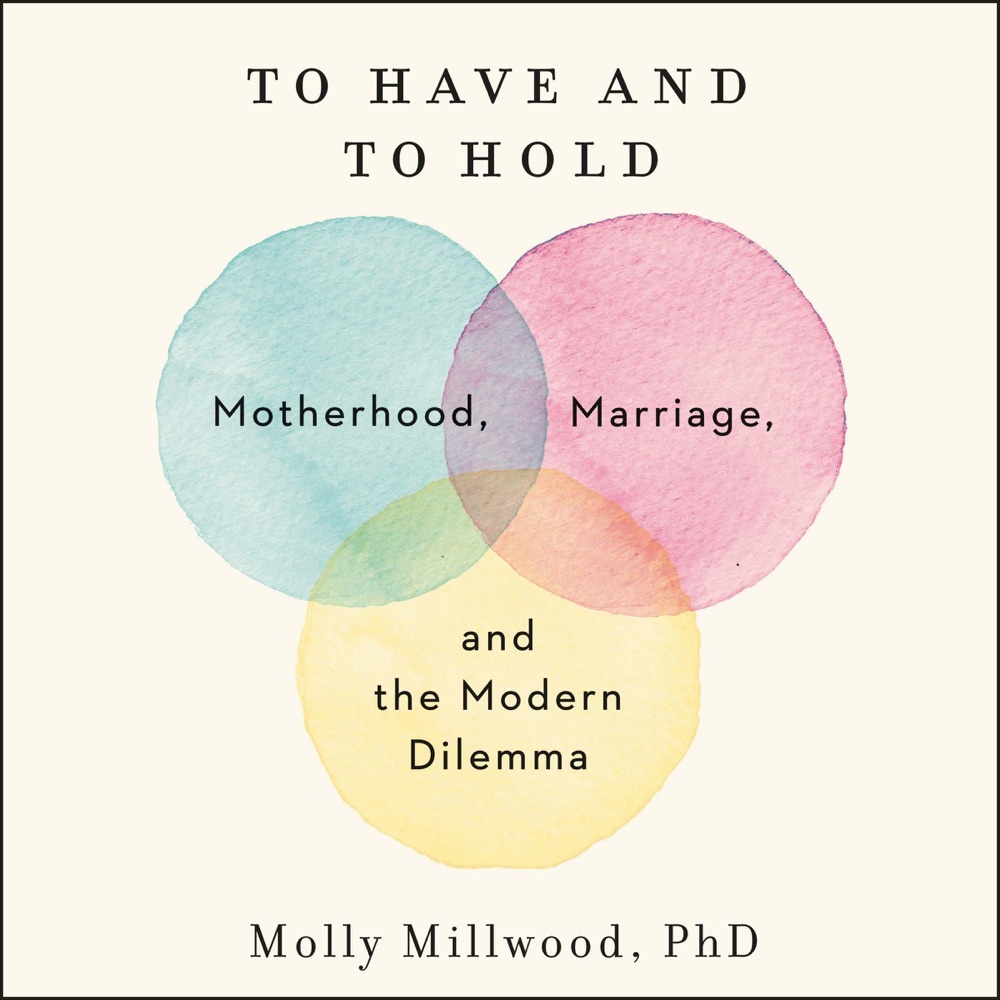
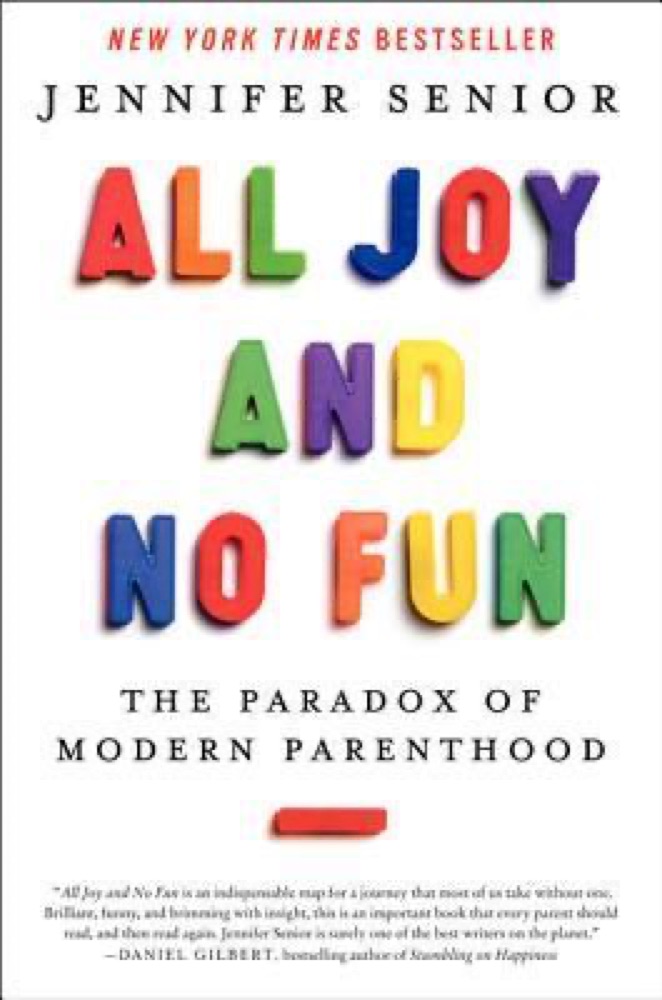
 All Joy and No Fun: The Paradox of Modern Parenthood
Quotes from the Book
That our virtues in one context may be vices in another is but one of the many profound lessons our children teach us best. They teach us that with fierce love comes deep fear, and that we cannot have joy without also inviting sorrow. They teach us that life does not go the way we planned. They teach us that we, and they, are imperfect. They teach us that no one emerges from childhood unscathed—that we did not get all our needs met as children, and neither will they. They teach us that the only constant is change. They teach us that we are neither as fabulous nor as horrible as we thought. Motherhood not only transforms us; it also forces us to relinquish our illusions about who we were all along.
2
The true opposite of depression is neither gaiety nor the absence of pain, but vitality—the freedom to experience spontaneous feelings.
1
Rubin’s conceptualization of fog happiness helps resolve what appear to be contradictory research findings about the happiness of parents. Ask a young mother to pause from playing with her fifteen-month-old at eleven a.m. and indicate her current happiness level, and her answer will be about the same as when she’s vacuuming at four p.m. Ask that same woman when she’s eighty-five years old what her top three sources of happiness were, and “being a mother” or “caring for my children” will surely make the list. Vacuuming, not so much. Immediate joy and fun in parenting are scattered stars in the great black sky of strain, boredom, and unrelenting responsibility in parenting. But when the joy comes, it comes insisting. And when we take the long view and ascribe meaning to our life’s activities, little else competes for first place with raising our very own human beings.
1
When expectations are not met (as invariably happens), the search for the right solution begins; in turn, this search adds an unnecessary layer of suffering to what would otherwise be just the pain of motherhood. First we find that motherhood is far more difficult than we thought it would be, then we observe (incorrectly) that every other mother seems to be sailing along just fine, and finally we conclude (at great cost to our self-esteem) that we are doing something wrong. The sense that what we’re doing isn’t the right thing to do, or that what we’re feeling isn’t the right way to feel, leaves us feeling inadequate, or worse. Meanwhile, we’re expending precious energy attempting to pinpoint what it is we should be doing differently to make our babies fit the mold and adhere to expectations of development or internal visions of how things should be.
1
To become mothers is to become more fully aware of who we are. To become coparents is to come into greater contact with our partners, and to become more fully aware of who they are. In order to find well-being in the terrain of motherhood, we must accept the loss of so many illusions, not least of which are illusions about the bliss children will bring and the extent to which our spouses will share the burden and support us. The greatest loss of all may be our illusions about who we are and what kind of mothers we will be. When these illusions are acknowledged and grieved, we find some measure of peace in the acceptance of how things actually are and who we actually are.
Immediate joy and fun in parenting are scattered stars in the great black sky of strain, boredom, and unrelenting responsibility in parenting. But when the joy comes, it comes insisting. And when we take the long view and ascribe meaning to our life’s activities, little else competes for first place with raising our very own human beings.
In her memoir of motherhood, Operating Instructions, Anne Lamott writes, “It’s so easy and natural to race around too much, letting days pass in a whirl of being busy and mildly irritated, getting fixed on solutions to things that turn out to be just farts in the windstorm.
So many nights, exhausted or just impatient, I have been eager for my children’s bedtime. One kid’s chatter barely registers in my ear because it’s the same chatter I’ve been hearing all day. The other kid’s chain of requests for a sip of water, to be tucked in (again), for another sip of water, to turn the hallway light on, feels like fingernails on a chalkboard. Minutes later, as I peak into their room and see that they have each fallen into slumber, I see all sweetness and splendor in their faces. I want to lie down and hold them close. I wonder what that last bit of chatter was that I tuned out. Whether it was something important about my child’s world. A tiny voice echoes in my head, “can I please have another sip of water?” And I hear it more clearly now as “It makes me feel secure and cared for when you bring it to me.” Their care and wellbeing matter more to me than anything and I feel at a cellular level the honor and joy of being their mom. Now that they’re asleep.
Prøv lige at overveje den her formulering: So many nights, exhausted or just impatient, I have been eager for my children’s bedtime. One kid’s chatter barely registers in my ear because it’s the same chatter I’ve been hearing all day. The other kid’s chain of requests for a sip of water, to be tucked in (again), for another sip of water, to turn the hallway light on, feels like fingernails on a chalkboard. Minutes later, as I peak into their room and see that they have each fallen into slumber, I see all sweetness and splendor in their faces. I want to lie down and hold them close. I wonder what that last bit of chatter was that I tuned out. Whether it was something important about my child’s world. A tiny voice echoes in my head, “can I please have another sip of water?” And I hear it more clearly now as “It makes me feel secure and cared for when you bring it to me.” Their care and wellbeing matter more to me than anything and I feel at a cellular level the honor and joy of being their mom. Now that they’re asleep.
This means that two women, whether friends, a mother-daughter dyad, sisters, or a same-sex couple, are likely to care for each other in a way that is arguably deeper and more consistent than any dyad involving a male. This may seem counterintuitive—the notion that reciprocal caring is, or at least should be, greatest in our committed romantic partnerships is a widespread one—but it is consistent with abundant research demonstrating that men reap more health benefits from marriage than women do, and that husbands report feeling understood and affirmed by their spouses far more than wives do.
So many of the women who come to me for therapy are tormented by their own ambivalence. They want more time with the baby, but also more time alone. Their children bring them indescribable joy, but also make them crazy. They are grateful for their husbands’ calm and stability while simultaneously resenting them for being less affected by the transition to parenthood. They are crying in hopeless frustration one moment and feeling surges of love and affection deeper than they’ve ever known in the next. “I’m losing my mind,” these women say. “No, you’re not,” I respond. “You’ve lost many things now that you’re a mother, but your mind is not one of them.” In actuality, these women have found their minds; they have found crevices and corners they didn’t know existed and hadn’t planned to visit. The same is true of their hearts.
Confined to the house with a napping baby, or too constrained by the dual demands of work and motherhood to fit in face-to-face time with friends, she enters a digital world that promises connection and sharing. More often than not, she emerges feeling lonely, anxious, and unsure of herself.
Watch on YouTube
About Molly Millwood
About the book
A clinical psychologist’s exploration of the modern dilemmas women face in the wake of new motherhood.
When Molly Millwood became a mother, she was fully prepared for what she would gain: an adorable baby boy; hard-won mothering skills; and a messy, chaotic, beautiful life. But what she did not expect was what she would lose: aspects of her identity, a baseline level of happiness, a general sense of wellbeing. And though she had the benefit of a supportive husband during this transition, she also at times resented the fact that the disruption to his life seemed to pale in comparison to hers.
As a clinical psychologist, Molly knew her experience was a normal response to a life-changing event. But without the advantage of such a perspective, many of the patients she treated in her private practice grappled with self-doubt, guilt, and fear, and suffered the dual pain of not only the s
Book details
- First published
- 2019
- Author
- Molly Millwood
- Genre
- Nonfiction
- Goodreads rating
- 4.26 (4k ratings)
The buzz
- Kirkus ReviewsReview in Kirkus Reviewsprofessional review (via Book Marks)
- Publishers WeeklyReview in Publishers Weeklyprofessional review (via Book Marks)
- LibraryjournalReview in Libraryjournalprofessional review (via Book Marks)
- BooklistReview in Booklistprofessional review (via Book Marks)
Keep reading
All Joy and No Fun: The Paradox of Modern Parenthood
 Essential Labor: Mothering as Social Change
 The Awakened Family: A Revolution in Parenting
 Motherhood
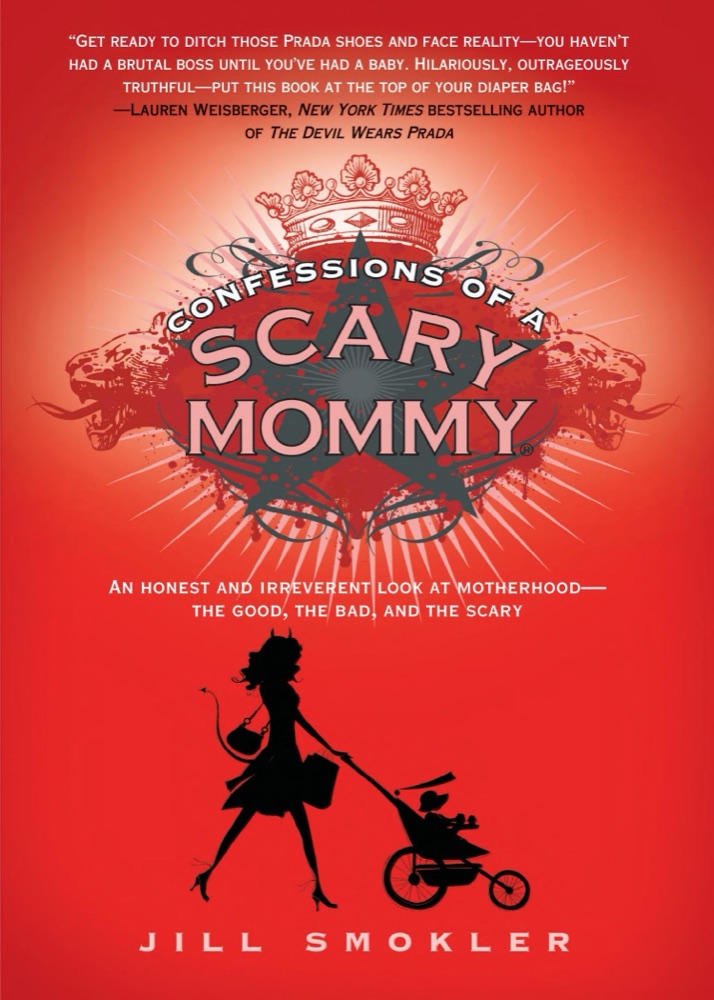 Confessions of a Scary Mommy: An Honest and Irreverent Look at Motherhood - The Good, The Bad, and the Scary
 Simplicity Parenting: Using the Extraordinary Power of Less to Raise Calmer, Happier, and More Secure Kids
 The Conscious Parent: Transforming Ourselves, Empowering Our Children
 Hold On, But Don't Hold Still
 This Is Not a Book About Benedict Cumberbatch: The Joy of Loving Something--Anything--Like Your Life Depends On It
 Fair Play: A Game-Changing Solution for When You Have Too Much to Do
![The Book You Wish Your Parents Had Read [and Your Children Will Be Glad That You Did]](/i/book/g/63/the-book-you-wish-your-parents-had-read-and-your-children-will-be-glad-that-you-did.jpg) The Book You Wish Your Parents Had Read [and Your Children Will Be Glad That You Did]
The Book You Wish Your Parents Had Read [and Your Children Will Be Glad That You Did]
 Glitter and Glue
 MILF: Motherhood, Identity, Love and F*ckery
 Bad Mother: A Chronicle of Maternal Crimes, Minor Calamities, and Occasional Moments of Grace
 The Danish Way of Parenting: What the Happiest People in the World Know About Raising Confident, Capable Kids
 Managing Expectations: A Memoir in Essays – A Poignant Collection of Personal Stories on Acting, Failure, and Motherhood's Joy
 Untamed
 Good Morning, Destroyer of Men's Souls: A Memoir of Women, Addiction, and Love
 Aftermath: On Marriage and Separation
 Momma Cusses
 Mothers Who Can't Love: A Healing Guide for Daughters
 Overwhelmed: Work, Love, and Play When No One Has the Time
 Far from the Tree: Parents, Children, and the Search for Identity
 I Can Barely Take Care of Myself: Tales From a Happy Life Without Kids
 A Year By The Sea: Thoughts of an Unfinished Woman
 The Magic of Motherhood: The Good Stuff, the Hard Stuff, and Everything In Between
 I Guess I Haven't Learned That Yet: Discovering New Ways of Living When the Old Ways Stop Working
 The Push
 Us: Getting Past You and Me to Build a More Loving Relationship
 Scattered Minds: The Origins and Healing of Attention Deficit Disorder
 Passages: Predictable Crises of Adult Life
 The First Forty Days: The Essential Art of Nourishing the New Mother
 Are You My Mother?: A Comic Drama
 Some Assembly Required: A Journal of My Son's First Son
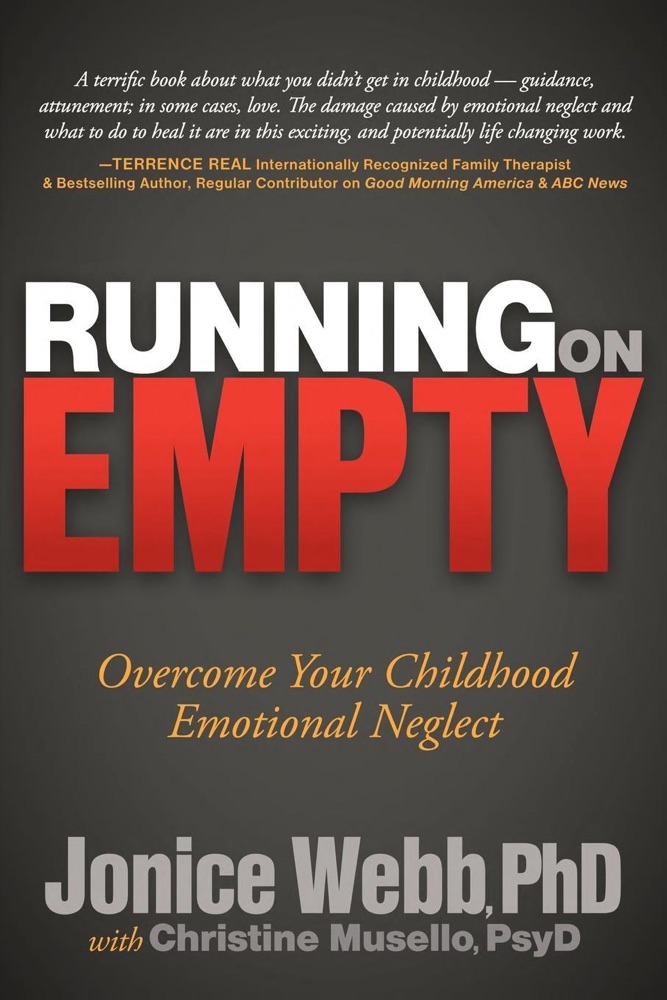 Running on Empty: Overcome Your Childhood Emotional Neglect
 Mom & Me & Mom
 How Do We Know We're Doing It Right: & Other Essays on Modern Life
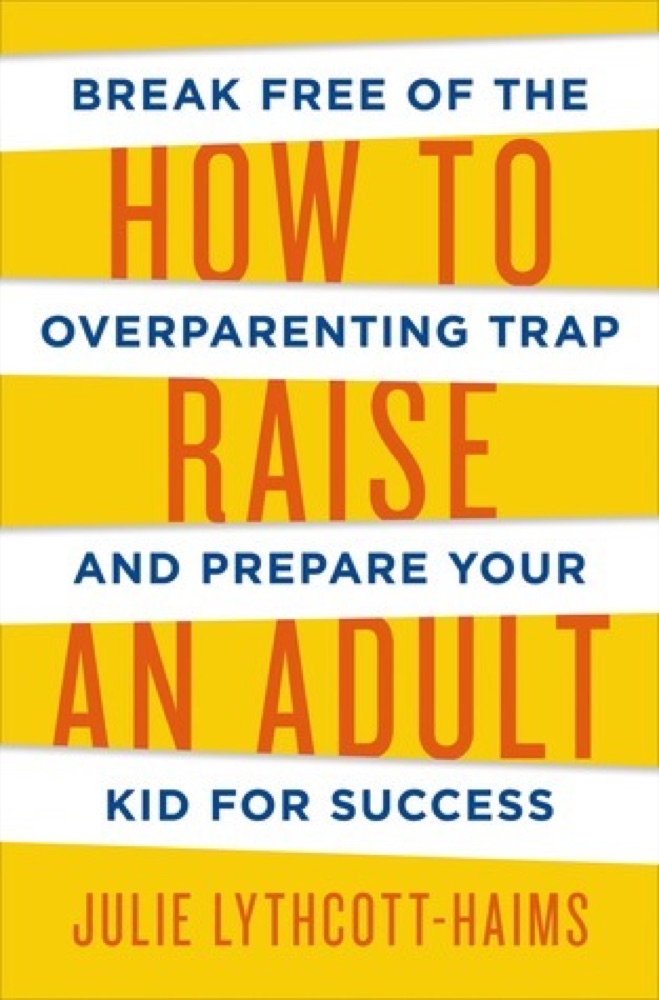 How to Raise an Adult: Break Free of the Overparenting Trap and Prepare Your Kid for Success
 Dear Girls: Intimate Tales, Untold Secrets, & Advice for Living Your Best Life
 First, We Make the Beast Beautiful: A New Story About Anxiety
 Bomb Shelter: Love, Time, and Other Explosives
 The Rules Do Not Apply
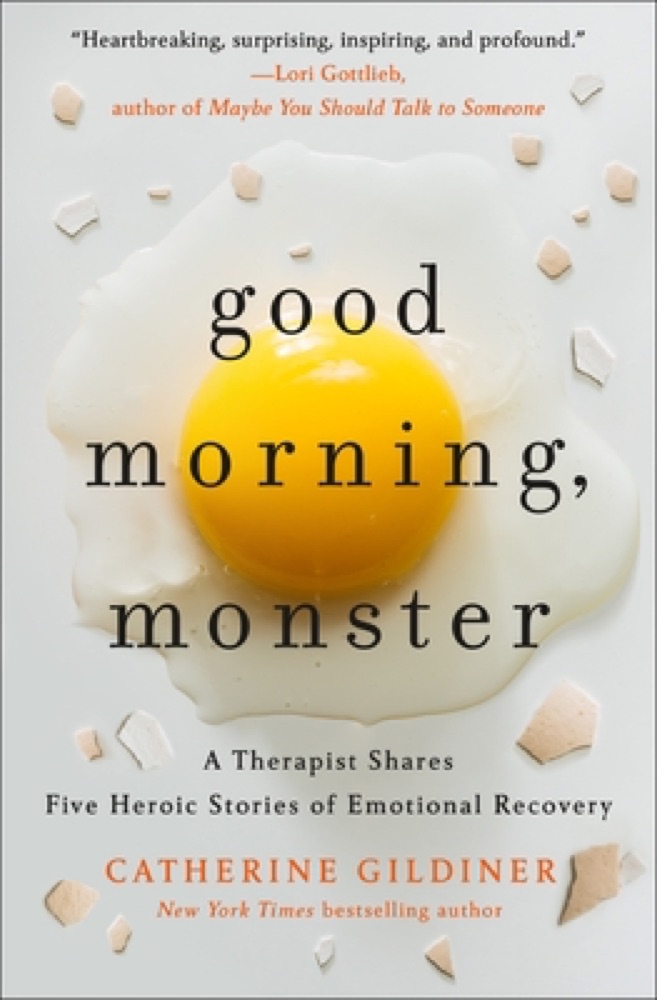 Good Morning, Monster: A Therapist Shares Five Heroic Stories of Emotional Recovery
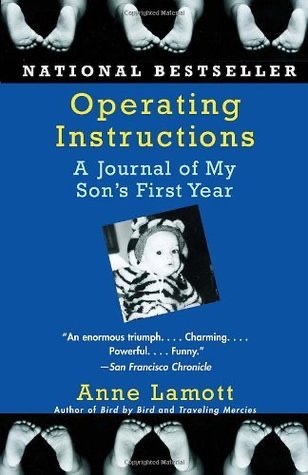 Operating Instructions: A Journal of My Son's First Year
 Loving the Little Years: Motherhood in the Trenches
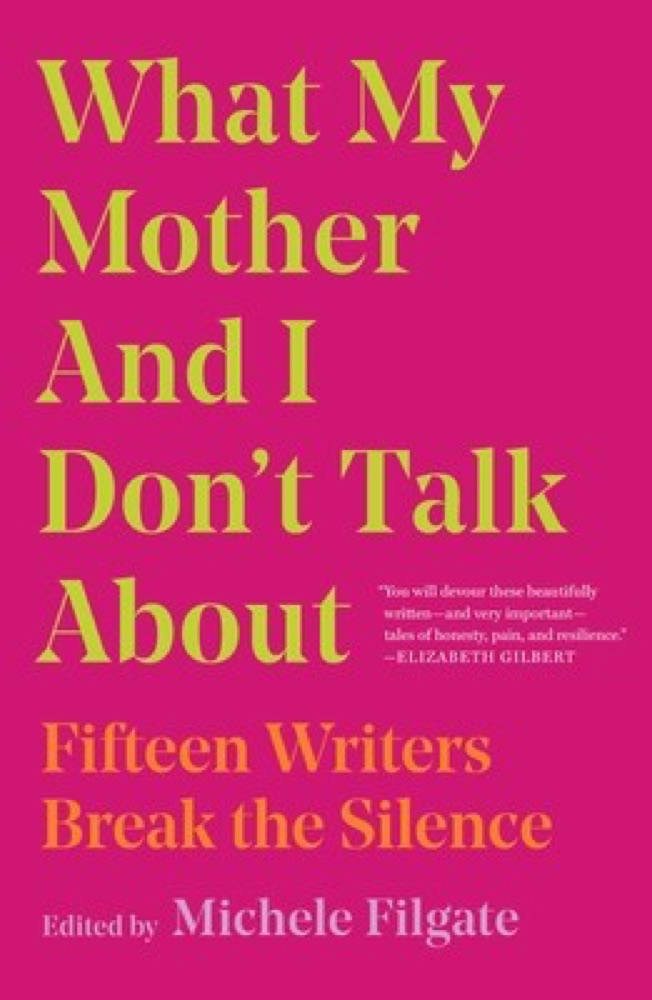 What My Mother and I Don't Talk About: Fifteen Writers Break the Silence
 Ladyparts
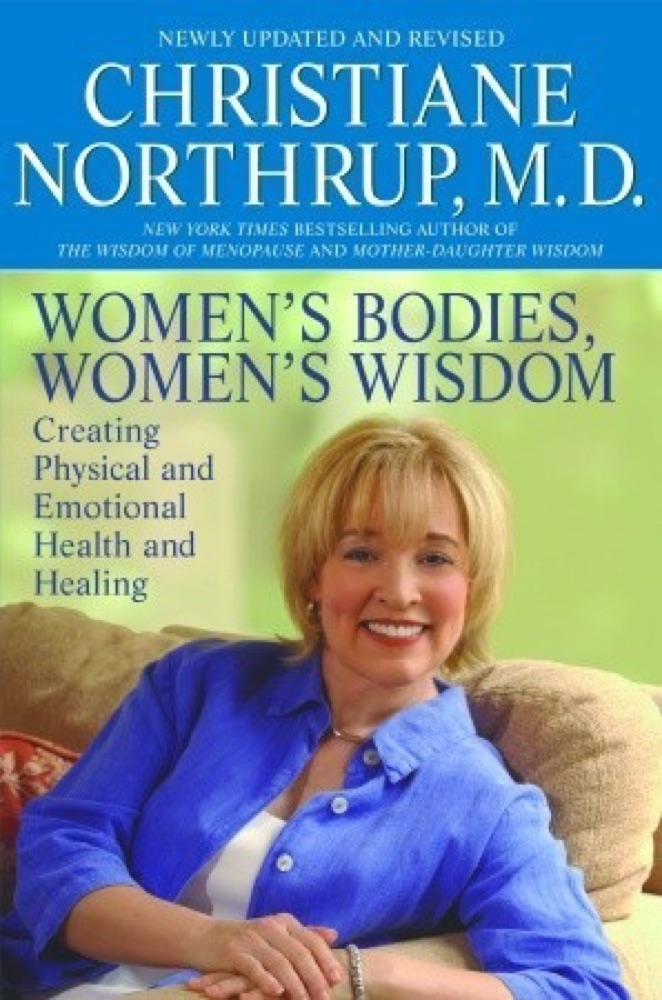 Women's Bodies, Women's Wisdom: Creating Physical and Emotional Health and Healing
 What If This Were Enough?: Essays
 Trick Mirror: Reflections on Self-Delusion
 The Boy Who Was Raised as a Dog: And Other Stories from a Child Psychiatrist's Notebook
 You'll Grow Out of It
 Burnout: The Secret to Unlocking the Stress Cycle
 A Beautiful Day in the Neighborhood: The Poetry of Mister Rogers
 All Is Not Forgotten
 The Examined Life: How We Lose and Find Ourselves
 Joan Is Okay
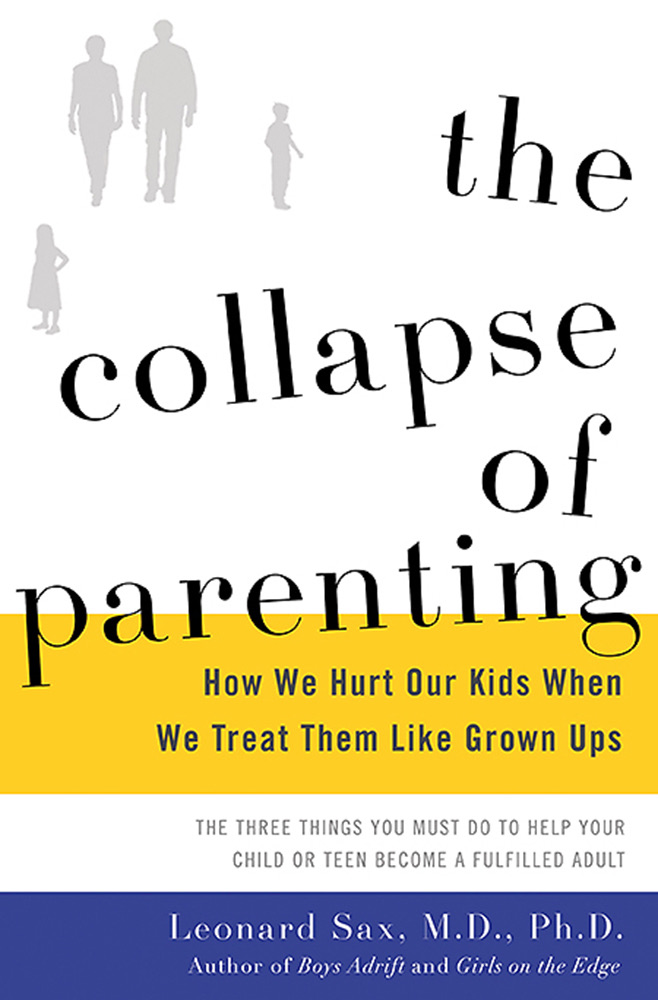 The Collapse of Parenting: How We Hurt Our Kids When We Treat Them Like Grown-Ups
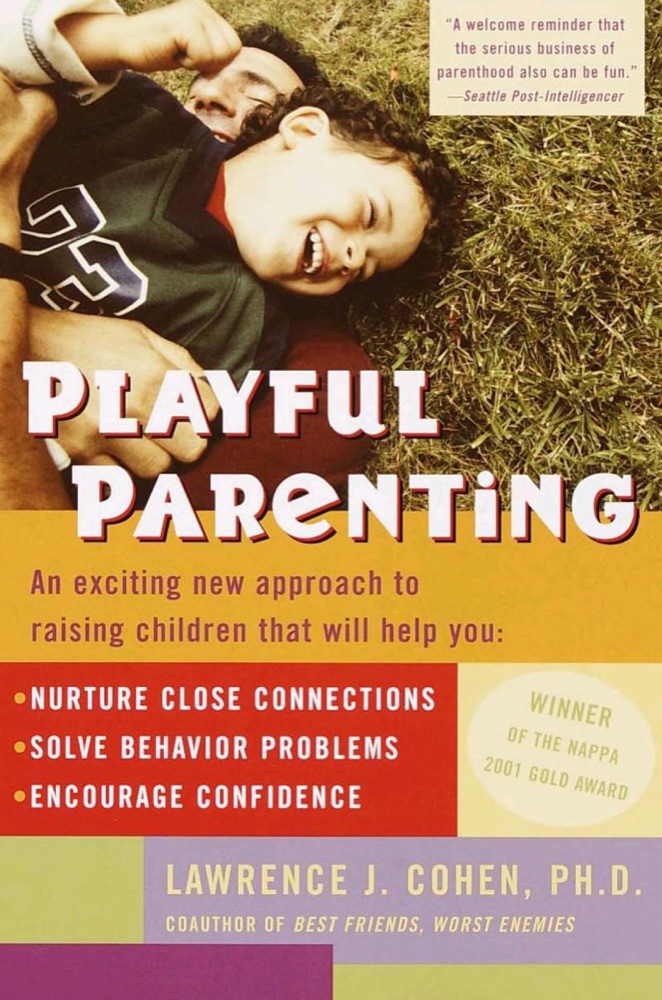 Playful Parenting: An Exciting New Approach to Raising Children That Will Help You Nurture Close Connections, Solve Behavior Problems, and Encourage Confidence
 All Fours