 Life at the Bottom: The Worldview That Makes the Underclass
Quotes from the Book
If our basic needs were neglected: our need for safety, economic security, loving connection, autonomy, self-realization and meaningful work, our need to feel equal and respected, then poor emotional well-being will be an inevitable result. Materialism was therefore an unhelpful response to various deprivations. A culturally endorsed coping mechanism that ultimately backfired.
6
I have asked them to pay attention to what they have just said. In particular to their use of the phrase “mental illness”. While it is true, i continued, that people in deprived situations are likely to suffer a great deal more than those who are more affluent, on what grounds are we correct to use medical language to describe that suffering? Do we use it because we have simply been taught to use it or because we have objective that it is somehow better to medicalise such suffering than it is to view it as many social scientists might as non-medical, non-pathological yet understandable human response to harmful social, relational, political and environmental conditions?
5
Persuading people they have more power than they do and ignoring the very real social barriers to attainment primes them for self-blame when reality fails to deliver. The worst extremes of phoney empowerment, argues Frayne, can be found in the trite aphorisms of the self-help industry, where popular psychologists ascribe to us almost magical abilities to alter circumstances despite the harsh realities constraining us. In a world where problems like disadvantage, unemployment and work-related distress are so socially embedded, downplaying the very real obstacles to opportunity is regularly experienced as yet another form of punishment, yet another form of blaming and shaming the individual.
2
As the renowned clinical psychologist Dr Anne Cooke put it to me in conversation: ‘The mental illness narrative encourages us to see mental health problems as nothing to do with life and circumstances, so no wonder we don’t look at structural or social causes; and of course this perspective is a great fit with the current neoliberal approach – where individuals have to reform themselves to fit with existing social structures.’ The trouble with programmes that are blind to the perils of such adaptations is that they essentially neuter political reflection on why distress proliferates in our schools, certainly when compared to schools in most other developed nations.
1
What we need is a profound rethinking of the nature of suffering itself, and what it is trying to highlight and ask us to change. We need to repoliticise emotional discontent in the minds of teachers, parents and policy-makers, rather than continue reducing it to dysfunctions that allegedly reside within the self. We need to acknowledge that suffering also reflects family/socio/political dynamics we would do well to better acknowledge and address.
1
Psycho-compulsion is therefore not just about instilling people with a so-called correct employability mindset. It is a mechanism for penalising deviation from what it defines as the right set of attitudes and behaviours. ‘What psycho-compulsion therefore attempts to do is silence alternative discourses to the neoliberal myth that you are to blame for your unemployment,’ said Friedli. ‘At the same time, it undermines and erodes alternative frameworks around which people can come together in solidarity to act against the social causes of worklessness.’ In short, psycho-compulsion not only pathologises and punishes a claimant’s dissent, it depoliticises the causes of joblessness (which discourages collective action), and it does so by resuscitating Margaret Thatcher’s earlier myth that unemployment can be reduced to character deficiencies.
1
IAPT can officially class you as recovered even if you have only improved by a mere two points on the scale,
Tim Kasser: ‘The heyday of humanistic psychology was in the 1960s and 1970s, when Keynes dominated. But since the rise of neo-liberalism from the 1980s, we’ve seen an influx of cognitive behavioural approaches and psychiatric drugs – technologies that put the cause of the problem right between your ears. The therapies our governments now want all focus on internal not external reform. They don’t see suffering as a call to change external circumstances for the good of our development.
Watch on YouTube
About James Davies
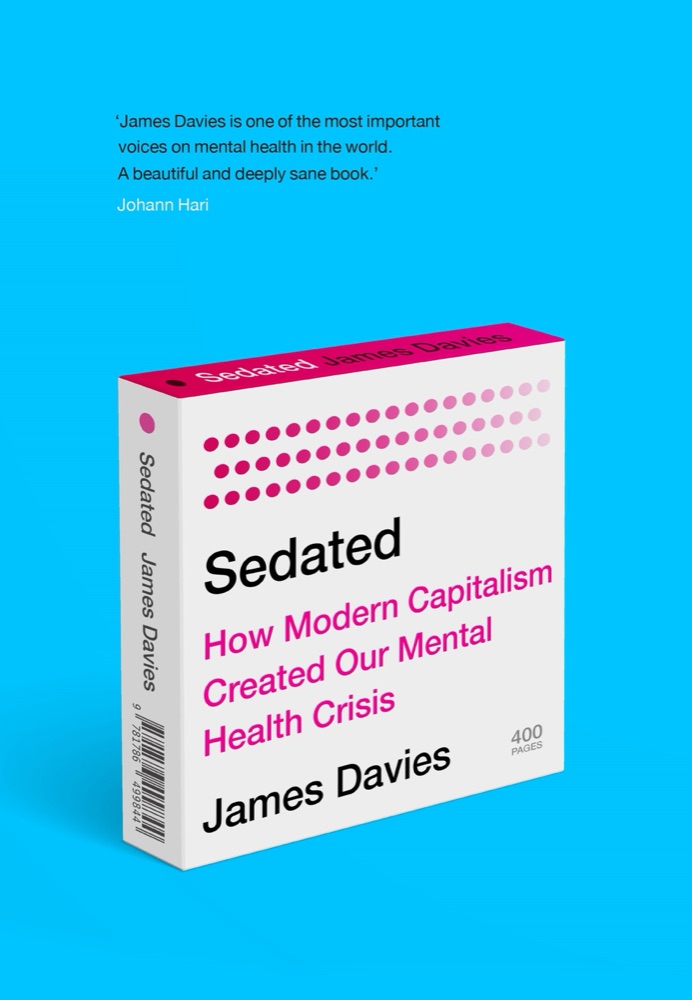
About the book
In Britain alone, more than 20% of the adult population take a psychiatric drug in any one year. This is an increase of over 500% since 1980 and the numbers continue to grow. Yet, despite this prescription epidemic, levels of mental illness of all types have actually increased in number and severity.
Using a wealth of studies, interviews with experts, and detailed analysis, Dr James Davies argues that this is because we have fundamentally mischaracterised the problem. Rather than viewing most mental distress as an understandable reaction to wider societal problems, we have embraced a medical model which situates the problem solely within the sufferer and their brain.
Urgent and persuasive, Sedated systematically examines why this individualistic view of mental illness has been promoted by successive governments and big business – and why it is so misplaced and dangerous.
Book details
- First published
- 2021
- Author
- James Davies
- Genre
- Nonfiction
- Goodreads rating
- 4.21 (2k ratings)
Keep reading
Life at the Bottom: The Worldview That Makes the Underclass
 The Burnout Society
 The Spirit Level: Why More Equal Societies Almost Always Do Better
 The Madness of Crowds: Gender, Race and Identity
 Capitalist Realism: Is There No Alternative?
 A First-Rate Madness: Uncovering the Links Between Leadership and Mental Illness
 Good Reasons for Bad Feelings: Insights from the Frontier of Evolutionary Psychiatry
 Bright-Sided: How the Relentless Promotion of Positive Thinking Has Undermined America
 In the Realm of Hungry Ghosts: Close Encounters with Addiction
 No One Cares About Crazy People: The Chaos and Heartbreak of Mental Health in America
 Toward a Psychology of Being
 The Coddling of the American Mind: How Good Intentions and Bad Ideas Are Setting up a Generation for Failure
 The Center Cannot Hold: My Journey Through Madness
 The Will to Meaning: Foundations and Applications of Logotherapy
 Brave New World Revisited
 Selfie: How the West Became Self-Obsessed
 What's Our Problem?: A Self-Help Book for Societies
 Natural Causes: An Epidemic of Wellness, the Certainty of Dying, and Killing Ourselves to Live Longer
 Pathologies of Power: Health, Human Rights, and the New War on the Poor
 The Age of Magical Overthinking: Notes on Modern Irrationality
 Humankind: A Hopeful History
 Disability Visibility: First-Person Stories from the Twenty-first Century
 This Is What Inequality Looks Like
 The Blank Slate: The Modern Denial of Human Nature
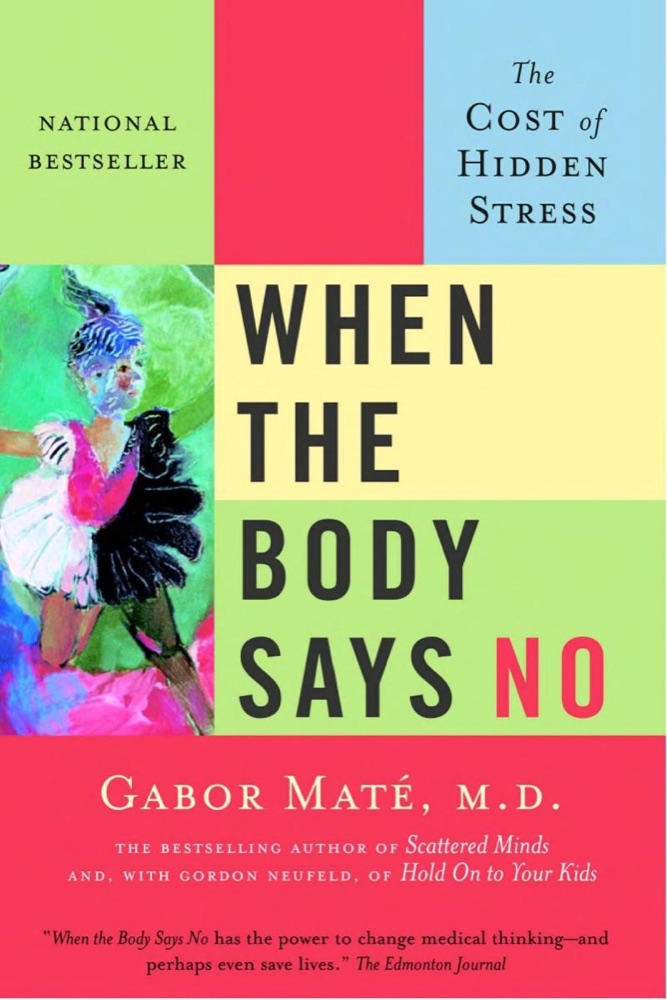 When the Body Says No: The Cost of Hidden Stress
 Psychopolitics: Neoliberalism and New Technologies of Power
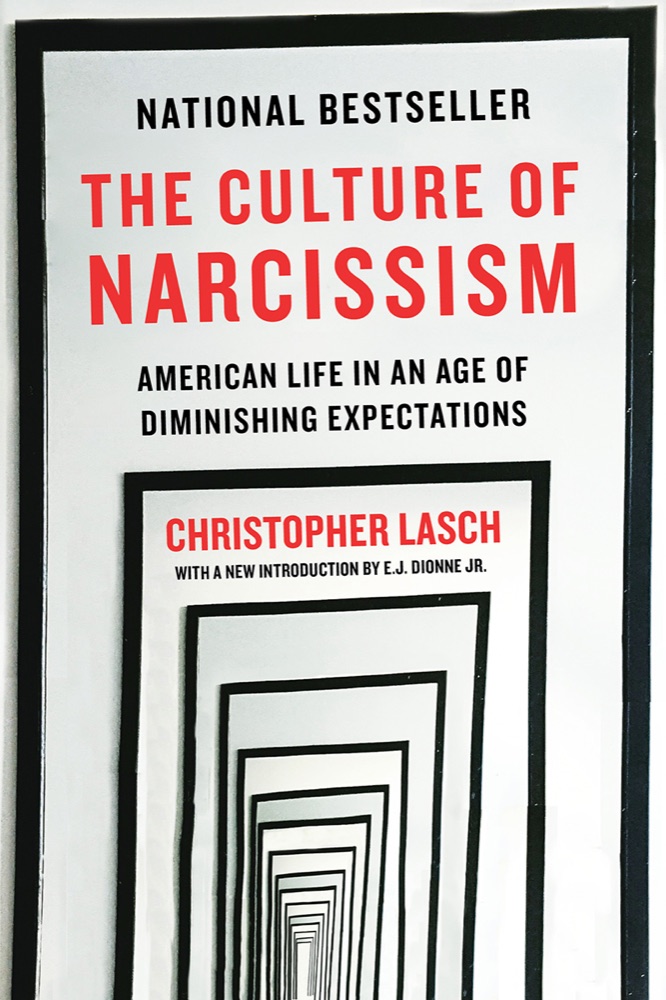 The Culture of Narcissism: American Life in An Age of Diminishing Expectations
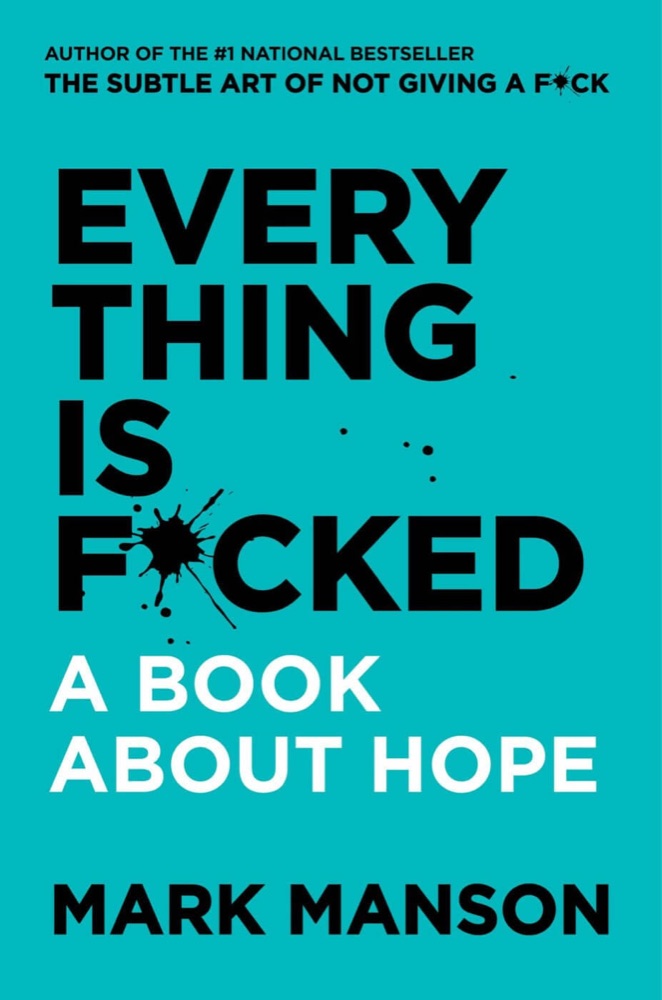 Everything Is F*cked: A Book About Hope
 The Boy Who Was Raised as a Dog: And Other Stories from a Child Psychiatrist's Notebook
 The View From Flyover Country: Essays by Sarah Kendzior
 Good Morning, Monster: A Therapist Shares Five Heroic Stories of Emotional Recovery
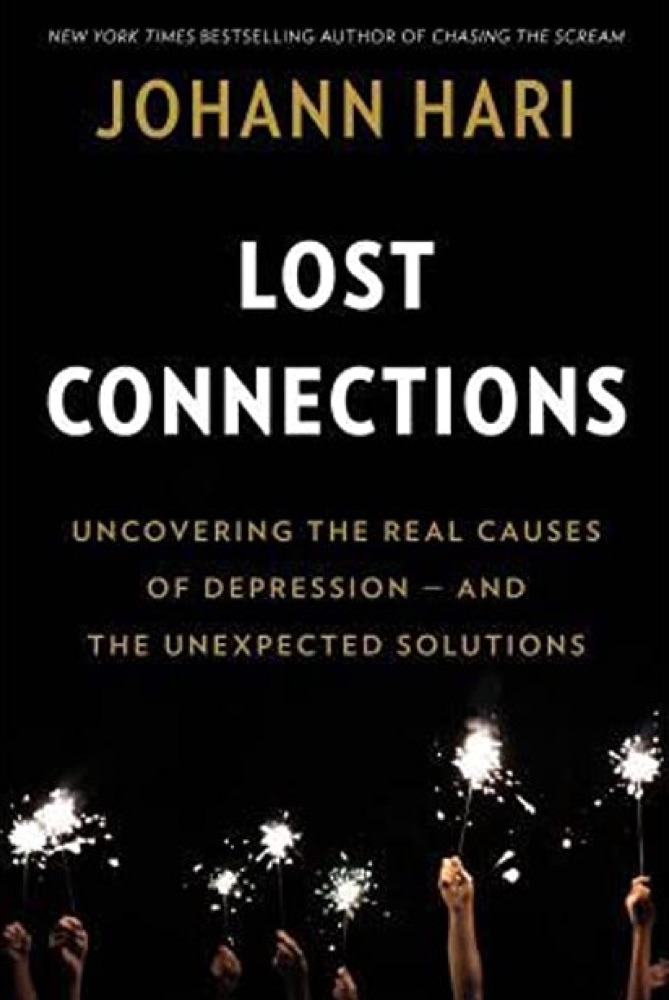 Lost Connections: Uncovering the Real Causes of Depression - and the Unexpected Solutions
 The Ministry for the Future
 Tribe: On Homecoming and Belonging
 Walden Two
 Endgame, Vol. 1: The Problem of Civilization
 In Praise of Idleness and Other Essays
 The Sane Society
 Conflict Is Not Abuse: Overstating Harm, Community Responsibility, and the Duty of Repair
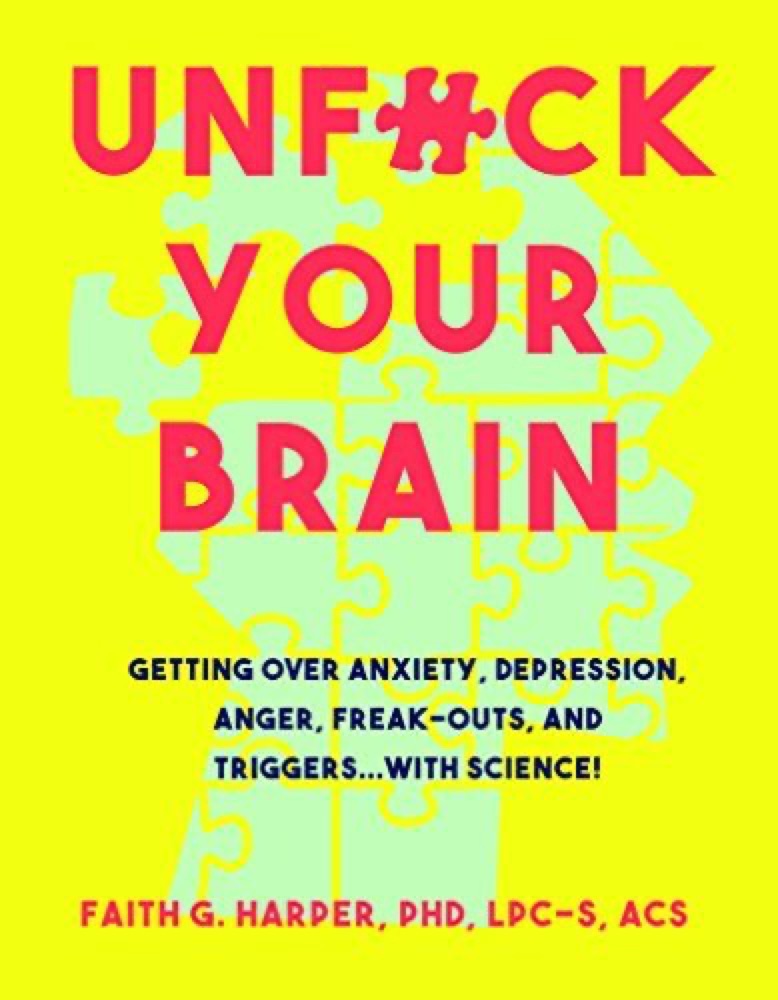 Unfuck Your Brain: Using Science to Get Over Anxiety, Depression, Anger, Freak-Outs, and Triggers
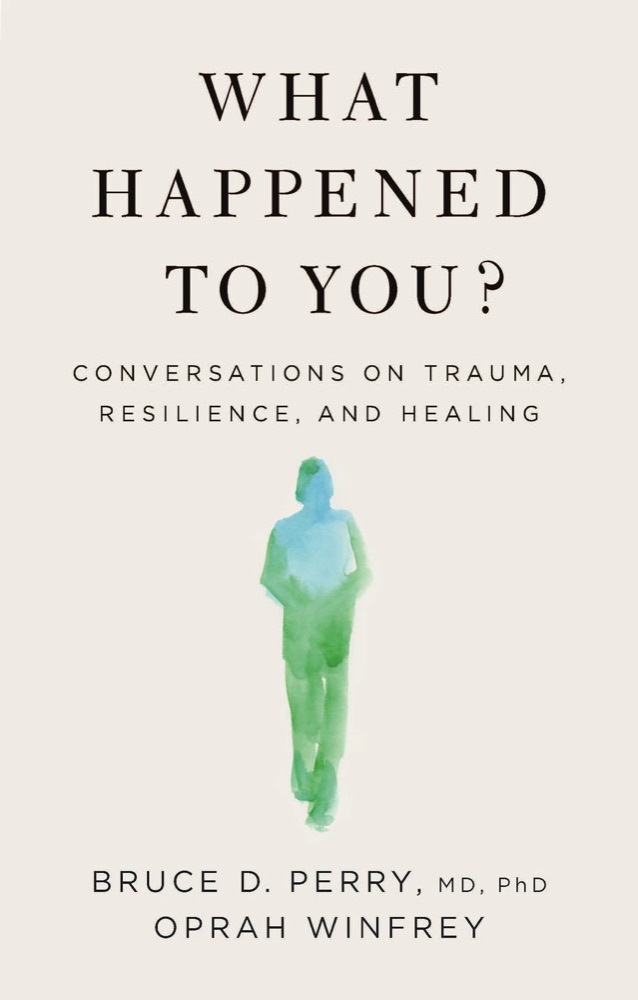 What Happened To You?: Conversations on Trauma, Resilience, and Healing
 Social Intelligence: The New Science of Human Relationships
 How to Stay Sane in an Age of Division
 Homo Deus: A History of Tomorrow
 How Do We Know We're Doing It Right: & Other Essays on Modern Life
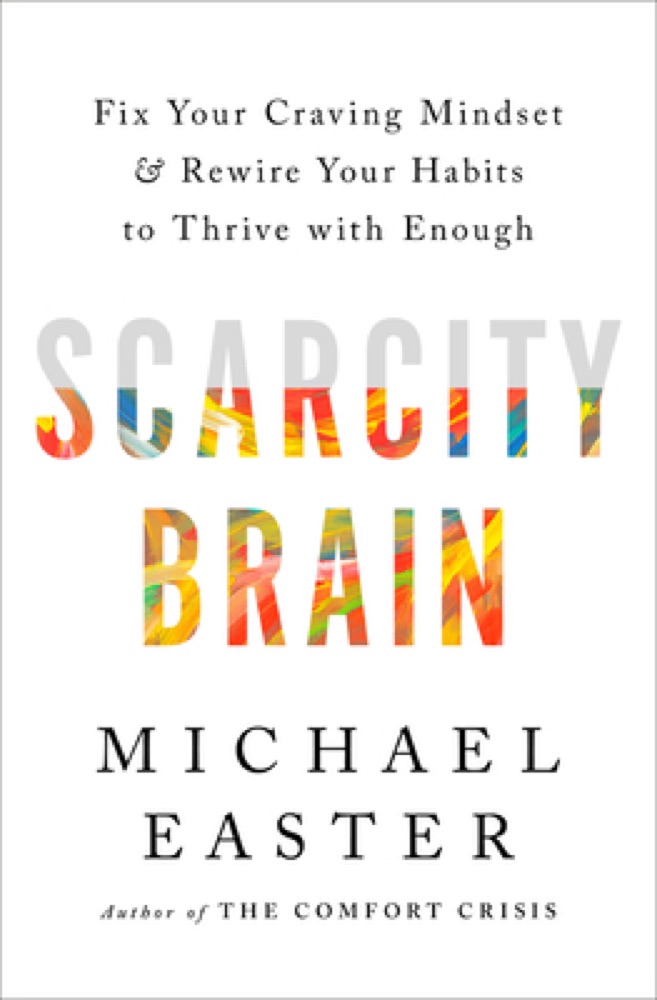 Scarcity Brain: Fix Your Craving Mindset and Rewire Your Habits to Thrive with Enough
 Poor Economics: A Radical Rethinking of the Way to Fight Global Poverty
 Beyond Freedom and Dignity
 The Age of Absurdity: Why Modern Life makes it Hard to be Happy
 12 Rules for Life: An Antidote to Chaos
 Nonviolent Communication: A Language of Life
 A Language Older Than Words
 Impro: Improvisation and the Theatre
 Why Zebras Don't Get Ulcers
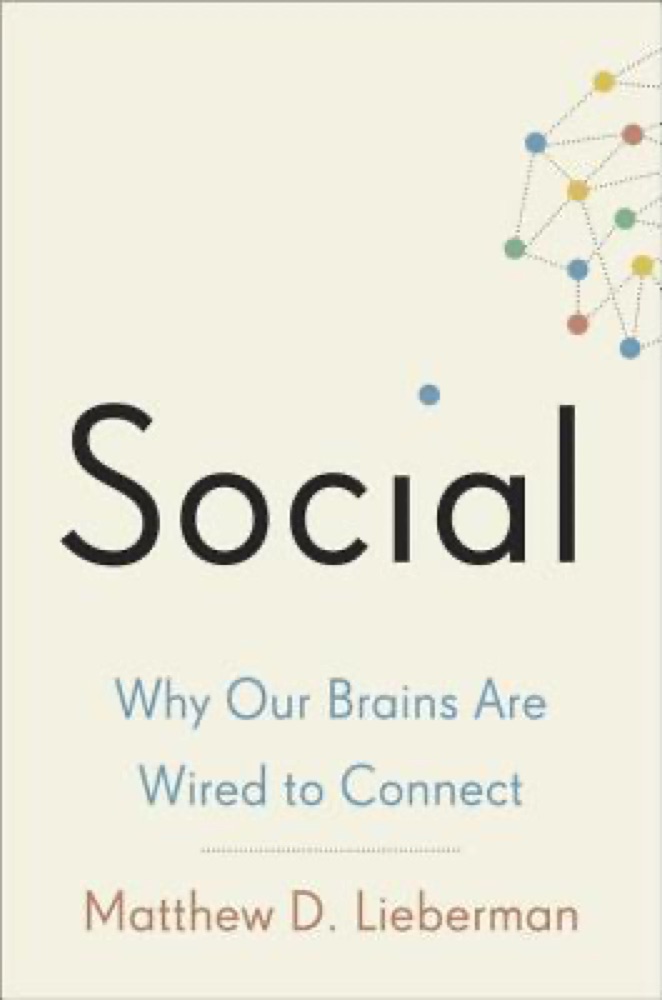 Social: Why Our Brains Are Wired to Connect
 Just Like Someone Without Mental Illness Only More So
 On Freedom: Four Songs of Care and Constraint
 The Vanishing American Adult: Our Coming-of-Age Crisis—and How to Rebuild a Culture of Self-Reliance
 Utopia for Realists: How We Can Build the Ideal World
 The Sleeping Beauties: And Other Stories of Mystery Illness