

 The Center Cannot Hold: My Journey Through Madness
Quotes from the Book
To begin consciously searching into the world of mental illness is to see it snap into focus before your eyes. It is everywhere. It has been hiding in plain sight, awaiting notice. Its camouflage is little more than the human instinct to reject engagement with the pitiable, the fearsome, the unspeakable—and to close our eyes to the moral obligations that those states of being demand of us.
6
...I have sometimes imagined my own sanity as resting on the surface of a membrane, a thin and fragile membrane that can easily be ripped open, plunging me into the abyss of madness, where I join the tumbling souls whose membranes have likewise been pieced over the ages. Sometimes, when my thoughts are especially fevered, I can visualize the agent of this piercing. It is a watchful presence at the edge of things, silent and dripping, a stranger in a raincoat... When we fall into such psychosis, there are no other membranes below to catch and protect us. And the horror and helplessness of the fall are intensified by an uncaring world.
3
Taxpayers and legislators alike seem generally ignorant of the extent to which they are being soaked by the hidden costs of this parsimony. For instance, public care costs far less than public jails. The National Alliance on Mental Illness has estimated that for every $ 2,000 to $ 3,000 per year spent on treating the mentally ill, $ 50,000 is saved on incarceration costs.
2
Thomas Insel, the former director of the National Institute of Mental Health, has estimated that mental illness costs taxpayers $444 billion a year. Two-thirds of that total is eaten up by disability payments and lost productivity. Only a third is spent on medical care. “The way we pay for mental health today is the most expensive way possible,” Insel has said. “We don’t provide support early, so we end up paying for lifelong support.
1
The president who spurred Congress into action on mental health was Harry Truman. On November 19, 1945, before a joint session of Congress, Truman declared: There is… special need for research on mental diseases. We have done pitifully little about mental illnesses… There are at least two million persons in the United States who are mentally ill, and as many as ten million will probably need hospitalization for mental illness in the course of their lifetime. Mental cases occupy more than one-half of the hospital beds, at a cost of about 500 million dollars per year—practically all of it coming out of taxpayers’ money.
1
The future will be decided in a thousand American urban neighborhoods and suburban conference centers and small-town church basements and library meeting rooms and rural kitchens... The future of mental health reform will depend upon whether enough people gather in enough of such venues as these to contemplate work of Dorothea Dix by joining to reject and extinguish our modern Bedlams, and replace these Bedlams with a reborn and more sophisticated and more enduring program of moral care. It will depend upon whether enough people will take notice of and be inspired by the rediscovery made by sociologists and psychiatrists: that kindness, companionship, and intimate care are demonstrable counterforces to deepening psychosis. Not cures, but counterforces, particularly when practiced in concert with psychotropic regimens that fit the specific nature of a person's affliction as well as that person's specific biosystem.
1
The prefrontal cortex is a complex, fragile region of the brain. In its healthy state, it directs human impulses toward rational choices and away from destructive or self destructive behavior. It allows us to deal with the present moment while storing plans for the future. Yet as the newest part of the brain to develop in human evolution, the prefrontal cortex is also the region that takes the longest time to reach maturity, or maximum operating efficiency. It will not be fully functional until the person is past the age of twenty.
1
These genetic malfunctions are unlikely to produce schizophrenia in an individual unless they are stimulated by environmental conditions. By far the most causative environmental factor is stress, especially during gestation in the womb, early childhood, and adolescence—stages in which the brain is continually reshaping itself, and thus vulnerable to disruption. Stress can take the form of a person's enduring sustained anger, fear, or anxiety, or a combination of these. Stress works its damage by prompting an oversupply of cortisol, the normally life sustaining “stress hormone” that converts high energy glycogen to glucose in liver and in muscle tissue. Yet when it is called upon to contain a rush of glycogen, cortisol can transform itself into “Public Enemy Number One,” as one health advocate put it. The steroid hormone swells to flood levels and triggers weight gain, high blood pressure, heart disease, damage to the immune system, and an overflow of cholesterol. Stress is likely a trigger for schizophrenia.
1
and by staff doctors, at least one of which resulted in a pregnancy. Earlier in the chain—on March 27—Walker, wary of the effect the scandal might have on his campaign, had written, “We need to continue to keep me out of the story as this is a process issue and not a policy matter.”1 Walker’s staff labored through the spring and summer to satisfy his wish. On September 2, Rindfleisch wrote, “Last week was a nightmare. A bad story every day on our looney bin. Doctors having sex with patients, patients getting knocked up. This has been coming for months and I’ve unofficially been dealing with it. So, it’s been crazy (pun intended).” Later, in an attempt to reassure a colleague on Walker’s staff, Rindfleisch somehow found it in herself to write: “No one cares about crazy people.”2 I began to rethink my determination not to write this book. I realized that my ten years of silence on the subject, silence that I had justified as insulation against an exercise in self-indulgence, was itself an exercise in self-indulgence. The
1
Truman seethed. “I put it to you,” he railed during a campaign stop in Indianapolis during his famous come-from-behind reelection campaign in 1948. “Is it un-American to visit the sick, aid the afflicted or comfort the dying? I thought that was simple Christianity!
The beautiful and “talented” proceeded from classic Anglo-Saxon stock, tribes of blond, blue-eyed Angles and Saxons and Jutes who immigrated to the British Isles from northern Europe in the fifth century in search of open farmland and whose descendants now went to the same churches, universities, and clubs that Galton frequented. The others, those inconvenient wogs, amounted to a deadly snake coiled in the garden of his Eden.
The mentally ill people in our lives, as they strive to build healthy, well-supported, and rewarding lives for themselves, can show us all how to reconnect with the most primal of human urges, the urge to be of use, disentangling from social striving, consumer obsession, cynicism, boredom, and isolation, and honoring it among the true sources of human happiness.
Too many of the mentally ill in our country live under conditions of atrocity. Storytelling
Watch on YouTube
About Ron Powers
We have collected 13 quotes from 1 book by Ron Powers on BookQuoters.
More about the author →About the book
New York Times-bestselling author Ron Powers offers a searching, richly researched narrative of the social history of mental illness in America paired with the deeply personal story of his two sons' battles with schizophrenia.
From the centuries of torture of "lunatiks" at Bedlam Asylum to the infamous eugenics era to the follies of the anti-psychiatry movement to the current landscape in which too many families struggle alone to manage afflicted love ones, Powers limns our fears and myths about mental illness and the fractured public policies that have resulted.
Braided with that history is the moving story of Powers's beloved son Kevin--spirited, endearing, and gifted--who triumphed even while suffering from schizophrenia until finally he did not, and the story of his courageous surviving son Dean, who is also schizophrenic.
A blend of history, biography, memoir, and current
Book details
- First published
- 2017
- Author
- Ron Powers
- Genre
- Nonfiction
- Goodreads rating
- 3.87 (4k ratings)
Keep reading
The Center Cannot Hold: My Journey Through Madness
 A First-Rate Madness: Uncovering the Links Between Leadership and Mental Illness
 Just Like Someone Without Mental Illness Only More So
 The Collected Schizophrenias: Essays
 Natural Causes: An Epidemic of Wellness, the Certainty of Dying, and Killing Ourselves to Live Longer
 The Sleeping Beauties: And Other Stories of Mystery Illness
 Good Reasons for Bad Feelings: Insights from the Frontier of Evolutionary Psychiatry
 The Invisible Kingdom: Reimagining Chronic Illness
 An Unquiet Mind: A Memoir of Moods and Madness
 Brain on Fire: My Month of Madness
 The Sane Society
 The Politics of Experience/The Bird of Paradise
 Sedated: How Modern Capitalism Created our Mental Health Crisis
 Everything Is Tuberculosis: The History and Persistence of Our Deadliest Infection
 The Psychopath Test
 The Boy Who Was Raised as a Dog: And Other Stories from a Child Psychiatrist's Notebook
 Hello I Want to Die Please Fix Me: Depression in the First Person
 In the Realm of Hungry Ghosts: Close Encounters with Addiction
 Illness as Metaphor and AIDS and Its Metaphors
 Darkness Visible: A Memoir of Madness
 Brave New World Revisited
 Stella Maris
 A Language Older Than Words
 Why Zebras Don't Get Ulcers
 Loud in the House of Myself: Memoir of a Strange Girl
 Disability Visibility: First-Person Stories from the Twenty-first Century
 Humankind: A Hopeful History
 The Will to Meaning: Foundations and Applications of Logotherapy
 The Great Influenza: The Story of the Deadliest Pandemic in History
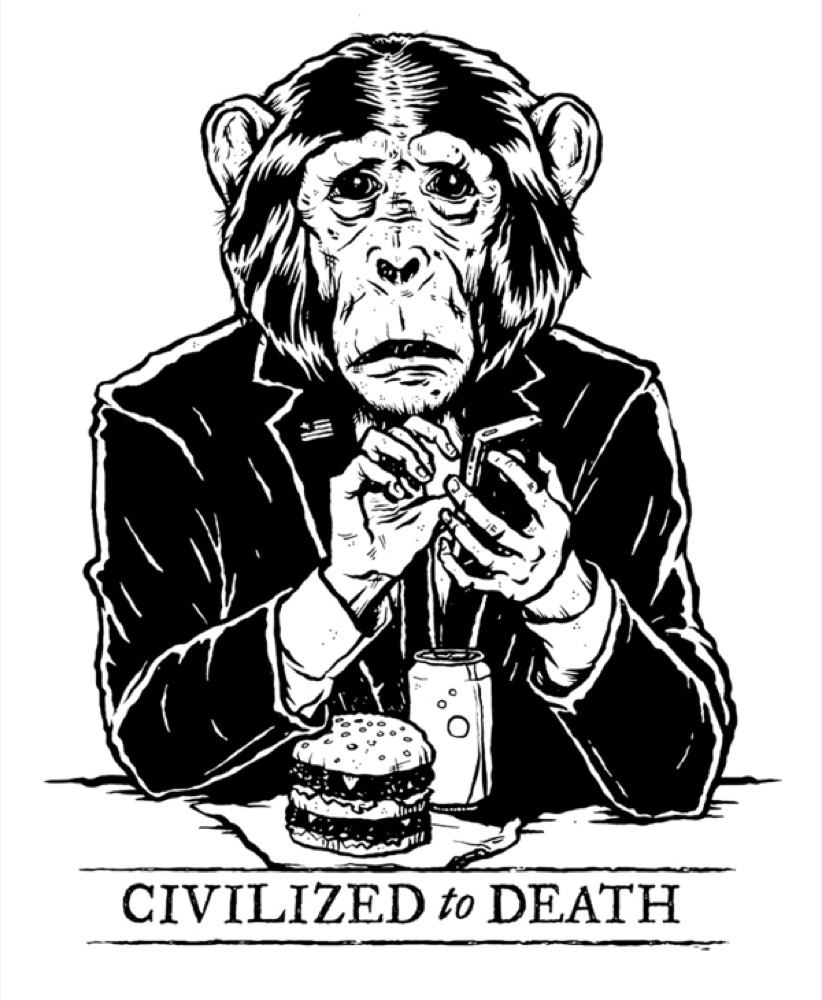 Civilized to Death: What Was Lost on the Way to Modernity
 Drive Your Plow Over the Bones of the Dead
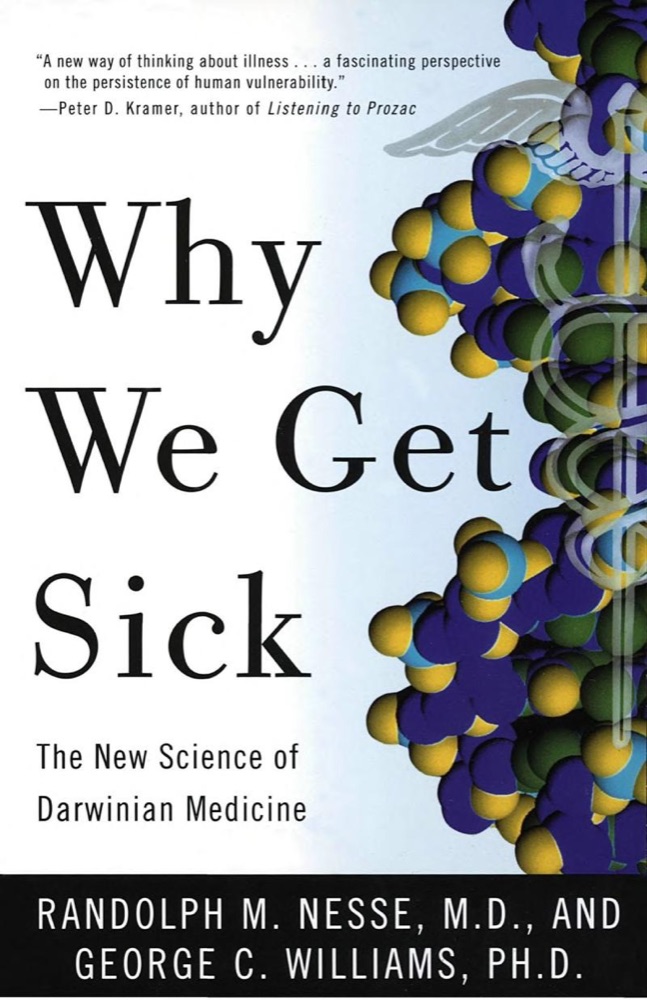 Why We Get Sick: The New Science of Darwinian Medicine
 Madness and Civilization: A History of Insanity in the Age of Reason
 When They Call You a Terrorist: A Black Lives Matter Memoir
 Pathologies of Power: Health, Human Rights, and the New War on the Poor
 In The Blood
 Imagine Me Gone
 Bright-Sided: How the Relentless Promotion of Positive Thinking Has Undermined America
 The Blank Slate: The Modern Denial of Human Nature
 On Being Ill
 A Mother's Reckoning: Living in the Aftermath of Tragedy
 Night Falls Fast: Understanding Suicide
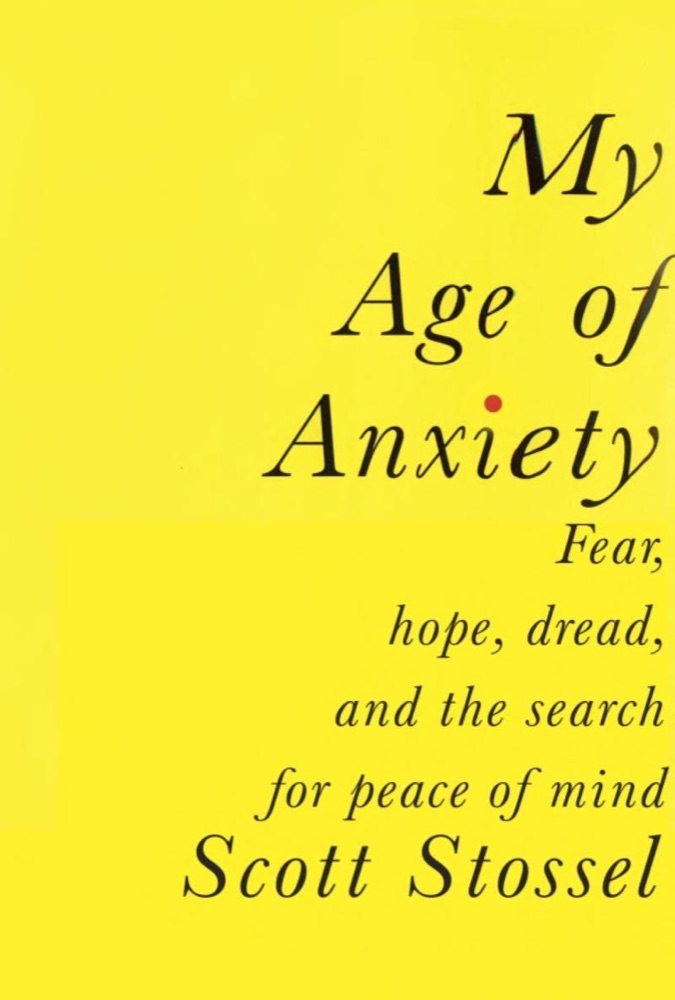 My Age of Anxiety: Fear, Hope, Dread, and the Search for Peace of Mind
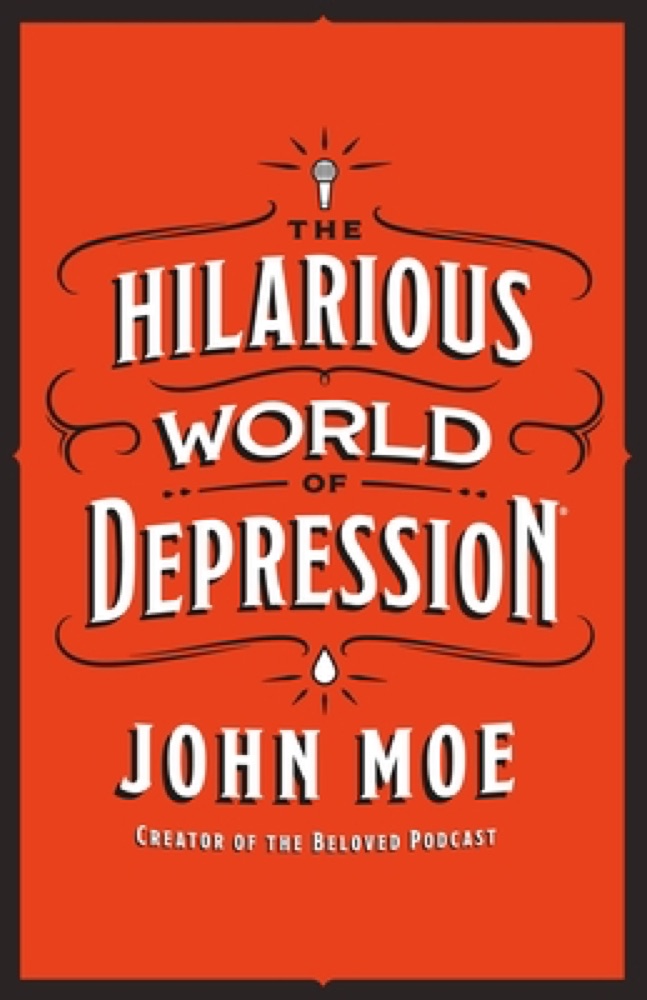 The Hilarious World of Depression
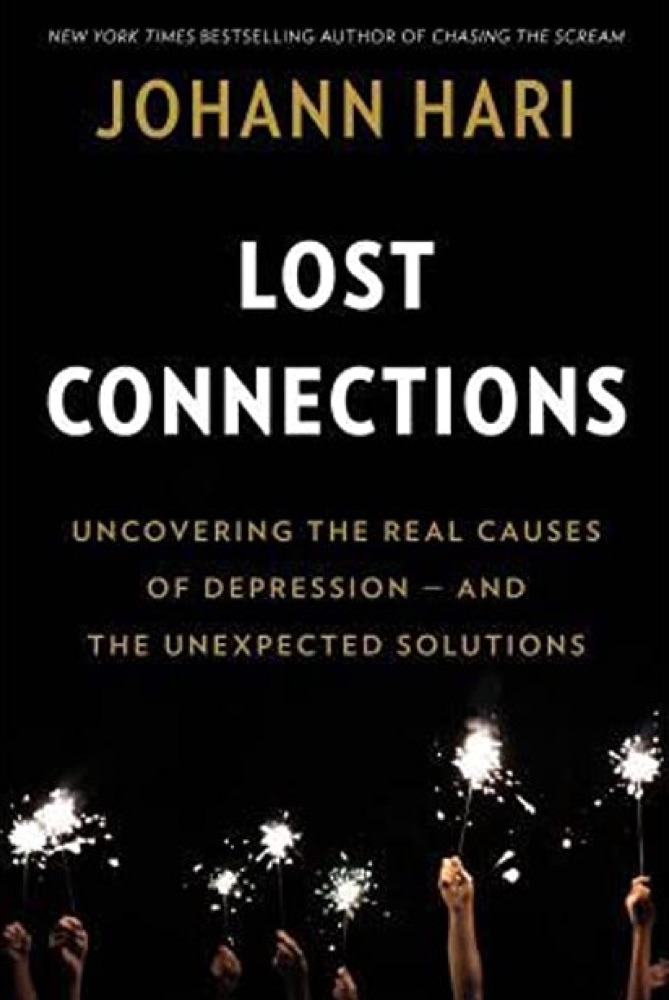 Lost Connections: Uncovering the Real Causes of Depression - and the Unexpected Solutions
 The Source of Self-Regard: Selected Essays, Speeches, and Meditations
 The Divided Self: An Existential Study in Sanity and Madness
 How to Stay Sane in an Age of Division
 No Name in the Street
 Enlightenment Now: The Case for Reason, Science, Humanism, and Progress
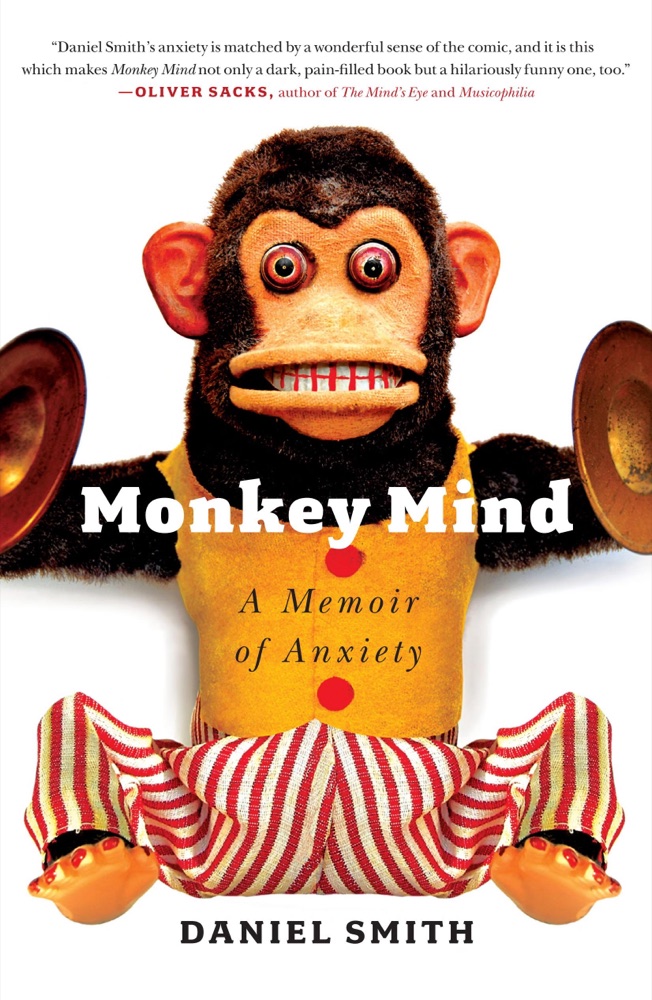 Monkey Mind: A Memoir of Anxiety
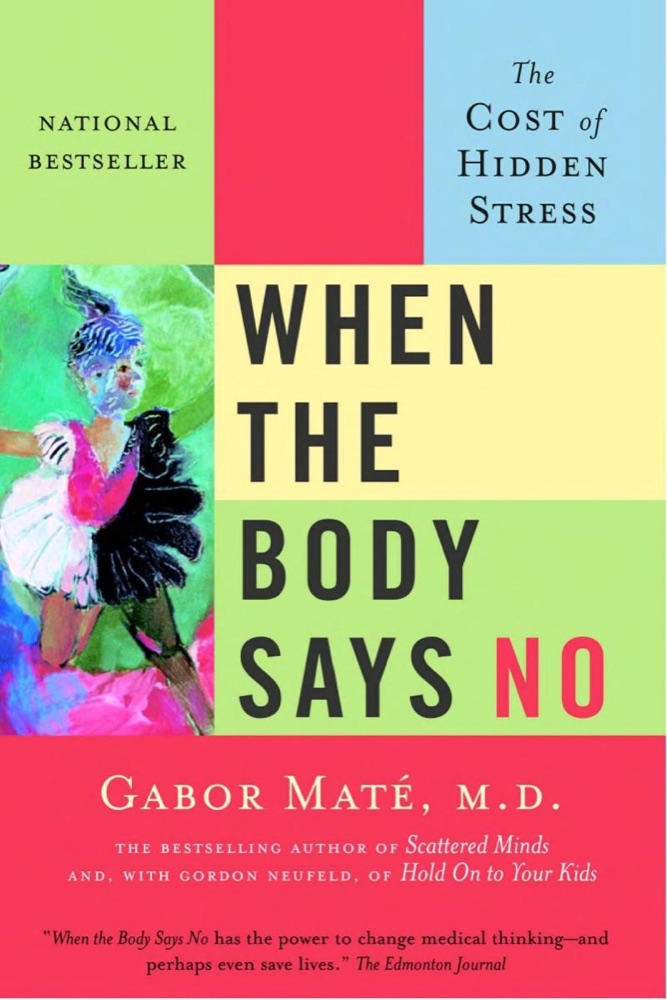 When the Body Says No: The Cost of Hidden Stress
 The Culture of Narcissism: American Life in An Age of Diminishing Expectations
 Shoot the Damn Dog: A Memoir of Depression
 What's Our Problem?: A Self-Help Book for Societies
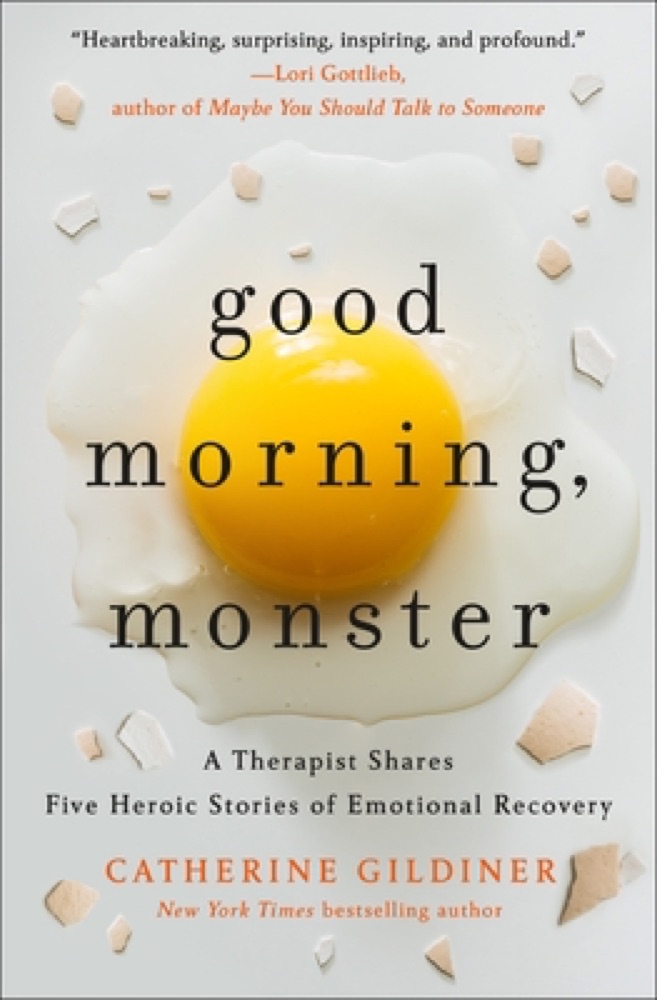 Good Morning, Monster: A Therapist Shares Five Heroic Stories of Emotional Recovery
 The Empusium
 The Asylum for Wayward Victorian Girls
 The Eden Express: A Memoir of Insanity