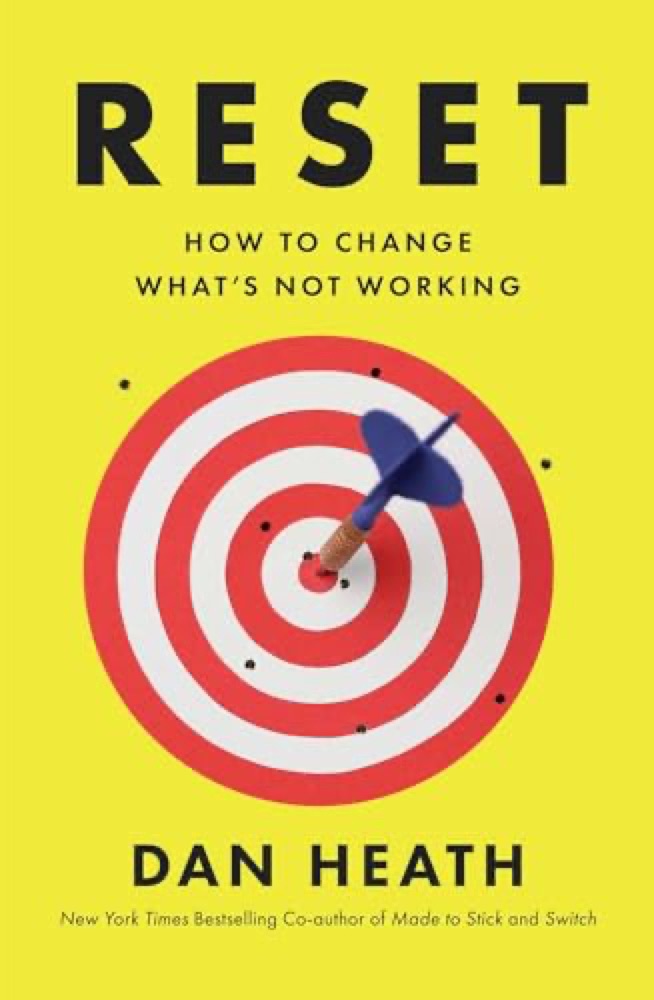
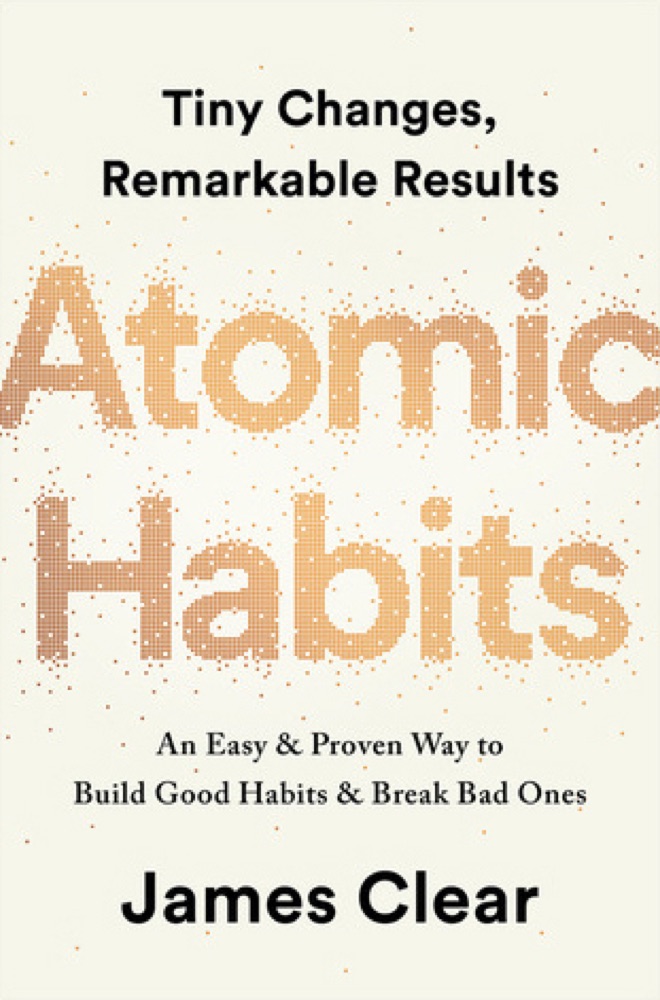
 Atomic Habits: An Easy & Proven Way to Build Good Habits & Break Bad Ones
Quotes from the Book
Averages are great for monitoring but terrible for diagnosis.
1
Every system is perfectly designed to get the results it gets.” Meaning that once you change your aspiration—when you set your sights on different results—the system you have is wrong, by definition. Because the system is designed, intentionally or not, to yield the results you got yesterday.
1
Change is not AND, it's INSTEAD OF.
Type 1 decisions, in his terminology, “are consequential and irreversible or nearly irreversible—one-way doors—and these decisions must be made methodically, carefully, slowly, with great deliberation and consultation. If you walk through and don’t like what you see on the other side, you can’t get back to where you were before.” Type 2 decisions, though, are reversible. Two-way streets. If you make a decision and you don’t like the results, you just undo it. “Type 2 decisions can and should be made quickly by high judgment individuals or small groups,” wrote Bezos.
The curse of a bad set of habits is that all the unnecessary things you’re doing actually come to seem necessary.
Did you know?
- The book's framework is built around "leverage points," a concept Heath draws from systems thinker Donella Meadows.
- It was named a 2025 Porchlight Business Book Award winner.
- Adam Grant included it among his recommended new books for 2025.
- Reset is Dan Heath's first book written solo rather than with his brother and longtime co-author Chip Heath.
- Heath structures the book in two halves: finding leverage points, then restacking existing resources to power them.
Watch on YouTube
About Dan Heath
About the book
"Reset: How to Change What's Not Working" is a business and self-improvement book by Dan Heath, published in January 2025. It lays out a practical, two-part method for getting unstuck: first locating "leverage points"—places in a system where a small effort yields a disproportionate return—and then restacking the resources and attention an organization or person already has to fuel those points, rather than demanding more people, money, or time.
The book's central themes are systems thinking and the gap between symptoms and root causes. Drawing on Donella Meadows' work on leverage points, Heath argues that meaningful change comes not from heroic effort or sweeping reinvention but from intervening at the right spots and reallocating existing energy. He emphasizes studying the "bright spots" where things already work, going to the source of problems, and breaking out of well-worn grooves of habit and routine.
Reset was a New York Times bestseller and a 2025 Porchlight Business Book Award winner, and was named among the best books of the period by outlets and figures including Oprah Daily, Adam Grant, Apple Books, and Amazon's editors. Reviewers generally praised its accessibility and concrete framework for change leaders, with some noting it reads as a strong entry point for those new to organizational transformation rather than a deeply rigorous treatise.
Book details
- First published
- 2025
- Length
- 288 pages
- Reading time
- 6 hours
- Author
- Dan Heath
- Genre
- Nonfiction
- Goodreads rating
- 4.13 (3k ratings)
Critical reception
- Reached the New York Times bestseller list.
- Won a 2025 Porchlight Business Book Award.
- Named a best book by Oprah Daily, Apple Books, and Amazon's editors, and recommended by Adam Grant.
- Reviewers praised its accessible, actionable framework while some found it a lighter introduction to change than a rigorous deep dive.
The buzz
- QRCA VIEWSReset: How to Change What's Not Working2025Reviewer argues Heath's leverage-point framework applies directly to qualitative researchers' work
- Andy Stanley Leadership PodcastReset: How Great Leaders Get Unstuck with Dan Heath2025Author interview on the two-part reset strategy for leaders
Keep reading
Atomic Habits: An Easy & Proven Way to Build Good Habits & Break Bad Ones
 Algorithms to Live By: The Computer Science of Human Decisions
 Rework
 Antifragile: Things That Gain from Disorder
 The Design of Everyday Things
 Adapt: Why Success Always Starts with Failure
 Right Kind of Wrong: The Science of Failing Well
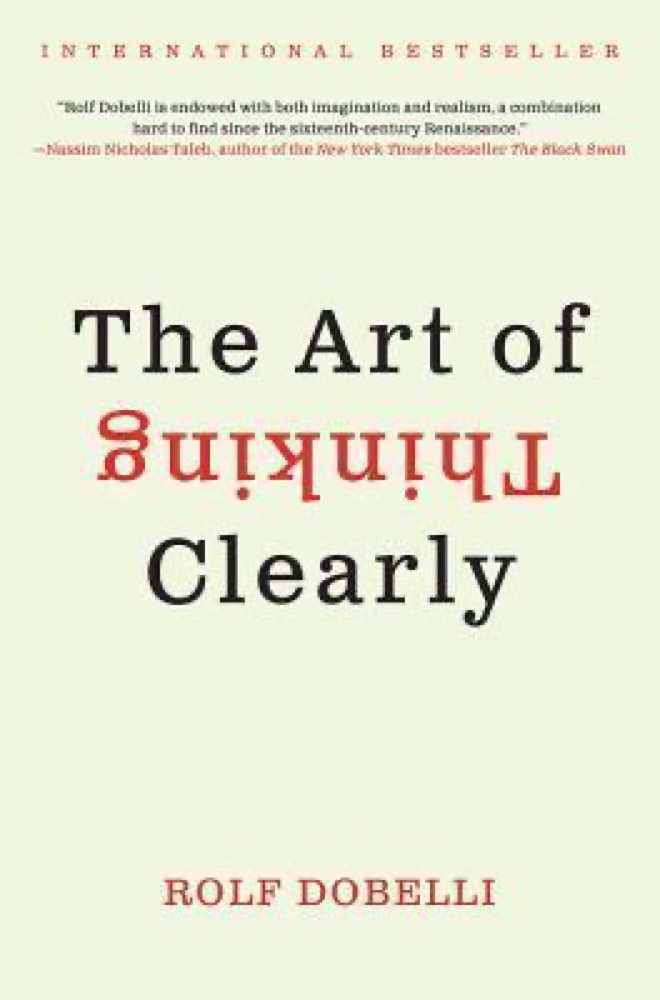 The Art of Thinking Clearly
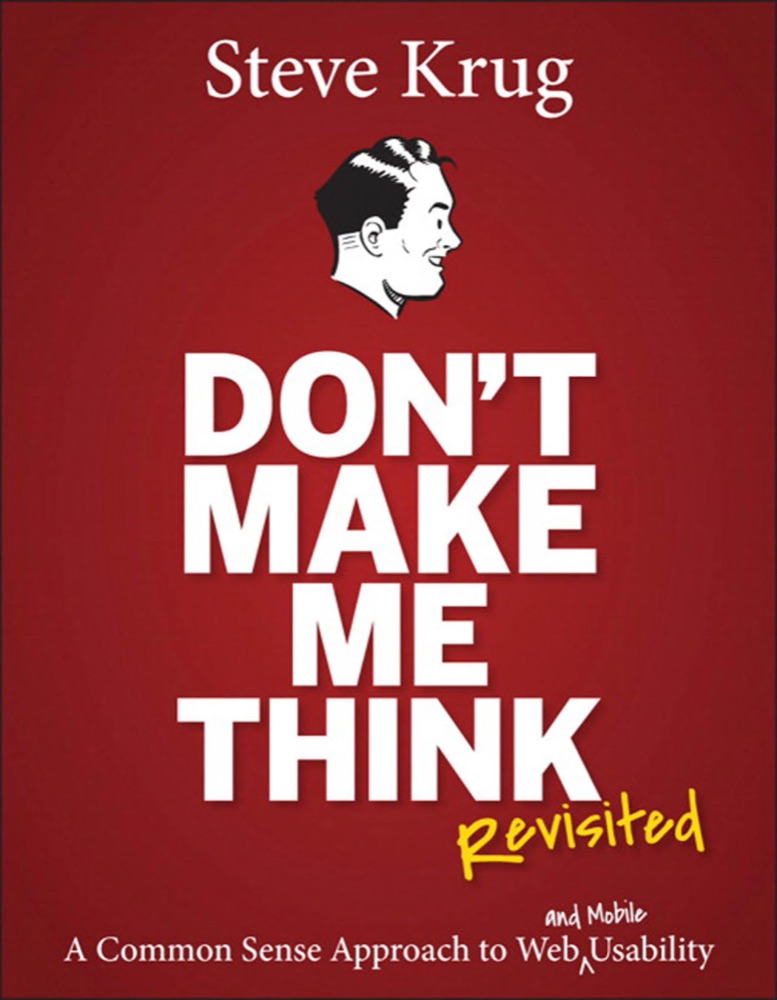 Don't Make Me Think, Revisited: A Common Sense Approach to Web Usability
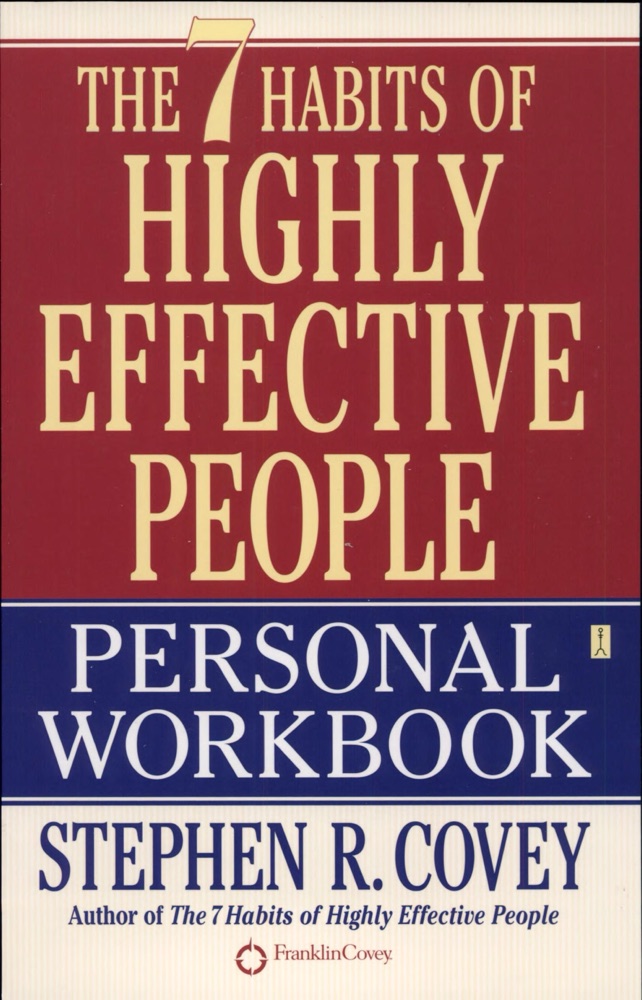 The 7 Habits of Highly Effective People: Personal Workbook
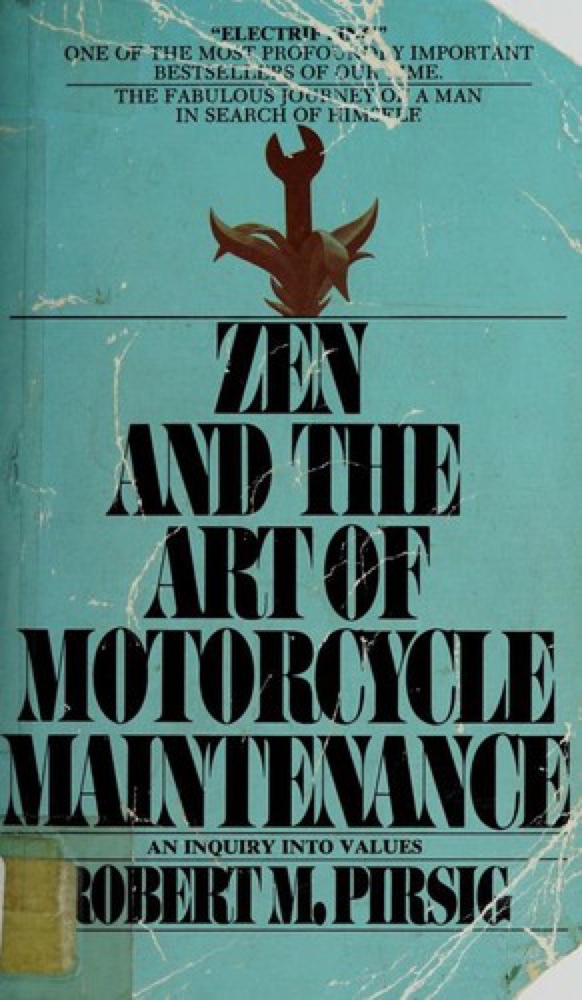 Zen and the Art of Motorcycle Maintenance
 Better Than Before: Mastering the Habits of Our Everyday Lives
 The Power of Habit: Why We Do What We Do in Life and Business
 Thinking In Systems: A Primer
 The Lazy Genius Way: Embrace What Matters, Ditch What Doesn't, and Get Stuff Done
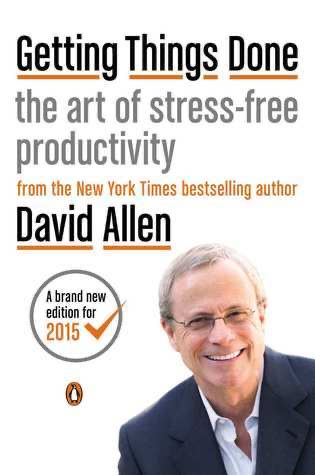 Getting Things Done: The Art of Stress-Free Productivity
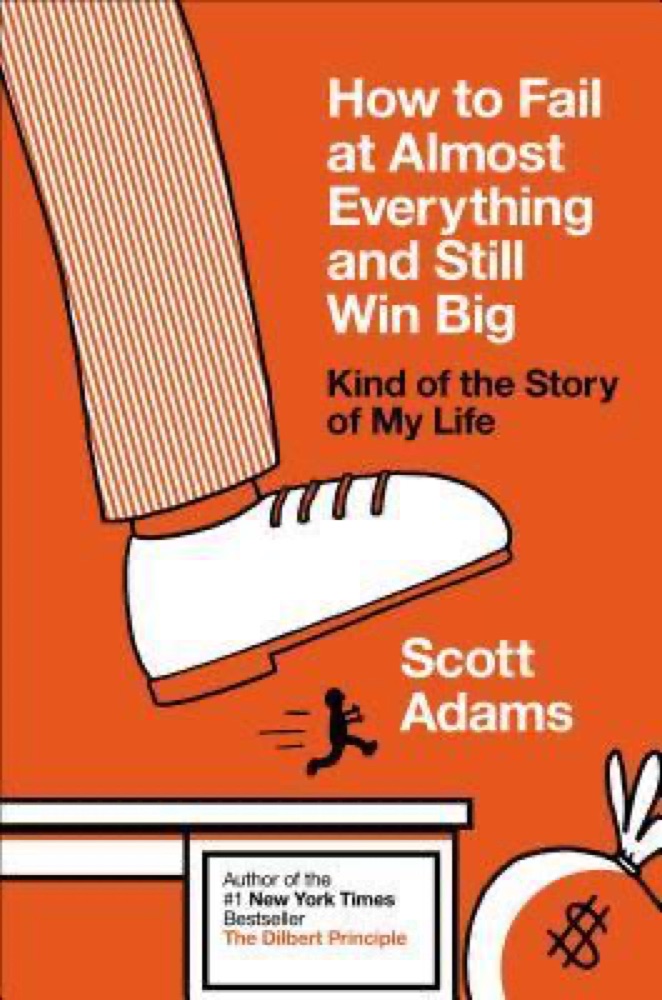 How to Fail at Almost Everything and Still Win Big: Kind of the Story of My Life
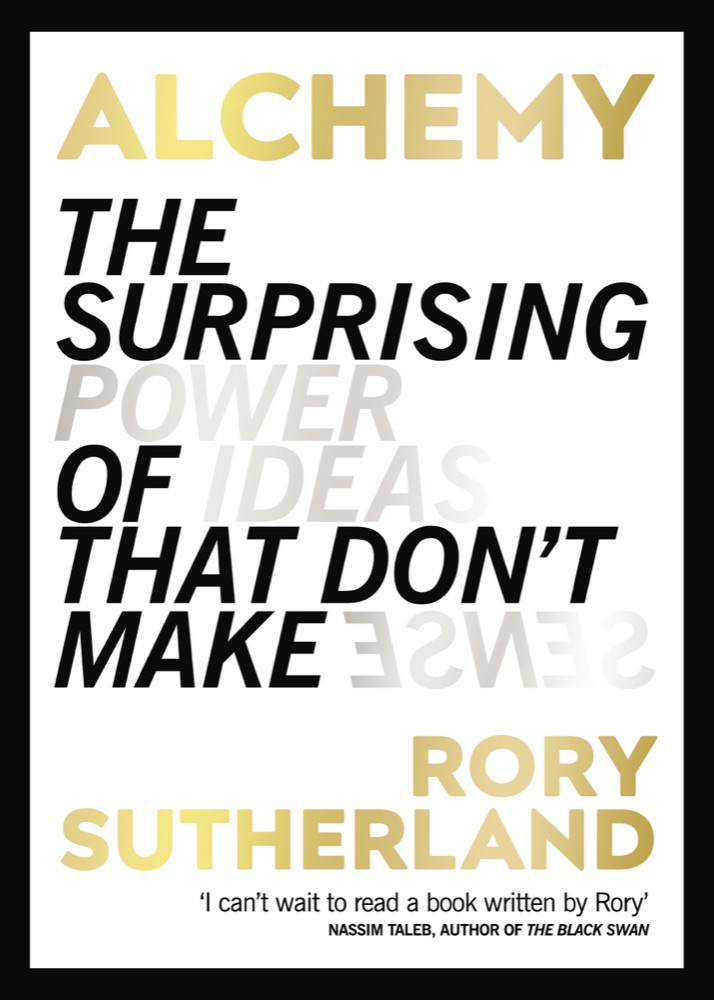 Alchemy: The Surprising Power of Ideas That Don't Make Sense
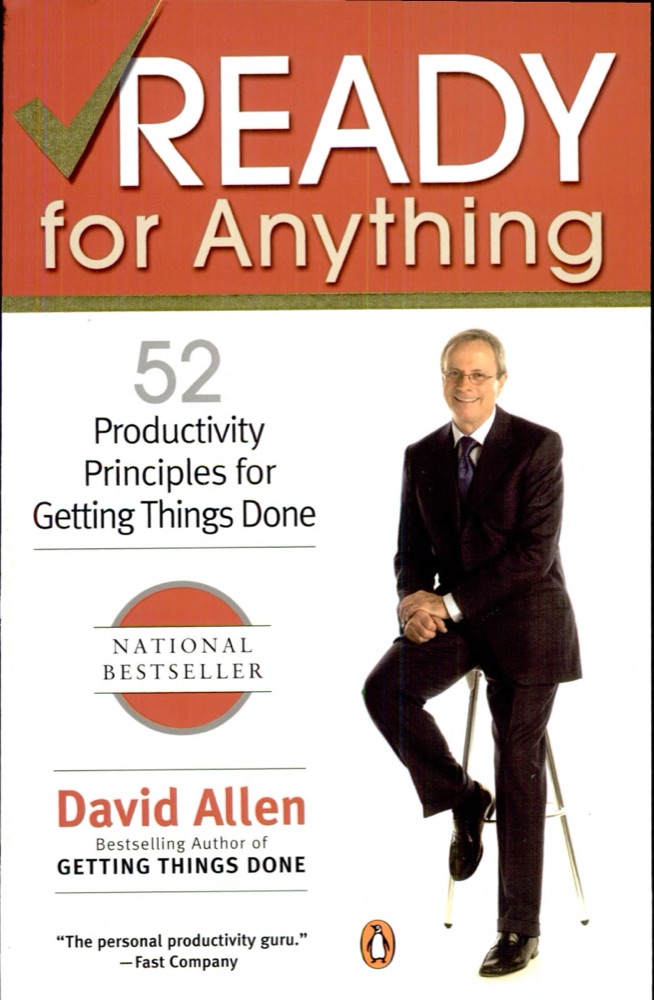 Ready for Anything: 52 Productivity Principles for Getting Things Done
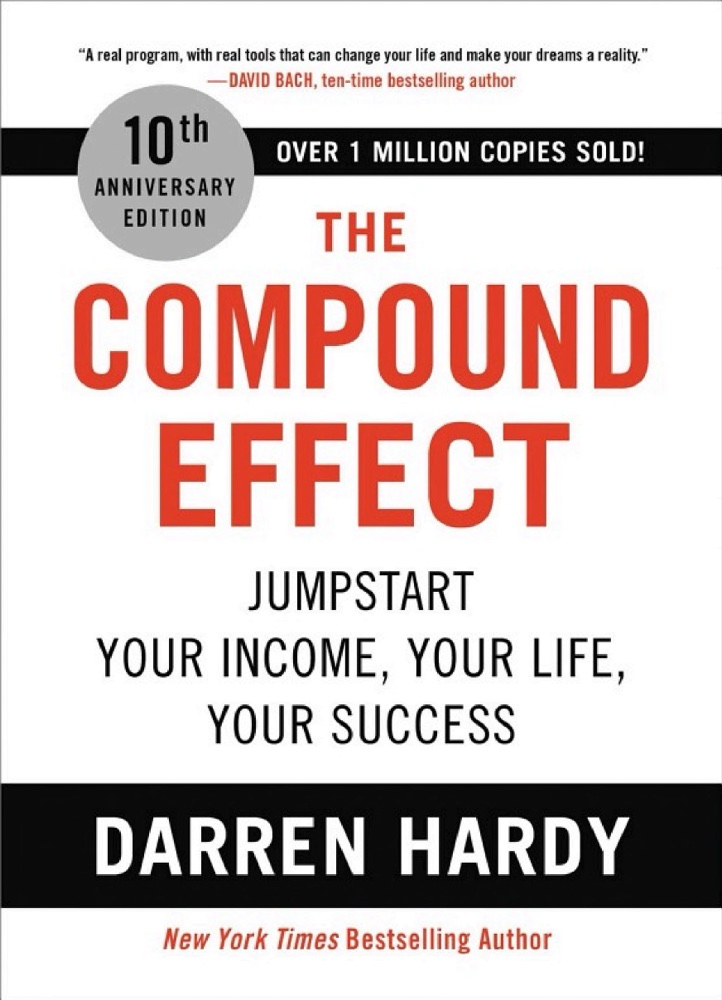 The Compound Effect: Jumpstart Your Income, Your Life, Your Success
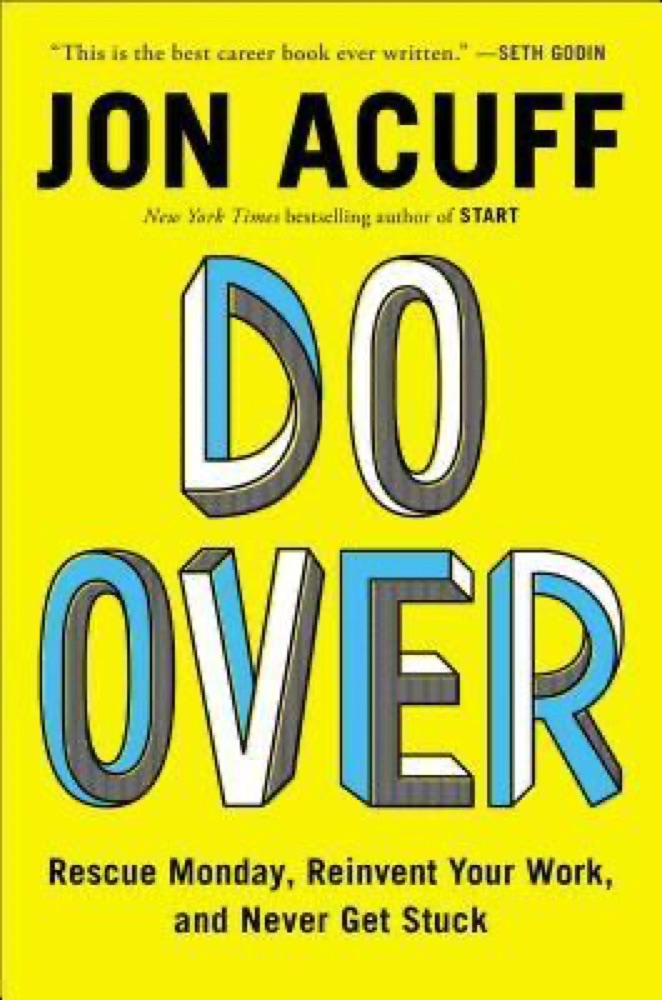 Do Over: Rescue Monday, Reinvent Your Work, and Never Get Stuck
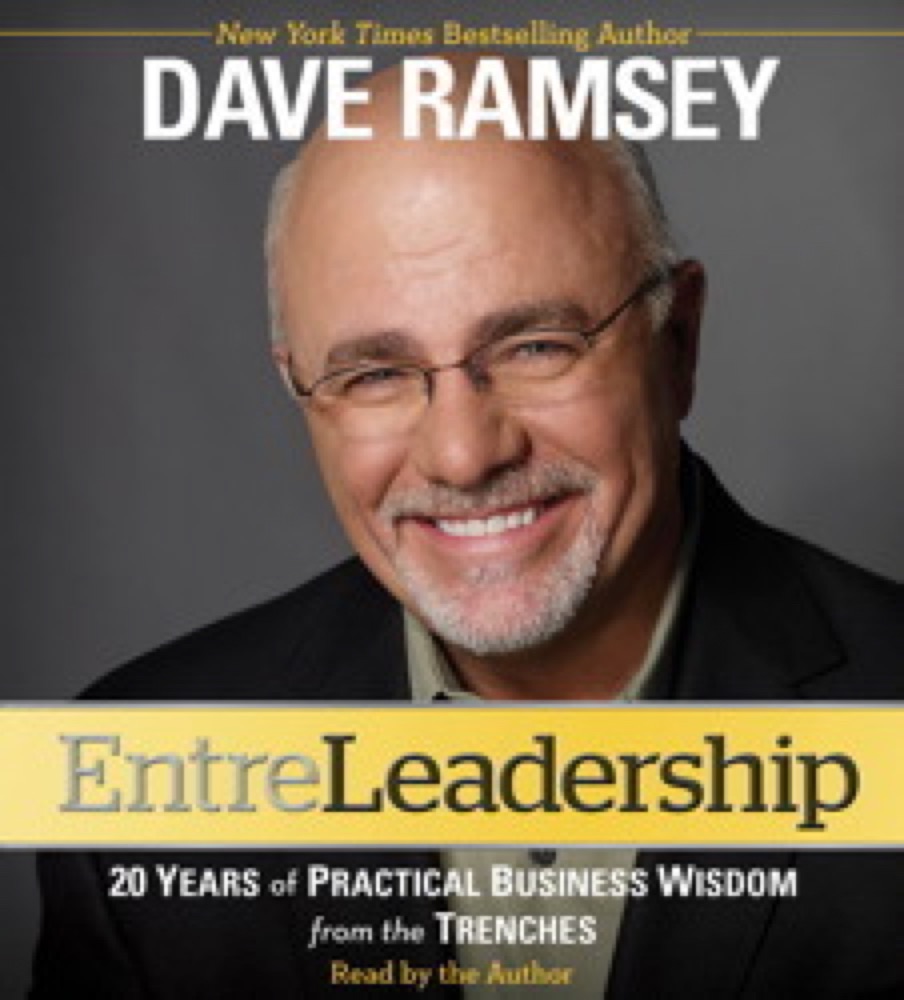 EntreLeadership: 20 Years of Practical Business Wisdom from the Trenches
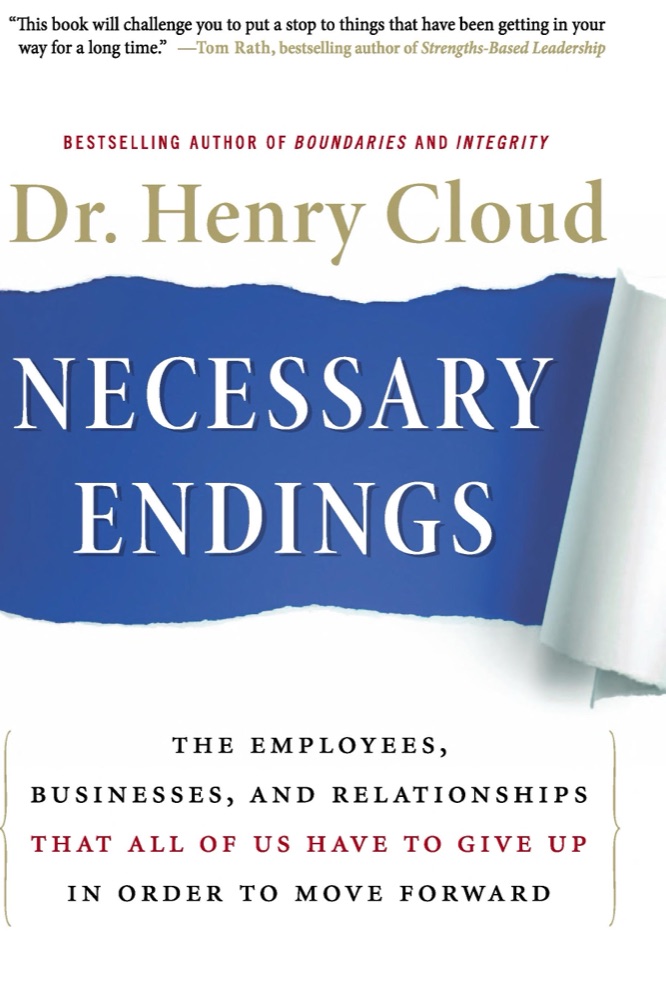 Necessary Endings: The Employees, Businesses, and Relationships That All of Us Have to Give Up in Order to Move Forward
 Barking Up the Wrong Tree: The Surprising Science Behind Why Everything You Know About Success Is (Mostly) Wrong
 Black Box Thinking: Why Some People Never Learn from Their Mistakes - But Some Do
 The Undoing Project: A Friendship That Changed Our Minds
 Early Retirement Extreme: A Philosophical and Practical Guide to Financial Independence
 Rationality: From AI to Zombies
 The 4-Hour Workweek
 The Black Swan: The Impact of the Highly Improbable
 Essentialism: The Disciplined Pursuit of Less
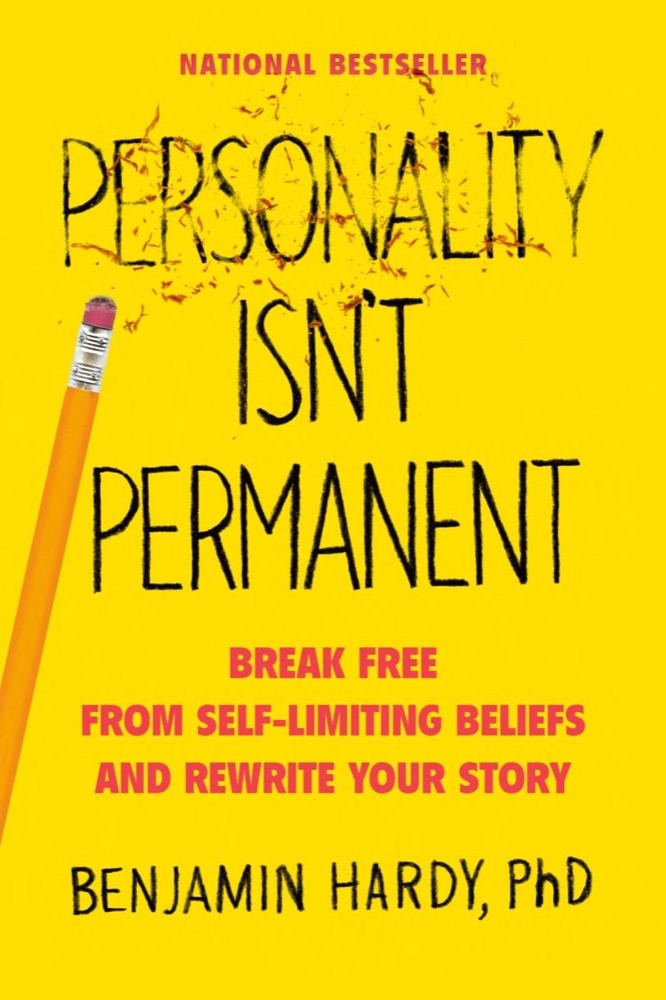 Personality Isn't Permanent: Break Free from Self-Limiting Beliefs and Rewrite Your Story
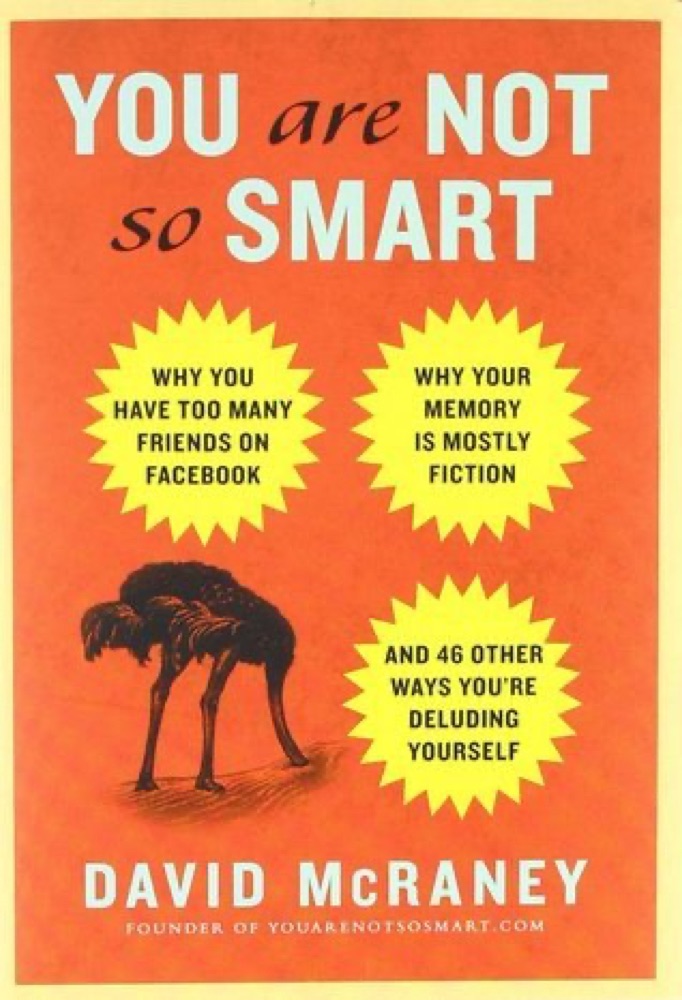 You Are Not So Smart
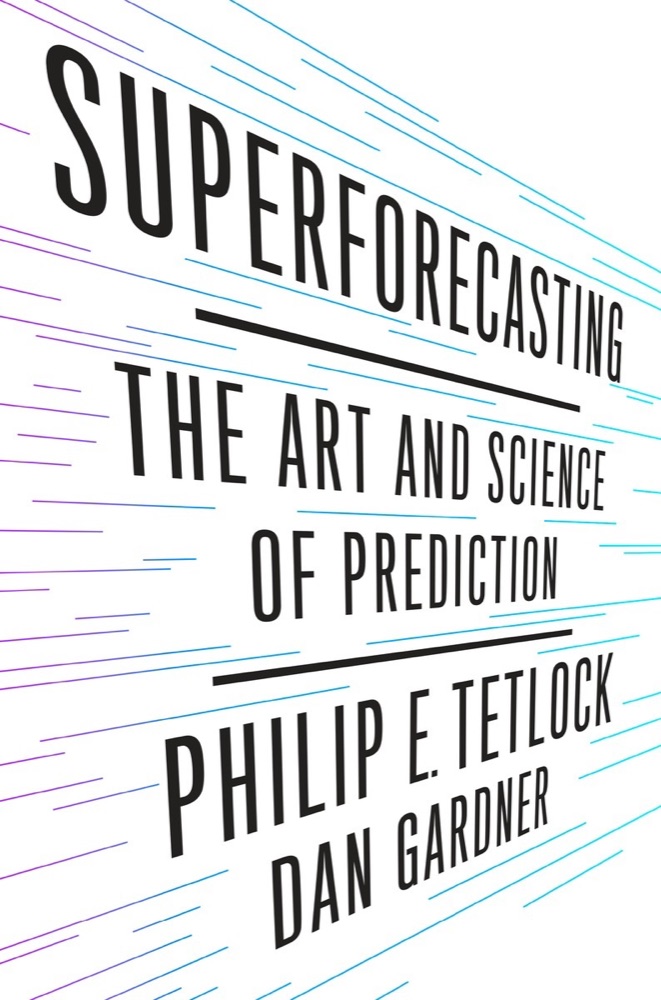 Superforecasting: The Art and Science of Prediction
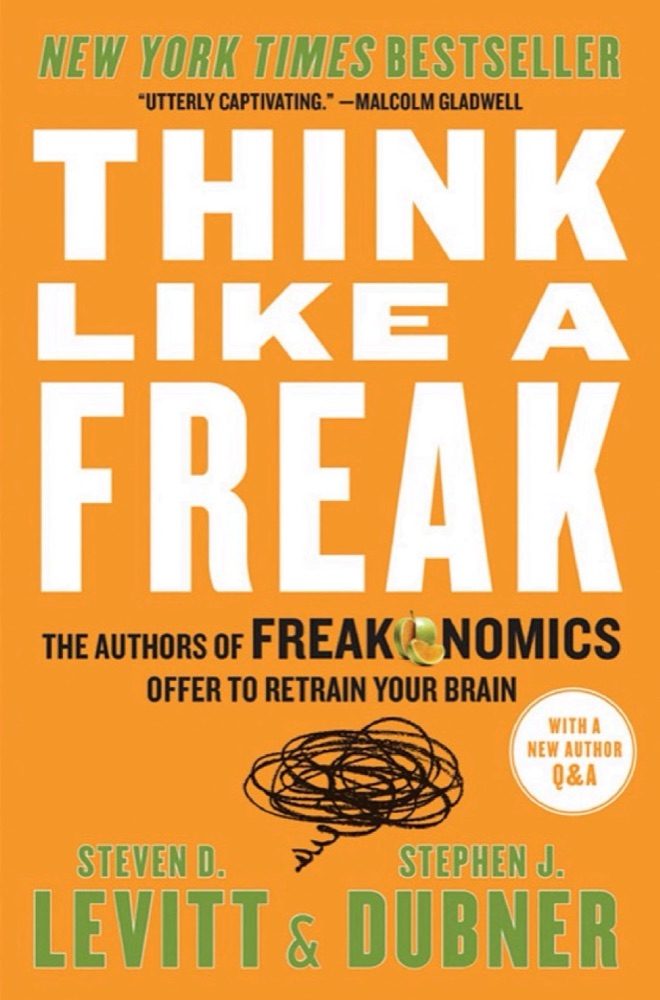 Think Like a Freak
 The Accidental Creative: How to Be Brilliant at a Moment's Notice
 Great by Choice: Uncertainty, Chaos, and Luck—Why Some Thrive Despite Them All
 Creativity, Inc.: Overcoming the Unseen Forces That Stand in the Way of True Inspiration
 Math with Bad Drawings
 Measure What Matters
 The Bullet Journal Method: Track Your Past, Order Your Present, Plan Your Future
 Humble Pi: A Comedy of Maths Errors
 The Drunkard's Walk: How Randomness Rules Our Lives
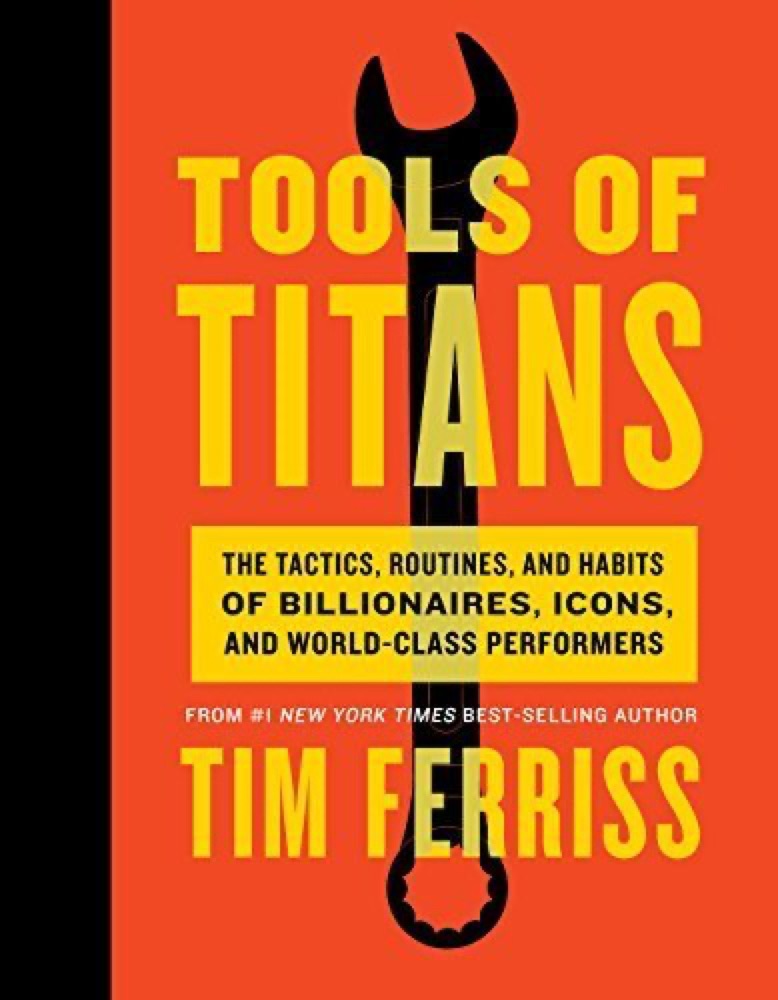 Tools of Titans: The Tactics, Routines, and Habits of Billionaires, Icons, and World-Class Performers
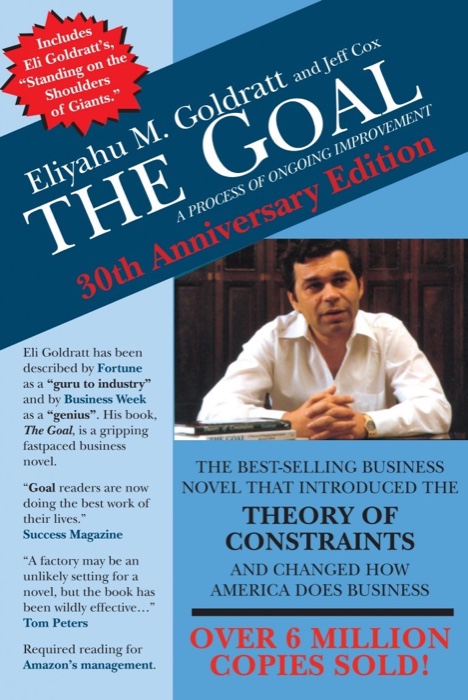 The Goal: A Process of Ongoing Improvement
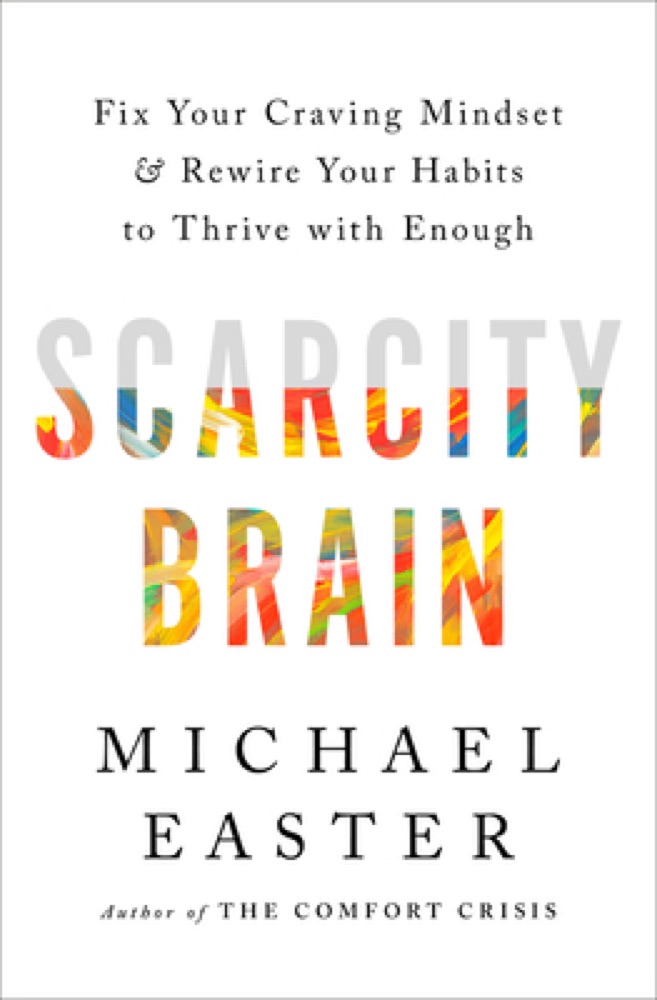 Scarcity Brain: Fix Your Craving Mindset and Rewire Your Habits to Thrive with Enough
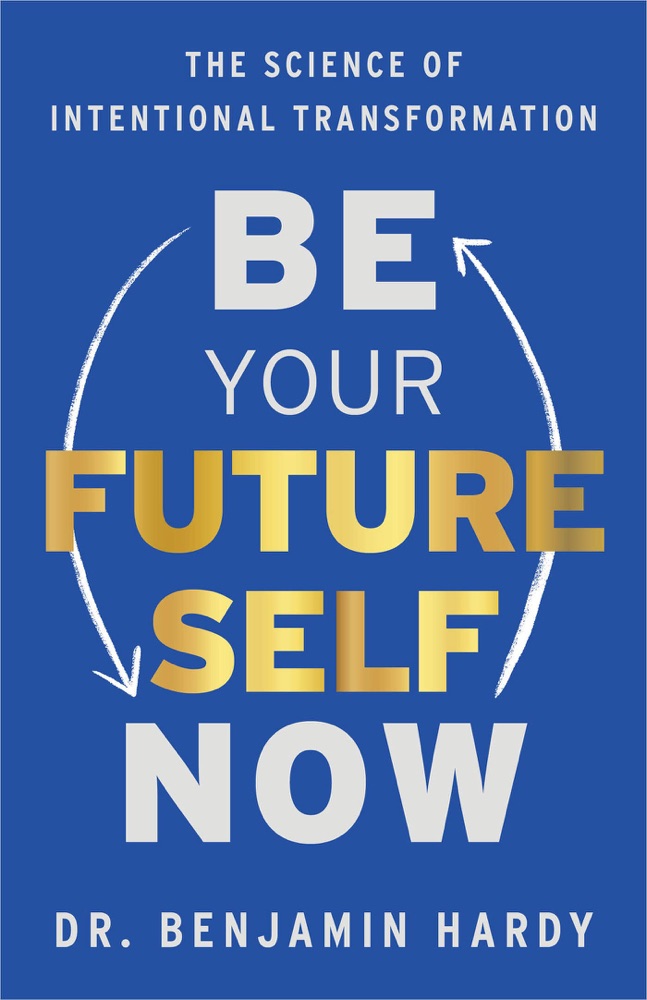 Be Your Future Self Now: The Science of Intentional Transformation
 Managing Humans: Biting and Humorous Tales of a Software Engineering Manager
 Amp It Up: Leading for Hypergrowth by Raising Expectations, Increasing Urgency, and Elevating Intensity
 How to ADHD: An Insider's Guide to Working with Your Brain
 Do Epic Shit
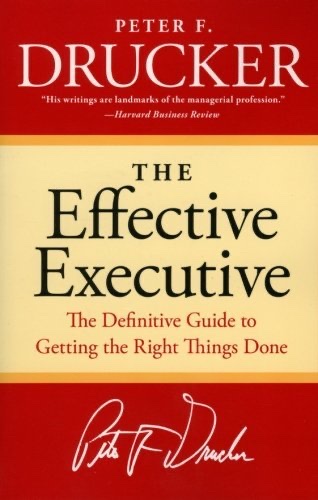 The Effective Executive: The Definitive Guide to Getting the Right Things Done
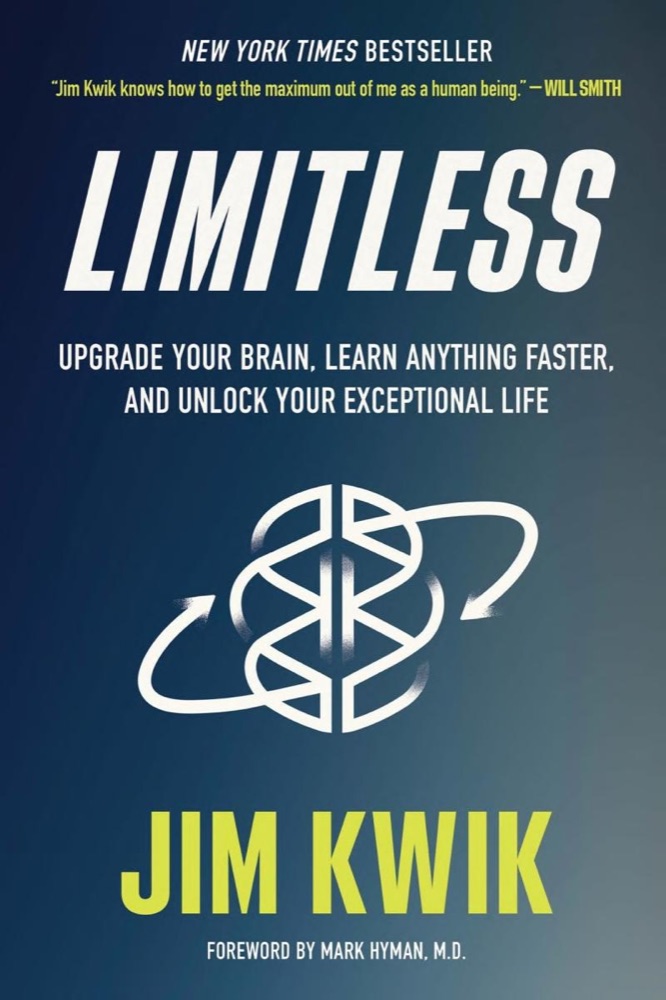 Limitless: Upgrade Your Brain, Learn Anything Faster, and Unlock Your Exceptional Life
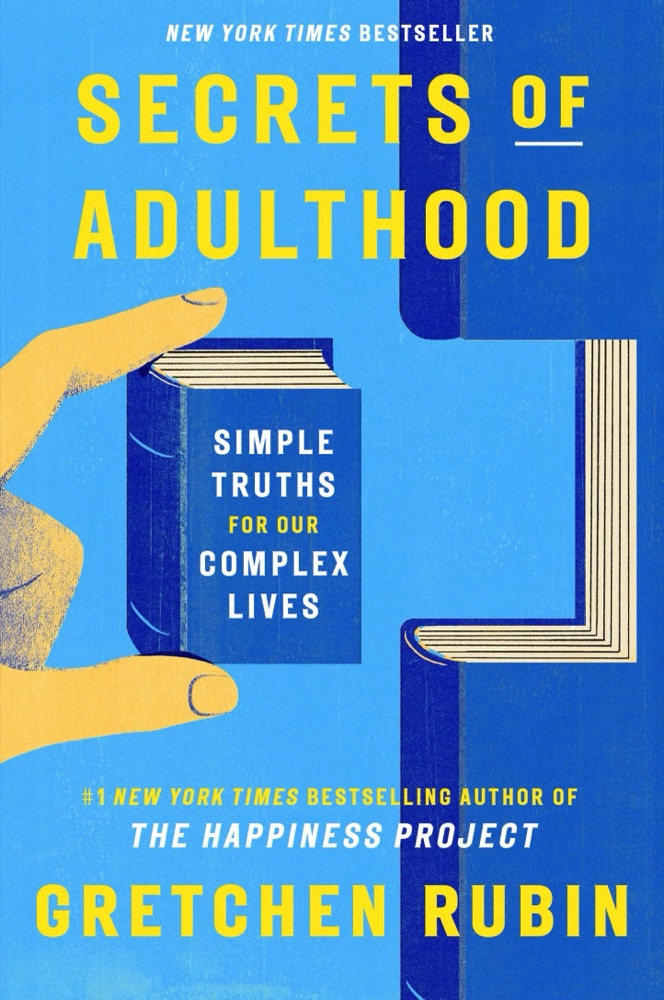 Secrets of Adulthood: Simple Truths for Our Complex Lives
 Predictably Irrational: The Hidden Forces That Shape Our Decisions
 Principles: Life and Work
 Think Like a Rocket Scientist: Simple Strategies You Can Use to Make Giant Leaps in Work and Life
 Fooled by Randomness: The Hidden Role of Chance in Life and in the Markets