
 The Compound Effect: Jumpstart Your Income, Your Life, Your Success
Quotes from the Book
Every action you take is a vote for the type of person you wish to become. No single instance will transform your beliefs, but as the votes build up, so does the evidence of your new identity.
924
You do not rise to the level of your goals. You fall to the level of your systems.
687
You should be far more concerned with your current trajectory than with your current results.
463
When you fall in love with the process rather than the product, you don’t have to wait to give yourself permission to be happy. You can be satisfied anytime your system is running.
453
Goals are good for setting a direction, but systems are best for making progress.
326
Habits are the compound interest of self-improvement
250
All big things come from small beginnings. The seed of every habit is a single, tiny decision. But as that decision is repeated, a habit sprouts and grows stronger. Roots entrench themselves and branches grow. The task of breaking a bad habit is like uprooting a powerful oak within us. And the task of building a good habit is like cultivating a delicate flower one day at a time.
226
Problem #1: Winners and losers have the same goals.
213
Be the designer of your world and not merely the consumer of it.
200
When nothing seems to help, I go and look at a stonecutter hammering away at his rock, perhaps a hundred times without as much as a crack showing in it. Yet at the hundred and first blow it will split in two, and I know it was not that last blow that did it—but all that had gone before.
189
Success is the product of daily habits—not once-in-a-lifetime transformations.
174
When you can’t win by being better, you can win by being different.
146
Professionals stick to the schedule; amateurs let life get in the way.
142
The purpose of setting goals is to win the game. The purpose of building systems is to continue playing the game. True long-term thinking is goal-less thinking. It’s not about any single accomplishment. It is about the cycle of endless refinement and continuous improvement. Ultimately, it is your commitment to the process that will determine your progress.
140
The more pride you have in a particular aspect of your identity, the more motivated you will be to maintain the habits associated with it. If you’re proud of how your hair looks, you’ll develop all sorts of habits to care for and maintain it. If you’re proud of the size of your biceps, you’ll make sure you never skip an upper-body workout. If you’re proud of the scarves you knit, you’ll be more likely to spend hours knitting each week. Once your pride gets involved, you’ll fight tooth and nail to maintain your habits.
125
You don’t have to be the victim of your environment. You can also be the architect of it.
121
Your actions reveal how badly you want something. If you keep saying something is a priority but you never act on it, then you don’t really want it. It’s time to have an honest conversation with yourself. Your actions reveal your true motivations.
110
Some people spend their entire lives waiting for the time to be right to make an improvement.
109
The only way to become excellent is to be endlessly fascinated by doing the same thing over and over. You have to fall in love with boredom.
92
If you want better results, then forget about setting goals. Focus on your system instead.
89
The ultimate form of intrinsic motivation is when a habit becomes part of your identity. It’s one thing to say I’m the type of person who wants this. It’s something very different to say I’m the type of person who is this.
87
When scientists analyze people who appear to have tremendous self-control, it turns out those individuals aren’t all that different from those who are struggling. Instead, “disciplined” people are better at structuring their lives in a way that does not require heroic willpower and self-control. In other words, they spend less time in tempting situations.
81
In fact, the tendency for one purchase to lead to another one has a name: the Diderot Effect. The Diderot Effect states that obtaining a new possession often creates a spiral of consumption
81
The greatest threat to success is not failure but boredom. We get bored with habits because they stop delighting us. The outcome becomes expected. And as our habits become ordinary, we start derailing our progress to seek novelty.
74
With outcome-based habits, the focus is on what you want to achieve. With identity-based habits, the focus is on who you wish to become.
73
We imitate the habits of three groups in particular: The close. The many. The powerful.
73
It is easy to get bogged down trying to find the optimal plan for change: the fastest way to lose weight, the best program to build muscle, the perfect idea for a side hustle. We are so focused on figuring out the best approach that we never get around to taking action. As Voltaire once wrote, “The best is the enemy of the good.
64
Over the long run, however, the real reason you fail to stick with habits is that your self-image gets in the way. This is why you can't get too attached to one version of your identity. Progress requires unlearning. Becoming the best version of yourself requires you to continuously edit your beliefs, and to upgrade and expand your identity.
62
Did you know?
- The book has sold more than 20 million copies and been translated into over 50 languages.
- “Atomic” refers to both something tiny and a source of immense energy — the idea that small habits compound into remarkable results.
- Clear's central math: getting just 1% better every day makes you about 37 times better over a year.
- Its framework, the Four Laws of Behavior Change — make it obvious, attractive, easy, and satisfying — grew out of essays first published on jamesclear.com.
- Clear began writing about habits after recovering from a severe baseball-bat injury that nearly killed him in high school.
Watch on YouTube
About James Clear
James Clear is an American author, speaker, and entrepreneur whose work focuses on habits, decision-making, and continuous improvement. His ideas grew out of years of essays on his website and his weekly 3-2-1 newsletter, read by millions. Atomic Habits, his debut book, became one of the best-selling nonfiction titles of its era.
More about the author →About the book
Atomic Habits is James Clear's practical manual for changing behaviour by changing systems rather than relying on willpower or motivation. Its core argument is that you do not rise to the level of your goals; you fall to the level of your systems — and that the tiny, almost invisible routines you repeat each day quietly compound into who you become.
Clear organises the book around the Four Laws of Behavior Change: make a good habit obvious, attractive, easy, and satisfying (and invert each law to break a bad one). Around this framework he weaves memorable ideas — habit stacking, the two-minute rule, environment design, and identity-based habits — each illustrated with research and real-world stories.
Published in 2018, the book became a global phenomenon, selling tens of millions of copies and turning Clear into one of the most-quoted voices on self-improvement. Readers underline its crisp, aphoristic lines about systems, identity, and the power of getting one percent better every day — which is a large part of why it is quoted so often.
Book details
- First published
- 2018
- Length
- 320 pages
- Reading time
- 5–6 hours
- Author
- James Clear
- Genre
- Nonfiction
- Goodreads rating
- 4.31 (1.4M ratings)
- First line
- “On the final day of my sophomore year of high school, I was hit in the face with a baseball bat.”
Critical reception
- A #1 New York Times best-seller and one of the best-selling nonfiction books of its decade.
- Widely regarded as the definitive practical guide to building habits and breaking bad ones.
- Praised for turning behavioral-science research into a simple, actionable system.
The buzz
- The Profile'Atomic Habits' Author James Clear: 'I'm Never Far From a Good Idea'2021Long-form author interview on identity-based habits.
- The Tim Ferriss ShowJames Clear, Atomic Habits — Simple Strategies for Building (and Breaking) Habits (#648)2023In-depth interview on habit strategies.
If you liked this, read…
- 1The Power of HabitCharles Duhigg on the science of why habits form and how to change them.
- 2Deep WorkCal Newport on building the focused routines that compound over time.
- 3The 7 Habits of Highly Effective PeopleStephen Covey's classic on habits and personal effectiveness.
- 4MindsetCarol Dweck on the growth mindset behind lasting change.
Keep reading
The Compound Effect: Jumpstart Your Income, Your Life, Your Success
 The Power of Habit: Why We Do What We Do in Life and Business
 Better Than Before: Mastering the Habits of Our Everyday Lives
 The Power of Focus
 High Performance Habits: How Extraordinary People Become That Way
 7 Strategies for Wealth & Happiness: Power Ideas from America's Foremost Business Philosopher
 How to Fail at Almost Everything and Still Win Big: Kind of the Story of My Life
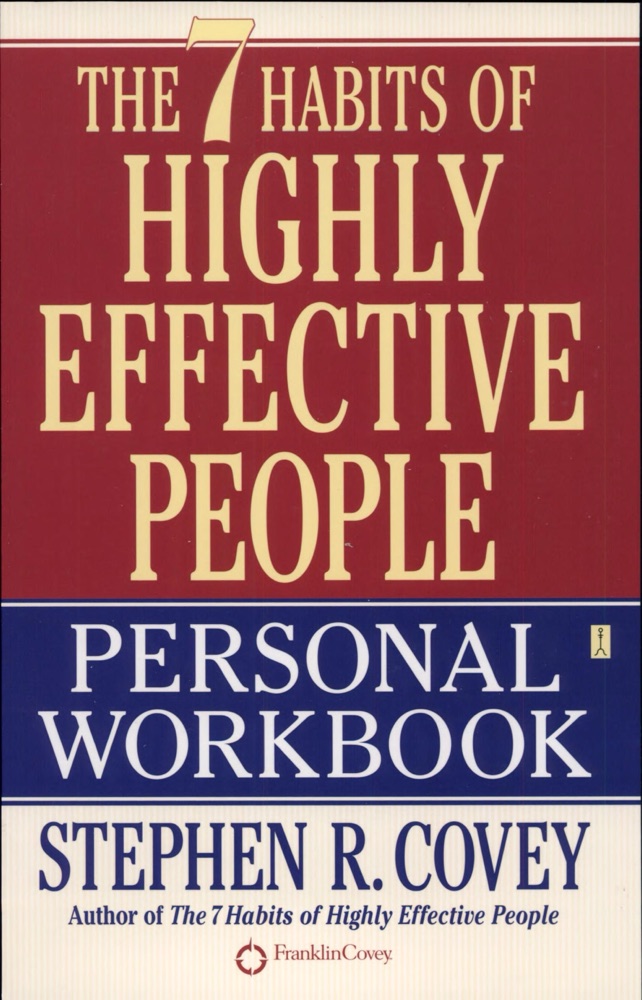 The 7 Habits of Highly Effective People: Personal Workbook
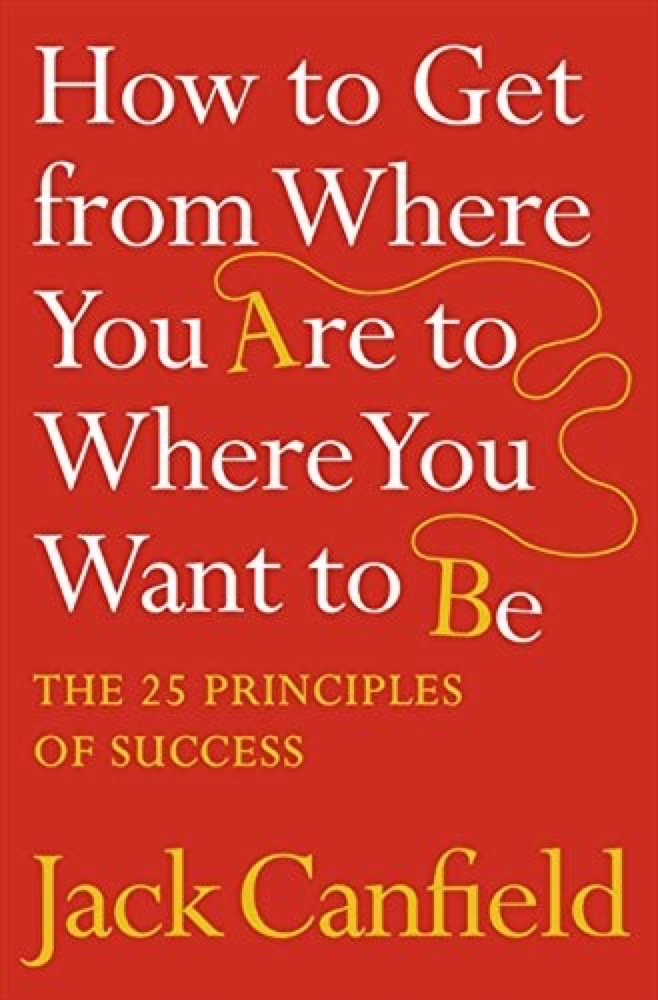 The Success Principles: How to Get from Where You Are to Where You Want to Be
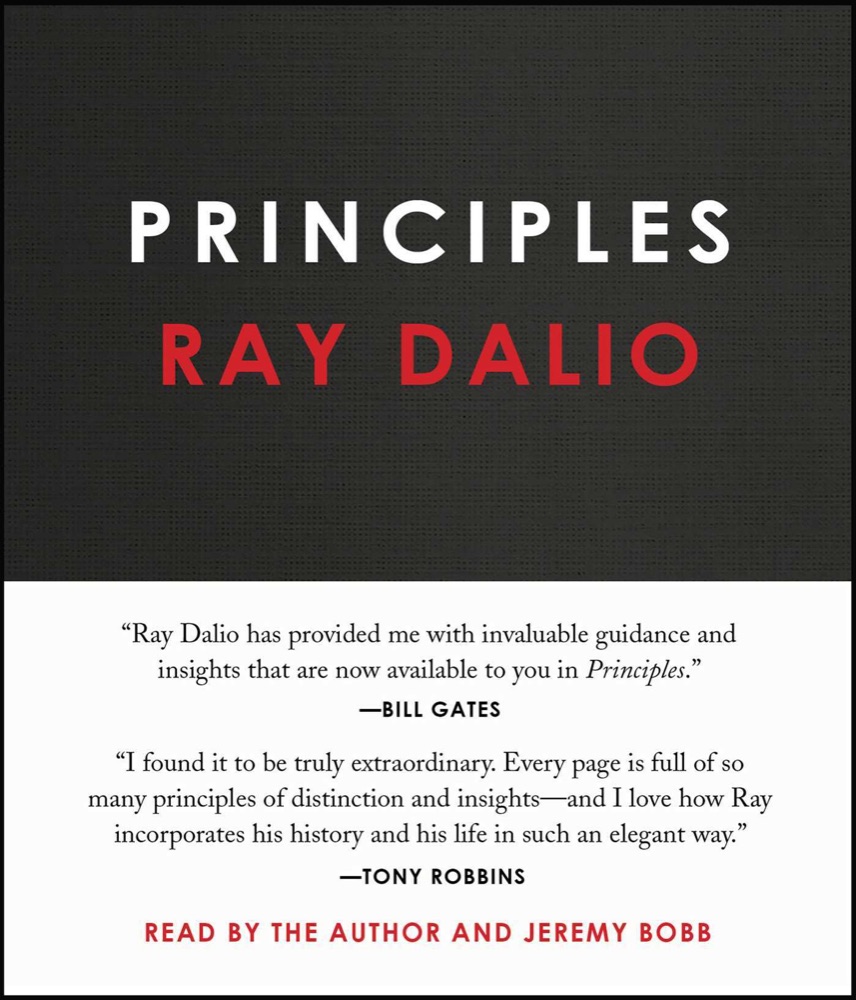 Principles: Life and Work
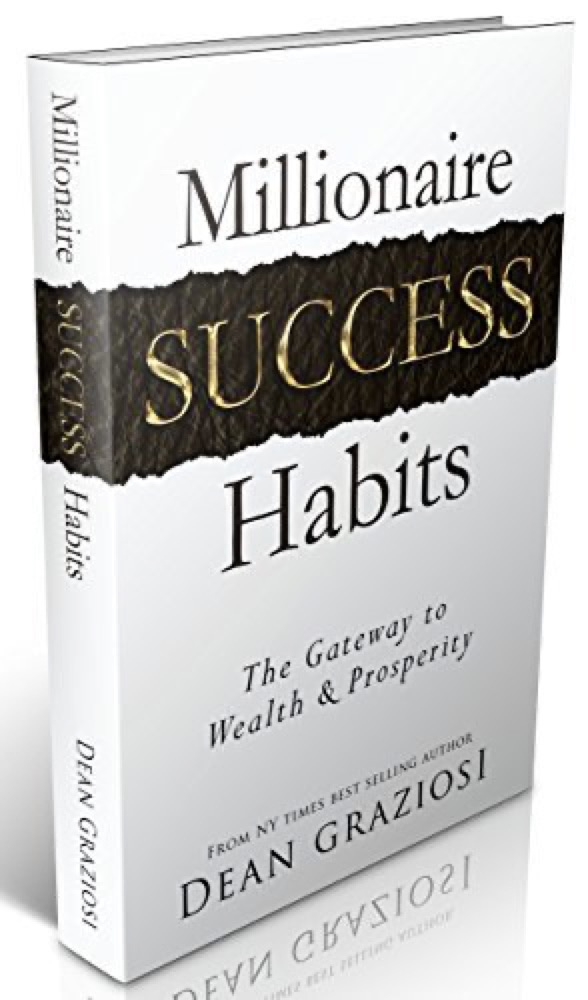 Millionaire Success Habits: The Gateway To Wealth & Prosperity
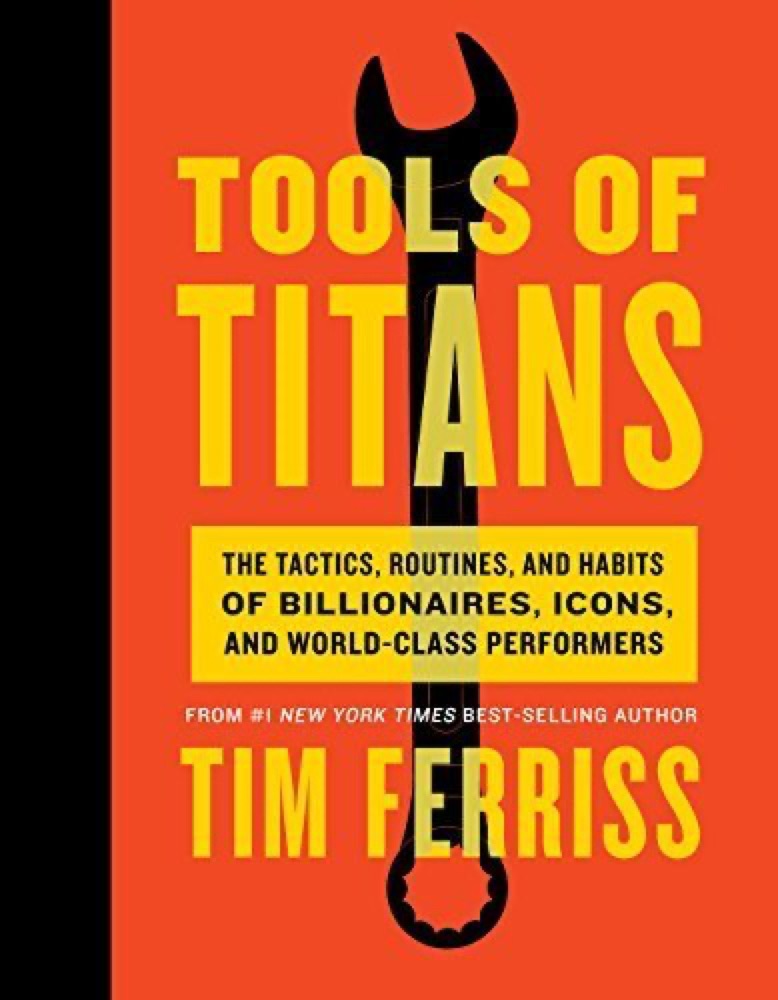 Tools of Titans: The Tactics, Routines, and Habits of Billionaires, Icons, and World-Class Performers
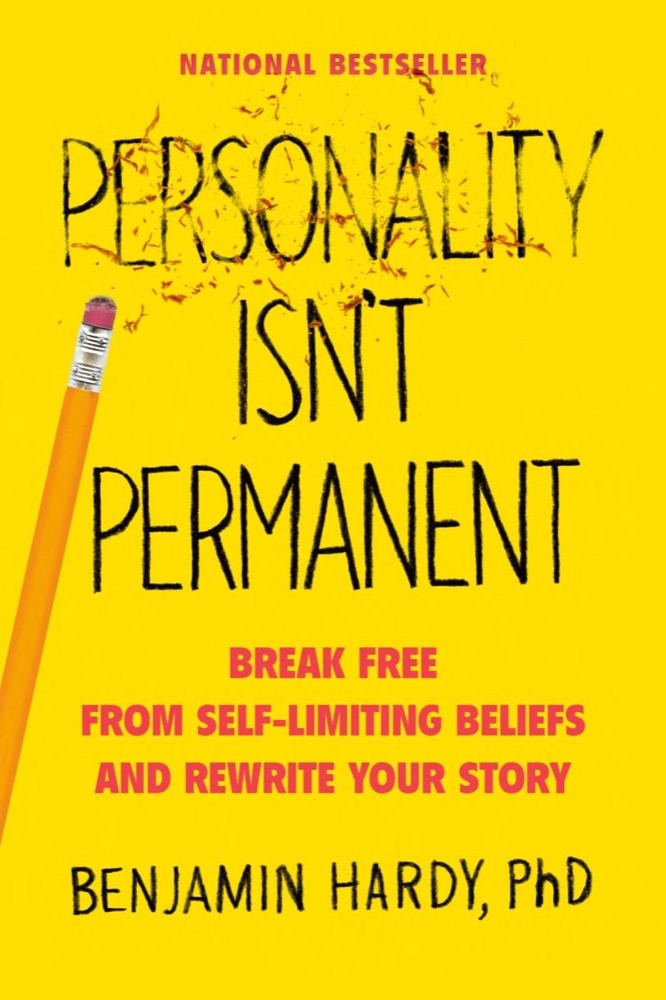 Personality Isn't Permanent: Break Free from Self-Limiting Beliefs and Rewrite Your Story
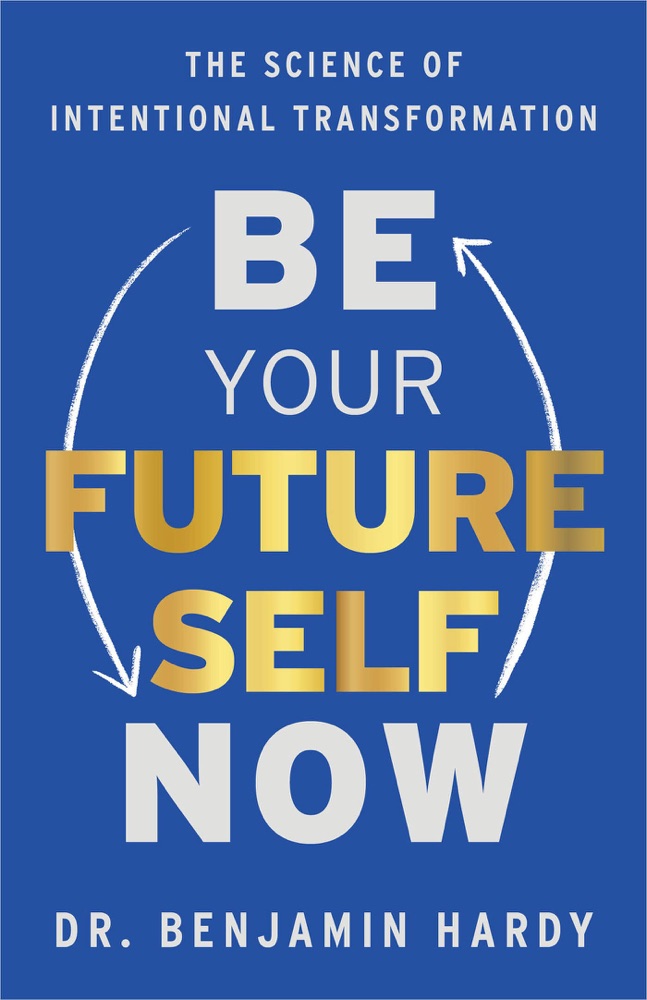 Be Your Future Self Now: The Science of Intentional Transformation
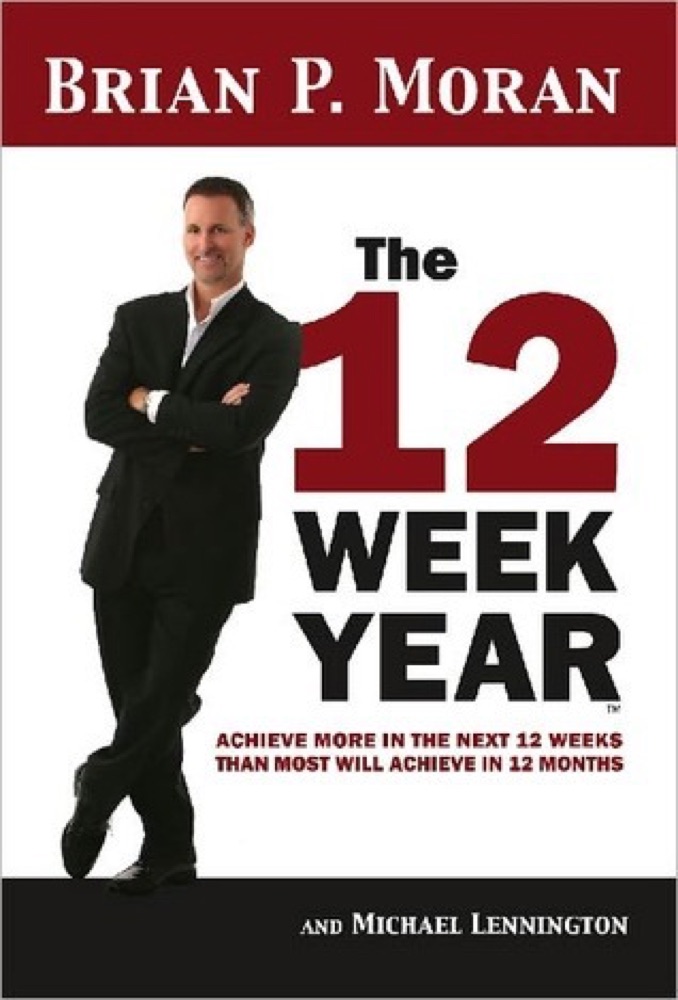 The 12 Week Year
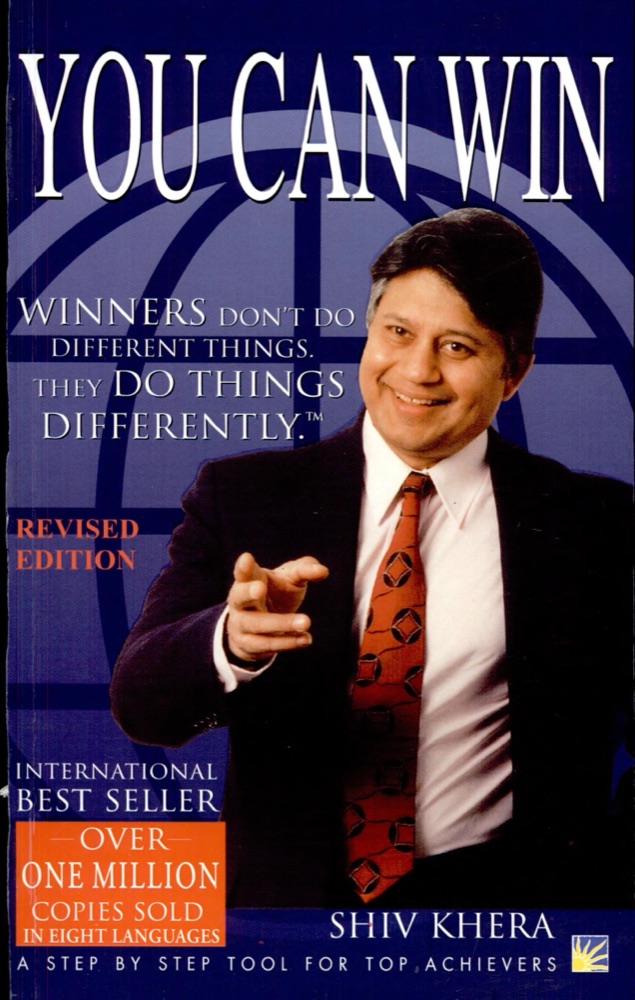 You Can Win: A Step by Step Tool for Top Achievers
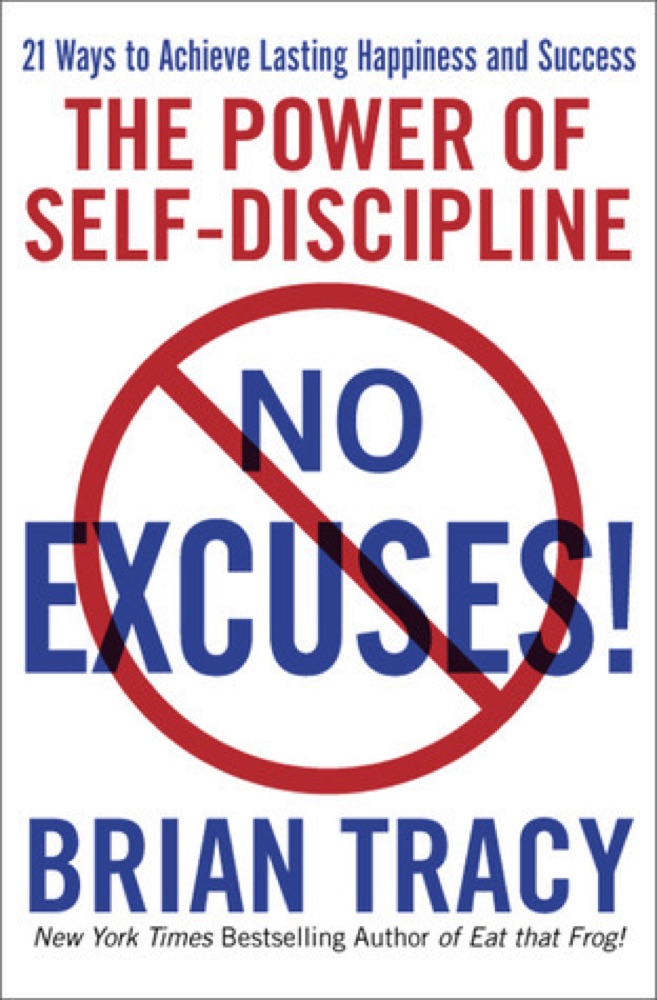 No Excuses!: The Power of Self-Discipline
 Do Epic Shit
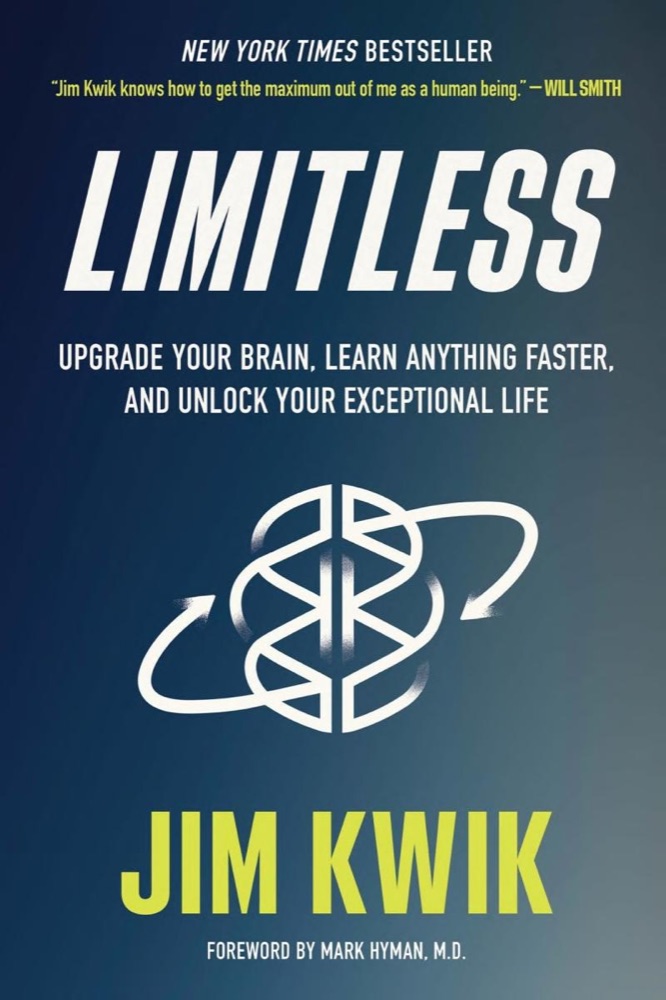 Limitless: Upgrade Your Brain, Learn Anything Faster, and Unlock Your Exceptional Life
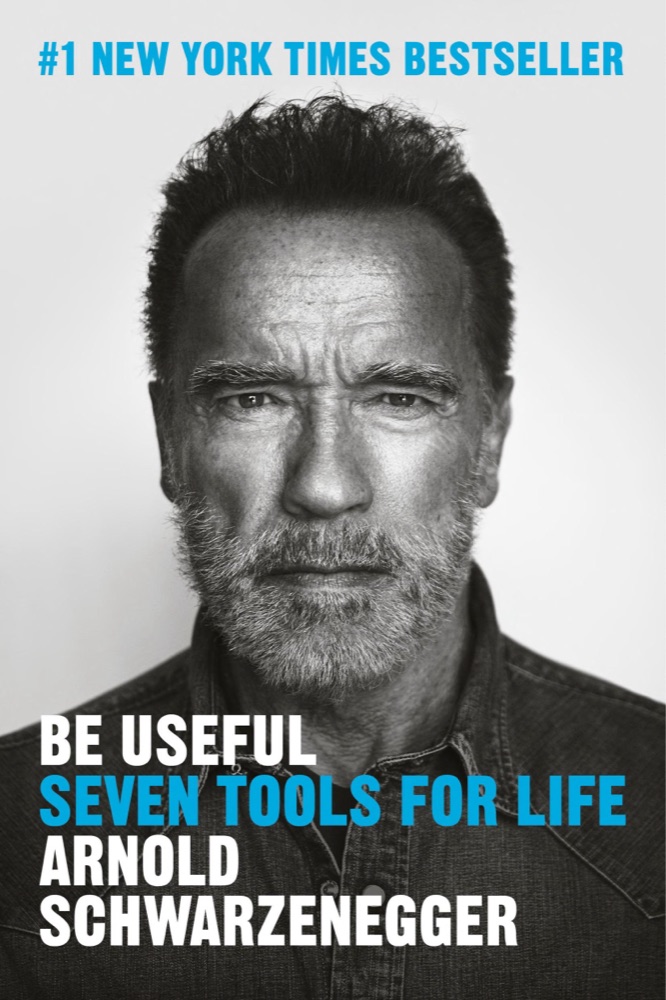 Be Useful: Seven Tools for Life
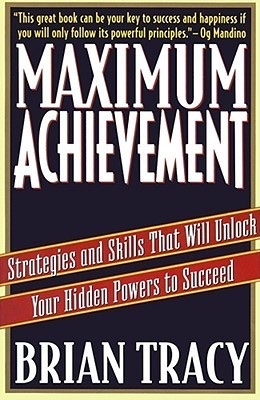 Maximum Achievement: Strategies and Skills That Will Unlock Your Hidden Powers to Succeed
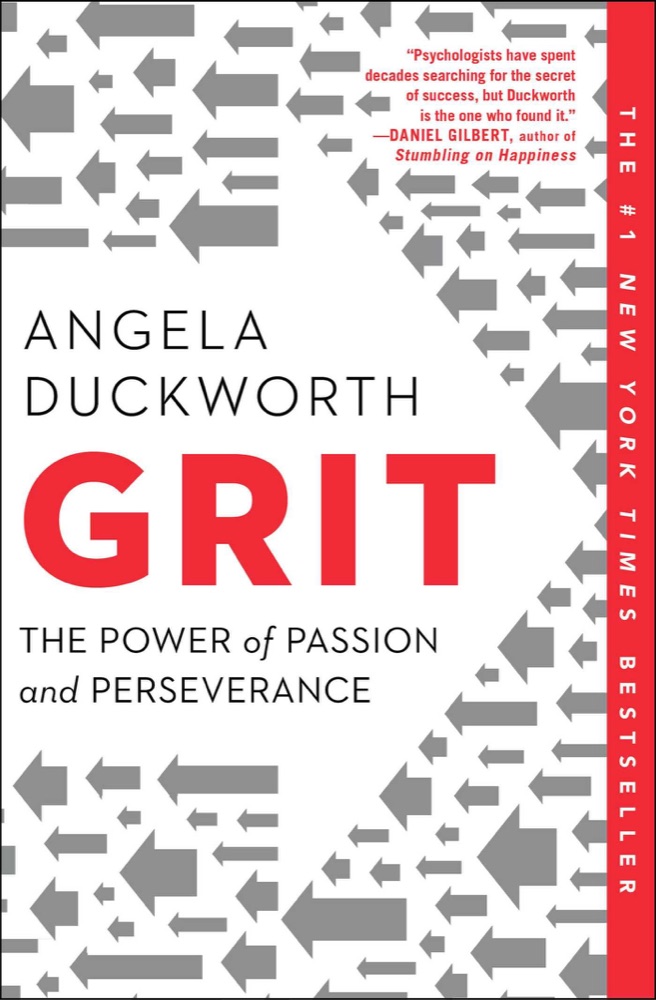 Grit: The Power of Passion and Perseverance
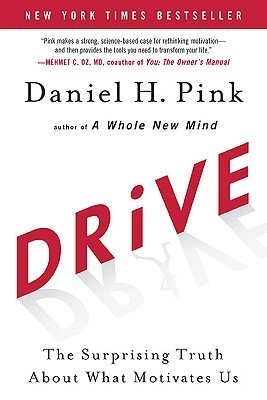 Drive: The Surprising Truth About What Motivates Us
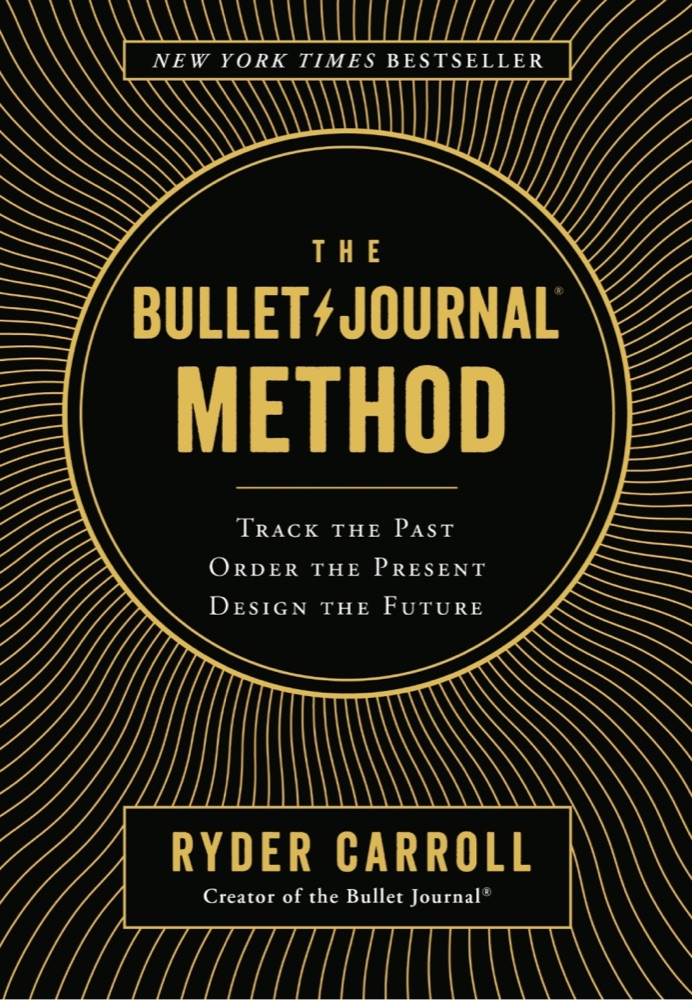 The Bullet Journal Method: Track Your Past, Order Your Present, Plan Your Future
 EntreLeadership: 20 Years of Practical Business Wisdom from the Trenches
 Ready for Anything: 52 Productivity Principles for Getting Things Done
 Your Next Five Moves: Master the Art of Business Strategy
 First Things First
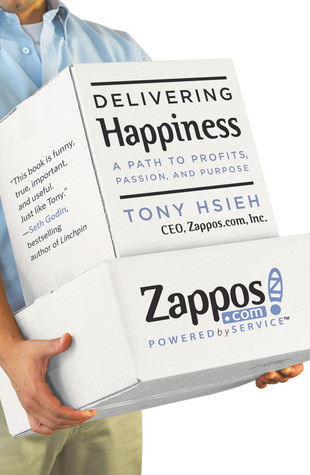 Delivering Happiness: A Path to Profits, Passion, and Purpose
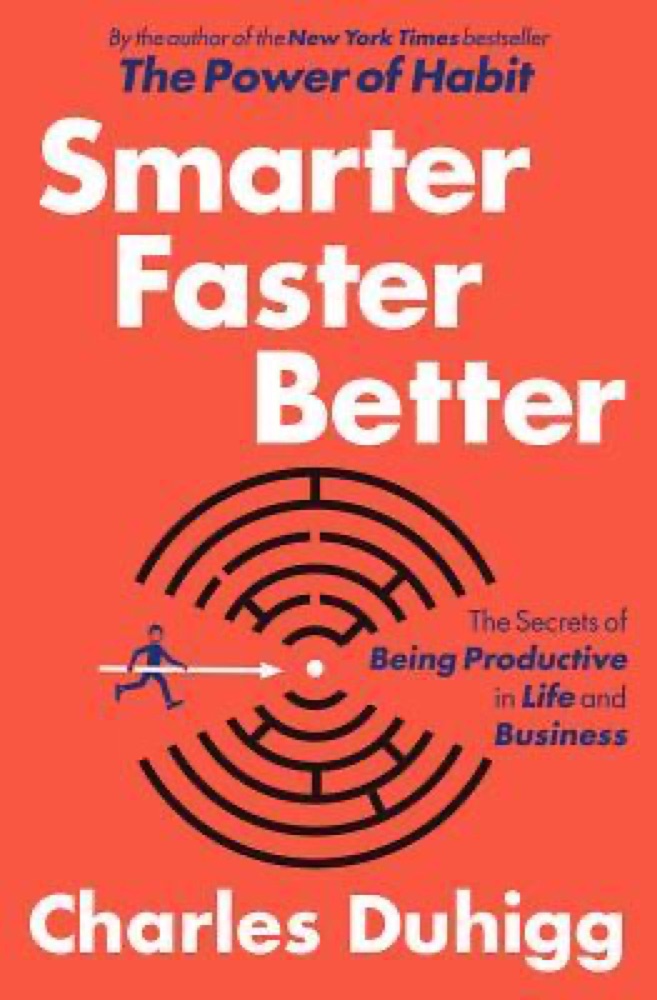 Smarter Faster Better: The Secrets of Being Productive in Life and Business
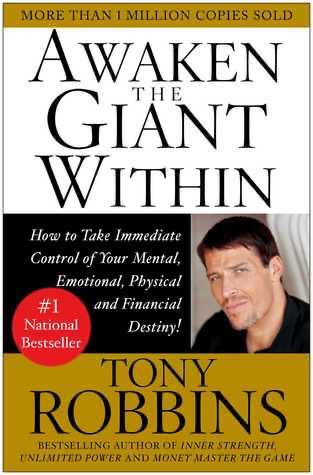 Awaken The Giant Within
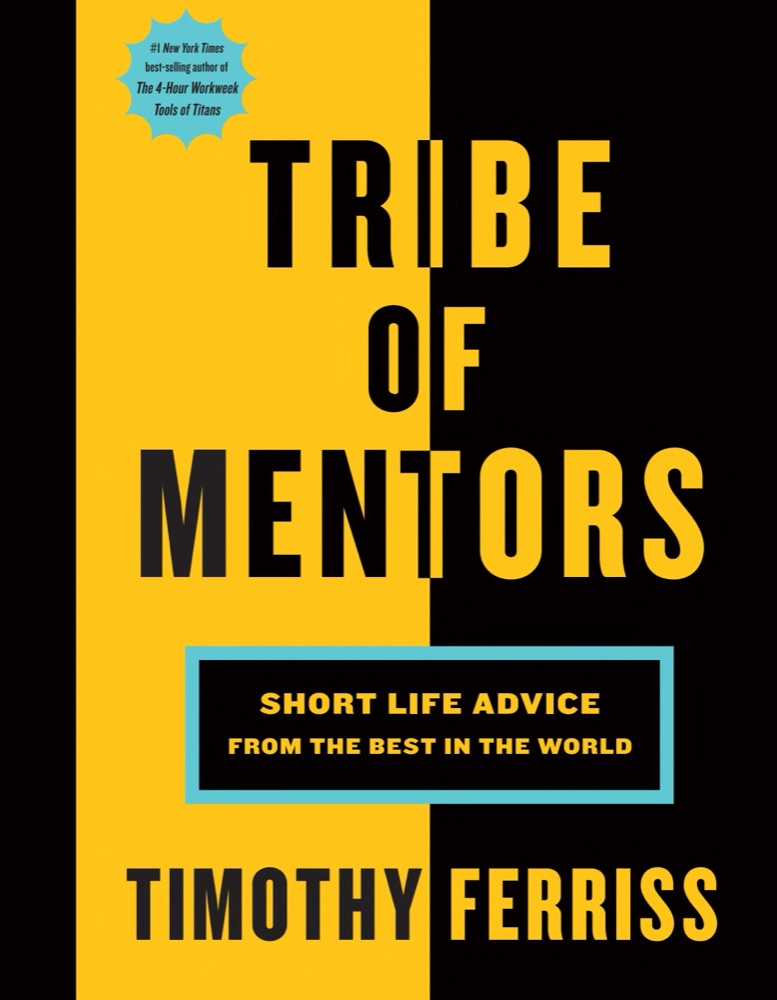 Tribe Of Mentors: Transformative Wisdom From Icons and Innovators to Help You Navigate Life's Challenges
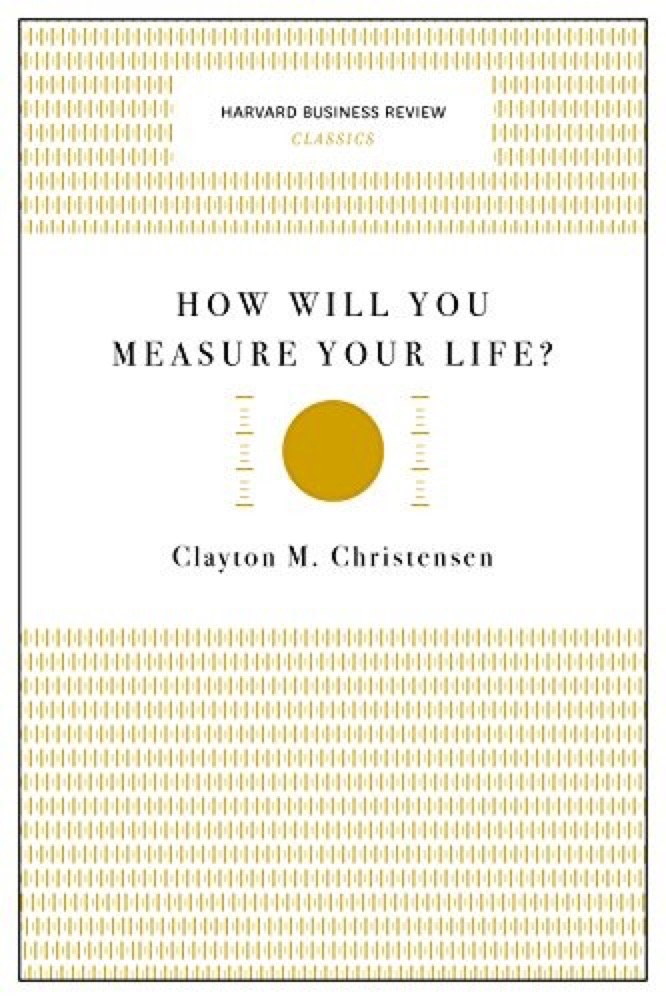 How Will You Measure Your Life?
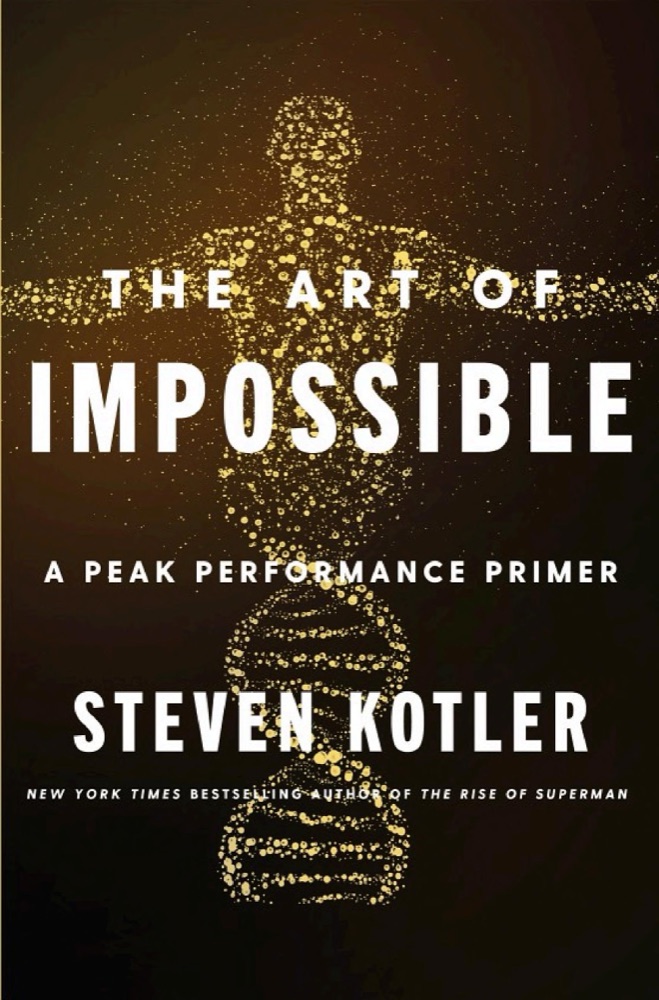 The Art of Impossible: A Peak Performance Primer
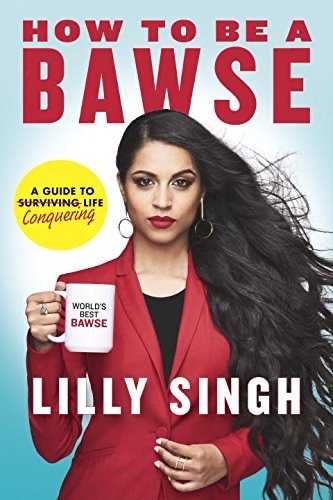 How to Be a Bawse: A Guide to Conquering Life
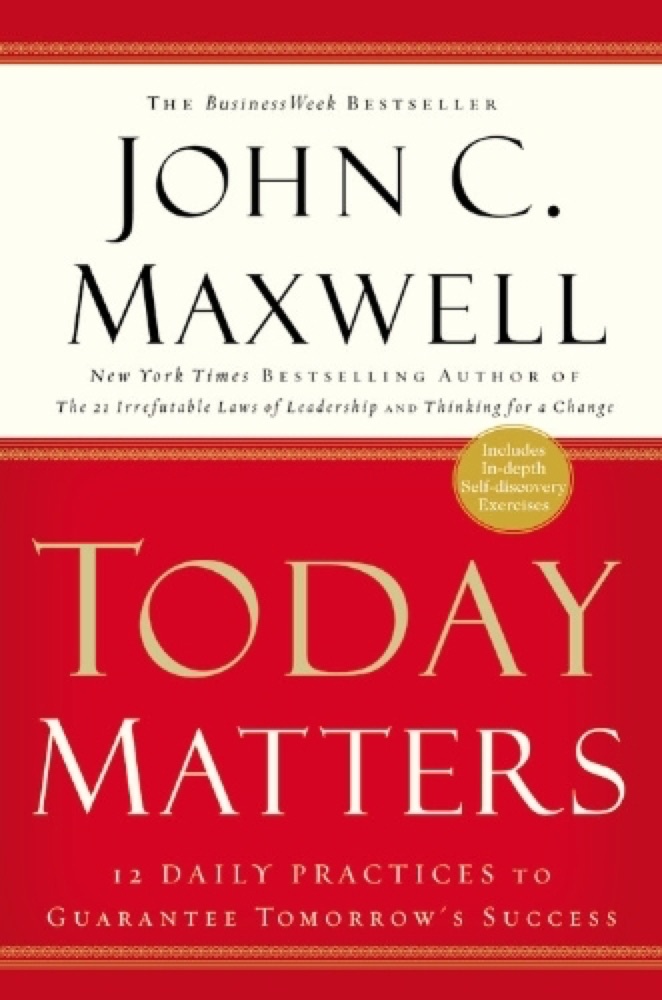 Today Matters: 12 Daily Practices to Guarantee Tomorrow's Success
 Psycho-Cybernetics
 Great by Choice: Uncertainty, Chaos, and Luck—Why Some Thrive Despite Them All
 The Daily Laws: 366 Meditations
 Getting There: A Book of Mentors
 Barking Up the Wrong Tree: The Surprising Science Behind Why Everything You Know About Success Is (Mostly) Wrong
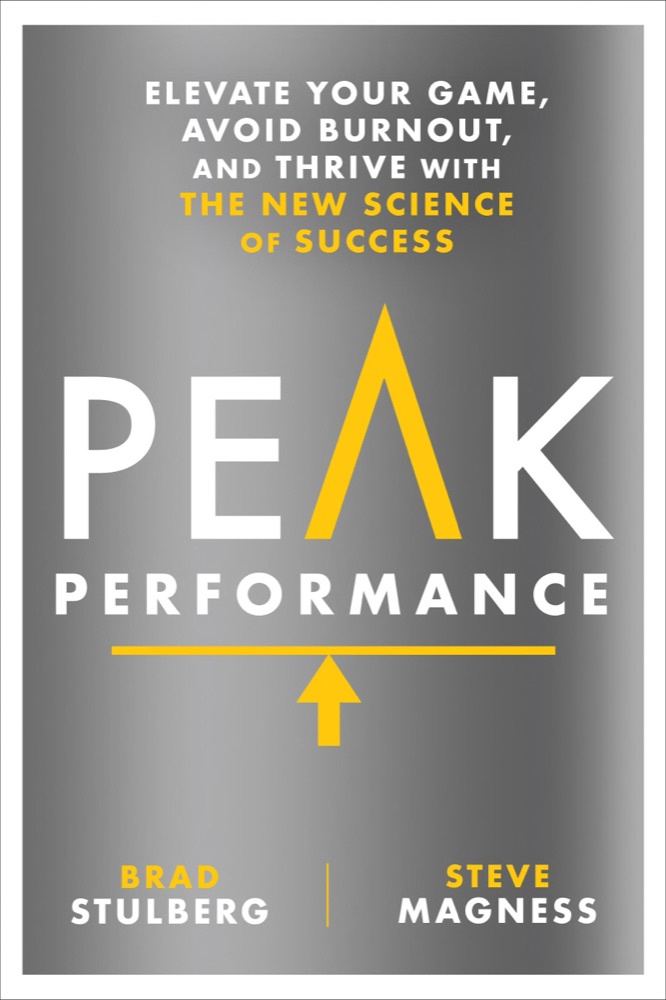 Peak Performance: Elevate Your Game, Avoid Burnout, and Thrive with the New Science of Success
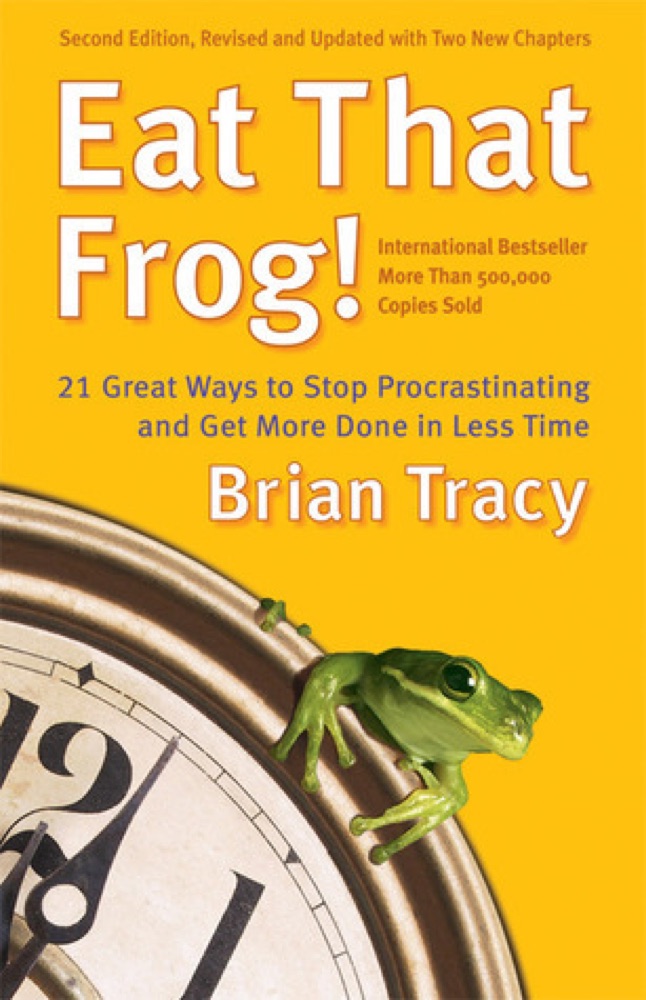 Eat That Frog! 21 Great Ways to Stop Procrastinating and Get More Done in Less Time
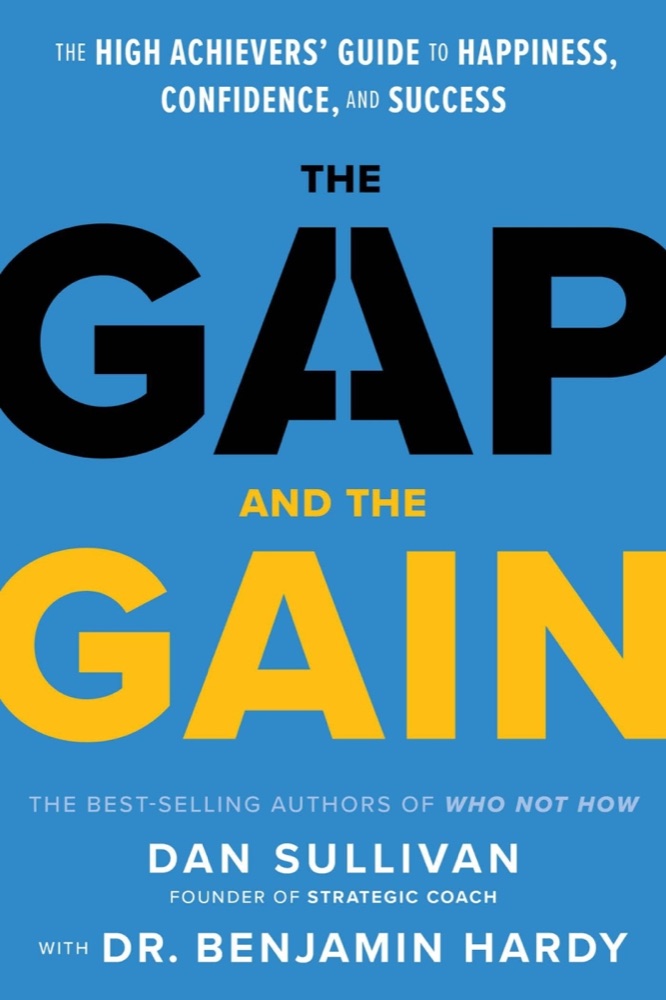 The Gap and The Gain: The High Achievers' Guide to Happiness, Confidence, and Success
 The Algebra of Wealth: A Simple Formula for Financial Security
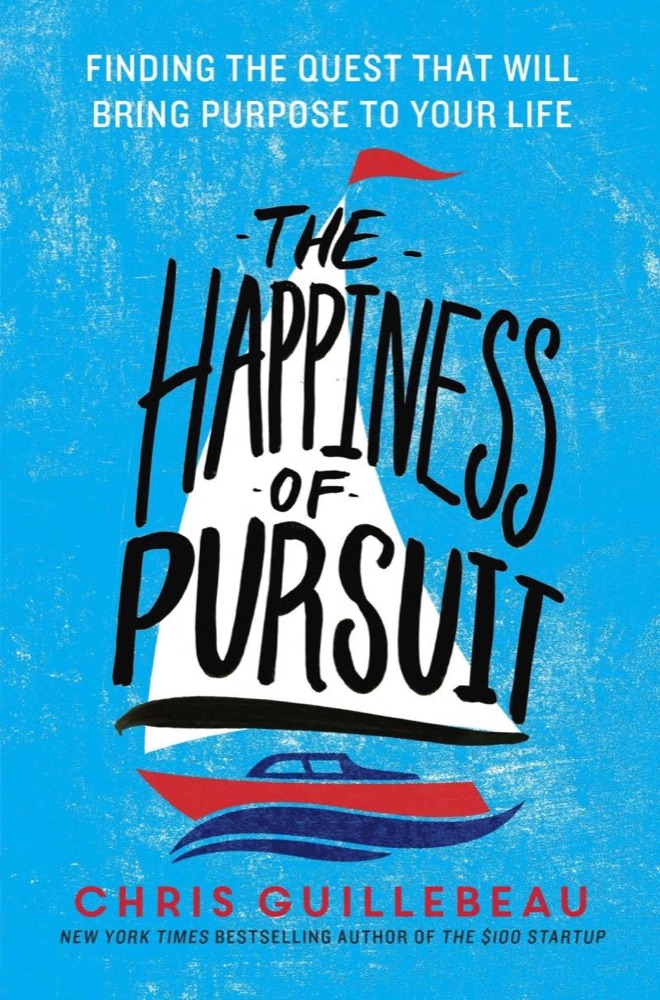 The Happiness of Pursuit: Finding the Quest That Will Bring Purpose to Your Life
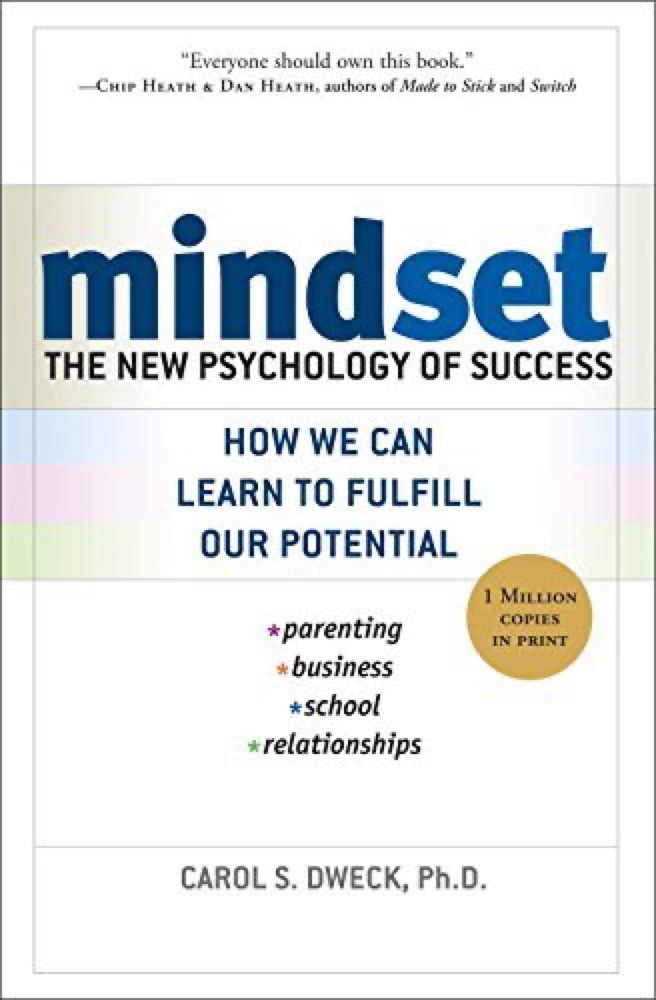 Mindset: The New Psychology of Success
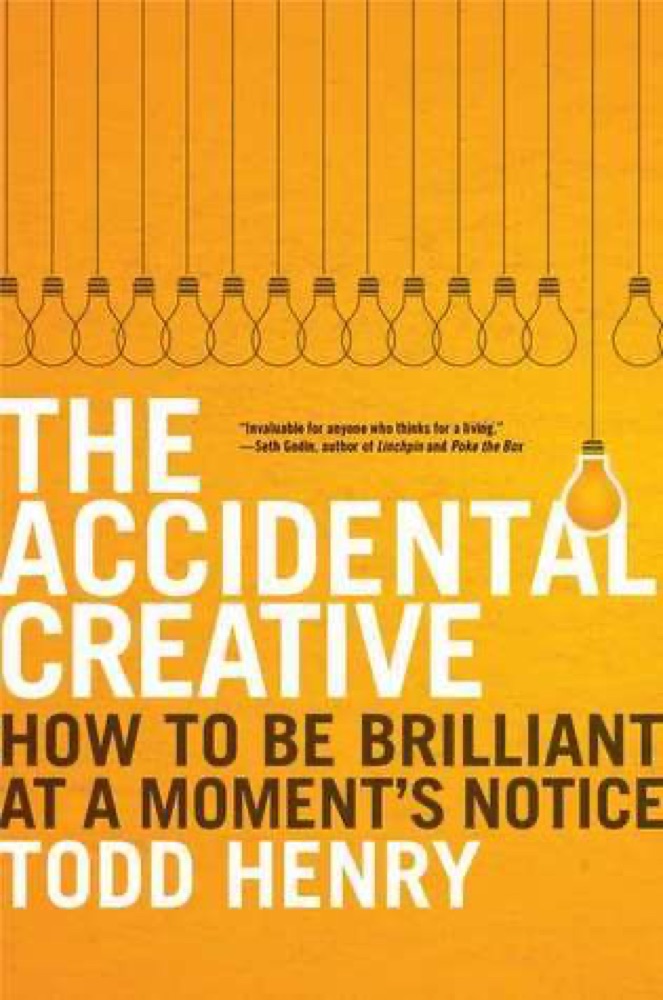 The Accidental Creative: How to Be Brilliant at a Moment's Notice
 Influencer: The Power to Change Anything
 The Practicing Mind: Bringing Discipline and Focus into Your Life
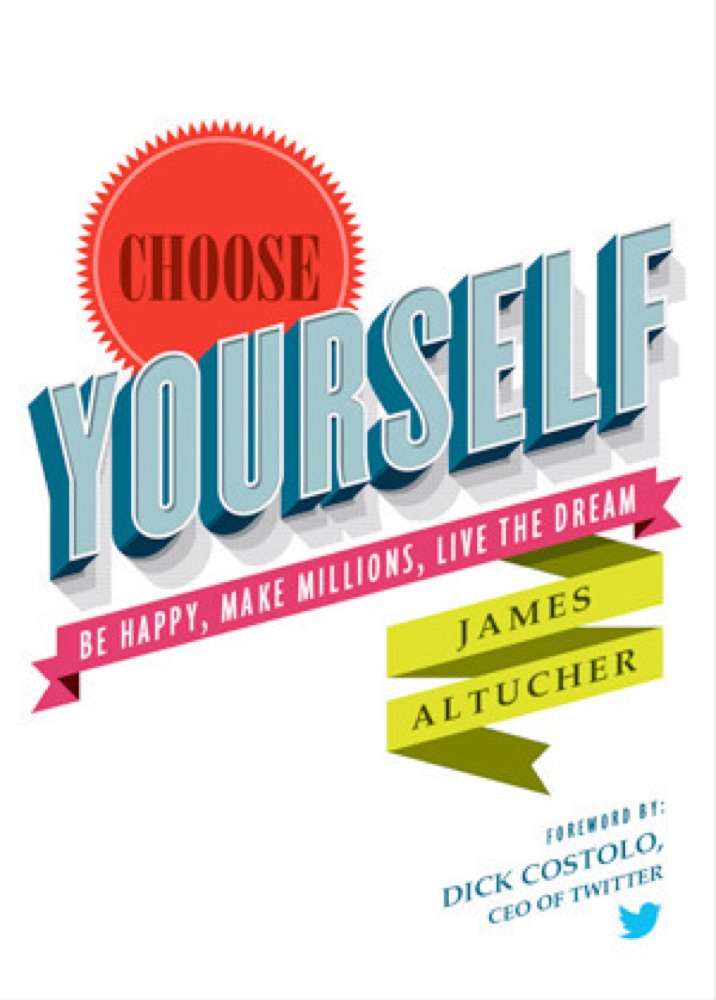 Choose Yourself: Be Happy, Make Millions, Live the Dream
 Think and Grow Rich
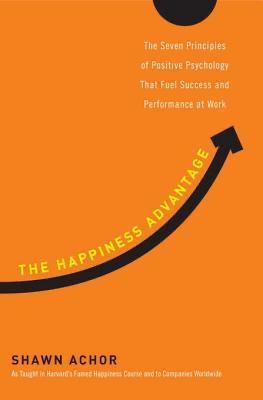 The Happiness Advantage: The Seven Principles of Positive Psychology That Fuel Success and Performance at Work
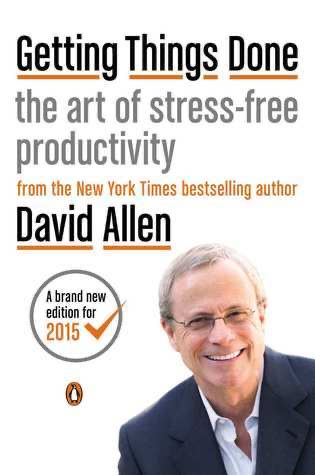 Getting Things Done: The Art of Stress-Free Productivity
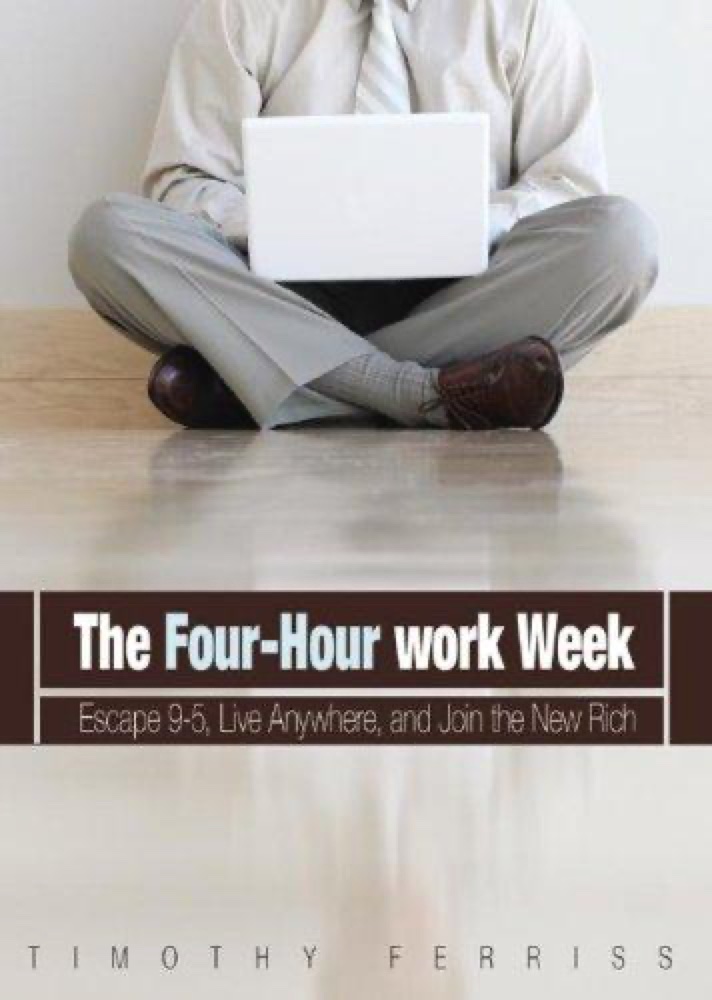 The 4-Hour Workweek
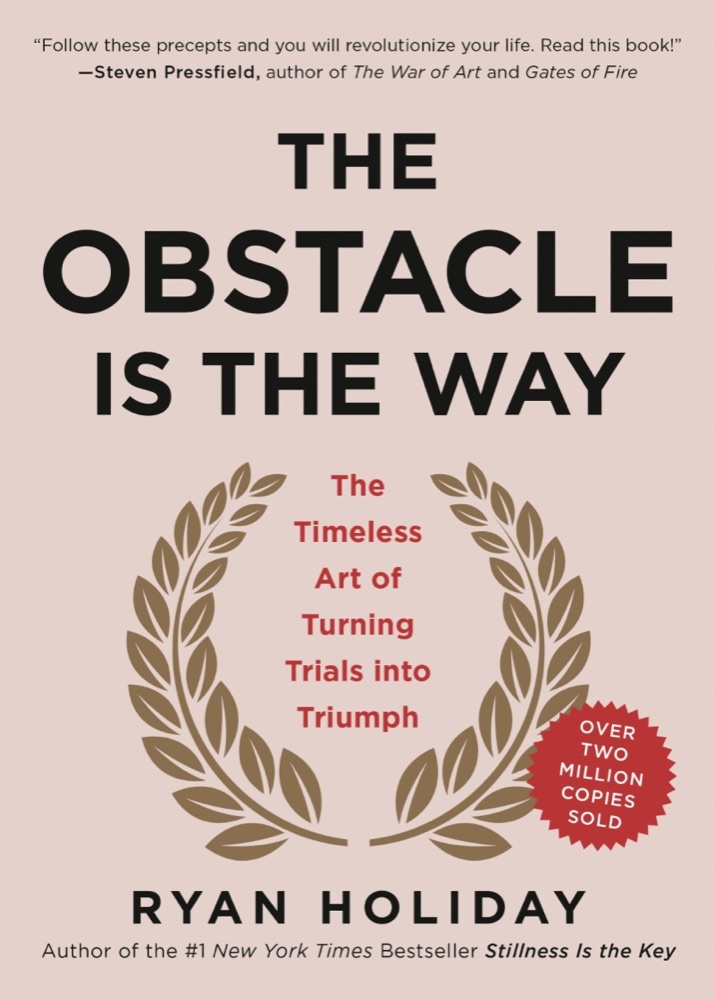 The Obstacle Is the Way: The Timeless Art of Turning Trials into Triumph
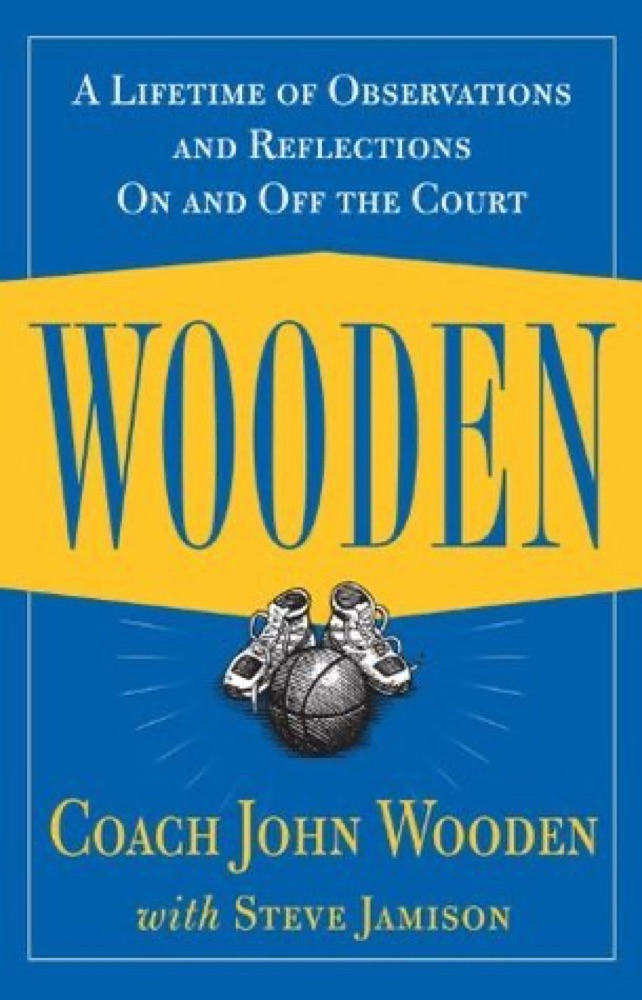 Wooden: A Lifetime of Observations and Reflections On and Off the Court