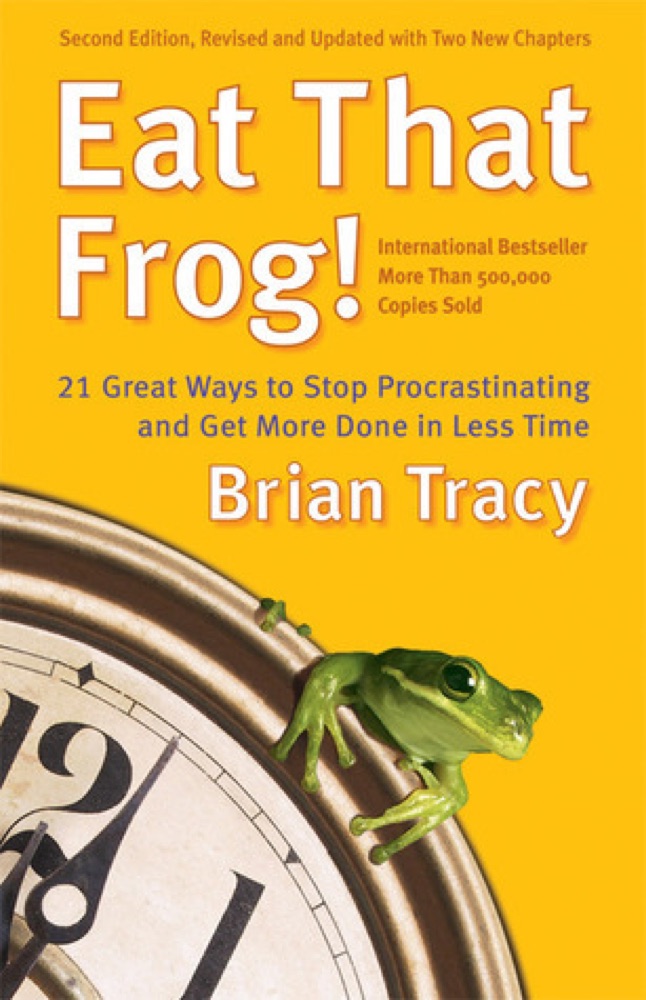
 Eat That Frog! 21 Great Ways to Stop Procrastinating and Get More Done in Less Time
Quotes from the Book
Discipline is what you must have to resist the lure of excuses
24
Perhaps the most important insight of all with regard to success is that to achieve greatly, you must become a different person. It is not the material things you accomplish or acquire that matter so much as it is the quality of the person you must become to accomplish well above the average. The development of self-discipline is the high road that makes everything possible for you.
12
You can make excuses or you can make progress. You choose.
11
The Law of Forced Efficiency says, “There is never enough time to do everything, but there is always enough time to do the most important things.
10
There are 999 other success principles that I have found in my reading and experience, but without self-discipline, none of them work. With self-discipline, they all work.
8
The most important success principle of all was stated by Elbert Hubbard, one of the most prolific writers in American history, at the beginning of the twentieth century. He said, ‘Self-discipline is the ability to do what you should do, when you should do it, whether you feel like it or not.
8
Courage is not absence of fear; it is control of fear, mastery of fear.” —MARK TWAIN
8
Hold yourself responsible for a higher standard than anyone else expects of you. Never excuse yourself. Never pity yourself. Be a hard master to yourself and be lenient to everyone else.” —HENRY WARD BEECHER, NINETEENTH-CENTURY CLERGYMAN
7
If it’s to be, it’s up to me!
7
Discipline yourself to act every minute of the day as if everyone were watching you.
5
Each act of self-discipline strengthens every other act of self-discipline. Every act of persistence strengthens every other act of persistence. When you discipline yourself to persist, over and over, you like and respect yourself more and more. You become stronger and more confident. Eventually, you become unstoppable.
4
Your ability to think, plan, and work hard in the short term and to discipline yourself to do what is right and necessary before you do what is fun and easy is the key to creating a wonderful future for yourself.
4
People invariably seek the fastest and easiest way to get the things they want, right now, with little or no concern for the long-term consequences of their behaviors.
4
Discipline is the bridge between goals and accomplishment.
3
There are a thousand excuses for failure but never a good reason.” —MARK TWAIN
3
Zen Buddhism teaches that the main cause of human suffering and unhappiness is “attachment.” People become attached to ideas, opinions, and material things, and then they are reluctant to let go of them.
2
Self-discipline is the ability to do what you should do, when you should do it, whether you feel like it or not.
2
Priorities versus Posteriorities Setting priorities requires setting posteriorities as well. A priority is something that you do more of and sooner, whereas a posteriority is something you do less of or later. You are probably already overwhelmed with too much to do and too little time. Because of this, for you to embark on a new task, you must discontinue an old task. Getting into something new requires getting out of another activity. Before you commit to a new undertaking, ask yourself, “What am I going to stop doing so that I have enough time to work on this new task?” Go through your life regularly and practice “creative abandonment”: Consciously determine the activities that you are going to discontinue so that you have more time to spend on those tasks that can really make a difference to your future.
2
1. Resolve today to “switch on” your success mechanism and unlock your goal-achieving mechanism by deciding exactly what you really want in life. 2. Make a list of ten goals that you want to achieve in the foreseeable future. Write them down in the present tense, as if you have already achieved them. 3. Select the one goal that could have the greatest positive impact on your life if you were to achieve it, and write it down at the top of another piece of paper. 4. Make a list of everything you could do to achieve this goal, organize it by sequence and priority, and then take action on it immediately. 5. Practice mindstorming by writing out twenty ideas that could help you achieve your most important goal, and then take action on at least one of those ideas.
2
THE PAYOFF IS EXTRAORDINARY I was giving a seminar in Detroit a couple of years ago when a young man, about thirty years old, came up to me at the break. He told me that he had first come to my seminar and heard my “3 Percent Rule” about ten years ago. At that time, he had dropped out of college, was living at home, driving an old car, and earning about $20,000 a year as an office-to-office salesman. He decided after the seminar that he was going to apply the 3 Percent Rule to himself, and he did so immediately. He calculated 3 percent of his income of $20,000 would be $600. He began to buy sales books and read them every day. He invested in two audio-learning programs on sales and time management. He took one sales seminar. He invested the entire $600 in himself, in learning to become better. That year, his income went from $20,000 to $30,000, an increase of 50 percent. He said he could trace the increase with great accuracy to the things he had learned and applied from the books he had read and the audio programs he had listened to. So the following year, he invested 3 percent of $30,000, a total of $900, back into himself. That year, his income jumped from $30,000 to $50,000. He began to think, “If my income goes up at 50 percent per year by investing 3 percent back into myself, what would happen if I invested 5 percent? KEEP RAISING THE BAR The next year, he invested 5 percent of his income, $2,500, into his learning program. He took more seminars, traveled cross-country to a conference, bought more audio- and video-learning programs, and even hired a part-time coach. And that year, his income doubled to $100,000. After that, like playing Texas Hold-Em, he decided to go “all in” and raise his investment into himself to 10 percent per year. He told me that he had been doing this every since. I asked him, “How has investing 10 percent of your income back into yourself affected your income?” He smiled and said, “I passed a million dollars in personal income last year. And I still invest 10 percent of my income in myself every single year.” I said, “That’s a lot of money. How do you manage to spend that much money on personal development?” He said, “It’s hard! I have to start spending money on myself in January in order to invest it all by the end of the year. I have an image coach, a sales coach, and a speaking coach. I have a large library in my home with every book, audio program, and video program on sales and personal success I can find. I attend conferences, both nationally and internationally in my field. And my income keeps going up and up every year.
1
The only bulwark against temptation, the path of least resistance, and the expediency factor is character
If I could do only three things on this list, all day long, what would be the third item?
If I could do only one thing on this list, all day long, which one task or activity contributes the most value to my company?
Many people fall in love with their suffering. Their past problems become a primary focus of their lives. They think about what happened all the time. They go through the day and even the night carrying on angry conversations with people who are not present, people who they feel have hurt them in the past.
Everything you want in life has a price connected to it. There is a price to pay if you want to make things better, a price to pay for leaving things as they are, a price for everything.
There are only four ways that you can change your life. First, you can do more of some things. Second, you can do less of other things. Third, you can start something that you have never done before. And fourth, you can stop certain things altogether. Whenever you are experiencing resistance or frustration or you are confronted with the need for change, ask yourself, “Is there anything that I need to do more of, less of, start, or stop doing?
Watch on YouTube
About Brian Tracy
We have collected 82 quotes from 3 books by Brian Tracy on BookQuoters.
More about the author →More by Brian Tracy
Eat That Frog! 21 Great Ways to Stop Procrastinating and Get More Done in Less Time
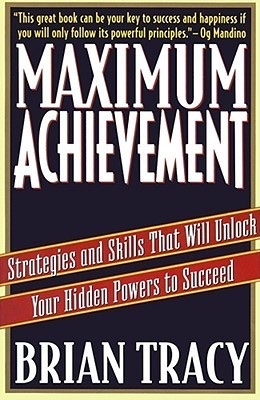 Maximum Achievement: Strategies and Skills That Will Unlock Your Hidden Powers to Succeed
About the book
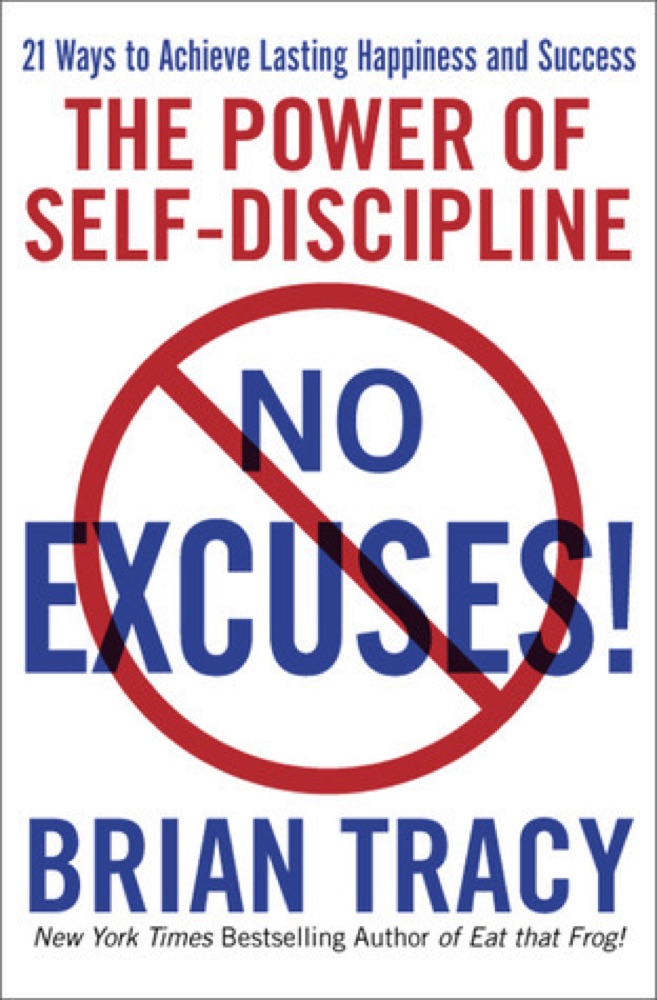
You don’t need to have been born under a lucky star, or with incredible wealth, or with terrific contacts and connections, or even special skills...but what you do need to succeed in any of your life goals is self-discipline. Unfortunately, most people give in to the two worst enemies of success: they take the path of least resistance (in other words, they’re lazy) and/or they want immediate gratification: they don’t consider the long-term consequences of the actions they take today.No Excuses! shows you how you can achieve success in all three major areas of your life:
1. Your personal goals.2. Your business and money goals.3. Your overall happiness.
Each of the 21 chapters in this book shows you how to be more disciplined in one aspect of your life, with end-of-chapter exercises to help you apply the “no excuses” approach to your own life. With these guidelines, you can learn how
Book details
- First published
- 2010
- Author
- Brian Tracy
- Genre
- Nonfiction
- Goodreads rating
- 4.02 (17k ratings)
Keep reading
 The Compound Effect: Jumpstart Your Income, Your Life, Your Success
 Discipline Is Destiny: The Power of Self-Control
 The Success Principles: How to Get from Where You Are to Where You Want to Be
 Today Matters: 12 Daily Practices to Guarantee Tomorrow's Success
 The Power of Focus
Eat That Frog! 21 Great Ways to Stop Procrastinating and Get More Done in Less Time
The Power of Focus
Eat That Frog! 21 Great Ways to Stop Procrastinating and Get More Done in Less Time
 High Performance Habits: How Extraordinary People Become That Way
 7 Strategies for Wealth & Happiness: Power Ideas from America's Foremost Business Philosopher
 Tools of Titans: The Tactics, Routines, and Habits of Billionaires, Icons, and World-Class Performers
Maximum Achievement: Strategies and Skills That Will Unlock Your Hidden Powers to Succeed
Tools of Titans: The Tactics, Routines, and Habits of Billionaires, Icons, and World-Class Performers
Maximum Achievement: Strategies and Skills That Will Unlock Your Hidden Powers to Succeed
 The Miracle Morning: The Not-So-Obvious Secret Guaranteed to Transform Your Life: Before 8AM
 Better Than Before: Mastering the Habits of Our Everyday Lives
 Be Useful: Seven Tools for Life
 Tribe Of Mentors: Transformative Wisdom From Icons and Innovators to Help You Navigate Life's Challenges
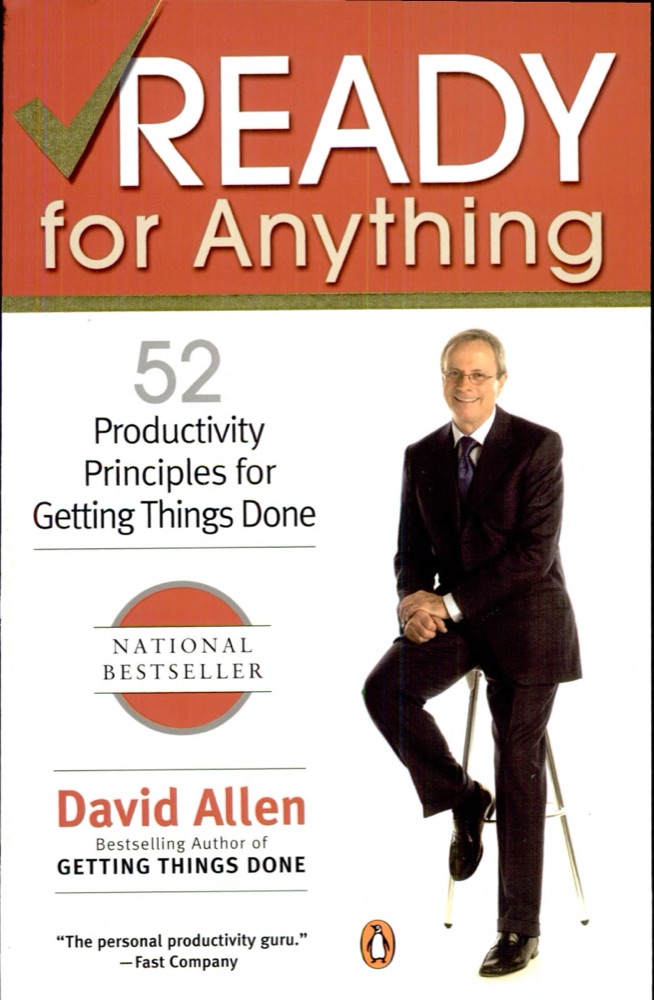 Ready for Anything: 52 Productivity Principles for Getting Things Done
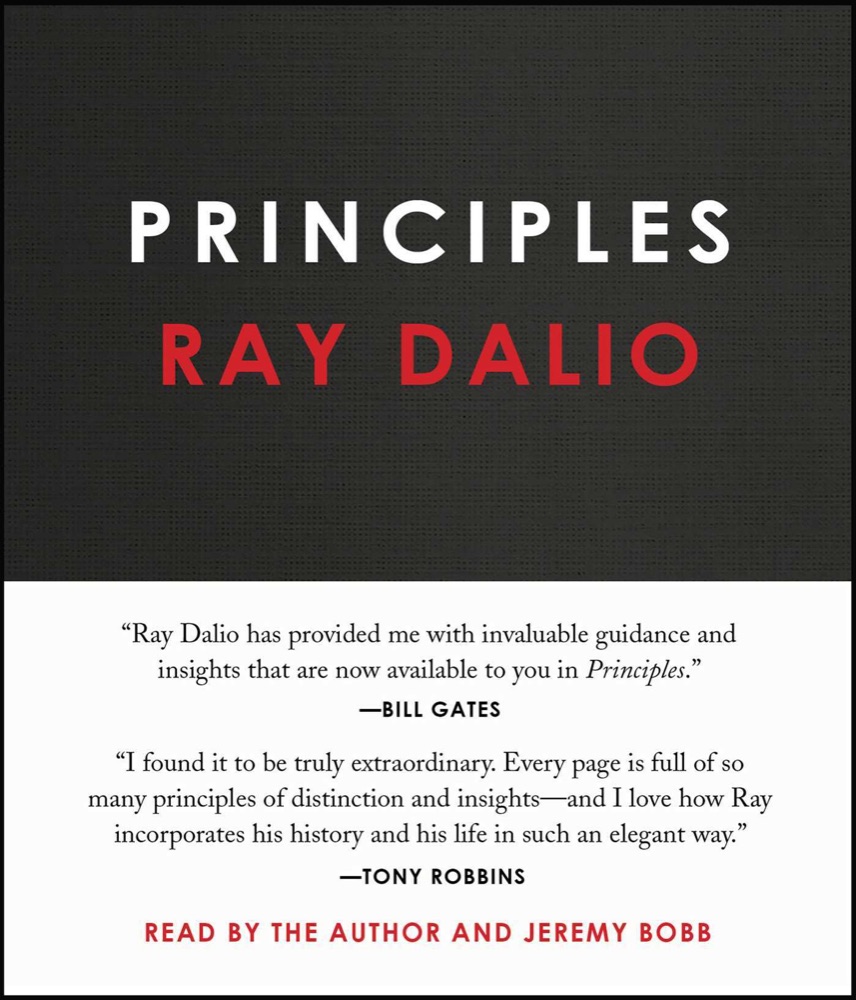 Principles: Life and Work
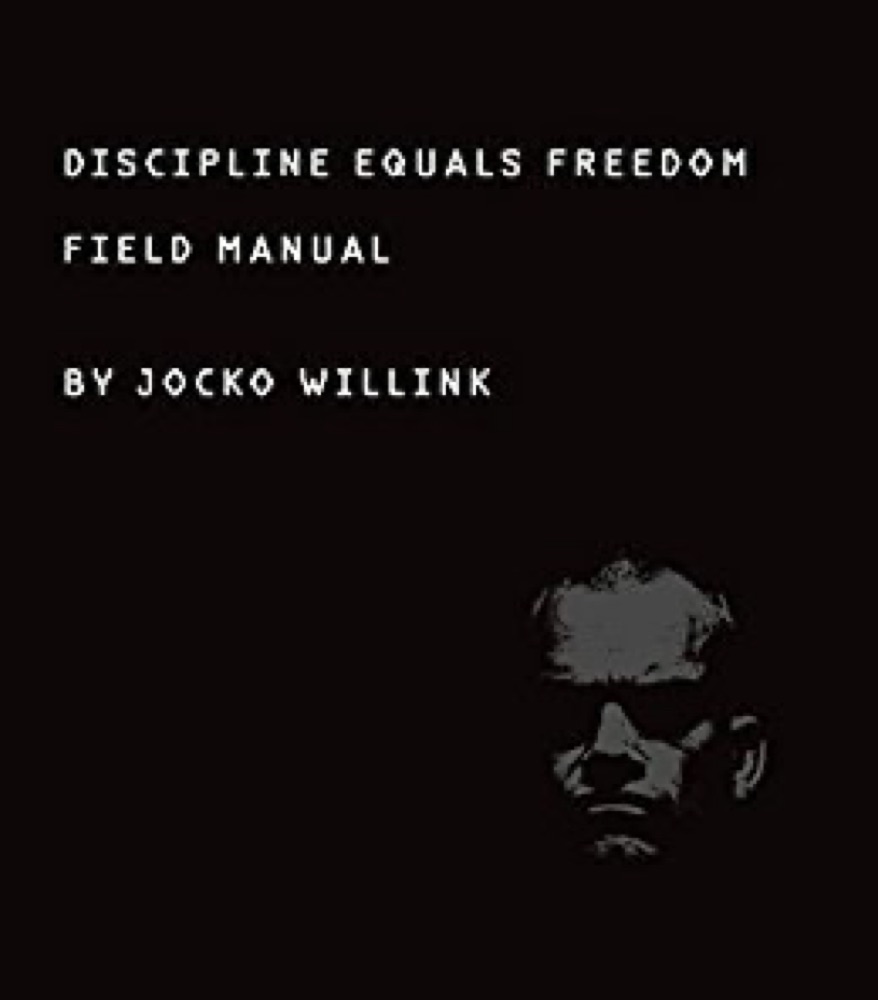 Discipline Equals Freedom: Field Manual
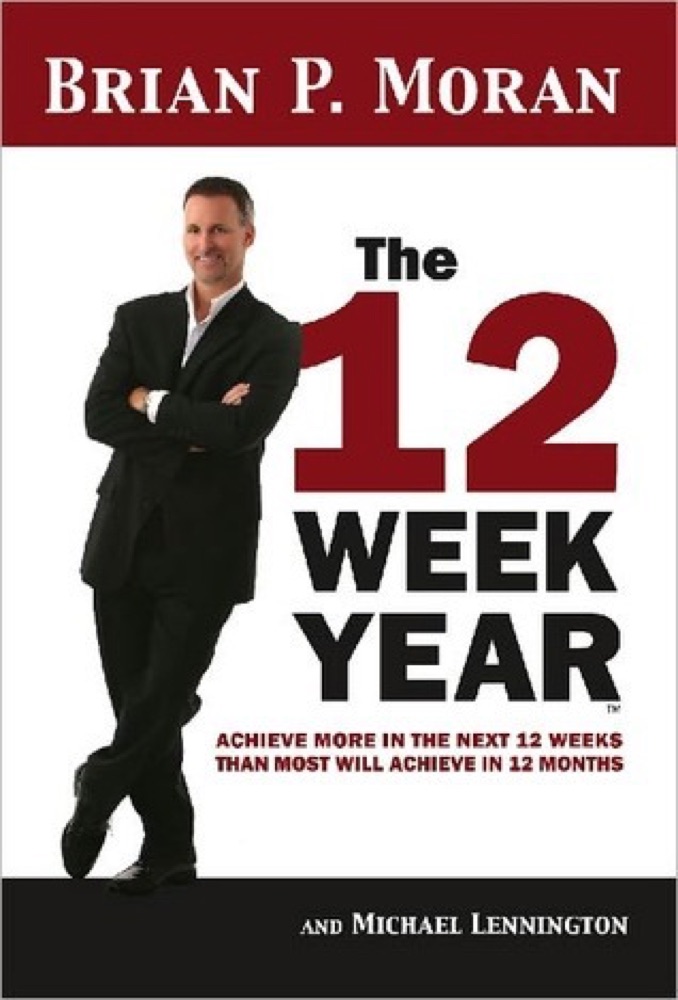 The 12 Week Year
 The Daily Laws: 366 Meditations
 Atomic Habits: An Easy & Proven Way to Build Good Habits & Break Bad Ones
 Awaken The Giant Within
 The 5 Second Rule: Transform Your Life, Work, and Confidence with Everyday Courage
 How to Be a Bawse: A Guide to Conquering Life
 First Things First
 Millionaire Success Habits: The Gateway To Wealth & Prosperity
 The 7 Habits of Highly Effective People: Personal Workbook
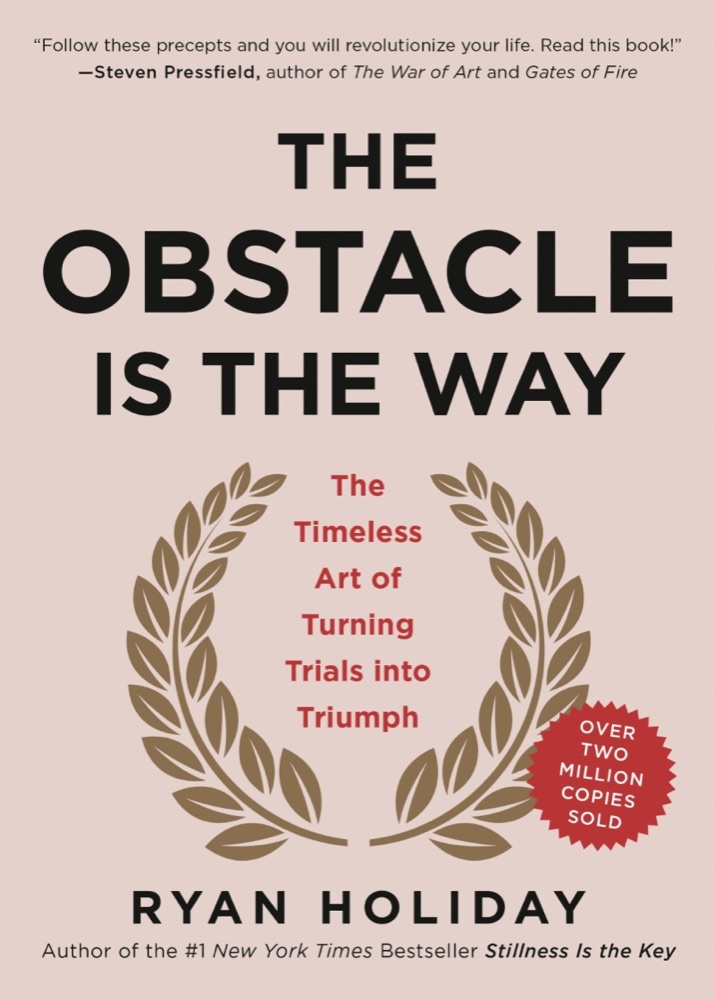 The Obstacle Is the Way: The Timeless Art of Turning Trials into Triumph
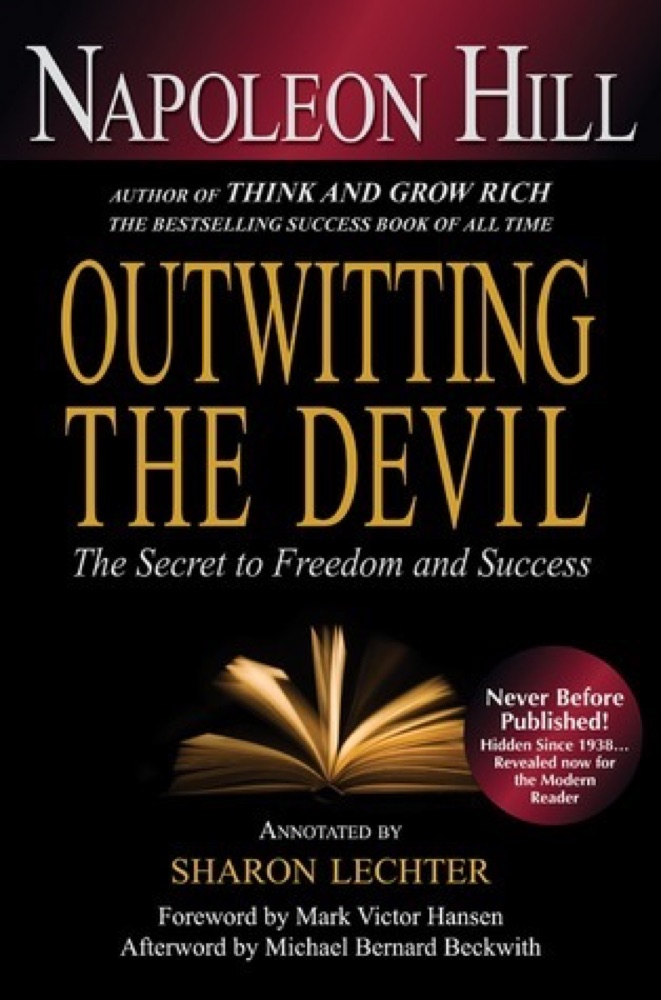 Outwitting the Devil: The Secret to Freedom and Success
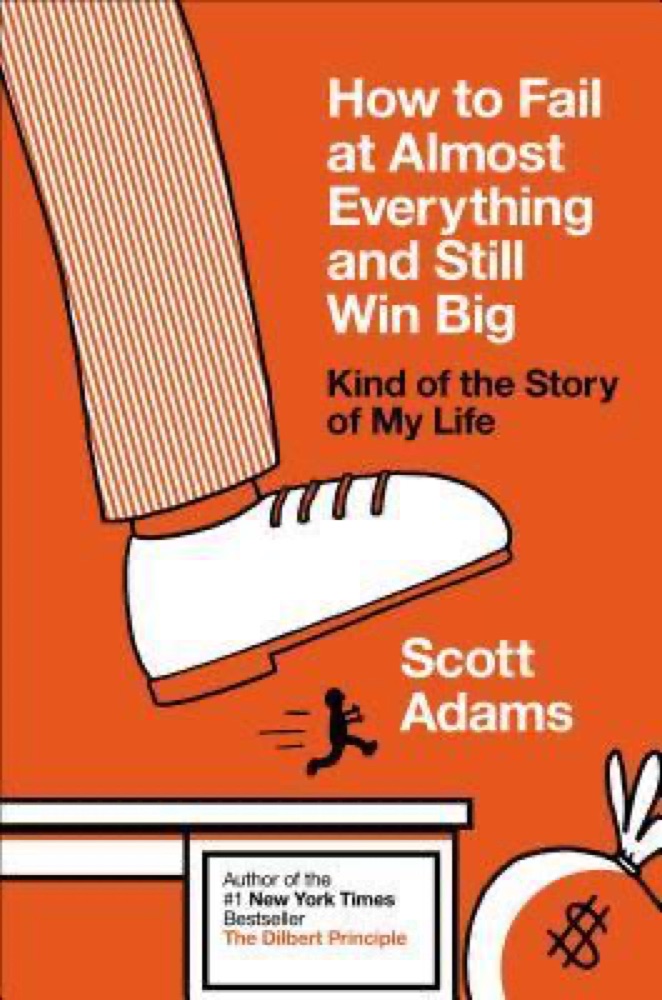 How to Fail at Almost Everything and Still Win Big: Kind of the Story of My Life
 Think and Grow Rich
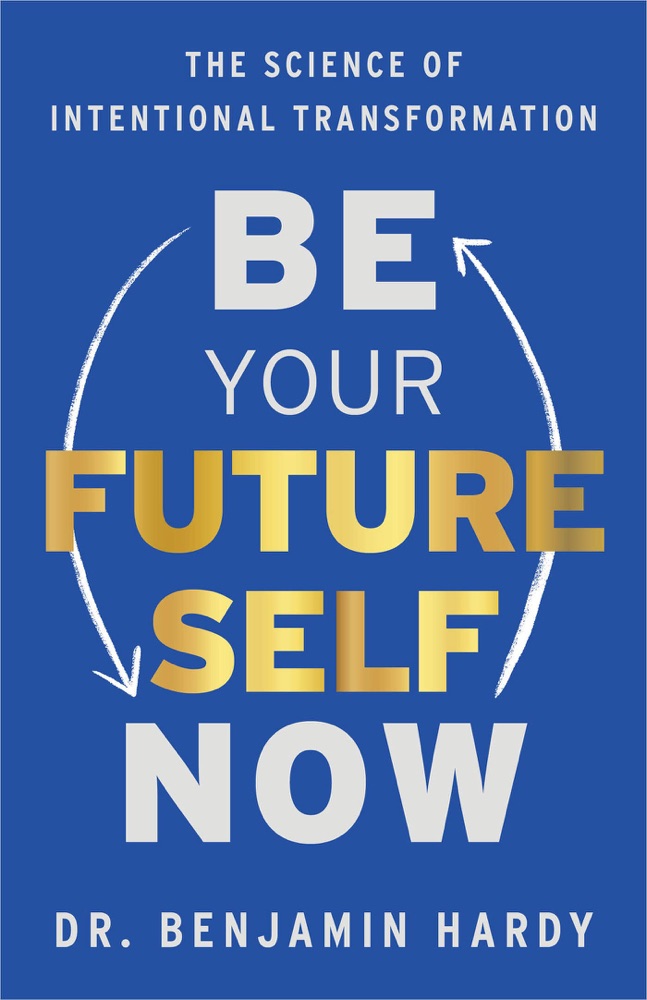 Be Your Future Self Now: The Science of Intentional Transformation
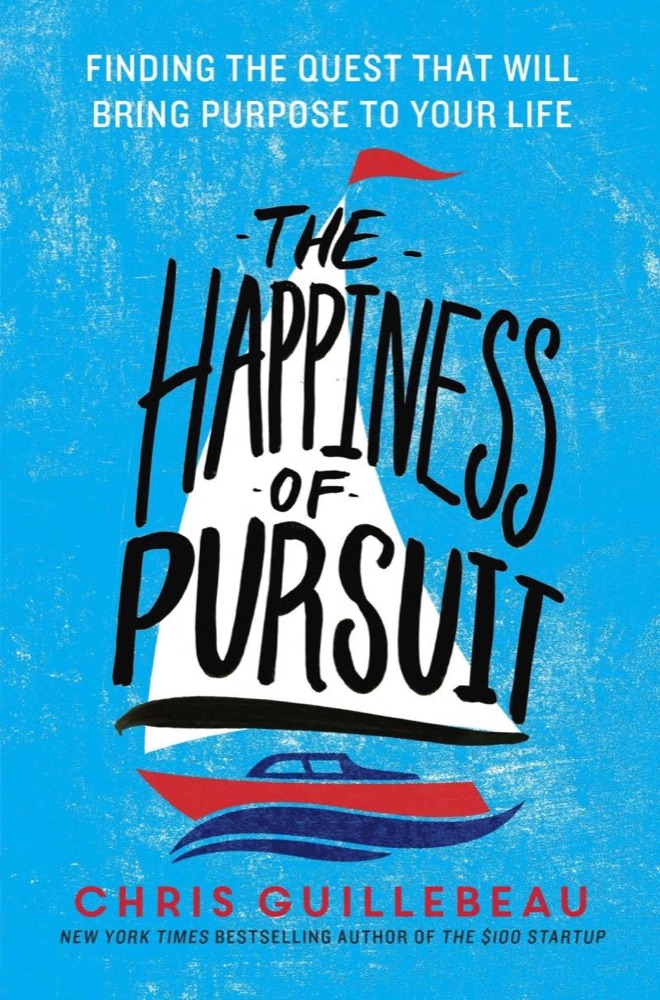 The Happiness of Pursuit: Finding the Quest That Will Bring Purpose to Your Life
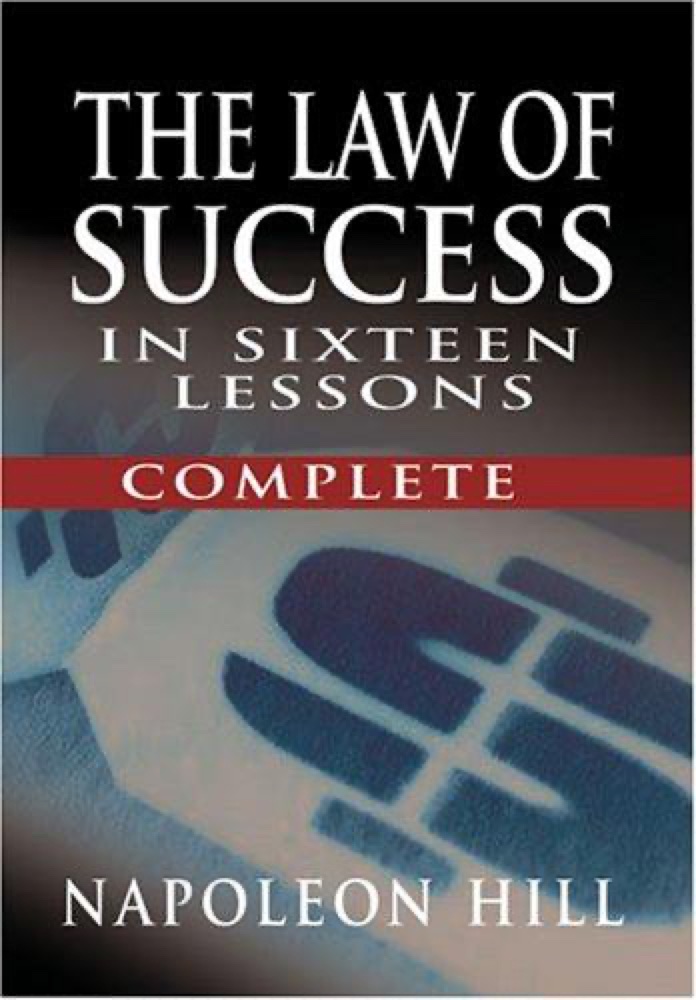 Law of Success
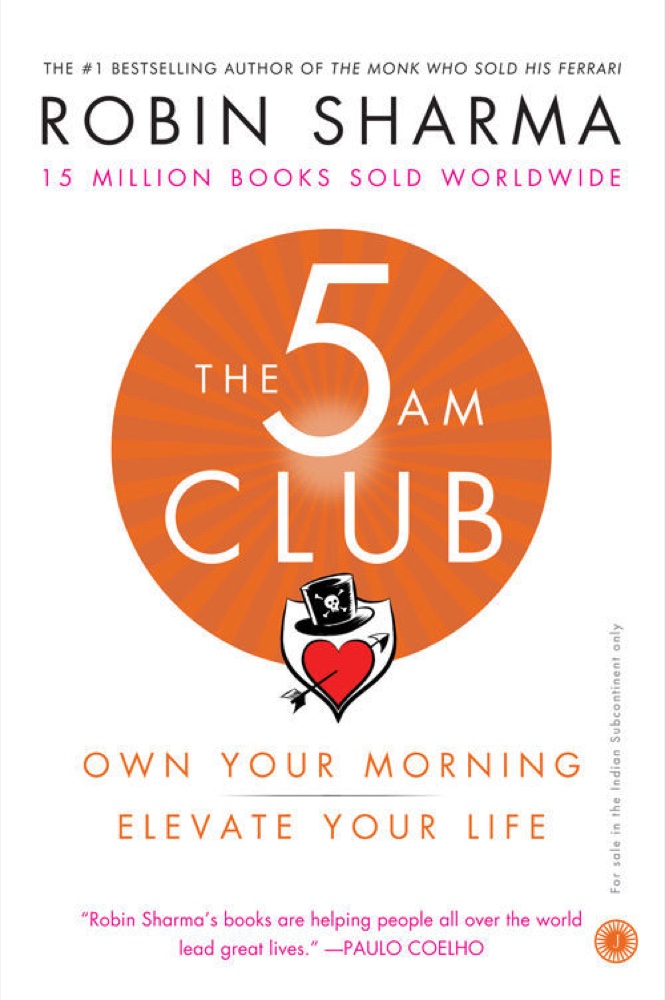 The 5 AM Club: Own Your Morning. Elevate Your Life
 Lead the Field
 The Happiness Equation: Want Nothing + Do Anything = Have Everything
 The Traveler's Gift: Seven Decisions that Determine Personal Success
 Choose Yourself: Be Happy, Make Millions, Live the Dream
 How Will You Measure Your Life?
 Getting There: A Book of Mentors
 The Now Habit: A Strategic Program for Overcoming Procrastination and Enjoying Guilt-Free Play
 Essentialism: The Disciplined Pursuit of Less
 Never Finished: Unshackle Your Mind and Win the War Within
 Wooden: A Lifetime of Observations and Reflections On and Off the Court
 You Can Win: A Step by Step Tool for Top Achievers
 Getting Things Done: The Art of Stress-Free Productivity
 You Are a Badass Every Day: How to Keep Your Motivation Strong, Your Vibe High, and Your Quest for Transformation Unstoppable
 I Can't Make This Up: Life Lessons
 The Algebra of Wealth: A Simple Formula for Financial Security
 Your Next Five Moves: Master the Art of Business Strategy
 Be Water, My Friend: The Teachings of Bruce Lee
 Smarter Faster Better: The Secrets of Being Productive in Life and Business
 The Monk Who Sold His Ferrari: A Fable About Fulfilling Your Dreams and Reaching Your Destiny
 Great by Choice: Uncertainty, Chaos, and Luck—Why Some Thrive Despite Them All
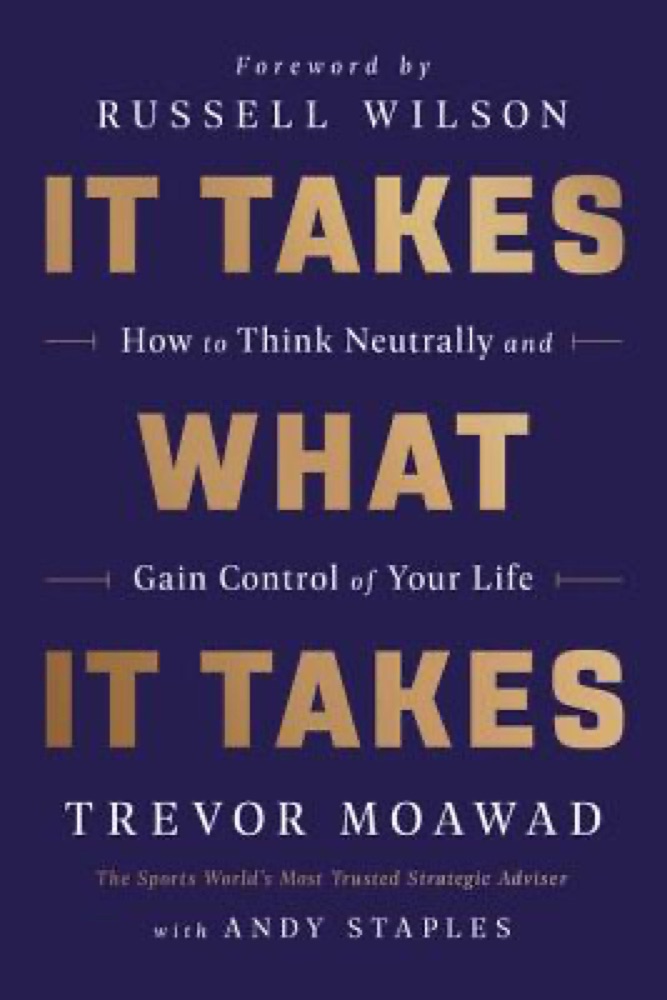 It Takes What It Takes: How to Think Neutrally and Gain Control of Your Life
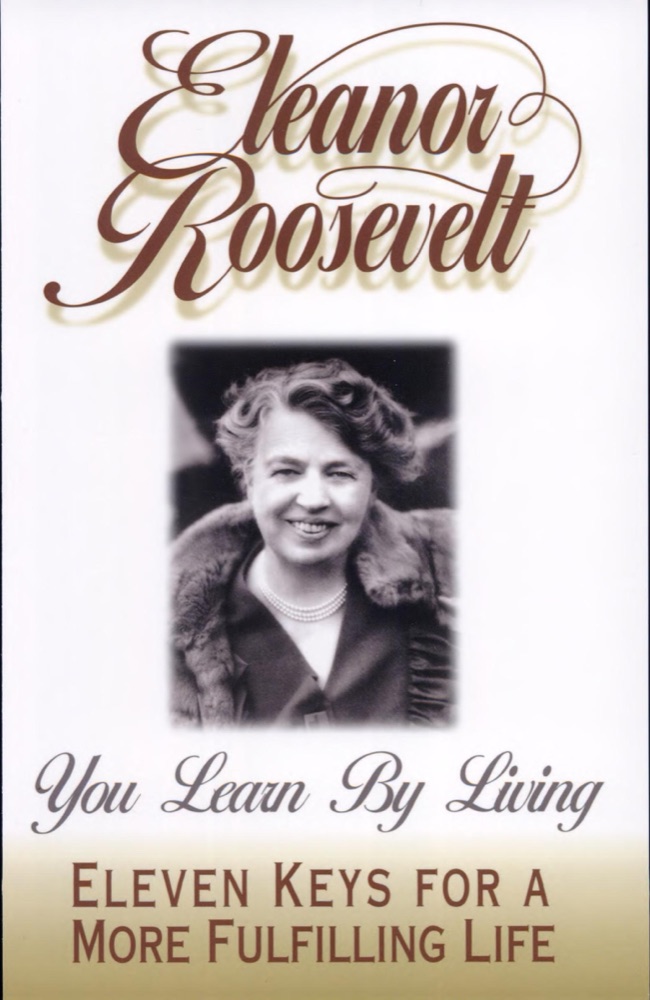 You Learn by Living: Eleven Keys for a More Fulfilling Life
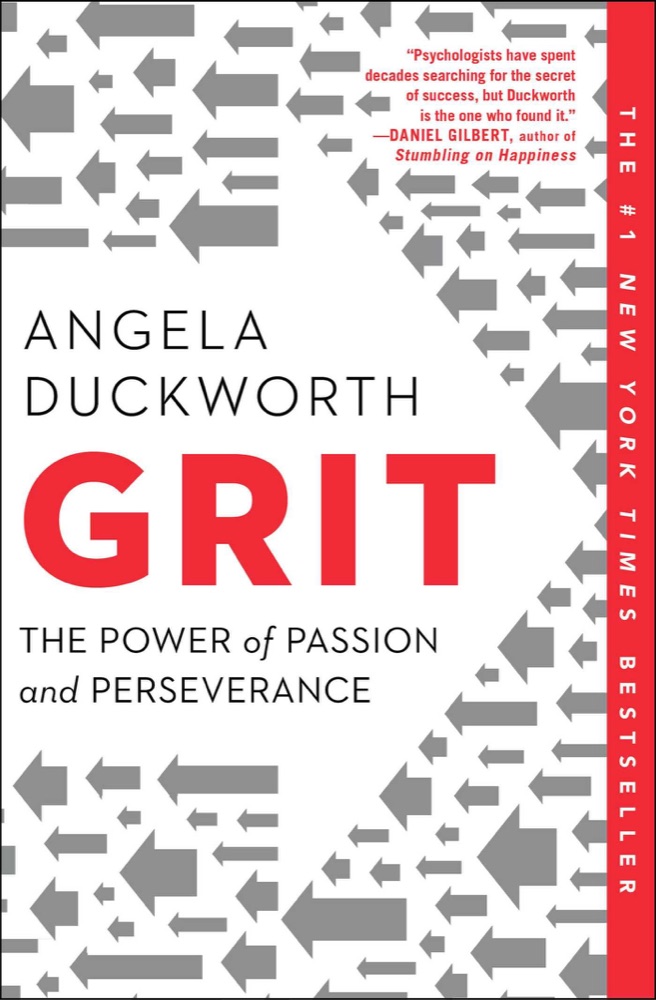 Grit: The Power of Passion and Perseverance
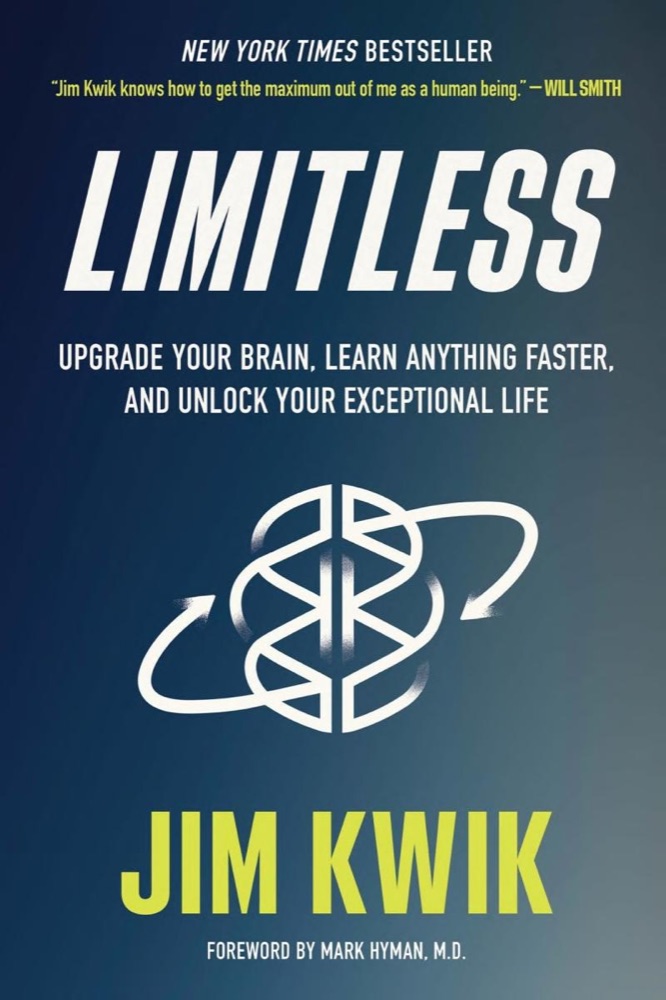 Limitless: Upgrade Your Brain, Learn Anything Faster, and Unlock Your Exceptional Life