
 Emergent Strategy: Shaping Change, Changing Worlds
Quotes from the Book
I believe that all organizing is science fiction - that we are shaping the future we long for and have not yet experienced.
51
Your no makes the way for your yes. Boundaries create the container within which your yes is authentic. Being able to say no makes yes a choice.
43
Our radical imagination is a tool for decolonization, for reclaiming our right to shape our lived reality.
29
I touch my own skin, and it tells me that before there was any harm, there was miracle.
27
There is no way to repress pleasure and expect liberation, satisfaction, or joy.
25
Liberated relationships are one of the ways we actually create abundant justice, the understanding that there is enough attention, care, resource, and connection for all of us to access belonging, to be in our dignity, and to be safe in community
23
We need radical honesty—learning to speak from our root systems about how we feel and what we want. Speak our needs and listen to others’ needs. To say, “I need to hear that you miss me.” “When you’re high all the time it’s hard for me to feel your presence.” “I lied.” “The way you talked to that man made me feel unseen.” “Your jealousy makes me feel like an object and not a partner.” The result of this kind of speech is that our lives begin to align with our longings, and our lives become a building block for authentic community and ultimately a society that is built around true need and real people, not fake news and bullshit norms.
19
I believe our imaginations—particularly the parts of our imaginations that hold what we most desire, what brings us pleasure, what makes us scream yes—are where we must seed the future, turn toward justice and liberation, and reprogram ourselves to desire sexually and erotically empowered lives.
19
Pleasure activism is the work we do to reclaim our whole, happy, and satisfiable selves from the impacts, delusions, and limitations of oppression and/or supremacy.
17
Pleasure is not one of the spoils of capitalism. It is what our bodies, our human systems, are structured for; it is the aliveness and awakening, the gratitude and humility, the joy and celebration of being miraculous.
15
Pleasure is the point. Feeling food is not frivolous, it is freedom.
14
In her essay “On the Issue of Roles,” Toni Cade explains that if we want to have a revolution, we have to craft revolutionary relationships, in action, not simply in rhetoric.56 She explains that a revolution cannot be created by conforming to existing roles in relationships already defined by the systems we want to overthrow. We have to practice creating new relationships.
13
I believe that we are in an imagination battle, and almost everything about how we orient toward our bodies is shaped by fearful imaginations. Imaginations that fear Blackness, brownness, fatness, queerness, disability, difference. Our radical imagination is a tool for decolonization, for reclaiming our right to shape our lived reality.
11
We also learn that love is a limited resource and that the love we want and need is too much, that we are too much. We learn to shrink, to lie about the whole love we need, settling with not quite good enough in order to not be alone.
10
This is relationship building. And this is building trust. And consensually understanding how to be moved and inspired by each other without sometimes assuming that energy has to be sexual. That maybe that’s just an erotic exchange that’s actually about sharing knowledge, memory, power, and that to me is understanding levels of intimacy in relationship to liberation.
9
...it must become an incredible pleasure to be able to be honest, expect to be whole, and to know that we are in a community that will hold us accountable and change with us.
9
The erotic is a measure between the beginnings of our sense of self and the chaos of our strongest feelings. It is an internal sense of satisfaction to which, once we have experienced it, we know we can aspire. For having experienced the fullness of this depth of feeling and recognizing its power, in honor and self-respect we can require no less of ourselves. 25
8
My intentions for readers of this book are that you recognize that pleasure is a measure of freedom; notice what makes you feel good and what you are curious about; learn ways you can increase the amount of feeling-good time in your life, to have abundant pleasure; decrease any internal or projected shame or scarcity thinking around the pursuit of pleasure, quieting any voices of trauma that keep you from your full sacred sensual life; create more room for joy, wholeness, and aliveness (and less room for oppression, repression, self-denial and unnecessary suffering) in your life; identify strategies beyond denial or repression for navigating pleasure in relationship to others; and begin to understand the liberation possible when we collectively orient around pleasure and longing. Bonus: realize you are a pleasure activist!
7
I have seen, over and over, the connection between tuning in to what brings aliveness into our systems and bring able to access personal, relational and communal power. Conversely, I have seen how denying our full, complex selves—denying our aliveness and our needs as living, sensual beings—increases the chance that we will be at odds with ourselves, our loved ones, our coworkers, and our neighbors on this planet.
7
Ultimately, love for the self is the deepest pleasure we deny ourselves. I work daily to be courageous enough to indulge in the purest pleasure of self-love.
7
In other words, I want an erotic that demands space be made for honest bodies that like to also fuck.
6
We need to learn how to practice love such that care—for ourselves and others—is understood as political resistance and cultivating resilience.
6
People try to shame me for being fat. When I am walking down the street, men lean out of their car windows and shout vulgar things at me about my body, how they see it and how it upsets them that I am not catering to their gaze and their preferences and desires. I try not to take these men seriously because what they are really saying is, ‘I am not attracted to you. I do not want to fuck you and this confuses my understanding of masculinity, entitlement, and place in this world.’ It is not my job to please them with my body.
4
I believe that we are part of a natural world that is constantly changing, and we need to learn to adapt together and stay in relationship if we hope to survive as a species.
4
so many of us have been trained into the delusion that we must accumulate excess, even at the cost of vast inequality, in order to view our lives as complete or successful.
4
Pleasure Principles What you pay attention to grows. This will be familiar to those who have read Emergent Strategy. Actually, all the emergent strategy principles also apply here! (Insert eggplant emoji). Tune into happiness, what satisfies you, what brings you joy. We become what we practice. I learned this through studying somatics! In his book The Leadership Dojo, Richard Strozzi-Heckler shares that “300 repetitions produce body memory … [and] 3,000 repetitions creates embodiment.”12 Yes is the way. When it was time to move to Detroit, when it was time to leave my last job, when it was time to pick up a meditation practice, time to swim, time to eat healthier, I knew because it gave me pleasure when I made and lived into the decision. Now I am letting that guide my choices for how I organize and for what I am aiming toward with my work—pleasure in the processes of my existence and states of my being. Yes is a future. When I feel pleasure, I know I am on the right track. Puerto Rican pleasure elder Idelisse Malave shared with me that her pleasure principle is “If it pleases me, I will.” When I am happy, it is good for the world.13 The deepest pleasure comes from riding the line between commitment and detachment.14 Commit yourself fully to the process, the journey, to bringing the best you can bring. Detach yourself from ego and outcomes. Make justice and liberation feel good. Your no makes the way for your yes. Boundaries create the container within which your yes is authentic. Being able to say no makes yes a choice. Moderation is key.15 The idea is not to be in a heady state of ecstasy at all times, but rather to learn how to sense when something is good for you, to be able to feel what enough is. Related: pleasure is not money. Pleasure is not even related to money, at least not in a positive way. Having resources to buy unlimited amounts of pleasure leads to excess, and excess totally destroys the spiritual experience of pleasure.
3
that deep and irreplaceable knowledge of my capacity for joy comes to demand from all of my life that it be lived within the knowledge that such satisfaction is possible, and does not have to be called marriage, nor god, nor an afterlife.
3
we can offer each other tools and education to make sure sex, desire, drugs, connection, and other pleasures aren’t life-threatening or harming but life-enriching.
2
Audre Lorde taught us that caring for ourselves is “not self-indulgence, it is self-preservation, and that is an act of political warfare.”52 And although we know how to meme and tweet those words, living into them is harder. We have a deeper socialization to overcome, one that tells us that most of us don’t matter—our health, our votes, our work, our safety, our families, our lives don’t matter—not as much as those of white men. We need to learn how to practice love such that care—for ourselves and others—is understood as political resistance and cultivating resilience.
2
Watch on YouTube
About Adrienne Maree Brown
We have collected 59 quotes from 2 books by Adrienne Maree Brown on BookQuoters.
More about the author →More by Adrienne Maree Brown
Emergent Strategy: Shaping Change, Changing Worlds
About the book
How do we make social justice the most pleasurable human experience? How can we awaken within ourselves desires that make it impossible to settle for anything less than a fulfilling life? Editor adrienne maree brown finds the answer in something she calls “pleasure activism,” a politics of healing and happiness that explodes the dour myth that changing the world is just another form of work.
Drawing on the black feminist tradition, including Audre Lourde’s invitation to use the erotic as power and Toni Cade Bambara’s exhortation that we make the revolution irresistible, the contributors to this volume take up the challenge to rethink the ground rules of activism. Writers including Cara Page of the Astraea Lesbian Foundation For Justice, Sonya Renee Taylor, founder of This Body Is Not an Apology, and author Alexis Pauline Gumbs cover a wide array of subjects— from sex work to climate
Book details
- First published
- 2019
- Author
- Adrienne Maree Brown
- Genre
- Nonfiction
- Goodreads rating
- 4.22 (10k ratings)
Keep reading
 Uses of the Erotic: The Erotic as Power
Emergent Strategy: Shaping Change, Changing Worlds
Uses of the Erotic: The Erotic as Power
Emergent Strategy: Shaping Change, Changing Worlds
 What It Takes to Heal: How Transforming Ourselves Can Change the World
 Radical Acceptance: Embracing Your Life With the Heart of a Buddha
 Becoming Wise: An Inquiry into the Mystery and Art of Living
 How to Be an Adult in Relationships: The Five Keys to Mindful Loving
 A Burst of Light
 Mating in Captivity: Reconciling the Erotic and the Domestic
 The Master's Tools Will Never Dismantle the Master's House
 On Connection
 Passionate Marriage: Keeping Love and Intimacy Alive in Committed Relationships
 See No Stranger: A Memoir and Manifesto of Revolutionary Love
 The Ethical Slut: A Guide to Infinite Sexual Possibilities
 The Argonauts
 Untamed
 The Gifts of Imperfection
 This Here Flesh: Spirituality, Liberation, and the Stories That Make Us
 On Freedom: Four Songs of Care and Constraint
 Like Streams to the Ocean: Notes on Ego, Love, and the Things That Make Us Who We Are
 Against the Stream: A Buddhist Manual for Spiritual Revolutionaries
 The Wisdom of Your Body: Finding Healing, Wholeness, and Connection through Embodied Living
 Nonviolent Communication: A Language of Life
 Zen and the Art of Saving the Planet
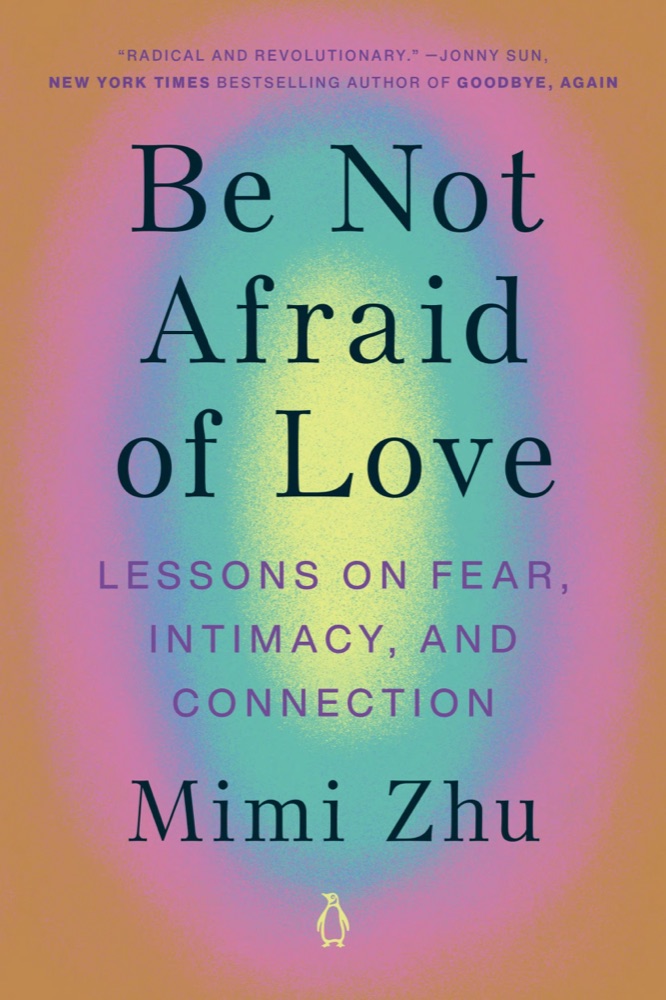 Be Not Afraid of Love: Lessons on Fear, Intimacy, and Connection
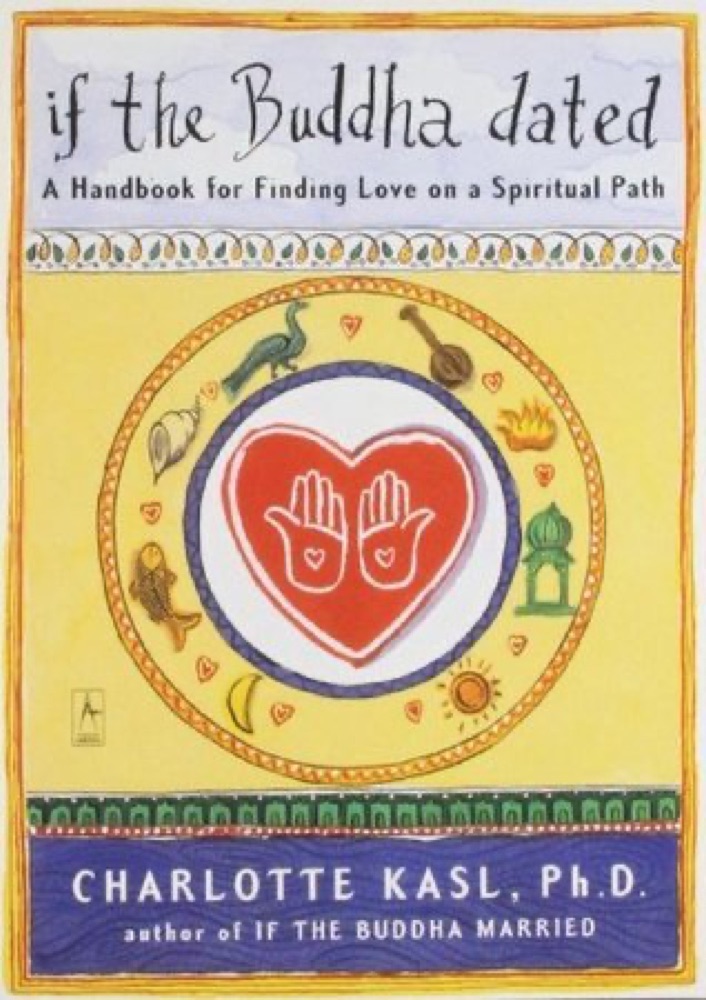 If the Buddha Dated: A Handbook for Finding Love on a Spiritual Path
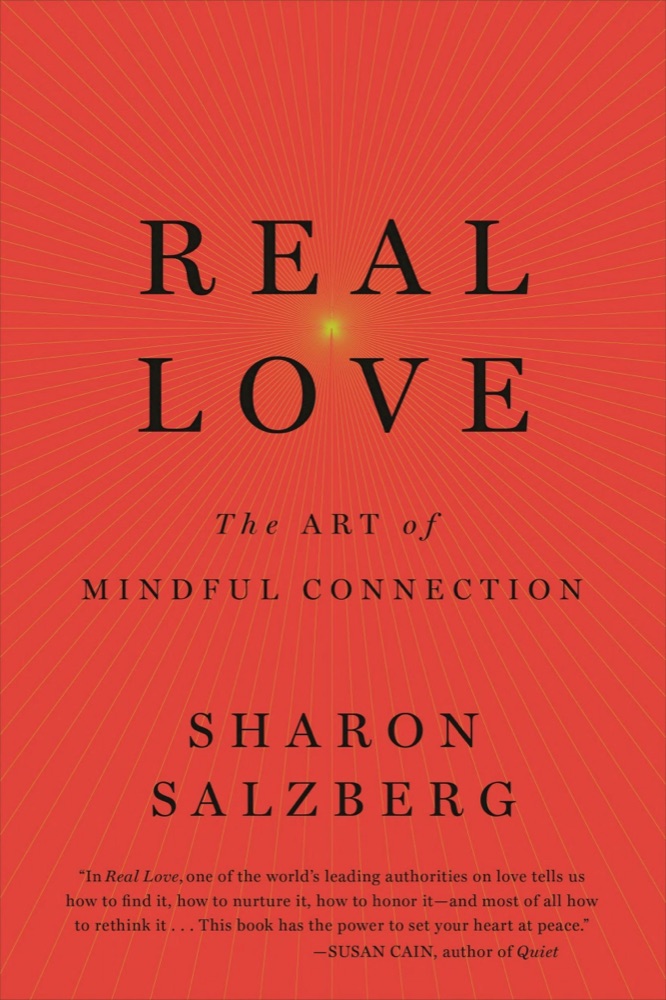 Real Love: The Art of Mindful Connection
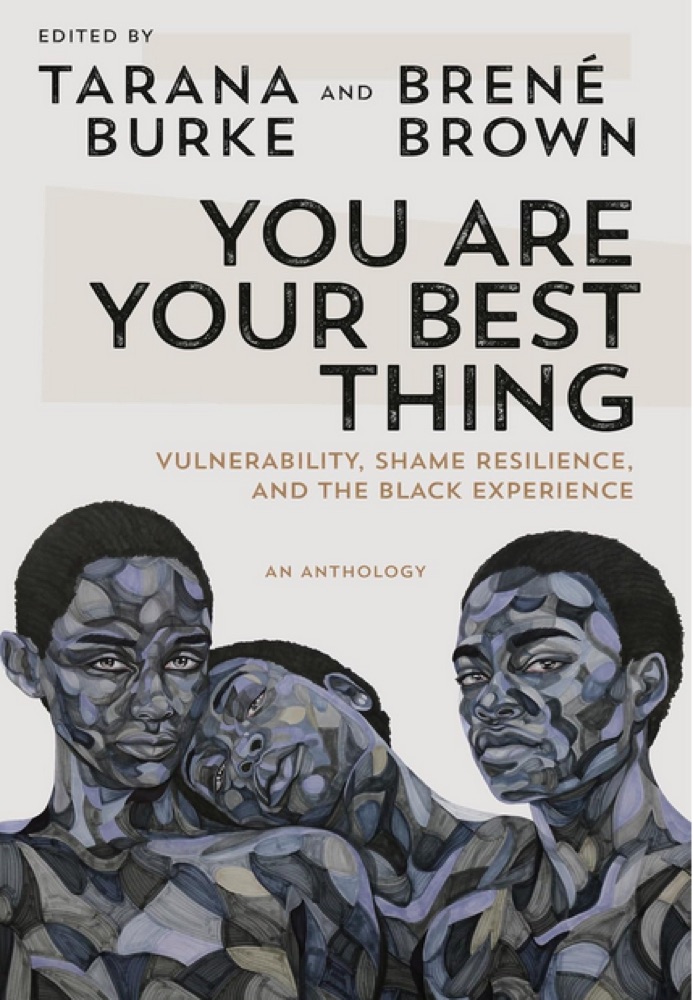 You Are Your Best Thing: Vulnerability, Shame Resilience, and the Black Experience
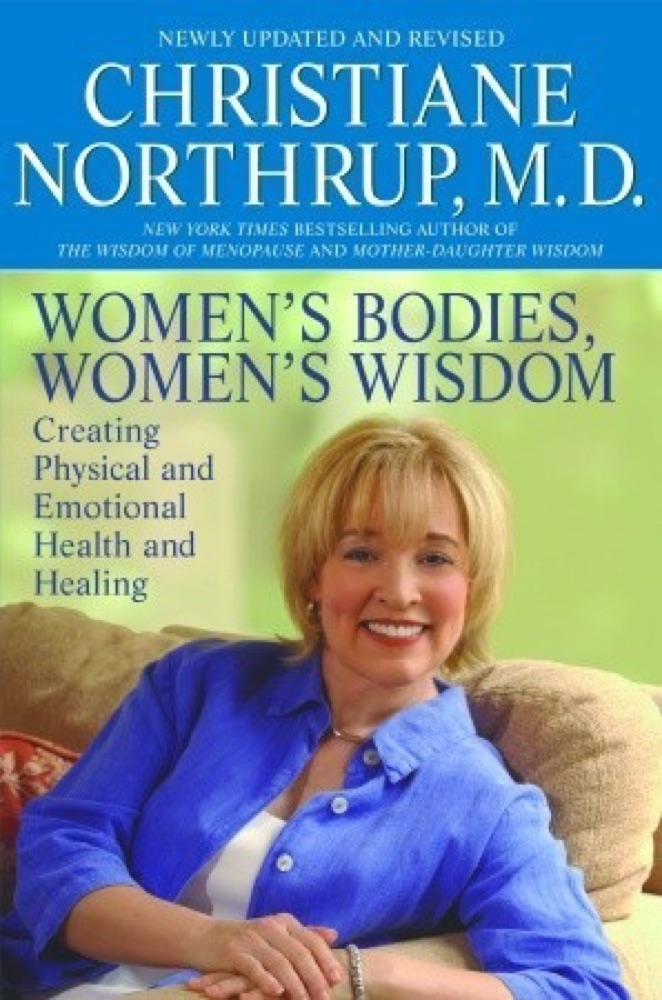 Women's Bodies, Women's Wisdom: Creating Physical and Emotional Health and Healing
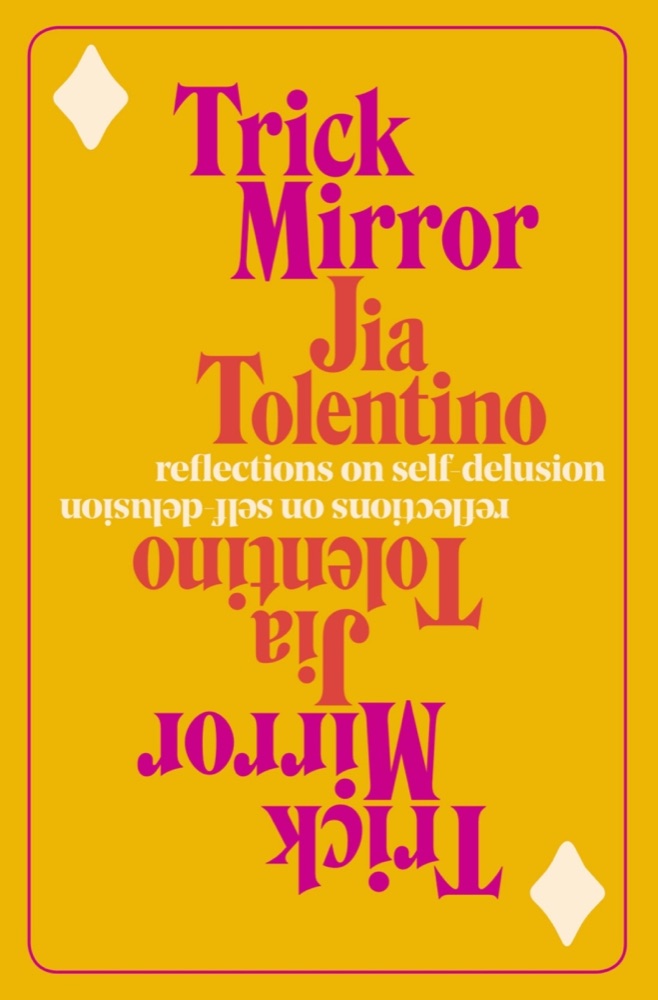 Trick Mirror: Reflections on Self-Delusion
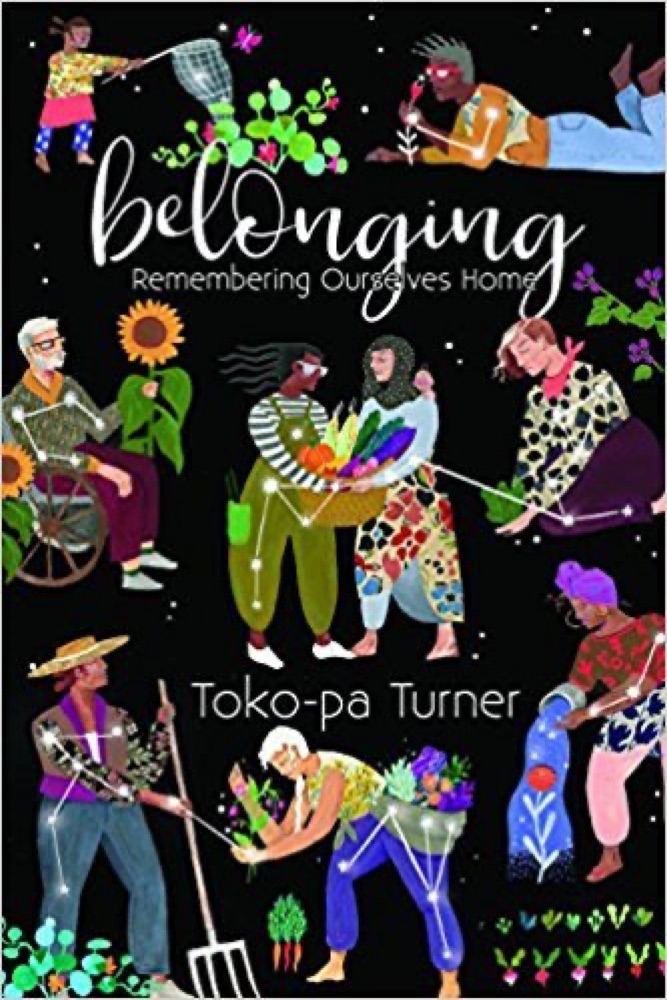 Belonging: Remembering Ourselves Home
 More Than Enough: Claiming Space for Who You Are
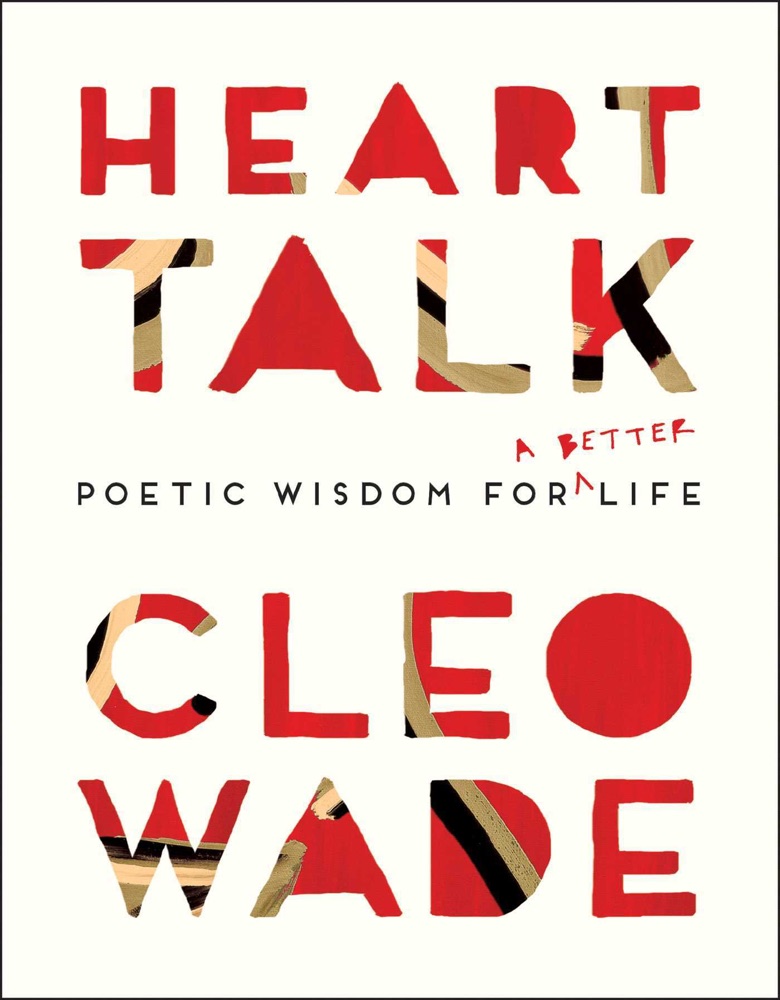 Heart Talk: Poetic Wisdom for a Better Life
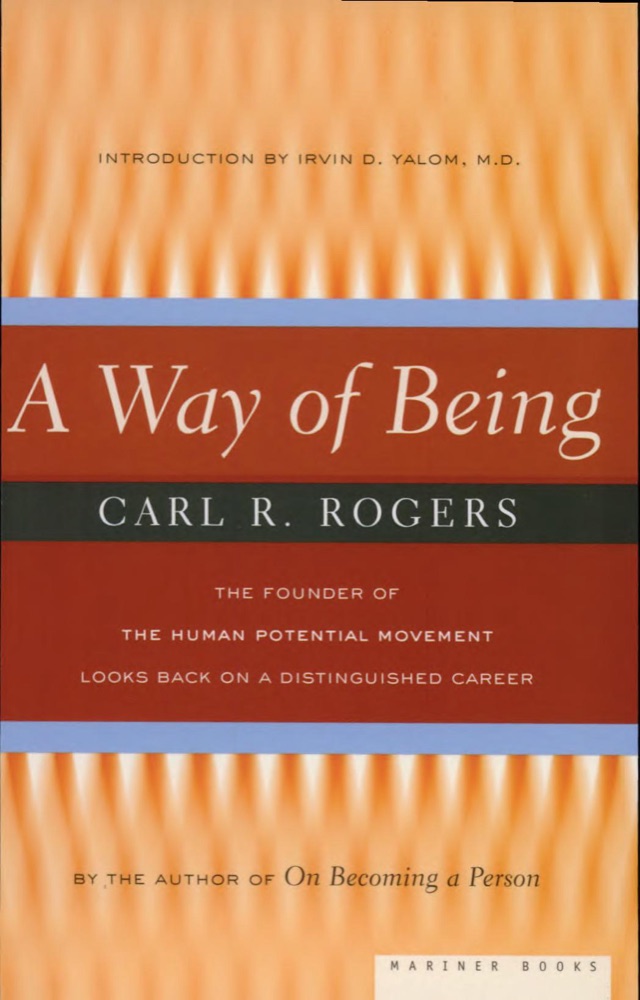 A Way of Being
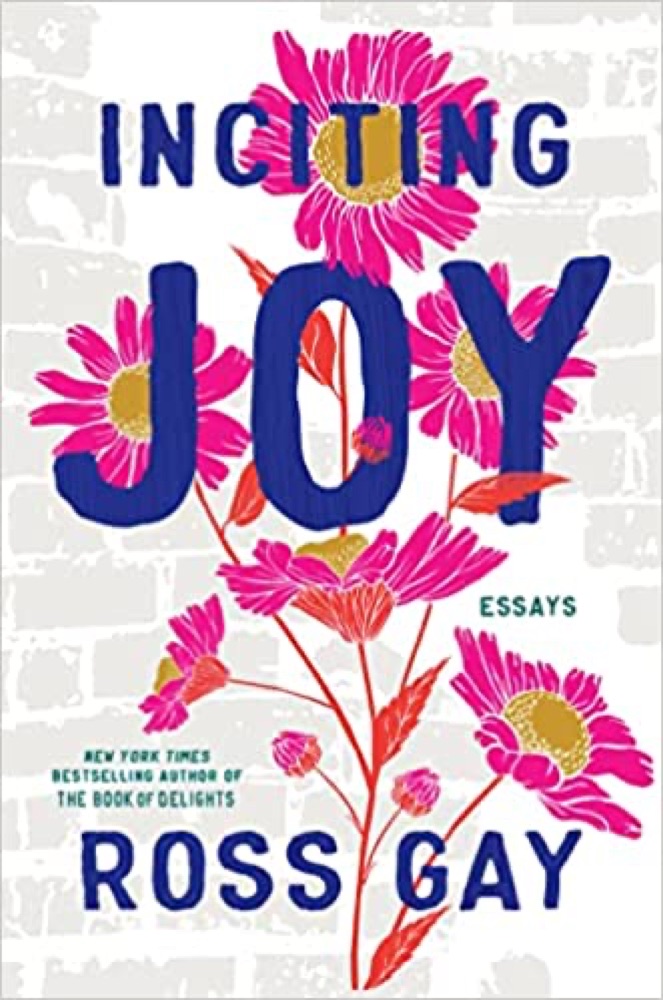 Inciting Joy: Essays
 Six Pillars of Self-Esteem
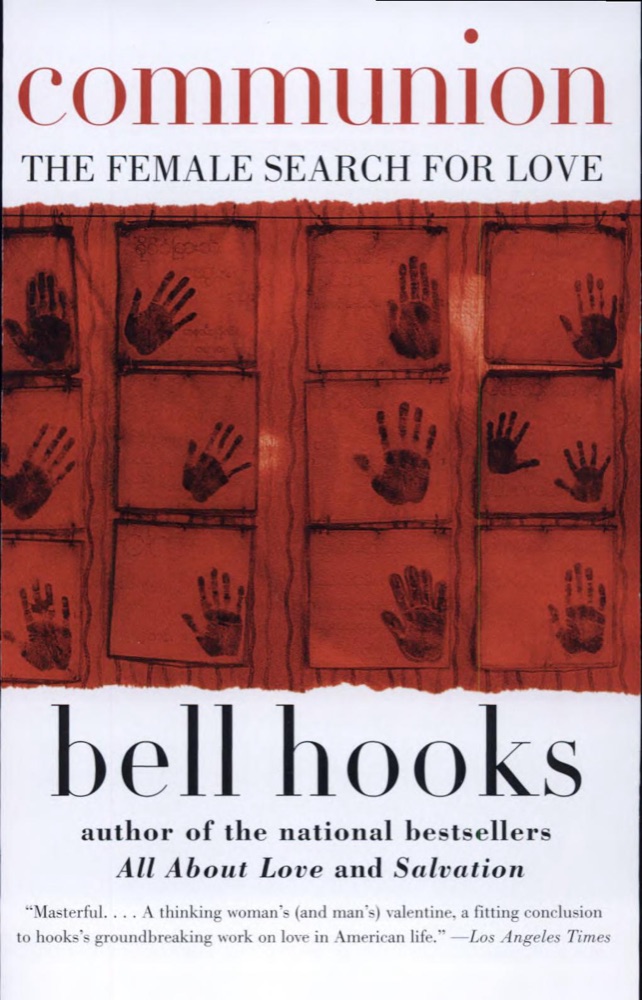 Communion: The Female Search for Love
 Build the Life You Want: The Art and Science of Getting Happier
 The Invitation
 The Book of Awakening: Having the Life You Want by Being Present to the Life You Have
 Come as You Are: The Surprising New Science that Will Transform Your Sex Life
 The World According to Mister Rogers: Important Things to Remember
 Peace Is Every Step: The Path of Mindfulness in Everyday Life
 The Source of Self-Regard: Selected Essays, Speeches, and Meditations
 The Places That Scare You: A Guide to Fearlessness in Difficult Times
 I Guess I Haven't Learned That Yet: Discovering New Ways of Living When the Old Ways Stop Working
 Kitchen Table Wisdom: Stories that Heal
 I Haven’t Been Entirely Honest with You
 Let Your Life Speak: Listening for the Voice of Vocation
 True Refuge: Finding Peace and Freedom in Your Own Awakened Heart
 The Light We Carry: Overcoming in Uncertain Times
 Living Beautifully with Uncertainty and Change
 We Can Do Hard Things: Answers to Life's 20 Questions
 The Art of Communicating
 A Return to Love: Reflections on the Principles of "A Course in Miracles"
 The Way to Love: The Last Meditations of Anthony de Mello
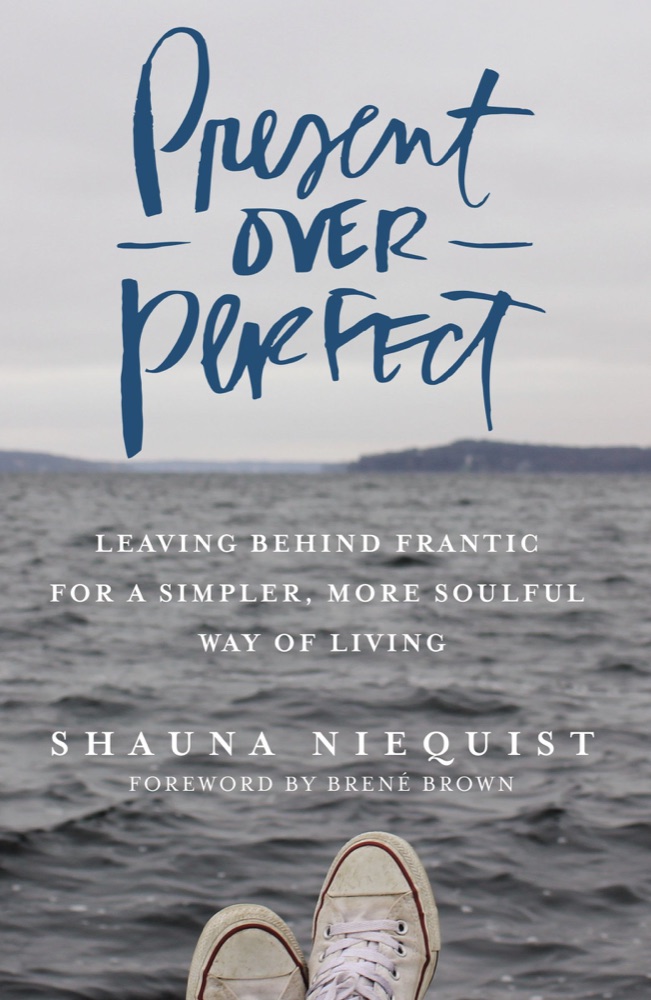 Present Over Perfect: Leaving Behind Frantic for a Simpler, More Soulful Way of Living
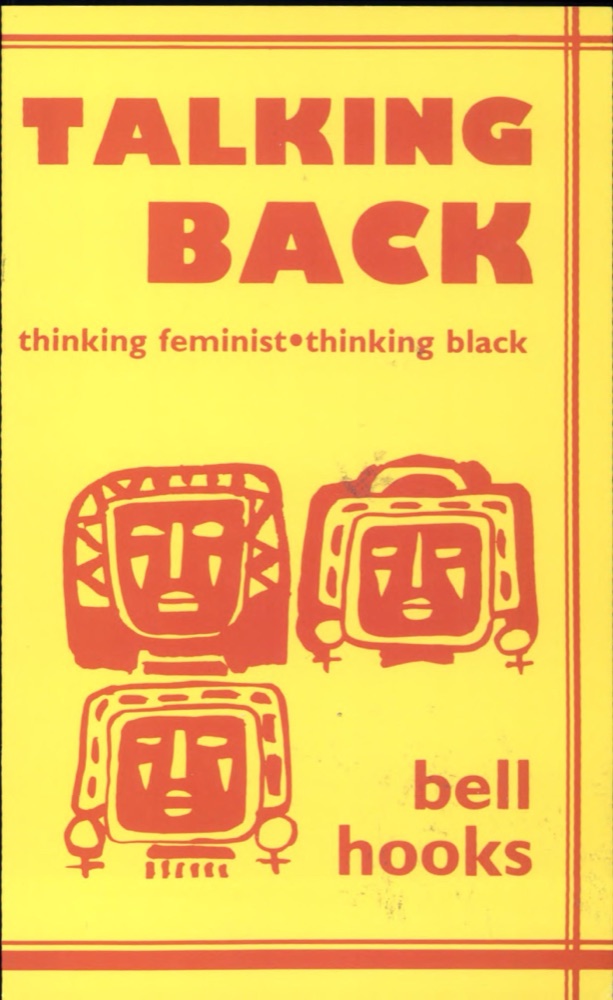 Talking Back: Thinking Feminist, Thinking Black
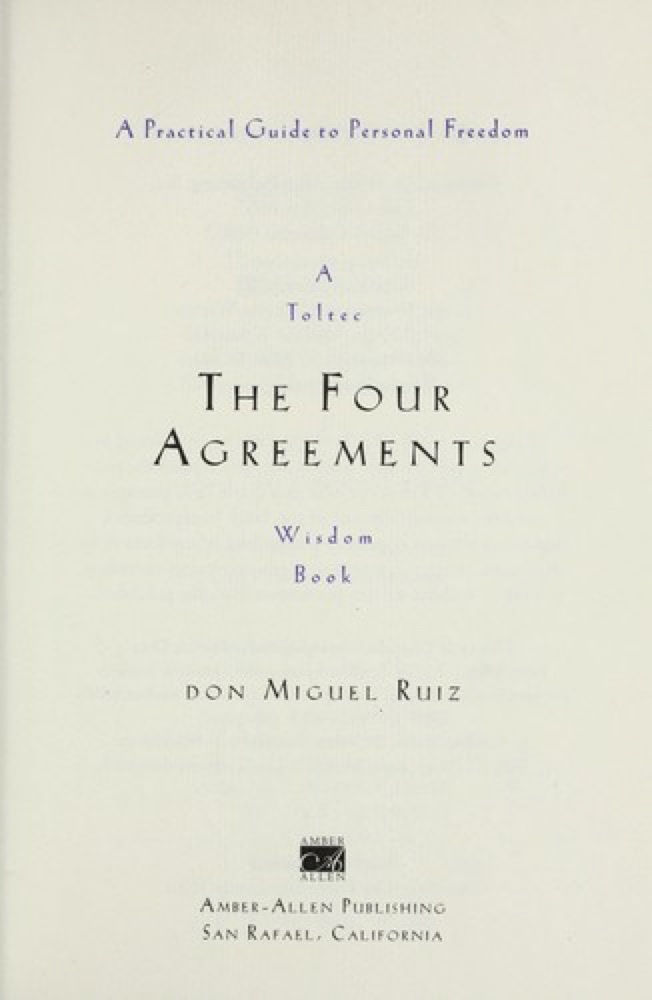 The Four Agreements: A Practical Guide to Personal Freedom