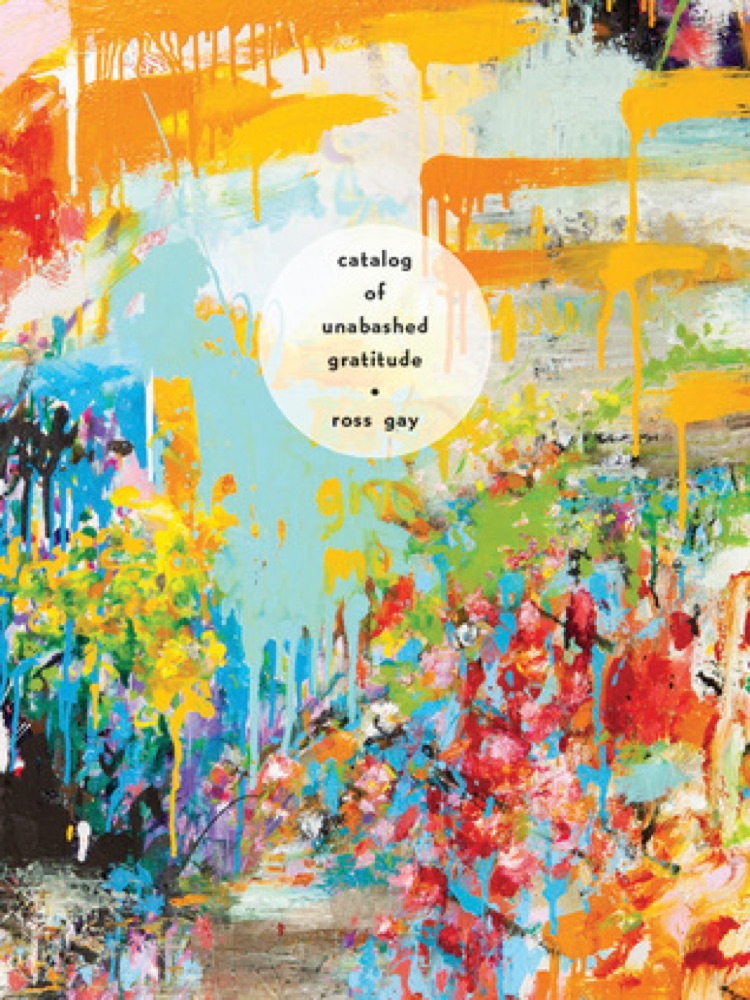
 Catalog of Unabashed Gratitude
Quotes from the Book
what happens if joy is not separate from pain? What if joy and pain are fundamentally tangled up with one another? Or even more to the point, what if joy is not only entangled with pain, or suffering, or sorrow, but is also what emerges from how we care for each other through those things? What if joy, instead of refuge or relief from heartbreak, is what effloresces from us as we help each other carry our heartbreaks?
14
grief is the metabolization of change.
7
But when we allow and expect each other to change and, even more to the point, when we witness the learning, the changing, the grieving, with curiosity and patience and care and love; when we make room for and witness and invite each other's unfixing and so are unfixing ourselves; when we join the grieving, or when we join in grieving, and when we do it again and again, making of that soft, mutual, curious, groundless witnessing not only an endeavor, but also a practice (we're talking about practice again); when we do these things, we fall apart into one another. We fall into each other.
7
The luminous, mycelial tethers between us, our fundamental connection to one another, the raft through the sorrow, the holding through the grief joy is, reminds us, again and again, that we belong not to an institution or a party or a state or a market, but to each other. Needfully so.
6
My hunch is that joy is an ember for or precursor to wild and unpredictable and transgressive and unboundaried solidarity.
4
But if you think of art as something you wonder about, or listen to, or get lost in the making of, as something that might be trying to show you something you do not yet know how to understand, something that, again, unfixes us, perhaps we can practice making and heeding that.
4
And we replant that insurgent gratitude by saving the seeds we have been given. And giving them away.
3
And sometimes I’ll ask what people have recently—say in the last day or two—come to realize they love, a question that at first seems to be difficult for some of them, as they say, “I like” this, or “I like” that, to which I try to lean on them by saying, “No, no, I said, what do you love?” Because sharing what we love is dangerous, it is vulnerable, it is like baring your neck, or your belly, and it reveals that, in some ways, we are all commonly tender.
2
I think I probably would call it grace, every moment of escape, how many actual millions of them do we carry in the suitcases of our bodies? No let’s say the trees of our bodies, because grace shares a root, you see it there don’t you, with gratitude. Amazing.
2
But equally important—or maybe more important, for those of us with some chops anyway—is getting past our desire for mastery, for making it right or doing it well, because a poem isn’t like that.15 A poem is often naughty if not outright bad. Disobedient, at the least. Well-behaved, god please no. Hates the clothes you think it should wear. At its best, a good poem, like any good art, is unruly, insubordinate, uncoachable, insolent, and churlish. Surly sometimes, too. Knows your little rules inside and out and thumbs its nose. Sometimes a good poem just don’t wanna.
2
I’m unmade, unfixed, into something else I never could have imagined? That’s the art I’m interested in making, teaching, and living with—not fixing work, but unfixing—and I don’t know that methods of creating such work can be taught.
2
What if wonder was the ground of our gathering?
2
I think that's why the writer Toi Derricotte means, in her poem "The Telly Cycle," when she says that "joy is an act of resistance." The luminous, mycelial tethers between us, our fundamental connection to one another, the raft through the sorrow, the holding through the grief joy is, reminds us, again and again, that we belong not to an institution or a party or a state or a market, but to each other. Needfully so. Which we must practice, and study, and sing, and story, and dream, and celebrate. Belonging to each other as though our lives depend on it.
1
But what happens if joy is not separate from pain? What if joy and pain are fundamentally tangled up with one another? Or even more to the point, what if joy is not only entangled with pain, or suffering, or sorrow, but is also what emerges from how we care for each other through those things? What if joy, instead of refuge or relief from heartbreak, is what effloresces from us as we help each other carry our heartbreaks?
1
The essence of the gift is that it creates a set of relationships. The currency of a gift economy is, at its root, reciprocity.
1
when we witness the learning, the changing, the grieving, with curiosity and patience and care and love; when we make room for and witness and invite each other’s unfixing and so are unfixing ourselves; when we join the grieving, or when we join in grieving, and when we do it again and again, making of that soft, mutual, curious, groundless witnessing not only an endeavor, but also a practice (we’re talking about practice again); when we do these things, we fall apart into one another. We fall into each other.
1
And when we catch the grave light shimmering from the tethers between us when it happens, our dying again and again in each other's presence, this falling together, it is called, this holding each other through the falling, I am pretty sure of this, one of the names anyway: joy.
1
. . come celebrate / with me that everyday / something has tried to kill me / and has failed.
All these comorbidities, all these communities more exposed to toxins, all this absence of sick pay or good pay, every day, is not simply an affliction (Oh, too bad you landed in Cancer Alley! or, Oh, bummer about all those opioid deaths! or, So unlucky about the lead in your water!), but an infliction. It is on purpose. And the withholding from some of the means of life, of which means there are plenty to go around,2 is a disprivilege.
All to say that maybe it is the case, of course it is, that the cover is perpetual, we are perpetually covering, we are ever citational, it is called thinking, it is called learning, it is called making, it is called being a creature with, it is our only choice. Nonpossessive undeclared citationality, which I'm gonna go out on a limb here and just call life.
And with my forehead pressed into his, and my hands on his cheeks, I noticed that my father had freckles sprinkled around the bridge of his nose and his upper cheeks. It was like a gentle broadcast of carrot seeds blending into his skin, flickering visible from this distance. It was through my tears I saw my father was a garden. Or the two of us, or the all-of-us, not here long maybe it is. And from that what might grow.
all the gestures these days that are more about laundering one’s image than changing one’s soul. All
Or, as the writer Patrick Rosal might say: the grieving would be “an altar for listening to the beginning of the world.
And I guess the endeavor then might be asking the poem or essay, etc., what it wants to tell or show you, and really listening, to the best of your ability. This endeavor, which for me can go on for a while, is also called revision.
that the practice of inquiry and unfixing is a practice of changing.
community-supported bewilderment, is the practice.
Or we might draw dried flowers—still wrong-handed and quick—if we have them. Which makes us all commonly flustered and silly (and usually really gets us laughing). We might then exchange those drawings with a partner who will add captions, making a kind of lyric comic book, which makes us now collaborating (though listening to each other’s dreams and talking about what we love is collaboration as well, maybe even radical collaboration). This seems like something I probably got from Lynda Barry. There is a lot, so so much, to get from Lynda Barry.
Watch on YouTube
About Ross Gay
More by Ross Gay
Catalog of Unabashed Gratitude
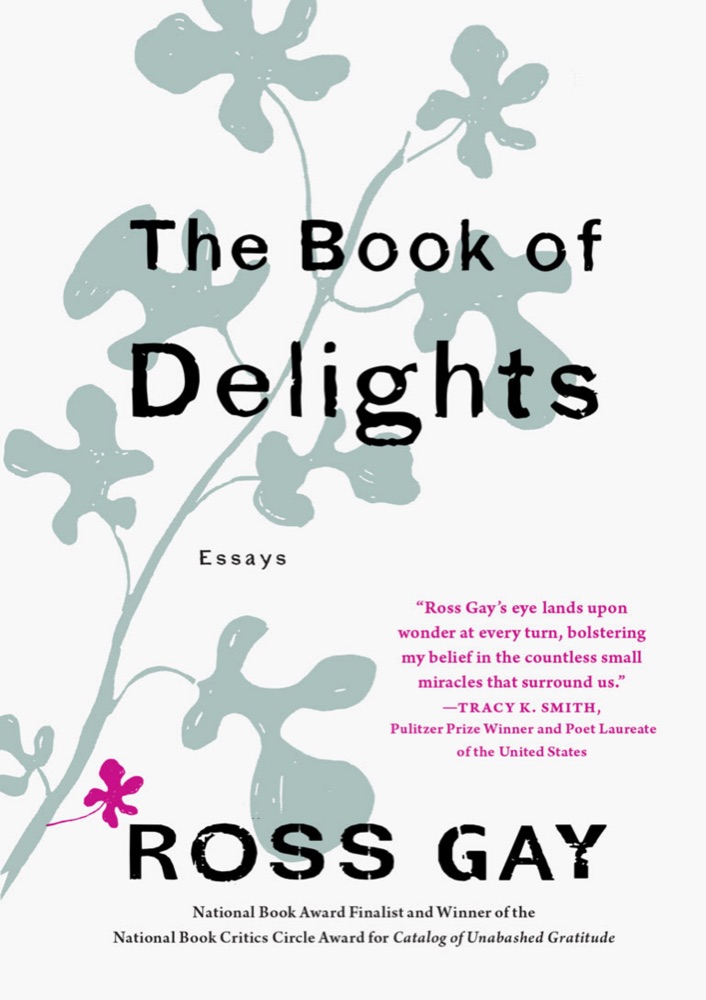 The Book of Delights: Essays
About the book
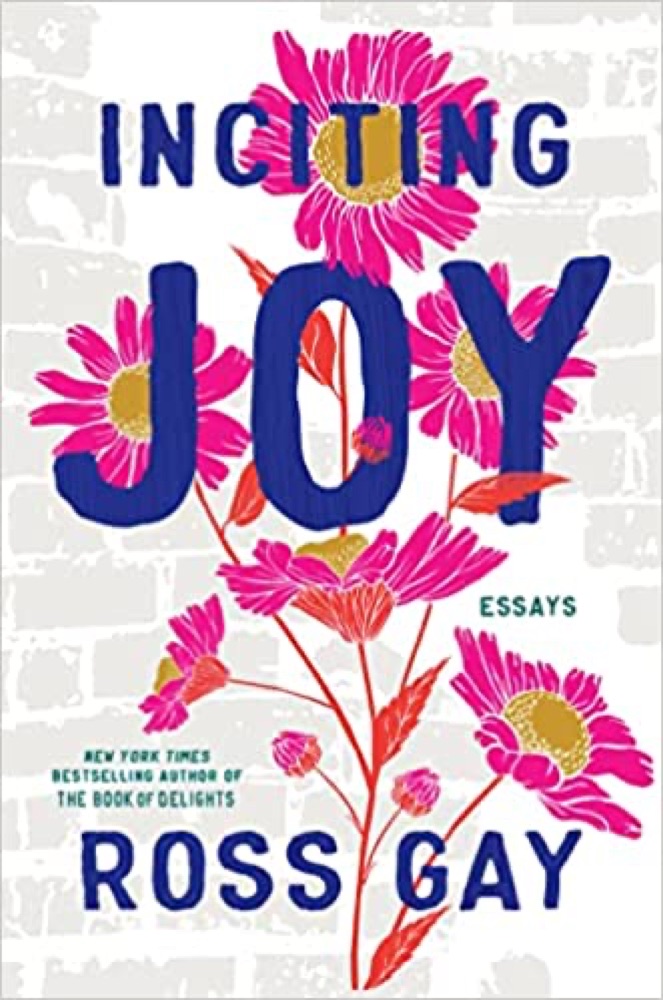
An intimate and electrifying collection of essays from the New York Times bestselling author of The Book of Delights In these gorgeously written and timely pieces, prizewinning poet and author Ross Gay considers the joy we incite when we care for each other, especially during life’s inevitable hardships. Throughout Inciting Joy, he explores how we can practice recognizing that connection, and also, crucially, how we expand it.In “We Kin” he thinks about the garden (especially around August, when the zucchini and tomatoes come on) as a laboratory of mutual aid; in “Share Your Bucket” he explores skateboarding’s reclamation of public space; he considers the costs of masculinity in “Grief Suite”; and in “Through My Tears I Saw,” he recognizes what was healed in caring for his father as he was dying.In an era when divisive voices take up so much air space, Inciting Joy offers a vital What mi
Book details
- First published
- 2022
- Author
- Ross Gay
- Genre
- Nonfiction
- Goodreads rating
- 4.13 (6k ratings)
The buzz
- The Washington PostReview in The Washington Postprofessional review (via Book Marks)
- Kirkus ReviewsReview in Kirkus Reviewsprofessional review (via Book Marks)
- Publishers WeeklyReview in Publishers Weeklyprofessional review (via Book Marks)
- BooklistReview in Booklistprofessional review (via Book Marks)
- BookPageReview in BookPageprofessional review (via Book Marks)
- Shelf AwarenessReview in Shelf Awarenessprofessional review (via Book Marks)
Keep reading
The Book of Delights: Essays
 Becoming Wise: An Inquiry into the Mystery and Art of Living
 The Book of Awakening: Having the Life You Want by Being Present to the Life You Have
 Dusk, Night, Dawn: On Revival and Courage
 Stitches: A Handbook on Meaning, Hope, and Repair
 Make It Scream, Make It Burn
 Upstream: Selected Essays
 Belonging: Remembering Ourselves Home
 On Connection
 Like Streams to the Ocean: Notes on Ego, Love, and the Things That Make Us Who We Are
 Winter Hours: Prose, Prose Poems, and Poems
 Kitchen Table Wisdom: Stories that Heal
 Lost & Found: A Memoir
 Journal of a Solitude
 These Precious Days: Essays
 Almost Everything: Notes on Hope
 Hourglass: Time, Memory, Marriage
 Bittersweet: How Sorrow and Longing Make Us Whole
 I Guess I Haven't Learned That Yet: Discovering New Ways of Living When the Old Ways Stop Working
 Levels of Life
 See No Stranger: A Memoir and Manifesto of Revolutionary Love
 Madness, Rack, and Honey: Collected Lectures
 Of Mess and Moxie: Wrangling Delight Out of This Wild and Glorious Life
 Figuring
 The Lost Garden
 What If This Were Enough?: Essays
 Small Wonder
 Faith, Hope and Carnage
 What It Takes to Heal: How Transforming Ourselves Can Change the World
 Carry On, Warrior: Thoughts on Life Unarmed
 This Here Flesh: Spirituality, Liberation, and the Stories That Make Us
 Consolations: The Solace, Nourishment and Underlying Meaning of Everyday Words
 Letter to My Daughter
 The Argonauts
 Living Beautifully with Uncertainty and Change
 The Anthropocene Reviewed: Essays on a Human-Centered Planet
 Deep Creek: Finding Hope in the High Country
 Walking on Water: Reflections on Faith and Art
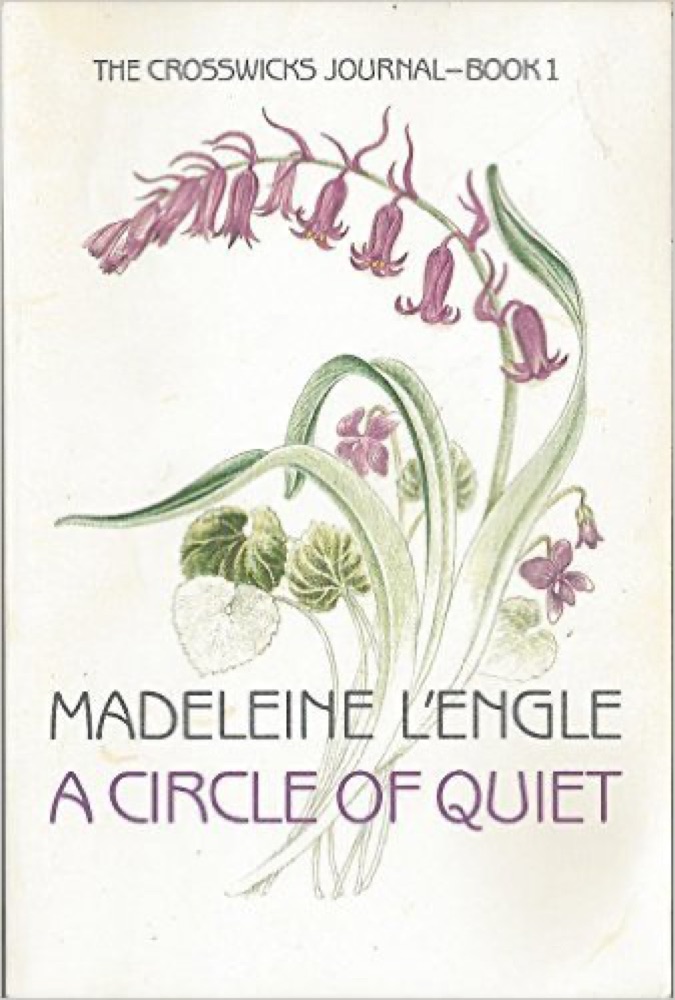 A Circle of Quiet
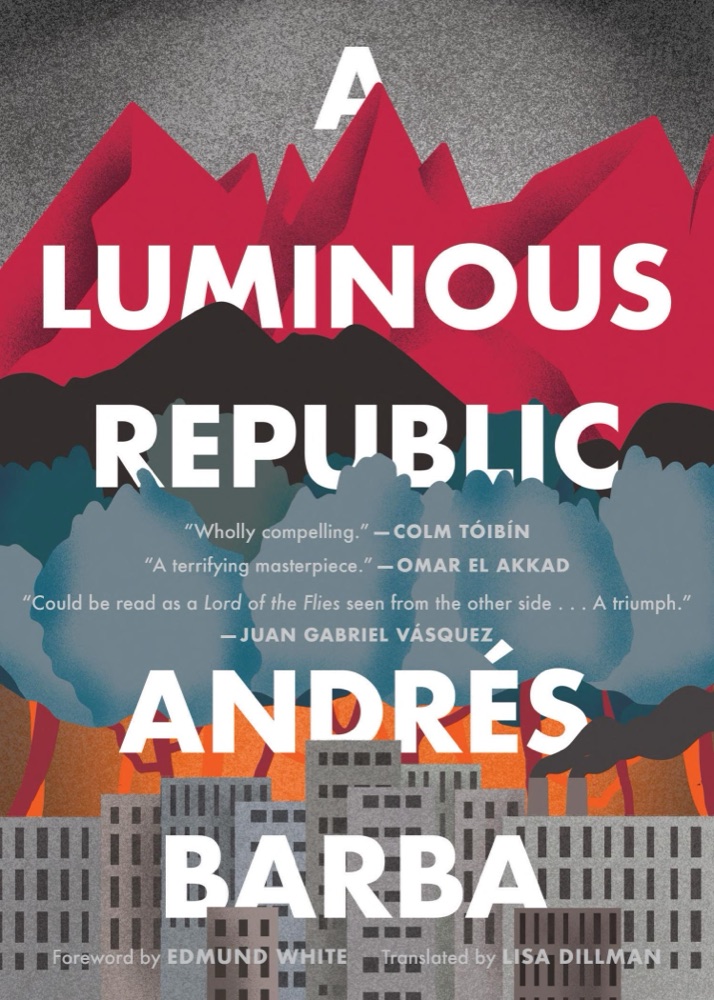 A Luminous Republic
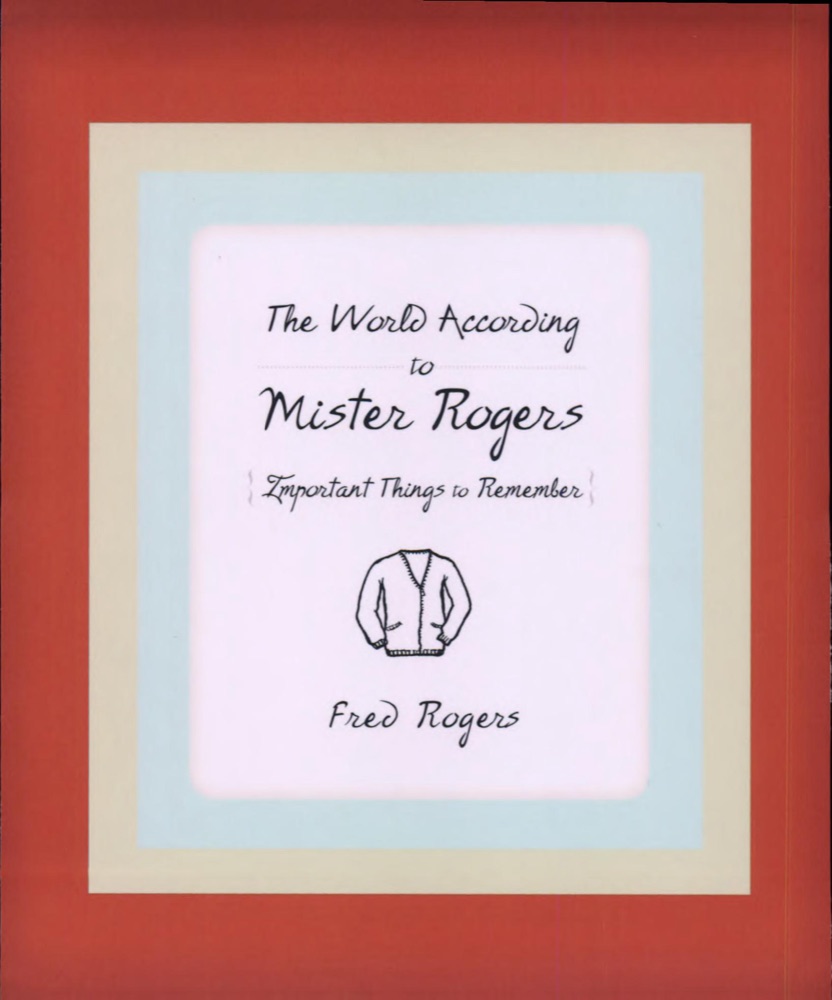 The World According to Mister Rogers: Important Things to Remember
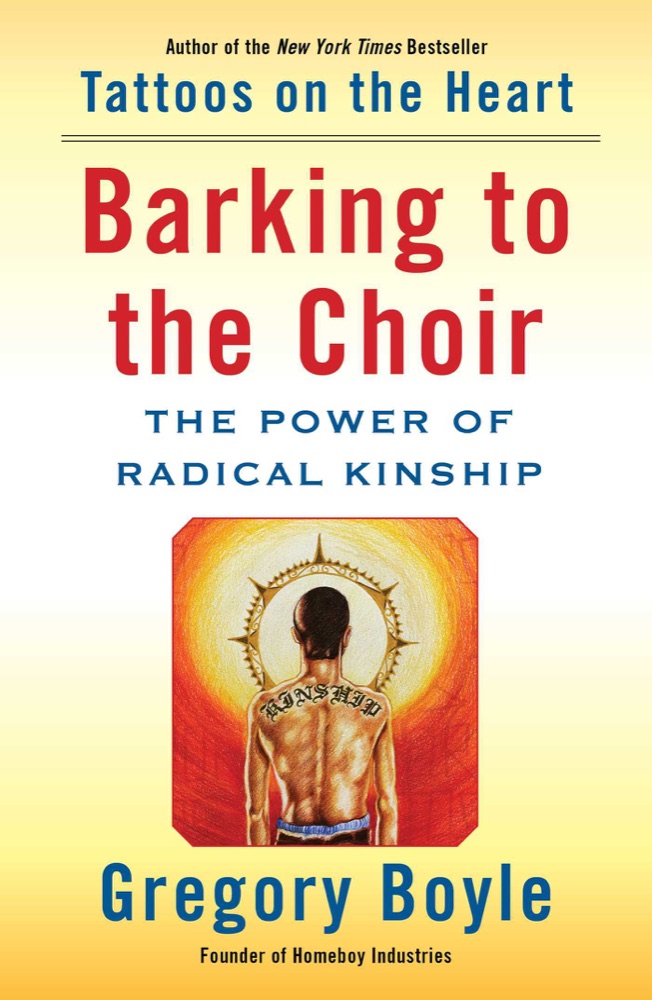 Barking to the Choir: The Power of Radical Kinship
 The Mountain Shadow
 Surprised by Joy: The Shape of My Early Life
 The Goldfinch
 Emergent Strategy: Shaping Change, Changing Worlds
 Gilead
 On Such a Full Sea
 The Invitation
 Evidence: Poems
 The Wild Edge of Sorrow: Rituals of Renewal and the Sacred Work of Grief
 The Source of Self-Regard: Selected Essays, Speeches, and Meditations
 Identity
 Smile: The Story of a Face
 Daniel Deronda
 A Hidden Wholeness: The Journey Toward an Undivided Life : Welcoming the soul and weaving community in a wounded world
 A Sudden Light
 Call Us What We Carry
 The Hurting Kind: Poems