
 Among Others
Quotes from the Book
I don't want to be married just to be married. I can't think of anything lonelier than spending the rest of my life with someone I can't talk to, or worse, someone I can't be silent with.
That's what I love about reading: one tiny thing will interest you in a book, and that tiny thing will lead you to another book, and another bit there will lead you onto a third book. It's geometrically progressive - all with no end in sight, and for no other reason than sheer enjoyment.
Reading good books ruins you for enjoying bad books.
Perhaps there is some secret sort of homing instinct in books that brings them to their perfect readers. How delightful if that were true.
Men are more interesting in books than they are in real life.
Have you ever noticed that when your mind is awakened or drawn to someone new, that person's name suddenly pops up everywhere you go? My friend Sophie calls it coincidence, and Mr. Simpless, my parson friend, calls it Grace. He thinks that if one cares deeply about someone or something new one throws a kind of energy out into the world, and "fruitfulness" is drawn in.
I love seeing the bookshops and meeting the booksellers-- booksellers really are a special breed. No one in their right mind would take up clerking in a bookstore for the salary, and no one in his right mind would want to own one-- the margin of profit is too small. So, it has to be a love of readers and reading that makes them do it-- along with first dibs on the new books.
All my life I thought that the story was over when the hero and heroine were safely engaged -- after all, what's good enough for Jane Austen ought to be good enough for anyone. But it's a lie. The story is about to begin, and every day will be a new piece of the plot.
Life goes on." What nonsense, I thought, of course it doesn't. It's death that goes on.
Think of it! We could have gone on longing for one another and pretending not to notice forever. This obsession with dignity can ruin your life if you let it.
I have gone to [this bookshop] for years, always finding the one book I wanted - and then three more I hadn’t known I wanted.
I sometimes think I prefer suitors in books rather than right in front of me. How awful, backward, cowardly, and mentally warped that will be if it turns out to be true.
Isola doesn't approve of small talk and believes in breaking the ice by stomping on it.
We clung to books and to our friends; they reminded us that we had another part to us.
I am to cover the philosophical side of the debate and so far my only thought is that reading keeps you from going gaga.
Because there is nothing I would rather do than rummage through bookshops, I went at once to Hastings & Sons Bookshop upon receiving your letter. I have gone to them for years, always finding the one book I wanted - and then three more I hadn't known I wanted.
Then I imagined a lifetime of having to cry to get him to be kind, and I went back to no again.
It was amazing to me then, and still is, that so many people who wander into bookshops don't really know what they're after--they only want to look around and hope to see a book that will strike their fancy. And then, being bright enough not to trust the publisher's blurb, they will ask the book clerk the three questions: (1) What is it about? (2) Have you read it? (3) Was it any good?
That's what I love about reading: one tiny thing will interest you in a book, and that tiny thing will lead you onto another book, and another bit there will lead you onto a third book. It's geometrically progressive—all with no end in sight, and for no other reason than sheer enjoyment.
My worries travel around in my head on their well worn path
Naturally curly hair is a curse, and don't ever let anyone tell you different.
Your questions regarding that gentleman are very delicate, very subtle, very much like being smacked in the head with a mallet...it's a tuba among the flutes.
Will Thisbee gave me The Beginner's Cook-Book for Girl Guides. It was just the thing; the writer assumes you know nothing about cookery and writes useful hints - "When adding eggs, break the shells first.
If I could have anything I wanted, I would choose story without end, and it seems I have lots of company in that.
Do you arrange your books alphabetically? (I hope not.)
Treat a dog right and he'll treat you right. ... Cats is different, but I never held it against them.
I am a grown woman-- mostly-- and I can guzzle champagne with whomever I choose.
Did you know?
- The novel is written entirely in the form of letters and telegrams (an epistolary novel).
- It is set in 1946, shortly after the end of the Second World War.
- The story centers on the German occupation of Guernsey in the Channel Islands from 1940 to 1945.
- The book club in the story began as a cover for islanders who were breaking the German-imposed curfew.
- It was Mary Ann Shaffer's only novel, completed with help from her niece Annie Barrows after Shaffer became ill.
- A feature film adaptation was released in 2018, directed by Mike Newell.
About Mary Ann Shaffer
Mary Ann Shaffer (1934-2008) was an American writer, editor, librarian, and bookseller. The Guernsey Literary and Potato Peel Pie Society was her only novel; when her health declined during editing, her niece, the children's author Annie Barrows, helped complete it.
More about the author →About the book
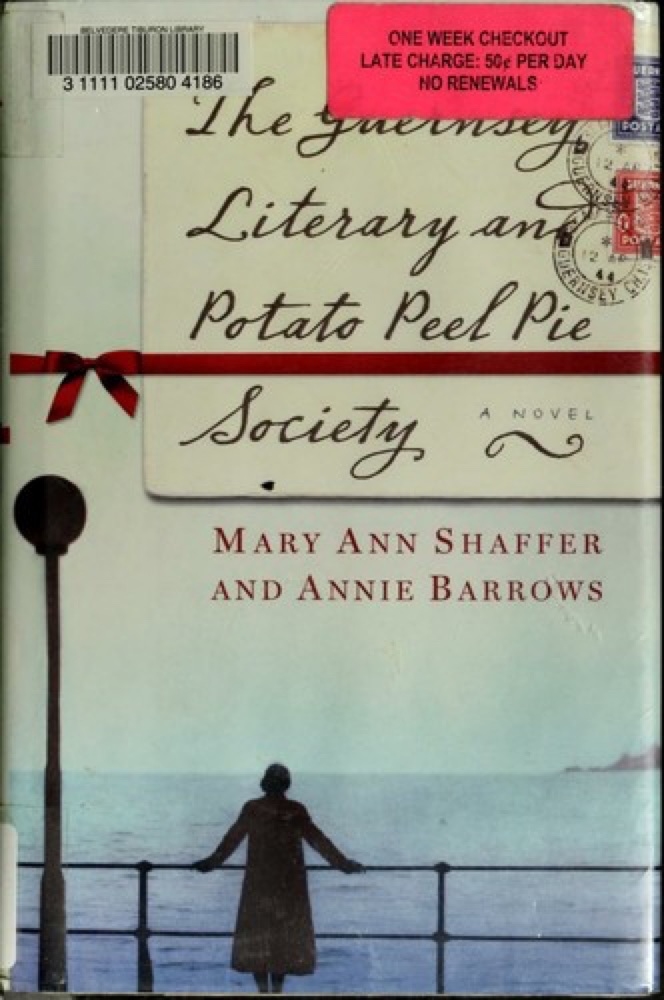
The Guernsey Literary and Potato Peel Pie Society is a 2008 epistolary novel told entirely through letters and telegrams. Set in 1946, it follows Juliet Ashton, a London writer searching for her next subject in the aftermath of the Second World War, who receives a letter from a stranger on the island of Guernsey named Dawsey Adams. Through their correspondence Juliet discovers a book club that took its unusual name on the spur of a moment, and which had served as a cover for islanders breaking curfew during the German occupation of the Channel Islands.
As Juliet exchanges letters with the society's members, she is drawn into the story of how they endured occupation and how reading and companionship sustained them, eventually traveling to Guernsey herself. The novel weaves the correspondents' recollections of wartime hardship with the warmth of the community they built around books, moving from London's literary circles to the island's tight-knit residents.
The book explores the consolations of literature, friendship, and community in the shadow of war, and the lasting effects of occupation on ordinary people. Mary Ann Shaffer's only novel, it was completed with the help of her niece, the children's author Annie Barrows, after Shaffer fell ill; it became an international bestseller and was adapted into a 2018 feature film.
Key characters
- Juliet AshtonLondon writer and protagonist who corresponds with the society
- Dawsey AdamsGuernsey resident whose letter first draws Juliet to the island
- Elizabeth McKennaFounder of the society who is taken away during the occupation
- Sidney StarkJuliet's publisher and close friend
- Isola PribbyEccentric society member and Juliet's correspondent
- Kit McKennaYoung daughter of Elizabeth McKenna
Book details
- First published
- 2008
- Length
- 274 pages
- Reading time
- 8 hours
- Author
- Mary Ann Shaffer
- Genre
- Fiction
- Goodreads rating
- 4.19 (825k ratings) →
Movie & TV adaptations
- IMDb
Keep reading
Among Others
 The Year of Reading Dangerously
 Ex Libris: Confessions of a Common Reader
 The Storied Life of A.J. Fikry
 The Thirteenth Tale
 Poison for Breakfast
 Why We Read: On Bookworms, Libraries, and Just One More Page Before Lights Out
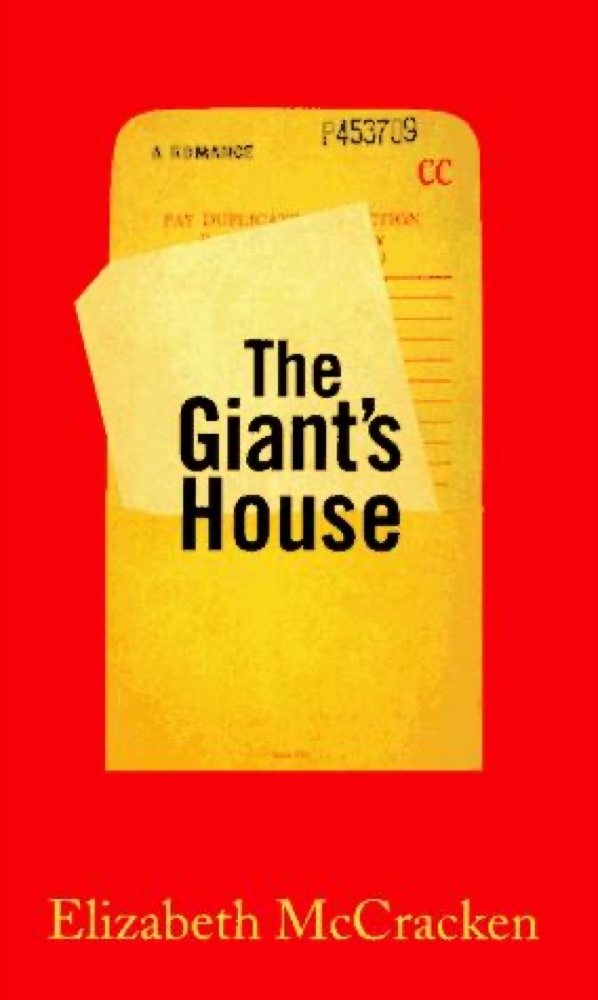 The Giant's House
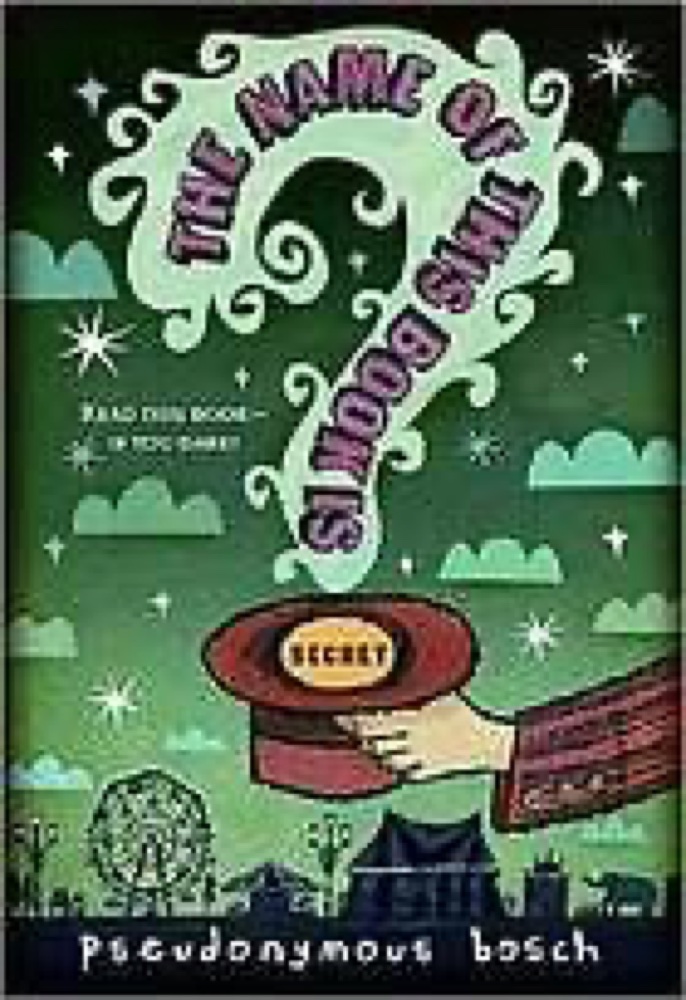 The Name of This Book Is Secret
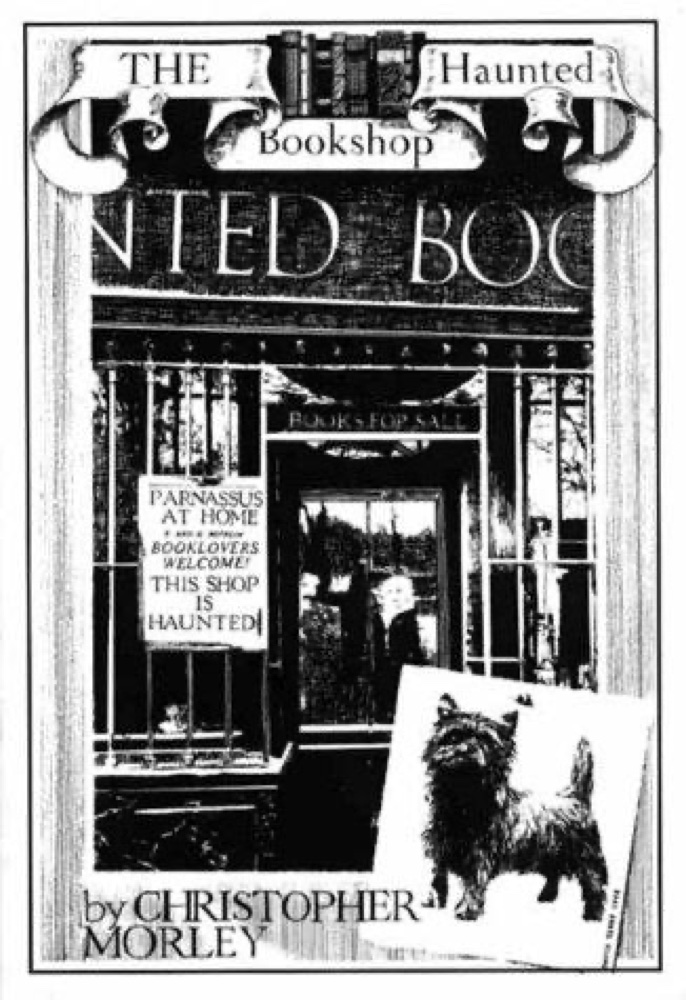 The Haunted Bookshop
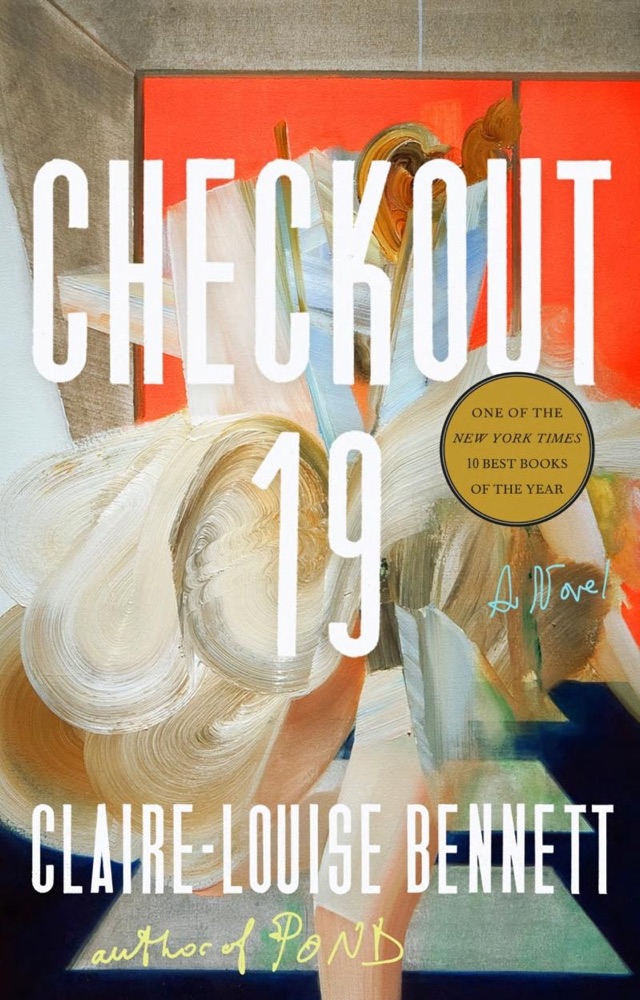 Checkout 19
 My Reading Life
 Mr. Penumbra's 24-Hour Bookstore
 The Secret, Book & Scone Society
 84, Charing Cross Road
 Battle of the Bookstores
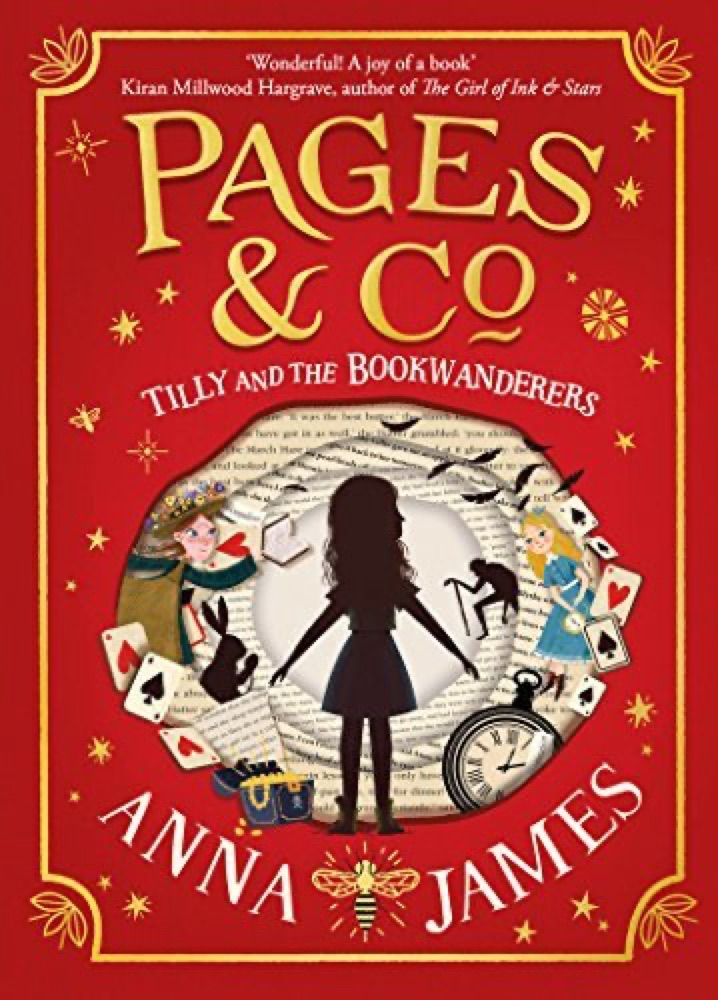 Tilly and the Bookwanderers
 Parnassus on Wheels
 My Booky Wook
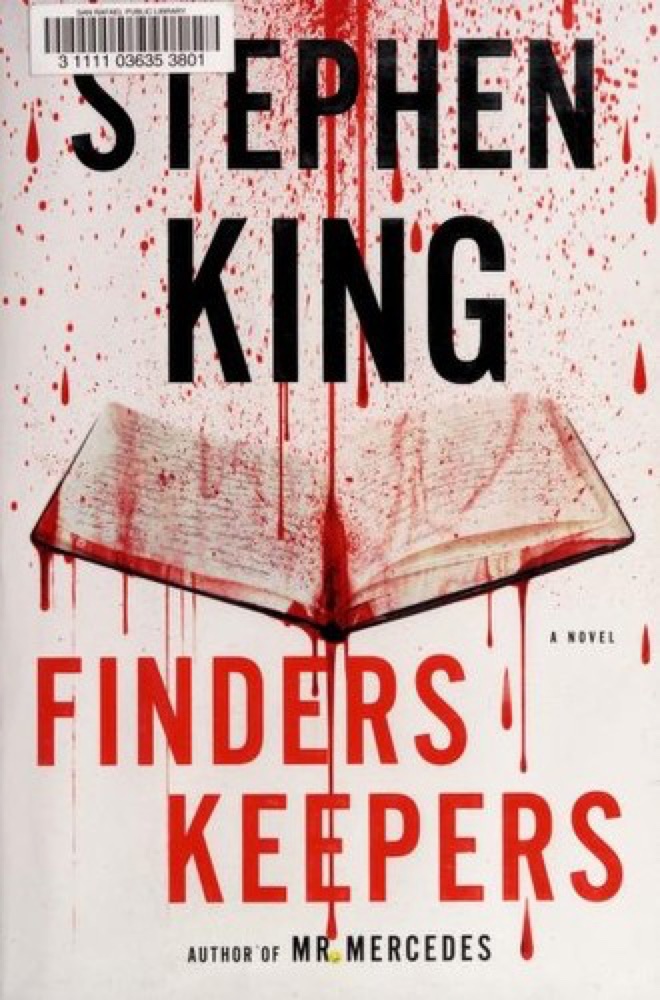 Finders Keepers
 Housekeeping vs. the Dirt
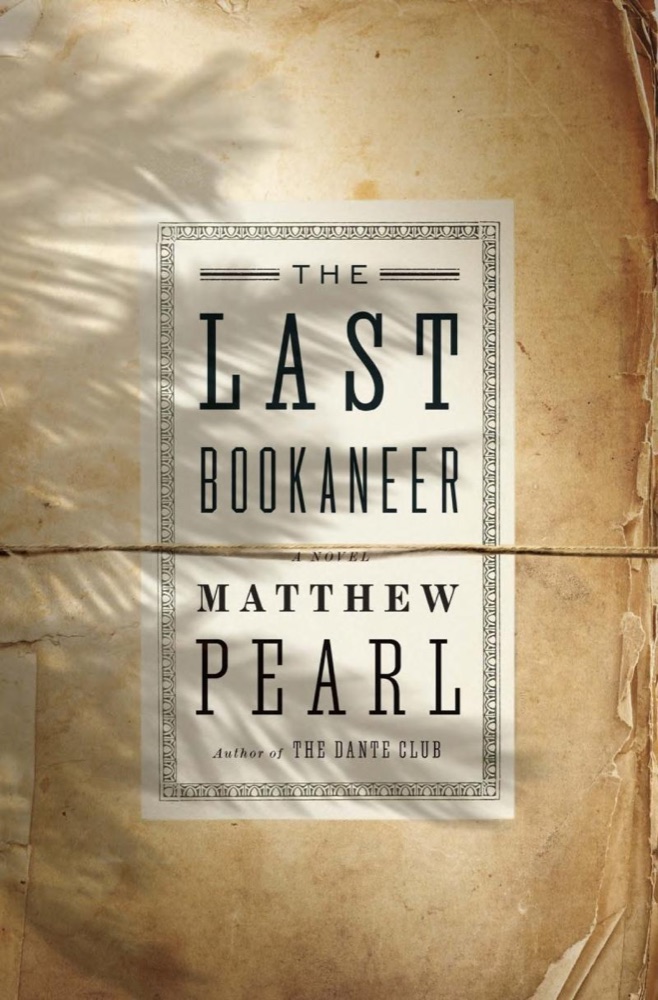 The Last Bookaneer
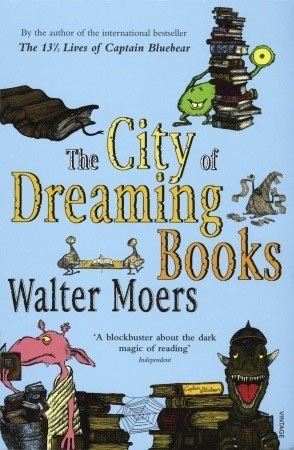 The City of Dreaming Books
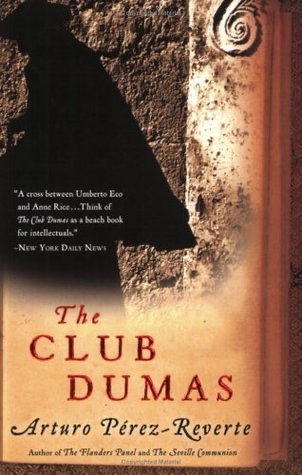 The Club Dumas
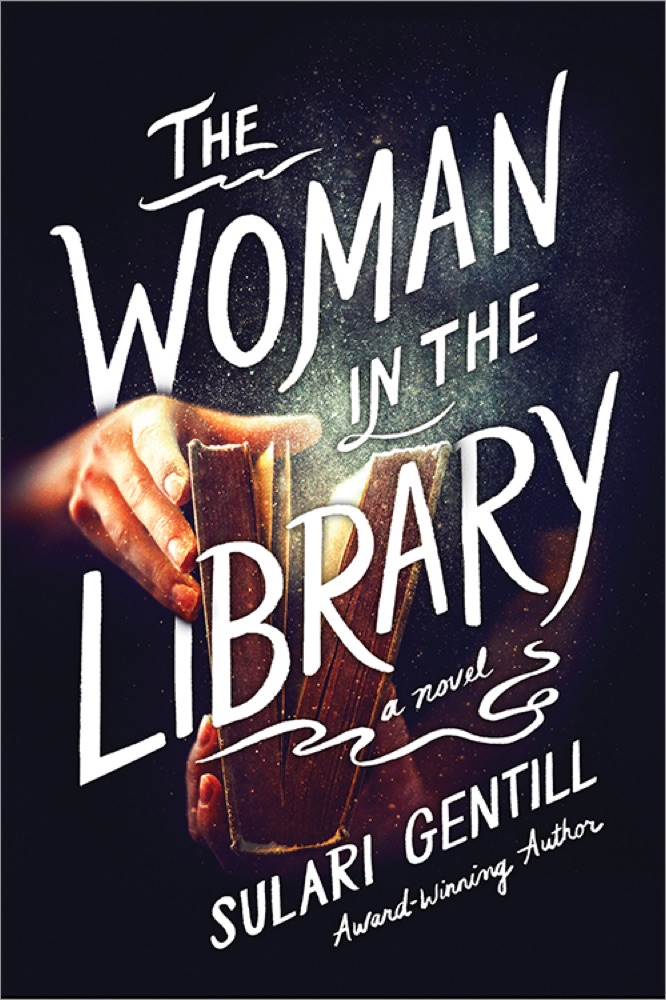 The Woman in the Library
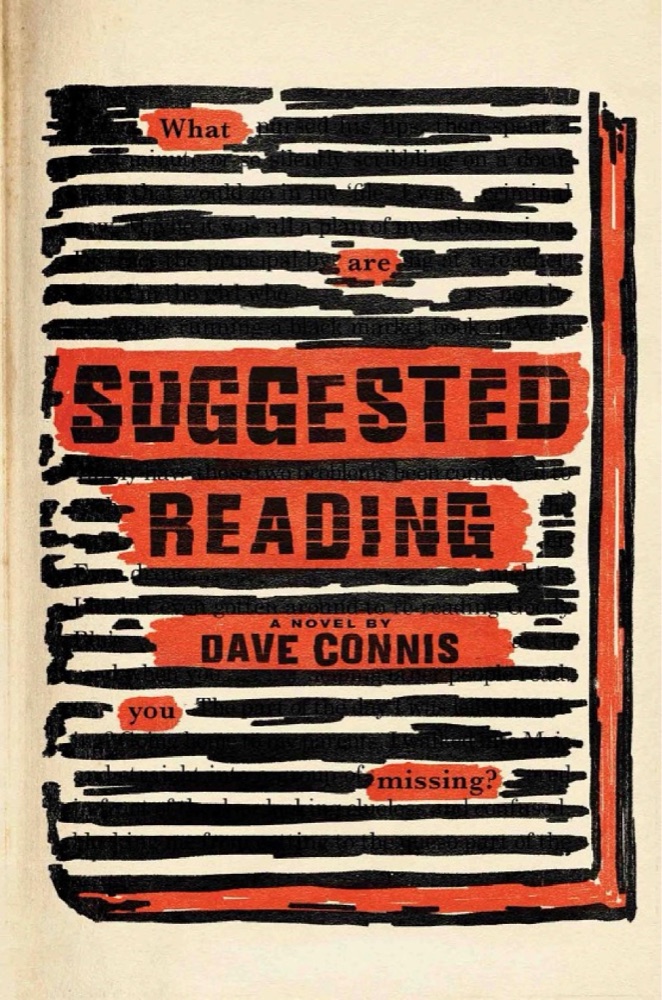 Suggested Reading
 The Swan Thieves
 Amelia Unabridged
 The Door-to-Door Bookstore
 Meant to Be
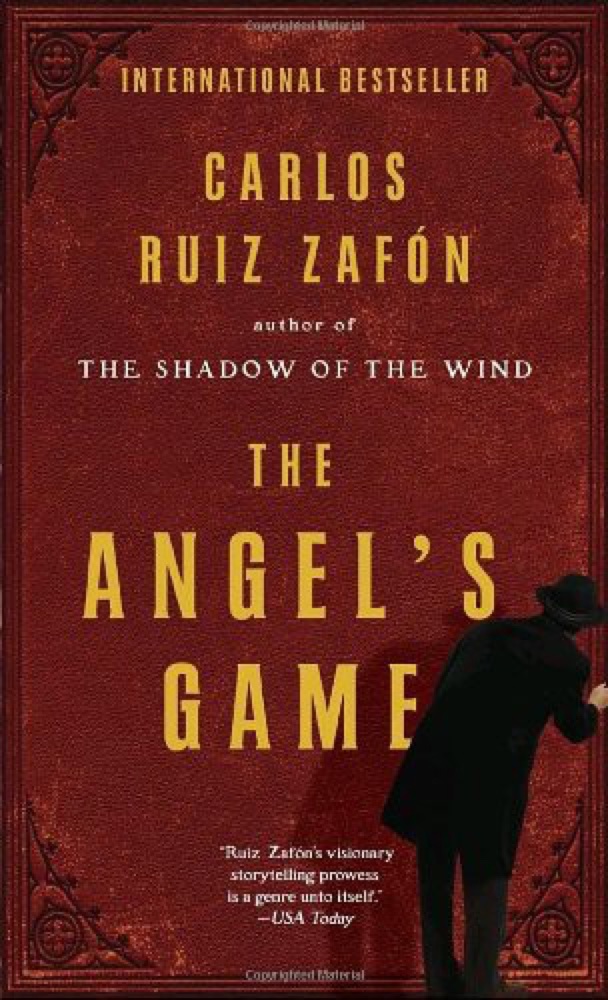 The Angel's Game
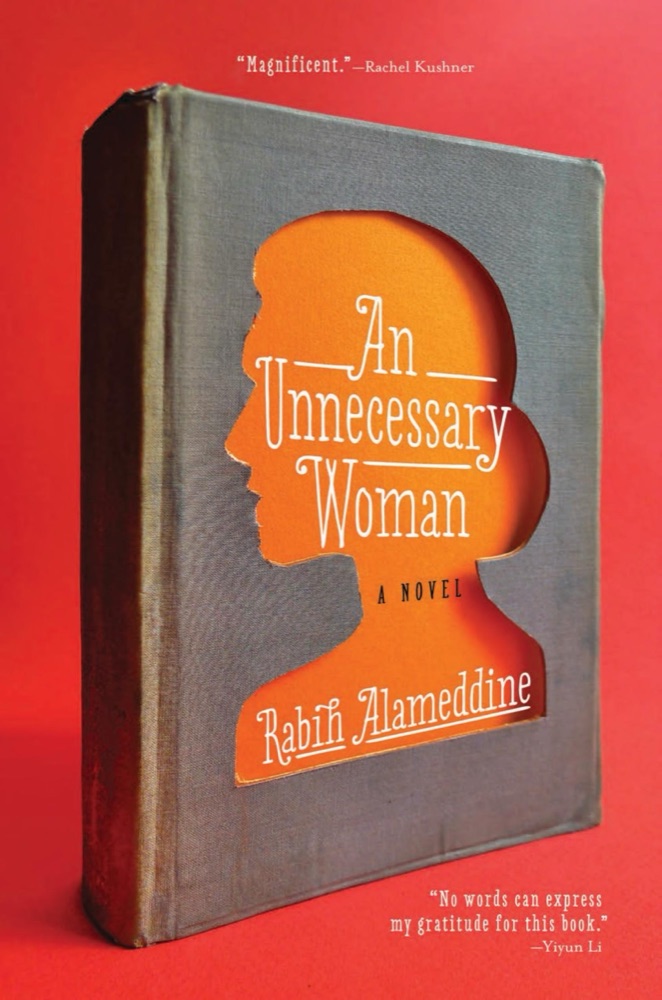 An Unnecessary Woman
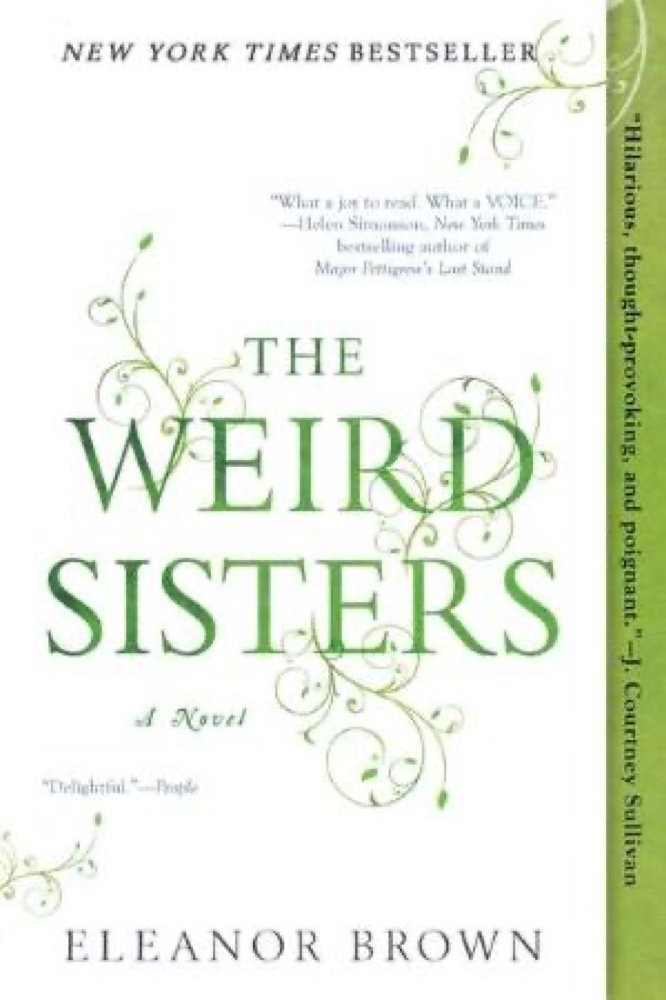 The Weird Sisters
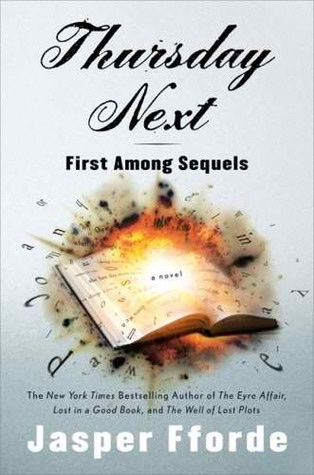 First Among Sequels
 The Jane Austen Book Club
 The Golden Notebook
 Speedboat
 Cackle
 Sweet Tooth
 Murder in the Dark: Short Fictions and Prose Poems
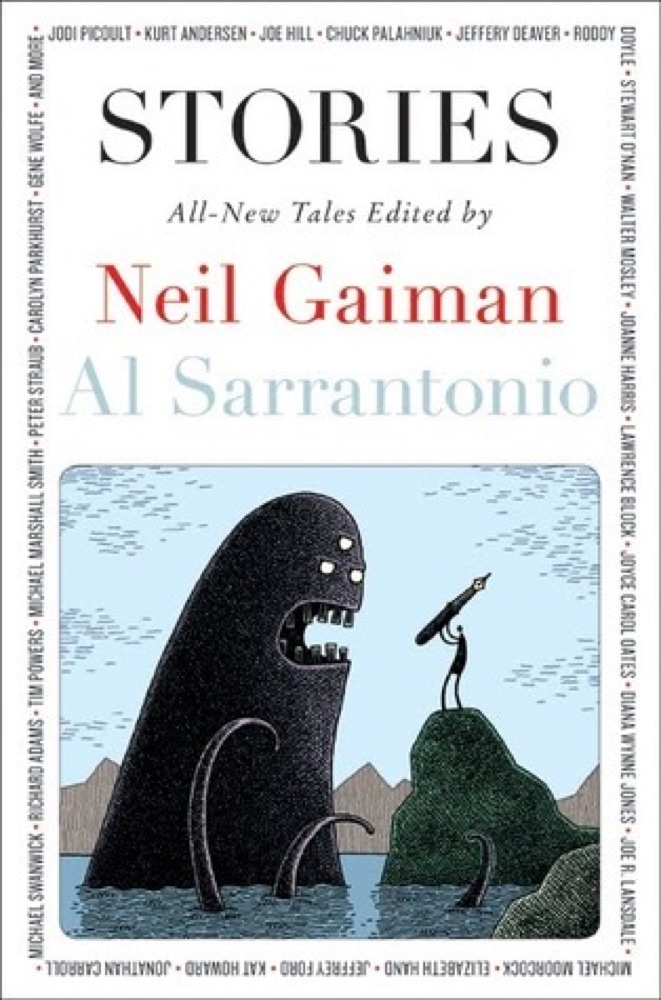 Stories: All-New Tales
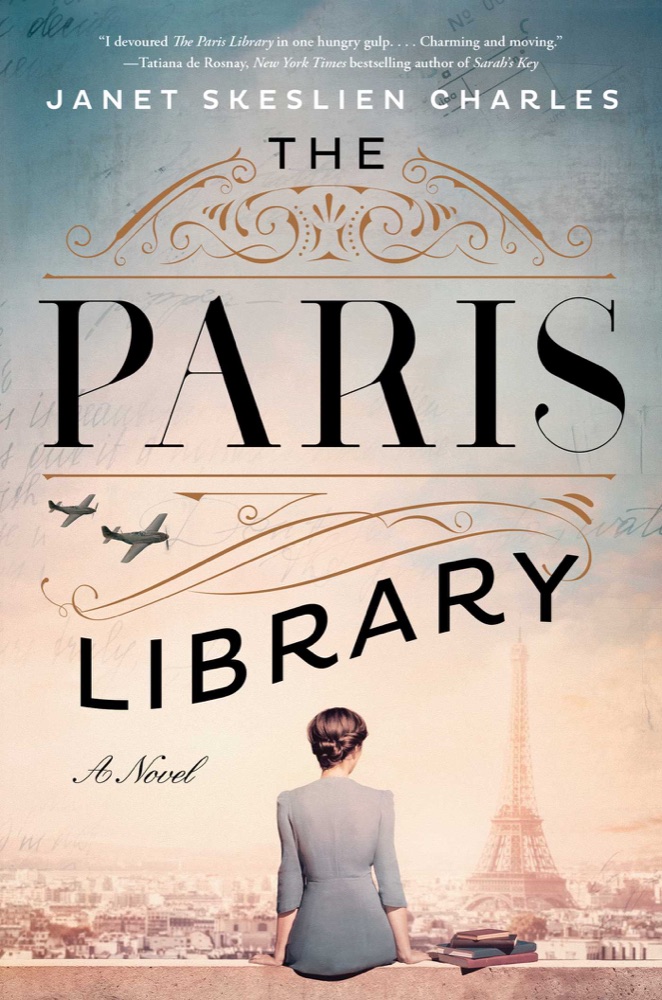 The Paris Library
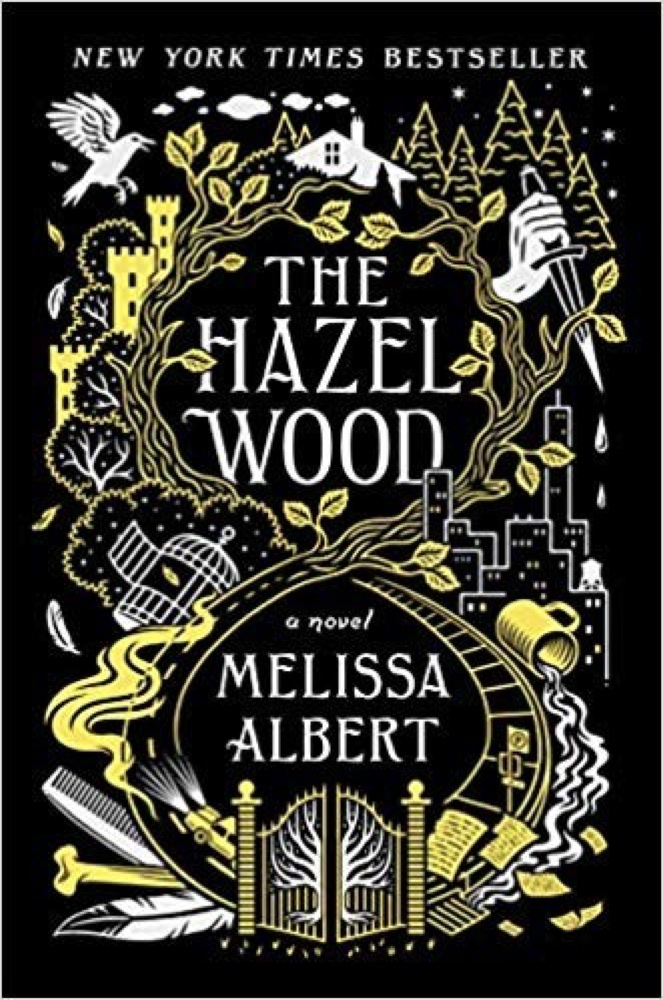 The Hazel Wood
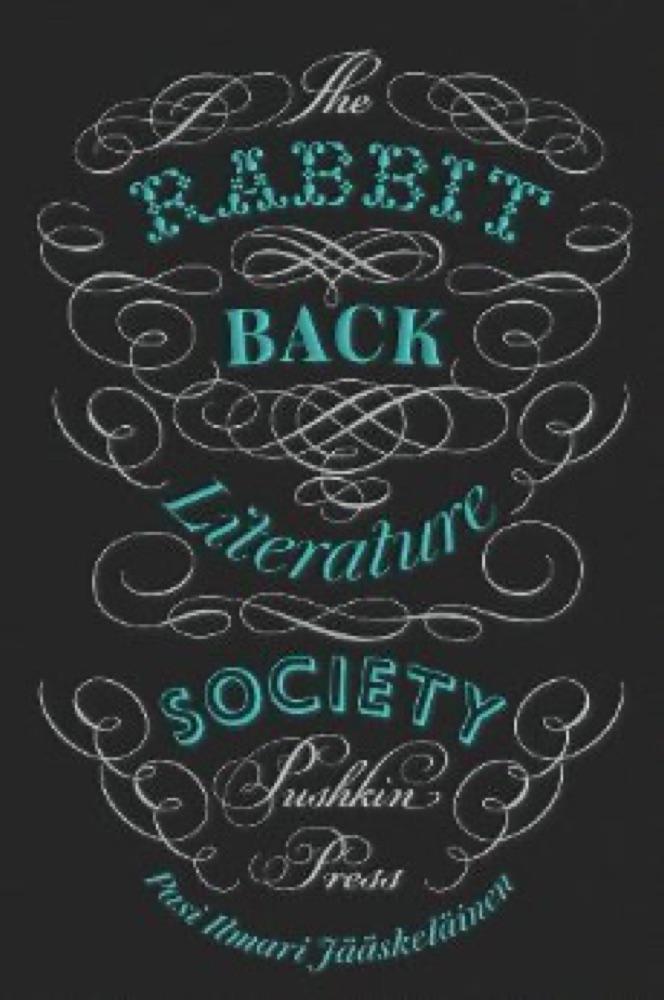 The Rabbit Back Literature Society
 Take the Cannoli
 Dash & Lily's Book of Dares
 Shouldn't You Be in School?
 Smoke and Mirrors: Short Fiction and Illusions
 If on a Winter's Night a Traveler
 The Tropic of Serpents
 A Northern Light
 Inferno
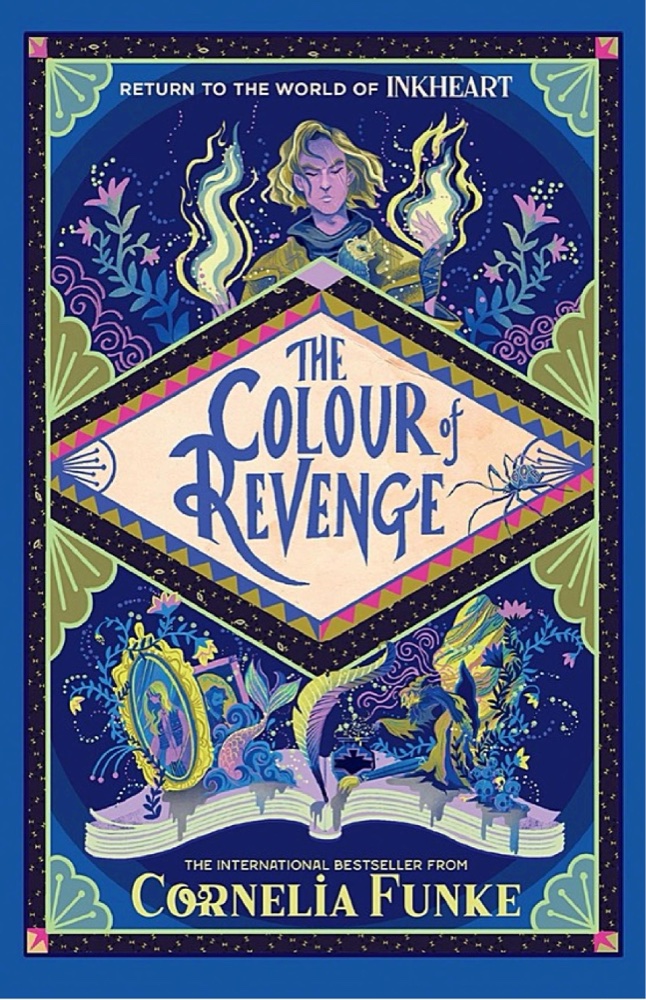 Inkheart
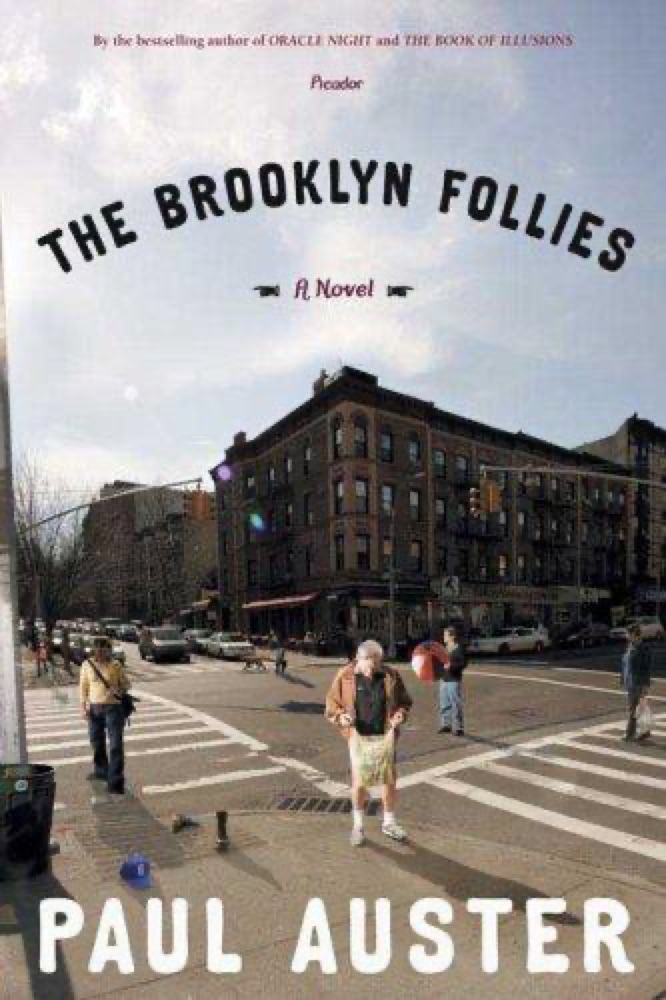 The Brooklyn Follies
 The Summer Without Men
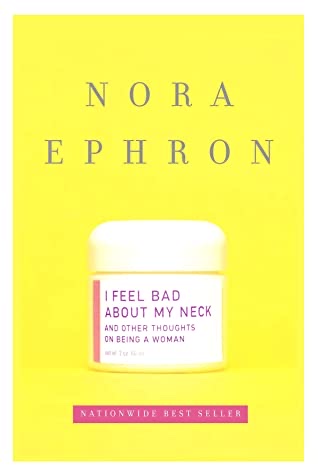 I Feel Bad about My Neck: And Other Thoughts on Being a Woman
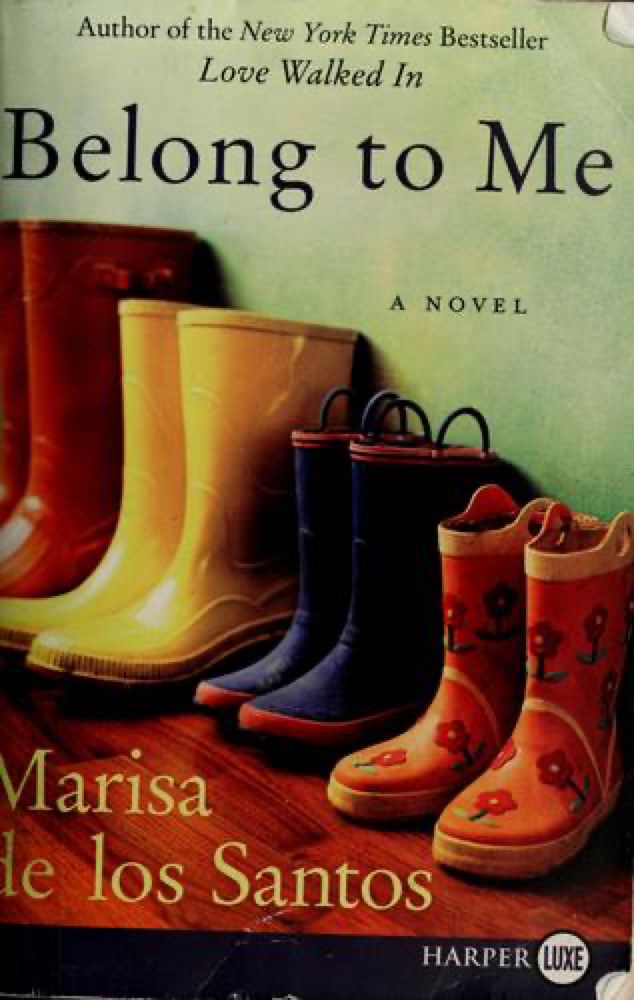 Belong to Me
 Daddy-Long-Legs
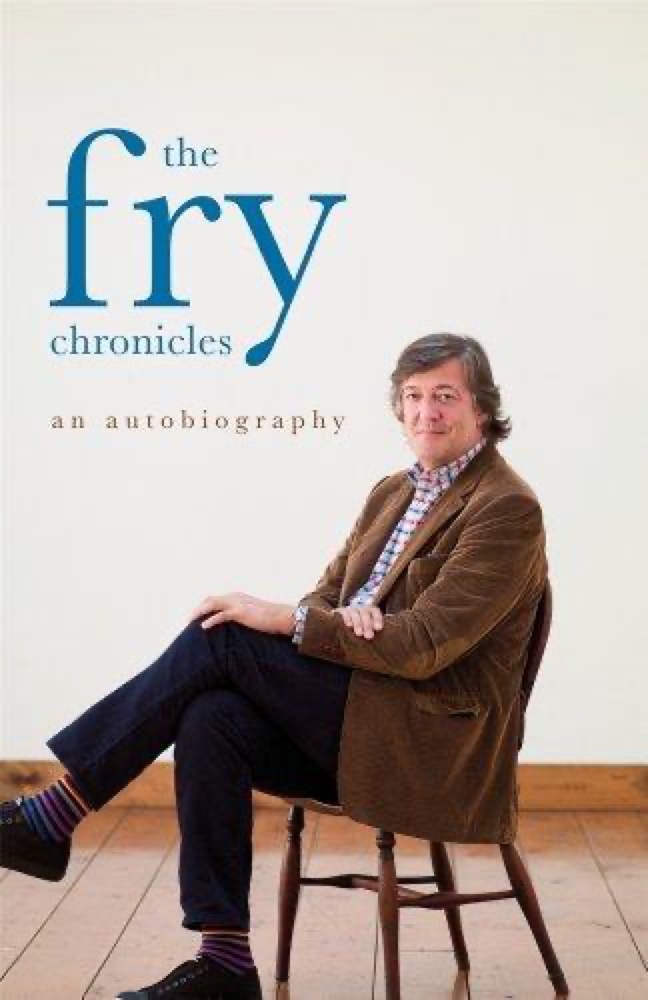 The Fry Chronicles