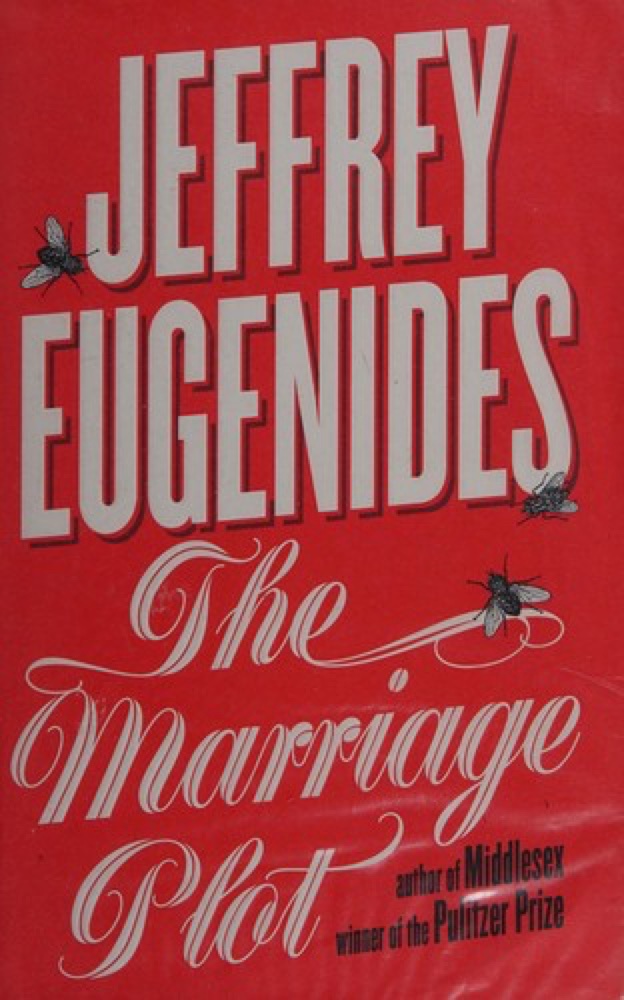
 The Marriage Plot
Quotes from the Book
Reading, she now understood, had been her own choice of rebellion.
24
We love Jane Austen because her characters, as sparkling as they are, are no better and no worse than us. They’re so eminently, so completely, human. I, for one, find it greatly consoling that she had us all figured out.
17
But one can always read Austen.
16
And, yes, sadly, no one else can ever understand your loss. It belongs to you. It impacts only you. And guess what? They don’t need to understand.” Mimi paused. “But you do. You need to fully appreciate how this has changed you, so that you can indeed move on and live, but as this changed person, who might now want different things. Who might now want different people about them.
12
Because—and he still did not understand how people like his brothers could not see this—inside the pages of each and every book was a whole other world.
11
He could disappear inside that world whenever he needed to—whenever he felt the outside world, and other people, pressing in on him—a pressure from social contact and expectations that was surely routine for everyone else, but affected him much more intensely and inexplicably.
11
During the Great War, shell-shocked soldiers had been encouraged to read Jane Austen in particular—Kipling had coped with the loss of his soldier son by reading her books aloud to his family each night—Winston Churchill had recently used them to get through the Second World War.
9
Part of the comfort they derived from rereading was the satisfaction of knowing there would be closure—of feeling, each time, an inexplicable anxiety over whether the main characters would find love and happiness, while all the while knowing, on some different parallel interior track, that it was all going to work out in the end.
8
The humanity—the love for people—mixed with seeing them for who they really are. Loving them enough to do that. Loving them in spite of that.
7
some of us are given too much to bear, and this burden is made worse by the hidden nature of that toll, a toll that others cannot even begin to guess at.
6
Jane Austen knew about money and power, too, Mimi reminded herself, in the specialness of her surroundings that night. Austin saw what lack of money meant for the women in her life, and this consuming fear was what was telegraphed most loudly in all her books, hidden behind the much more palatable workings of the marriage plot. Austin knew that no amount of charity or largesse from their male relatives could ever grant women real independence. Yet, through her genius - - a genius no amount of money or power could buy because it was all inside her head, completely her own - - she had accrued some small degree of autonomy by the end. Enough to work, live, and die on her own terms. It really was a most remarkable achievement, the legacy of those six books, revised and spurred on and cast soley by her own two hands, with no man with inevitably more power or money getting in the way.
5
But inside him, in the place that only books could touch, there remained both a deep unknowing and the deepest, most trenchant pain.
5
If they failed to enjoy or-even-worse finish the book, she wrote them off just as dismissively.
5
Austen saw what lack of money meant for the women in her life, and this consuming fear was what was telegraphed most loudly in all her books, hidden behind the much more palatable workings of the marriage plot.
4
That there might be a place where people were not constantly competing against each other for their very sustenance, but were instead helping each other survive through war and injury and poverty and pain, seemed as much something out of a Jane Austen novel as anything else she could have hoped to find.
4
Mr. Darcy was the perfect example of a man used to being eminently in control, and then within seconds of meeting Elizabeth Bennet, finding himself so at the mercy of his passion for her that he starts doing the very things he condemns and prohibits in everyone else. Terrified by his human vulnerability, Darcy proceeds to do everything to push Lizzie away except accuse her of some unspecified crime and having her carted off.
4
sadly, no one else can ever understand your loss. It belongs to you. It impacts only you. And guess what? They don’t need to understand.” Mimi paused. “But you do. You need to fully appreciate how this has changed you, so that you can indeed move on and live, but as this changed person, who might now want different things. Who might now want different people about them. And, yes, God forbid, different people to love again.
4
It’s no magic prescription, but it’s a start. Reading is wonderful, but it does keep us in our heads. It’s why I can’t read certain authors when I am in low spirits.
4
They say that certain books can really help patients with trauma, and for some reason Jane Austen is one of the ones they recommend. I know she has helped me.
4
Reading Jane Austen was making him identify with Darcy and the thunderclap power of physical attraction that flies in the face of one’s usual judgment.
4
Their two jobs were probably much more alike than either would want to admit. But where the reverend was being asked to change reality through prayer, Dr. Gray was being asked to prescribe hope in the face of reality.
4
You read too much. You read her to much.
4
Mimi shook her head sadly at the young widow. “Adeline, my father killed himself when I was very young, and it impacts me even as we sit here. It is a part of me, that awful, irrevocable act. And I am never going to be quite whole again because of it. You are not the problem: the loss is.
3
I always find it interesting how Jane Austen's fans are always romantics to some degree - when I swear she wrote those books with a goose quill dipped in venom.
3
inside the pages of each and every book was a whole other world.
3
For the world that really existed demanded the pain, and the living with it, and would never let you go even when everything else fell away.
3
It had been nearly seven years, and for the longest time he thought he had been giving something to her by indulging his grief.
3
Watch on YouTube
About Natalie Jenner
We have collected 27 quotes from 1 book by Natalie Jenner on BookQuoters.
More about the author →About the book
2020 Goodreads Choice Award Nominee for Historical Fiction and for Debut Novel!
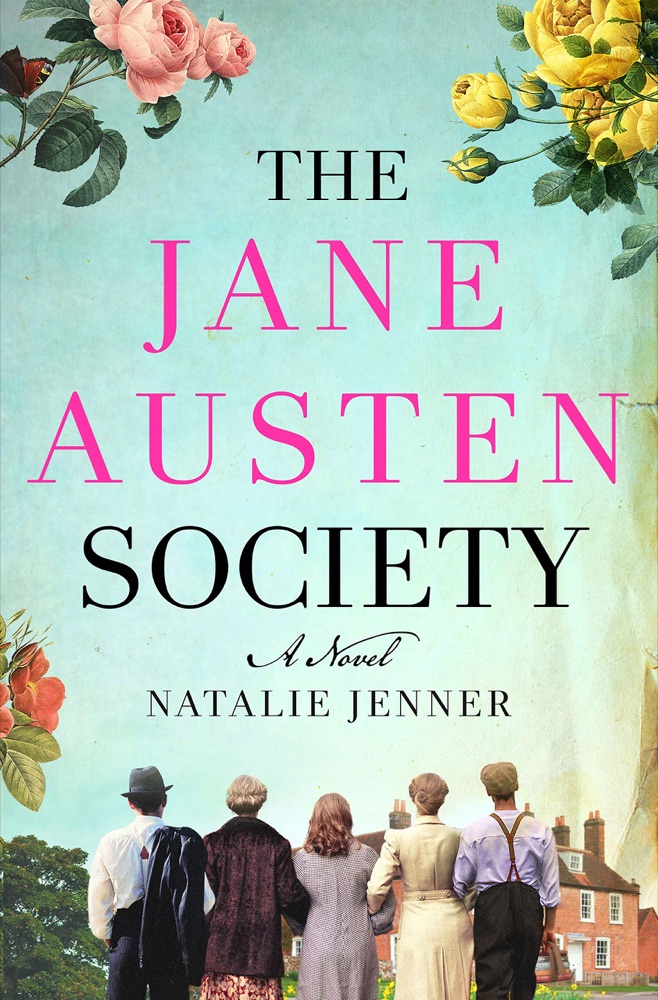
Just after the Second World War, in the small English village of Chawton, an unusual but like-minded group of people band together to attempt something remarkable.
One hundred and fifty years ago, Chawton was the final home of Jane Austen, one of England's finest novelists. Now it's home to a few distant relatives and their diminishing estate. With the last bit of Austen's legacy threatened, a group of disparate individuals come together to preserve both Jane Austen's home and her legacy. These people—a laborer, a young widow, the local doctor, and a movie star, among others—could not be more different and yet they are united in their love for the works and words of Austen. As each of them endures their own quiet struggle with loss and trauma, some from the recent war, others from more distant tragedies
Book details
- First published
- 2020
- Author
- Natalie Jenner
- Genre
- Historical
- Goodreads rating
- 3.73 (54k ratings)
The buzz
- The Washington PostReview in The Washington Postprofessional review (via Book Marks)
- Kirkus ReviewsReview in Kirkus Reviewsprofessional review (via Book Marks)
- Publishers WeeklyReview in Publishers Weeklyprofessional review (via Book Marks)
- BooklistReview in Booklistprofessional review (via Book Marks)
- ThenerddailyReview in Thenerddailyprofessional review (via Book Marks)
- Shelf AwarenessReview in Shelf Awarenessprofessional review (via Book Marks)
Keep reading
The Marriage Plot
 The Last Bookshop in London
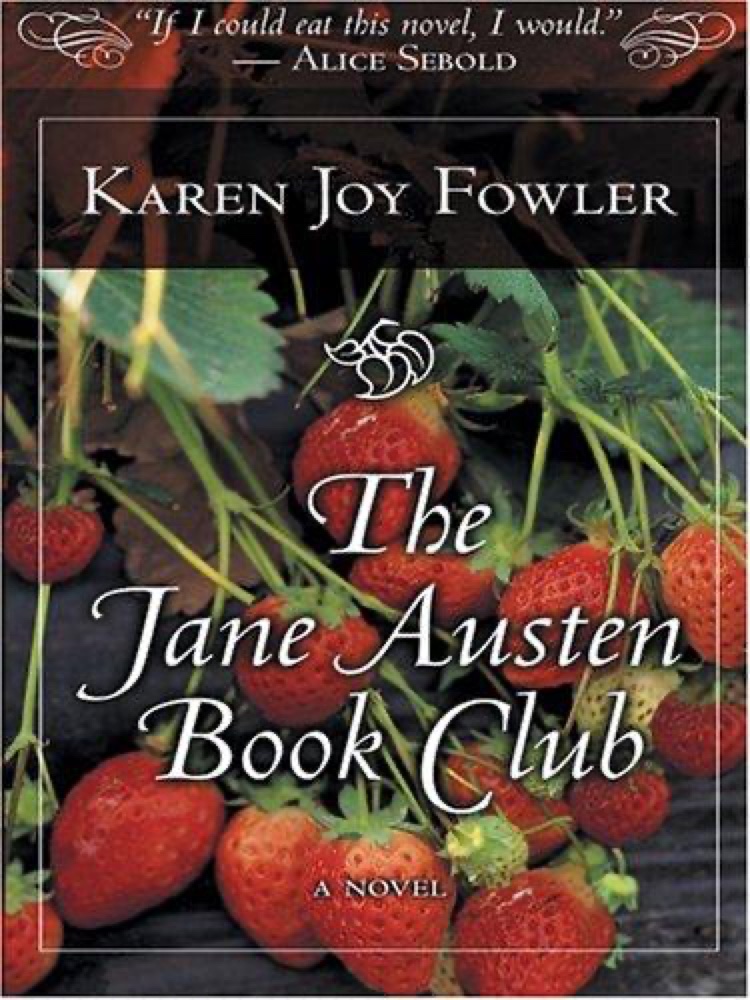 The Jane Austen Book Club
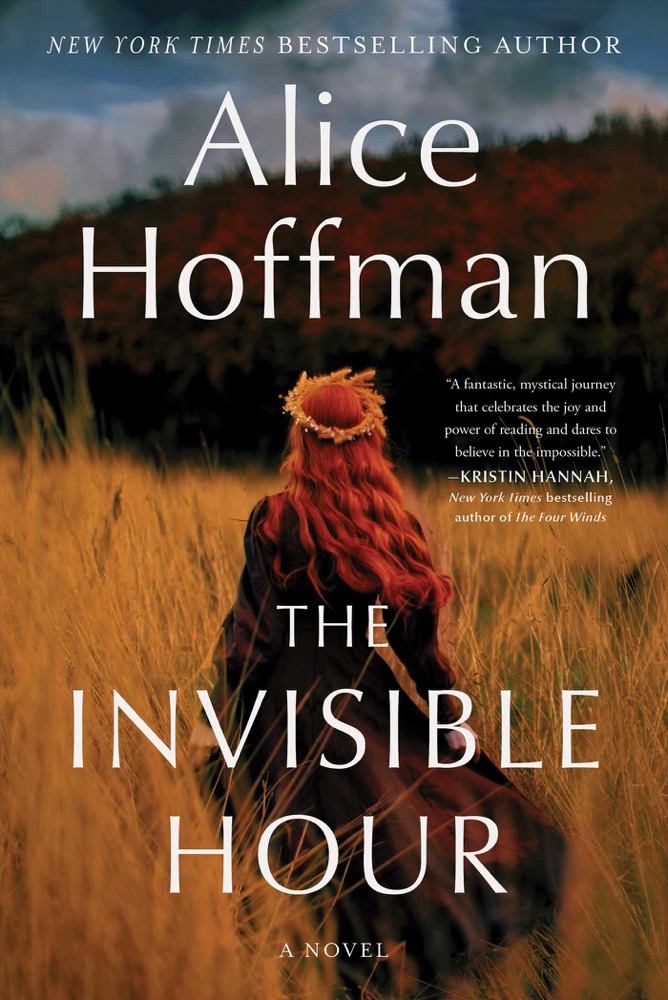 The Invisible Hour
 The Life of Charlotte Brontë
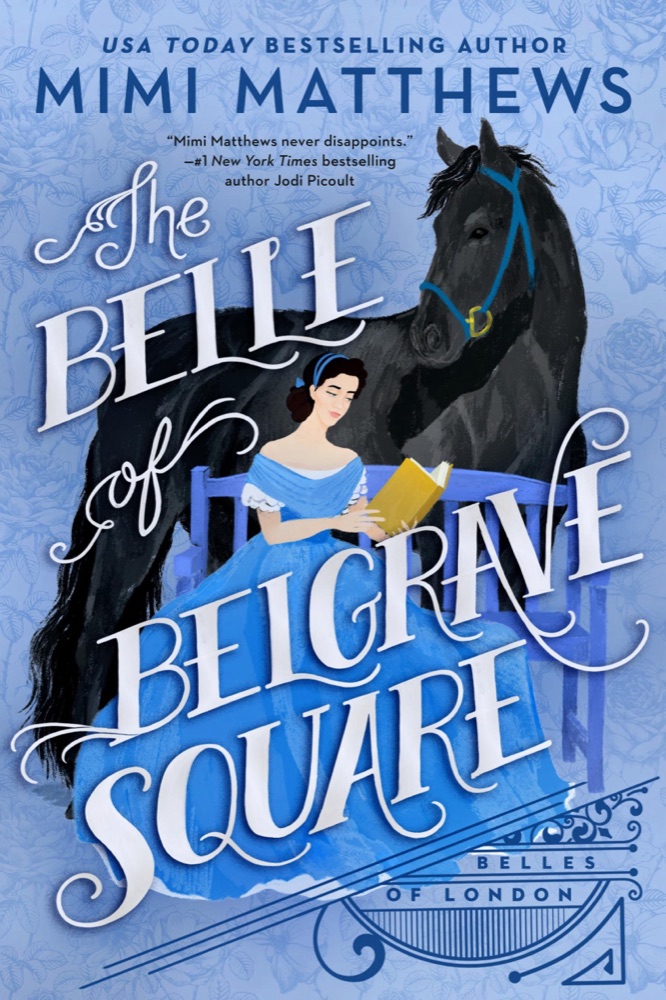 The Belle of Belgrave Square
 The Fraud
 Too Much Happiness: Stories
 The Lost Bookshop
 The Madwoman Upstairs
 Keeper of Enchanted Rooms
 Homecoming
 Lady Jayne Disappears
 What Is Not Yours Is Not Yours
 The Distant Hours
 Inkdeath
 The Swan Thieves
 The Scarlet Letter
 A Reliable Wife
 The Paris Library
 The Marriage of Opposites
 The Book of Love
 The Cat Who Saved the Library
 The Christie Affair
 Blackbird House
 Reading Lolita in Tehran: A Memoir in Books
 Longbourn
 The Library of Lost Things
 A Widow for One Year
 Warlight
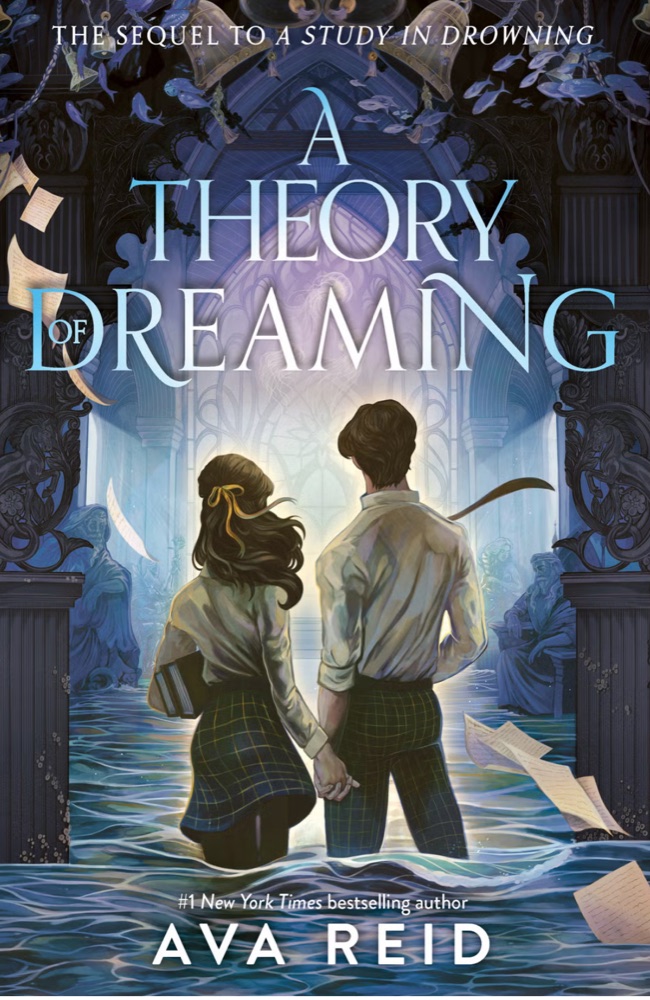 A Theory of Dreaming
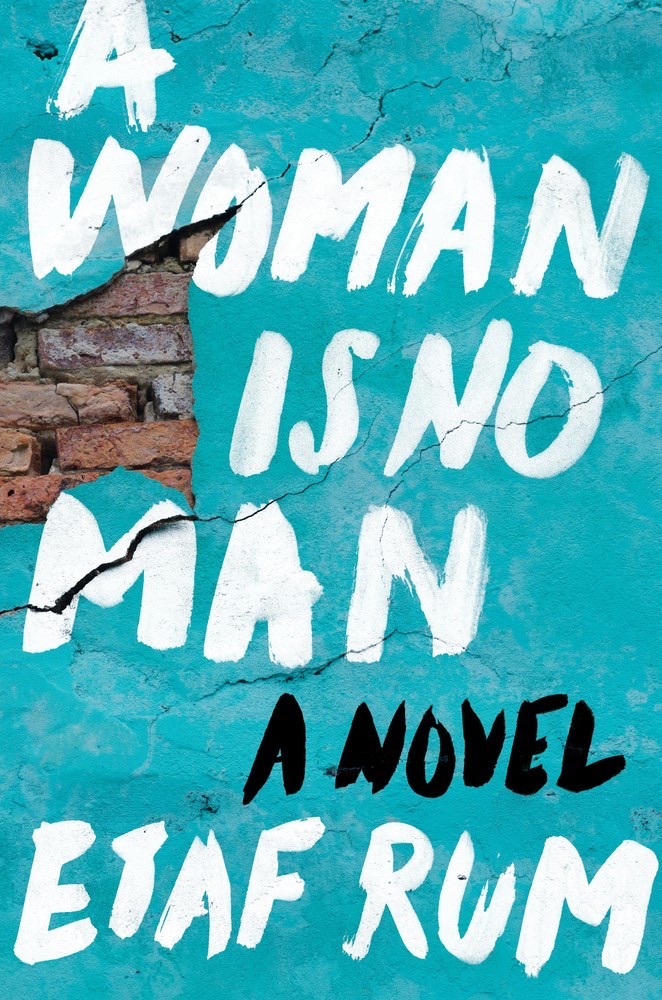 A Woman Is No Man
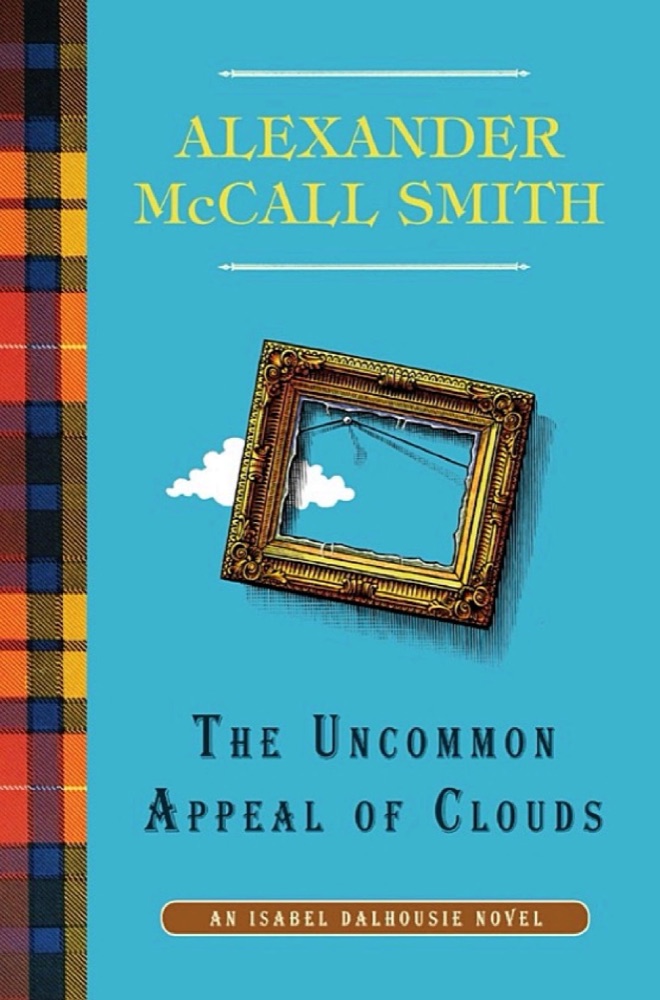 The Uncommon Appeal of Clouds
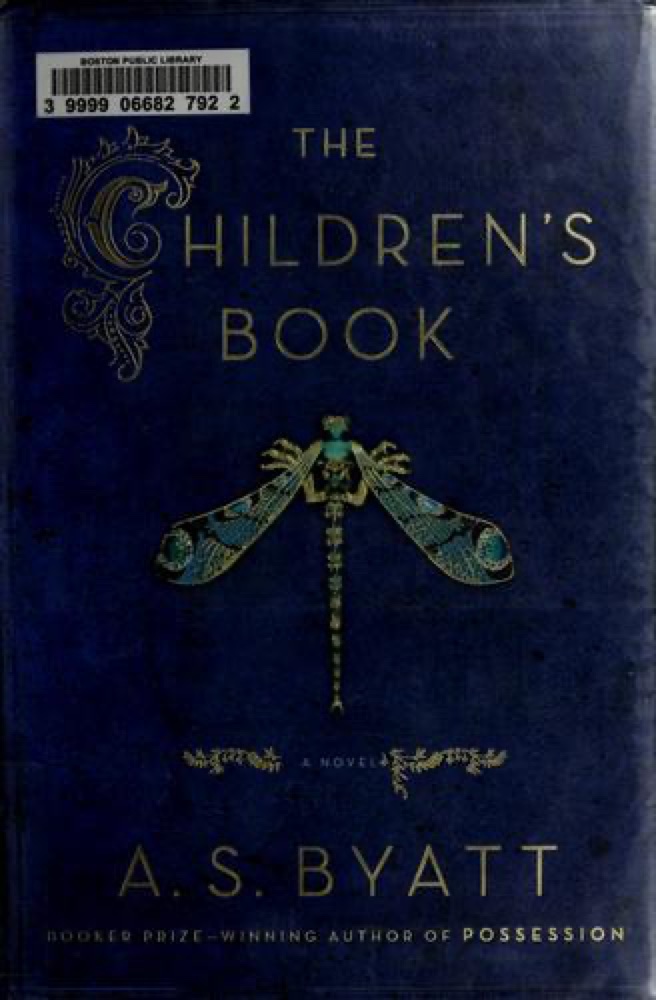 The Children's Book
 Death Watch
 Journey to Munich
 Mohawk
 The Story of the Lost Child
 The Book of Ruth
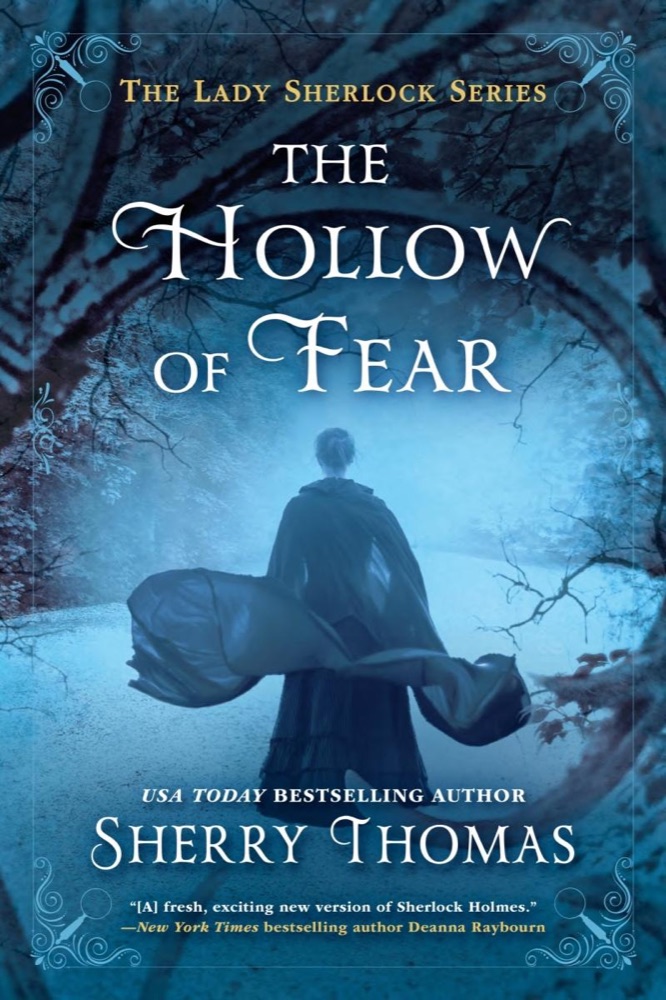 The Hollow of Fear
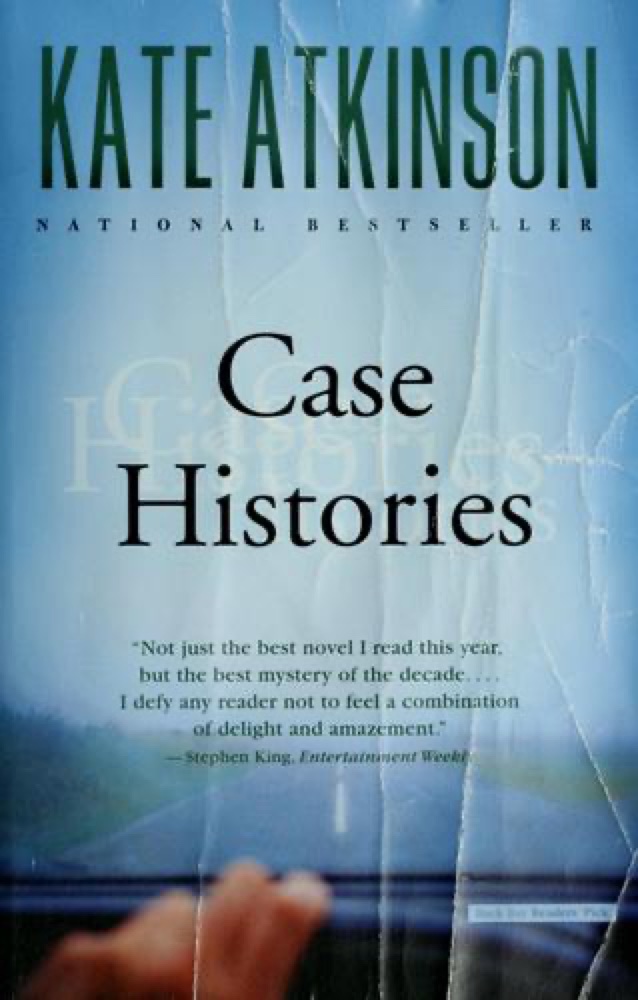 Case Histories
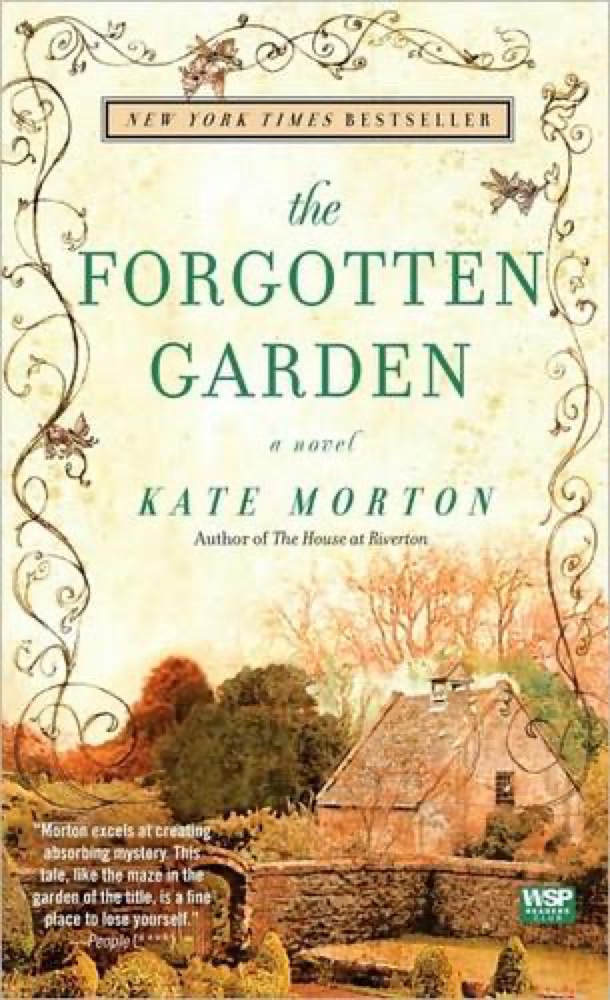 The Forgotten Garden
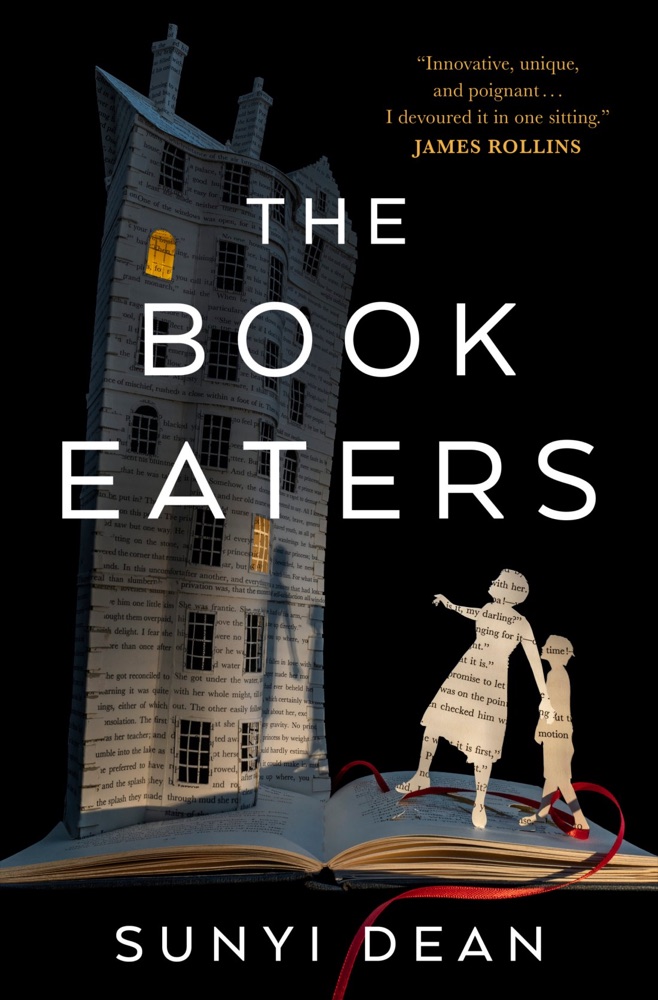 The Book Eaters
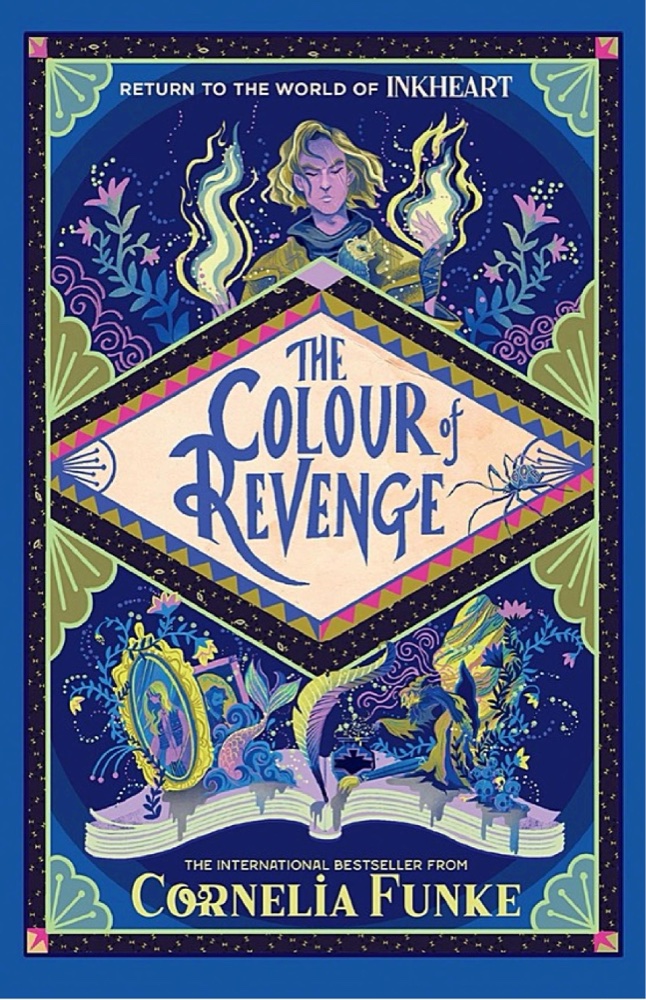 Inkheart
 Horrid
 Confessions of a Jane Austen Addict
 My Life in Middlemarch
 Olive Kitteridge
 Death Comes to Pemberley
 The Paris Bookseller
 A Jane Austen Education: How Six Novels Taught Me About Love, Friendship, and the Things That Really Matter
 With Love from London
 The Magician’s Daughter
 Checkout 19
 The Mill on the Floss
 How Reading Changed My Life
 The English Patient
 The Bookshop at Water's End
 Suggested Reading
 Simply Magic