 Agatha Christie: An Autobiography
Quotes from the Book
I am not sure that digging in our past guilts is a useful occupation for the very old, given that one can do so little about them. I have reached a stage at which one hopes to be forgiven for concentrating on how to get through the present.
24
An important aspect of the ebbing of sex was that other things became interesting. Sex obliterates the individuality of young women more often than it does that of young men, because so much more of a woman than a man is used by sex.
11
To me it was plain silly. It is so obvious that life works in terms of species rather than individuals. The individual just has to be born, to develop to the point at which it can procreate, and then to fall away into death to make way for its successors, and humans are no exception whatever they may fancy.
9
Dwindling energy is one of the most boring things about being old. From time to time you get a day when it seems to be restored, and you can't help feeling that you are 'back to normal', but it never lasts. You just have to resign yourself to doing less--or rather, taking more breaks than you used to in whatever you are doing. In my case I fear that what I most often do less of is my duty towards my companion rather than indulgence of my private inclinations.
5
All through my sixties I felt I was still within hailing distance of middle age, not safe on its shores, perhaps, but navigating its coastal waters. My seventieth birthday failed to change this because I managed scarcely to notice it, but my seventy-first did change it. Being 'over seventy' is being old: suddenly I was aground on that fact and saw that the time had come to size it up.
5
How, then, does the written word work? What part of a reader absorbs it - or should that be a double question: what part of a reader absorbs what part of a text? I think that underneath, or alongside, a reader's conscious response to a text, whatever is needy in him is taking in whatever the text offers to assuage that need.
3
She was an object lesson on the essential luck, whatever hardships may come their way, of those born able to make things.
2
I have heard people bewailing man's landing on the moon, as though before it was touched by an astronaut's foot it was made of silver or mother-of-pearl, and that footprint turned it into gray dust. But the moon never was made of mother-of-pearl, and it still shines as if it were so made.
2
HOW SUCCESSFULLY ONE manages to get through the present depends a good deal more on luck than it does on one’s own efforts. If one has no money, ill health, a mind never sharpened by an interesting education or absorbing work, a childhood warped by cruel or inept parents, a sex life that betrayed one into disastrous relationships…If one has any one, or some, or all of those disadvantages, or any one, or some, or all of others that I can’t bear to envisage, then whatever is said about old age by a luckier person such as I am is likely to be meaningless, or even offensive. I can speak only for, and to, the lucky. But there are more of them than one at first supposes, because the kind of fortune one enjoys, or suffers, does not come only from outside oneself. Of course much of it can be inflicted or bestowed on one by others, or by things such as a virus, or climate, or war, or economic recession; but much of it is built into one genetically, and the greatest good luck of all is built-in resilience.
As children we loved the roses, watched eagerly for the first snowdrops, stroked the velvet of pansy petals, had our other favourite flowers, but the garden was not simply a place to be looked at. We inhabited it: climbed its trees, hid in its bushes, fished tadpoles and newts from its stream, stole its peaches and grapes (which was a sin and therefore more exciting that eating its plums and apples from the branch, which was allowed). And we were given regular tasks such as picking the sweet-peas for Gran and the strawberries and raspberries which were to come to the table that day. Towards the end of each season such tasks became a bit of a chore, but they were never disagreeable, and because they always involved delicious tastes and smells and pleasant leafy sensations, a garden was naturally accepted as a source of sensuous pleasure as well as a place full of beauty.
do still sometimes amuse myself by trying to draw, and wish I had the energy to do so more often because it remains an absorbing occupation. And however far from being an artist my feeble attempts have left me, I am grateful to those classes for one positive result: I am now much better at seeing things than I used to be. That is something often said by people who have tried to draw, and it is a good reason for making the attempt, even in old age, because it adds such a generous pinch of pleasure to one’s days.
Drawings are what artists, great or small, do when they are working their way towards understanding something, or catching something they want to preserve: they communicate with such immediacy that they can abolish time.
Always we are being reflected in the eyes of others. Are we silly or sensible, stupid or clever, bad or good, unattractive or sexy…? We never stop being at least slightly aware of, if not actively searching for, answers to such questions, and are either deflated or elated, in extreme cases ruined or saved, by what we get. So if when you are old a beloved child happens to look at you as if he or she thinks (even if mistakenly!) that you are wise and kind: what a blessing! It’s not that such a fleeting glimpse of yourself can convert you into wiseness and kindness in any enduring way; more like a good session of reflexology which, although it can cure nothing, does make you feel like a better person while it’s going on and for an hour or two afterwards, and even that is well worth having.
What is so good about it is not just the affection young people inspire and how interesting their lives are to watch. They also, just by being there, provide a useful counteraction to a disagreeable element in an old person’s life. We tend to become convinced that everything is getting worse simply because within our own boundaries things are doing so. We are becoming less able to do things we would like to do, can hear less, see less, eat less, hurt more, our friends die, we know that we ourselves will soon be dead…It’s not surprising, perhaps, that we easily slide into a general pessimism about life, but it is very boring and it makes dreary last years even drearier. Whereas if, flitting in and out of our awareness, there are people who are beginning, to whom the years ahead are long and full of who knows what, it is a reminder–indeed it enables us actually to feel again–that we are not just dots at the end of thin black lines projecting into nothingness, but are parts of the broad, many-coloured river teeming with beginnings, ripenings, decayings, new beginnings–are still parts of it, and our dying will be part of it just as these children’s being young is, so while we still have the equipment to see this, let us not waste our time grizzling.
I have nephews, nieces, great-nephews and great-nieces, all of whom make nonsense of gloomy forebodings about modern youth–but they are the two I see most often, so it is they who seem to symbolize my good fortune in this respect. What is so good about it is not just the affection young people inspire and how interesting their lives are to watch. They also, just by being there, provide a useful counteraction to a disagreeable element in an old person’s life. We tend to become convinced that everything is getting worse simply because within our own boundaries things are doing so. We are becoming less able to do things we would like to do, can hear less, see less, eat less, hurt more, our friends die, we know that we ourselves will soon be dead…It’s not surprising, perhaps, that we easily slide into a general pessimism about life, but it is very boring and it makes dreary last years even drearier. Whereas if, flitting in and out of our awareness, there are people who are beginning, to whom the years ahead are long and full of who knows what, it is a reminder–indeed it enables us actually to feel again–that we are not just dots at the end of thin black lines projecting into nothingness, but are parts of the broad, many-coloured river teeming with beginnings, ripenings, decayings, new beginnings–are still parts of it, and our dying will be part of it just as these children’s being young is, so while we still have the equipment
I put my hand on hers. Her head shifted, eyelids heaved up. Her eyes focused. Out of deep in that dying woman came a great flash of recognition and of utmost joy. My brother was there. Later he said, ‘That was a very beautiful smile she gave you.’ It was the love I had never doubted flaming into visibility. I saw what I had always believed in.
much of the painting and sculpture I love best (and such things matter a lot to me) was made by artists who lived long enough ago to believe that heaven and hell were real. In the Correr Museum in Venice, coming suddenly on Dieric Bouts’s little Madonna nursing the Child, I was struck through with delight as I never was by a mother and child by, for example, Picasso or Mary Casson, and I cannot remember being more intensely moved by any painting than by Piero della Francesca’s Nativity.
have accepted a great deal of Christ’s teaching partly because it was given me in childhood by people I loved, and partly because it continues to make sense and the nearer people come to observing it the better I like them (not that they come, or ever have come, very near it, and nor have I).
was living in London, still by great good luck working, sharing a flat with an old friend who had barely enough money to cover his keep, while I had never earned enough to save a penny. Nothing would have made my mother confess that she longed to have me at home with her in Norfolk, but I knew that she did, and I believed that if you are the child of a loving, reliable and generously undemanding woman you owe her this consolation in her last years. I think that for people to look after their children when they are young, and to be looked after by them when they are old, is the natural order of events–although stupid or perverse parents can dislocate it. My mother was not stupid or perverse.
and as for toddlers, I didn’t go so far as to blame them for being what they were, but I did feel that they were tedious to have around except in very small doses.
Watch on YouTube
About Diana Athill
We have collected 20 quotes from 1 book by Diana Athill on BookQuoters.
More about the author →About the book
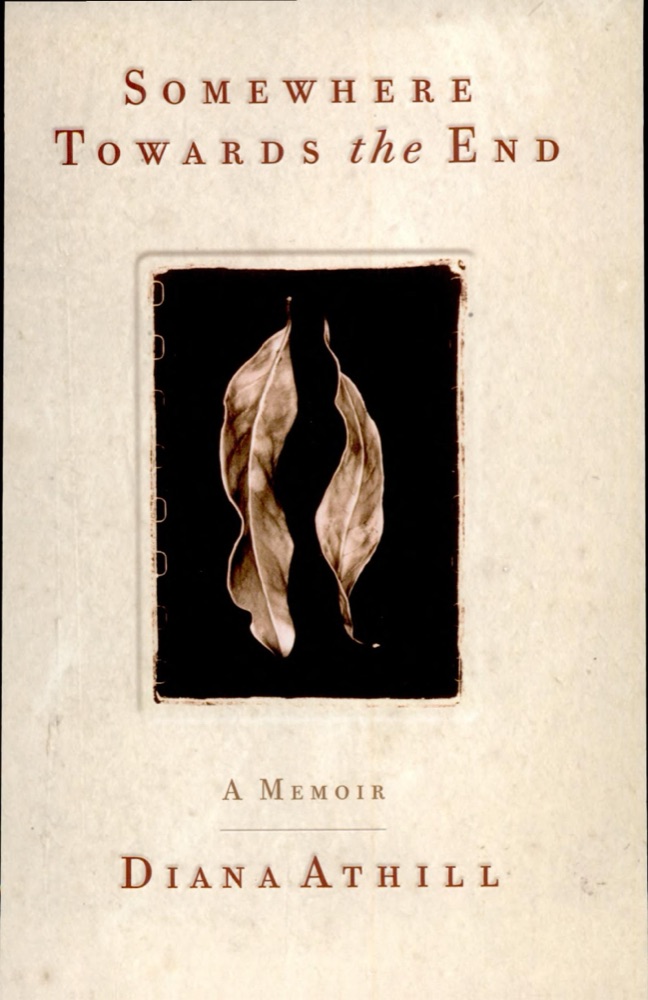
Winner of the 2009 National Book Critics Circle Award in Autobiography and a New York Times bestseller: a prize-winning, critically acclaimed memoir on life and aging ―“An honest joy to read” (Alice Munro). Diana Athill is one of the great editors in British publishing. For more than five decades she edited the likes of V. S. Naipaul and Jean Rhys, for whom she was a confidante and caretaker. As a writer, Diana Athill has made her reputation for the frankness and precisely expressed wisdom of her memoirs. Now in her ninety-first year, "entirely untamed about both old and new conventions" ( Literary Review ) and freed from any of the inhibitions that even she may have once had, Athill reflects candidly, and sometimes with great humor, on the condition of being old―the losses and occasionally the gains that age brings, the wisdom and fortitude required to face death. Distinguished by "rema
Book details
- First published
- 2008
- Author
- Diana Athill
- Genre
- Biography
- Goodreads rating
- 3.72 (3k ratings)
Keep reading
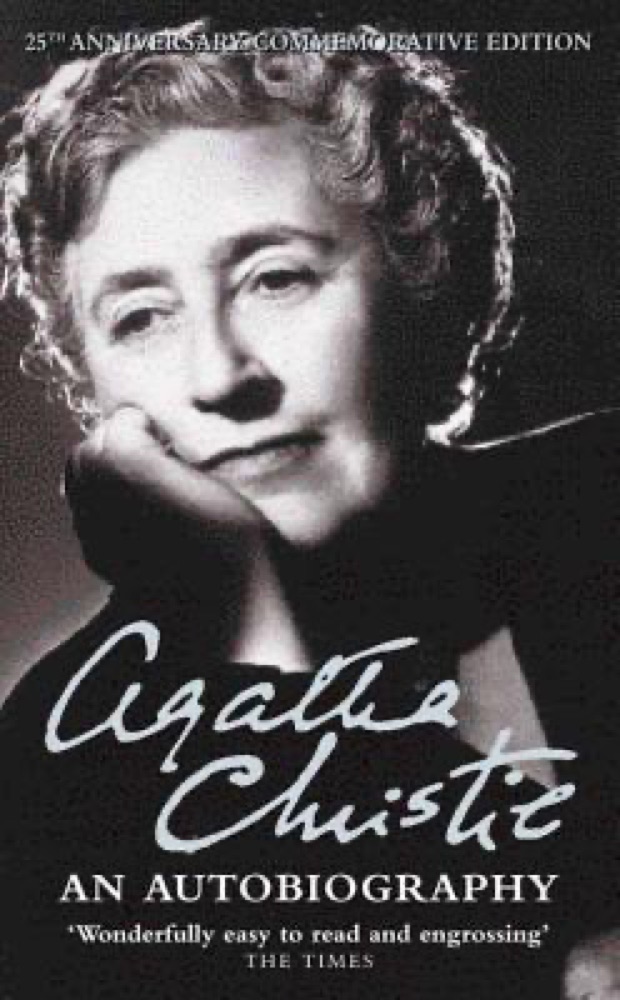
Agatha Christie: An Autobiography
 These Precious Days: Essays
 Asymmetry
 Stories of Your Life and Others
 Journal of a Solitude
 The Post-Birthday World
 A Circle of Quiet
 Life After God
 To Throw Away Unopened
 This Is the Story of a Happy Marriage
 Old Babes in the Wood: Stories
 The Notebooks of Malte Laurids Brigge
 NW
NW
 Crossing to Safety
 The Rainbow Comes and Goes: A Mother and Son on Life, Love, and Loss
 Managing Expectations: A Memoir in Essays – A Poignant Collection of Personal Stories on Acting, Failure, and Motherhood's Joy
 What I Loved
 In Search of Lost Time
 Testament of Youth
 Shadows of the Workhouse
 Anthropology of an American Girl
 Upstream: Selected Essays
 The Book of Delights: Essays
 I Am, I Am, I Am: Seventeen Brushes with Death
 The Place of Tides
 The Sea Keeper's Daughters
 This Is Happiness
 In Search of Our Mothers' Gardens: Womanist Prose
 Now Is the Time to Open Your Heart
 A Year By The Sea: Thoughts of an Unfinished Woman
 Drive Your Plow Over the Bones of the Dead
 Life Itself
 Liberation Day
 Surprised by Joy: The Shape of My Early Life
 Breasts and Eggs
 Jayber Crow
 Winter Hours: Prose, Prose Poems, and Poems
 I. Asimov: A Memoir
 House of Trelawney
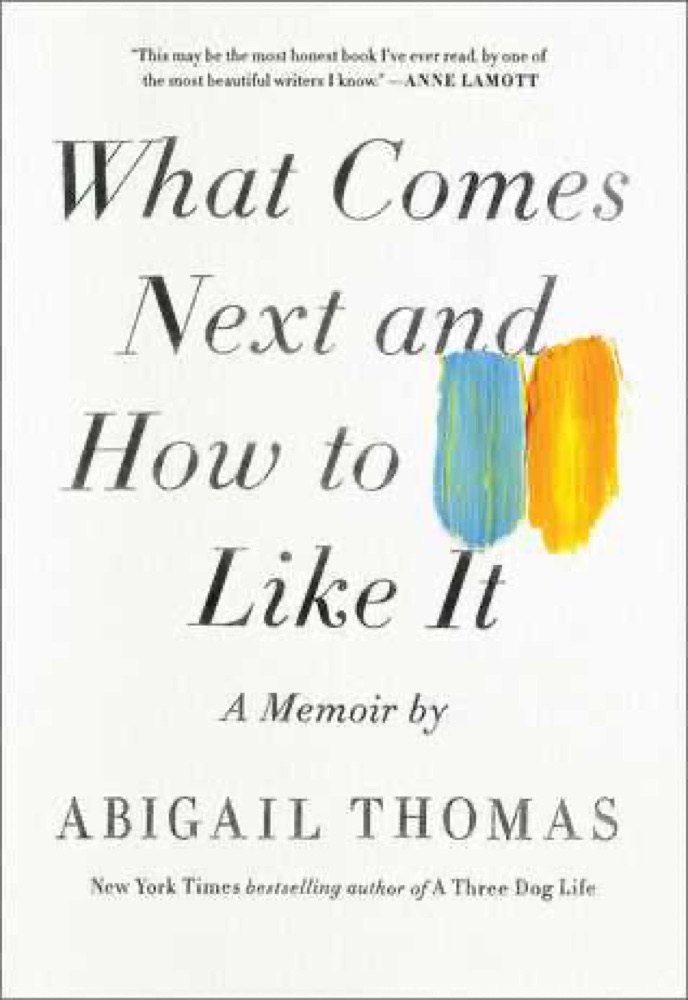 What Comes Next and How to Like It
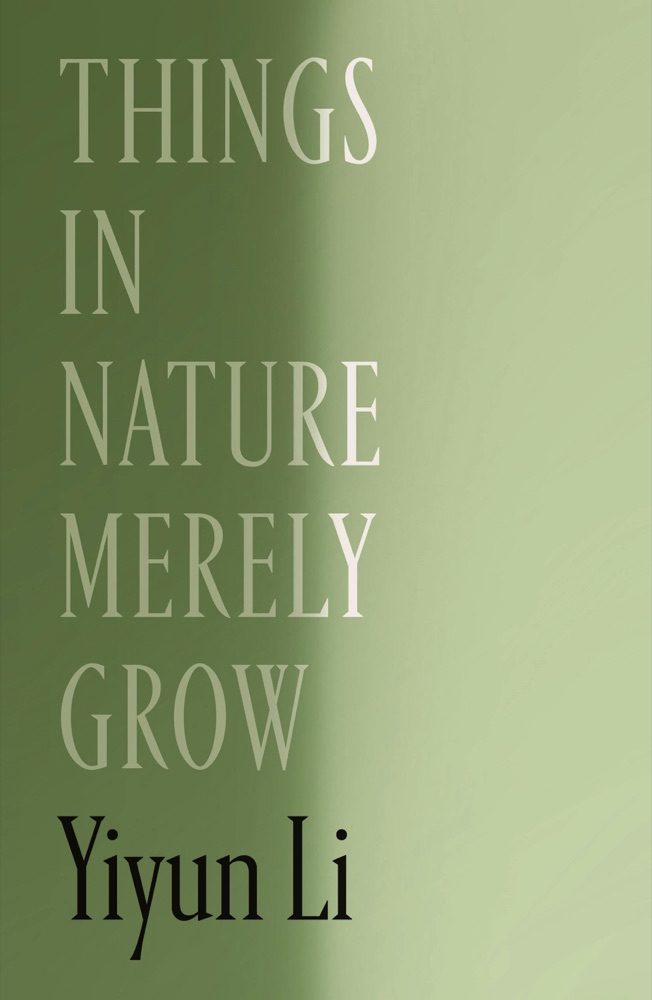 Things in Nature Merely Grow
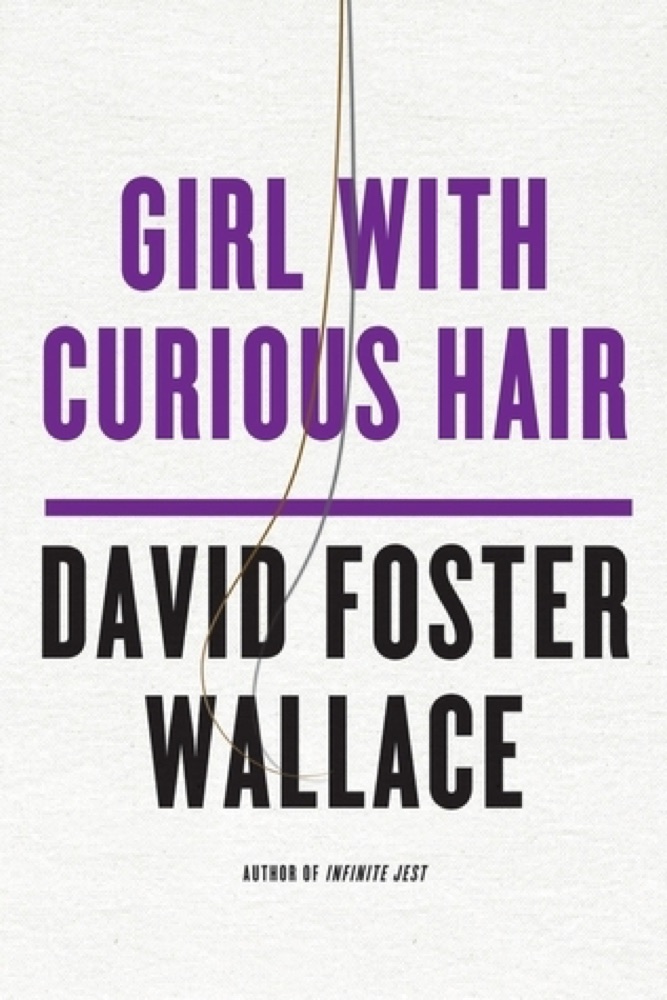 Girl with Curious Hair
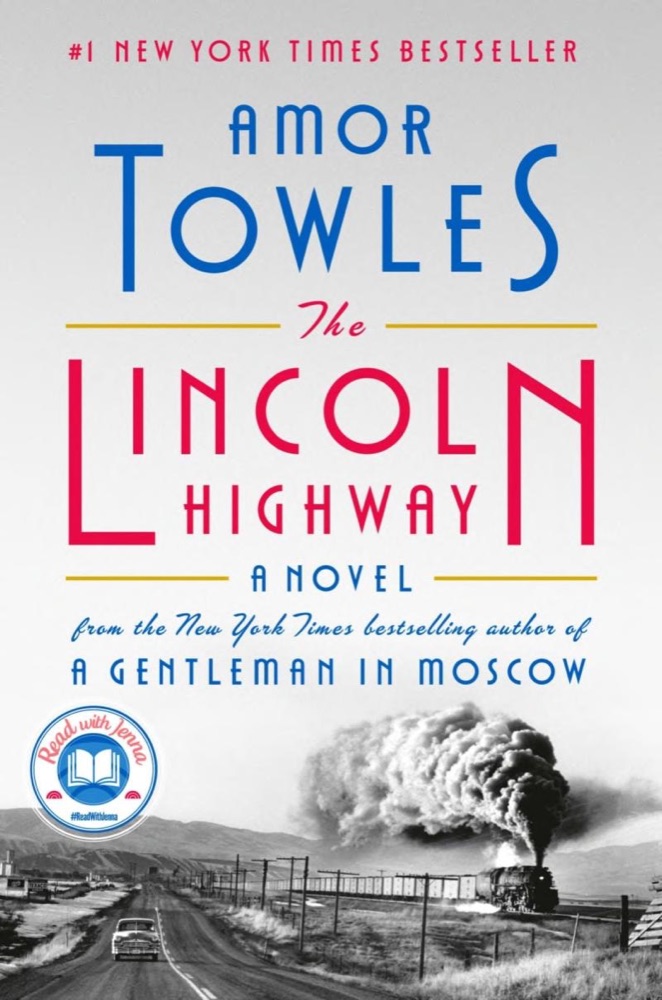 The Lincoln Highway
 No Time To Spare: Thinking About What Matters
 Childhood, Boyhood, Youth
 Dust Tracks on a Road
 Children of the Mind
 Varina
 Dream Count
 Monday or Tuesday
 The Sense of an Ending
 The Book of Goose
 Flaubert's Parrot
 The Goldfinch
 Still Life
 Grace (Eventually): Thoughts on Faith
 I Remember Nothing: and Other Reflections
 The Book of Love
 First Person Singular: Stories
 Cancer Ward