
 When Nietzsche Wept
Quotes from the Book
Walking is among the most life-affirming of human activities. It is the way we organize space and orient ourselves to the world at large. It is the living proof that repetition—placing one foot in front of the other—can in fact allow a person to make meaningful progress.
11
As it turns out, to ‘become who you are’ is not about finding a ‘who’ you have always been looking for. It is not about separating ‘you’ off from everything else. And it is not about existing as you truly ‘are’ for all time. The self does not lie passively in wait for us to discover it. Selfhood is made in the active, ongoing process, in the German verb werden, 'to become'.
9
Set for yourself goals, high and noble goals, and perish in pursuit of them!
7
Marrying,” Schopenhauer tells us, “means to grasp blindfolded into a sack hoping to find an eel amongst an assembly of snakes.
6
All truly great thoughts,” Nietzsche informs his reader in The Twilight of the Idols, “are conceived while walking.
5
If there was any meaning to life, it had to be found in suffering.
4
TO BE IGNORANT OF WHAT OCCURRED before you were born is to remain always a child.
4
Terror has its uses. The questions that scare us the most are precisely the ones that deserve our full and immediate attention.
3
When one’s life is completely controlled by powerful masters, the discipline of self-denial gives a slave something to do on his own terms. Indeed, it becomes the one thing a slave accomplishes on his own behalf. The slave has few options at his disposal: he can will nothing and be wholly controlled by his master, or he can set his will in motion in the ongoing process of self-negation. The slave has a choice between nonaction, which would eventually bring about his demise, and action, willful but self-abnegating, which would hasten this eventuality. Nietzsche thinks the decision is all too obvious: humans would rather destroy themselves than embody the passivity of willing nothing at all.
2
Become what you are”:
2
Being a parent is to live out such a disjunction between duty and personal freedom—to love a child with one’s entire being, but to preserve something of one’s identity that parenting cannot touch. Nietzsche explains how this divided self is not only possible but inevitable.
1
Being a responsible adult is, among other things, often to resign oneself to a life that falls radically short of the expectations and potentialities that one had or, indeed, still has. It is to become what one has always hoped to avoid.
1
Either suffering is the meaning of life, or there is no meaning of life.
1
When one spends time reading—and falls in love with—a particular philosopher, he gradually begins to confuse the world of objective fact with an imagined one of ideals and beliefs.
1
I smiled for the camera. A grinning domesticated animal. By the time we reached the bottom, the picture would have been posted to Facebook and “liked” dozens of times. I’d be expected to “like” the “likes”, and the friendship of sheep would continue unabated.
1
I try to remember the shepherd-ferryman, to eat cheese between meals, and to do my best to become rather than to obsessively seek and control.
1
Schopenhauer’s philosophical pessimism struck his mother, Johanna, as wholly out of sync with life, or at least with hers. He was as difficult personally as he was philosophically, prone to long spells of depression and sudden fits of rage. He paid damages for twenty years to a woman he’d physically assaulted (she was talking too loudly outside his door). When Schopenhauer was twenty-six, Johanna wrote to her son, informing him of the obvious—he was impossible. She described the negative effects he had on his companions, suggesting that he move far away from her. He did. They never saw each other again. She died twenty-four years later. After being estranged from his second parent, Schopenhauer spent the remaining forty-six years of his life alone, cultivating a reputation as the Continent’s bachelor-turned-hermit. This is not to suggest
In the philological community the publishing of The Birth of Tragedy in 1872 had created a rift between the literalists and the existentialists. The literalists held that the point of studying the origins of language was to “get it right”—to cut through the limits of interpretation in order to grasp the meaning of words as the ancients once understood them. Nietzsche, and a small band of existential philologists, held that this sort of intellectual time travel was both anachronistic and impossible—that the “task of the philologist is that of understanding his own age better by means of the classical world.” The point of historical study was to enrich the present moment of experience.
Traditional religious routes to salvation had been cut off in the early decades of the nineteenth century: German “higher criticism,” a form of biblical scholarship that read the Gospels as historical documents rather than the word of God, undermined the Church’s spiritual and existential authority; contemporary capitalism hit its stride, replacing the cross with the almighty dollar sign; and modern science—epitomized by Darwin’s discoveries in the middle of the century—only further eroded religious faith. One could have faith—and experience moments of deep, nearly divine meaning—but only in the tangible, observable flow of existence.
It is only as an aesthetic experience,” Nietzsche insists in The Birth of Tragedy, “that existence and the world are eternally justified.
It is not in our hands,” Nietzsche writes in The Twilight of the Idols, “to prevent our birth but we can correct this mistake … the man who does away with himself performs the most estimable of deeds.
Watch on YouTube
About John Kaag
We have collected 21 quotes from 1 book by John Kaag on BookQuoters.
More about the author →About the book
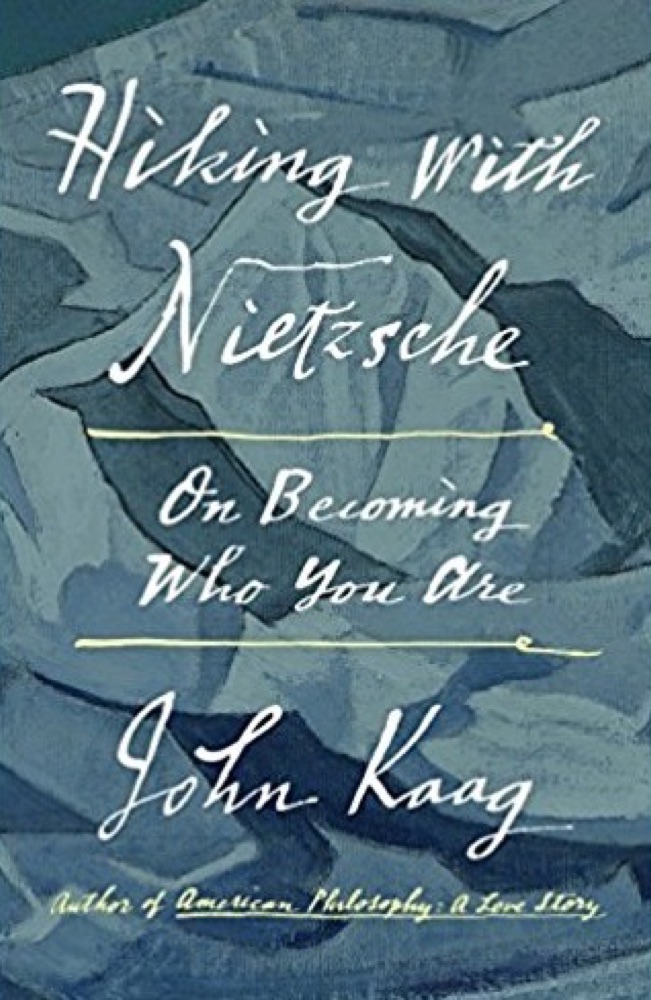
A revelatory Alpine journey in the spirit of the great Romantic thinker Friedrich NietzscheHiking with Nietzsche: Becoming Who You Are is a tale of two philosophical journeys--one made by John Kaag as an introspective young man of nineteen, the other seventeen years later, in radically different circumstances: he is now a husband and father, and his wife and small child are in tow. Kaag sets off for the Swiss peaks above Sils Maria where Nietzsche wrote his landmark work Thus Spoke Zarathustra. Both of Kaag's journeys are made in search of the wisdom at the core of Nietzsche's philosophy, yet they deliver him to radically different interpretations and, more crucially, revelations about the human condition.
Just as Kaag's acclaimed debut, American Philosophy: A Love Story, seamlessly wove together his philosophical discoveries with his search for meaning, Hiking with Nietzsche is a fas
Book details
- First published
- 2018
- Author
- John Kaag
- Genre
- Philosophy
- Goodreads rating
- 3.65 (3k ratings)
Keep reading
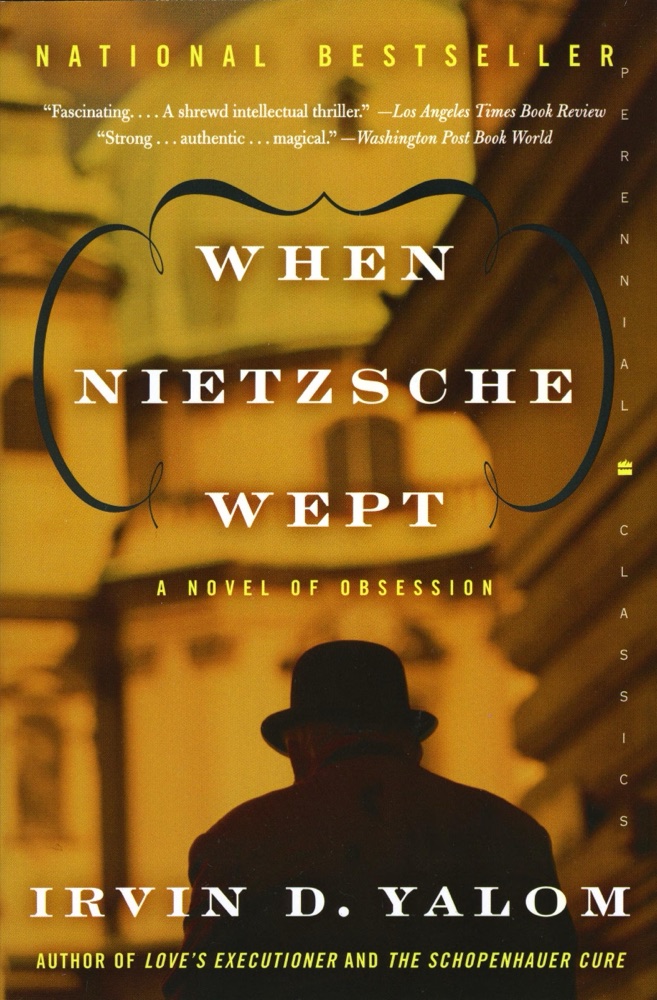
When Nietzsche Wept
 Untimely Meditations
 The Schopenhauer Cure
 Basic Writings of Nietzsche
 Twilight of the Idols
 On the Suffering of the World
 The Ethics of Ambiguity
 The World as Will and Representation, Vol 1
 The Myth of Sisyphus
 At the Existentialist Café
 A Joseph Campbell Companion: Reflections on the Art of Living
 Existential Psychotherapy
 The Perennial Philosophy
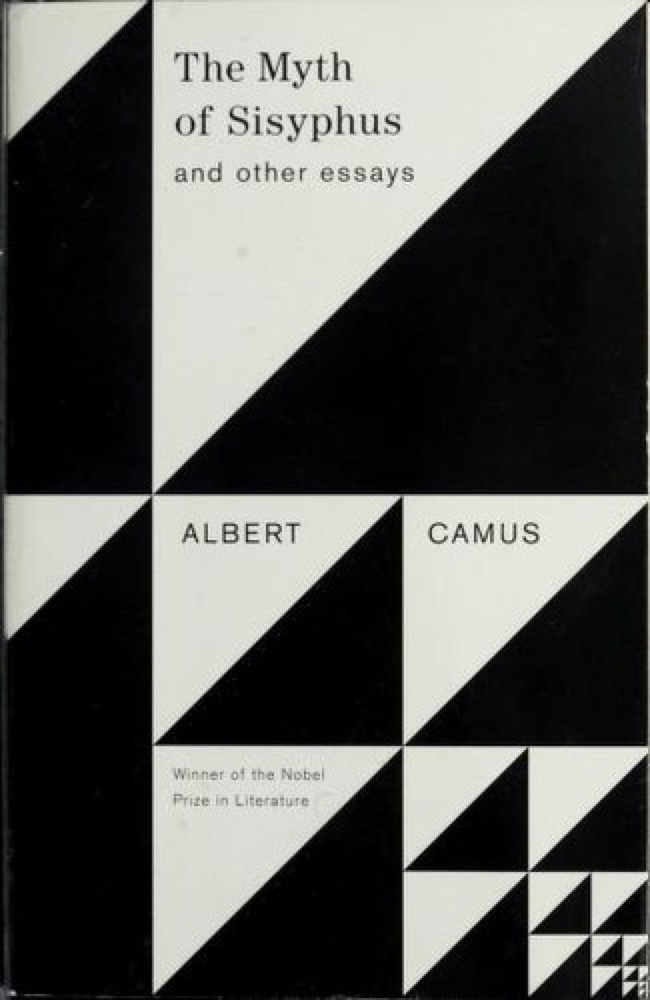 The Myth of Sisyphus and Other Essays
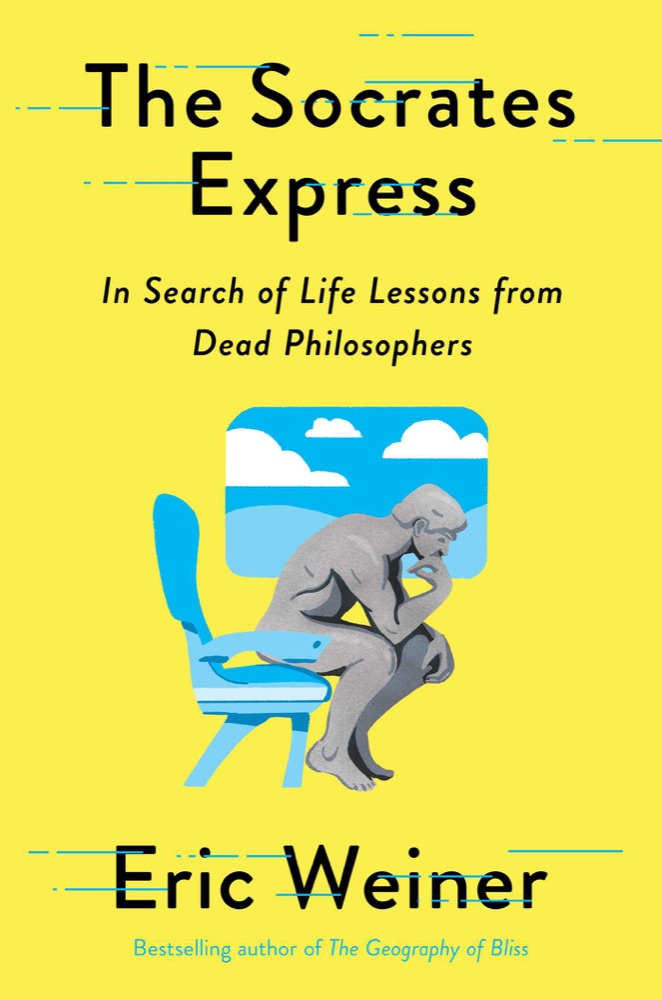 The Socrates Express: In Search of Life Lessons from Dead Philosophers
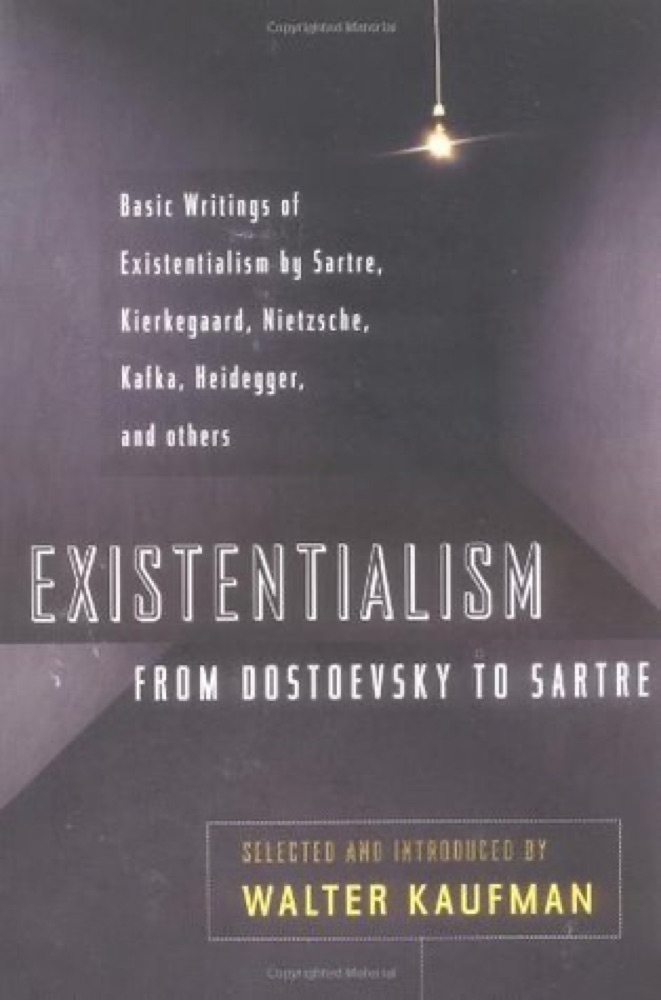 Existentialism from Dostoevsky to Sartre
 Eyeless in Gaza
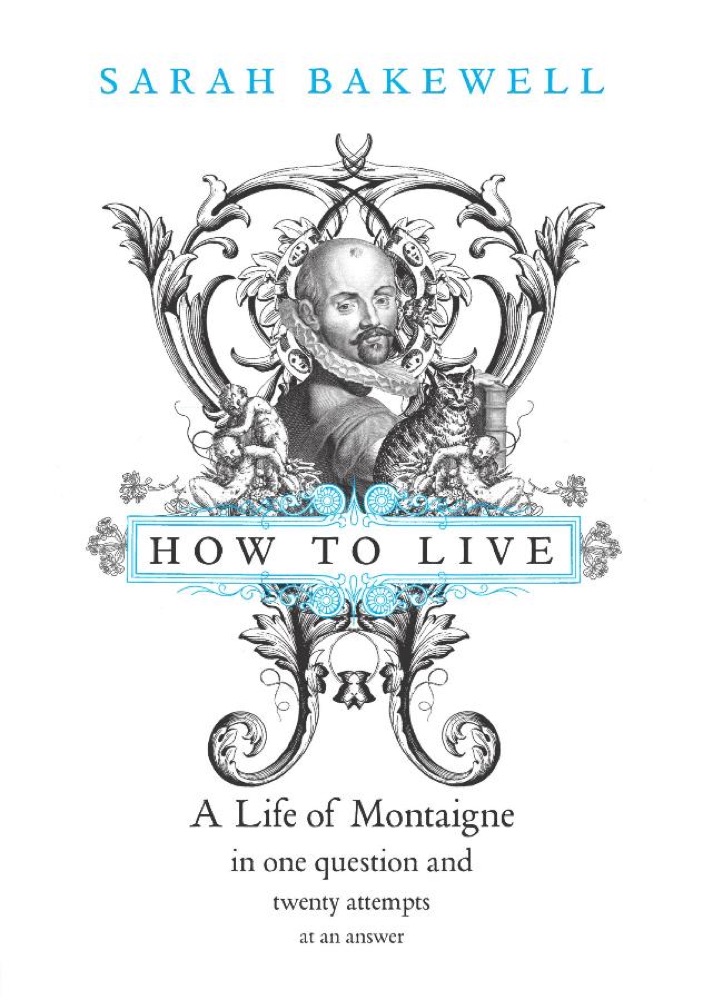 How to Live: A Life of Montaigne in One Question and Twenty Attempts at an Answer
 Man's Search for Meaning
 Finding Meaning in the Second Half of Life: How to Finally, Really Grow Up
 In Search of Lost Time
 Man's Search for Ultimate Meaning
 The Zürau Aphorisms
 Myths to Live By
 Correction
 The Fall
 Nothing to Be Frightened Of
 If You Meet the Buddha on the Road, Kill Him! The Pilgrimage of Psychotherapy Patients
 The Ides of March
 The Book: On the Taboo Against Knowing Who You Are
 Irrational Man: A Study in Existential Philosophy
 The Philosopher and the Wolf
 Demian
 The Book of Laughter and Forgetting
 The Consolations of Philosophy
 A Confession
 The Man Without Qualities
 Immortality
 The Denial of Death
 Six Characters in Search of an Author
 The Second Mountain
 The Magus
 The Wisdom of Life
 Tragic Sense of Life
 Knife: Meditations After an Attempted Murder
 Man and His Symbols
 Tears and Saints
 Point Counter Point
 The Magic Mountain
 The Sickness Unto Death: A Christian Psychological Exposition for Upbuilding and Awakening
 On the Heights of Despair
 Memories, Dreams, Reflections
 The Brothers Karamazov
 The Varieties of Religious Experience
 Love and Will
 Two Years Eight Months and Twenty-Eight Nights
 Gravity and Grace
 The Soul's Code: In Search of Character and Calling
 How to Be Perfect: The Correct Answer to Every Moral Question