
 History and Utopia
Quotes from the Book
Is it possible that existence is our exile and nothingness our home?
407
Tell me how you want to die, and I’ll tell you who you are.
155
Read day and night, devour books—these sleeping pills—not to know but to forget! Through books you can retrace your way back to the origins of spleen, discarding history and its illusions.
118
Good health is the best weapon against religion. Healthy bodies and healthy minds have never been shaken by religious fears.
54
Death makes no sense except to people who have passionately loved life. How can one die without having something to part from? Detachment is a negation of both life and death. Whoever has overcome his fear of death has also triumphed over life. For life is nothing but another word for this fear.
45
As long as one believes in philosophy, one is healthy; sickness begins when one starts to think.
32
If truth were not boring, science would have done away with God long ago. But God as well as the saints is a means to escape the dull banality of truth.
27
Someday the old shack we call the world will fall apart. How, we don’t know, and we don’t really care either. Since nothing has real substance, and life is a twirl in the void, its beginning and its end are meaningless.
25
The only interesting philosophers are the ones who have stopped thinking and have begun to search for happiness.
21
Religion comforts us for the defeat of our will to power. It adds new worlds to ours, and thus brings us hope of new conquests and new victories. We are converted to religion out of fear of suffocating within the narrow confines of this world.
20
There is a whole range of melancholy: it begins with a smile and a landscape and ends with the clang of a broken bell in the soul
18
The more one is obsessed with God, the less one is innocent. Nobody bothered about him in paradise. The fall brought about this divine torture. It’s not possible to be conscious of divinity without guilt. Thus God is rarely to be found in an innocent soul.
18
Philosophy is a corrective against sadness. Yet there still are people who believe in the profundity of philosophy!
13
The Romans were not wiped out by the invasions of the barbarians, nor by the Christian virus, but by a more subtle evil, boredom.
11
I cannot differentiate between tears and music' (Nietzsche). Whoever is not immediately struck by the profundity of this statement has not lived for a minute in the intimacy of music. I know no other music than that of tears. Born out of the loss of paradise, music gives birth to the symbols of this loss: tears.
10
To win the guilty kiss of a saint, I'd welcome the plague as a blessing.
9
Cu cât înaintezi în viaţă, îţi dai seama că nimic nu înveţi, ci regresezi în amintire. Este ca şi cum am imita o lume pe care am trăit-o cândva.
8
All that is Life in me urges me to give up God.
8
The initial revelation of any monastery: everything is nothing. Thus begin all mysticisms. It is less than one step from nothing to God, for God is the positive expression of nothingness.
8
All great conversions are born from the sudden revelation of life's meaninglessness. Nothing could be more moving or more impressive than this sudden apprehension of the void of existence.
7
Ce-i vom raspunde oarbei care se plange in poezia lui Rilke: «nu mai pot trai asa cu cerul pe mine»? Oare am mangaia-o de i-am spune ca nu mai putem trai cu pamantul sub noi?
7
Există o întreagă gamă a melancoliei: începe prin surâs şi peisaj şi sfârşeşte în dangăt de clopot spart în suflet. De aici, gustul diferit al lacrimilor.
7
There are no solutions, only cowardice masquerading as such.
7
A harmonious being cannot believe in God. Saints, criminals, and paupers have launched him, making him available to all unhappy people.
7
All nihilists have wrestled with God. One more proof of his kinship with nothingness. After you have trampled everything underfoot, his is the last bastion of nothingness left.
5
About Emil M. Cioran
We have collected 135 quotes from 6 books by Emil M. Cioran on BookQuoters.
More about the author →More by Emil M. Cioran
All books by Emil M. Cioran →
About the book
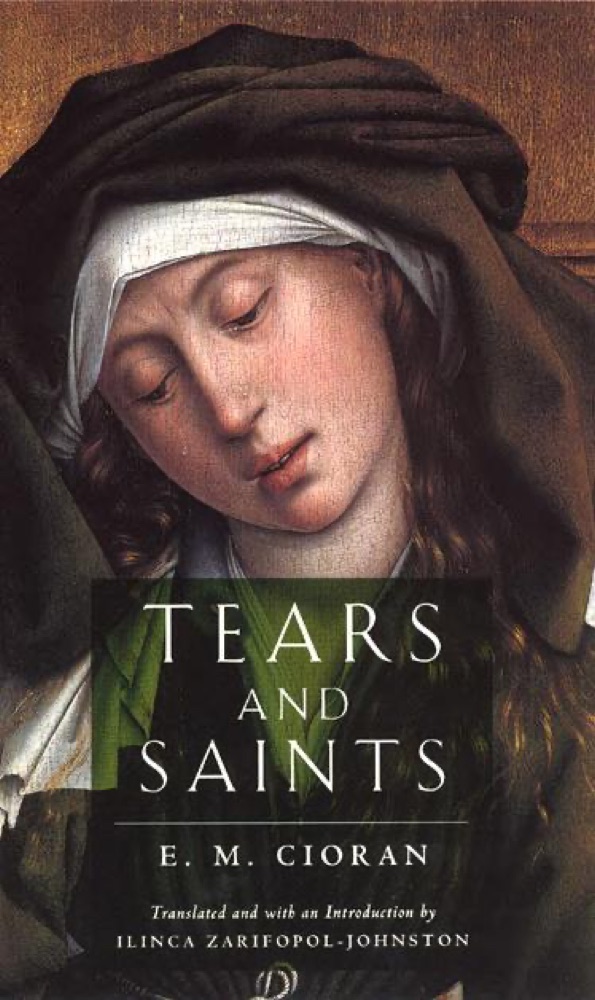
By the mid-1930s, Emil Cioran was already known as a leader of a new generation of politically committed Romanian intellectuals. Researching another, more radical book, Cioran was spending hours in a library poring over the lives of saints. As a modern hagiographer, Cioran "dreamt" himself "the chronicler of these saints' falls between heaven and earth, the intimate knower of the ardors in their hearts, the historian of God's insomniacs." Inspired by Nietzsche's Beyond Good and Evil , Cioran "searched for the origin of tears." He asked himself if saints could be "the sources of tears' better light."
"Who can tell?" he wrote in the first paragraph of this book, first published in Romania in 1937. "To be sure, tears are their trace. Tears did not enter the world through the saints; but without them we would never have known that we cry because we long for a lost paradise." By following in
Book details
- First published
- 1937
- Author
- Emil M. Cioran
- Genre
- Philosophy
- Goodreads rating
- 4.05 (3k ratings)
Keep reading
 On the Heights of Despair
 A Short History of Decay
 Twilight of the Idols/The Anti-Christ
 Orthodoxy
 The Myth of Sisyphus
 The Gay Science
 The Temptation to Exist
 The Anti-Christ
 The Varieties of Religious Experience
 Demons
 Gravity and Grace
 Eyeless in Gaza
 Tragic Sense of Life
 The Fall
 The Sickness Unto Death: A Christian Psychological Exposition for Upbuilding and Awakening
 The Perennial Philosophy
 The Schopenhauer Cure
 Moravagine
 The Everlasting Man
 The Fall of Hyperion
 The World as Will and Representation, Vol 1
 A Pilgrimage to Eternity: From Canterbury to Rome in Search of a Faith
 Forge of Darkness
 Stella Maris
 The Conspiracy Against the Human Race
 The Seven Storey Mountain
 Heretics
 Father Joe: The Man Who Saved My Soul
 The Consolation of Philosophy
 The Brothers Karamazov
 A Confession
 The Treasured Writings of Kahlil Gibran
 The Island of the Day Before
 Foucault's Pendulum
 The Darkness That Comes Before
 The Seven Moons of Maali Almeida
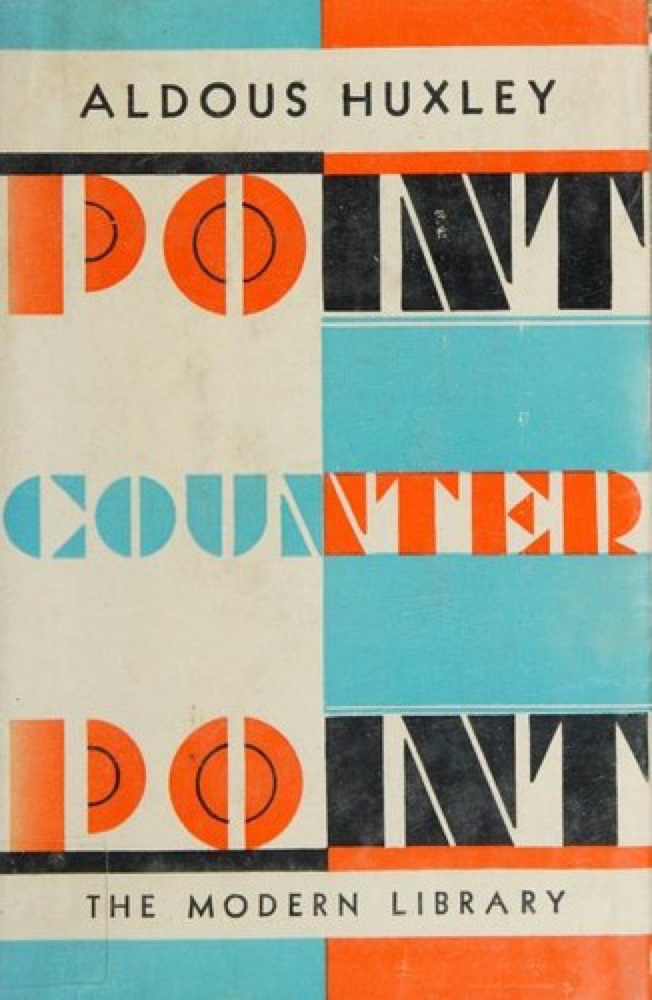 Point Counter Point
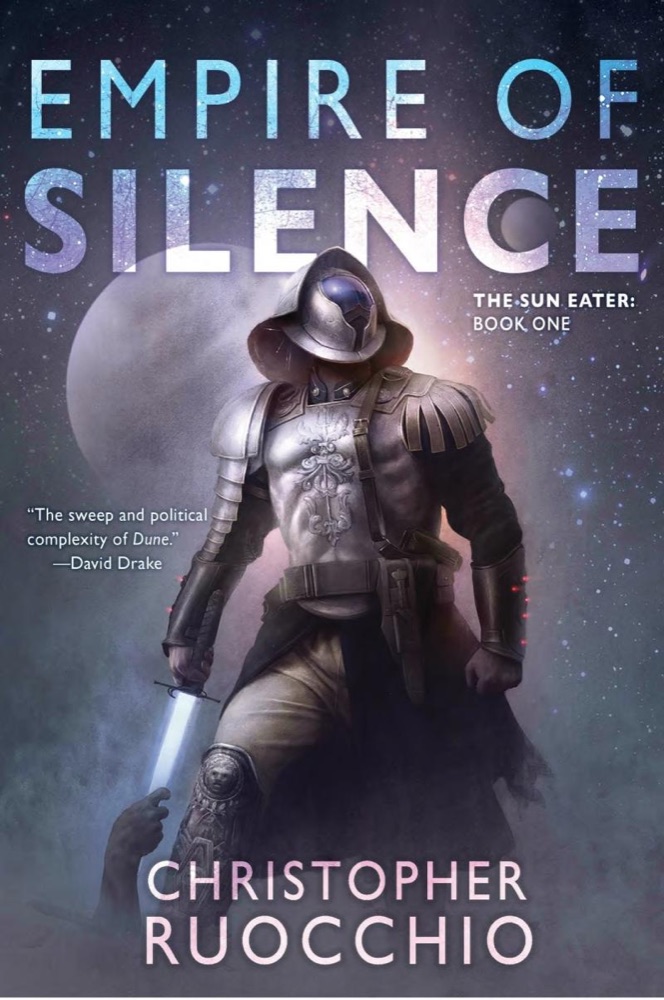 Empire of Silence
 Pensées
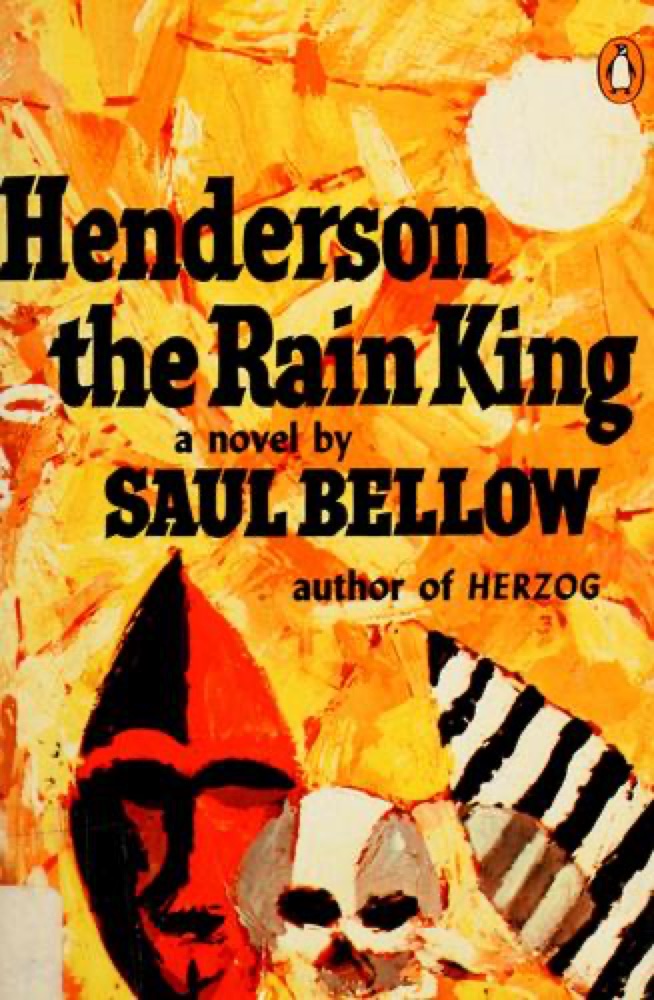 Henderson the Rain King
 The Revolt of the Angels
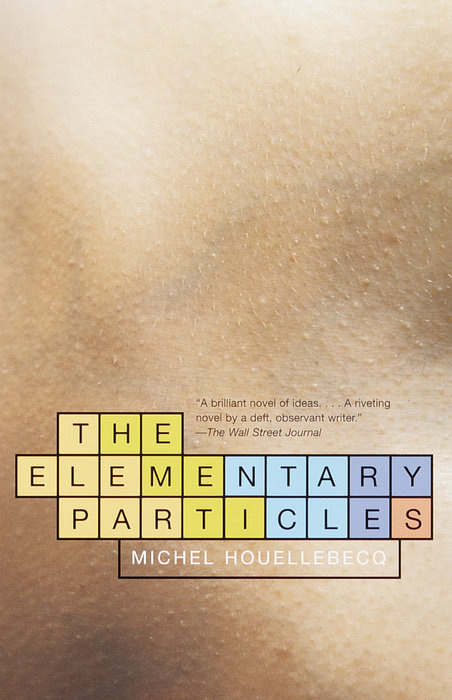 The Elementary Particles
 The Man Without Qualities
 Why I Am An Atheist: An Autobiographical Discourse
 Saint Francis
 Correction
 Children of God
 The Story of My Experiments With Truth
 Daniel Deronda
 The Claw of the Conciliator
 Laurus
 Either/Or: A Fragment of Life
 The Great Divorce
 The Setting Sun
 Persian Letters
 The Star Diaries
 Melmoth the Wanderer
 The Empusium
 In Search of Lost Time
 The Fall of Babel