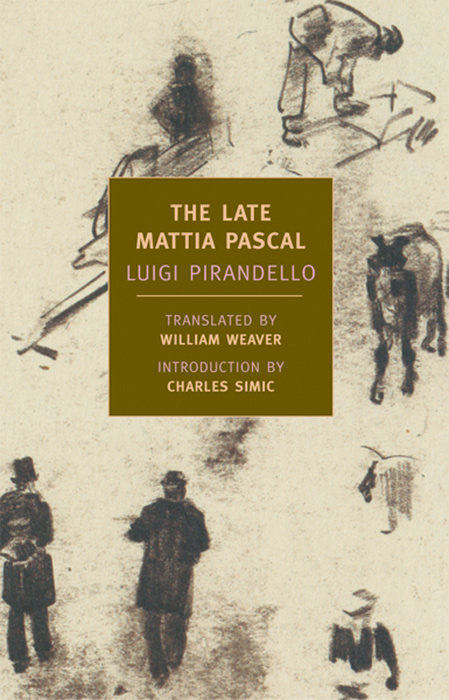
 The Late Mattia Pascal
Quotes from the Book
Life is full of strange absurdities, which, strangely enough, do not even need to appear plausible, since they are true.
THE FATHER: But don't you see that the whole trouble lies here? In words, words. Each one of us has within him a whole world of things, each man of us his own special world. And how can we ever come to an understanding if I put in the words I utter the sense and value of things as I see them; while you who listen to me must inevitably translate them according to the conception of things each one of you has within himself. We think we understand each other, but we never really do.
If only we could see in advance all the harm that can come from the good we think we are doing.
For man never reasons so much and becomes so introspective as when he suffers ; since he is anxious to get at the cause of his sufferings, to learn who has produced them, and whether it is just or unjust that he should have to bear them. On the other hand, when he is happy, he takes his happiness as it comes and doesn't analyse it, just as if happiness were his right.
We all have a world of things inside ourselves and each one of us has his own private world. How can we understand each other if the words I use have the sense and the value that I expect them to have, but whoever is listening to me inevitably thinks that those same words have a different sense and value, because of the private world he has inside himself, too.
When a character is born, he acquires at once such an independence, even of his own author, that he can be imagined by everybody even in many other situations where the author never dreamed of placing him; and so he acquires for himself a meaning which the author never thought of giving him.
But only in order to know if you, as you really are now, see yourself as you once were with all the illusions that were yours then, with all the things both inside and outside of you as they seemed to you - as they were then indeed for you. Well, sir, if you think of all those illusions that mean nothing to you now, of all those things which don't even seem to you to exist any more, while once they were for you, don't you feel that - I won't say these boards - but the very earth under your feet is sinking away from you when you reflect that in the same way this you as you feel it today - all this present reality of yours - is fated to seem a mere illusion to you tomorrow?
Thus, sir, you see when faith is lacking, it becomes impossible to create certain states of happiness, for we lack the necessary humility. Vaingloriously, we try to substitute ourselves for this faith, creating thus for the rest of the world a reality which we believe after their fashion, while, actually, it doesn't exist.
What is the stage? It's a place, baby, you know, where people play at being serious, a place where they act comedies. We've got to act a comedy now, dead serious.
Why are you so anxious to destroy in the name of a vulgar, commonplace sense of truth, this reality which comes to birth attracted and formed by the magic of the stage itself, which has indeed more right to live here than you, since it is much truer than you -- if you don't mind my saying so?
One gives way to the temptation, only to rise from it again, afterwards, with a great eagerness to reestablish one's dignity, as if it were a tombstone to place on the grave of one's shame, and a monument to hide and sign the memory of our weaknesses. Everybody's in the same case. Some folks haven't the courage to say certain things, that's all! THE STEP-DAUGHTER: All appear to have the courage to do them though.
Un personaggio, signore, può sempre domandare a un uomo chi è. Perché un personaggio ha veramente una vita sua, segnata di caratteri suoi, per cui è sempre «qualcuno». Mentre un uomo – non dico lei, adesso – un uomo così in genere, può non essere «nessuno».
The man, the writer, the instrument of the creation will die, but his creation does not die.
Every true man, sir, who is a little above the level of the beasts and plants does not live for the sake of living, without knowing how to live; but he lives so as to give a meaning and a value of his own to life.
Nowhere! It is merely to show you that one is born to life in many forms, in many shapes, as tree, or as stone, as water, as butterfly, or as woman. So one may also be born a character in a play.
Because I suffer, sir! I'm not philosophizing: I'm crying aloud the reason of my sufferings. THE
But a fact is like a sack which won't stand up when it is empty. In order that it may stand up, one has to put into it the reason and sentiment which have caused it to exist.
We want to live. THE MANAGER (ironically). For Eternity? THE FATHER No, sir, only for a moment... in you.
Ours is an immutable reality which should make you shudder when you approach us if you are really conscious of the fact that your reality is a mere transitory and fleeting illusion, taking this form today and that tomorrow,
For man never reasons so much and becomes so introspective as when he suffers;
I don't know to what author you may be alluding, but believe me I feel what I think; and I seem to be philosophizing only for those who do not think what they feel, because they blind themselves with their own sentiment. I know that for many people this self-blinding seems much more "human"; but the contrary is really true.
For man never reasons so much and becomes so introspective as when he suffers; since he is anxious to get at the cause of his sufferings, to learn who has produced them, and whether it is just or unjust that he should have to bear them.
how can we ever come to an understanding if I put in the words I utter the sense and value of things as I see them; while you who listen to me must inevitably translate them according to the conception of things each one of you has within himself.
OTAC (gotovo prigušeno, sladunjavo ponizan): Samo sam htio znati,gospodine, da li vi stvarno, takav kakav ste sada, vidite sebe samoga... kao što primjerice vidite, s određenim vremenskim razmakom, sebe kakvi ste bili nekoć, sa svim vašim tadašnjim iluzijama; sa svim stvarima, u vama i oko vas, kakvima su vam se tada činile — a i bile su, za vas su stvarno bile takve! Pa dobro, gospodine: prisjećajući se iluzija koje više ne gajite; prisjećajući se svih onih stvari koje vam se više ne „čine“ onakvima kakve su nekoć za vas „bile“, ne osjećate li kako gubite, neću reći ove kazališne daske, nego tlo, tlo pod nogama, kad zaključite da su svejednako i „ovaj“ kakvim se sada osjećate, i cjelokupna vaša stvarnost takva kakva jest danas, predodređeni činiti vam se tek pukom iluzijom sutra?
all these intellectual complications make me sick, disgust me—all this philosophy that uncovers the beast in man, and then seeks to save him, excuse him
Watch on YouTube
About Luigi Pirandello
We have collected 41 quotes from 3 books by Luigi Pirandello on BookQuoters.
More about the author →More by Luigi Pirandello
The Late Mattia Pascal
 One, No One and One Hundred Thousand
Book details
- Author
- Luigi Pirandello
- Genre
- Fiction
- Goodreads rating
- 3.83 (23k ratings) →
Keep reading
 The Myth of Sisyphus
 The Myth of Sisyphus and Other Essays
 The Man Without Qualities
 Daniel Deronda
 The Man in the High Castle
 Human, All Too Human
 The Empusium
 The Portable Nietzsche
 Notes from Underground
 The Complete Essays
 The Art of Being
 Demian
 The Idiot
 Pensées
 The Wisdom of Life
 Man's Search for Meaning
 Twilight of the Idols
 The Adolescent
 Either/Or: A Fragment of Life
 The Fall
 The Story of My Experiments With Truth
 American Pastoral
 The Consolation of Philosophy
 The Denial of Death
 Demons
 The Varieties of Religious Experience
 The Spinoza Problem
 The Essays of Ralph Waldo Emerson
 The Recognitions
 When Nietzsche Wept
 Children of the Mind
 The Manticore
 Embers
 The Schopenhauer Cure
 The Magic Mountain
 Man and Superman
 Selected Stories
 The Screwtape Letters
 The Interpretation of Murder
 Tragic Sense of Life
 Without Dogma
 East of Eden
 Foucault's Pendulum
 The Joke
 Flaubert's Parrot
 In Search of Lost Time
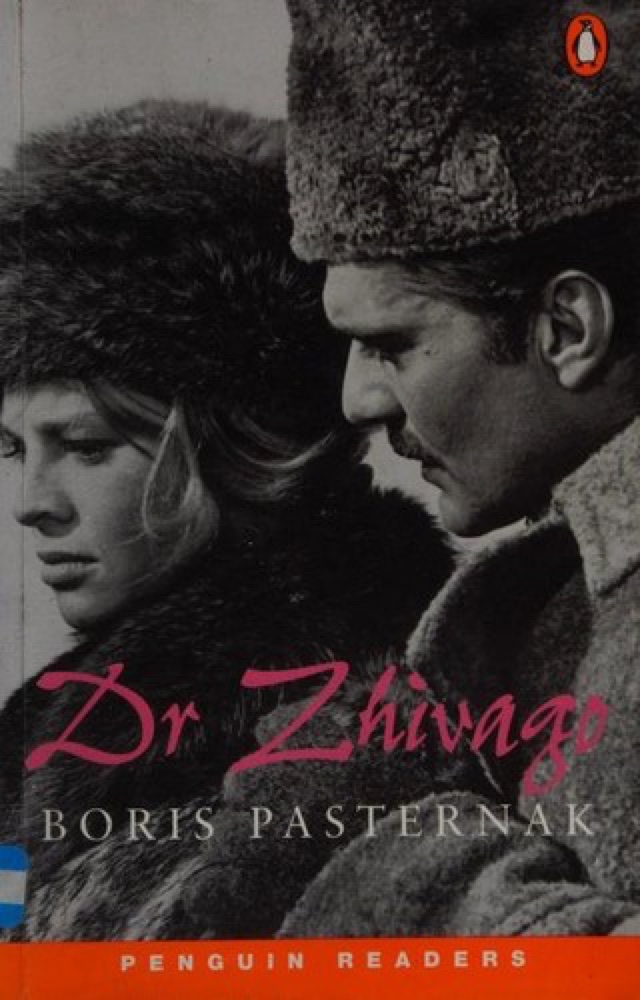 Doctor Zhivago
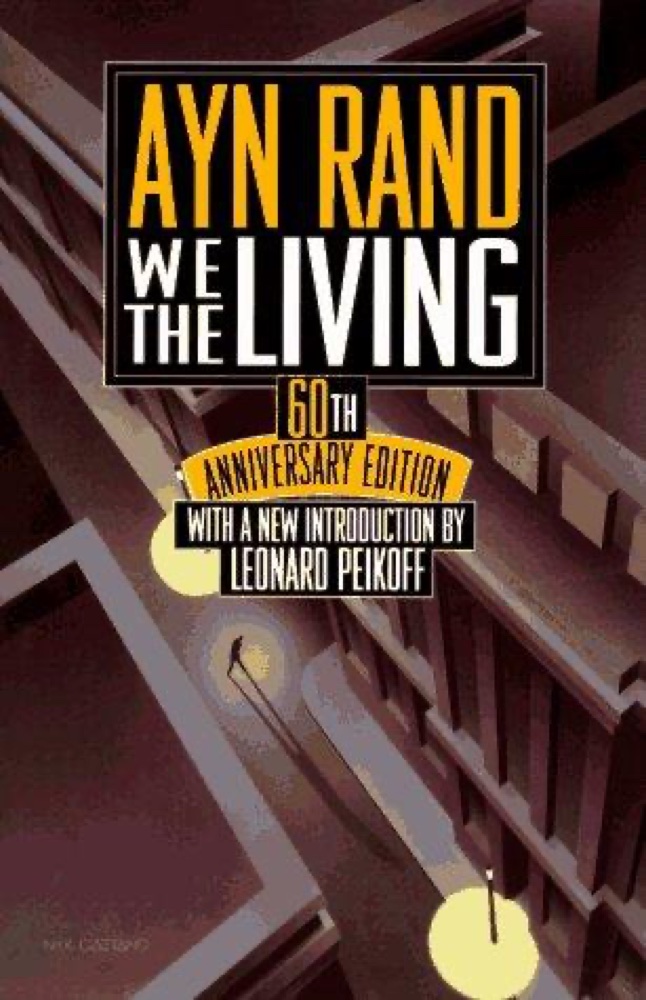 We the Living
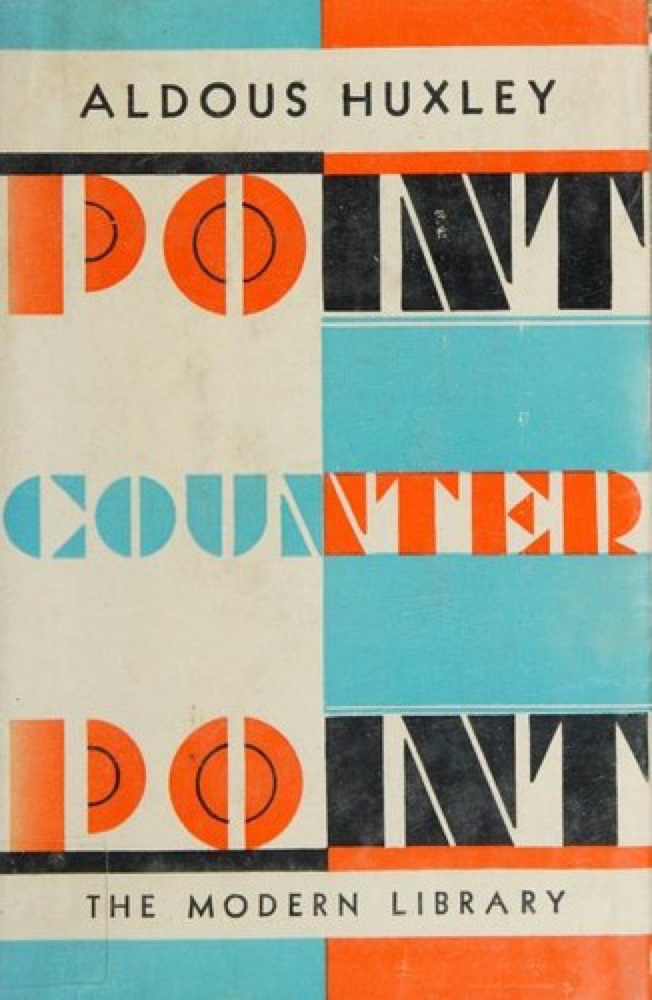 Point Counter Point
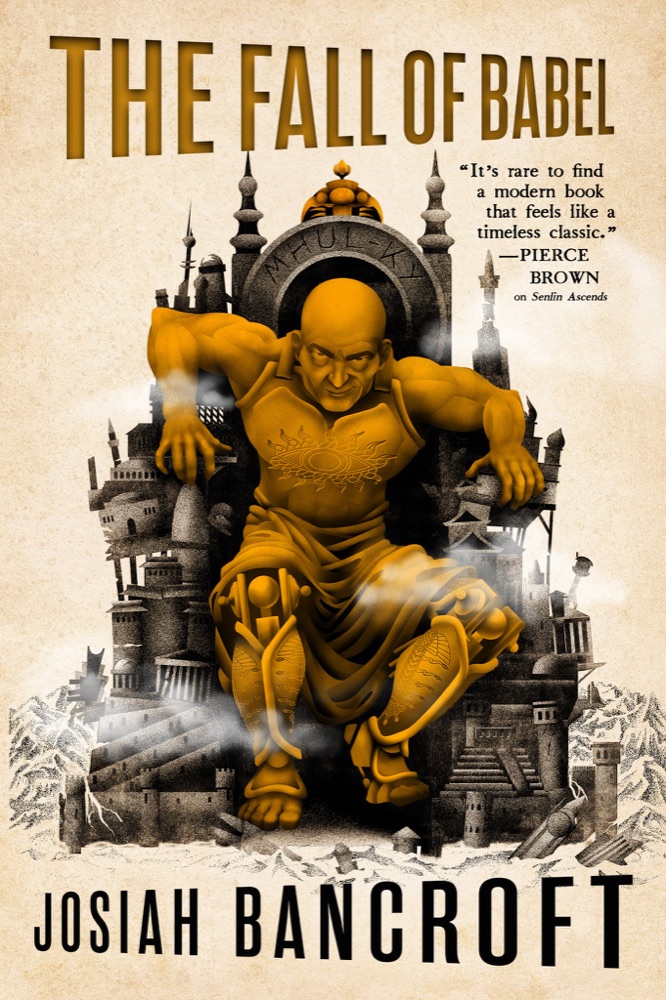 The Fall of Babel
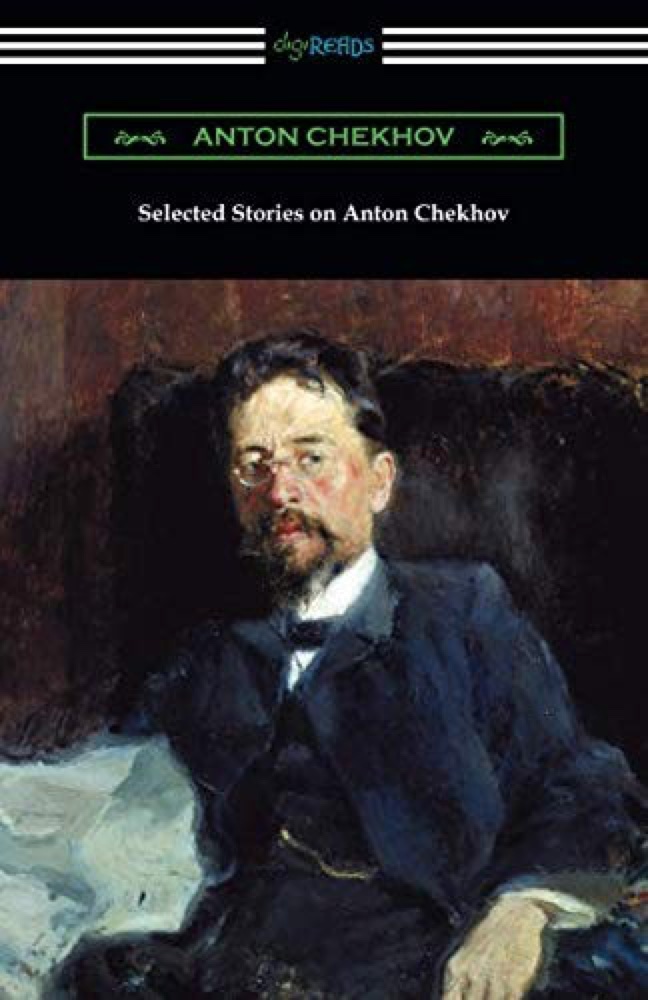 Selected Stories of Anton Chekhov
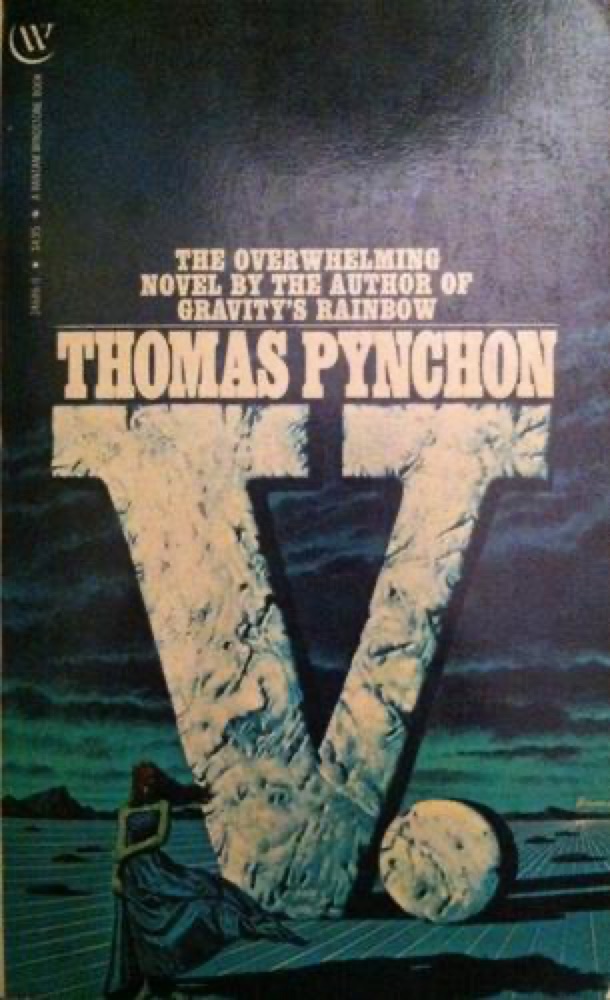 V.
V.
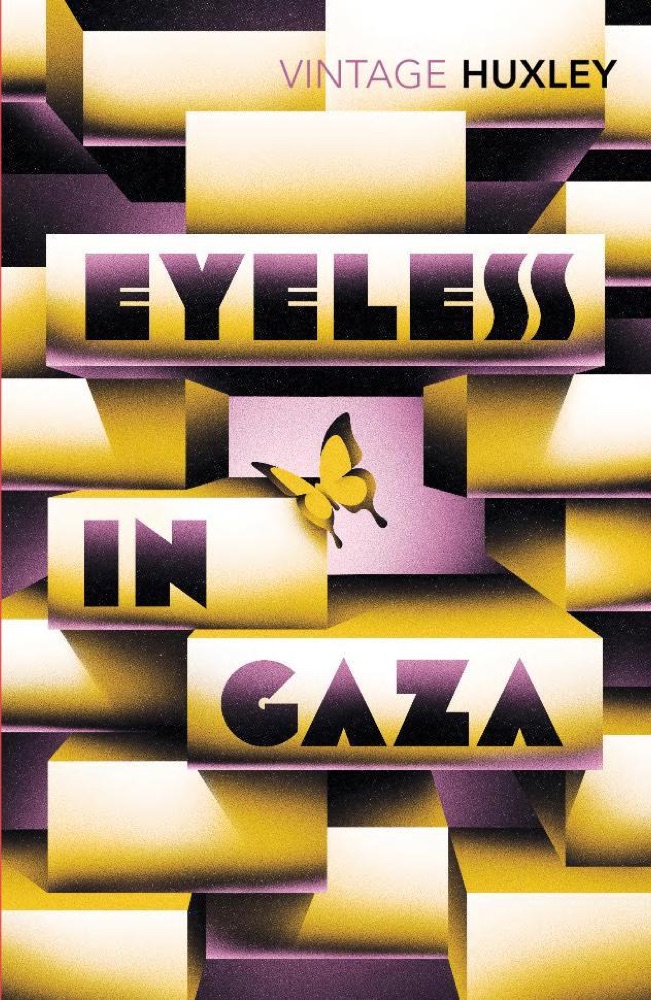 Eyeless in Gaza
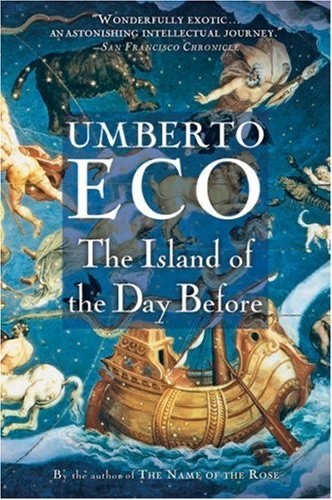 The Island of the Day Before
 Memories, Dreams, Reflections
 The Blue Flower
 The Stories of Vladimir Nabokov
 Infinite Jest
 The Guermantes Way
 Concrete