 Man's Search for Meaning
Quotes from the Book
An abnormal reaction to an abnormal situation is normal behavior.
1.5k
Man is originally characterized by his "search for meaning" rather than his "search for himself." The more he forgets himself—giving himself to a cause or another person—the more human he is. And the more he is immersed and absorbed in something or someone other than himself the more he really becomes himself.
155
A thought transfixed me: for the first time in my life I saw the truth as it is set into song by so many poets, proclaimed as the final wisdom by so many thinkers. The truth-that love is the ultimate and the highest goal to which a man can aspire. Then I grasped the meaning of the greatest secret that human poetry and human thought and belief have to impart: The salvation of human is through love and in love. I understood how a man who has nothing left in this world still may know bliss, be it only for the brief moment, in the contemplation of his beloved. In a position of utter desolation, when a man cannot express himself in positive action, when his only achievement may consist in enduring his sufferings in the right way-an honorable way-in such a position man can, through loving contemplation of the image he carries of his beloved, achieve fulfillment. For the first time in my life I was able to understand the meaning of the words,"The angels are lost in perpetual contemplation of an infinite glory.
147
The last of the human freedoms: to choose one's attitude in any given set of circumstances, to choose one's own way. And there were always choices to make. Every day, every hour, offered the opportunity to make a decision, a decision which determined whether you would or would not submit to those powers which threatened to rob you of your very self, your inner freedom; which determined whether or not you become the plaything to circumstance, renouncing freedom and dignity...
126
Woe to him who saw no more sense in his life, no aim, no purpose, and therefore no point in carrying on.
60
Just consider a child who, absorbed in play, forgets himself—this is the moment to take a snapshot; when you wait until he notices that you are taking a picture, his face congeals and freezes, showing his unnatural self-consciousness rather than his natural graciousness. Why do most people have that stereotyped expression on their faces whenever they are photographed? This expression stems from their concern with the impression they are going to leave on the onlooker. It is "cheese" that makes them so ugly. Forgetting themselves, the photographer, and the future onlooker would make them beautiful.
40
In his creative work the artist is dependent on sources and resources deriving from the spiritual unconscious.
35
As long as a self is driven by an id to a Thou, it is not a matter of love, either. In love the self is not driven by the id, but rather the self chooses the Thou.
11
Meaning must be found and cannot be given.
5
God is the partner of our most intimate soliloquies. That is to say, whenever you are talking to yourself in utmost sincerity and ultimate solitude--he to whom you are addressing yourself may justifiably be called God.
5
El hombre no está absolutamente condicionado y determinado, al contrario, es él quien decide si cede ante determinadas circunstancias o si resiste frente a ellas… El hombre no se limita a existir, sino decide cómo será su existencia, en qué se convertirá en el minuto siguiente.
2
In particular, it is the challenge of youth to question the meaning of life. However, the courage to question should be matched by patience. People should be patient until, sooner or later, meaning dawns on them. This is what they should do, rather than taking their lives— or taking refuge in drugs.
2
For success, like happiness, cannot be pursued; it must ensue, & it only does as the unintended side-effect of one's dedication to a cause greater than oneself or as the by-product of one's surrender to a person other than oneself.
1
have a choice of action. There were enough examples, often of a heroic nature, which proved that apathy could be overcome, irritability suppressed. Man can preserve a vestige of spiritual freedom, of independence of mind, even in such terrible conditions of psychic and physical stress. We who lived in concentration camps can remember the men who walked through the huts comforting others, giving away their last piece of bread. They may have been few in number, but they offer sufficient proof that everything can be taken from a man but one thing: the last of the human freedoms — to choose one's attitude in any given set of circumstances, to choose one's own way.
1
I had to keep my intention to escape to myself, but my comrade seemed to guess that something was wrong (perhaps I showed a little nervousness). In a tired voice he asked me, "You, too, are getting out?” I denied it, but I found it difficult to avoid his sad look. After my round I returned to him. Again a hopeless look greeted me and somehow I felt it to be an accusation. The unpleasant feeling that had gripped me as soon as I had told my friend I would escape with him became more intense. Suddenly I decided to take fate into my own hands for once. I ran out of the hut and told my friend that I could not go with him. As soon as I had told him with finaity that I had made up my mind to stay with my patients, the unhappy feeling left me. I did not know what the following days would bring, but I had gained an inward peace that I had never experienced before. I returned to the hut, sat down on the boards at my countryman's feet and tried to comfort him; then I chatted with the others, trying to quiet them in their delirium.
1
İnsanı en çok yaralayan şey (ki bu hem yetişkinler hem de cezalandırılan çocuklar için geçerlidir) fiziksel acı değil, haksızlığın, mantıksızlığın verdiği ruhsal ıstıraptır.
Watch on YouTube
About Viktor E. Frankl
We have collected 61 quotes from 3 books by Viktor E. Frankl on BookQuoters.
More about the author →More by Viktor E. Frankl
Man's Search for Meaning
 The Will to Meaning: Foundations and Applications of Logotherapy
About the book
Viktor Frankl is known to millions of readers as a psychotherapist who has transcended his field in his search for answers to the ultimate questions of life, death, and suffering. Man's Search for Ultimate Meaning explores the sometime unconscious human desire for inspiration or revelation, and illustrates how life can offer profound meaning at every turn.
Book details
- First published
- 1974
- Author
- Viktor E. Frankl
- Genre
- Nonfiction
- Goodreads rating
- 4.03 (6k ratings)
Keep reading
Man's Search for Meaning
 Man and His Symbols
 If You Meet the Buddha on the Road, Kill Him! The Pilgrimage of Psychotherapy Patients
 When Nietzsche Wept
 The Myth of Sisyphus
 The Art of Being
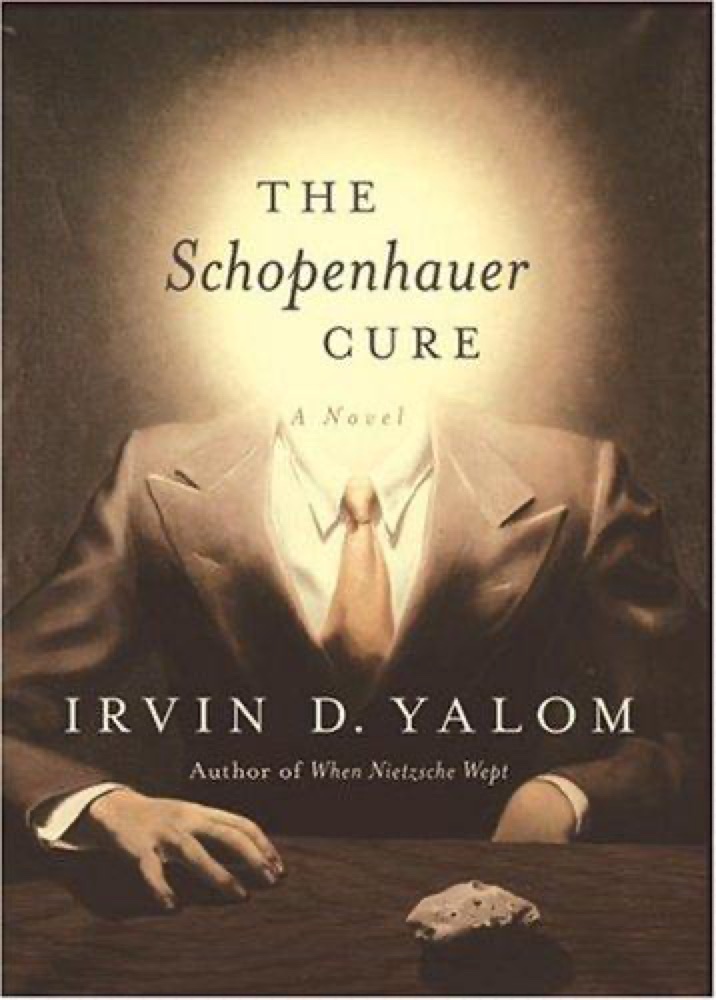 The Schopenhauer Cure
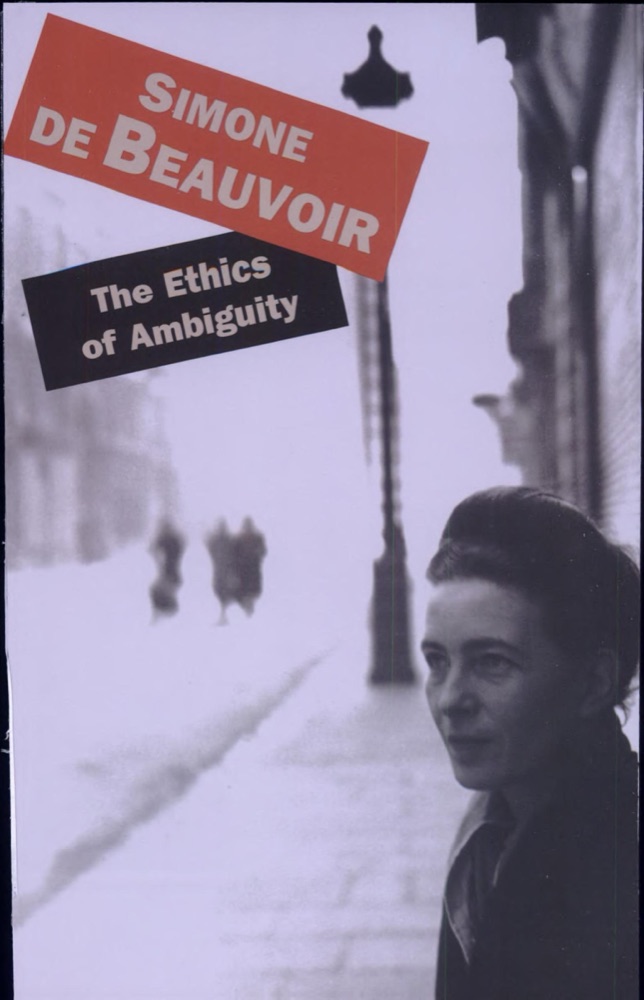 The Ethics of Ambiguity
 Escape from Freedom
 Love and Will
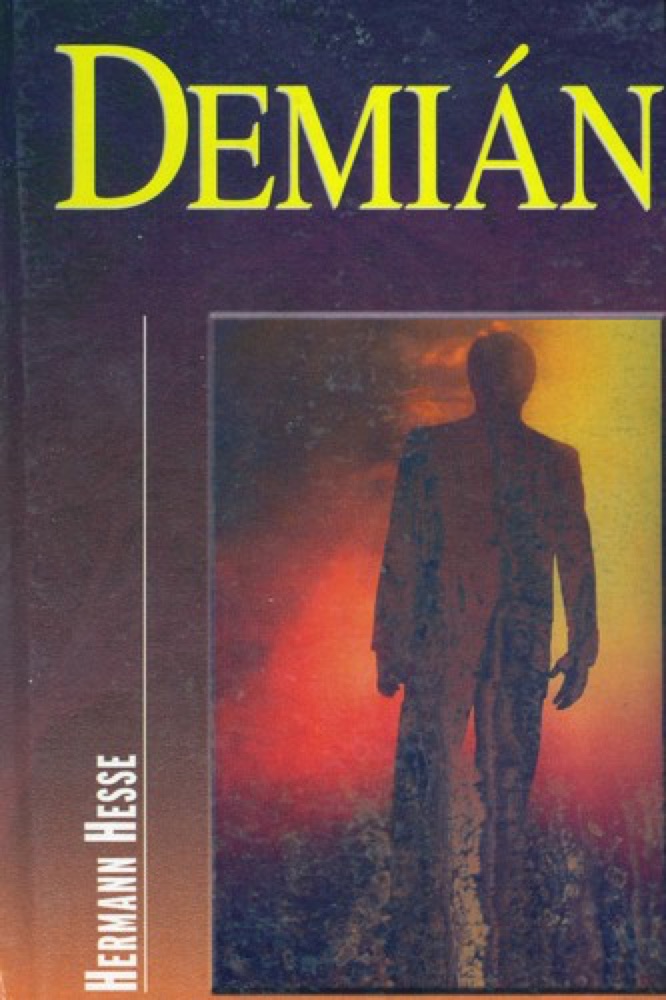 Demian
 The Sickness Unto Death: A Christian Psychological Exposition for Upbuilding and Awakening
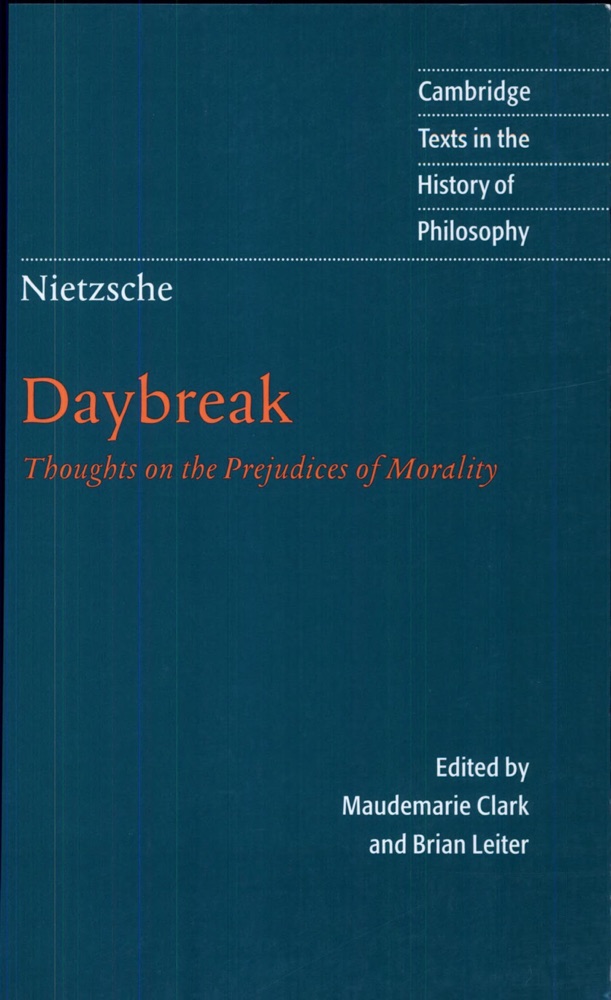 Daybreak: Thoughts on the Prejudices of Morality
 Existential Psychotherapy
 A Confession
 Twilight of the Idols
 The Myth of Sisyphus and Other Essays
 The Man Without Qualities
 Tragic Sense of Life
 The Story of My Experiments With Truth
 Modern Man in Search of a Soul
The Will to Meaning: Foundations and Applications of Logotherapy
Modern Man in Search of a Soul
The Will to Meaning: Foundations and Applications of Logotherapy
 Memories, Dreams, Reflections
 Six Characters in Search of an Author
 The Varieties of Religious Experience
 The Interpretation of Murder
 The Denial of Death
 The Ego and Its Own
 The Wisdom of Insecurity: A Message for an Age of Anxiety
 The Sane Society
 Striking Thoughts: Bruce Lee's Wisdom for Daily Living
 The Fall
 Twilight of the Idols/The Anti-Christ
 The Dice Man
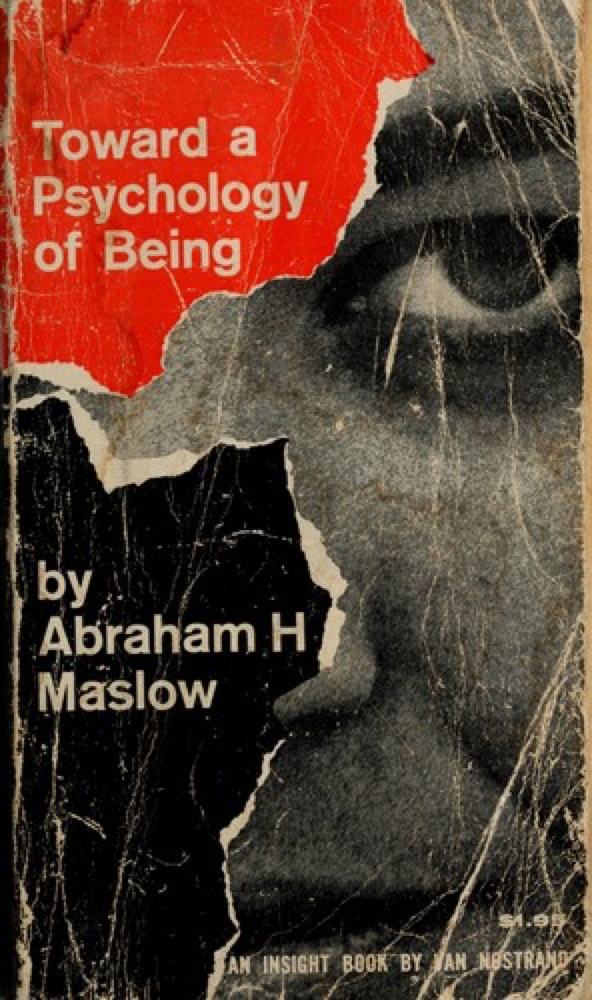 Toward a Psychology of Being
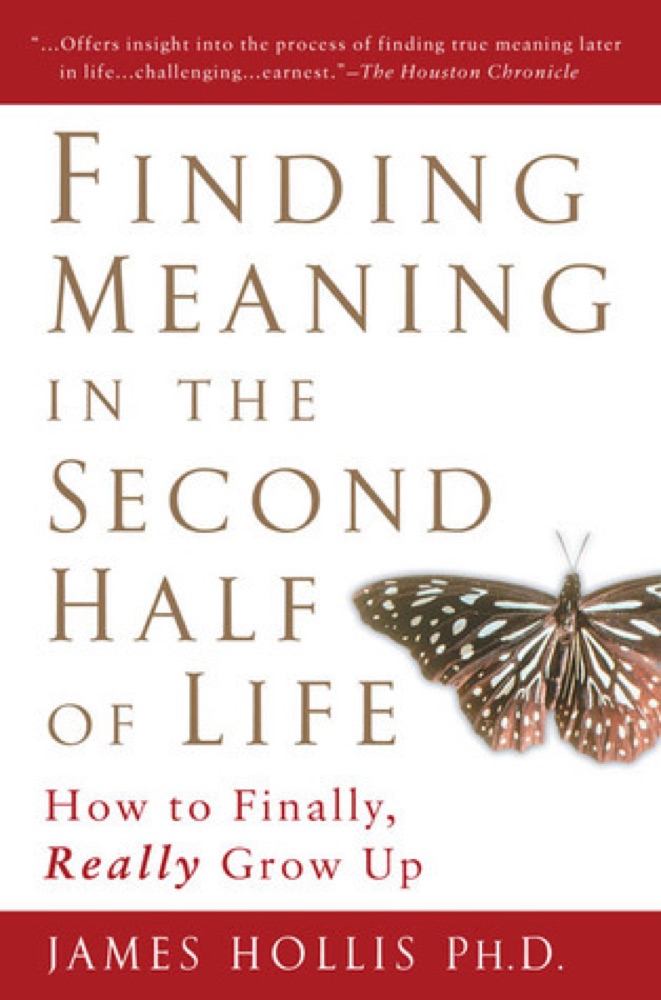 Finding Meaning in the Second Half of Life: How to Finally, Really Grow Up
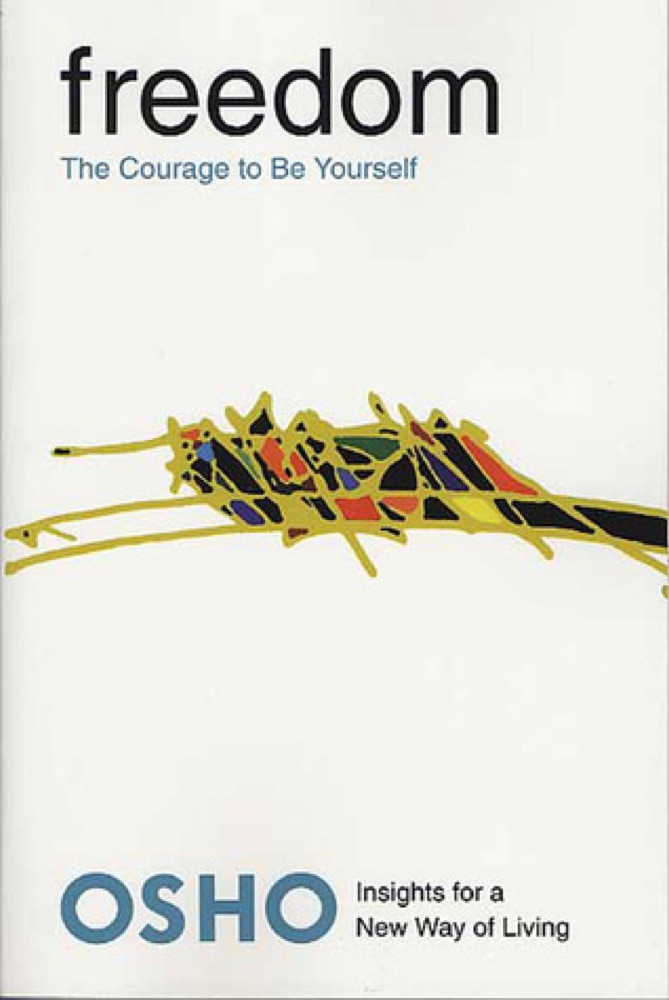 Freedom: The Courage to Be Yourself
 Stand Still Like the Hummingbird
 Freedom from the Known
 The Man Who Mistook His Wife for a Hat and Other Clinical Tales
 Correction
 Flight To Arras
 The Divided Self: An Existential Study in Sanity and Madness
 The Wisdom of Life
 Man's Search for Himself
 The Glass Bead Game
 Intimacy: Trusting Oneself and the Other
 Conversations with God: An Uncommon Dialogue, Book 1
 No Man Is an Island
 He: Understanding Masculine Psychology
 Maps of Meaning: The Architecture of Belief
 The Perennial Philosophy
 Thoughts in Solitude
 Total Freedom: The Essential Krishnamurti
 The Fountainhead
 Demons
 Hiking with Nietzsche: On Becoming Who You Are
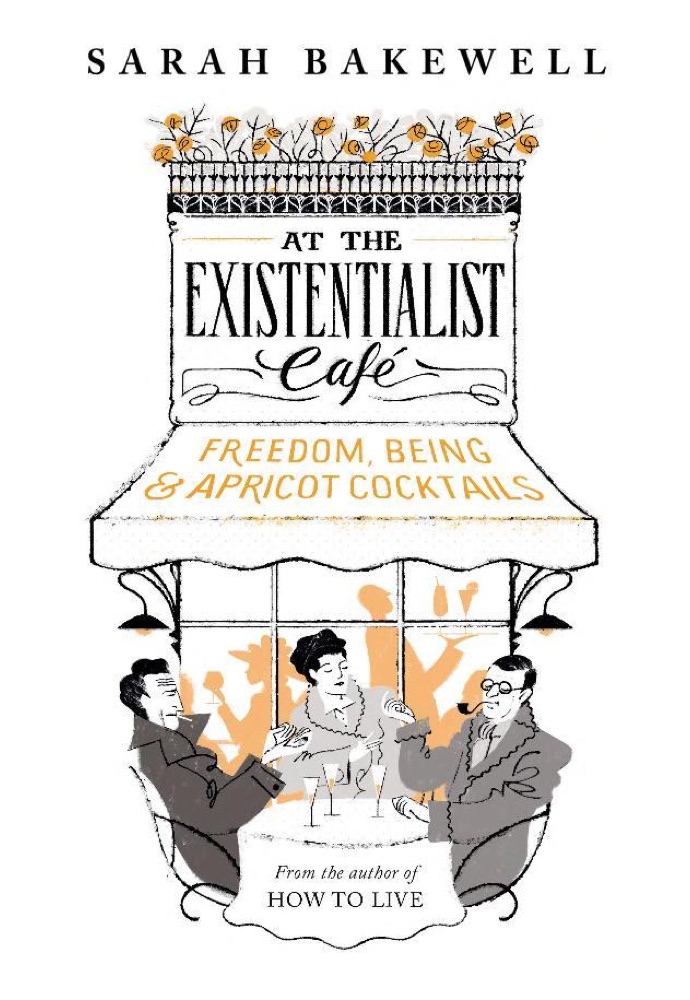 At the Existentialist Café