
Quotes from the Book
When we change the way we communicate, we change society
55
Our social tools are not an improvement to modern society, they are a challenge to it.
34
A Wikipedia article is a process, not a product.
16
The future presented by the internet is the mass amateurization of publishing and a switch from 'Why publish this?' to 'Why not?
13
[T]he ways in which the information we give off about our selves, in photos and e-mails and MySpace pages and all the rest of it, has dramatically increased our social visibility and made it easier for us to find each other but also to be scrutinized in public.
12
Fame is simply an imbalance between inbound and outbound attention.
11
The more people are involved in a given task, the more potential agreements need to be negotiated to do anything, and the greater the transaction costs.
10
Wikipedia [...] is the product not of collectivism but of unending argumentation.
8
Anybody who predicts the death of cities has already met his spouse.
6
Information sharing produces shared awareness among the participants, and collaborative production relies on shared creation, but collective action creates shared responsibility, by tying the user's identity to the identity of the group.
6
[C]ollaborative production is simple: no one person can take credit for what gets created, and the project could not come into being without the participation of many.
6
Tragedy of the Commons: while each person can agree that all would benefit from common restraint, the incentives of the individuals are arrayed against that outcome.
5
Society is not just the product of its individual members; it is also the product of its constituent groups.
5
One of the biggest changes in our society is the shift from prevention to reaction...
4
Until recently, 'the news' has meant to different things - events that are newsworthy, and events covered by the press.
4
Unlike sharing, where the group is mainly an aggregate of participants, cooperating creates group identity.
4
A firm is successful when the costs of directing employee effort are lower than the potential gain from directing.
4
The centrality of group effort to human life means that anything that changes the way groups function will have profound ramifications for everything from commerce and government to media and religion.
4
[R]elying on nonfinancial motivations may actually make systems more tolerant of variable participation.
3
Any system described by a power law [...] has several curious effects. The first is that, by definition, most participants are below average.
3
[F]rom now on, the act of creating and circulating evidence of wrongdoing to more than a few people, even if they all work together, will be seen as a delayed but public act.
3
Collaboration is not an absolute good.
3
Tools that provide simple ways of creating groups lead to new groups, [...] and not just more groups but more kinds of groups.
3
The low cost of aggregating information also allowed the formalization of sharing [...].
2
Because Wikipedia is a process, not a product, it replaces guarantees offered by institutions with probabilities supported by process.
2
[T]he category of 'consumer' is now a temporary behavior rather than a permanent identity.
2
Mass amateurization of publishing makes mass amateurization of filtering a forced move.
2
Watch on YouTube
About Clay Shirky

We have collected 27 quotes from 1 book by Clay Shirky on BookQuoters.
More about the author →About the book
Evaluates the significant role being played by technological advances on the formation and experience of modern group dynamics, citing such examples as Wikipedia and MySpace to demonstrate the Internet's power in bridging geographical and cultural gaps. 40,000 first printing.
Book details
- First published
- 2008
- Author
- Clay Shirky
- Genre
- Nonfiction
- Goodreads rating
- 3.78 (7k ratings)
Keep reading
 Who Owns the Future?
 Peopleware: Productive Projects and Teams
 The Tipping Point: How Little Things Can Make a Big Difference
 Revenge of the Tipping Point
 The Evolution of Everything: How New Ideas Emerge
 You Are Not a Gadget
 The World Is Flat: A Brief History of the Twenty-first Century
 Predictably Irrational: The Hidden Forces That Shape Our Decisions
 The Person You Mean to Be: How Good People Fight Bias
 The Rational Optimist: How Prosperity Evolves
 Hit Makers: The Science of Popularity in an Age of Distraction
 The Attention Merchants: The Epic Scramble to Get Inside Our Heads
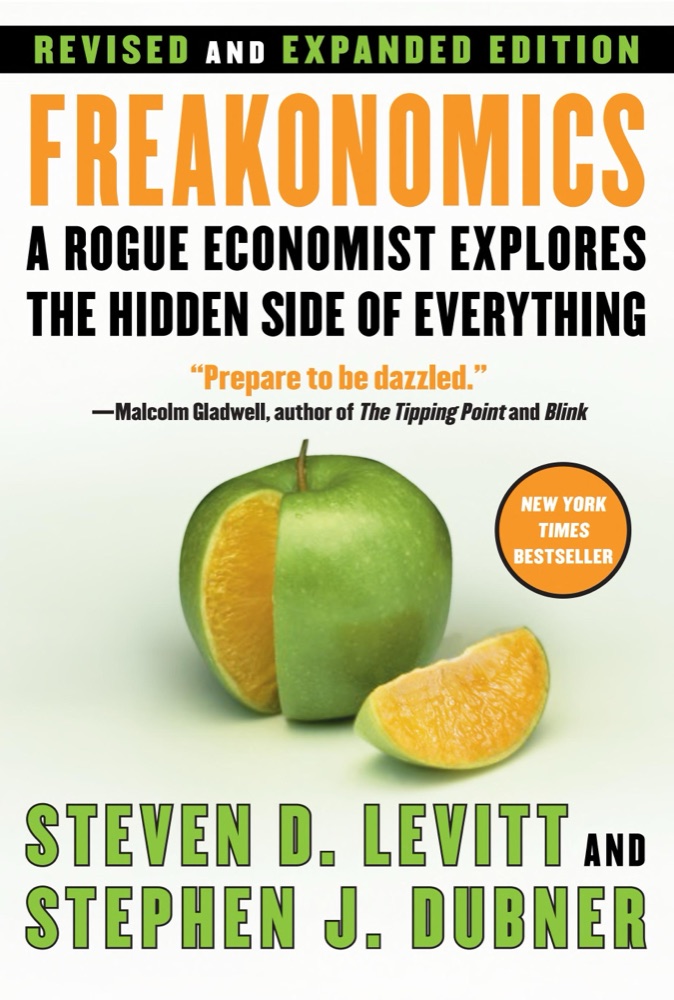 Freakonomics: A Rogue Economist Explores the Hidden Side of Everything
 What the Dog Saw and Other Adventures
 Trust Me, I'm Lying: Confessions of a Media Manipulator
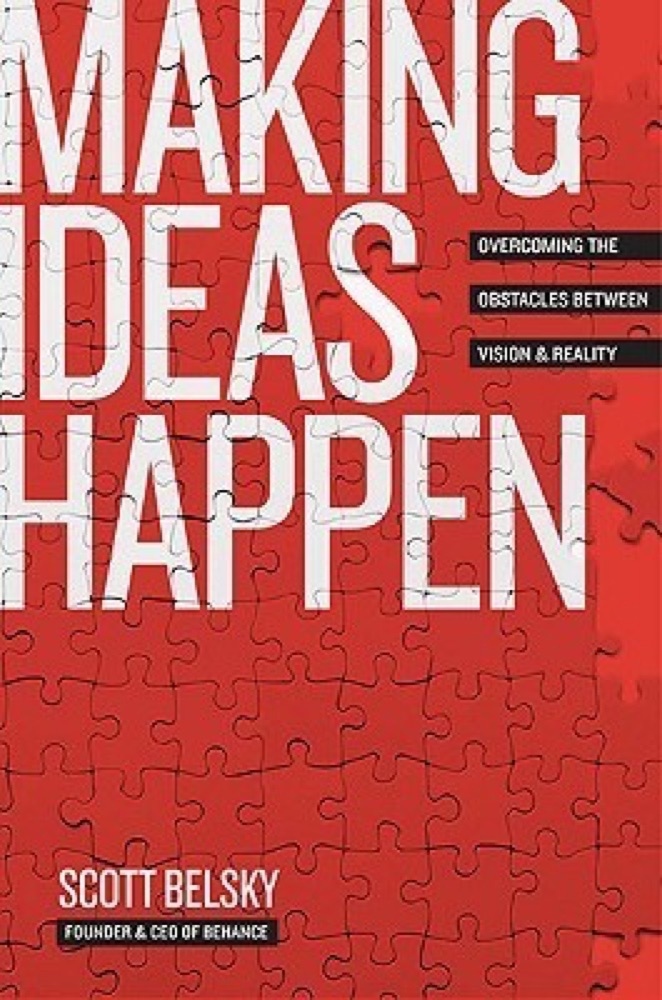 Making Ideas Happen: Overcoming the Obstacles Between Vision and Reality
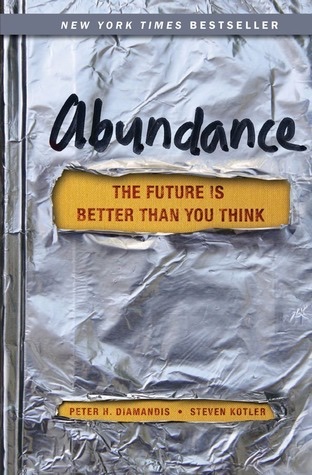 Abundance: The Future Is Better Than You Think
 Mutual Aid: Building Solidarity in This Crisis
 Let This Radicalize You: Organizing and the Revolution of Reciprocal Care
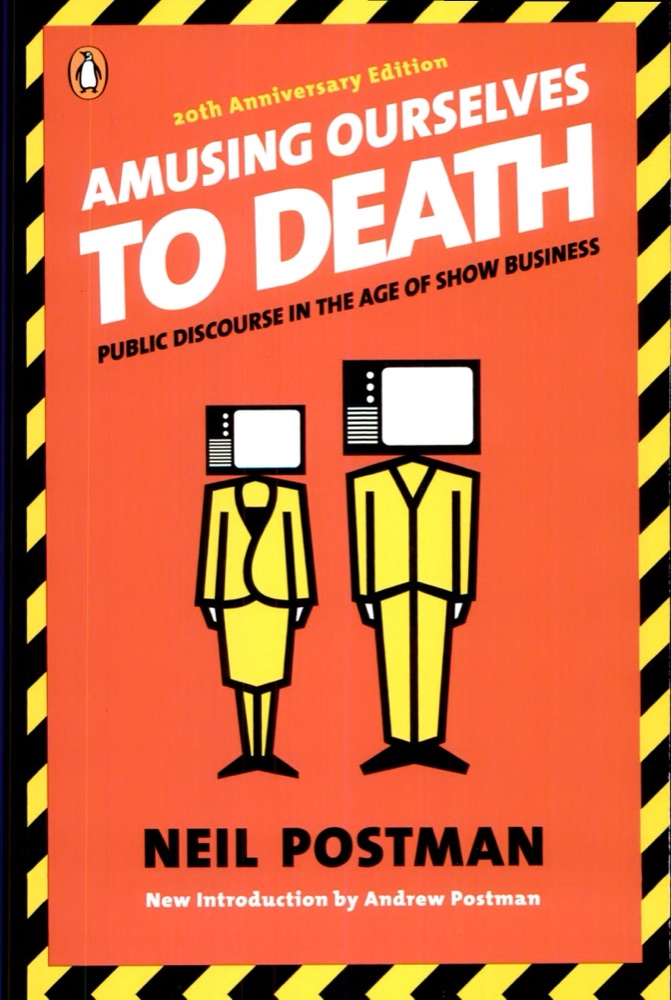 Amusing Ourselves to Death: Public Discourse in the Age of Show Business
 The Technological Republic: Hard Power, Soft Belief, and the Future of the West
 Range: Why Generalists Triumph in a Specialized World
 The Utopia of Rules: On Technology, Stupidity, and the Secret Joys of Bureaucracy
 Conscious Capitalism
 Chaos Monkeys: Obscene Fortune and Random Failure in Silicon Valley
 One-Dimensional Man: Studies in the Ideology of Advanced Industrial Society
 The Filter Bubble: What the Internet is Hiding From You
 The Black Swan: The Impact of the Highly Improbable
 Small Is Beautiful: Economics as if People Mattered
 Made to Stick: Why Some Ideas Survive and Others Die
 Hackers & Painters: Big Ideas from the Computer Age
 Power and Progress: Our Thousand-Year Struggle Over Technology and Prosperity
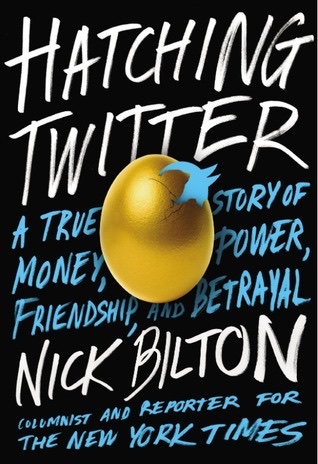 Hatching Twitter: A True Story of Money, Power, Friendship, and Betrayal
 Bullshit Jobs: A Theory
 Elite Capture: How the Powerful Took Over Identity Politics
 The Fifth Discipline: The Art & Practice of The Learning Organization
 Loonshots: How to Nurture the Crazy Ideas That Win Wars, Cure Diseases, and Transform Industries
 Please Understand Me II: Temperament, Character, Intelligence
 The Society of the Spectacle
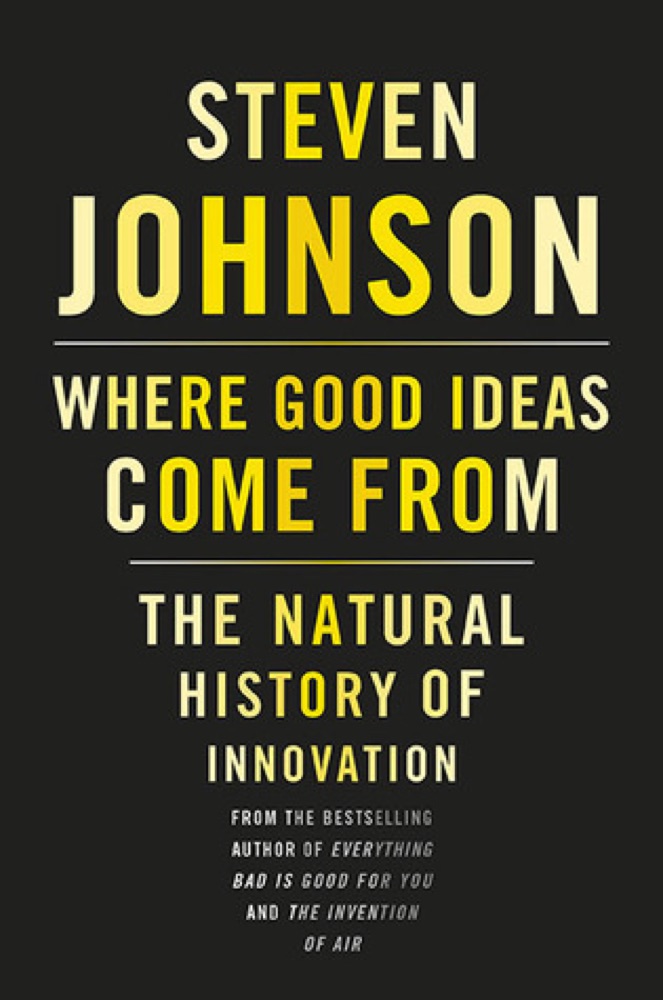 Where Good Ideas Come From: The Natural History of Innovation
 Disclosure
 Ill Fares the Land
 Fall; or, Dodge in Hell
 Permanent Record
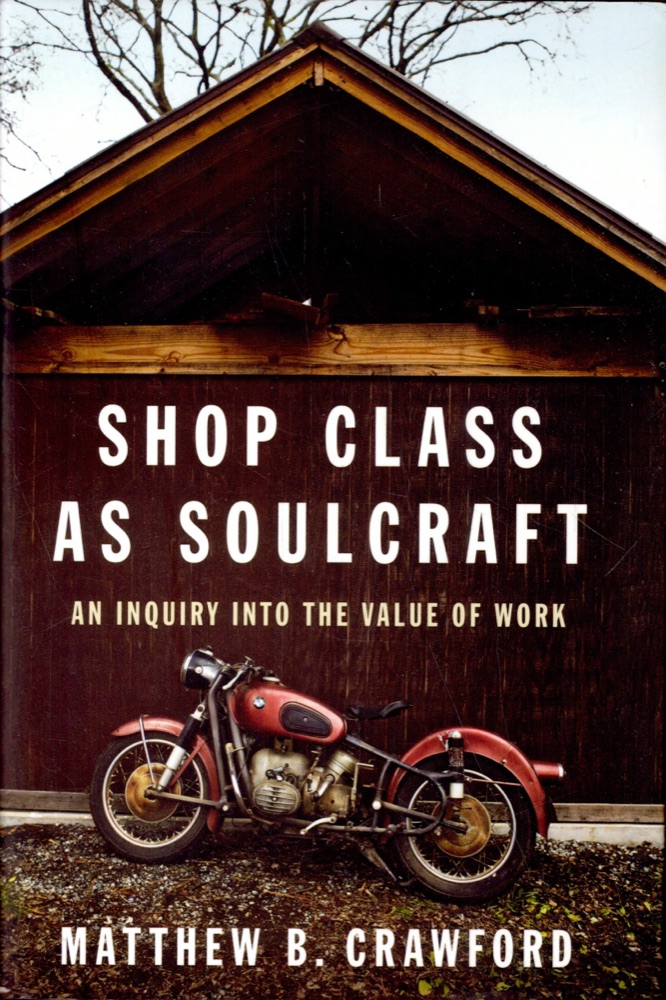 Shop Class as Soulcraft: An Inquiry Into the Value of Work
 Antifragile: Things That Gain from Disorder
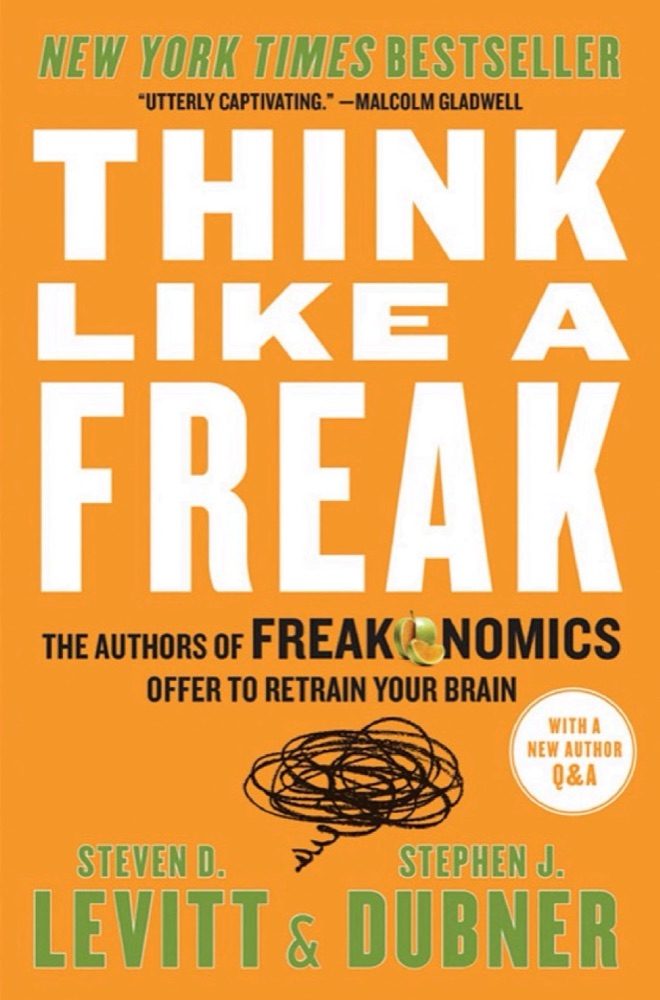 Think Like a Freak
 The Oz Principle: Getting Results Through Individual and Organizational Accountability
 Give and Take: A Revolutionary Approach to Success
 Dataclysm: Who We Are
 Influence: The Psychology of Persuasion
 The Price of Tomorrow: Why Deflation is the Key to an Abundant Future
 The Age of Magical Overthinking: Notes on Modern Irrationality
 Hit Refresh: The Quest to Rediscover Microsoft's Soul and Imagine a Better Future for Everyone
 The Shockwave Rider
 The Wisdom of Crowds
 Technopoly: The Surrender of Culture to Technology
 The Element: How Finding Your Passion Changes Everything
 Hooked: How to Build Habit-Forming Products