
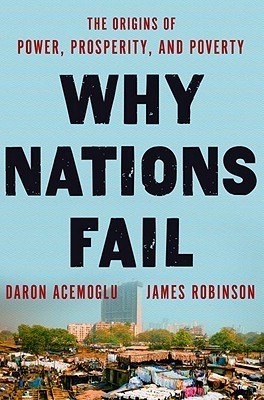
 Why Nations Fail: The Origins of Power, Prosperity, and Poverty
Quotes from the Book
in modern societies it is the power to persuade—even more so than economic, political, and coercion powers—that is critical
1
in the modern world the power to persuade is the most important source of social power. But with such persuasiveness, you tend to convince yourself that you are correct, and you become less sensitive to others’ wishes, interests, and plights.
1
Hay otra razón que explica el éxito de las democracias: es muy posible que las voces discordantes sean su mayor virtud. Cuando es difícil que un único punto de vista domine las decisiones políticas y sociales, es probable que aparezcan fuerzas y perspectivas contrarias que frenen las visiones egoístas que se imponen a la gente, independientemente de si las quieren o se benefician de ellas. Esta ventaja concreta de la democracia está relacionada con una idea planteada hace más de doscientos años por un filósofo francés, el marqués de Condorcet. Defendió la idea de democracia usando lo que denominó «el teorema del jurado». Según este teorema, es mucho más probable que un jurado —por ejemplo, compuesto por doce personas, cada una con un punto de vista— tome una buena decisión que un solo individuo. Todos los miembros aportarán su punto de vista y sus prejuicios, que pueden variar en función de los temas. Si se nombra a uno como responsable o representante, ese individuo puede tomar malas decisiones. Sin embargo, si hay varias personas implicadas, con perspectivas diferentes, y la decisión definitiva incorpora sus puntos de vista, es muy posible que, en condiciones plausibles, se tomen mejores
Early on, there was even a hope that online communications could generate a new public sphere, one where people from even more diverse backgrounds than in local politics could freely interact and exchange opinions. Unfortunately, online democracy is not in line with the business models of leading tech companies and the AI illusion. In fact, it is diametrically opposed to a technocratic approach, which maintains that many important decisions are too complex for regular people. The vibe in the corridors of most tech companies is that men of genius are at work, striving for the common good. It is only natural that they should be the ones making the important decisions. When approached this way, the political discourse of the masses becomes something to be manipulated and harvested, not something to be encouraged and protected.
Even with displacement and massive data collection, productivity growth from new technologies can sometimes increase demand for workers and boost their earnings. But benefits for workers appear only when new technologies substantially increase productivity. Today, this is a serious concern because AI has so far brought a lot of so-so automation, with limited productivity benefits.
Overall, the medieval economy was not benefit of technological progress and major reorganizations These difficult times for ordinary people were the result of the religious and aristocratic elite structuring technology and the economy to make it hard for most of the population to prosper.
This is what happened after mills were introduced in medieval England. As new machines were deployed and productivity rose, feudal lords exploited the peasantry more intensively. The working hours of labourers rose, with less time left to tend to their own crops, and their real incomes and household consumption fell.
democracy is an essential pillar of what we view as the institutional foundations of an inclusive vision
Power is about the ability of an individual or group to achieve explicit or implicit objectives. If two people want the same loaf of bread, power determines who will get it.
Visionaries derive their power partly from the blinders that they have on - including the suffering that they ignore.
consequences of their actions on others.
Power tends to corrupt and absolute power corrupts absolutely.
The dissolution of monasteries under Henry VIII and the subsequent reorganization of agriculture was another step that altered the balance of power in rural England. The slow growth in the real incomes of the English peasantry before the beginning of the industrial era was a consequence of this type of drift.
Most people around the globe today are better off than our ancestors because citizens and workers in early industrial societies organized, challenged elite-dominated choices about technology and work conditions, and forced ways of sharing the gains from technical improvements more equitably.
What is true of steam engines is true of all technologies. Technologies do not exist independent of an underlying vision. We look for ways of solving problems facing us (this is vision). We imagine what kind of tools might help us (also vision). Of the multiple paths open to us, we focus on a handful (yet another aspect of vision). We then attempt alternative approaches, experimenting and innovating based on that understanding. In this process, there will be setbacks, costs, and almost surely unintended consequences, including potential suffering for some people. Whether we are discouraged or even decide that the responsible thing is to abandon our dreams is another aspect of vision.
Unfortunately, online democracy is not in line with the business models of leading tech companies and the AI illusion.
More fundamentally, productivity gains from automation may always be somewhat limited, especially compared to the introduction of new products and tasks that transform the production process, such as those in the early Ford factories. Automation is about substituting cheaper machines or algorithms for human labor, and reducing production costs by 10 or even 20 percent in a few tasks will have relatively small consequences for TFP or the efficiency of the production process. In contrast, introducing new technologies, such as electrification, novel designs, or new production tasks, has been at the root of transformative TFP gains throughout much of the twentieth century.
In fact, a thousand years of history and contemporary evidence make one thing abundantly clear: there is nothing automatic about new technologies bringing widespread prosperity. Whether they do or not is an economic, social, and political choice.
For anyone who believes that the productivity benefits necessarily trickle down through society and improve wages and working conditions, these formative episodes are hard to explain. But once you recognize that technology’s advances look after the interests of those who are powerful and whose vision guides its trajectory, everything makes a lot more sense.
when human rights are weak or nonexistent as in medieval Europe or on southern plantations, improving technology can easily lead to more intense exploitation of labor.
How technology is used is always intertwined with the vision and interests of those who hold power.
Watch on YouTube
About Daron Acemoğlu
We have collected 50 quotes from 2 books by Daron Acemoğlu on BookQuoters.
More about the author →More by Daron Acemoğlu
Why Nations Fail: The Origins of Power, Prosperity, and Poverty
About the book
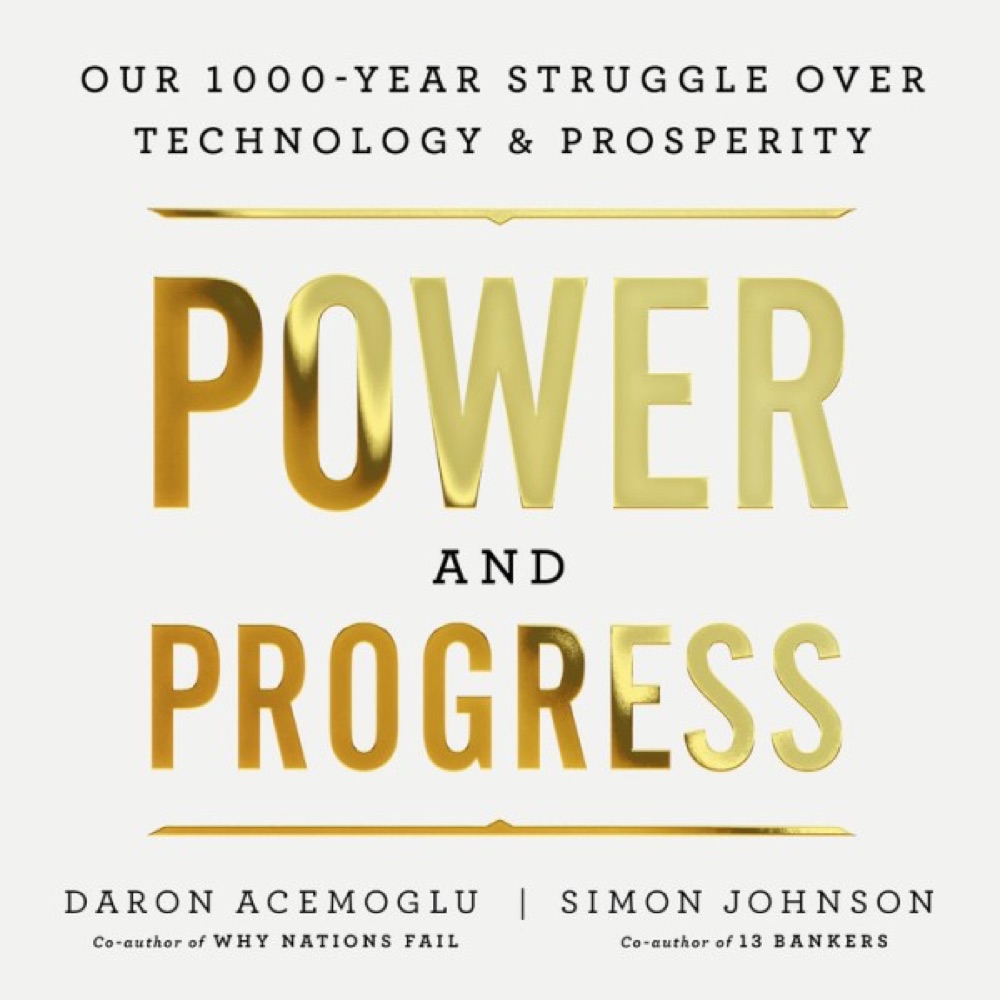
The bestselling co-author of Why Nations Fail and the bestselling co-author of 13 Bankers deliver a bold reinterpretation of economics and history that will fundamentally change how you see the world A thousand years of history and contemporary evidence make one thing clear. Progress depends on the choices we make about technology. New ways of organizing production and communication can either serve the narrow interests of an elite or become the foundation for widespread prosperity. The wealth generated by technological improvements in agriculture during the European Middle Ages was captured by the nobility and used to build grand cathedrals while peasants remained on the edge of starvation. The first hundred years of industrialization in England delivered stagnant incomes for working people. And throughout the world today, digital technologies and artificial intelligence undermine j
Book details
- First published
- 2023
- Author
- Daron Acemoğlu
- Genre
- Nonfiction
- Goodreads rating
- 3.94 (2k ratings)
Keep reading
 The Evolution of Everything: How New Ideas Emerge
Why Nations Fail: The Origins of Power, Prosperity, and Poverty
The Evolution of Everything: How New Ideas Emerge
Why Nations Fail: The Origins of Power, Prosperity, and Poverty
 The Price of Tomorrow: Why Deflation is the Key to an Abundant Future
 Four Futures: Life After Capitalism
 Capital and Ideology
 The Rational Optimist: How Prosperity Evolves
 23 Things They Don't Tell You About Capitalism
 Principles for Dealing with the Changing World Order: Why Nations Succeed and Fail
 Who Owns the Future?
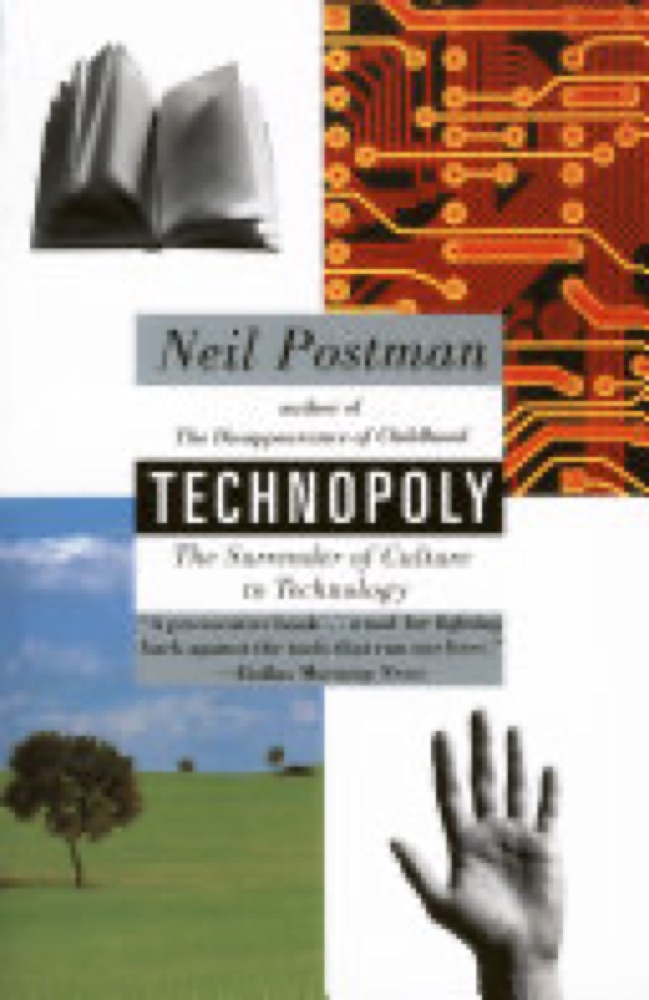 Technopoly: The Surrender of Culture to Technology
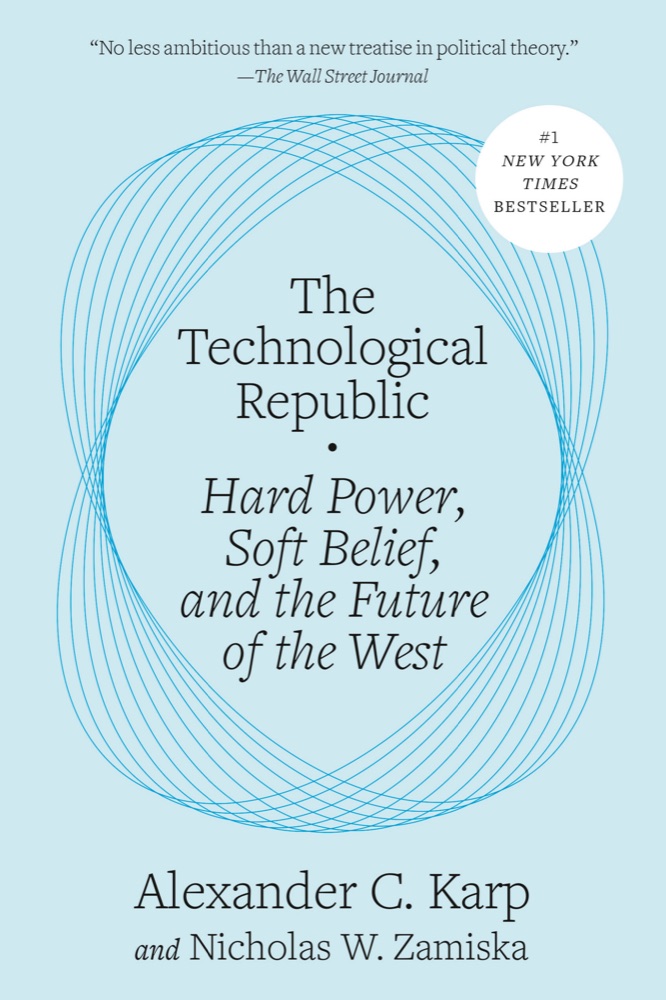 The Technological Republic: Hard Power, Soft Belief, and the Future of the West
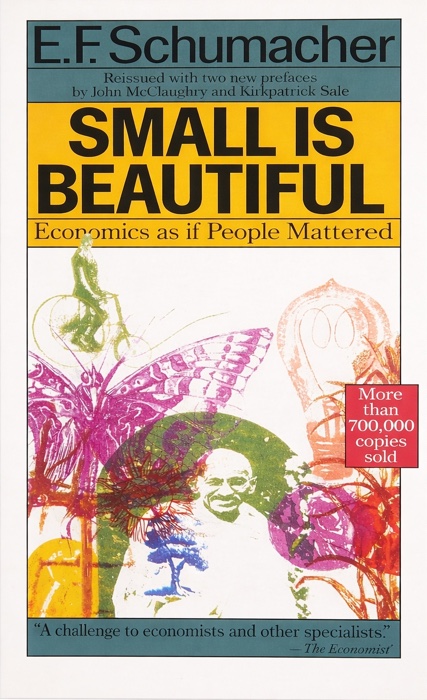 Small Is Beautiful: Economics as if People Mattered
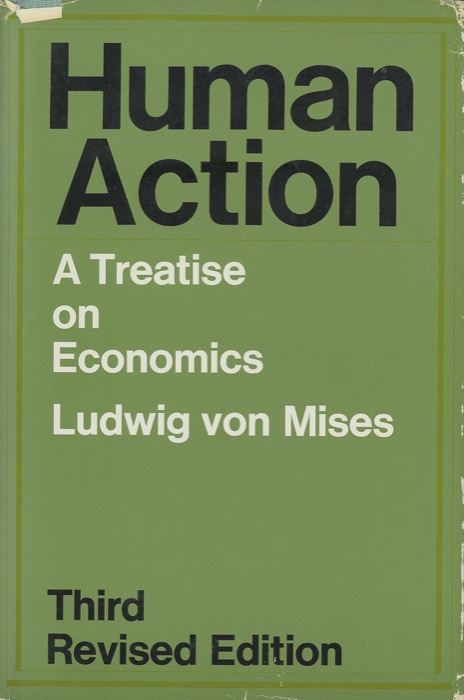 Human Action: A Treatise on Economics
 A Short History of Progress
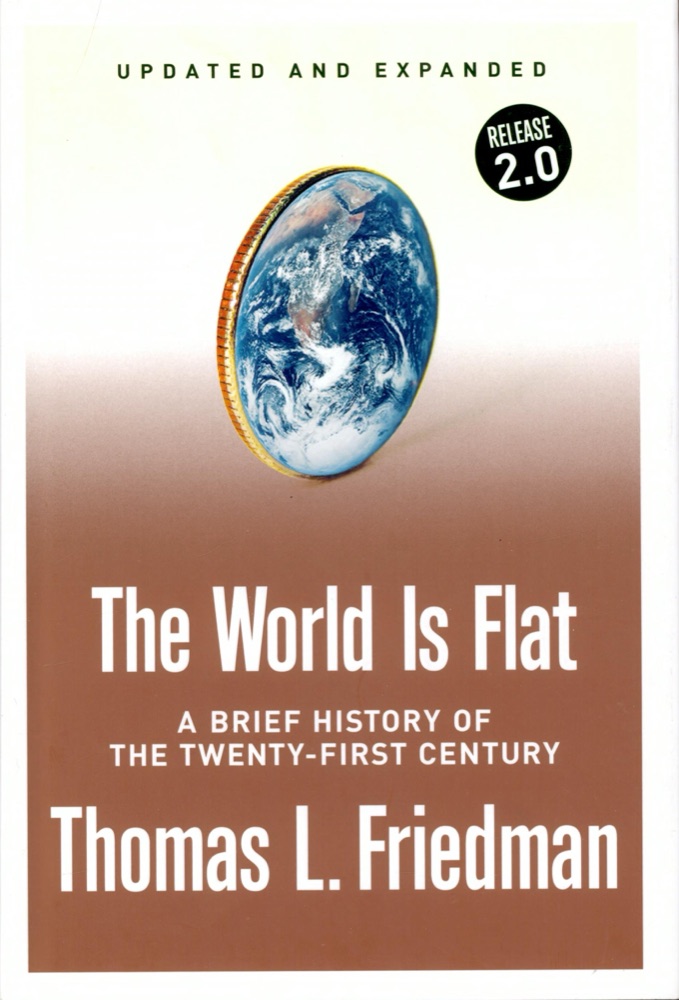 The World Is Flat: A Brief History of the Twenty-first Century
 Occupy
 One-Dimensional Man: Studies in the Ideology of Advanced Industrial Society
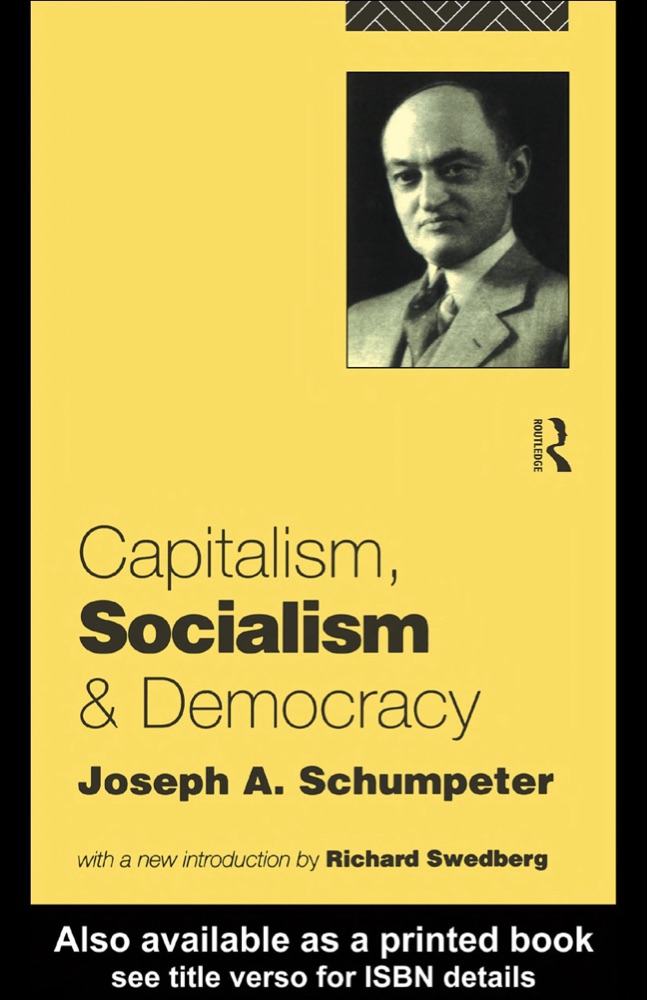 Capitalism, Socialism and Democracy
 Wealth, Poverty and Politics: An International Perspective
 Collapse: How Societies Choose to Fail or Succeed
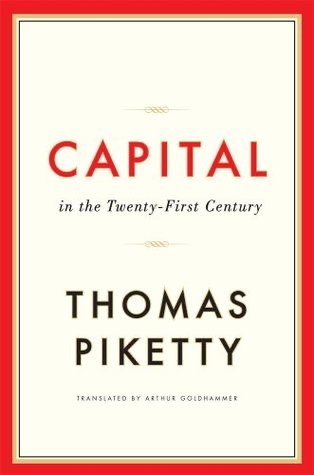 Capital in the Twenty-First Century
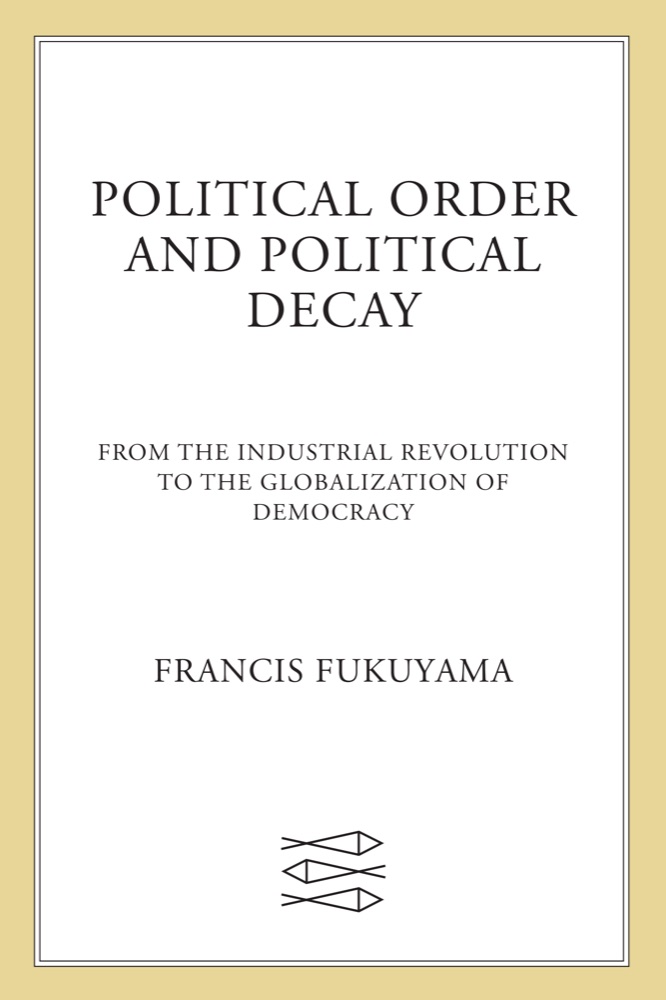 Political Order and Political Decay: From the Industrial Revolution to the Globalization of Democracy
 The Constitution of Liberty
 The Wizard and the Prophet: Two Remarkable Scientists and Their Dueling Visions to Shape Tomorrow's World
 The Lessons of History
 Capitalism: The Unknown Ideal
 The Utopia of Rules: On Technology, Stupidity, and the Secret Joys of Bureaucracy
 The Spirit Level: Why More Equal Societies Almost Always Do Better
 The Fatal Conceit: The Errors of Socialism
 The Road to Serfdom
 Seeing Like a State: How Certain Schemes to Improve the Human Condition Have Failed
 Elite Capture: How the Powerful Took Over Identity Politics
 Homo Deus: A History of Tomorrow
 India Unbound: The Social and Economic Revolution from Independence to the Global Information Age
 Naked Economics: Undressing the Dismal Science
 Talking to My Daughter About the Economy: or, How Capitalism Works—and How It Fails
 The System: Who Rigged It, How We Fix It
 Vulture Capitalism: Corporate Crimes, Backdoor Bailouts, and the Death of Freedom
 Ill Fares the Land
 The Great Transformation: The Political and Economic Origins of Our Time
 Basic Economics: A Citizen's Guide to the Economy
 Poor Economics: A Radical Rethinking of the Way to Fight Global Poverty
 A Conflict of Visions: Ideological Origins of Political Struggles
 Utopia for Realists: How We Can Build the Ideal World
 Twilight of the Elites: America After Meritocracy
 Walden Two
 Conscious Capitalism
 The End of History and the Last Man
 Civilization: The West and the Rest
 Chomsky On Anarchism
 Free to Choose: A Personal Statement
 Upheaval: Turning Points for Nations in Crisis
 The Tyranny of Merit: What's Become of the Common Good?
 Sapiens: A Brief History of Humankind
 Humankind: A Hopeful History
 First As Tragedy, Then As Farce
 Beyond Civilization: Humanity's Next Great Adventure
 This Is What Inequality Looks Like
 The Accursed Share: An Essay on General Economy, Volume I: Consumption
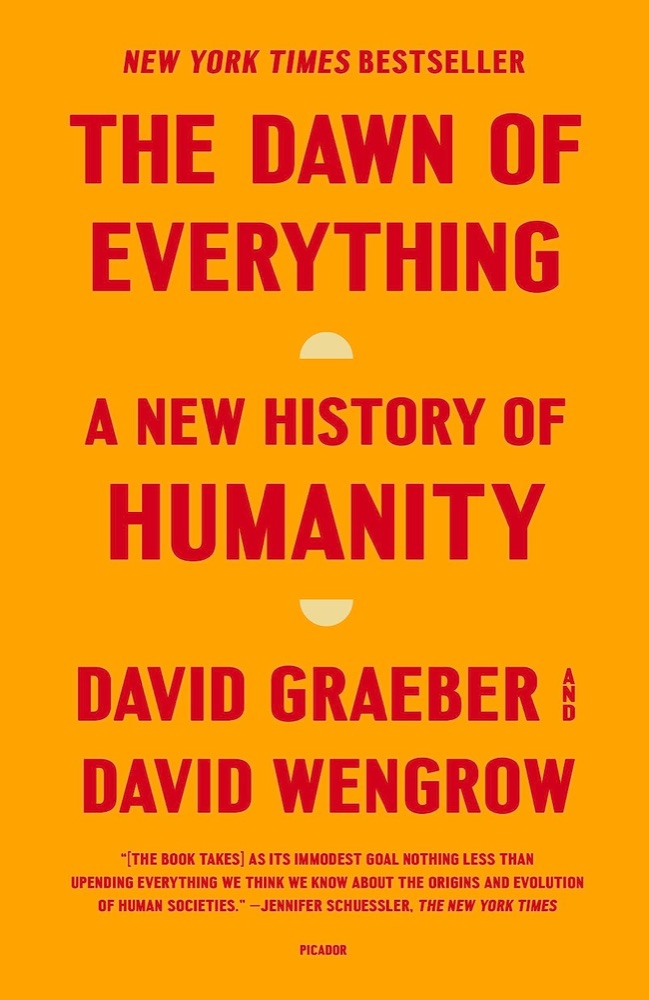 The Dawn of Everything: A New History of Humanity