 You Are Not a Gadget
Quotes from the Book
The modern incarnation of Silicon Valley has strayed significantly from this tradition of collaboration with the U.S. government, focusing instead on the consumer market, including the online advertising and social media platforms that have come to dominate—and limit—our sense of the potential of technology. A generation of founders cloaked themselves in the rhetoric of lofty and ambitious purpose—indeed their rallying cry to change the world has grown lifeless from overuse—but often raised enormous amounts of capital and hired legions of talented engineers merely to build photo-sharing apps and chat interfaces for the modern consumer.
4
You will never touch the hearts of others, if it does not emerge from your own.
4
The grand, collectivist experiments of the earlier part of the twentieth century were discarded in favor of a narrow attentiveness to the desires and needs of the individual. The market rewarded shallow engagement with the potential of technology, as startup after startup catered to the whims of late capitalist culture without any interest in constructing the technical infrastructure that would address our most significant challenges as a nation. The age of social media platforms and food delivery apps had arrived. Medical breakthroughs, education reform, and military advances would have to
2
Rather than resist, we might see this next era as one of collaboration, between two species of intelligence, our own and the synthetic. The relinquishment of control over certain creative endeavors may even relieve us of the need to define our worth and sense of self in this world solely through production and output.
1
Where, in short, are the flying cars? Where are the force fields, tractor beams, teleportation pods, antigravity sleds, tricorders, immortality drugs, colonies on Mars, and all the other technological wonders any child growing up in the mid-to-late twentieth century assumed would exist by now?
1
The software and early computing devices that Felsenstein and others were building in Silicon Valley were intended to serve as a challenge to state power, not to enable it. They were not building software systems for defense and intelligence agencies, and they were certainly not building bombs.
1
An entire generation of software engineers, capable of building the next generation of AI weaponry, has turned its back on the nation-state, disinterested in the messiness and moral complexity of geopolitics.
1
The parallels, however, between improvisational theater and the plunge into the abyss that is founding or working at a startup are numerous. To expose oneself on the stage, and to inhabit a character, require an embrace of serendipity and a level of psychological flexibility that are essential in building and navigating the growth of a company that seeks to serve a new market, and indeed participate in the creation of that market, rather than merely accommodate the needs and demands of existing ones. There is a breathless, improvisational quality to building technology. Jerry Seinfeld has said, “In comedy, you do anything that you think might work. Anything.” The same is true in tech. The construction of software and technology is an observational art and science, not a theoretical one. One needs to constantly abandon perceived notions of what ought to work in favor of what does work. It is that sensitivity to the audience, the public, and the customer that allows us to build.
1
The modern incarnation of Silicon Valley30 has strayed significantly from this tradition of collaboration with the U.S. government, focusing instead on the consumer market, including the online advertising and social media platforms that have come to dominate—and limit—our sense of the potential of technology. A generation of founders cloaked themselves in the rhetoric of lofty and ambitious purpose—indeed their rallying cry to change the world has grown lifeless from overuse—but often raised enormous amounts of capital and hired legions of talented engineers merely to build photo-sharing apps and chat interfaces for the modern consumer.
1
An overly timid engagement with the debates of our time will rob one of the ferocity of feeling that is necessary to move the world. "If you do not feel it, you will not get it by hunting for it
1
We have withdrawn just as much from making ethical judgments about the good life as we have aesthetic jugdments about beauty. The postmodern disinclination to make normative claims and value judgments has begun to erode our collective ability to make descriptive claims about truth as well.
1
The reluctance of several generations of educators, in particular, but also our political and business leaders, to venture into a discussion about the good, as opposed to merely the right, has left a gap that risks being filled by others, demagogues from both the left and the right. Such reluctance was born of a desire to accommodate all views and values. But a tolerance of everything has the tendency to devolve into support for nothing.
1
unjustly treated,” Parsons noted, is “not only a balm to one’s sense of resentment, it is an alibi for failure.
1
Scientists aren’t responsible for the facts that are in nature. It’s their job to find the facts. There’s no sin connected with it—no morals.
1
The public will forgive many failures and sins of the political class. But the electorate will not overlook a systemic inability to harness technology for the purpose of effectively delivering the goods and services that are essential to our lives.
1
One should be able to decide whether a descriptive claim is true without knowing anything about who is making it.
1
further refine online advertising algorithms could instead be directed to addressing glaring innovation gaps across education, medicine, national defense, and basic science in the United States and abroad.
1
Our entire defense establishment and military procurement complex were built to supply soldiers for a type of war—on grand battlefields and with clashes of masses of humans—that may never again be fought. This next era of conflict will be won or lost with software.
1
Some have predicted that language models with as many synapses as exist in the human brain—some 100 trillion connections—will be constructed within the decade.
1
The age of social media platforms and food delivery apps had arrived. Medical breakthroughs, education reform, and military advances would have to wait.
1
If an upper class degenerates into a caste,” Baltzell wrote
Was America nothing more than a vehicle through which a newly globalized and educated elite could enrich itself?
Unlike the legions of lawyers who have come to dominate American politics in the modern era
We may be at risk of losing a taste for and the habit of intellectual confrontation and discomfort—a discomfort that often precedes and gives rise to genuine engagement with the other.
entire generation of executives and entrepreneurs that came of age in recent decades was essentially robbed of an opportunity to form actual views about the world—both descriptive, what it is, and normative, what it should be—leaving us with a managerial class whose principal purpose often seems to be little more than ensuring its own survival and re-creation.
millions? Or makes us laugh out loud?[*] Or paints a portrait that endures for decades? Or directs and produces a film that captures the hearts of festival critics? Is the beauty or truth expressed in such works any less powerful or authentic merely because they sprang from the mind of a machine?
The rise of artificial intelligence, which for the first time in history presents a plausible challenge to our species for creative supremacy in the world, has only heightened the urgency of revisiting questions of national identity and purpose that many had thought could be safely cast aside. We might have muddled through for years if not decades, dodging these more essential matters, if the rise of advanced AI, from large language models to the coming swarms of autonomous robots, had not threatened to upend the global order. The moment, however, to decide who we are and what we aspire to be, as a society and a civilization, is now.
Our educational institutions and broader culture have enabled a new class of leaders who are not merely neutral, or agnostic, but whose capacity for forming their own authentic beliefs about the world has been severely diminished. And that absence leaves them vulnerable to becoming instruments for the plans and designs of others.
The radical suggestion to build technology that served the needs of U.S. defense and intelligence agencies, instead of merely catering to the consumer, began with Peter Thiel, who sensed the diminished ambition of Silicon Valley
Watch on YouTube
About Alexander C. Karp
About the book
INSTANT #1 NEW YORK TIMES BESTSELLER • “A cri de coeur that takes aim at the tech industry for abandoning its history of helping America and its allies.”—The Wall Street Journal
From the Palantir co-founder, one of tech’s boldest thinkers and The Economist’s “best CEO of 2024,” and his deputy, a sweeping indictment of the West’s culture of complacency, arguing that timid leadership, intellectual fragility, and an unambitious view of technology’s potential in Silicon Valley have made the U.S. vulnerable in an era of mounting global threats.
“Not since Allan Bloom’s astonishingly successful 1987 book The Closing of the American Mind—more than one million copies sold—has there been a cultural critique as sweeping as Karp’s.”—George F. Will, The Washington Post
Silicon Valley has lost its way.
Our most brilliant engineering minds once collaborated with government to advance world
Book details
- First published
- 2025
- Author
- Alexander C. Karp
- Genre
- Nonfiction
- Goodreads rating
- 3.55 (4k ratings)
Keep reading
You Are Not a Gadget
 The World Is Flat: A Brief History of the Twenty-first Century
 Technopoly: The Surrender of Culture to Technology
 Chaos Monkeys: Obscene Fortune and Random Failure in Silicon Valley
 The Audacity of Hope: Thoughts on Reclaiming the American Dream
 What's Our Problem?: A Self-Help Book for Societies
 Who Owns the Future?
 The Price of Tomorrow: Why Deflation is the Key to an Abundant Future
 Small Is Beautiful: Economics as if People Mattered
 The Shockwave Rider
 Amusing Ourselves to Death: Public Discourse in the Age of Show Business
 Physics of the Future: How Science Will Shape Human Destiny and Our Daily Lives by the Year 2100
 From Dawn to Decadence: 500 Years of Western Cultural Life, 1500 to the Present
 Ill Fares the Land
 The Evolution of Everything: How New Ideas Emerge
 Empire of Illusion: The End of Literacy and the Triumph of Spectacle
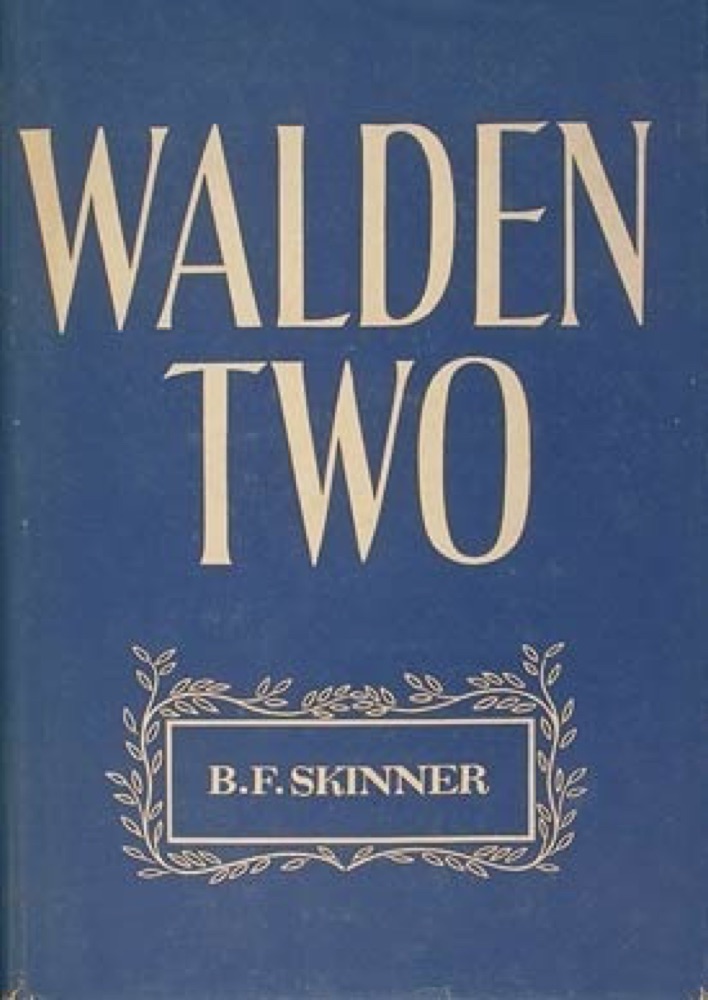 Walden Two
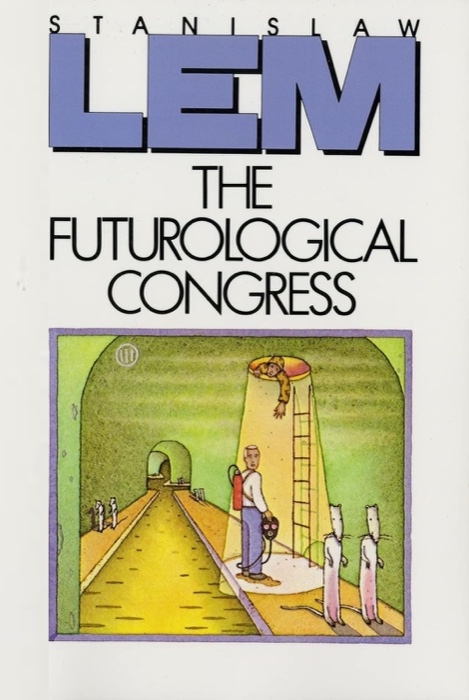 The Futurological Congress: From the Memoirs of Ijon Tichy
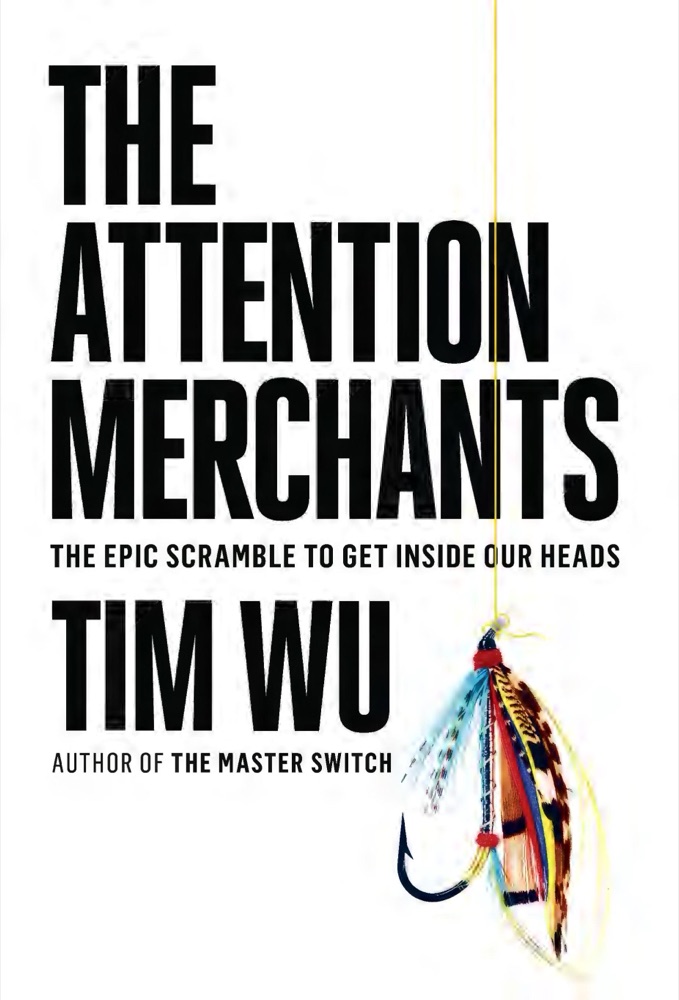 The Attention Merchants: The Epic Scramble to Get Inside Our Heads
 Enlightenment Now: The Case for Reason, Science, Humanism, and Progress
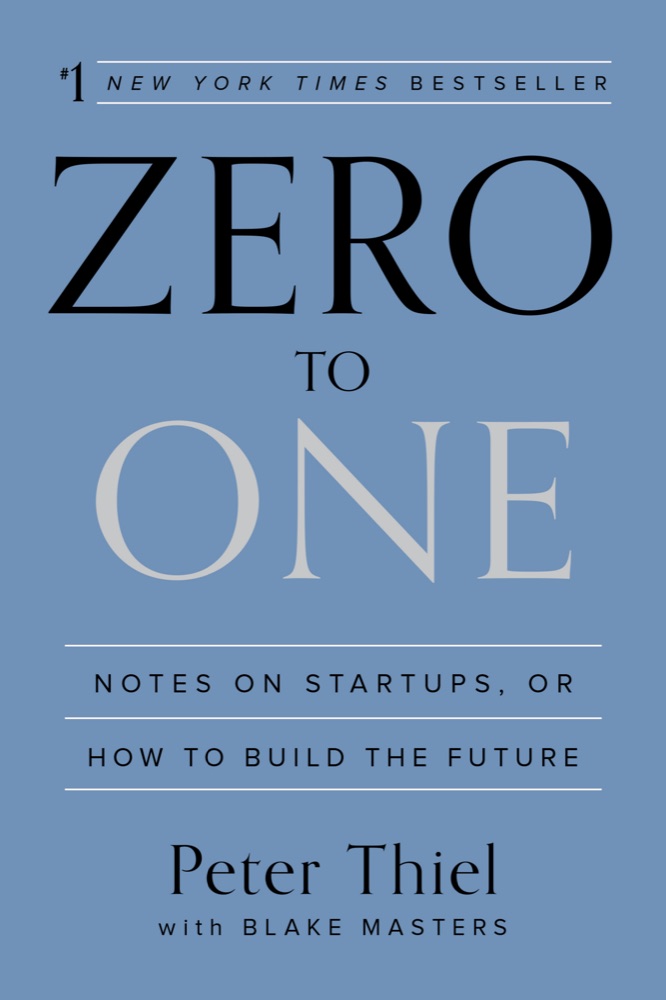 Zero to One: Notes on Startups, or How to Build the Future
 The Wizard and the Prophet: Two Remarkable Scientists and Their Dueling Visions to Shape Tomorrow's World
 Understanding Media: The Extensions of Man
 Hackers & Painters: Big Ideas from the Computer Age
 The Coming Insurrection
 Permanent Record
 What Technology Wants
 Fall; or, Dodge in Hell
 Shop Class as Soulcraft: An Inquiry Into the Value of Work
 Homo Deus: A History of Tomorrow
 Behold a Pale Horse
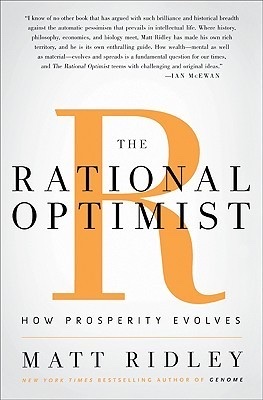 The Rational Optimist: How Prosperity Evolves
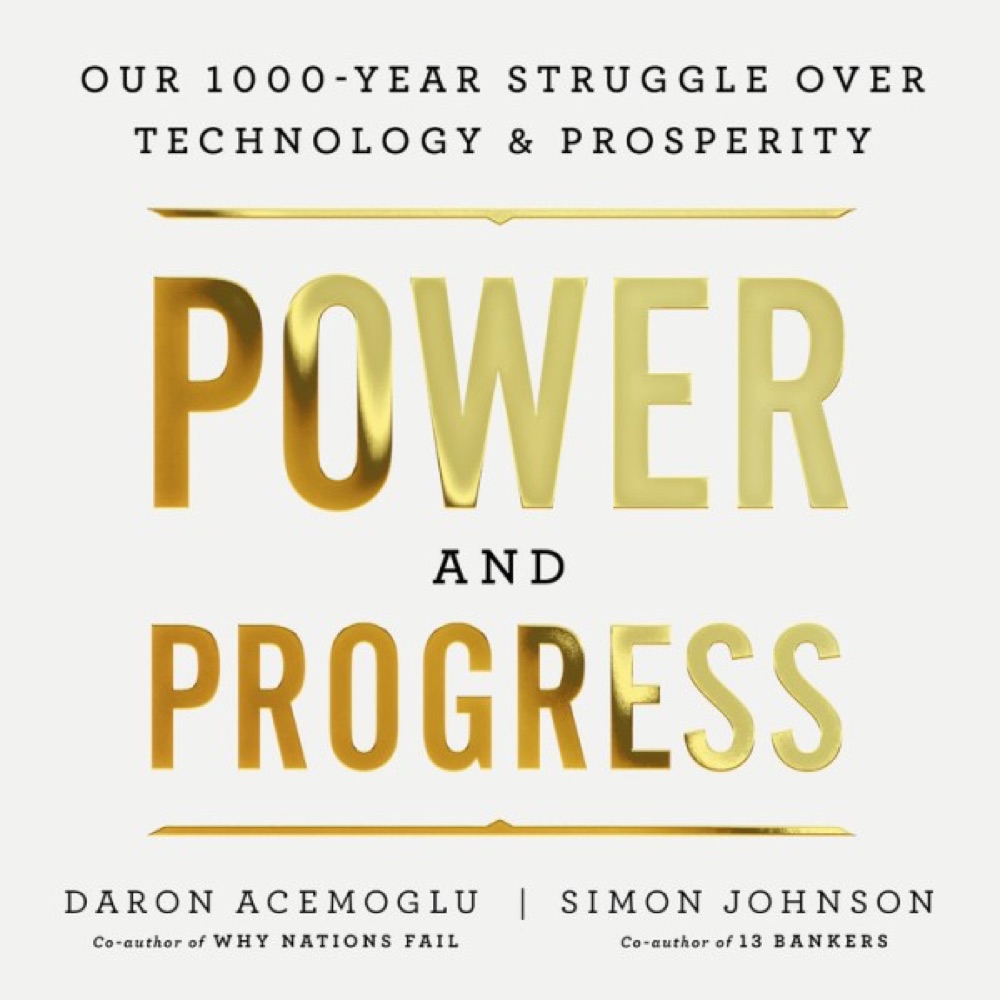 Power and Progress: Our Thousand-Year Struggle Over Technology and Prosperity
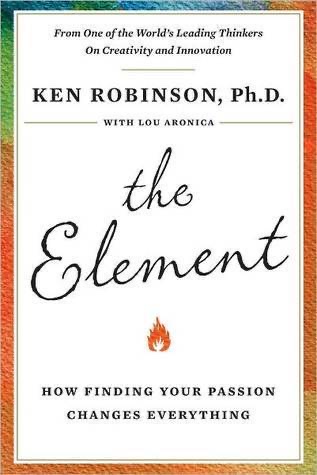 The Element: How Finding Your Passion Changes Everything
 The Mandibles: A Family, 2029–2047
 Distrust That Particular Flavor
 A Short History of Progress
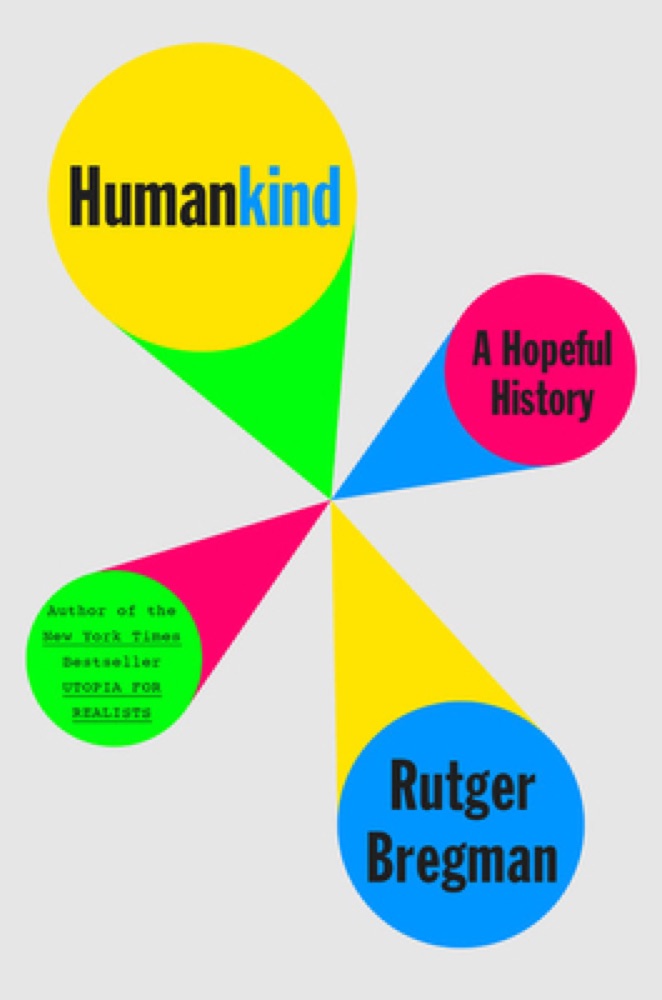 Humankind: A Hopeful History
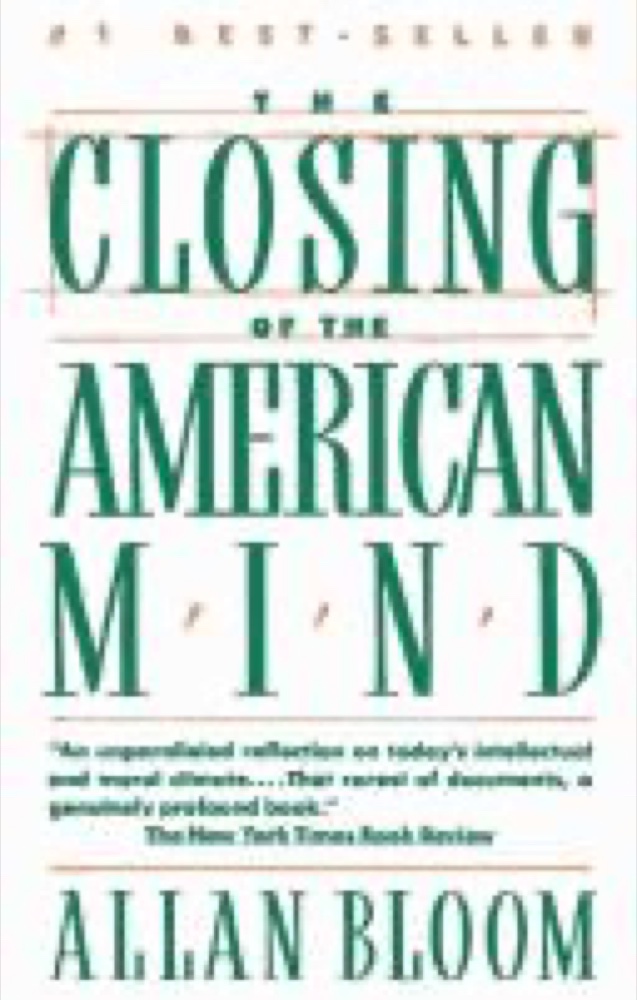 The Closing of the American Mind
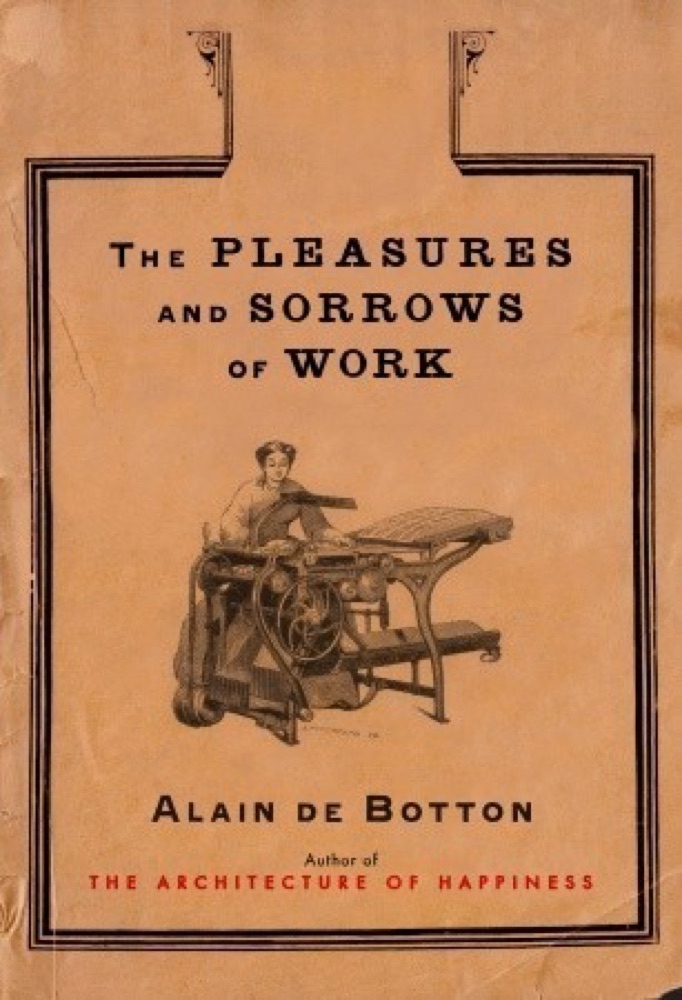 The Pleasures and Sorrows of Work
 The Vanishing American Adult: Our Coming-of-Age Crisis—and How to Rebuild a Culture of Self-Reliance
 In Praise of Idleness and Other Essays
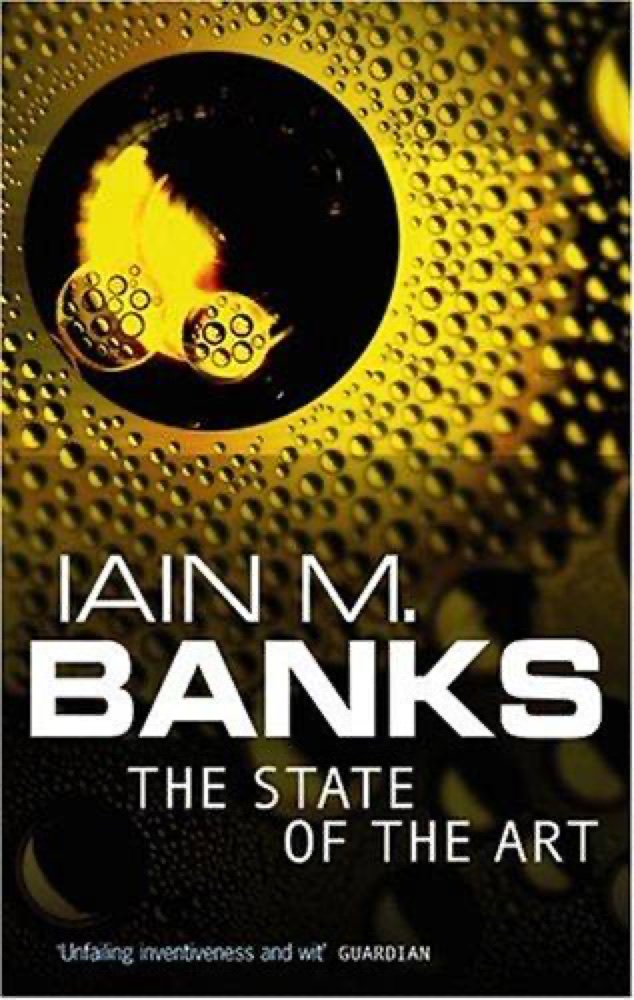 The State of the Art
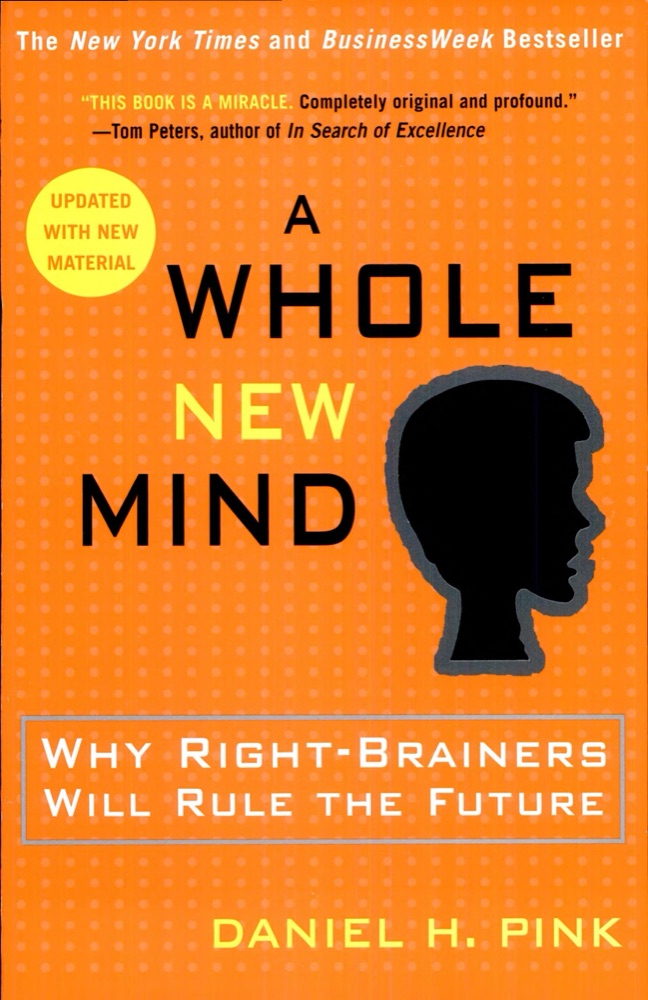 A Whole New Mind: Why Right-Brainers Will Rule the Future
 Endgame, Vol. 1: The Problem of Civilization
 America Alone: The End of the World As We Know It
 Brave New World Revisited
 Hit Refresh: The Quest to Rediscover Microsoft's Soul and Imagine a Better Future for Everyone
 House Corrino
 Ways of Being: Animals, Plants, Machines: The Search for a Planetary Intelligence
 Civilized to Death: What Was Lost on the Way to Modernity
 Green Mars
 I Hate the Internet
 Four Futures: Life After Capitalism
 Uncanny Valley
 Seven Surrenders
 The Blank Slate: The Modern Denial of Human Nature
 In the Light of What We Know
 Too Like the Lightning
 Genesis