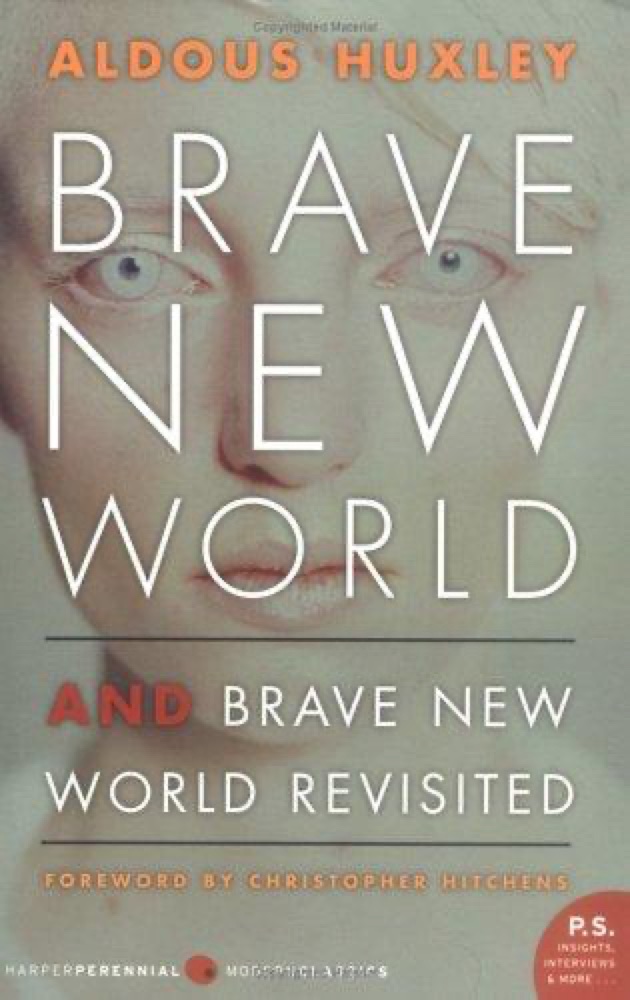
 Brave New World / Brave New World Revisited
Quotes from the Book
What does freedom mean to me? This question has occupied me my entire life. Naturally, politically, because freedom needs democratic conditions, without democracy there is no freedom, no rule of law, no protection of human rights. But this question also occupies me on another level. Freedom, for me, is finding out where my own limits are, and pushing my own limits. Freedom is for me not to stop learning, not to have to stand still but to be allowed to continue, even after leaving politics.” - Angela Merkel
1
But there is another feeling that has lingered as well. I don't know exactly what to call it, and I'm searching for the right word. Perhaps this is it: superiority. Superiority in relation to the state's efforts at discipline and intimidation. This was a state that never trusted its citizens, or, most importantly, itself -- and as a result it was as petty, narrow-minded, tasteless, and -- yes, that too -- humorless as it could possibly be. ...despite it all, this state didn't manage to take from me something that allowed me to live, to sense, to feel: a degree of light-heartedness. It had been with me since I was a little girl. And the fact that the GDR couldn't take it from me is what I feel to be my greatest personal victory over the system. Without this light-heartedness -- and in retrospect I am convinced of this -- I never would have guilelessly done my homework during that ML lecture.
I must say quite honestly: if we now have to start apologizing for showing a friendly face in emergency situations, then this is not my country.
Even now, I cannot understand how anyone could assume that a friendly face on a photo could encourage people to flee their homeland in droves.
De mis conversaciones saqué la siguiente conclusión: con Trump no habría cooperación para un mundo interconectado. Él consideraba todo desde la perspectiva de un inversor inmobiliario, lo que había sido antes de meterse en política. Cada propiedad solo podía adjudicársela una vez, y si no la conseguía él, la conseguía otro. Así es como Trump veía el mundo: todos los países participaban en una carrera en la que el logro de uno significaba el fracaso de otro, no creía que la cooperación pudiera incrementar el bienestar común.
Dejé claro que en el transcurso del siglo XXI sería necesaria una descarbonización considerable de nuestras economías.
Nada me angustiaba más que no ser capaz de formular una pregunta razonable por saber muy poco sobre una nación.
de que nadie abandona su hogar a la ligera, tampoco quienes lo hacen por carecer de perspectivas económicas y sociales, y que no tienen posibilidad de ser reconocidos como solicitantes de asilo político
Tanto es así que el resultado fue insuperable en cuanto a mezquindad, estrechez de miras, mal gusto y —sí, eso también— falta de humor.
La política no es cosa de brujería. La política la hacen las personas, con sus inclinaciones, experiencias, vanidades, debilidades, fortalezas, deseos, sueños, convicciones, valores e intereses. Personas que si quieren llevar a cabo algo, en una democracia deben luchar por una mayoría.
Treuhandgesetz—the Trust Law (officially: Law on the Privatization and Reorganization of the Assets of the People).
on October 3, 1990, the country was reunited.
Two Plus Four Agreement”—a treaty between the Federal Republic of Germany and the German Democratic Republic on one side, and France, the Soviet Union, the UK, and the USA on the other.
It was hard for me to understand why the majority of expropriation cases should be analyzed in detail and judged in favor of the former owners, when virtually no one showed any willingness to compensate the East German citizens—dissidents, the victims of SED crimes, and many pastors’ children, for example—for the lifelong disadvantages they had suffered.
chancellor’s often-discussed authority to decide policy: following one’s own moral compass in certain situations and genuinely assuming ultimate political responsibility.
raised to mark German unity. From Schöneberg in West Berlin, the peal of the Freedom Bell was broadcast in the square in front of the Reichstag. A replica of the famous Liberty Bell in Philadelphia, financed in large part by donations from Americans, this bell had hung in Schöneberg’s town hall since October 1950. To this day, it bears the inscription “That this world under God shall have a new birth of freedom,” echoing President Abraham Lincoln’s Gettysburg Address in 1863, at the turning point in the American Civil War. The inscription had become reality for us, too. The GDR was history. There was only one German state now.
Cuando iba a ver partidos a los estadios, en ocasiones, desde el mismo instante en que un equipo accedía al terreno de juego podía saber por su lenguaje corporal si iba a tener un buen día o no. Era algo que conocía por mi trabajo, cuando entraba en una sala como ponente, ya en los primeros instantes podía percibir si podía conectar con el público o, por el contrario, si entre nosotros se interponía un muro.
I didn’t see the Chernobyl reactor accident as a systemic failure of nuclear power, but as simply a result of Soviet sloppiness.
The desire for freedom and independence from the socialist system was much more evident in Poland than it was at home.
They’ve lost the justification for their existence.
Watch on YouTube
About Angela Merkel
We have collected 20 quotes from 1 book by Angela Merkel on BookQuoters.
More about the author →About the book
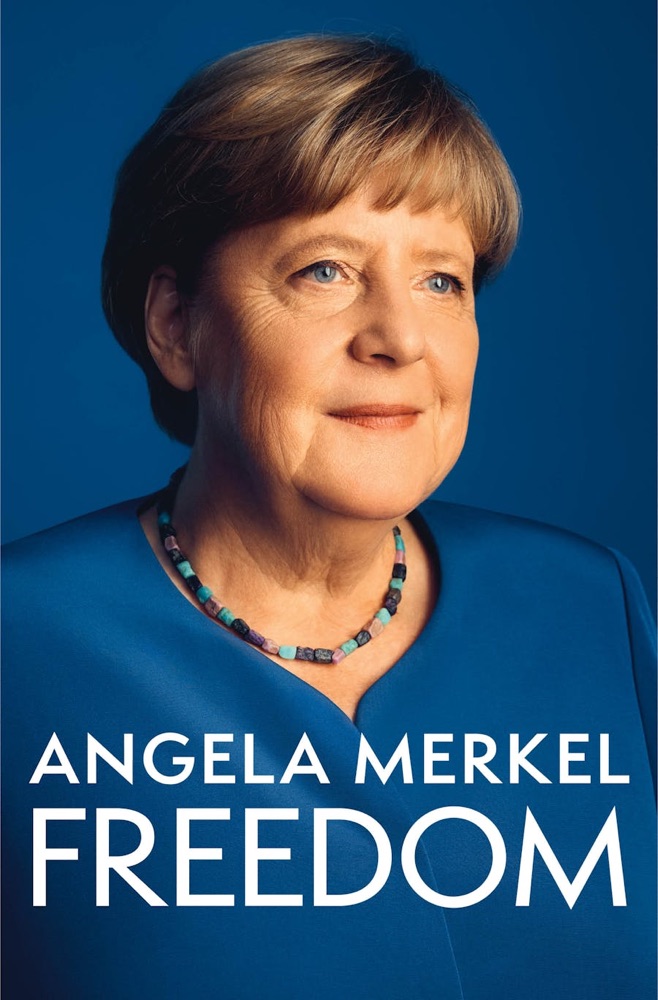
The New York Times and USA Today bestselling memoir by one of the most important leaders of our timeFor 16 years, Angela Merkel bore the governmental responsibility for Germany, leading the country through numerous crises and shaping German and international politics and society with her actions and attitude. But Angela Merkel was not born a Chancellor. In her memoirs, co-written with her long-standing political advisor Beate Baumann, she looks back on her life in two German states – 35 years in the GDR (German Democratic Republic), 35 years in reunified Germany. More personally than ever before, she talks about her childhood, youth, and her studies in the GDR, and the dramatic year of 1989, when the Wall fell and her political life began. She shares insights into her meetings and conversations with the world's most powerful leaders and elucidates, with clear and precise examples, signif
Book details
- First published
- 2024
- Author
- Angela Merkel
- Genre
- Nonfiction
- Goodreads rating
- 3.85 (5k ratings)
The buzz
- The New York TimesReview in The New York Timesprofessional review (via Book Marks)
- The Washington PostReview in The Washington Postprofessional review (via Book Marks)
- The Wall Street JournalReview in The Wall Street Journalprofessional review (via Book Marks)
- The GuardianReview in The Guardianprofessional review (via Book Marks)
- Los Angeles TimesReview in Los Angeles Timesprofessional review (via Book Marks)
- The Times Literary SupplementReview in The Times Literary Supplementprofessional review (via Book Marks)
Keep reading
Brave New World / Brave New World Revisited
 Defying Hitler
 Free: A Child and a Country at the End of History
 First As Tragedy, Then As Farce
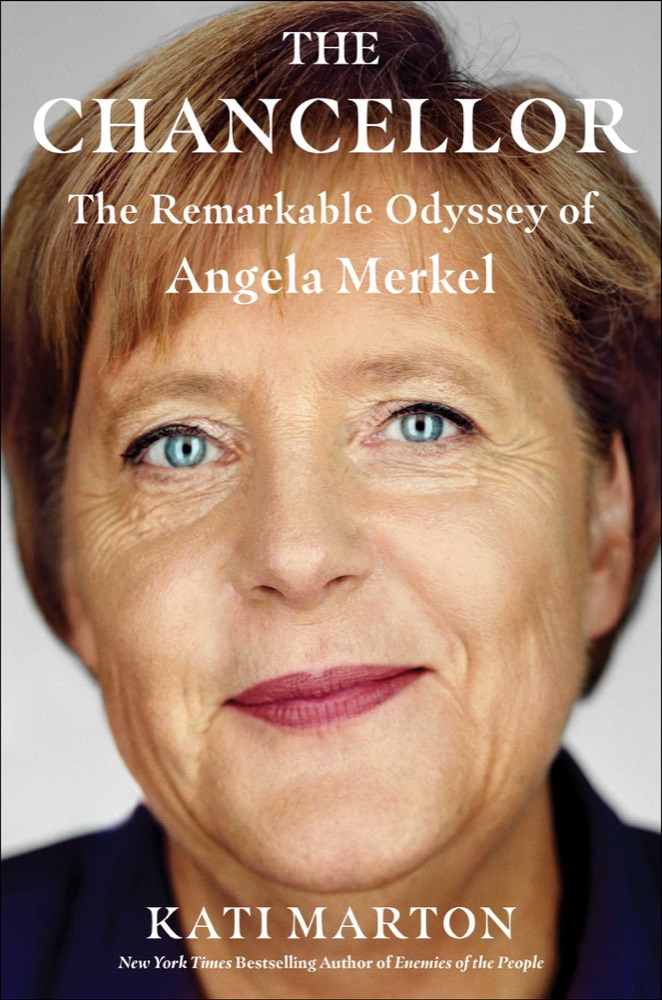 The Chancellor: The Remarkable Odyssey of Angela Merkel
 I Will Bear Witness 1933-41 A Diary of the Nazi Years
 Hornet Flight
 Postwar: A History of Europe Since 1945
 Border: A Journey to the Edge of Europe
 Quotations from Chairman Mao Tsetung
 The New Penguin History of The World
 Diary of a Bad Year
 Leadership : Six Studies in World Strategy
 Civil Disobedience and Other Essays
 How We Survived Communism and Even Laughed
 Before Night Falls
 Ill Fares the Land
 My Invented Country: A Nostalgic Journey Through Chile
 Patriot: A Memoir
 The Dogs of Riga
 So Much for That
 The Strange Death of Europe: Immigration, Identity, Islam
 Café Europa: Life After Communism
 Upheaval: Turning Points for Nations in Crisis
 The Complete Persepolis
 A Quiet Flame
 Brodie's Report
 The Road to Serfdom
 The Sound of Things Falling
 Imperium
 Mutant Message Down Under
 Imperial Ambitions: Conversations on the Post-9/11 World
 Flashpoints: The Emerging Crisis in Europe
 Becoming Madam Secretary
 The Kindly Ones
 Stasiland: Stories from Behind the Berlin Wall
 On Tyranny: Twenty Lessons from the Twentieth Century
 The Fountains of Silence
 Peeling the Onion
 Distant Star
 The Prague Cemetery
 Infinite Country
 The Ministry of Pain
 The Mandibles: A Family, 2029–2047
 What's Left?
 Profiles in Courage
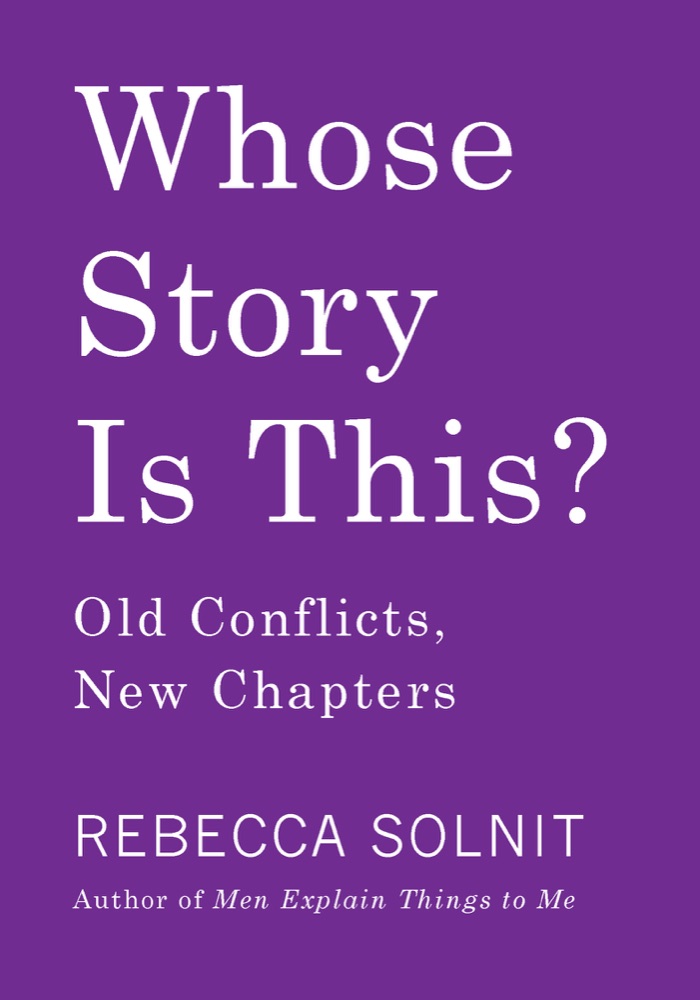 Whose Story Is This? Old Conflicts, New Chapters
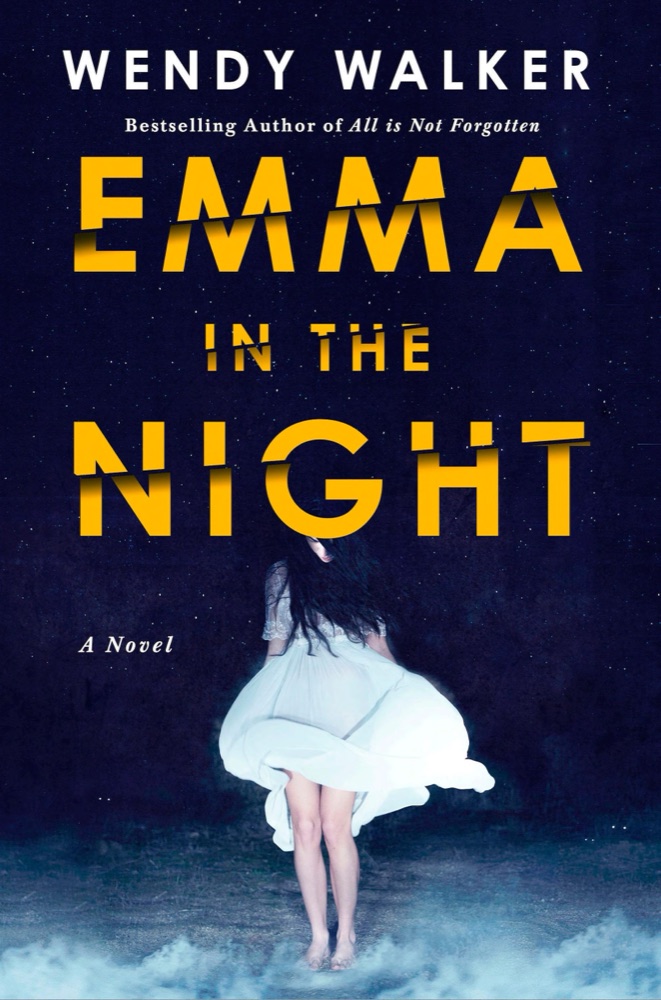 Emma in the Night
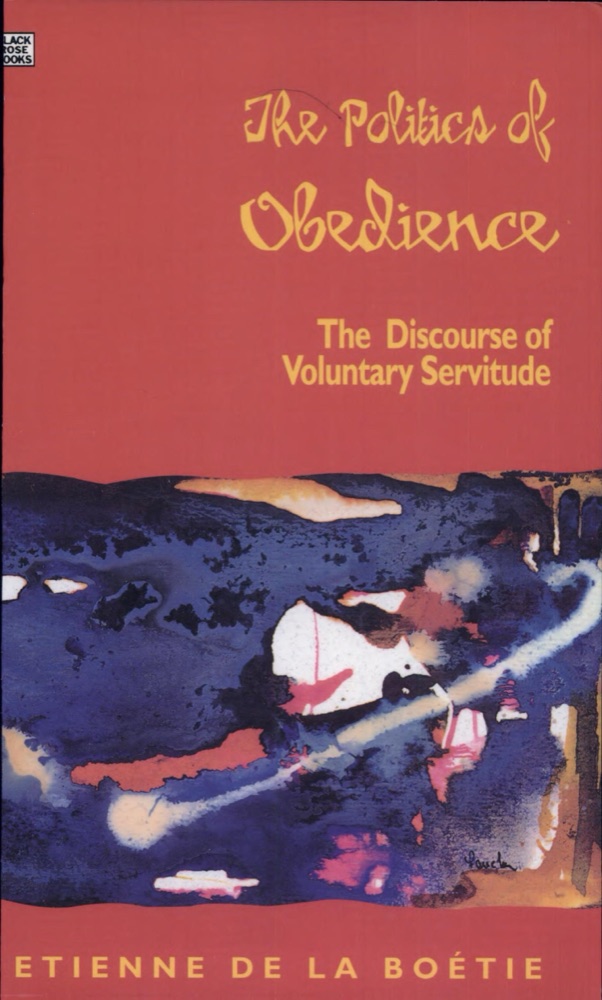 The Politics of Obedience: The Discourse of Voluntary Servitude
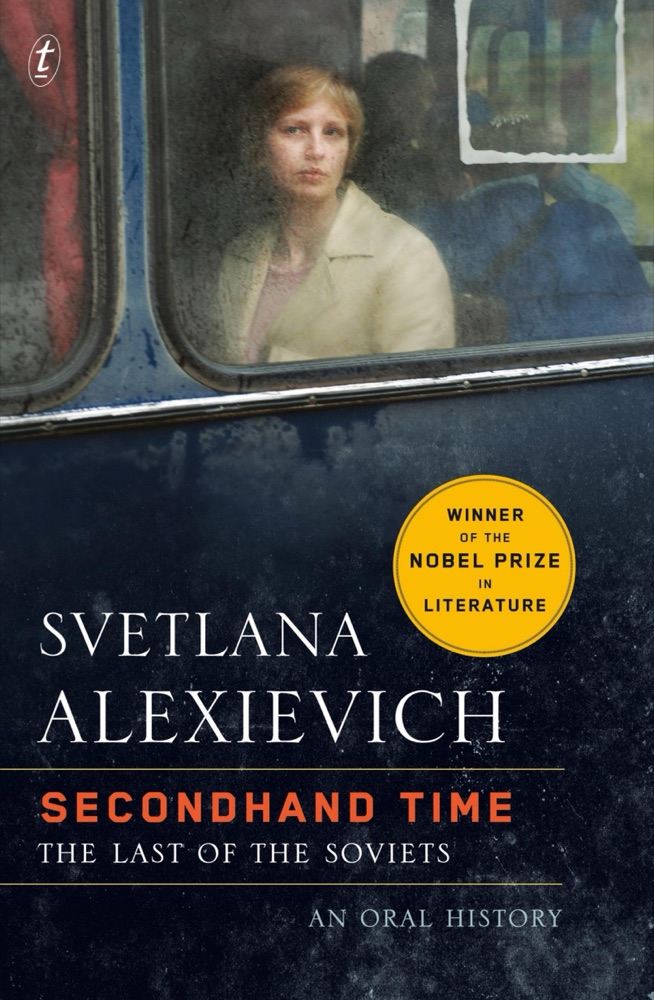 Secondhand Time: The Last of the Soviets
 Stories
 Berlin Diary: The Journal of a Foreign Correspondent 1934-1941
 Upside Down: A Primer for the Looking-Glass World
 Behold a Pale Horse
 The Day Before the Revolution
 A Sunny Place for Shady People
 Boomerang: Travels in the New Third World
 Fall of Giants
 If This Is a Man / The Truce
 The Labyrinth of Solitude and Other Writings