
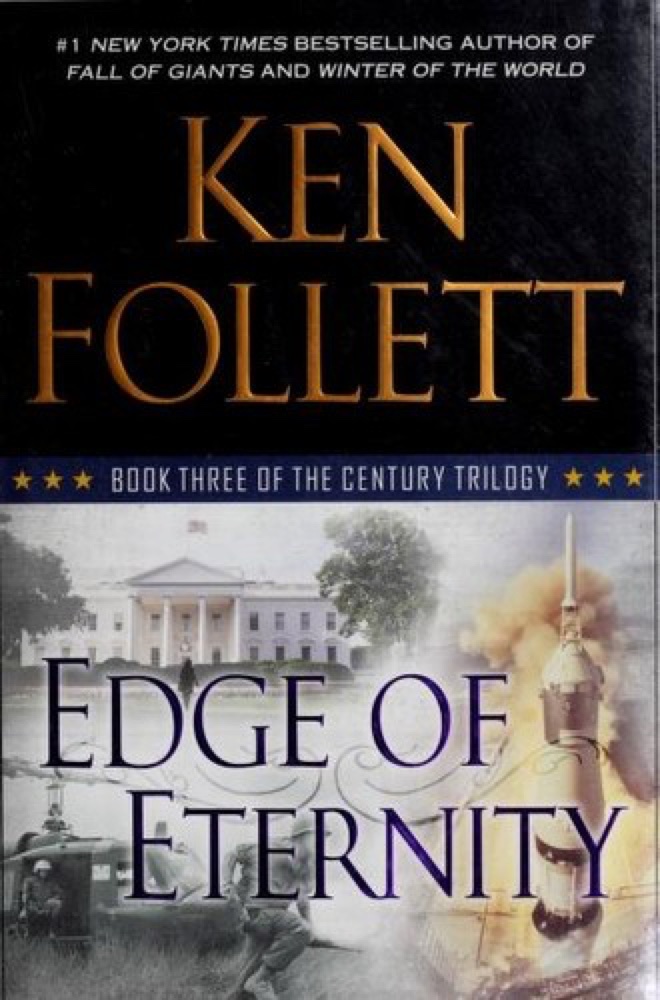
 Edge of Eternity
Quotes from the Book
A baby was like a revolution, Grigori thought: you could start one, but you could not control how it would turn out.
President Wilson says a leader must treat public opinion the way a sailor deals with the wind, using it to blow the ship in one direction or another, but never trying to go directly against it.
I think more people should shoot newspaper editors...it might improve the press
You never get cheered for telling people the situation is not as simple as they think.
I could fall for you in a heartbeat
The ability to listen to smart people who disagree with you is a rare talent
Moderates always seem to deal in hopes rather than in facts.
There’s a saying: ‘If you owe a hundred dollars, the bank has you in its power; but if you owe a million dollars, you have the bank in your power.
In every country, those who were against war had been overruled. The Austrians had attacked Serbia when they might have held back; the Russians had mobilized instead of negotiating; the Germans had refused to attend an international conference to settle the issue; the French had been offered the chance to remain neutral and had spurned it; and now the British were about to join in when they might easily have remained on the sidelines.
His talent was to express his readers’ most stupid and ignorant prejudices as if they made sense, so that the shameful seemed respectable. That was why they bought the paper.
A waiter appeared, and Gus said: “Bring coffee for my guests, please, and a plate of ham sandwiches.” He deliberately did not ask them what they wanted. He had seen Woodrow Wilson act like this with people he wanted to intimidate.
Marvelous, isn’t it, how these Germans can shoot back at us even when they’re fucking dead.
Mam kissed Ethel and said: “I'm glad to see you settled at last, anyway,” That word ANYWAY carried a lot of baggage, Ethel thought. It meant: “Congratulations, even though you're a fallen woman, and you've got an illegitmate child whose father no one knows, and you're marrying a Jew, and living in London, which is the same as Sodom and Gomorrah.” But Ethel accepted Mam's qualified blessing and vowed never to say such things to her own child.
I went to the doctor," said the woman next to Ethel. "I said to him, 'I've got an itchy twat.'" [...] She went on: "The doctor says to me, he goes, 'You shouldn't say that, it's a rude word.'" [...] "I says to him, 'What should I say, then, doctor?' He says to me, 'Say you've got an itchy finger.'" [...] "He says to me, 'Do your finger itch you all the time, Mrs. Perkins, or just now and again?'" Mildred paused, and the women were silent, waiting for the punch line. "I says, 'No, doctor, only when I piss through it.
A German attack on Russia’s ally France would, in reality, be defensive—but the English talked as if Germany was trying to dominate Europe.
If it be a sin to covet honour, I am the most offending soul alive.
But her angry feminism had set as hard as concrete during years of living alongside the tough, hardworking, dirt-poor women of London’s East End. Men often told a fairy tale in which there was a division of labor in families, the man going out to earn money, the woman looking after home and children. Reality was different. Most of the women Ethel knew worked twelve hours a day and looked after home and children as well. Underfed, overworked, living in hovels, and dressed in rags, they could still sing songs and laugh and love their children. In Ethel’s view one of those women had more right to vote than any ten men.
You're the one who doesn't understand," Lev said. "In America, I have my own car. There's more food than you can eat, all the booze I want, all the cigarettes I can smoke. I have five suits!" "What's the point in having five suits?" Grigori said in frustration. "It's like having five beds. You can only use one at a time!
It was unladylike even to know the name of your lawyer, let alone to understand your rights under the law. No wonder women were mercilessly exploited.
Lenin’s idea of relaxation was to sit down with a foreign-language dictionary for an hour or two.
A wine cellar requires order, forethought and good taste,’ the old man used to say. ‘These are the virtues that made Britain great.
Monika answered for her father. Giving Walter a conspiratorial grin, she said: “Daddy used to say that if the tsar had been born to a different station in life, he might, with an effort, have become a competent postman.
Men were the only animals that slaughtered their own kind by the million, and turned the landscape into a waste of shell craters and barbed wire. Perhaps the human race would wipe itself out completely, and leave the world to the birds and trees, Walter thought apocalyptically. Perhaps that would be for the best.
Era un día soleado de principios de verano, y se oía el canto de los pájaros. En un huerto cercano que hasta entonces se había librado de los bombardeos, los manzanos florecían de forma espectacular. El hombre era el único animal que acababa con la vida de los de su propia especie por millones y que convertía el paisaje en un terreno yermo, plagado de cráteres provocados por las bombas y alambradas de espino. Walter tuvo el pensamiento apocalíptico de que, tal vez, la humanidad se borraría a sí misma de la faz de la tierra y dejaría el mundo a los pájaros y a los árboles. Tal vez eso fuera lo mejor.
In the struggle for female equality, Maud reflected, sometimes you had to fight women as well as men.
It was a sunny day in early summer, and he could hear birdsong. In a nearby orchard that had so far escaped shelling, apple trees were blossoming bravely. Men were the only animals that slaughtered their own kind by the million, and turned the landscape into a waste of shell craters and barbed wire. Perhaps the human race would wipe itself out completely, and leave the world to the birds and trees, Walter thought apocalyptically. Perhaps that would be for the best.
The world was changing so fast it was hard to keep up. Grigori had never been inside
If you want to change the world, then foreign relations is the field in which you can do the most good—or evil.
Did you know?
- It is the first book of Ken Follett's Century Trilogy, followed by Winter of the World and Edge of Eternity.
- The story follows five families across Wales, England, Germany, Russia, and the United States.
- The narrative opens in 1911 on the day of King George V's coronation.
- It spans major events including World War I, the Russian Revolution, and the women's suffrage movement.
- Ken Follett is known for weaving real historical figures and events into his fictional narratives.
About Ken Follett
Ken Follett is a Welsh author of thrillers and historical novels, born in Cardiff in 1949, who has sold well over 100 million copies of his books. He broke through with the spy thriller Eye of the Needle (1978) and became best known for the historical epic The Pillars of the Earth (1989).
More about the author →More by Ken Follett
All books by Ken Follett →
About the book
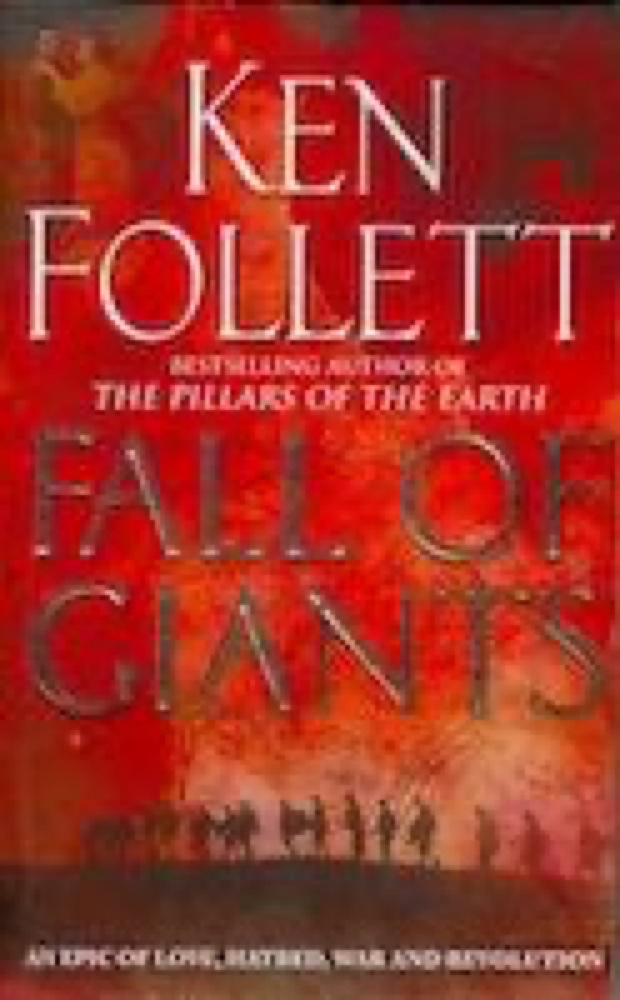
"Fall of Giants" is the first novel in Ken Follett's sweeping Century Trilogy, published in 2010. It follows five interconnected families—Welsh, English, German, Russian, and American—through the upheavals of the early twentieth century, beginning in 1911 on the day of King George V's coronation, when thirteen-year-old Billy Williams goes down a coal pit in Aberowen, South Wales. Across roughly a thousand pages, their destinies intertwine amid the First World War, the Russian Revolution, and the struggle for women's suffrage.
Follett uses the personal fortunes of ordinary miners, aristocrats, diplomats, and revolutionaries to dramatize how vast historical forces reshaped everyday lives. Recurring themes include the collapse of the old aristocratic order, class conflict, the birth of modern politics, and the way war and revolution both destroy and liberate. Real historical figures and events are woven through the fictional narrative, a hallmark of Follett's meticulous historical research.
As the opening volume of a trilogy that continues in "Winter of the World" and "Edge of Eternity," the novel established a bestselling multigenerational saga spanning the whole century. Praised for combining accessible storytelling with detailed period reconstruction, it became an international bestseller and cemented Follett's reputation for large-scale historical epics following his Kingsbridge novels.
Key characters
- Billy WilliamsYoung Welsh coal miner whose life follows the labor struggle
- Ethel WilliamsBilly's sister, who rises from servant to activist and politician
- Earl Fitzherbert ("Fitz")Wealthy English aristocrat and coal-mine owner
- Lady Maud FitzherbertFitz's sister, a suffragette and journalist
- Walter von UlrichGerman nobleman and diplomat in love with Maud
- Gus DewarAmerican aide and advisor to President Woodrow Wilson
- Grigori and Lev PeshkovRussian orphan brothers caught up in revolution and emigration
Book details
- First published
- 2010
- Length
- 985 pages
- Reading time
- 18 hours
- Author
- Ken Follett
- Genre
- Fiction
- Goodreads rating
- 4.33 (353k ratings) →
- First line
- “On the day King George V was crowned at Westminster Abbey in London, Billy Williams went down the pit in Aberowen, South Wales.”
Series & reading order
- 1 Fall of Giants
- 2 Winter of the World
- 3 Edge of Eternity
If you liked this, read…
- 1The Pillars of the EarthFollett's earlier sweeping historical epic of interlocking lives
- 2Winter of the WorldThe direct sequel continuing the same families into WWII
Keep reading
 Winter of the World
 The Proud Tower: A Portrait of the World Before the War, 1890-1914
 The Winds of War
 The Affair
 It Can't Happen Here
 The Once and Future King
 Enchantment
 Alas, Babylon
 Interesting Times
 Ravelstein
 That Hideous Strength
 Use of Weapons
 City of Thieves
 Stone's Fall
 Gaudy Night
 The Naked and the Dead
 Hard Times
 The Game of Kings
 Jingo
Jingo
 The Trouble with Peace
 The Last Lion: Winston Spencer Churchill: Alone, 1932-40
 Freddy and Fredericka
 The Jewel in the Crown
 The Confusion
 Foundation and Empire
 Be Careful What You Wish For
Edge of Eternity
Be Careful What You Wish For
Edge of Eternity
 A Connecticut Yankee in King Arthur's Court
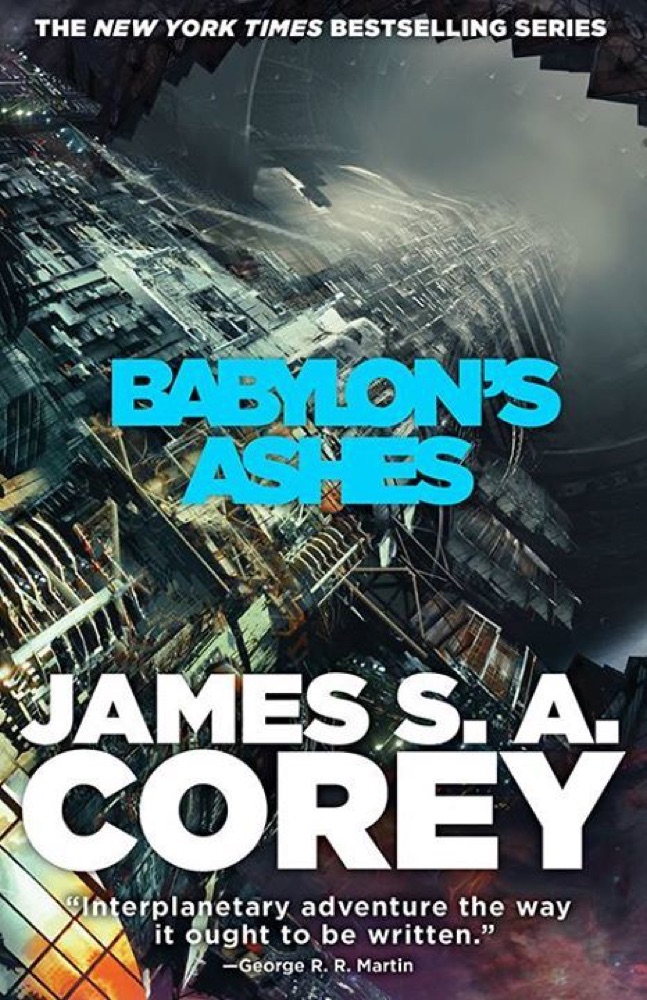 Babylon's Ashes
 Precipice
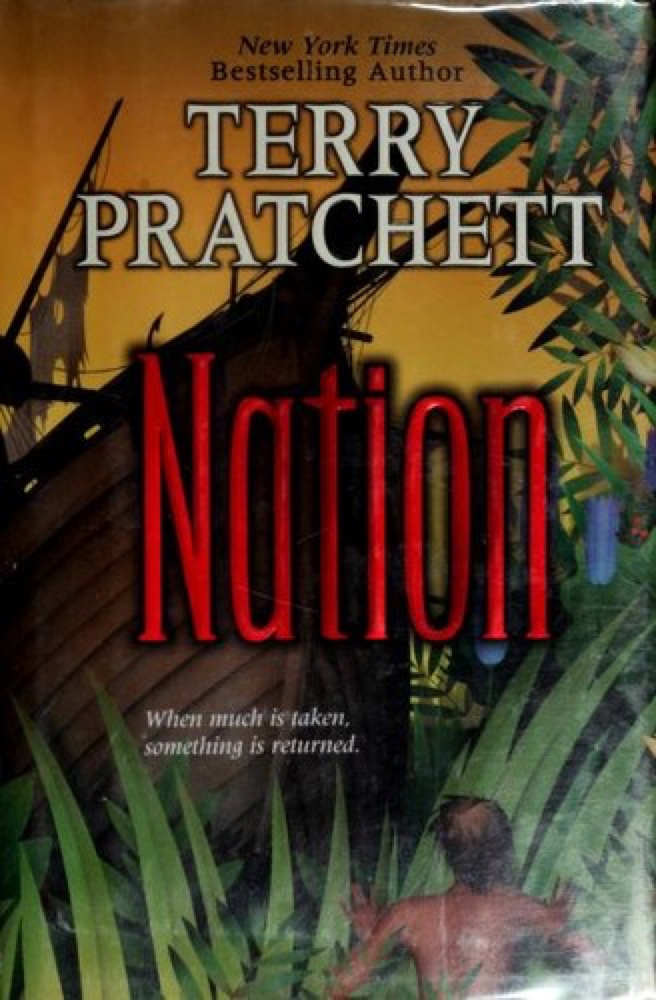 Nation
 The Way We Live Now
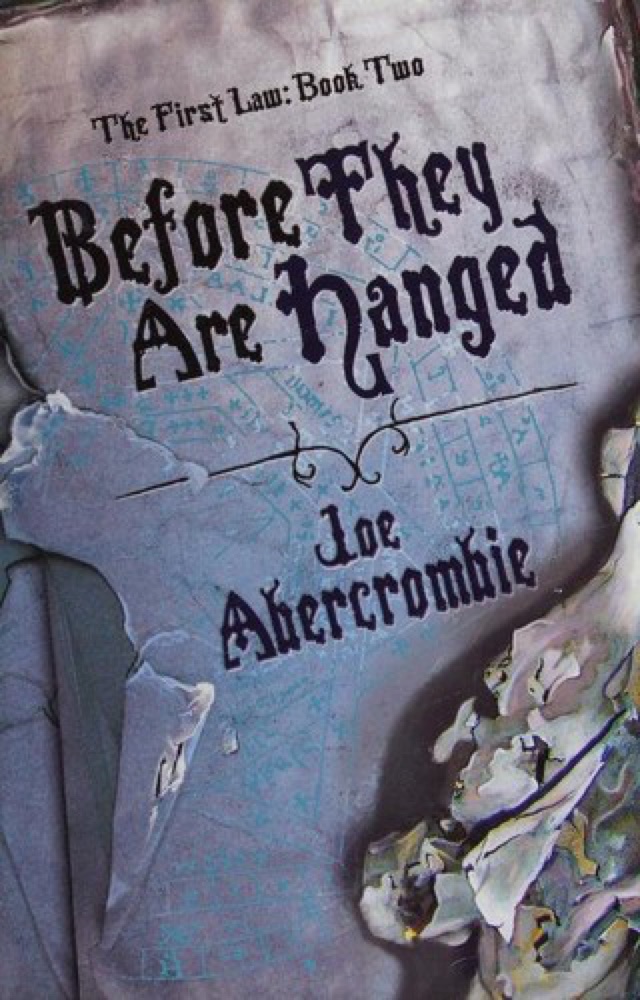 Before They Are Hanged
 The Sympathizer
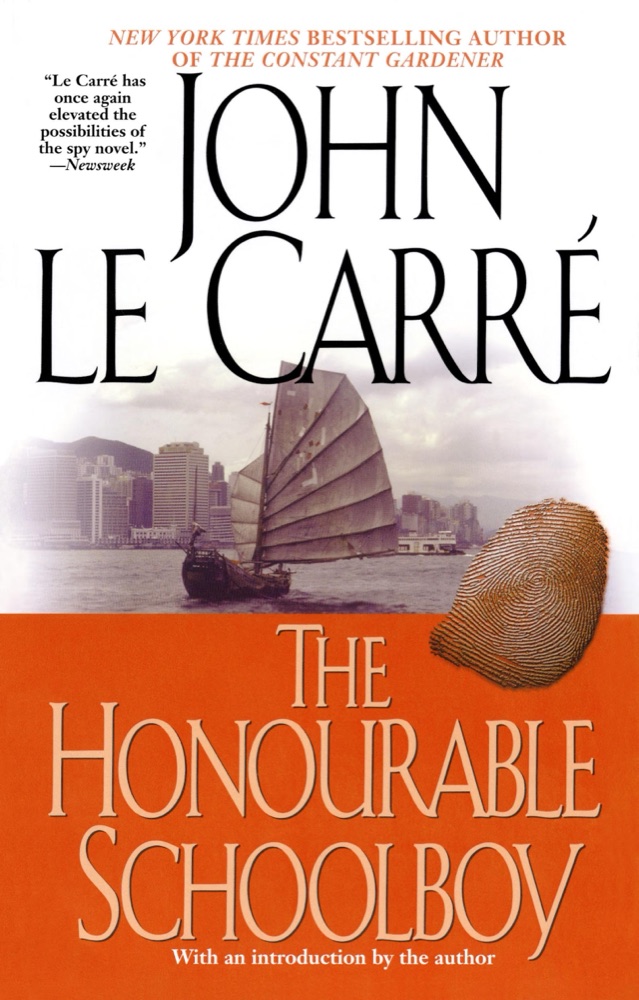 The Honourable Schoolboy
 The Gods Themselves
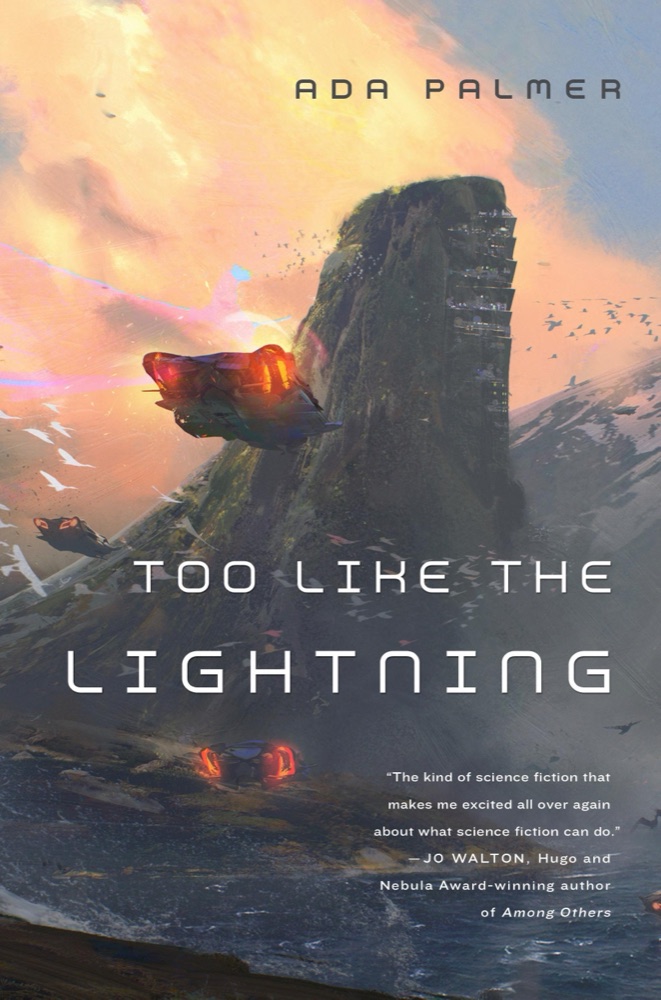 Too Like the Lightning
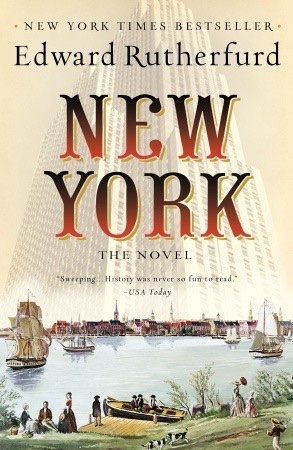 New York
 Red Mars
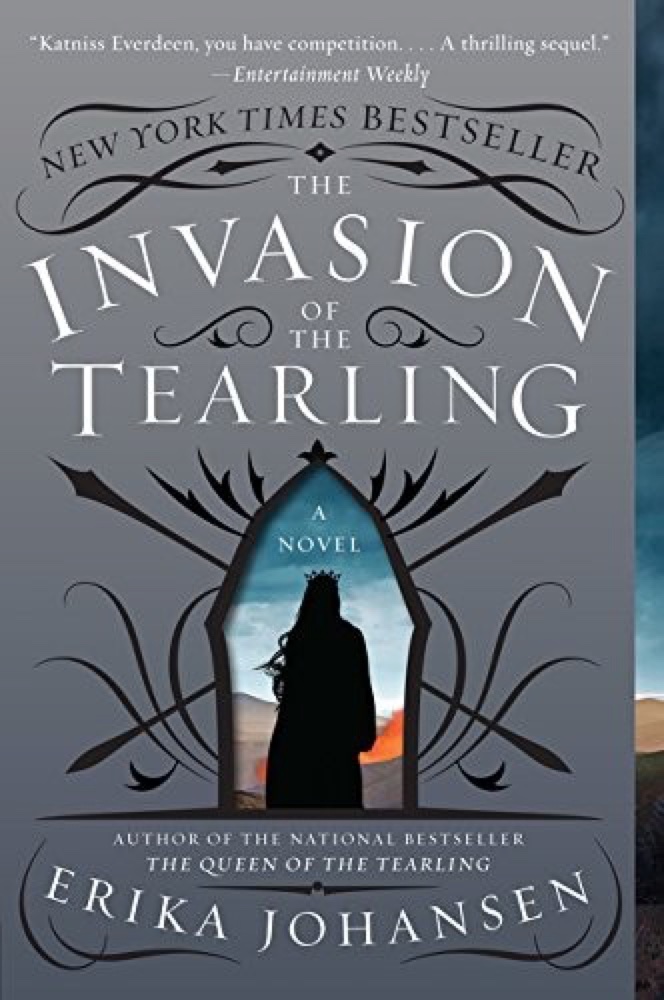 The Invasion of the Tearling
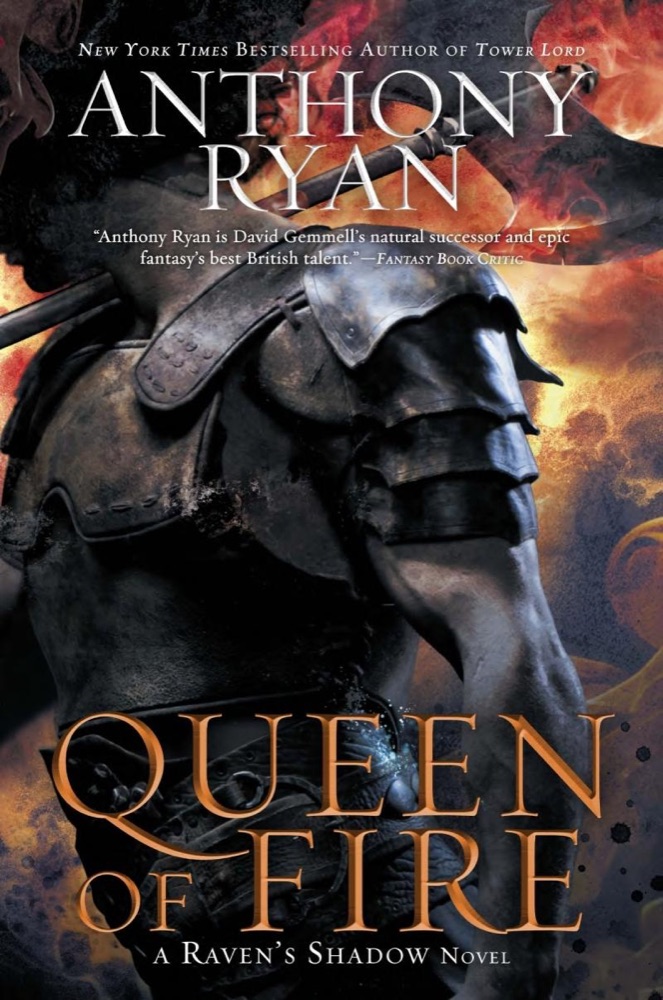 Queen of Fire
 The Napoleon of Notting Hill
 Armageddon in Retrospect
 Birds Without Wings
 The Broken Eye
 The Fall of Babel
 The Girl Who Saved the King of Sweden
 Bluebeard
 Ragtime
 The Son
 Quicksilver
 A Map of Days
 Prelude to Foundation
 The Russia House
 The Rebel Angels
 Call for the Dead
 The Wars
 Murder in the Mews
 I Am Pilgrim
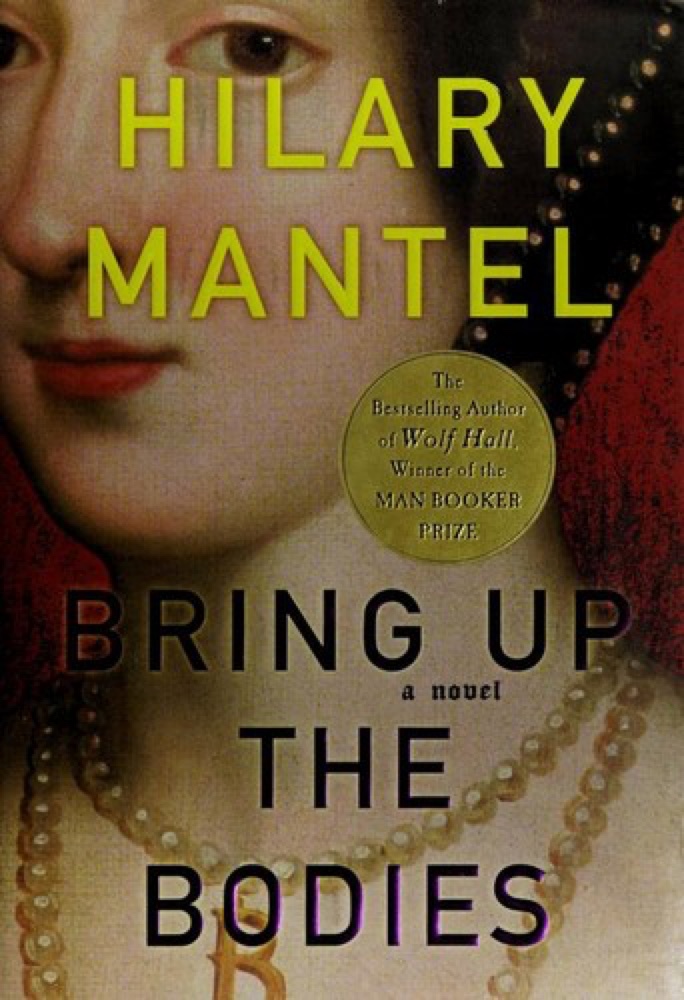 Bring Up the Bodies