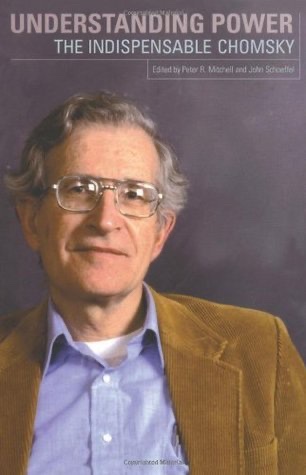
 Understanding Power: The Indispensable Chomsky
Quotes from the Book
For the powerful, crimes are those that others commit.
703
No honest journalist should be willing to describe himself or herself as 'embedded.' To say, 'I'm an embedded journalist' is to say, 'I'm a government Propagandist.
72
The two main criminals are France and the United States. They owe Haiti enormous reparations because of actions going back hundreds of years. If we could ever get to the stage where somebody could say, 'We're sorry we did it,' that would be nice. But if that just assuages guilt, it's just another crime. To become minimally civilized, we would have to say, 'We carried out and benefited from vicious crimes. A large part of the wealth of France comes from the crimes we committed against Haiti, and the United States gained as well. Therefore we are going to pay reparations to the Haitian people.' Then you will see the beginnings of civilization.
63
Corporations barely pay taxes. The corporate tax rate is already very low, but corporations have worked out an array of complicated techniques so they often don't have to pay taxes at all... The scale of sheer robbery by corporate power is enormous.
4
You aren't supposed to learn that dedicated, committed effort can bring about significant changes of consciousness and understanding. That's a very dangerous idea, and therefore it's been wiped out of history.
4
There is oppression that shouldn't exist. There is a struggle for freedom all the time. There are very serious dangers: the species may be heading toward extinction. I can't see how anybody can fail to have an interest in trying to help people become more engaged in thinking about these problems and doing something about them.
2
If you give up every time you don't achieve the immediate gain you want, you're just guaranteeing that the worst is going to happen... You can't expect an easy victory after one protest march.
2
The kindest thing you can say about Reagan is that he may not have known what the policies of his administration were...
1
Iran is a different story. Iran is a much more serious military and economic force. And for years Israel has been pressing the United States to take on Iran. Iran is too big for Israel to attack, so they want the big boys to do it. And it’s quite likely that this war may already be under way. A year ago, more than 10 percent of the Israeli air force was reported to be permanently based in eastern Turkey—at the huge U.S. military base there—and flying reconnaissance over the Iranian border. In addition, there are credible reports that the United States, Turkey, and Israel are attempting to stir up Azeri nationalist forces in northern Iran.9 That is, an axis of U.S.-Turkish-Israeli power in the region opposed to Iran could ultimately lead to the split-up of Iran and maybe even to military attack, although a military attack will happen only if it’s taken for granted that Iran would be basically defenseless. They’re not going to invade anyone who they think can fight back.
This has nothing in particular to do with access to the oil for import into the United States. It’s about control of the oil.
Acheson argued that the United States had the right of preventive war against a mere challenge to our position and prestige, not even a threat to our existence.
Dean Acheson, a respected elder statesman and a senior adviser to the Kennedy administration, delivered a lecture to the American Society of International Law in which he stated that no “legal issue” arises if the United States responds to any challenge to its “power, position, and prestige.
The new doctrine was not one of preemptive war, which arguably falls within some stretched interpretation of the UN Charter, but rather a doctrine that doesn’t begin to have any grounds in international law, namely, preventive war. That is, the United States will rule the world by force, and if there is any challenge to its domination—whether it is perceived in the distance, invented, imagined, or whatever—then the United States will have the right to destroy that challenge before it becomes a threat. That’s preventive war, not preemptive war.
To a large extent, that's the way empires work. Internal class war is a significant element of empire.
I should say, though, to my amazement, the occupation is not succeeding. It takes real talent to fail at this. [On the American invasion of Iraq]
President Kennedy was trying to organize the hemisphere to support his terrorist attacks against Cuba, which were very severe. ... the Mexican Ambassador said, "If we publicly declare that Cuba is a threat to our security, forty million Mexicans will die laughing.
Bernays said that the more intelligent members of the community can direct the population through "the engineering of consent," which he considered "the very essence of the democratic process.
Also in the background is a long-standing US hatred of the European social system, which provides decent wages, working conditions, and benefits. The United States doesn't want that model to exist, because it is a dangerous one. People may get funny ideas.
The embedded journalists are talking about the suffering of the marines, who are so hot and are being fired on all the time.
In fact the entire political leadership should face the death penalty under U.S. law for these actions. They're all eligible for the death penalty, according to the War Crimes Act passed by the 1996 Republican congress.
The Times was a cheerleader for the coup in Guatemala and also applauded the coup in Iran in 1953. Thomas McCann, ... says, "It is difficult to make a convincing case for manipulation of the press when the victims proved so eager for the experience.
Reagan was an incredible coward. Somebody who could believe that an air base in Grenada could be used to attack the United States does not even reach the level of a laughingstock.
Reagan's regime was one of murder, brutality, and violence, which devastated a number of countries and probably left two hundred thousand people dead in Latin America, with hundreds of thousand of orphans and widows.
If you want to learn about patriarchal families, you don't ask the father, you ask the mother; then maybe you will learn something.
The idea that you have to avoid teaching evolution or pretend you're not teaching it is unique in the industrial world. And the statistics are mind-boggling. Roughly half the population think the world was created a couple thousand years ago.
Watch on YouTube
About Noam Chomsky
We have collected 210 quotes from 11 books by Noam Chomsky on BookQuoters.
More about the author →More by Noam Chomsky
Understanding Power: The Indispensable Chomsky
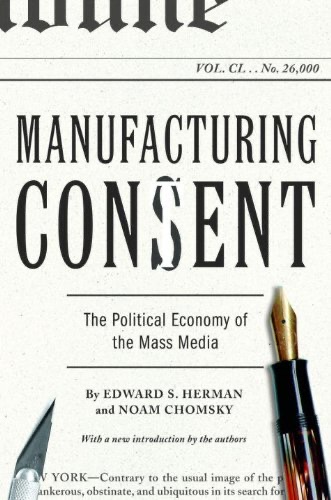 Manufacturing Consent: The Political Economy of the Mass Media
 Hegemony or Survival: America's Quest for Global Dominance
 The Essential Chomsky
About the book
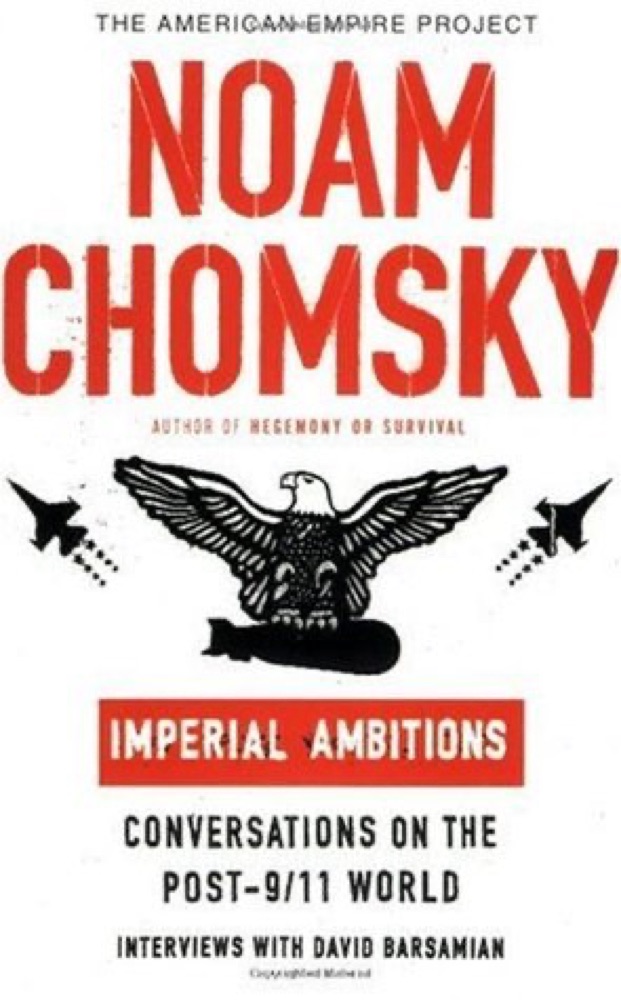
In this first collection of interviews since the bestselling 9-11, our foremost intellectual activist examines crucial new questions of U.S. foreign policyTimely, urgent, and powerfully elucidating, this important volume of previously unpublished interviews conducted by award-winning radio journalist David Barsamian features Noam Chomsky discussing America’s policies in an increasingly unstable world. With his famous insight, lucidity, and redoubtable grasp of history, Chomsky offers his views on the invasion and occupation of Iraq, the doctrine of “preemptive” strikes against so-called rogue states, and the prospects of the second Bush administration, warning of the growing threat to international peace posed by the U.S. drive for domination. In his inimitable style, Chomsky also dissects the propaganda system that fabricates a mythic past and airbrushes inconvenient facts out of histor
Book details
- First published
- 2005
- Author
- Noam Chomsky
- Genre
- Nonfiction
- Goodreads rating
- 3.99 (2k ratings)
Keep reading
Understanding Power: The Indispensable Chomsky
 Power Systems: Conversations on Global Democratic Uprisings and the New Challenges to U.S. Empire
 Behold a Pale Horse
 A People's History of the United States
 The Next Decade: Where We've Been . . . and Where We're Going
 Dead Fall
 One Day, Everyone Will Have Always Been Against This
 Occupy
 Conspirators' Hierarchy: The Story of the Committee of 300
 The Invisible Bridge: The Fall of Nixon and the Rise of Reagan
 The Jakarta Method: Washington's Anticommunist Crusade and the Mass Murder Program that Shaped Our World
 It Can't Happen Here
 The Untold History of The United States
 On Tyranny: Twenty Lessons from the Twentieth Century
 The Revolution: A Manifesto
 Empire
 Arguably: Selected Essays
 Distraction
 Assata: An Autobiography
 America Alone: The End of the World As We Know It
 The Shock Doctrine: The Rise of Disaster Capitalism
 This Kind of War: A Study in Unpreparedness
 Quotations from Chairman Mao Tsetung
 Drift
Drift
 You Can't Be Neutral on a Moving Train: A Personal History of Our Times
 Radio Free Albemuth
 Executive Orders
 America: The Farewell Tour
 The Next 100 Years: A Forecast for the 21st Century
 One Nation: What We Can All Do to Save America's Future
 The Message
 Fascism: A Warning
 Friday
 The World As It Is: Inside the Obama White House
 Endgame, Vol. 1: The Problem of Civilization
 Flashpoints: The Emerging Crisis in Europe
 The Iron Heel
 Upheaval: Turning Points for Nations in Crisis
 Walden Two
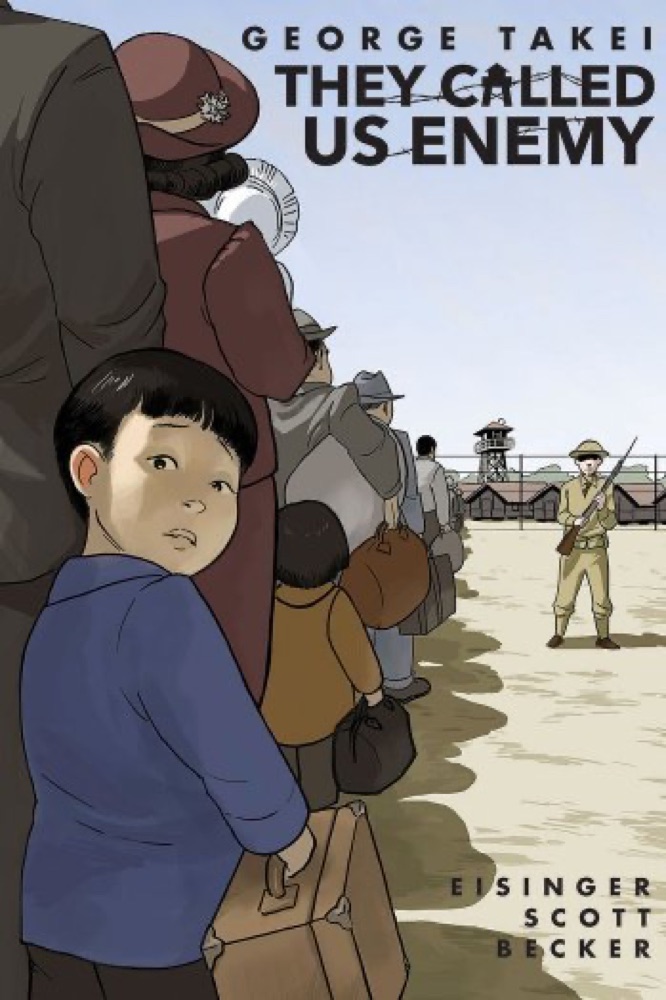 They Called Us Enemy
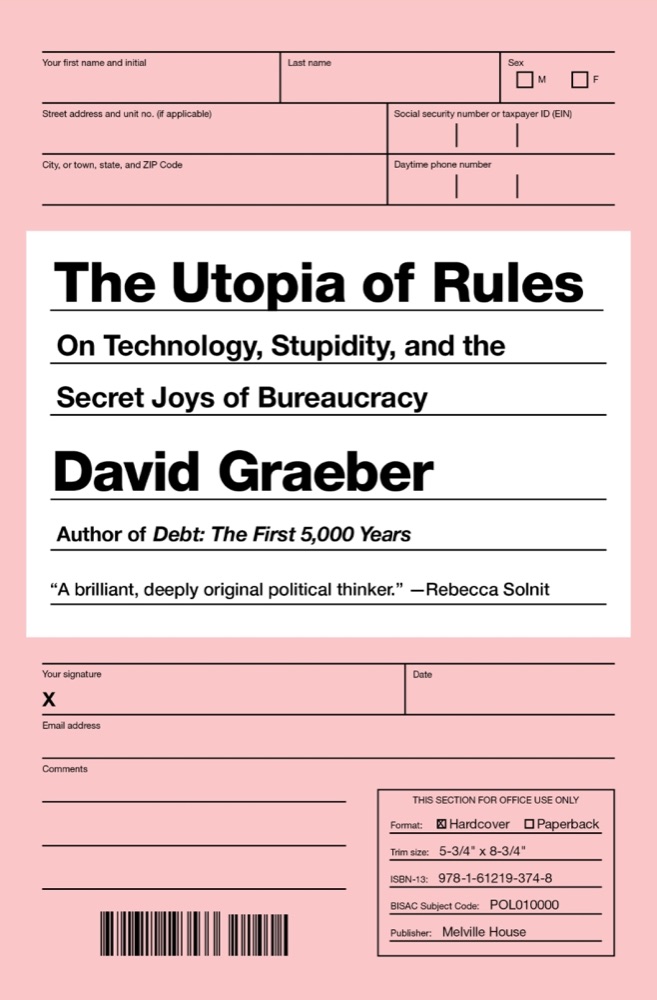 The Utopia of Rules: On Technology, Stupidity, and the Secret Joys of Bureaucracy
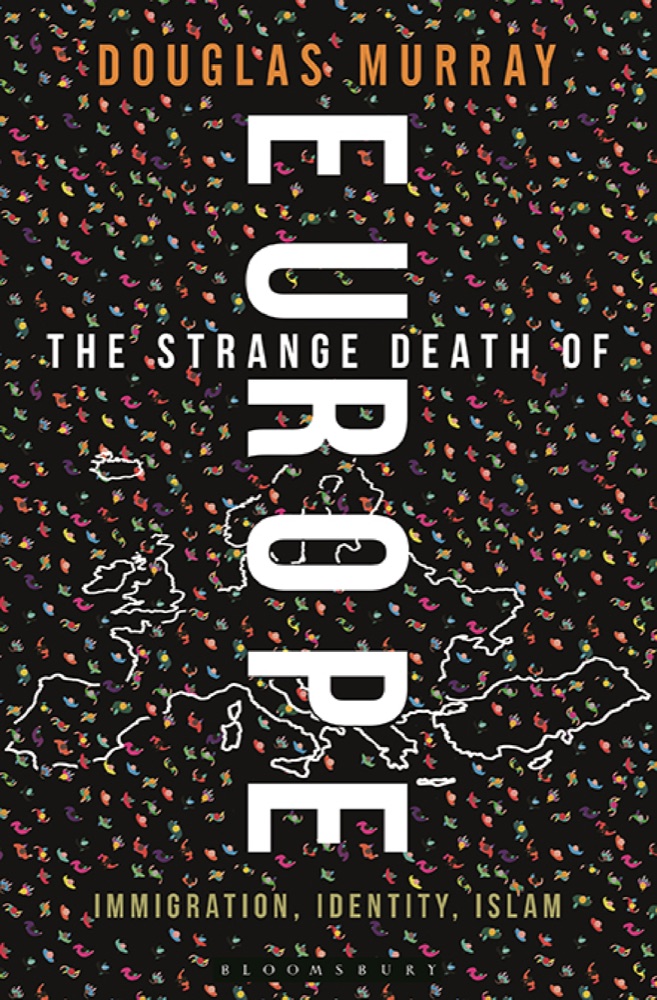 The Strange Death of Europe: Immigration, Identity, Islam
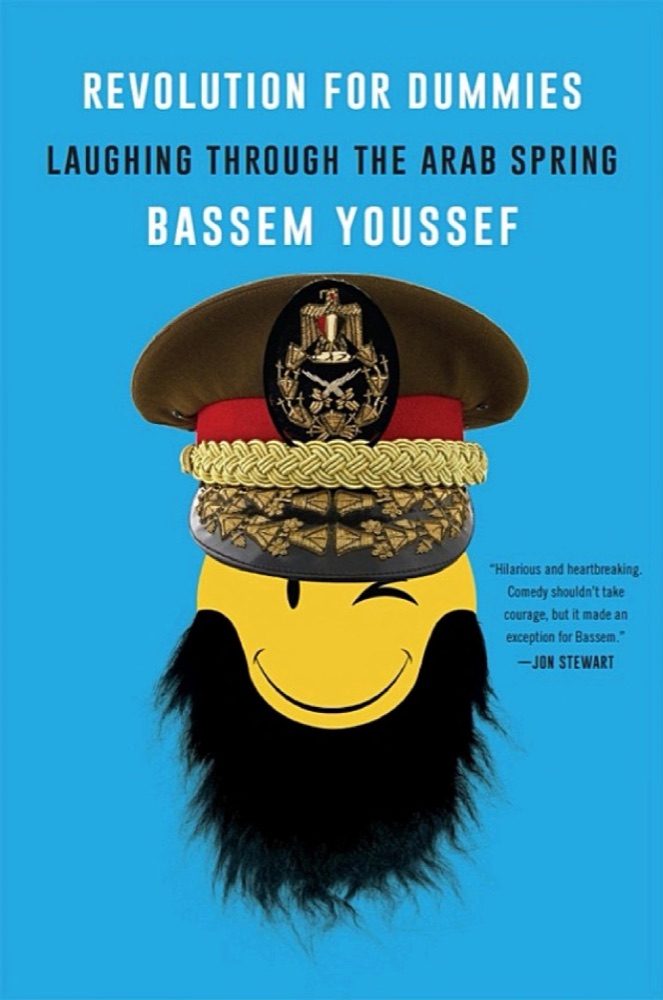 Revolution for Dummies: Laughing through the Arab Spring
 World Order
 The View From Flyover Country: Essays by Sarah Kendzior
 The Road to Serfdom
 Edge of Eternity
 Thirteen
 Red Notice: A True Story of High Finance, Murder, and One Man's Fight for Justice
 First As Tragedy, Then As Farce
 Glenn Beck's Common Sense: The Case Against an Out-of-Control Government, Inspired by Thomas Paine
 The Audacity of Hope: Thoughts on Reclaiming the American Dream
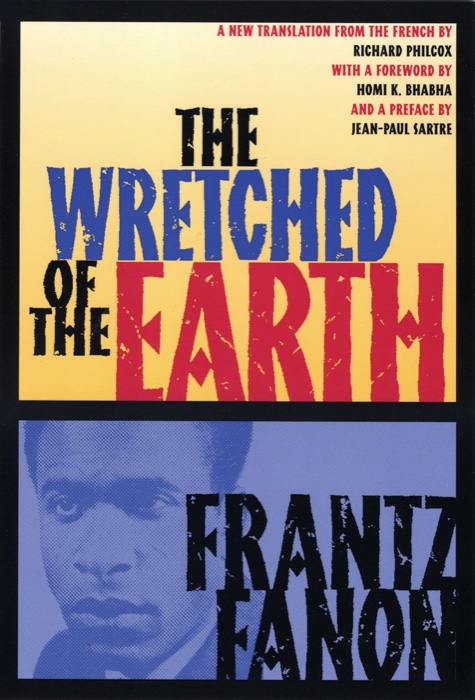 The Wretched of the Earth
 Patriot: A Memoir
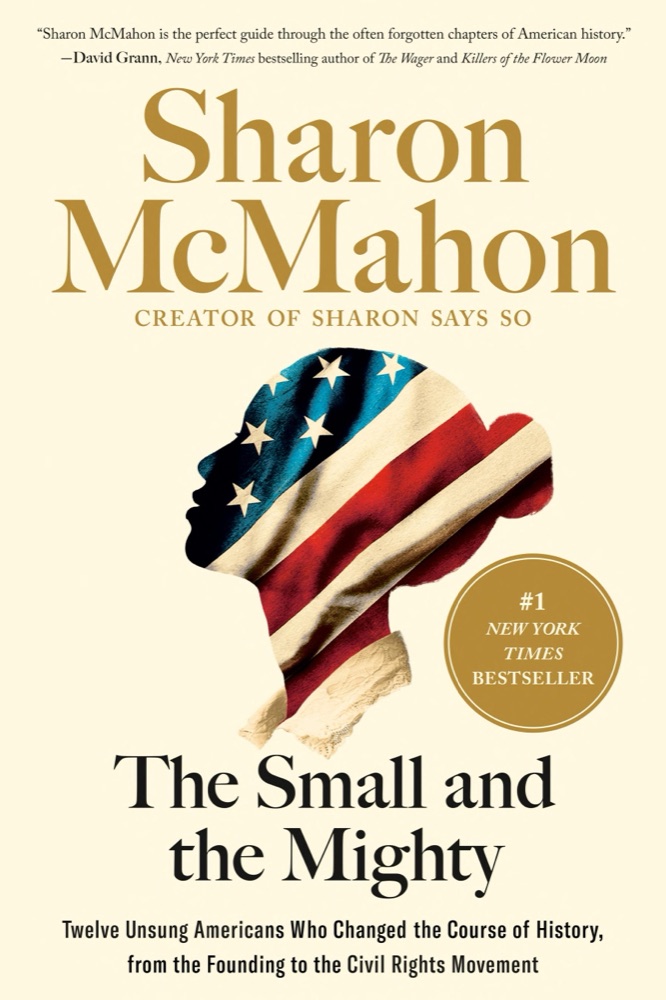 The Small and the Mighty: Twelve Unsung Americans Who Changed the Course of History, from the Founding to the Civil Rights Movement
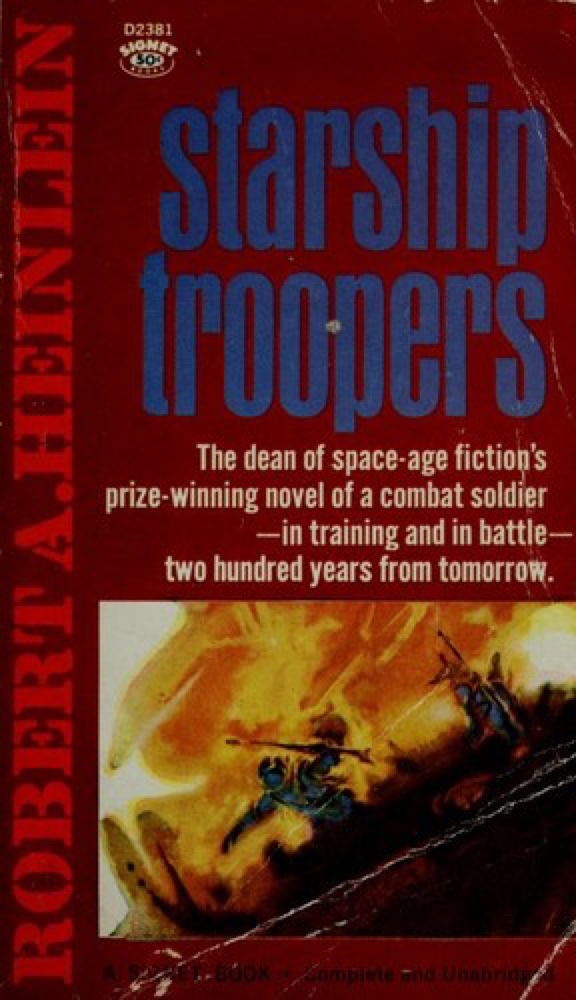 Starship Troopers
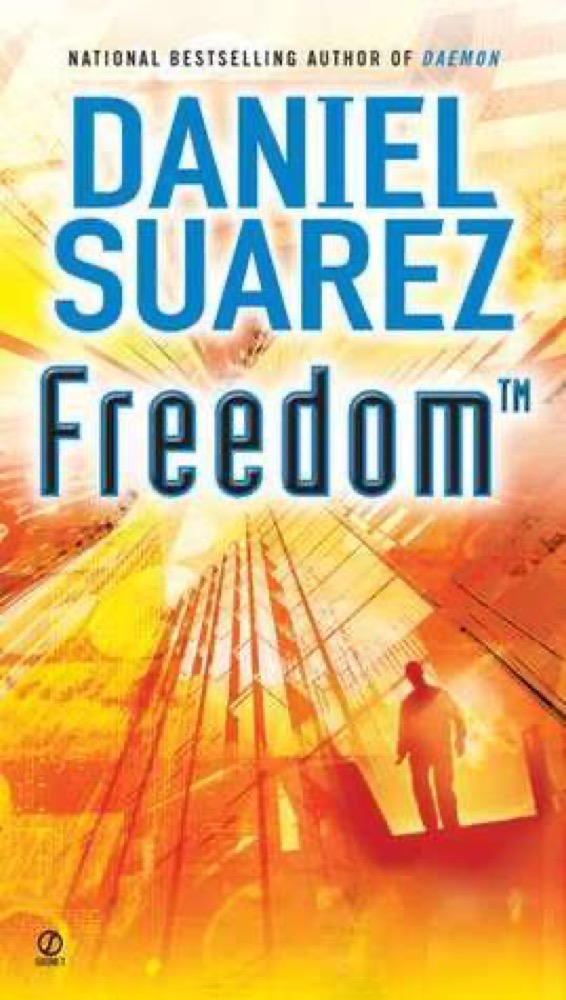 Freedom™
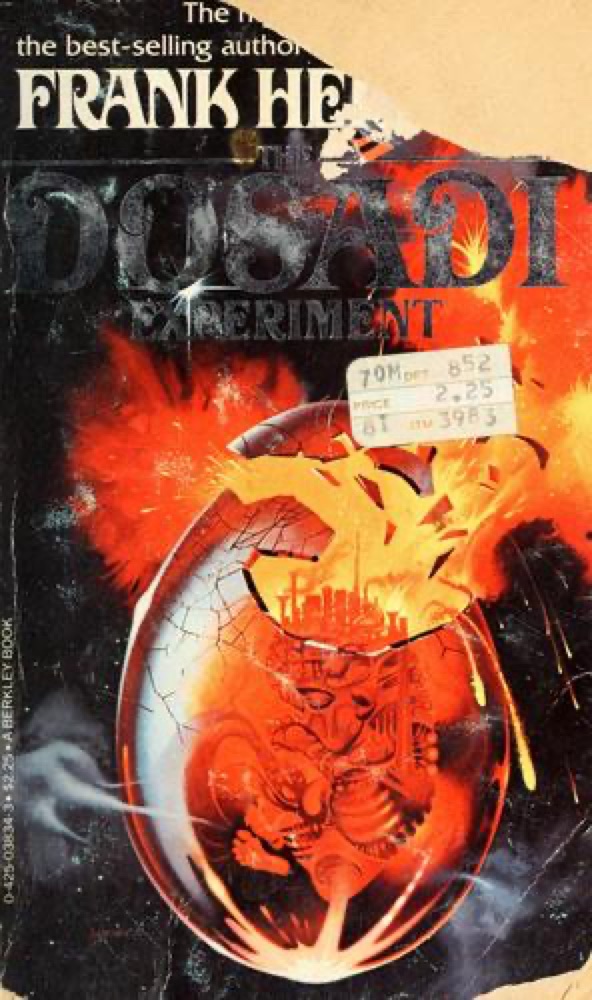 The Dosadi Experiment
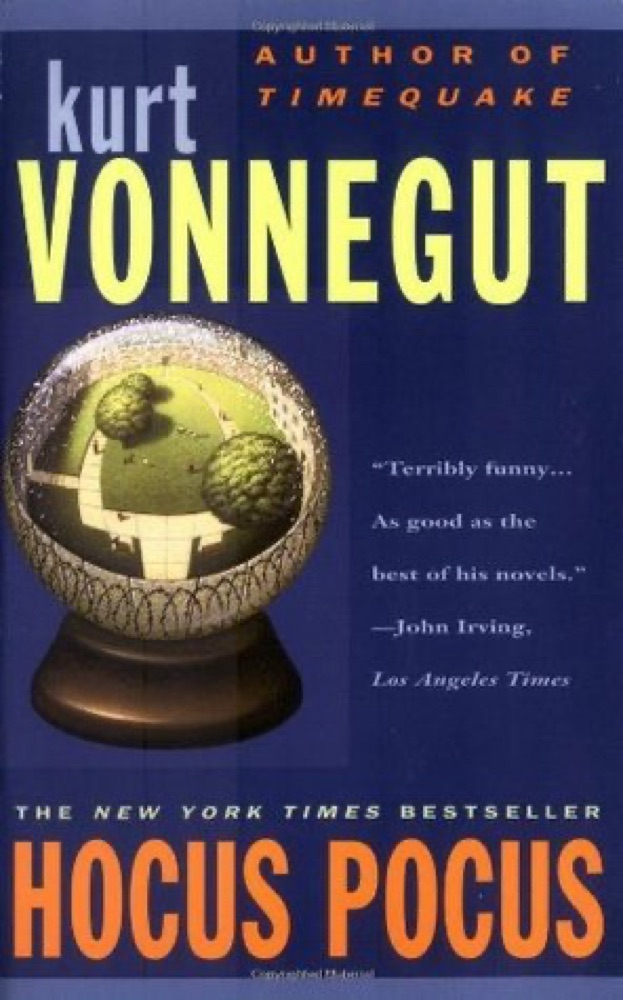 Hocus Pocus
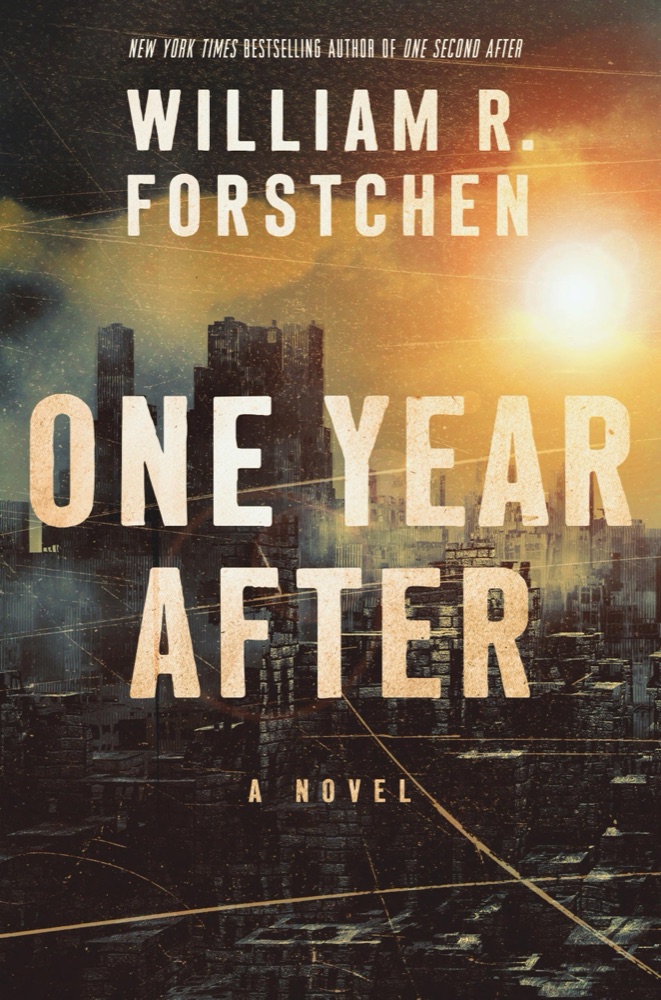 One Year After