
 The Left Hand of Darkness
Quotes from the Book
To look at oneself and find it hideous, what a job! But then, when she hadn’t been hideous, had she sat around and stared at herself like this? Not much! A proper body’s not an object, not an implement, not a belonging to be admired, it’s just you, yourself. Only when it’s no longer you, but yours, a thing owned, do you worry about it— Is it in good shape? Will it do? Will it last?
2
Who am I?” Laia muttered to her invisible audience, and they knew the answer and told it to her with one voice. She was the little girl with scabby knees, sitting on the doorstep staring down through the dirty golden haze of River Street in the heat of late summer, the six-year-old, the sixteen-year-old, the fierce, cross, dream-ridden girl, untouched, untouchable. She was herself
2
Un cuerpo en condiciones no es un objeto, no es un instrumento, no es una posesión digna de admiración, no es más que una, tú. Sólo cuando el cuerpo ya no eres tú, sino tuyo, algo que se posee, se preocupa una por él: ¿está en buen estado? ¿Servirá? ¿Durará?
1
One keeps oneself neat out of mere decency mere sanity, awareness of other people. And finally even that goes, and one dribbles unashamed.
1
Nikada se nije plašila grada niti ga je prezirala. Bila je to njena teritorija. Neće biti takvih ubogih mesta ukoliko pobedi revolucija. Ali biće bede. Uvek će biti bede, traćenja, surovosti. Nikada se nije pretvarala da menja ljudsko stanje, da je mama koja uzima tragediju od dece kako ona ne bi sebi naškodila. Sve drugo. Sve dok su ljudi slobodni da biraju, ukoliko odaberu da piju muharu i žive po slivnicima, bila je to njihova stvar. Sve drugo, samo da nije stvar Velikog Biznisa, izvor profita i put do moći drugih. Sve je to osećala još pre no što je išta znala; pre nego što je napisala prvi pamflet, pre no što je napustila Parheo, pre no što je naučila šta znači ’kapital’, pre nego što je dospela dalje od Rečne ulice u kojoj se igrala ’ide maca oko tebe’, klečeći na krastavim kolenima na pločniku sa drugim šestogodišnjacima, znala je to: da su ona, ostala deca, roditelji, njihovi roditelji, pijanci i kurve i čitava Rečna ulica na dnu nečega – da su temelj, stvarnost, izvorište. Ali želiš li da odvučeš civilizaciju u blatište? – vrištali su šokirani čestiti građani, kasnije, a ona je godinama pokušavala da im objasni da, ukoliko je blato jedino čime raspolažeš, onda, ako si bog, od njega praviš ljudska buića, a ako si ljudsko biće, onda pokušavaš da ga pretvoriš u kuće po kojima će ljudska bića moći da žive. Ali to nije razumeo niko ko je mislio da je bolji od blata.
Nothing is so soon corrupted by power-seeking as altruism.
But will you drag civilization down into the mud? cried the shocked decent people, later on, and she had tried for years to explain to them that if all you had was mud, then if you were God you made it into human beings, and if you were human you tried to make houses where human beings could live.
Ella les gruñía: "¡Pensad con vuestras propias cabezas!", "¡Eso no es anarquismo, es mero oscurantismo!", "¿No creeréis que la libertad y la disciplina son incompatibles, verdad?
So long as people were free to choose, if they chose to drink flybane and live in sewers, it was their business. Just so long as it wasn’t the business of Business, the source of profit and the means of power for other people.
They just came to look, as if she were the Great Tower in Rodarred, or the Canyon of the Tulaevea. A phenomenon, a monument. They were awed, adoring. She snarled at them: Think your own thoughts!
Watch on YouTube
About Ursula K. Le Guin
We have collected 635 quotes from 30 books by Ursula K. Le Guin on BookQuoters.
More about the author →More by Ursula K. Le Guin
The Left Hand of Darkness
 A Wizard of Earthsea
 The Ones Who Walk Away from Omelas
 The Tombs of Atuan
About the book
This Nebula and Locus Award winner focuses on the bittersweet ruminations of an old woman who began a social movement in her youth, and the culmination of her life as a public figure on the day before the Revolution begins. Nebula Award Winner, Locus Poll Award Winner, Hugo Award Nominee.
*
"The Day Before the Revolution" is a science fiction short story by American writer Ursula K. Le Guin. First published in the science fiction magazine Galaxy in August 1974, it was anthologized in Le Guin's 1975 collection The Wind's Twelve Quarters and in several subsequent collections. Set in Le Guin's fictional Hainish universe, the story has strong connections to her novel The Dispossessed (also published in 1974), and is sometimes referred to as a prologue to the longer work, though it was written later.
Book details
- First published
- 1974
- Author
- Ursula K. Le Guin
- Genre
- Science Fiction
- Goodreads rating
- 3.95 (3k ratings)
Keep reading
 Elizabeth Costello
 The Enchantress of Florence
 The House of the Spirits
 The Dwarf
 A Drop of Corruption
 Heretics of Dune
 Dreams of Trespass: Tales of a Harem Girlhood
 Anne Frank's Tales from the Secret Annex: A Collection of Her Short Stories, Fables, and Lesser-Known Writings
 Brave New World / Brave New World Revisited
 The Monster Baru Cormorant
 Auto-da-Fé
 Ship of Fools
 Doctor Glas
 Nadja
Nadja
 Emma in the Night
 The Memoirs of Cleopatra
 The Volcano Lover: A Romance
 The Lives of Others
 Skinny Legs and All
 The Invasion of the Tearling
 The Hearing Trumpet
 A Desolation Called Peace
 Rosewater
 Now Is the Time to Open Your Heart
 The Ruin of Angels
 The Mystery of Edwin Drood
 In the Night Garden
 Sister Carry
 Anthills of the Savannah
 The Fall of Babel
 A Spy in the House of Love
 The Hands of the Emperor
 The Charioteer
 Free: A Child and a Country at the End of History
 Pure
Pure
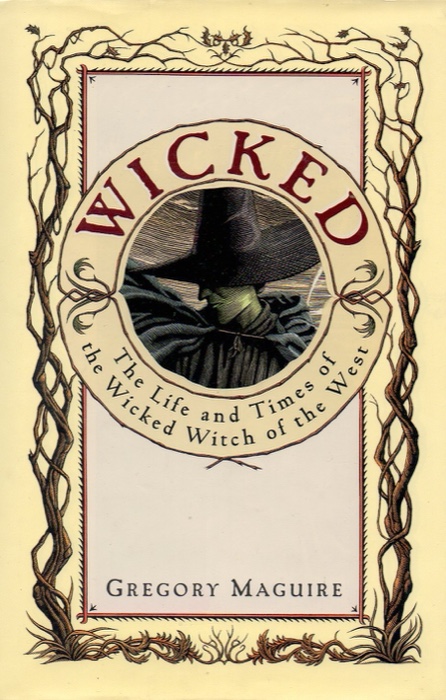 Wicked: The Life and Times of the Wicked Witch of the West
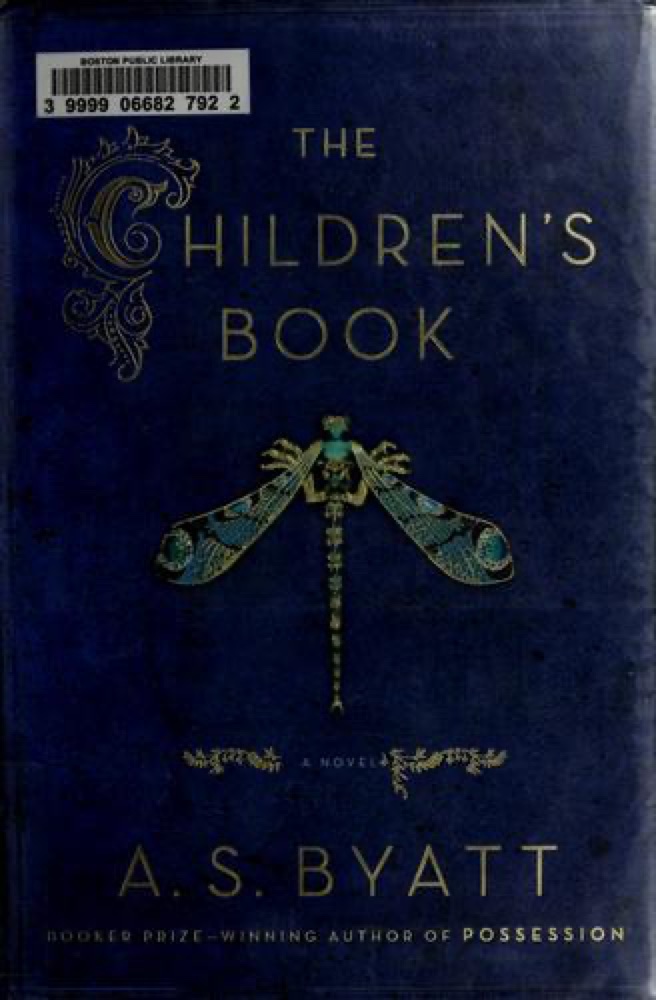 The Children's Book
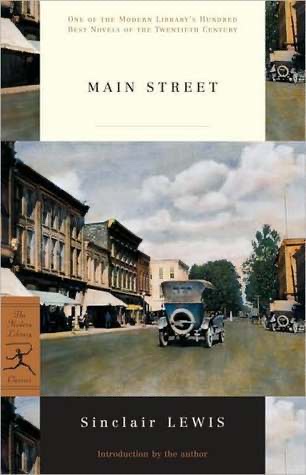 Main Street
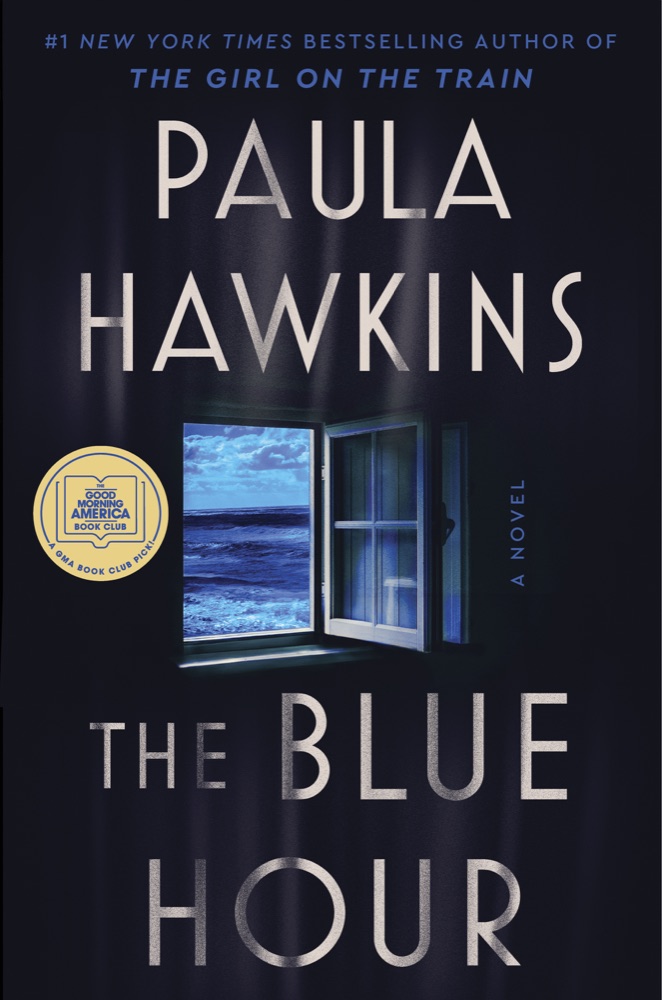 The Blue Hour
 Birnam Wood
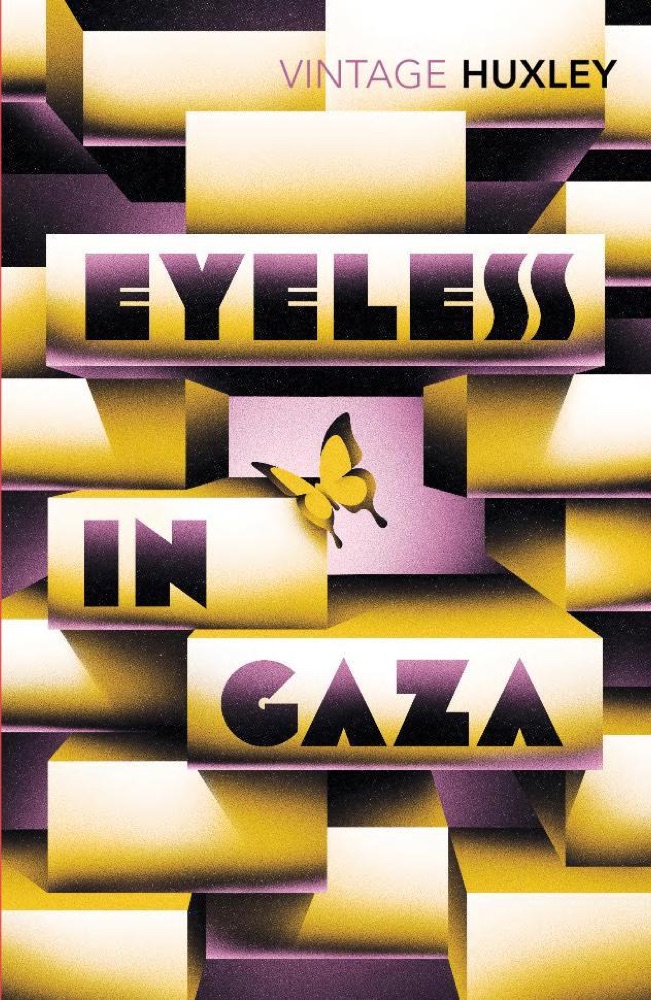 Eyeless in Gaza
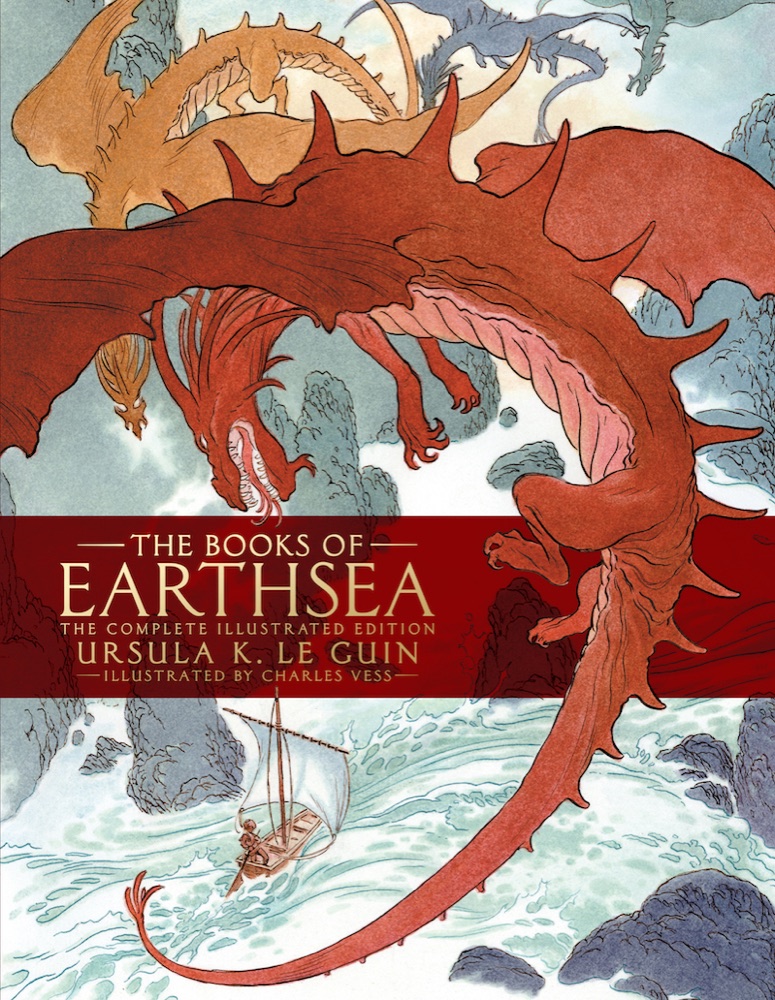 The Books of Earthsea
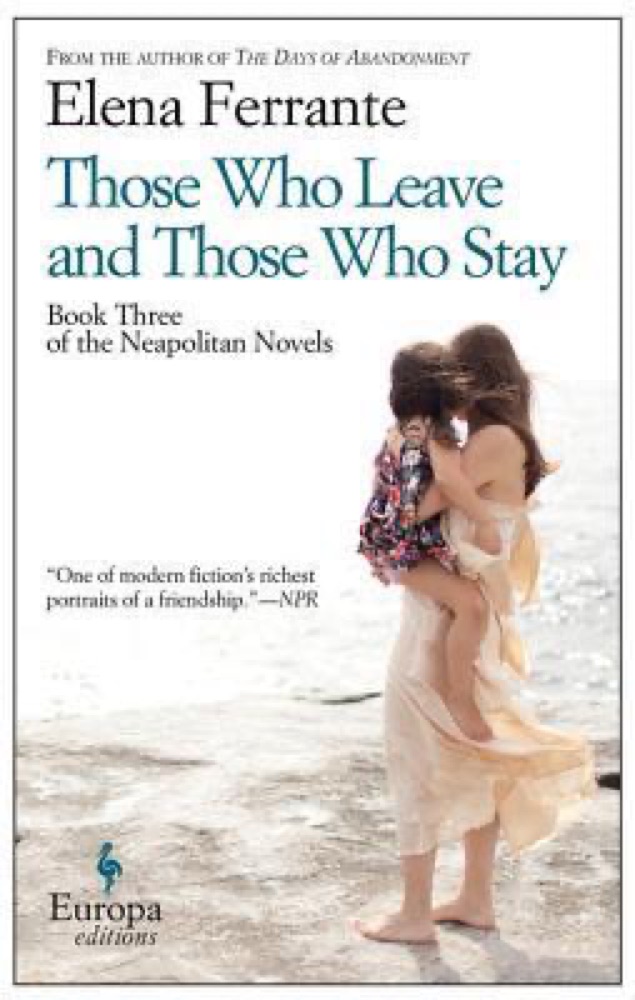 Those Who Leave and Those Who Stay
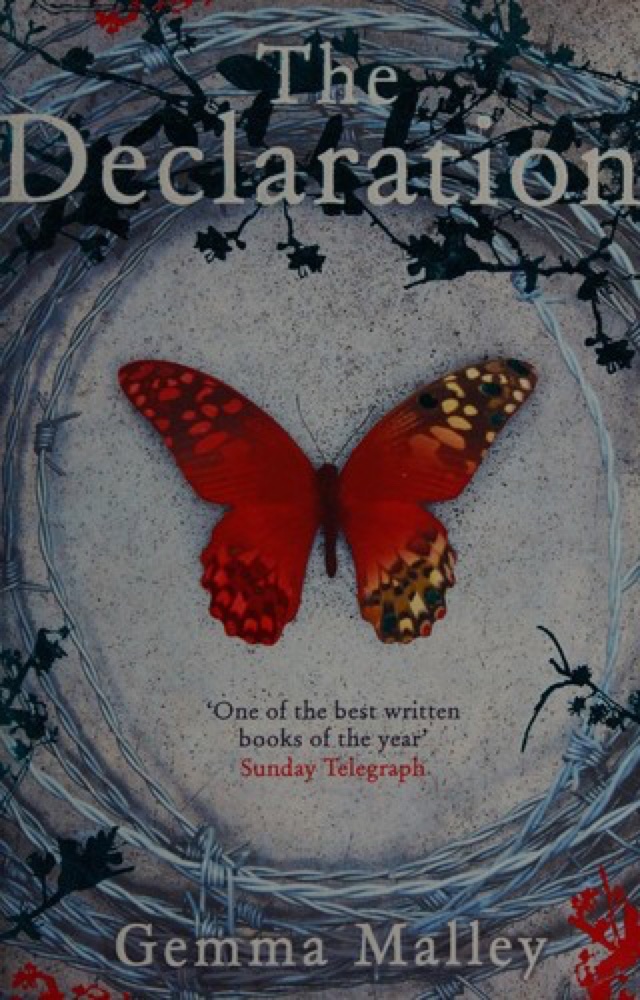 The Declaration
 Travels With My Aunt
 The Ground Beneath Her Feet
 The Fencing Master
 The Power
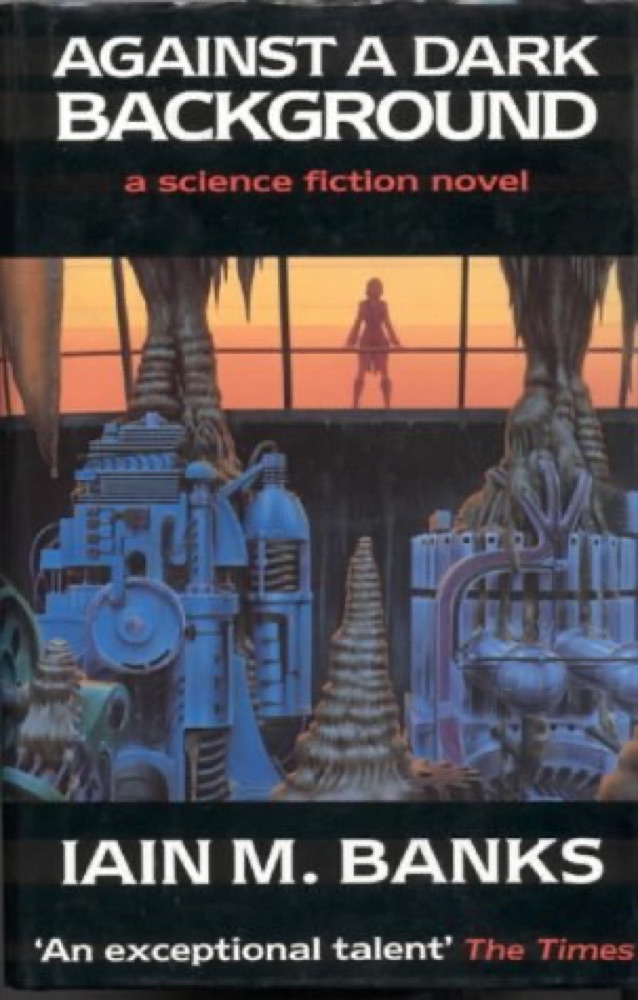 Against a Dark Background
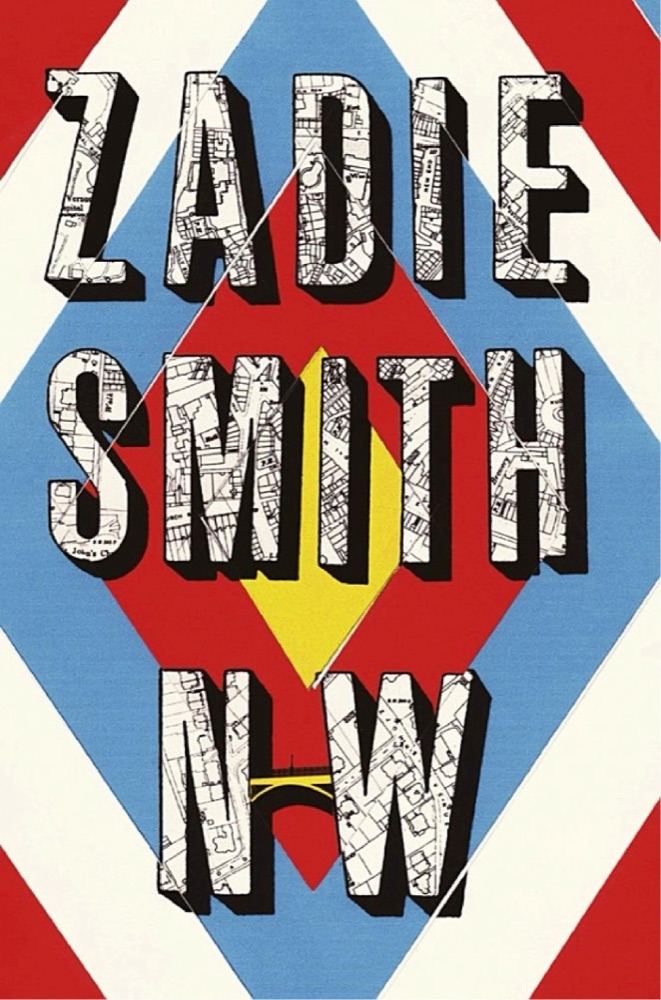 NW
NW
 The Home and the World
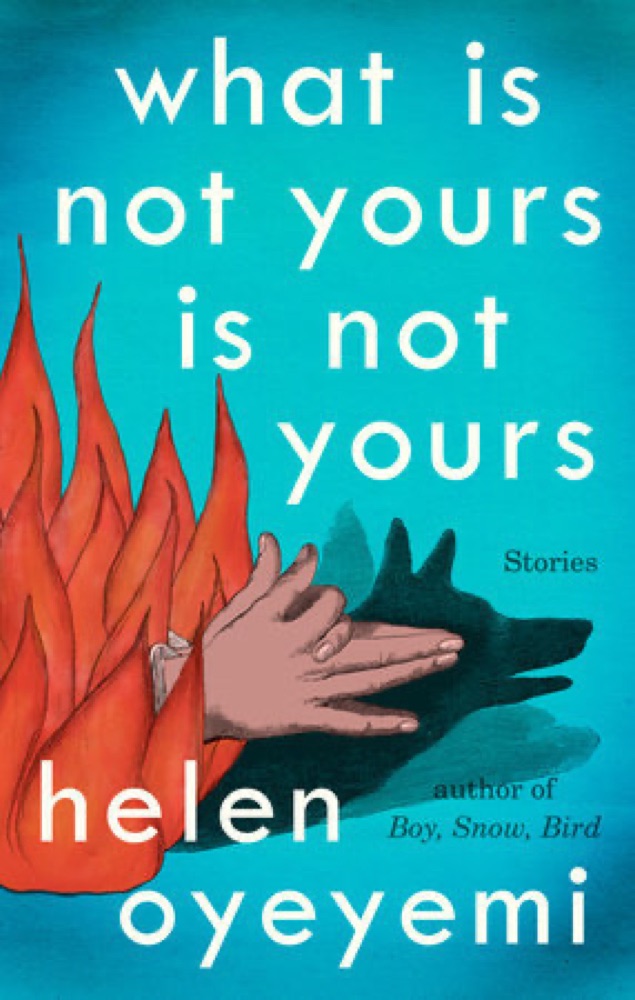 What Is Not Yours Is Not Yours
 Violeta
 A Sunny Place for Shady People
 Always Coming Home
 Independent People
 In the Company of the Courtesan
 The Eighth Life
 The Absolute Book
 House of Chains