 The Book of My Lives
Quotes from the Book
Retouching is our favourite artistic device. Each of us is a curator in his own museum. [..] Uncover A, cover up B. Remove all spots. Keep your mouth shut. Think of your tongue as a weapon. Think one thing and say another. Use orotund expressions to obfuscate your intentions. Hide what you believe. Believe what you hide.
4
Lokalne novine bile su pune jezičnih uputa. Svatko je odjednom postao jezični autoritet: i mesar i frizerka i električar. S ratom su se u knjižarama pojavili razlikovni rječnici. Srbi, koji su bili uveliko prešli na latinično pismo, sada su se vraćali ćiriličnome. Hrvati su, u nastojanju da hrvatski jezik što temeljitije kroatiziraju, uveli u opticaj neke nezgrapne konstrukcije, koje su preuzeli iz ruskoga, i neke još nezgrapnije riječi, koje su bile u optjecaju za vrijeme Drugoga svjetskoga rata. Bilo je to vrijeme puno jezičnog razvoda punog buke i bijesa. Jezik je bio oružje. Jezik je odavao, markirao, razdvajao i spajao. Hrvati su odlučili da jedu svoj kruh, Srbi svoj hleb, a Bosanci svoj hljeb. Riječ smrt bila je na sva tri jezika ista.
2
Yugoslavia was a terrible place. Everybody lied. They still lie of course, but now each lie is divided in five, one per country.
1
A language is a dialect backed by an army. Croatian, Serbian, and Bosnian are backed by paramilitary forces. You’re not going to let semiliterate criminals advise you in matters linguistic, are you?
1
did everything I could—I bought a vase, a lamp, a black-and-white poster of the skyline of New York—but their presence merely pointed up the anxiety of absence. The absence of what? I had no answer.
1
En sus gafas de sol vi mi propio reflejo y sentí una angustia repentina. En los cristales oscuros centelleaban dos caras pequeñas y ninguna era mía.
Medio kilo de carne de cerdo, medio kilo de carne de vaca, todo deshuesado, corta la carne en grandes trozos; medio kilo de patatas, enteras; dos cebollas, basta con que las cortes en dos mitades; 10 ajos enteros; 400 gramos de tomates, 4 pimientos, 300 gramos de berza, 200 gramos de repollo, 2 zanahorias, 2 ramitas de perejil, 1 apionabo, 1 colinabo, 10 judías verdes, 2 cucharadas soperas de pimentón dulce, de 15 a 20 granos de pimienta, unas cuantas hojas de laurel, 3 decilitros de vino blanco, agua o caldo a voluntad. Se cortan las verduras en trocitos, se pone en una olla de barro (puede ser una olla normal) una capa de cebolla, una capa de carne, una capa de zanahorias... Se riega con vino y agua (o caldo). Se tapa la olla, y el borde se cierra con una masa de pan para retener el vapor. Luego se deja cocer a fuego lento de cuatro a cinco horas.
A language is a dialect backed by an army.
There is no such thing as mercy, no such thing as compassion; there is only forgetting; there is only humiliation and the pain of endless memory. That is the lesson we brought with us from the country we came from, and it is a lesson we have not forgotten. Screaming and shouting are like Pavlov's bell to us; we are deaf to everything else. Catching the scent of terror is child's play to us; nothing tickles our nostrils more.
Many live a parallel life: they project the image of their motherland on the neutral walls of the land where they are living “only temporarily” and experience the projected image as their “real” life.
Time in Zagreb is moving much faster now than your inner time. You’re stuck back in your own time frame. I bet you think the war took place yesterday.
they were erasing the Yugoslav past, blaming Yugoslavia for every misfortune, including the war, I reviving that past in the form of the everyday minutiae that had made up our lives, operating a volunteer lost-and-found service, if you will.
I wondered whether by evoking endearing images of a common past I wouldn’t obscure the bloody images of the recent war, whether by reminding them of how Kiki sweets tasted I wouldn’t obliterate the case of the Belgrade boy stabbed to death by his coevals just because he was an Albanian, whether by urging them to “reflect on” Mirko and Slavko, the Yugopartisans of the popular comic strip, I wouldn’t be postponing their confrontation with the countless episodes of sadism perpetrated by Yugowarriors, drunk and crazed with momentary power, against their compatriots; or whether by calling up the popular refrain That’s what happens, my fair maiden, once you’ve known a Bosnian’s kiss I wouldn’t be dulling the impact of the countless deaths in Bosnia, that of Selim’s father, for instance. The lists of atrocities knew no end, and here I was, pushing them into the background with cheery catalogs of everyday trifles that no longer even existed.
feel more comfortable in Dutch,” she told me, as if Dutch were a sleeping bag.
they knew that “our” languages were backed by actual troops, the “our” languages were used to curse, humiliate, kill, rape, and expel. They were languages that had gone to war in the belief that they were incompatible, perhaps precisely because they were inseparable.
What we once called jugoslavistika at the university—that is, Slovenian, Croatian, Bosnian, Serbian, Montenegrin, and Macedonian literature—had disappeared as a discipline together with its country of origin.
Thus we see that life was preserved here, but at a price dearer than the value of life itself, for the strength to defend and maintain it was borrowed from the coming generations, which were thus born into debt and servitude.
Watch on YouTube
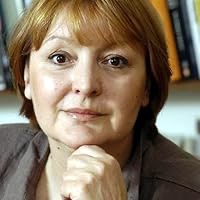
About Dubravka Ugrešić
We have collected 17 quotes from 1 book by Dubravka Ugrešić on BookQuoters.
More about the author →About the book
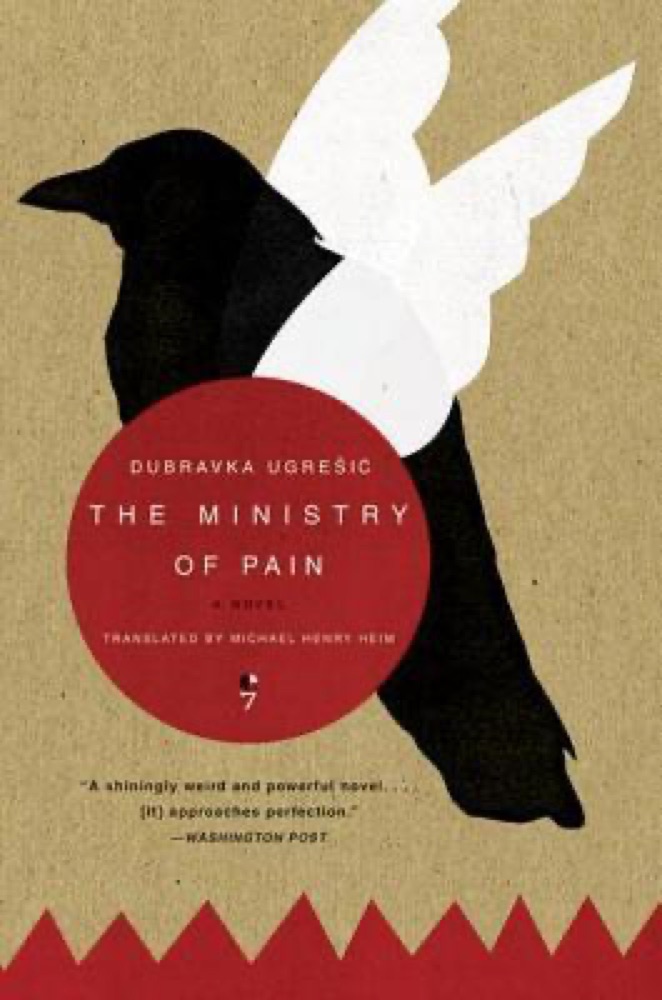
Having fled the violent breakup of Yugoslavia, Tanja Lucic is now a professor of literature at the University of Amsterdam, where she teaches a class filled with other young Yugoslav exiles, most of whom earn meager wages assembling leather and rubber S&M clothing at a sweatshop they call the "Ministry." Abandoning literature, Tanja encourages her students to indulge their "Yugonostalgia" in essays about their personal experiences during their homeland's cultural and physical disintegration. But Tanja's act of academic rebellion incites the rage of one renegade member of her class—and pulls her dangerously close to another—which, in turn, exacerbates the tensions of a life in exile that has now begun to spiral seriously out of control.
Book details
- First published
- 2004
- Author
- Dubravka Ugrešić
- Genre
- Fiction
- Goodreads rating
- 3.82 (3k ratings)
Keep reading
The Book of My Lives
 Girl at War
 Still Alive: A Holocaust Girlhood Remembered
 War and Turpentine
 Catch the Rabbit
 Border: A Journey to the Edge of Europe
 Zinky Boys: Soviet Voices from the Afghanistan War
 The Prague Cemetery
 The Fountains of Silence
 Auto-da-Fé
 My Childhood
 East of the West: A Country in Stories
 Babel
Babel
 We Need New Names
 The Eighth Life
 Mutant Message Down Under
 Embassytown
 The Road Back
 The Twelve Chairs
 Our Country Friends
 The Innocents Abroad
 Hallucinating Foucault
 Stasiland: Stories from Behind the Berlin Wall
 Infinite Country
 The Complete Persepolis
 Black Lamb and Grey Falcon
 Free: A Child and a Country at the End of History
 Europe Central
 The Postcard
 My Father's Paradise: A Son's Search for His Jewish Past in Kurdish Iraq
 Signs Preceding the End of the World
 How We Survived Communism and Even Laughed
 The Shadow of the Sun
 I Will Bear Witness 1933-41 A Diary of the Nazi Years
 The Midnight Palace
 Disoriental
 The Good Soldier Švejk
 The Time in Between
 The Wasted Vigil
 A Collection of Essays
 Zlata's Diary: A Child's Life in Wartime Sarajevo
 People of the Book
 House of Day, House of Night
 White Teeth
 Without You, There Is No Us: My Time with the Sons of North Korea's Elite
 The Adventures of China Iron
 The Committed
 Homage to Catalonia
 The Dogs of Riga
 Imperium
 The Wars
 Heretics of Dune
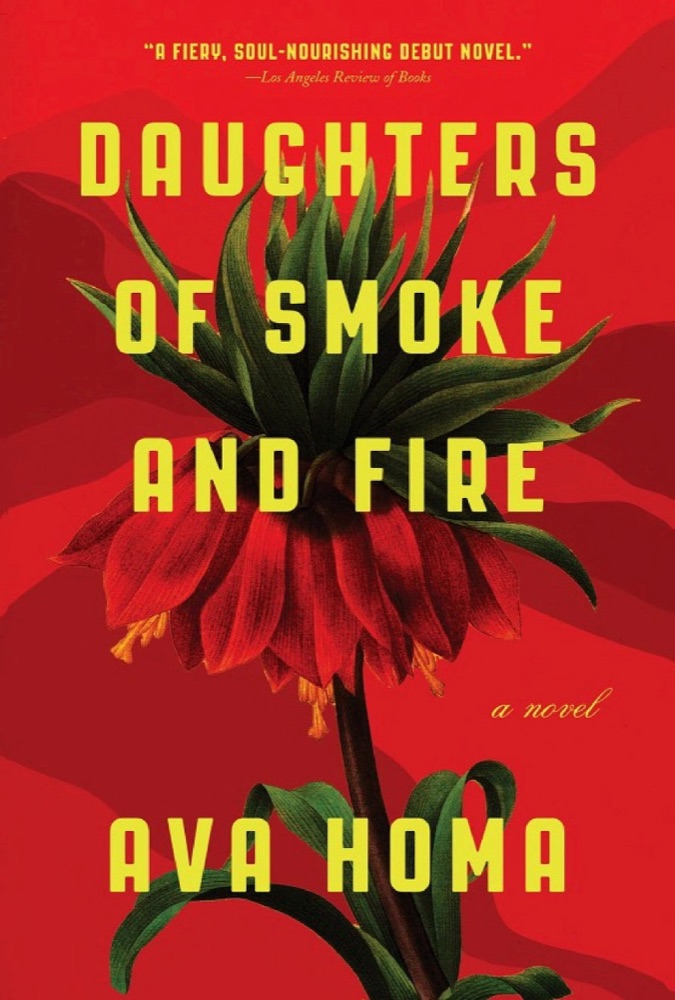 Daughters of Smoke and Fire
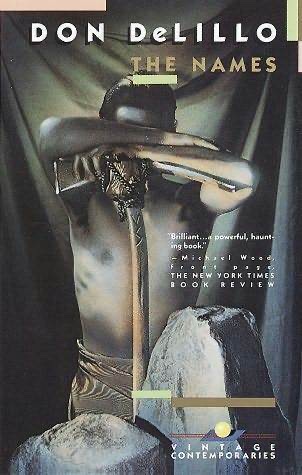 The Names
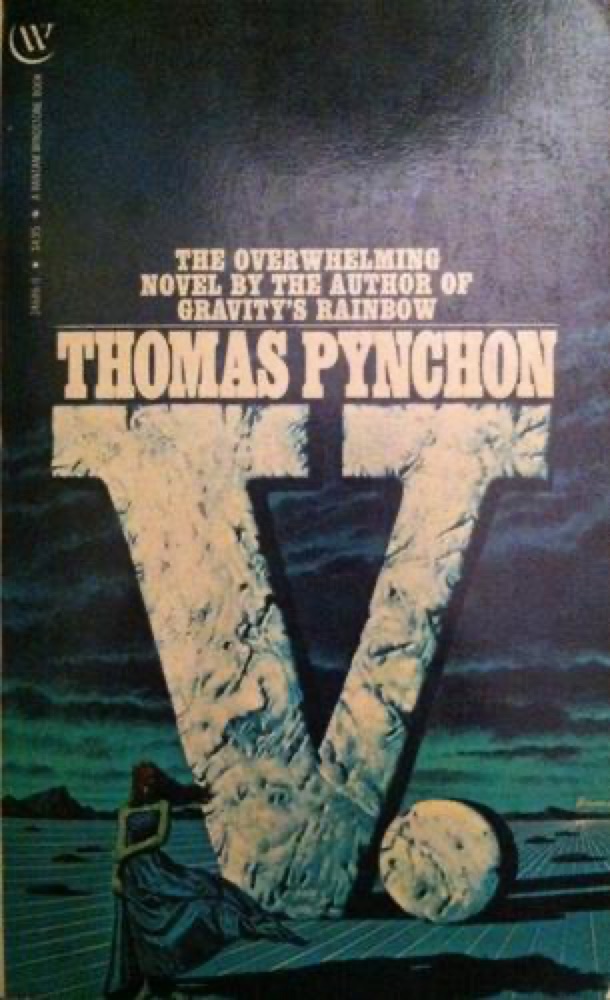 V.
V.
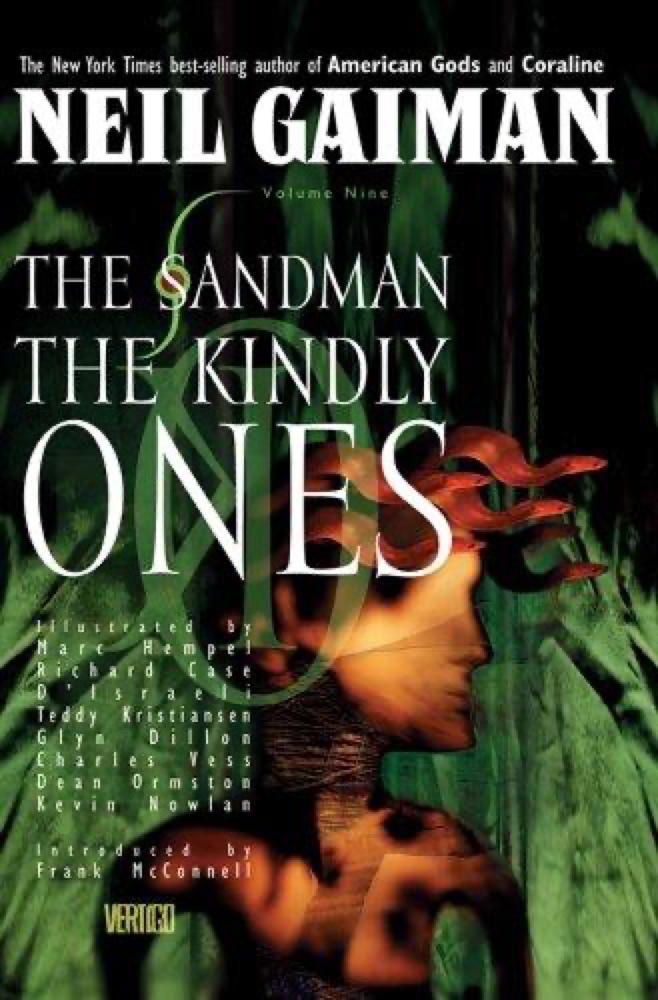 The Kindly Ones
 Café Europa: Life After Communism
 Tree of Smoke
 A Woman in Berlin: Eight Weeks in the Conquered City: A Diary