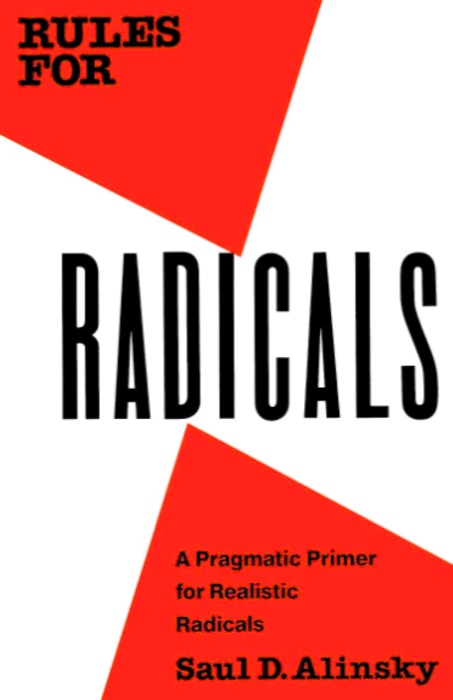
 Rules for Radicals: A Pragmatic Primer for Realistic Radicals
Quotes from the Book
An army of the people is invincible!
The great man, Genghis Khan, only knew how to shoot eagles with an arrow. The past is past. To see real heroes, look around you.
If the U.S. monopoly capitalist groups persist in pushing their policies of aggression and war, the day is bound to come when they will be hanged by the people of the whole world. The same fate awaits the accomplices of the United States.
Under the white population of the United States of America only the reactionary classes oppress the black population. Under no circumstance can they represent the workers, farmers and revolutionary intellectuals and other enlighted people who form the majority of the white population.
Political power grows out of the barrel of a gun.
Men and women must receive equal pay for equal work in production.
Ask your subordinates about matters you do not understand or do not know, and do not lightly express your approval or disapproval. . . . We should never pretend to know what we do not know, we should “not feel ashamed to ask and learn from people below” and we should listen carefully to the views of the cadres at the lower levels. Be a pupil before you become a teacher; learn from the cadres at the lower levels before you issue orders. . . . What the cadres at the lower levels say may or may not be correct, after hearing it, we must analyse it. We must heed the correct views and act upon them. . . . Listen also to the mistaken views from below, it is wrong not to listen to them at all. Such views, however, are not to be acted upon but to be criticized.
War, this monster of mutual slaughter among men, will be finally eliminated by the progress of human society, and in the not too distant future too.
This army is powerful because all its members have a conscious discipline; they have come together and they fight not for the private interests of a few individuals or a narrow clique, but for the interests of the broad masses and of the whole nation. The sole purpose of this army is to stand firmly with the Chinese people and to serve them whole-heartedly.
The theory of Marx, Engels, Lenin and Stalin is universally applicable. We should regard it not as dogma, but as a guide to action. Studying it is not merely a matter of learning terms and phrases but of learning Marxism-Leninism as the science of revolution.
Imperialism will not last long because it always does evil things. It persists in grooming and supporting reactionaries in all countries who are against the people, it has forcibly seized many colonies and semi-colonies and many military bases, and it threatens the peace with atomic war. Thus, forced by imperialism to do so, more than 90 per cent of the people of the world are rising or will rise in struggle against it. Yet, imperialism is still alive, still running amuck in Asia, Africa and Latin America. In the West imperialism is still oppressing the people at home. This situation must change. It is the task of the people of the whole world to put an end to the aggression and oppression perpetrated by imperialism, and chiefly by U.S. imperialism.
It is mainly because of the unorganized state of the Chinese masses that Japan dares to bully us.
or does not study how to run meetings successfully.
Lacking an analytical approach, many of our comrades do not want to go deeply into complex matters, to analyse and study them over and over again, but like to draw simple conclusions which are either absolutely affirmative or absolutely negative. . . . From now on we should remedy this state of affairs.
Lenin dice que el análisis concreto de la situación concreta es «lo más esencial del marxismo, el alma viva del marxismo». Muchos de nuestros camaradas, poco acostumbrados a pensar en forma analítica, no quieren analizar y estudiar repetida y profundamente las cosas complejas, sino que prefieren formular conclusiones simplistas que son absolutamente afirmativas o absolutamente negativas. (…) Desde ahora, debemos remediar este estado de cosas.
We are advocates of the abolition of war, we do not want war; but war can only be abolished through war, and in order to get rid of the gun it is necessary to take up the gun. Ibid.
the imperialist prophets are pinning their hopes of “peaceful evolution” on the third or fourth generation of the Chinese Party.
¿De dónde provienen las ideas correctas del hombre? ¿Caen del cielo? No. ¿Son innatas en su cerebro? No. Provienen únicamente de la práctica social, de los tres tipos de práctica social: la lucha por la producción, la lucha de clases y la experimentación científica. «¿De dónde provienen las ideas correctas?» (mayo de 1963).
A aquellos que han cometido errores en su trabajo, salvo los elementos incorregibles, los comunistas no deben dejarlos de lado, sino al contrario, deben persuadirlos para que se transformen y emprendan un nuevo camino. «El papel del Partido Comunista de China en la guerra nacional» (Octubre de 1938), Obras Escogidas, tomo II. *
are for peace. But so long as U.S. imperialism refuses to give up its arrogant and unreasonable demands and its scheme to extend aggression, the only course for the Chinese people is to remain determined to go on fighting side by side with the Korean people. Not
All important problems (of course, not the unimportant, trivial problems, or problems whose solutions have already been decided after discussion at meetings and need only be carried out) must be submitted to the committee for discussion,
Therefore, before any action is taken, we must explain the policy, which we have formulated in the light of the given circumstances, to Party members and to the masses. Otherwise, Party members and the masses will depart from the guidance of our policy, act blindly and carry out a wrong policy.
There are two principles here: one is the actual needs of the masses rather than what we fancy they need, and the other is the wishes of the masses, who must make up their own minds instead of our making up their minds for them.
In our international relations, we Chinese people should get rid of great-power chauvinism resolutely, thoroughly, wholly and completely.
La manera como estos camaradas enfocan las cuestiones es errónea. En vez de considerar sus aspectos esenciales o principales, destacan los no esenciales o secundarios. Es de señalar que hay que tratar estos últimos aspectos uno por uno sin subestimarlos, mas no debemos considerarlos como esenciales o principales, pues, de lo contrario, nos desorientaremos. «Sobre el problema de la cooperativización agrícola»
Es absolutamente imposible que vosotros, tan poca gente, logréis remover montañas tan grandes.» El Viejo Tonto respondió: «Después que yo muera, seguirán mis hijos; cuando ellos mueran, quedarán mis nietos, y luego sus hijos y los hijos de sus hijos, y así indefinidamente. Aunque son muy altas, estas montañas no crecen y cada pedazo que les sacamos las hace más pequeñas. ¿Por qué no vamos a poder removerlas?» Después de refutar la idea errónea del Viejo Sabio, siguió cavando día tras día, sin cejar en su decisión. Dios, conmovido ante esto, envió a la tierra dos ángeles, que se llevaron a cuestas ambas montañas. Hoy, sobre el pueblo chino pesan dos grandes montañas, una se llama imperialismo y la otra, feudalismo. El Partido Comunista de China hace tiempo que decidió eliminarlas. Debemos perseverar en nuestra decisión y trabajar sin cesar; también nosotros conmoveremos a Dios. Nuestro Dios no es otro que las masas populares de China. Si ellas se alzan y cavan junto con nosotros, ¿por qué no vamos a poder eliminar esas montañas? «El Viejo Tonto que removió las montañas» (11 de junio
Hay una antigua fábula china llamada «El Viejo Tonto que removió las montañas». Cuenta que hace mucho tiempo vivía en el Norte de China un anciano conocido como el Viejo Tonto de las montañas del Norte. Su casa miraba al Sur y frente a ella, obstruyendo la pasada, se alzaban dos grandes montañas: Taijang y Wangwu. El Viejo Tonto tomó la decisión de llevar a sus hijos a remover con azadones las dos montañas. Otro anciano, conocido
A crítica deve fazer-se a tempo; não há que se deixar levar pelo mau costume de criticar só depois de consumados os fatos.
Watch on YouTube
About Mao Zedong
We have collected 28 quotes from 1 book by Mao Zedong on BookQuoters.
More about the author →Book details
- Author
- Mao Zedong
- Genre
- History
- Goodreads rating
- 3.52 (4k ratings) →
Keep reading
Rules for Radicals: A Pragmatic Primer for Realistic Radicals
 The Iron Heel
 The Wretched of the Earth
 Chomsky On Anarchism
 Imperial Ambitions: Conversations on the Post-9/11 World
 Behold a Pale Horse
 The Road to Serfdom
 Understanding Power: The Indispensable Chomsky
 Civil Disobedience and Other Essays
 It Can't Happen Here
 First As Tragedy, Then As Farce
 Conspirators' Hierarchy: The Story of the Committee of 300
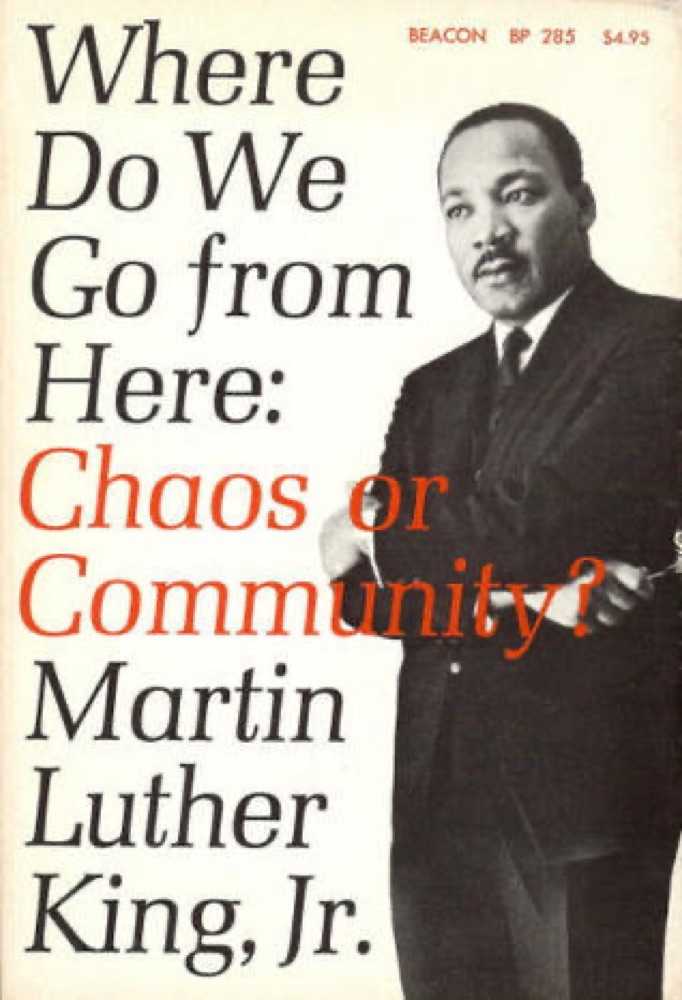 Where Do We Go from Here: Chaos or Community?
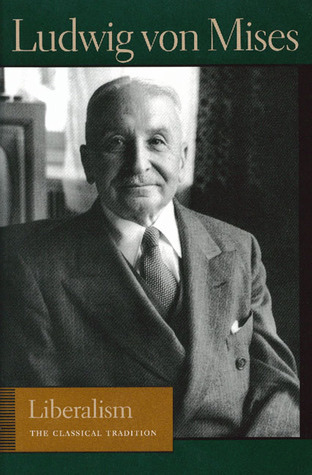 Liberalism: The Classical Tradition
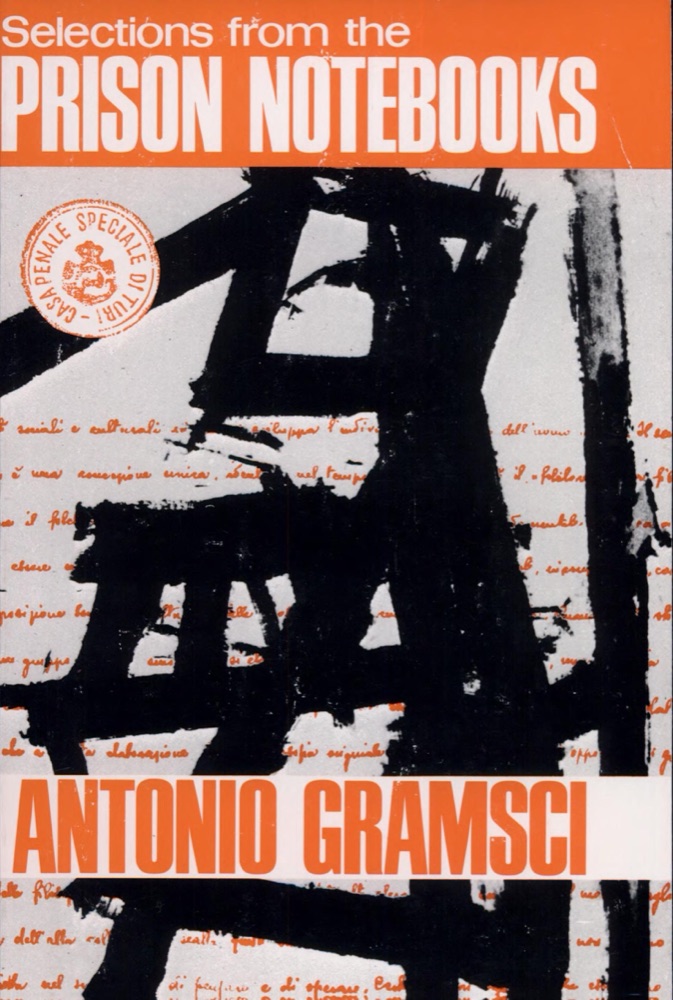 Selections from the Prison Notebooks
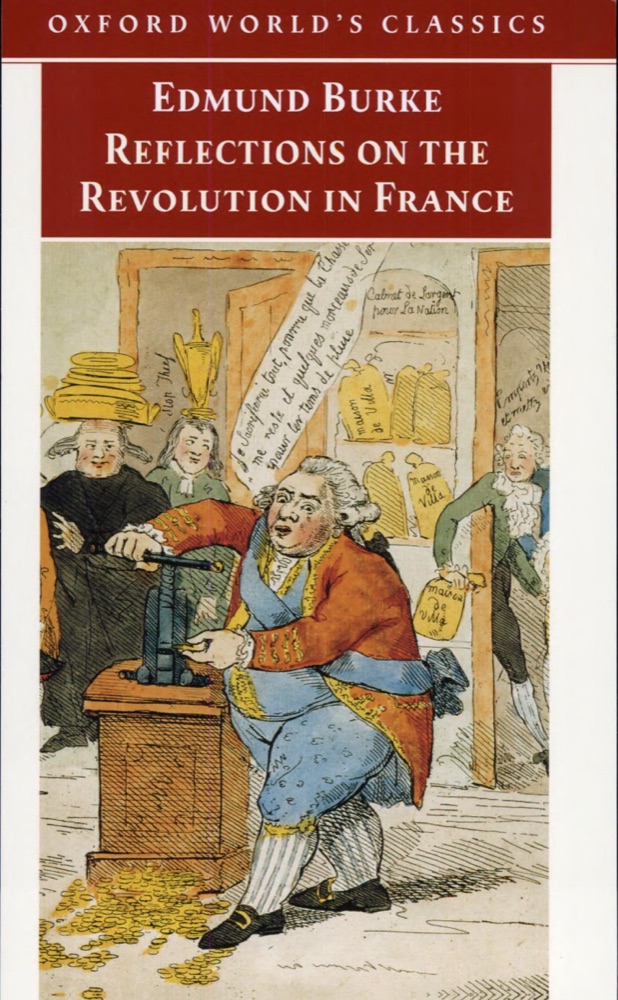 Reflections on the Revolution in France
 Defying Hitler
 The Revolution Betrayed
 Human Action: A Treatise on Economics
 Modern Times: The World from the Twenties to the Nineties
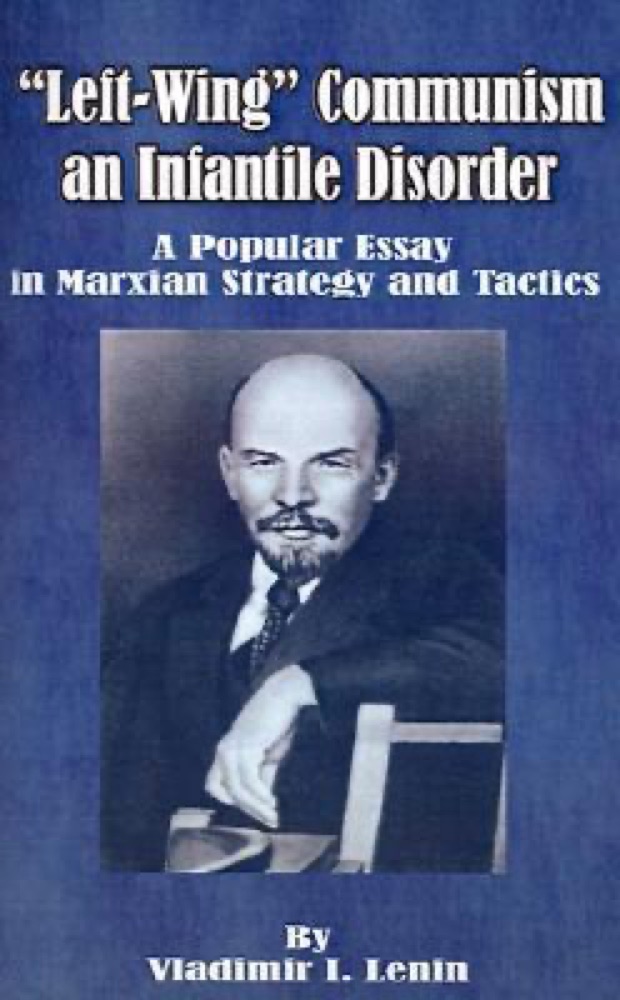 Left-Wing Communism, an Infantile Disorder: A Popular Essay in Marxian Strategy and Tactics
 The Coming Insurrection
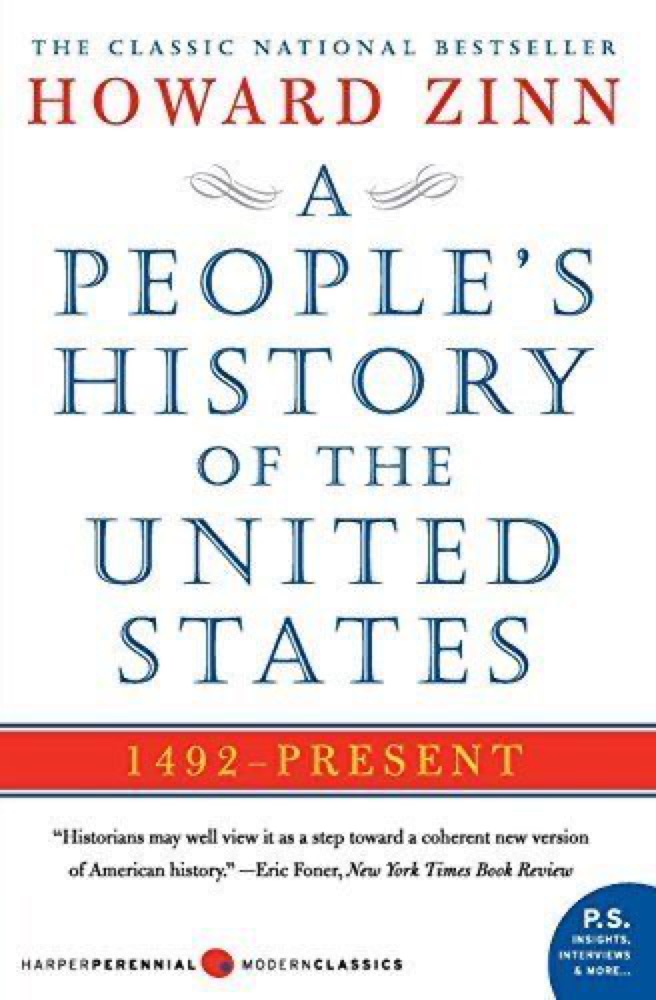 A People's History of the United States
 Capitalism: The Unknown Ideal
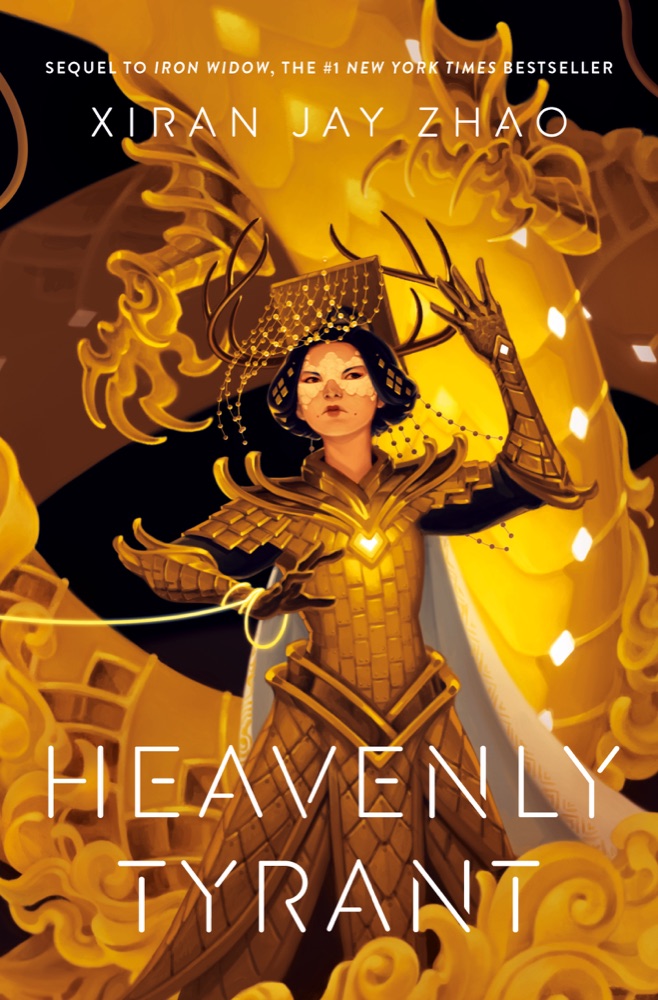 Heavenly Tyrant
 The Communist Manifesto
 The Machiavellians: Defenders of Freedom
 Democracy in America
 Ill Fares the Land
 Assata: An Autobiography
 Brave New World Revisited
 The Revolt of the Masses
 Walden Two
 Rights of Man
 Why We Can't Wait
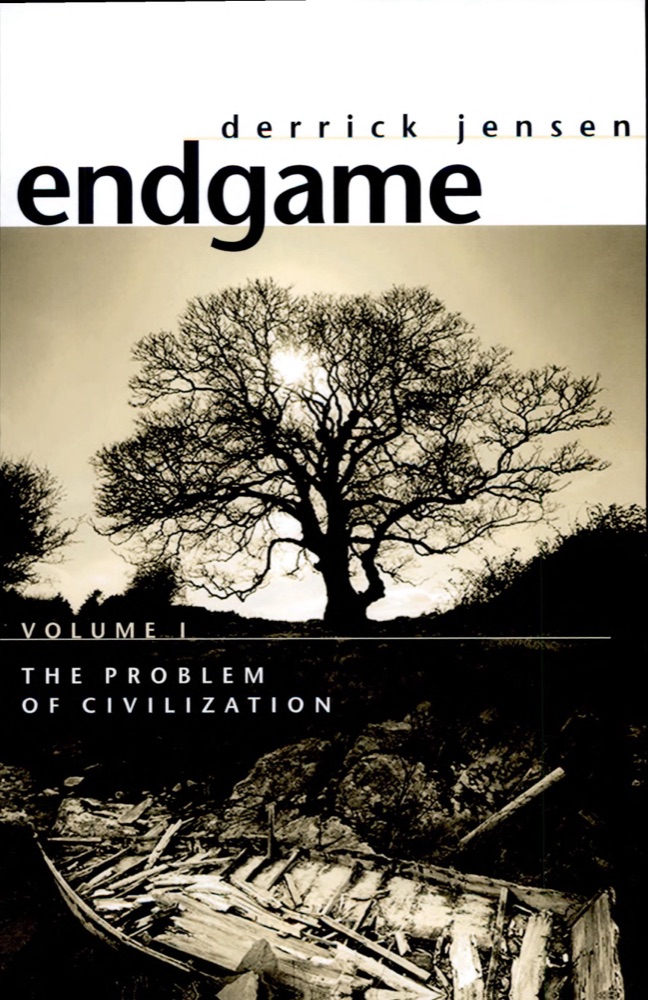 Endgame, Vol. 1: The Problem of Civilization
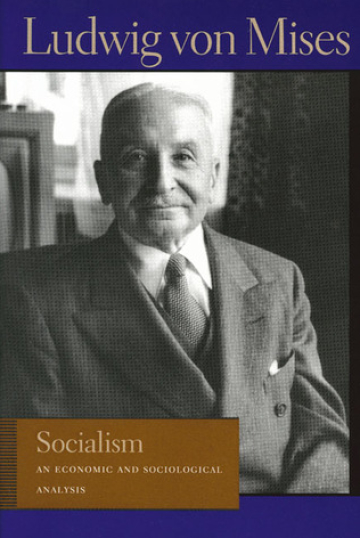 Socialism: An Economic and Sociological Analysis
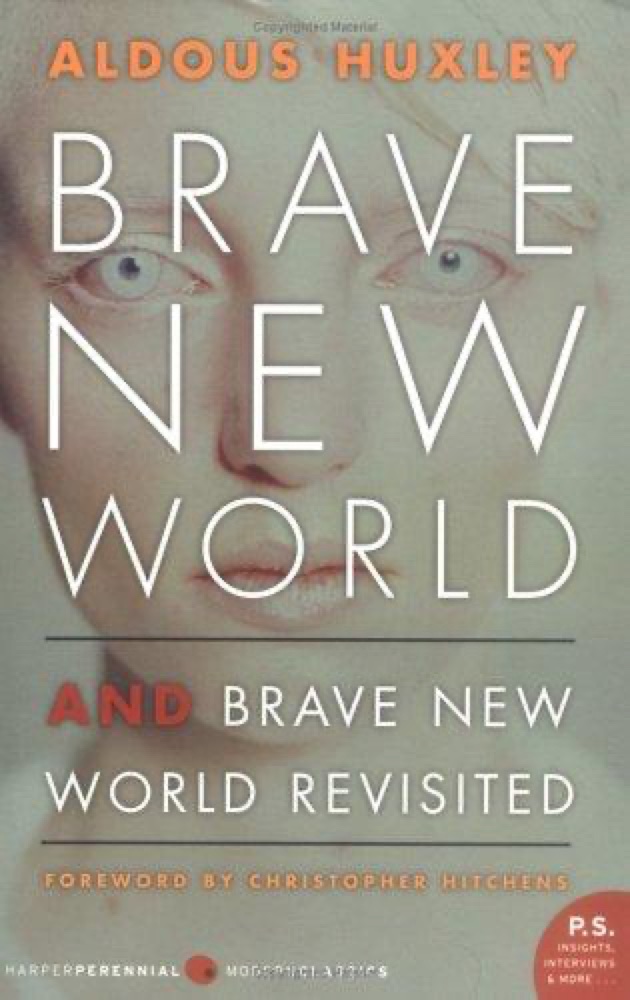 Brave New World / Brave New World Revisited
 Civil Disobedience
 Blackshirts and Reds: Rational Fascism and the Overthrow of Communism
 Leadership : Six Studies in World Strategy
 Principles for Dealing with the Changing World Order: Why Nations Succeed and Fail
 Starship Troopers
 What's Wrong with the World
 Pedagogy of the Oppressed
 Empire
 Revolution
 Why Marx Was Right
 The Utopia of Rules: On Technology, Stupidity, and the Secret Joys of Bureaucracy
 Across That Bridge: A Vision for Change and the Future of America
 Closing the Ring
 Capitalism, Socialism and Democracy
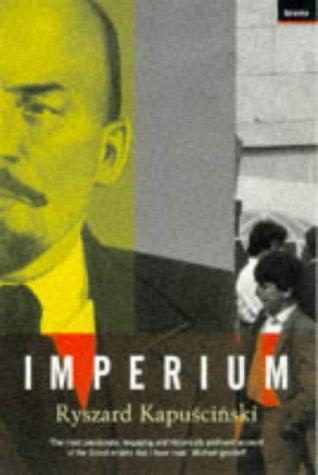 Imperium
 On Tyranny: Twenty Lessons from the Twentieth Century
 Prelude to Foundation
 The Origins of Totalitarianism
 The Secret Agent
 God Emperor of Dune
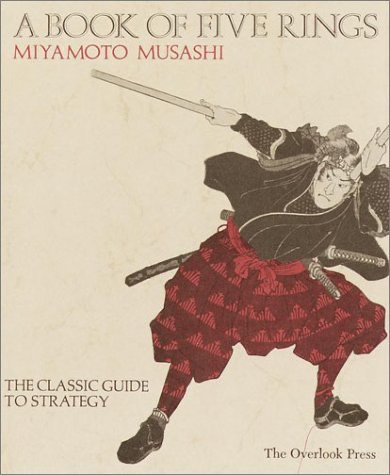 A Book of Five Rings: The Classic Guide to Strategy