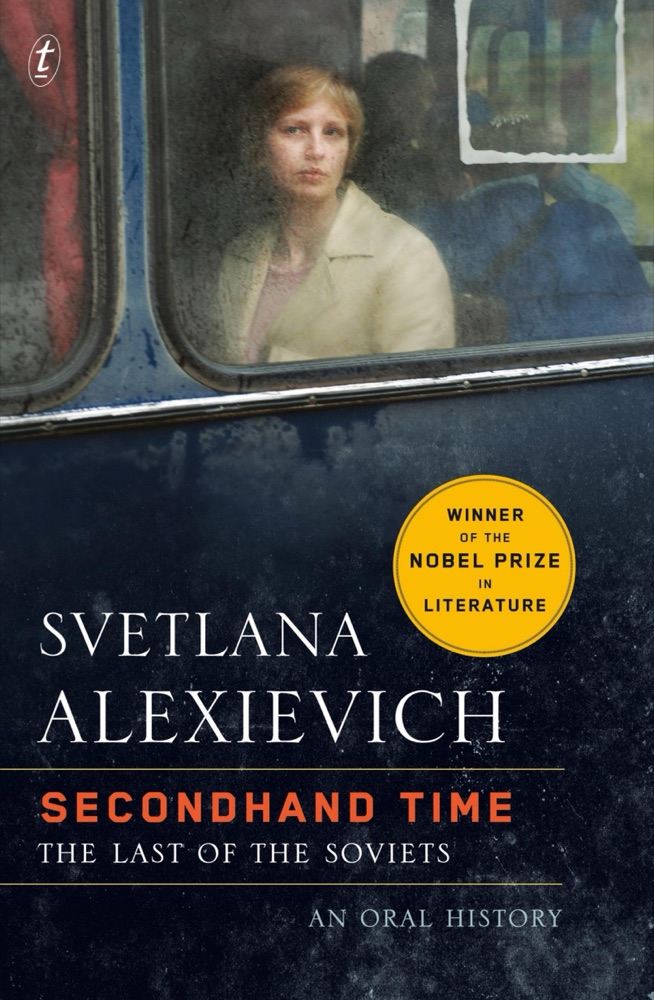
 Secondhand Time: The Last of the Soviets
Quotes from the Book
In the past, one would have been arrested for wanting to leave. Now that nobody was stopping us from emigrating, we were no longer welcome on the other side. The only thing that had changed was the color of the police uniforms. We risked being arrested not in the name of our own government but in the name of other states, those same governments who had urged us to break free. The West had spent decades criticizing the East for its closed borders, funding campaigns to demand freedom of movement, condemning the immorality of states committed to restricting the right to exit. Our exiles used to be received as heroes. Now they were treated as criminals. Perhaps freedom of movement had never really mattered. It was easy to defend it when someone else was doing the dirty work of imprisonment. But what value does the right to exit have if there is no right to enter? Were borders and walls reprehensible only when they served to keep people in, as opposed to keeping them out? The border guards, the patrol boats, the detention and repression of immigrants that were pioneered in southern Europe for the first time in those years [1990s] would become standard practice over the coming decades. The West, initially unprepared for the arrival of thousands of people wanting a different future, would soon perfect a system for excluding the most vulnerable and attracting the more skilled, all the while defending borders to "protect our way of life." And yet, those who sought to emigrate did so because they were attracted to that way of life. Far from posing a threat to the system, they were its most ardent supporters.
15
And yet, despite all the constraints, we never lose our inner freedom: the freedom to do what is right.
6
I don’t want to leave. Leaving makes you forget things. It makes you forget people.
3
I thought about killing myself but was sorry for Nini. It only lasted 15 minutes. I need to find a new book to read.
3
In the end my grandmother said, “We’re always in charge of our fate.” Biography was critical to knowing the limits of your world, but once you knew those limits, you were free to choose and you became responsible for your decisions.
3
In March, they said we were all victims. They accepted us. In August, they looked at us as if we were some kinds of menace, like we were about to eat their children.
3
It is better to be a dissatisfied human being than a satisfied pig.
2
Socialism had succeeded in ripping the veil off women's head, but not in the minds of their men. It had managed to tear chains carrying crosses from their wives' chests, but those chains still shackled their husbands' brains.
2
It’s probably better to better to spend time with fictional characters than miss the ones I’ll never see again.
2
For some, leaving was a necessity that went under the official name of ‘transition’. We were a society in transition, it was said, moving from socialism to liberalism, from one-party rule to pluralism, from one place to the other. Opportunities would never come to you, unless you went looking for them, like the half-cockerel in the old Albanian folk tale who travels far away, looking for his kismet, and in the end returns full of gold. For others, leaving the country was an adventure, a childhood dream come true or a way to please their parents. There were those who left and never returned. Those who went and came back soon after. Those who turned the organization of movement into a profession, who opened travel agencies or smuggled people on boats. Those who survived, and became rich. Those who survived, and continued to struggle. And those who died trying to cross the border. In
2
The people he admired were nihilists and rebels, men and women who spent their lives merely condemning the world they inhibited, but without committing to any alternatives.
1
[...]Many of those friends were self-declared socialists - Wester socialists, that is. They spoke about Rosa Luxemburg, Leon Trotsky, Salvador Allende or Ernesto 'Che' Guevara as secular saints. It occurred to me that they were like my father in this aspect: the only revolutionaries they considered worthy of admiration had been murdered.[...]ut they did not think that my stories from the eighties were in any way significant to their political beliefs. Sometimes, my appropriating the label of socialist to describe both my experiences and their commitments was considered a dangerous provocation. [...] 'What you had was not really socialism.' they would say, barely concealing their irritation. My stories about socialism in Albania and references to all the other socialist countries against which our socialism had measured itself were, at best, tolerated as the embarrassing remarks of a foreigner still learning to integrate. The Soviet Union, China, the German Democratic Republic, Yugoslavia, Vietnam, Cuba; there was nothing socialist about them either. They were seen as the deserving losers of a historical battle that the real, authentic bearers of that title had yet to join. My friends' socialism was clear, bright and in the future. Mine was messy, bloody and of the past. And yet, the future that they sought, and that which socialist states had once embodied, found inspiration in the same books, the same critiques of society, the same historical characters. But to my surprise, they treated this as an unfortunate coincidence. Everything that went wrong on my side of the world could be explained by the cruelty of our leaders, or the uniquely backward nature of our institutions. They believed there was little for them to learn. There was no risk of repeating the same mistakes, no reason to ponder what had been achieved, and why it had been destroyed. Their socialism was characterized by the triumph of freedom and justice; mine by their failure. Their socialism would be brought about by the right people, with the right motives, under the right circumstances, with the right combination of theory and practice. There was only one thing to do about mine: forget it. [...]But if there was one lesson to take away from he history of my family, and of my country, it was that people never make history under circumstances they choose. It is easy to say, 'What you had was not the real thing', applying that to socialism or liberalism, to any complex hybrid of ideas and reality. It releases us from the burden of responsability. We are no longer complicit in moral tragedies create din the name of great ideas, and we don't have to reflect, apologize and learn.
1
Don’t cry. Crying never helped anyone. If I had ever thought about crying, I wouldn’t be here. Do something. Read another book, learn a new language, find some activity.
1
My mother did not fight and conquer her fears. She never knew fear in the first place.
1
He would never be able to win his seat back from those dirty communists bastards without the right colour socks.
1
We knew we did not have everything. But we had enough. We all had the same things. And we had what mattered most: real freedom. In capitalism, people claimed to be free and equal. But this was only on paper because only the rich could take advantage of the rights available.
1
I accepted the different explanations of what had caused this or that, how the international community had warned about such-and-such decision, how the Balkans had long had an explosive history—how one must factor in the ethnic and religious divisions that pervaded that corner of the world, and the legacy of socialism too. I accepted the story I heard on foreign media: that the Albanian Civil War could be explained not by the collapse of a flawed financial system but by the long-standing animosities between different ethnic groups, the Ghegs in the north and the Tosks in the south. I accepted it despite its absurdity, despite the fact that I didn’t know what I counted as, whether both or neither. I accepted it although my mother was a Gheg and my father a Tosk, and throughout their married life only their political and class divisions had ever mattered, never the accents with which they spoke. I accepted it, as we all did, as we accepted the liberal road map we had followed like a religious calling, as we accepted that its plan could be disrupted only by outside factors—like the backwardness of our own community norms—and never be beset by its own contradictions.
1
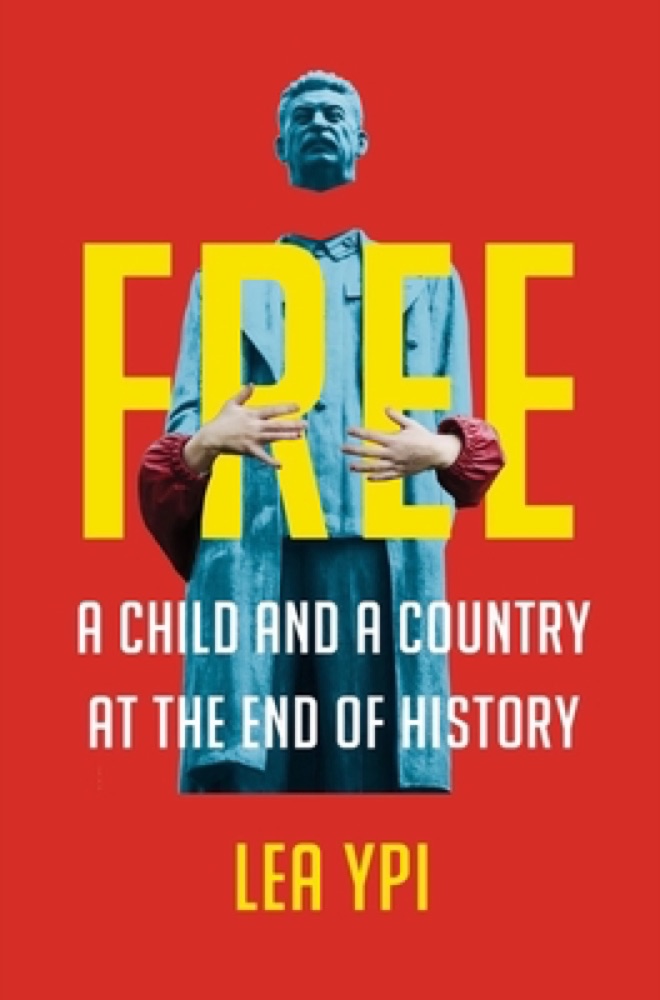
NEVER ASKED MYSELF about the meaning of freedom until the day I hugged Stalin.
1
During those years, "the rest of Europe" was more than a campaign slogal. It stood for a specific way of life, one which was imitated more often than understood, and absorbed more than justified. Europe was like a long tunnel with an entrance illuminated by bright lights and flashing signs, and with a dark interior, invisible at first. When journey started, it didn't occur to anyone to ask where the tunnel ended, whether the light would fail, and what there was on the other side. It didn't occur to anyone to bring torches, or to draw maps, or to ask whether anyone ever makes it out of the tunnel, or if there is only one exit or several, and if everybody goes out the same way. Instead, we just marched on, and hoped the tunnel would remain bright, assuming we worked hard enough, and waited long enough, just as we used to wait in socialist queues - without minding the time that passed, without losing hope.
My grandmother always said that we don't know how to think about the future; we must turn to the past. I started to wonder about the story of my life, of how I was born, of how things were before I was there. I tried to check back on details I might have got confused, too young to remember them correctly. It was a story I had heard countless times before; the story of a fixed reality in which I had gradually found my part, however complicated. This time it was different. This time, there were no fixed points, everything had to be remade from scratch. The story of my life was not the story of the events that had occurred in any particular period but the story of searching for the right questions, the questions I had never thought to ask.
Politics matters, she said, because you don’t just implement other people’s decisions: you get to make them. That’s what democracy is about.
Corruption’ was a new buzzword. It was a generic explanation for all sorts of evils, both present and past, personal and political, a problem of humans and a deficiency of institutions. It was where economic liberalization and political reform met and, instead of integrating harmoniously, as promised, started to rot.
She did not think class consciousness and class belonging were the same thing. She insisted that we do not inherit our political views but freely choose them, and we choose the ones that sound right, not those that are most convenient or best serve our interest.
She wanted me to remember her trajectory, and to understand that she was the author of her life: that despite all the obstacles she had encountered on the way, she had remained in control of her fate. She had never ceased to be responsible. Freedom, she said, is being conscious of necessity.
What do you elect in unfree elections?
My mother and grandmother would drop whatever they were doing in the kitchen and sprint to the living room to catch the last sight of a beautiful woman with a delightful smile on her face who showed you how to wash your hands.
kapitalist sistemde, mesele yaptığı her şeyi yoksulların da yapmalarına izin verilmemesi değil. izin verilse bile yapamamaları. örneğin, tatile gitmelerine izin verilebilir, ama işlerini bırakamazlar, yoksa para kazanamazlar. ve kapitalist sistemde paran yoksa tatile çıkamazsın. devrime ihtiyaç var." "tatile çıkmak için mi?" "düzeni değiştirmek için.
...dünyanın her yerinde adaletsizliğe uğrayan herkes özgür olmadıkça, tek bir kalıcı zafere ulaşılamayacağına ikna etmeye yetmişti.
Watch on YouTube
About Lea Ypi
We have collected 28 quotes from 1 book by Lea Ypi on BookQuoters.
More about the author →About the book
For precocious 11-year-old Lea Ypi, Albania’s Soviet-style socialism held the promise of a preordained future, a guarantee of security among enthusiastic comrades. That is, until she found herself clinging to a stone statue of Joseph Stalin, newly beheaded by student protests.
Communism had failed to deliver the promised utopia. One’s “biography”—class status and other associations long in the past—put strict boundaries around one’s individual future. When Lea’s parents spoke of relatives going to “university” or “graduating,” they were speaking of grave secrets Lea struggled to unveil. And when the early ’90s saw Albania and other Balkan countries exuberantly begin a transition to the “free market,” Western ideals of freedom delivered chaos: a dystopia of pyramid schemes, organized crime, and sex trafficking.
With her elegant, intellectual, French-speaking grandmother; her radical
Book details
- First published
- 2021
- Author
- Lea Ypi
- Genre
- Nonfiction
- Goodreads rating
- 4.31 (28k ratings)
The buzz
- The New York TimesReview in The New York Timesprofessional review (via Book Marks)
- The Washington PostReview in The Washington Postprofessional review (via Book Marks)
- The Wall Street JournalReview in The Wall Street Journalprofessional review (via Book Marks)
- The GuardianReview in The Guardianprofessional review (via Book Marks)
- The Times Literary SupplementReview in The Times Literary Supplementprofessional review (via Book Marks)
- The TimesReview in The Timesprofessional review (via Book Marks)
Keep reading
Secondhand Time: The Last of the Soviets
 How We Survived Communism and Even Laughed
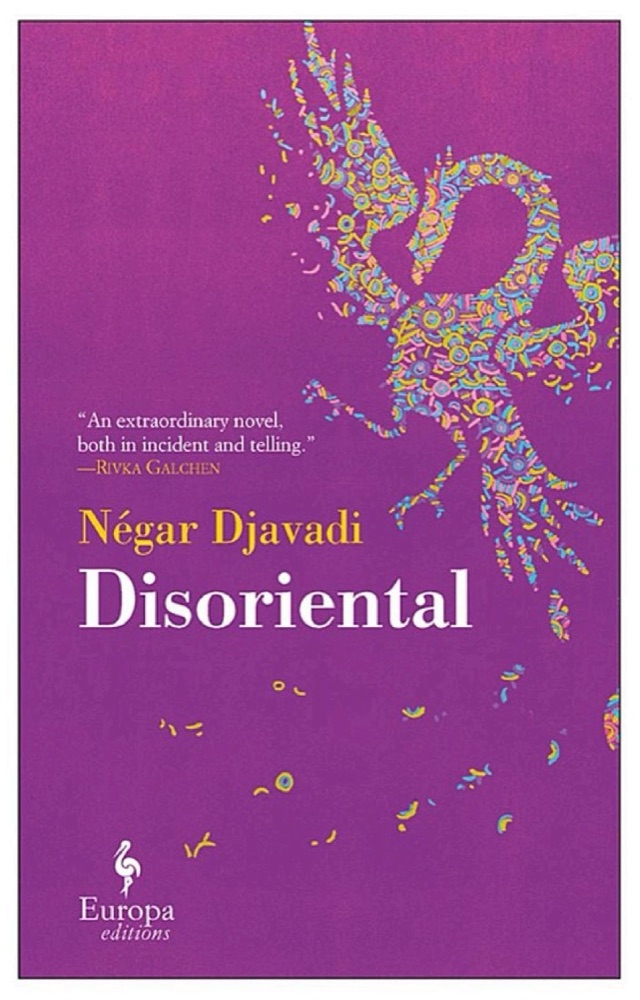 Disoriental
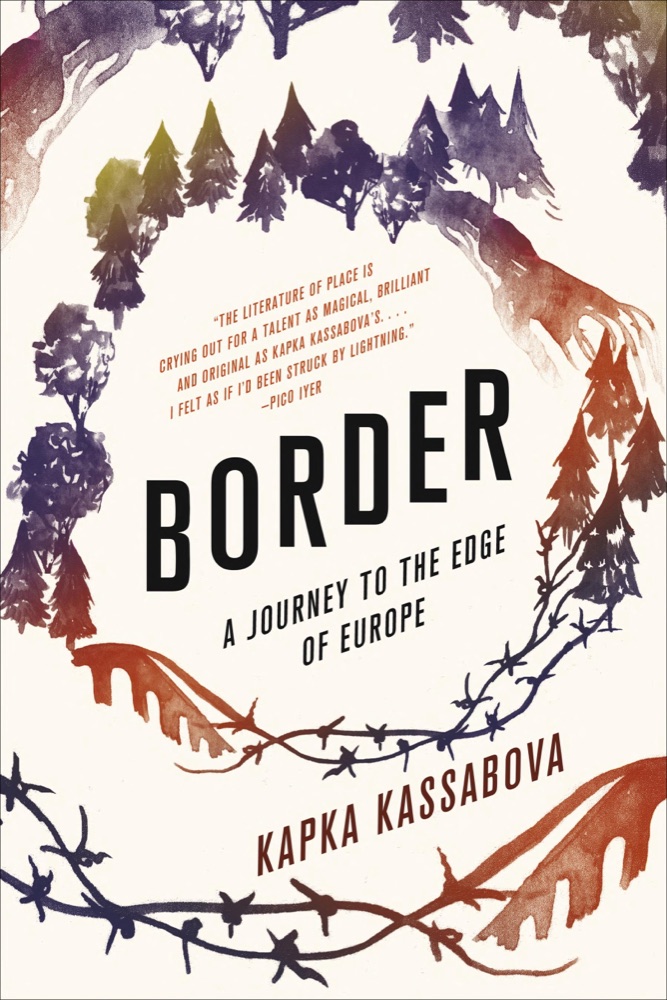 Border: A Journey to the Edge of Europe
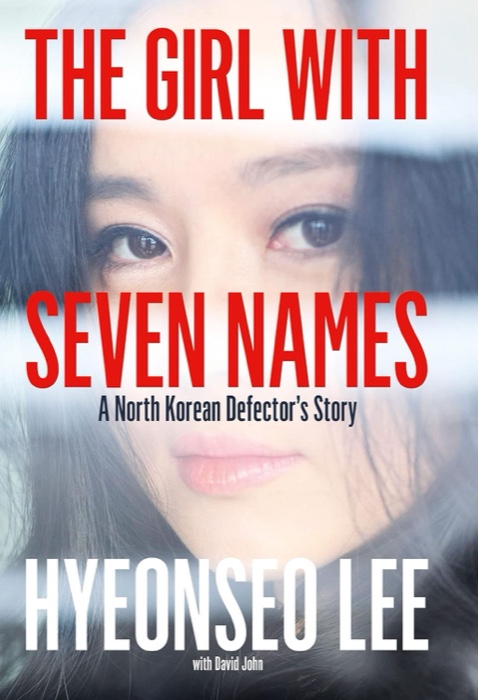 The Girl with Seven Names: A North Korean Defector’s Story
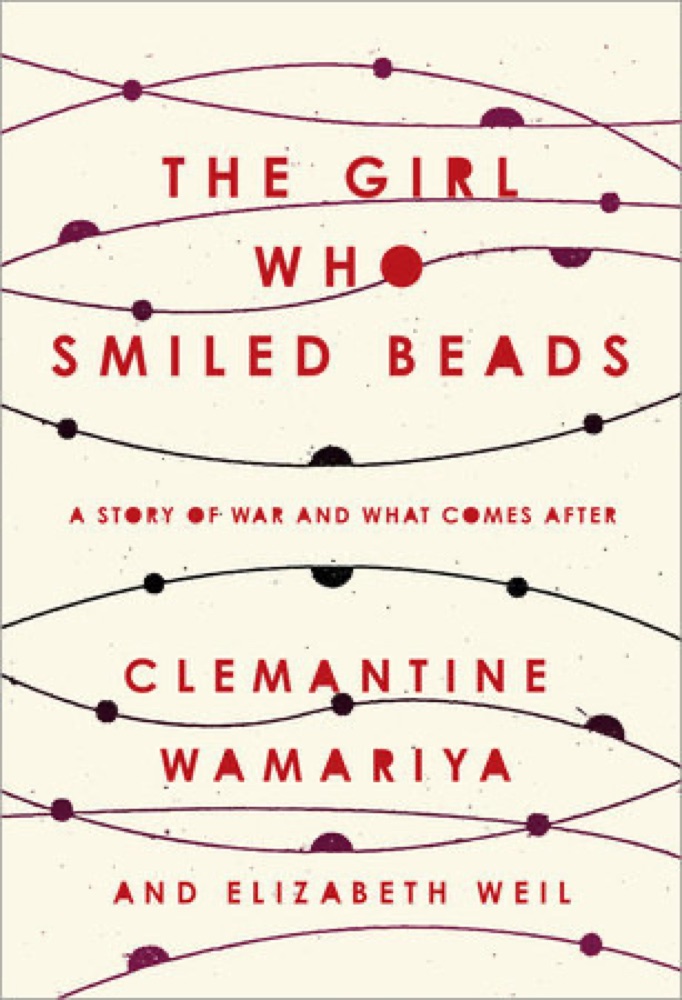 The Girl Who Smiled Beads: A Story of War and What Comes After
 The Gulag Archipelago 1918-1956
 The Eighth Life
 Long Walk to Freedom
 Powers
 A Promised Land
 In Order to Live: A North Korean Girl's Journey to Freedom
 You Can't Be Neutral on a Moving Train: A Personal History of Our Times
 Things I've Been Silent About
 Freedom
 Assata: An Autobiography
 Between the World and Me
 Café Europa: Life After Communism
 I Must Betray You
 Stasiland: Stories from Behind the Berlin Wall
 No One Is Talking About This
 The Last Year of the War
 The Story of the Lost Child
 The Book of My Lives
 The Mandibles: A Family, 2029–2047
 Infidel
 The Fall of Babel
 The Lives of Others
 Everything Flows
 A People's Future of the United States: Speculative Fiction from 25 Extraordinary Writers
 The Office of Historical Corrections
 What's Left?
 Varina
 All But My Life: A Memoir
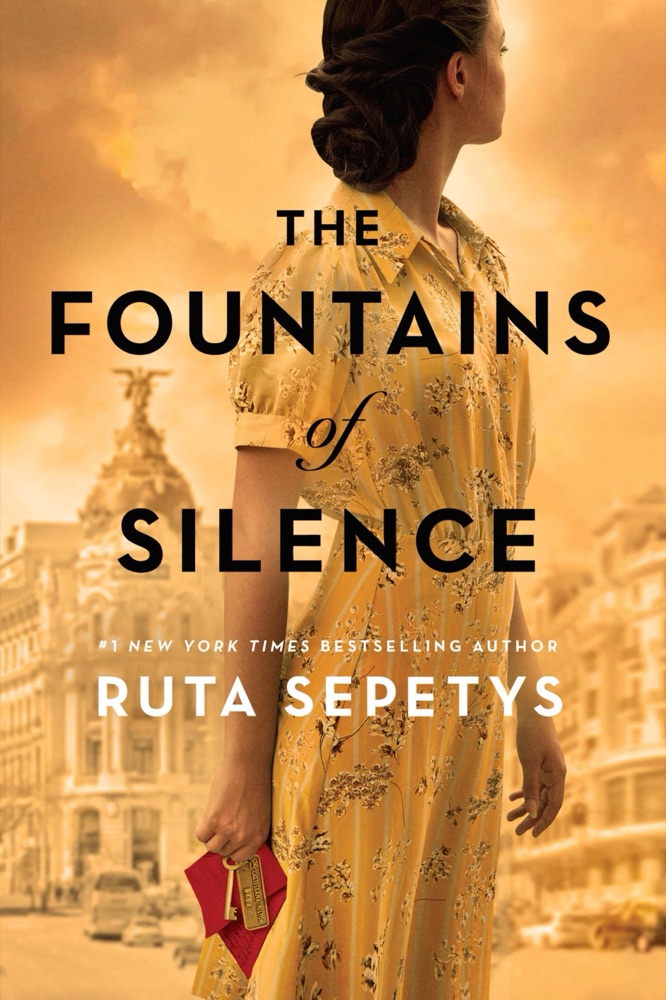 The Fountains of Silence
 The Complete Persepolis
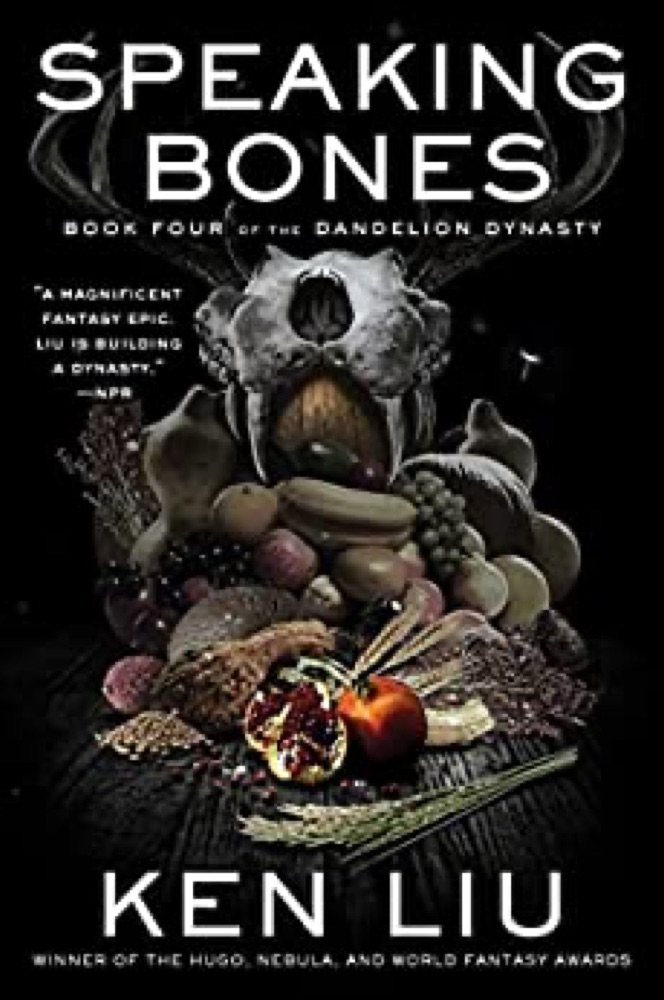 Speaking Bones
 On Freedom
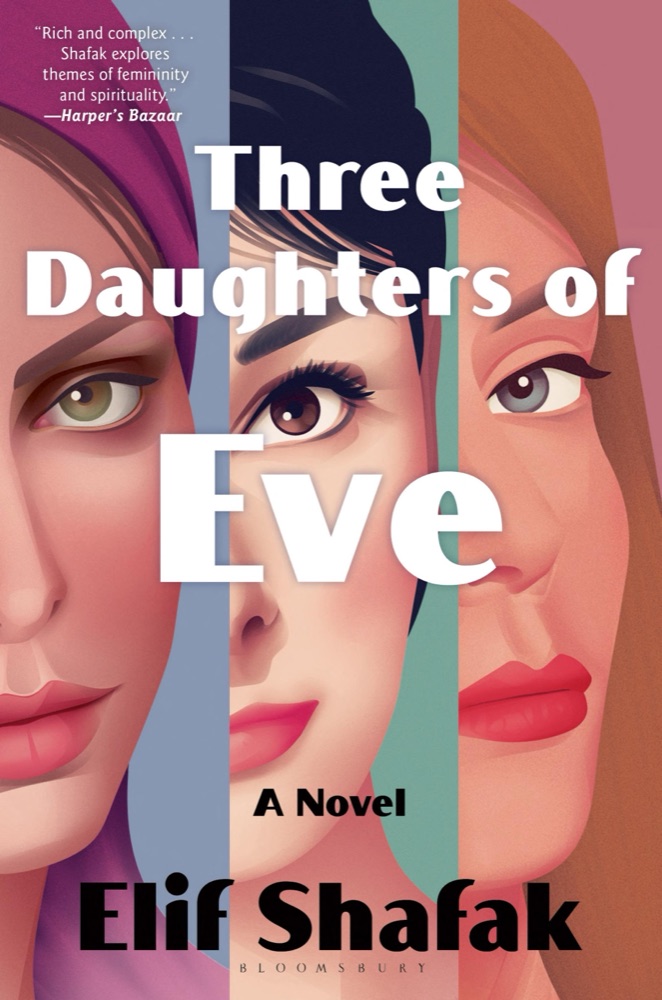 Three Daughters of Eve
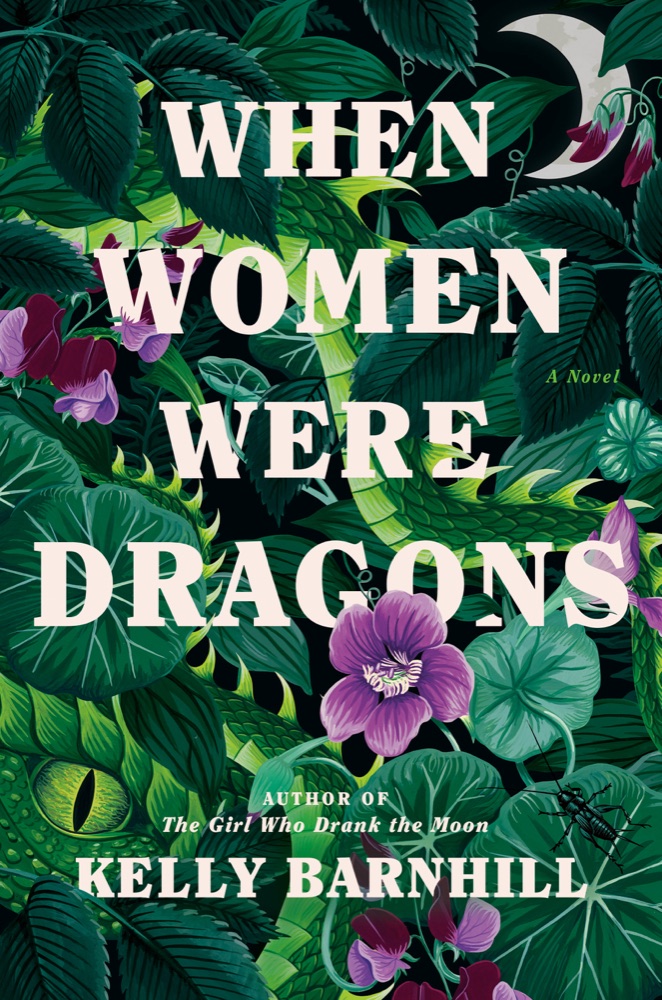 When Women Were Dragons
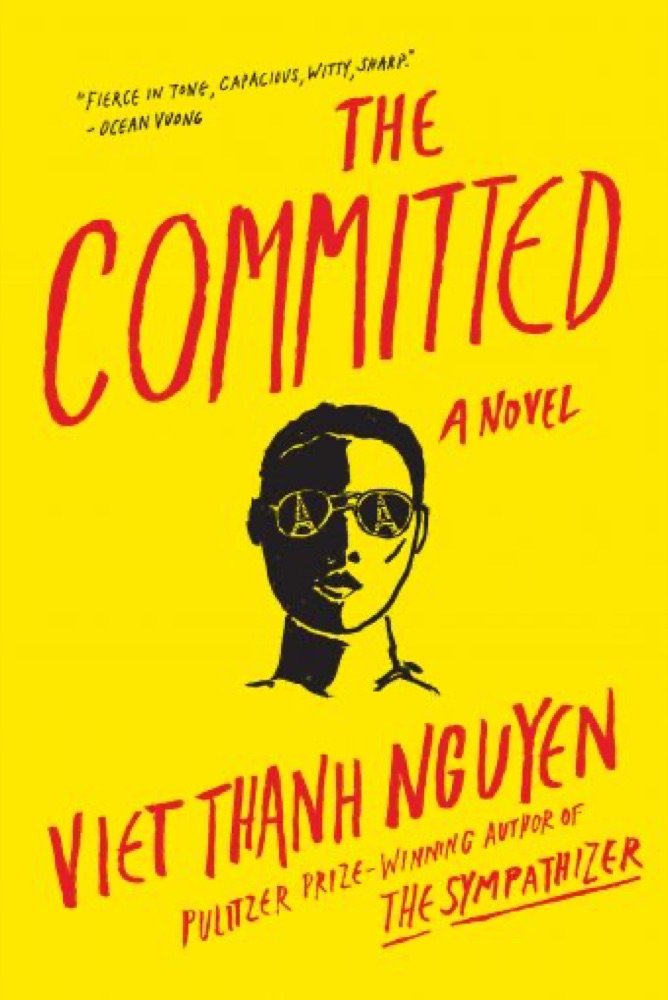 The Committed
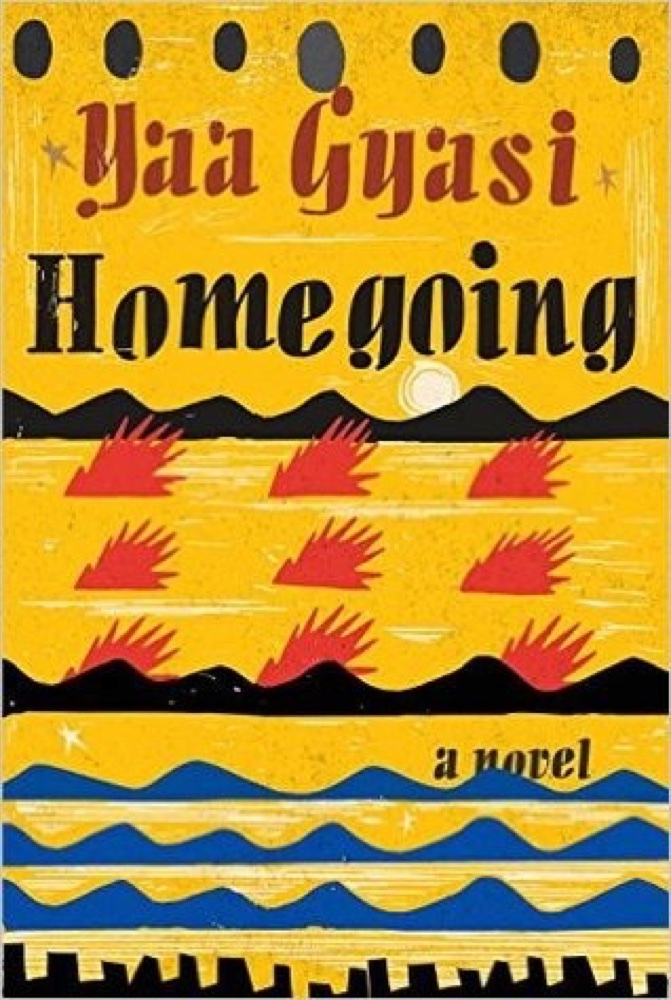 Homegoing
 The Autobiography of Eleanor Roosevelt
 Dream Count
 The Twelve Kingdoms: Skies of Dawn
 Too Much Happiness: Stories
 Open City
 Resistance, Rebellion and Death: Essays
 In Search of Our Mothers' Gardens: Womanist Prose
 The Shadow Land
 A Bend in the River
 Pachinko
 Joan Is Okay
 The Book That Broke the World
 Under the Same Stars
 Darkness at Noon
 Green Mars
 The Testaments
 Joseph Anton: A Memoir
 Another Country