
 The Divided Self: An Existential Study in Sanity and Madness
Quotes from the Book
Madness need not be all breakdown. It may also be break-through. It is potential liberation and renewal as well as enslavement and existential death.
192
The condition of alienation, of being asleep, of being unconscious, of being out of one’s mind, is the condition of the normal man. Society highly values its normal man. It educates children to lose themselves and to become absurd, and thus to be normal. Normal men have killed perhaps 100,000,000 of their fellow normal men in the last fifty years.
96
What we call ‘normal’ is a product of repression, denial, splitting, projection, introjection and other forms of destructive action on experience. It is radically estranged from the structure of being. The more one sees this, the more senseless it is to continue with generalized descriptions of supposedly specifically schizoid, schizophrenic, hysterical ‘mechanisms.’ There are forms of alienation that are relatively strange to statistically ‘normal’ forms of alienation. The ‘normally’ alienated person, by reason of the fact that he acts more or less like everyone else, is taken to be sane. Other forms of alienation that are out of step with the prevailing state of alienation are those that are labeled by the ‘formal’ majority as bad or mad.
93
Human beings seem to have an almost unlimited capacity to deceive themselves, and to deceive themselves into taking their own lies for truth.
46
We all live under the constant threat of our own annihilation. Only by the most outrageous violation of ourselves have we achieved our capacity to live in relative adjustment to a civilization apparently driven to its own destruction.
40
The Lotus opens. Movement from earth, through water, from fire to air. Out and in beyond life and death now, beyond inner and outer, sense and non-sense, meaning and futility, male and female, being and non-being, Light and darkness, void and full. Beyond all duality, or non-duality, beyond and beyond. Disincarnation. I breathe again.
30
What we call 'normal' is a product of repression, denial, splitting, projection, introjection and other forms of destructive action on experience.
16
If I could turn you on, if I could drive you out of your wretched mind, if I could tell you I would let you know.
13
This writing is not exempt. It remains like all writing an absurd and revolting effort to make an impression on a world that will remain as unmoved as it is avid. If I could turn you on, if I could drive you out of your wretched mind, if I could tell you, I would let you know.
7
Under the heading of "defense mechanisms,” psychoanalysis describes a number of ways in which a person becomes alienated from himself. For example, repression, denial, splitting, projection, introjection. These "mechanisms" are often described in psychoanalytic terms as themselves "unconscious,” that is, the person himself appears to be unaware that he is doing this to himself. Even when a person develops sufficient insight to see that "splitting", for example, is going on, he usually experiences this splitting as indeed a mechanism, an impersonal process, so to speak, which has taken over and which he can observe but cannot control or stop. There is thus some phenomenological validity in referring to such "defenses" by the term "mechanism.” But we must not stop there. They have this mechanical quality because the person as he experiences himself is dissociated from them. He appears to himself and to others to suffer from them. They seem to be processes he undergoes, and as such he experiences himself as a patient, with a particular psychopathology. But this is so only from the perspective of his own alienated experience. As he becomes de-alienated he is able first of all to become aware of them, if he has not already done so, and then to take the second, even more crucial, step of progressively realizing that these are things he does or has done to himself. Process becomes converted back to praxis, the patient becomes an agent.
5
Many people used to believe that angels moved the stars. It now appears that they do not. As a result of this and like revelations, many people do not now believe in angels. Many people used to believe that the ‘seat’ of the soul was somewhere in the brain. Since brains began to be opened up frequently, no one has seen ‘the soul’. As a result of this and like revelations, many people do not now believe in the soul. Who could suppose that angels move the stars, or be so superstitious as to suppose that because one cannot see one’s soul at the end of a microscope it does not exist?
5
We have all been processed on Procrustean beds. At least some of us have managed to hate what they have made of us. Inevitably we see the other as the reflection of the occasion of our own self-division. The others have become installed in our hearts, and we call them ourselves. Each person, not being himself either to himself or the other, just as the other is not himself to himself or to us, in being another for another neither recognizes himself in the other, nor the other in himself. Hence being at least a double absence, haunted by the ghost of his own murdered self, no wonder modern man is addicted to other persons, and the more addicted, the less satisfied, the more lonely.
4
The group, whether We or You or Them, is not a new individual or organism or hyperorganism on the social scene; it has no agency of its own, it has no consciousness of its own. Yet we may shed our own blood and the blood of others for this bloodless presence.
3
If the formation is itself off course, then the man who is really to get "on course" must leave the formation.
2
Only experience is evident. Experience is the only evidence. Psychology is the logos of experience. Psychology is the structure of the evidence and hence psychology is the science of sciences.
1
Watch on YouTube
About R.D. Laing
We have collected 45 quotes from 2 books by R.D. Laing on BookQuoters.
More about the author →More by R.D. Laing
The Divided Self: An Existential Study in Sanity and Madness
About the book
A brilliantly original book from one of the 20th century's most influential psychiatrists that goes beyond the usual theories of mental illness and alienation to make a convincing case for the "madness of morality."
R.D. Laing is at his most wickedly iconoclastic in this eloquent assault on conventional morality. Compelling, unsettling, consistently absorbing, The Politics of Experience is a classic of genuine importance that will "excite, enthrall, and disturb. No one who reads it will remain unaffected." (Rollo May, Saturday Review )
Book details
- First published
- 1967
- Author
- R.D. Laing
- Genre
- Nonfiction
- Goodreads rating
- 4.12 (2k ratings)
Keep reading
The Divided Self: An Existential Study in Sanity and Madness
 Anti-Oedipus: Capitalism and Schizophrenia
 The Sane Society
 The Doors of Perception & Heaven and Hell
 The Book: On the Taboo Against Knowing Who You Are
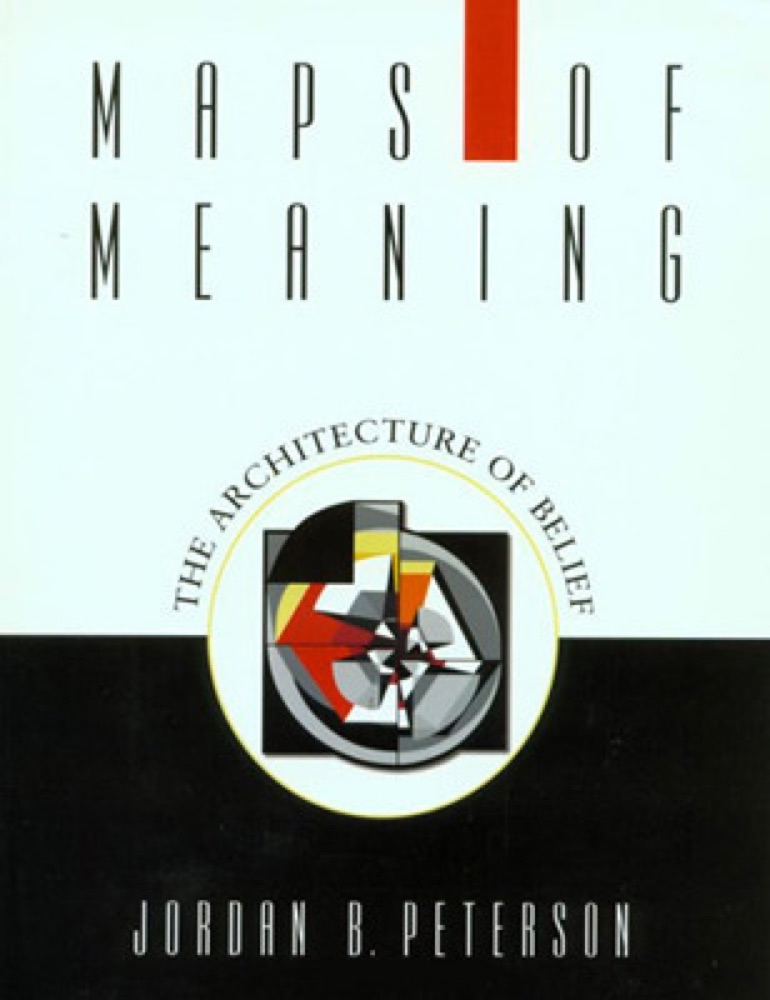 Maps of Meaning: The Architecture of Belief
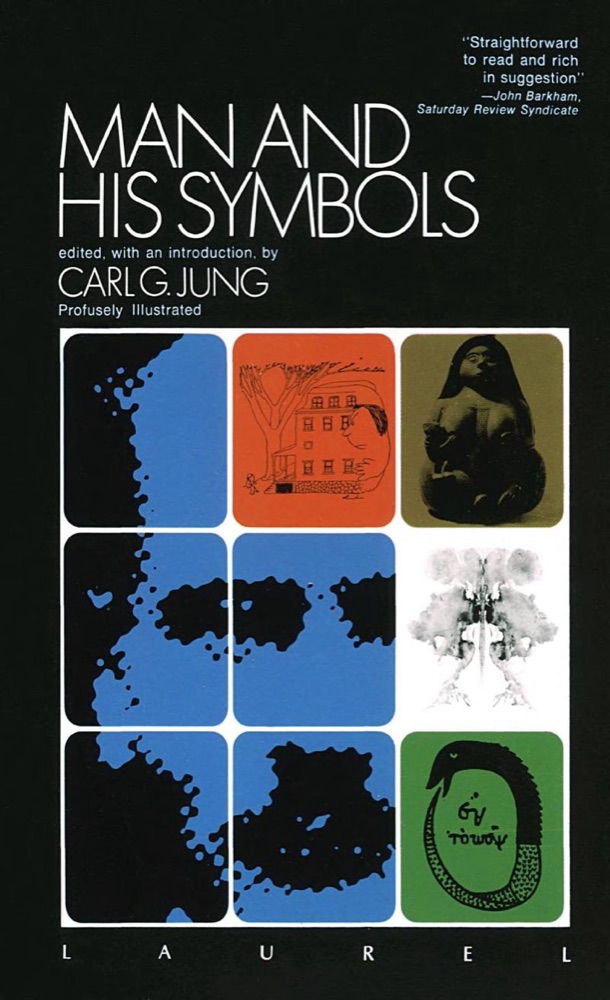 Man and His Symbols
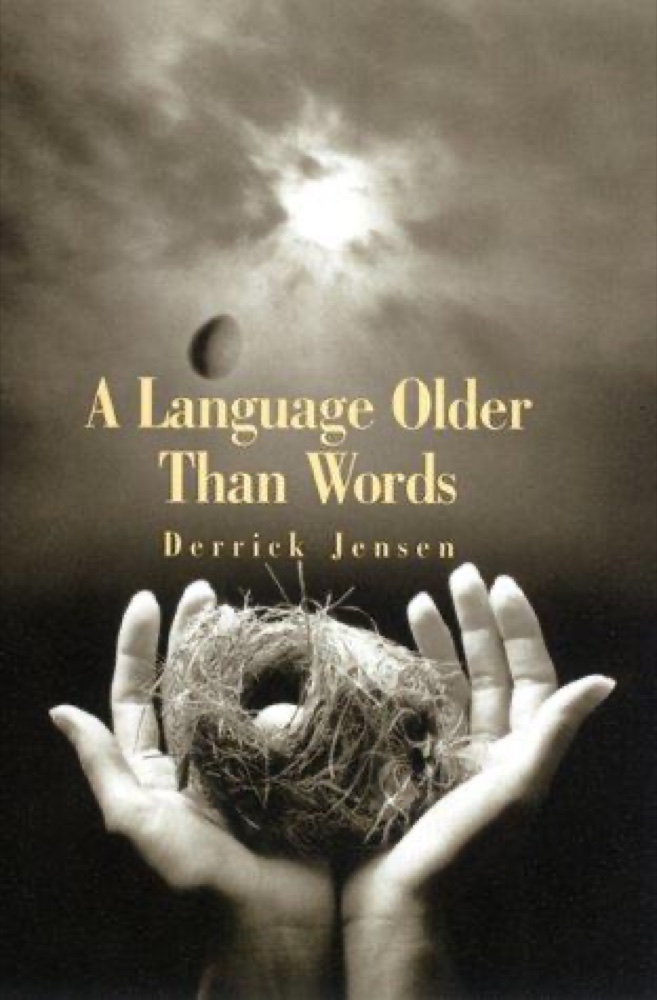 A Language Older Than Words
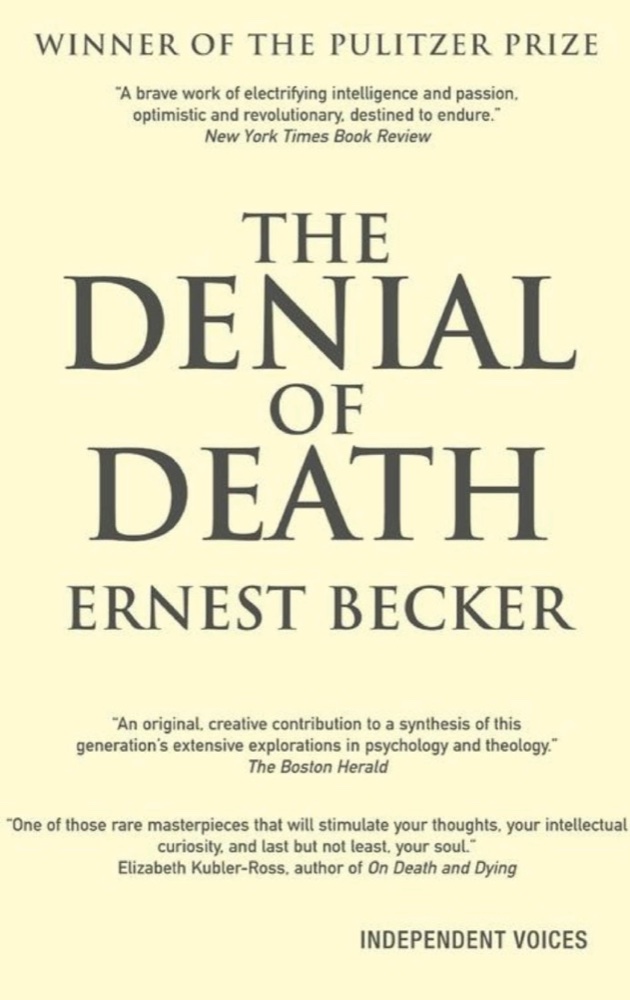 The Denial of Death
 Love's Executioner and Other Tales of Psychotherapy
 Daybreak: Thoughts on the Prejudices of Morality
 Moravagine
 On the Genealogy of Morals/Ecce Homo
 Underground: The Tokyo Gas Attack and the Japanese Psyche
 The Varieties of Religious Experience
 Freedom from the Known
 Genesis
 The Art of Being
 The Blank Slate: The Modern Denial of Human Nature
 Modern Man in Search of a Soul
 The Empusium
 Myths to Live By
 Drive Your Plow Over the Bones of the Dead
 Stella Maris
 Twilight of the Idols/The Anti-Christ
 The Dice Man
 Sexus
Sexus
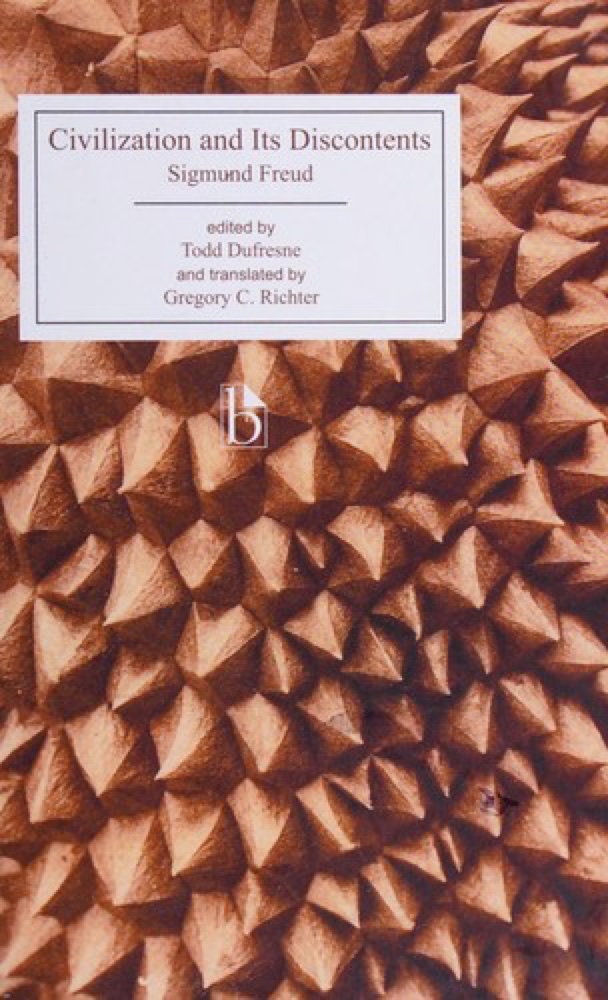 Civilization and Its Discontents
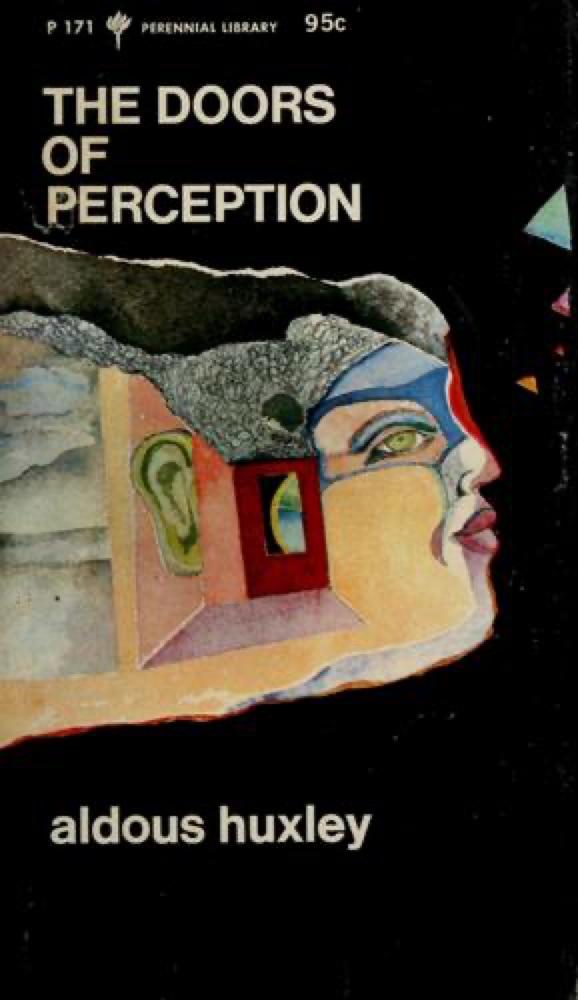 The Doors of Perception
 Food of the Gods: The Search for the Original Tree of Knowledge
 The Myth of Sisyphus
 Love and Will
 The Golden Notebook
 Eyeless in Gaza
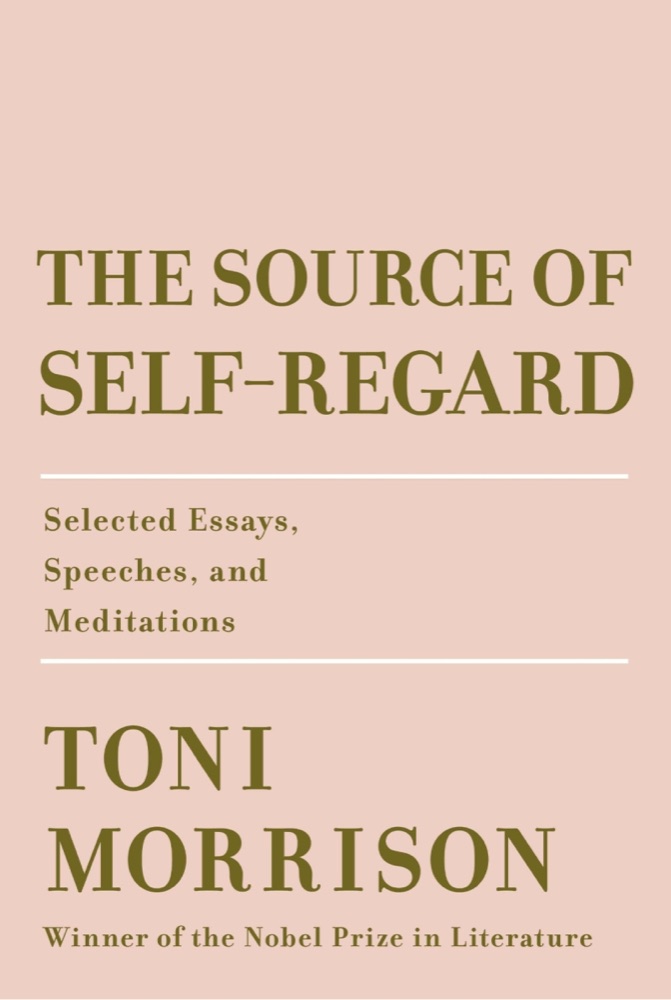 The Source of Self-Regard: Selected Essays, Speeches, and Meditations
 The Conspiracy Against the Human Race
 Sexual Personae: Art and Decadence from Nefertiti to Emily Dickinson
 The Man Without Qualities
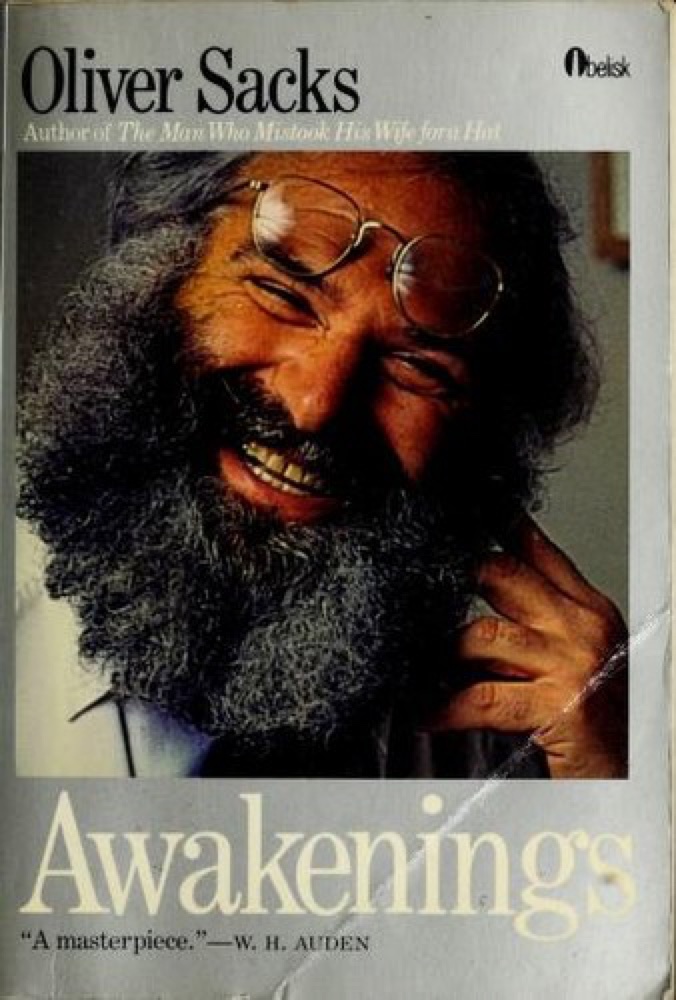 Awakenings
 The Master and His Emissary: The Divided Brain and the Making of the Western World
 The Wisdom of Insecurity: A Message for an Age of Anxiety
 Infinite Jest
 American Pastoral
 The Man Who Mistook His Wife for a Hat and Other Clinical Tales
 Irrational Man: A Study in Existential Philosophy
 Red Pill
 Escape from Freedom
 Memories, Dreams, Reflections
 Finding Meaning in the Second Half of Life: How to Finally, Really Grow Up
 The Pale King
 The Human Stain
 Man's Search for Himself
 Night Train to Lisbon
 The Man in the High Castle
 Correction
 Introductory Lectures on Psychoanalysis
 Villa Incognito
 The Occult
 The Book of Joan